





Pool Thermometers for Swimming Pools and Spas





















About Pool Thermometers for Swimming Pools and Spas - Walmart.com
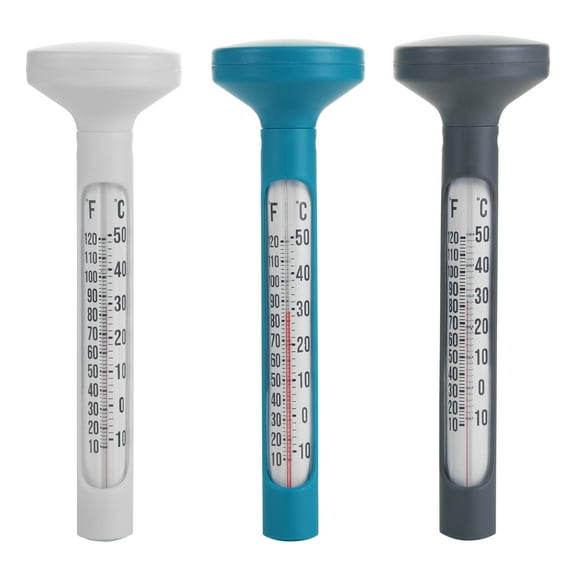
Your pool thermometer helps you plan swims, check comfort fast, and monitor water conditions without guessing. You can compare floating, hanging, digital, and wireless styles to match your pool setup and reading habits.
Choosing the right pool thermometer
When you compare pool thermometers, you should start with how you'll read the temperature. You may want large numbers, simple scales, or indoor readings that let you check water without stepping outside.
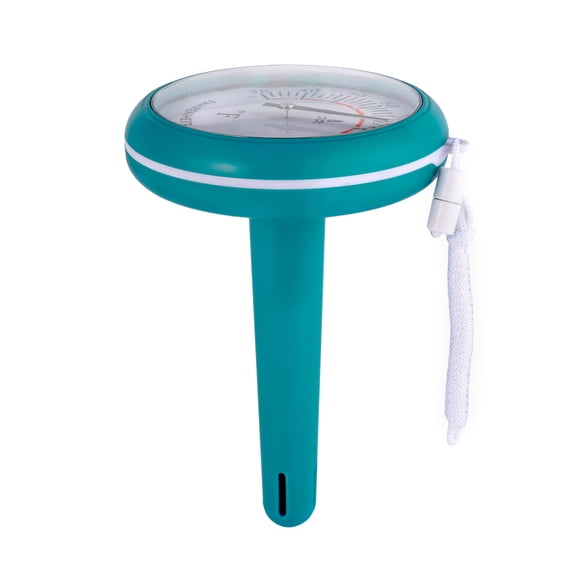
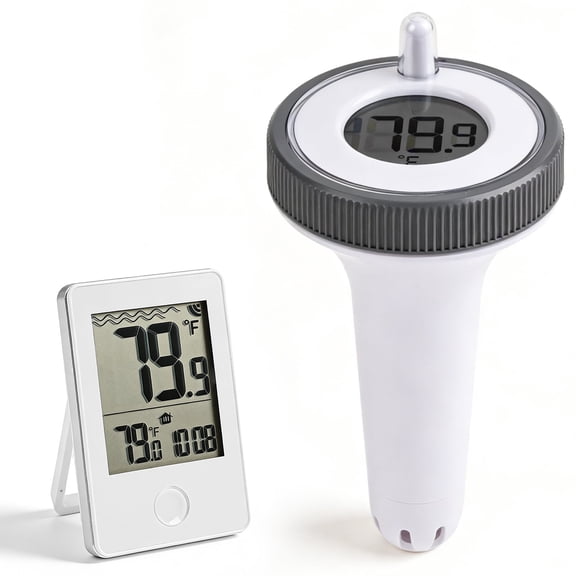
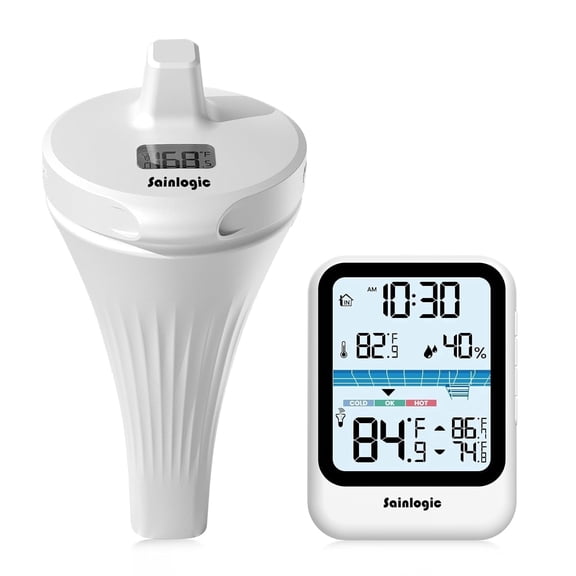
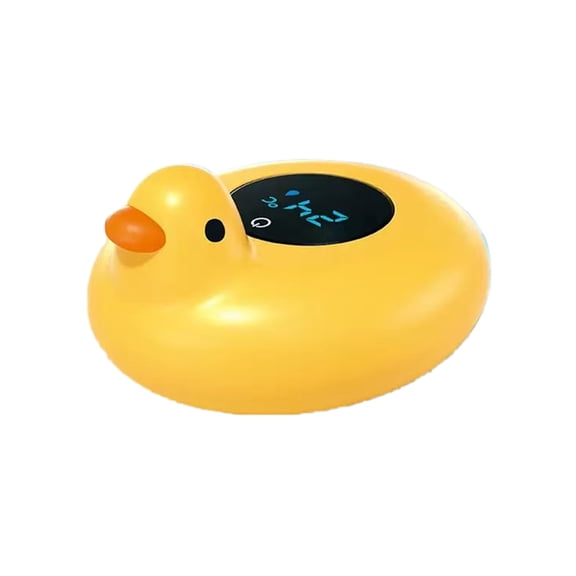
Display type shapes your daily experience more than you might expect. You'll usually find analog models simple, digital models easy to read, and wireless options convenient from a distance.
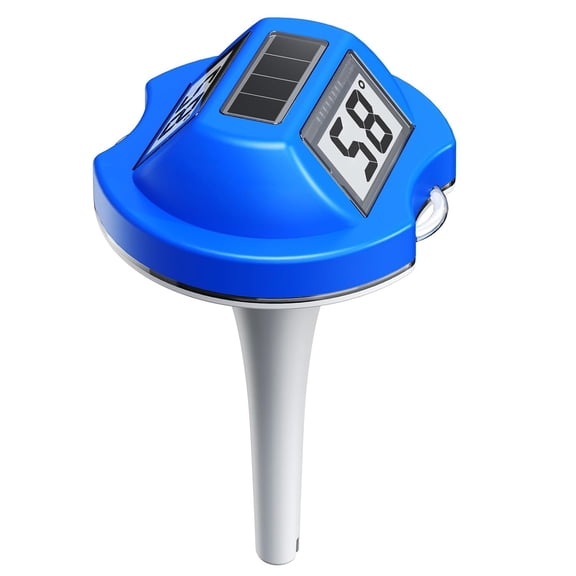
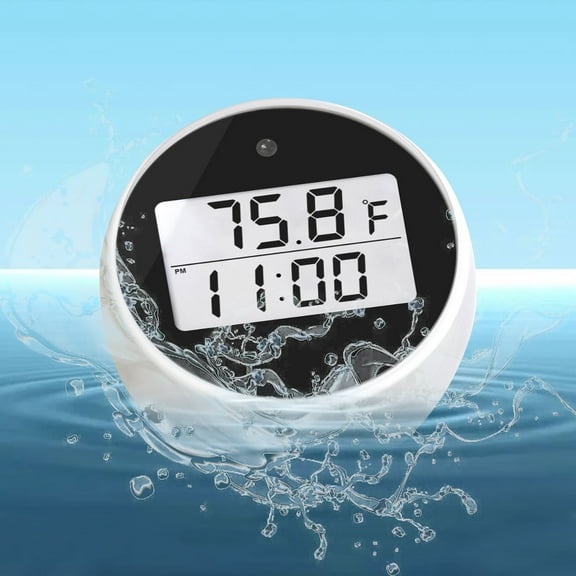
- You can read digital displays quickly when you want clear numbers at a glance.
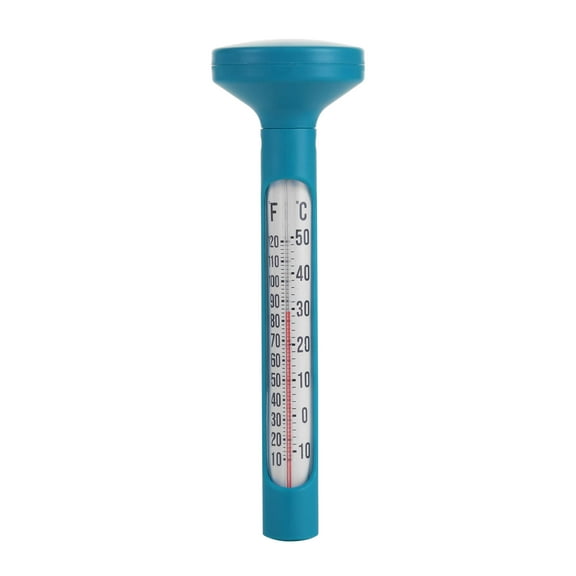
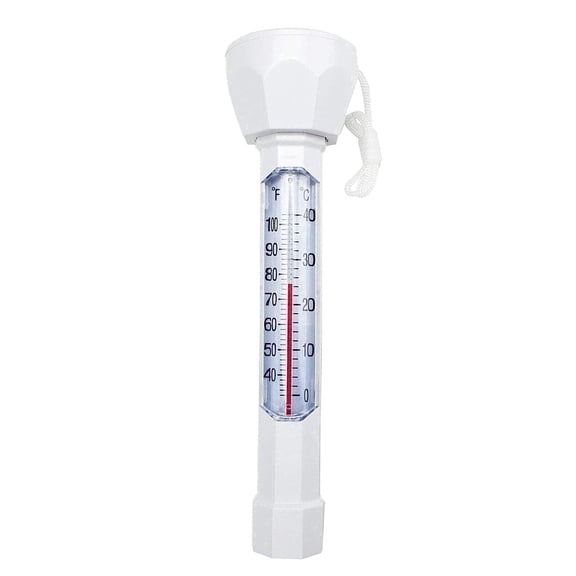
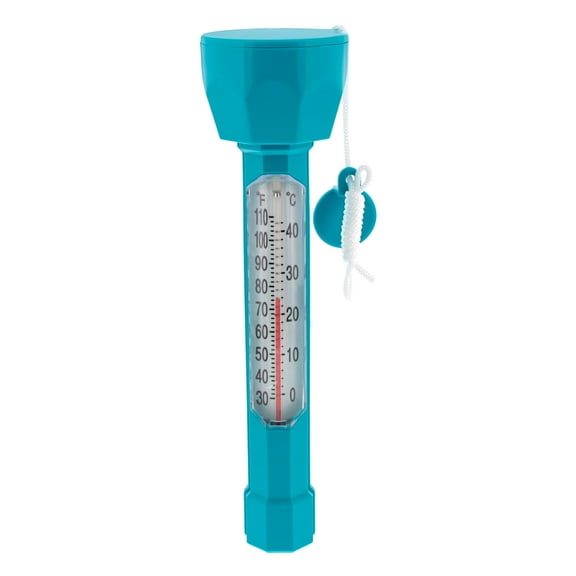
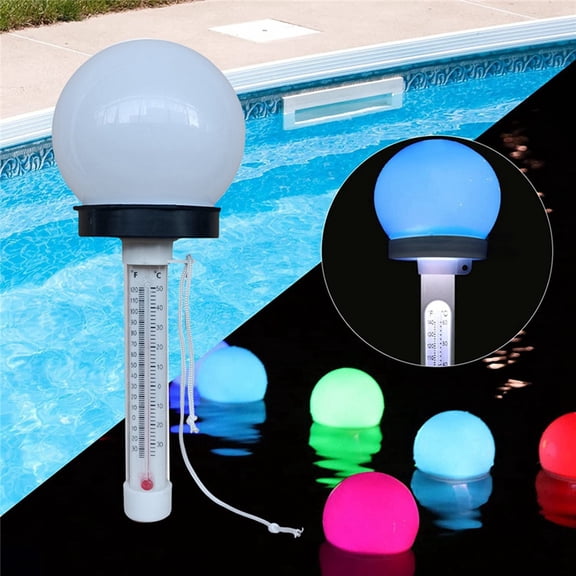
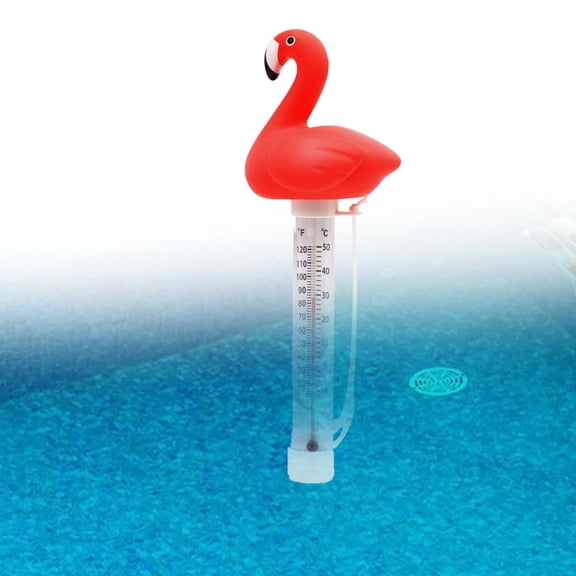
- You can choose floating designs when you want the thermometer to move with the water surface.
- You can pick hanging styles when you want a fixed spot along the pool edge or ladder.
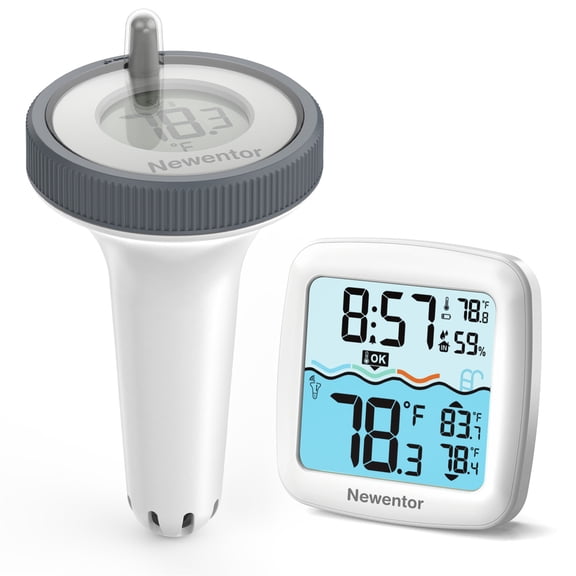
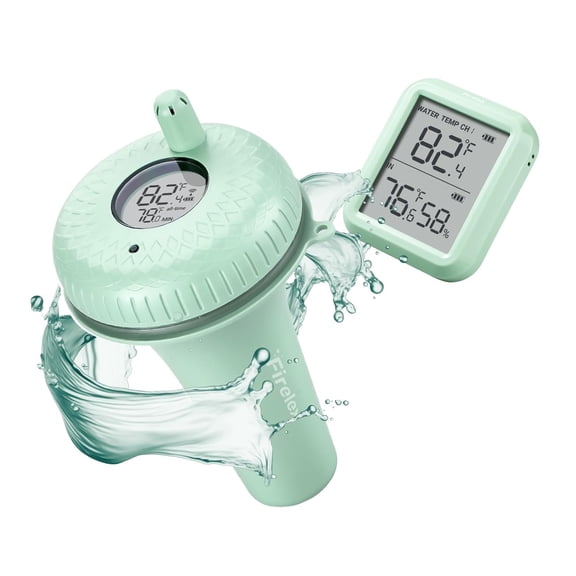
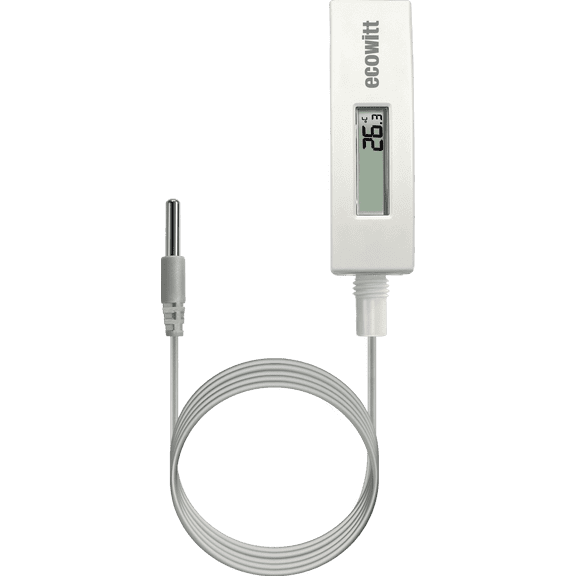
- You can use wireless models when you want to check temperature from inside your home.
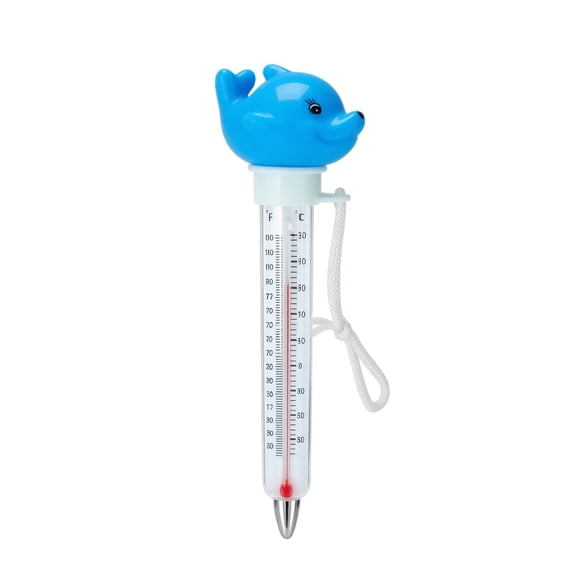
Design also affects where your thermometer stays during the day. You may prefer a tether-ready floating style if your skimmer pulls loose items across the water.
Material matters when your thermometer sits in sun, splash, and pool chemicals for long stretches. You'll want plastic, stainless steel, or shatterproof glass options that match your cleaning routine and handling preference.
What to look for in display, scale, and power
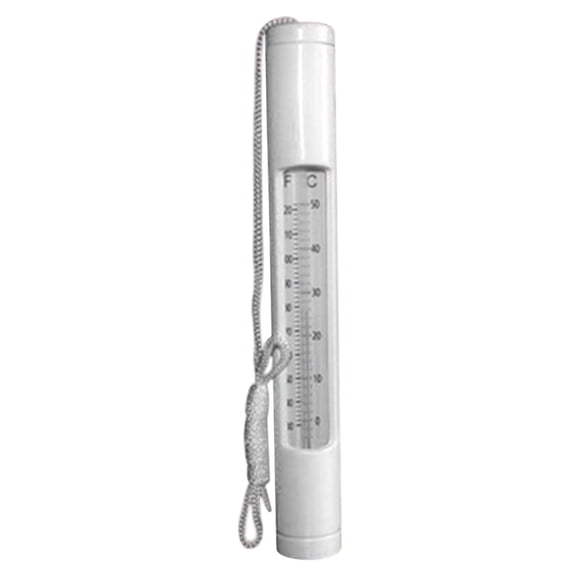
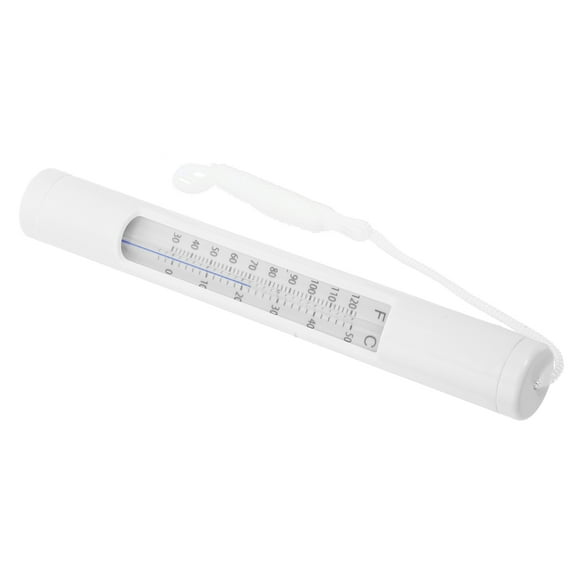
If you want fast reading from outside the pool, you should compare analog and digital displays first. You'll often notice digital screens show numbers more clearly, while analog dials offer simple battery-free use.
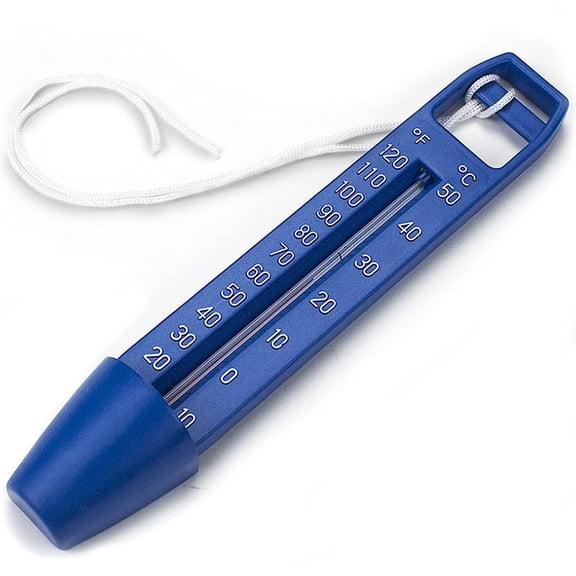
Measurement scale can make a big difference in everyday use. You may want Fahrenheit, Celsius, or a dual scale if your household checks temperature in different ways.
Power source is another practical choice that changes maintenance needs. You'll find analog options use no power, while digital models may use batteries or solar support.
If you want fewer upkeep steps, you might prefer a solar-powered unit for regular outdoor exposure. You may choose battery-powered styles when you want steady indoor receiver support.
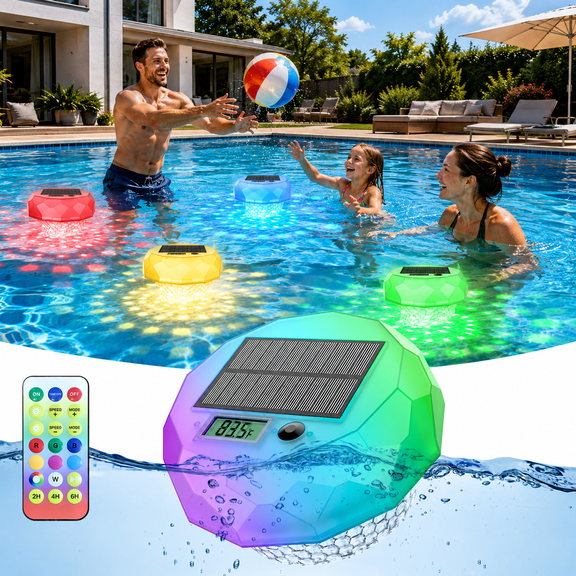
Wireless and smart LCD display-equipped sensors add another layer of convenience. You can compare MHz frequency and transmission range to understand how far your signal can travel between the water and receiver.
That technical detail matters when you plan to check the water from indoors. You'll want enough range to reach your kitchen, patio door, or poolside seating area without repeated signal drops.
Comparing design, material, and durability
Floating and hanging designs solve different placement needs around your pool. You can choose floating styles for quick placement, or you can pick hanging options for a more fixed reading spot.
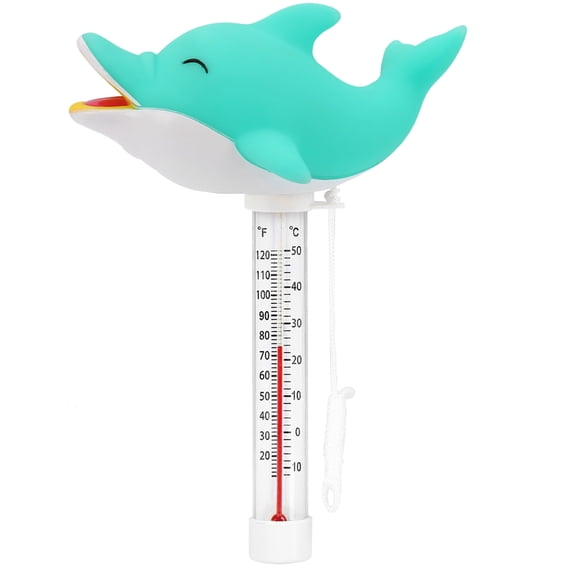
If your main concern is skimmer movement, you should look for attachment points or tether lines. You'll gain more control over placement and keep the thermometer from drifting across the pool.
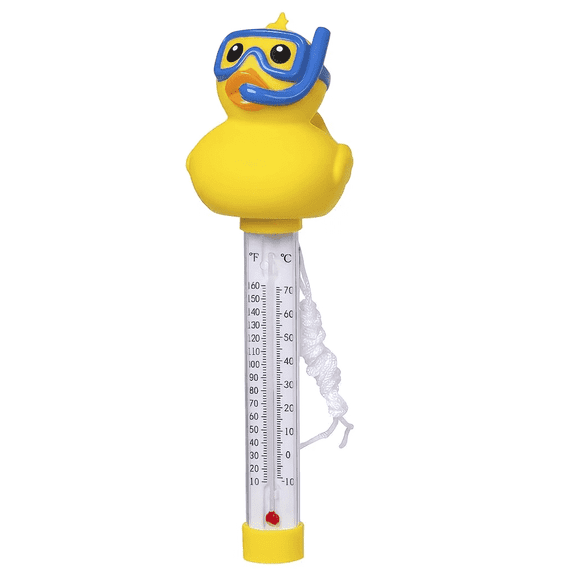
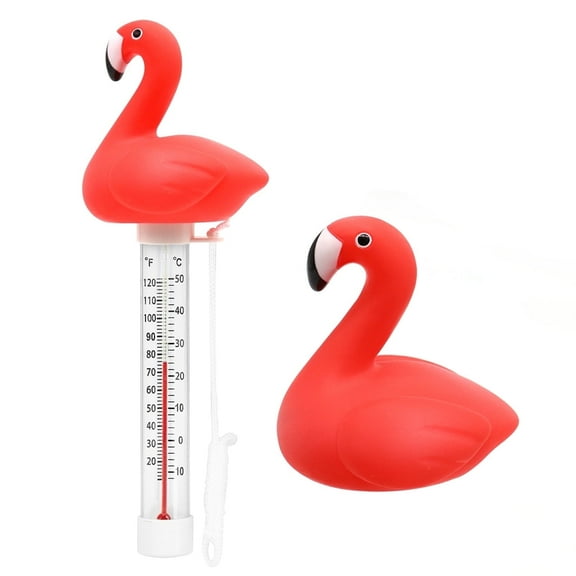
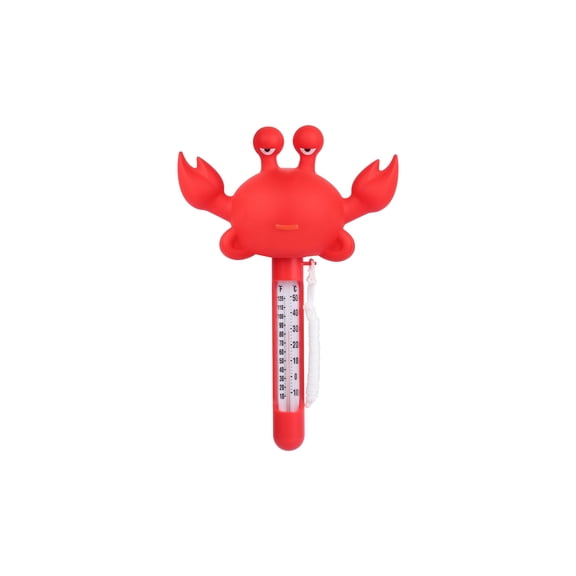
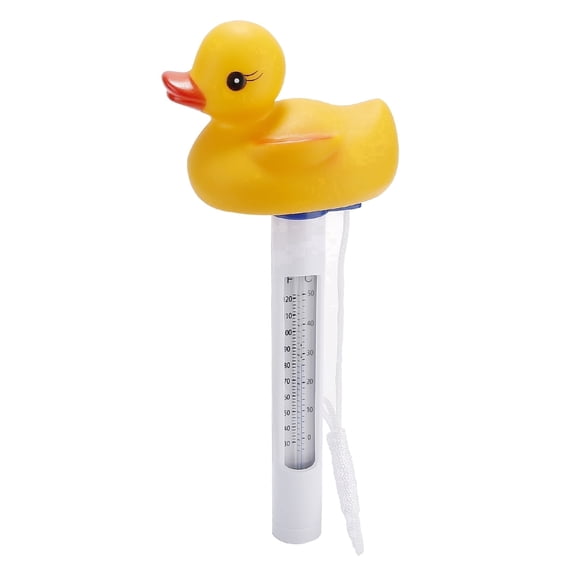
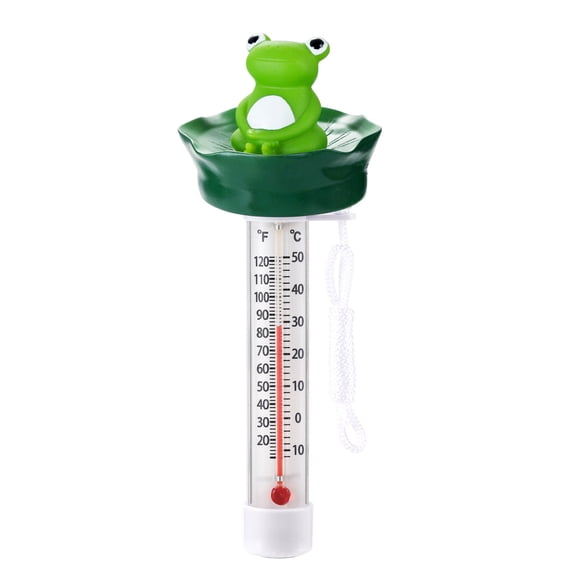
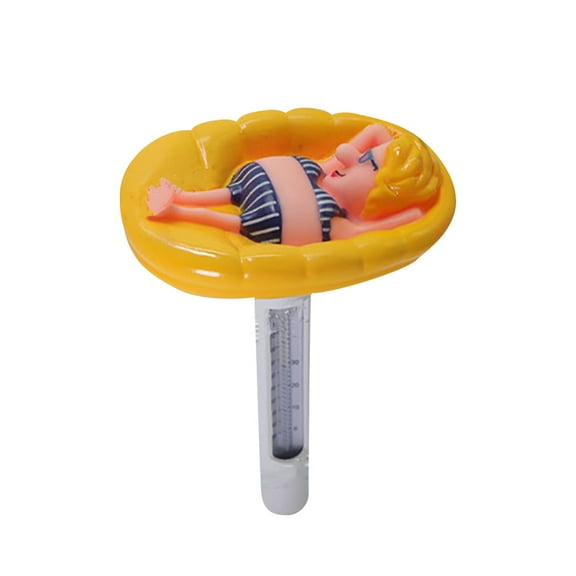
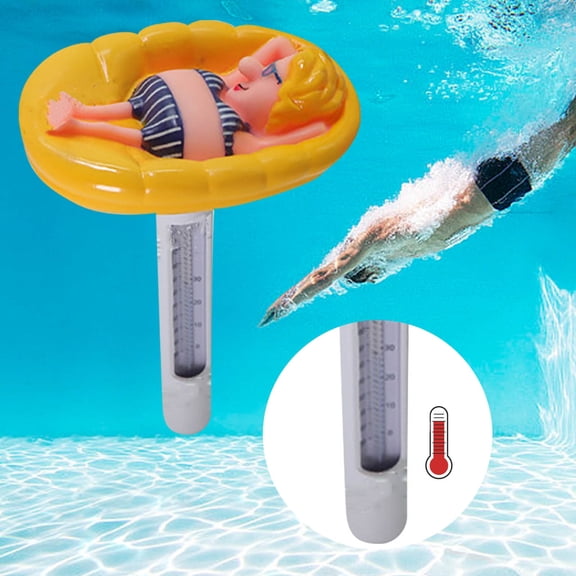
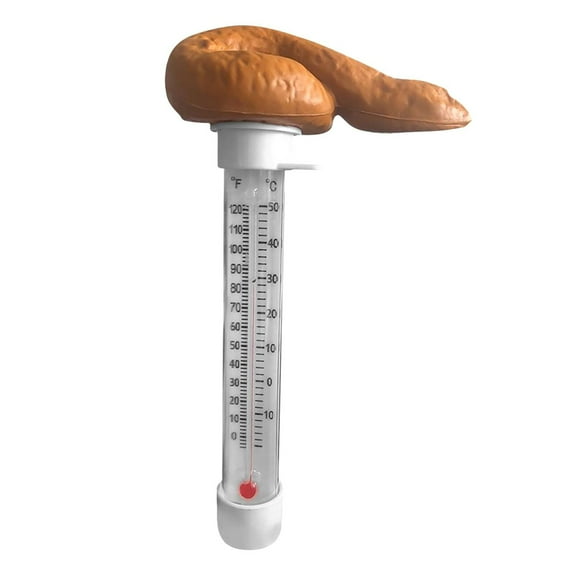
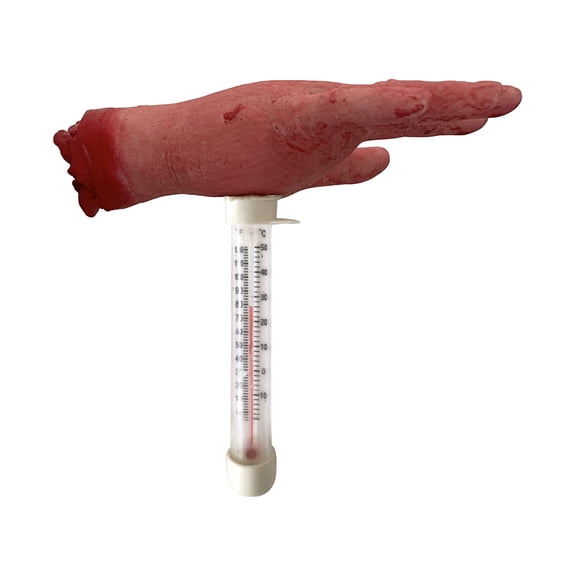
Character and novelty styles can add a playful look to the water. You can still compare readability, scale, and tether options so the design stays practical for regular checking.
Material choice affects how your thermometer feels and how you handle it. You may like lightweight plastic for simple use, stainless steel for a sturdy feel, or shatterproof glass for a classic look.
Sun exposure and chlorinated water can wear on pool accessories over time. You'll want a construction that stays readable and easy to handle through frequent outdoor use.
A clear housing and visible scale can matter as much as the core sensor. You can compare body shape, color contrast, and number size when you want easier checks from the deck.
Pool thermometer near me: choosing for real use
If you're searching for a pool thermometer near me, you're often looking for quick availability and easy setup. You can narrow your choice by pool type, reading distance, and whether you want floating or hanging placement.
For above ground pools, you may want a lightweight floating model with a tether option. You'll keep placement simple and make it easier to spot the thermometer from the ladder or deck.
For inground pools, you might prefer a hanging style or a wireless unit with an indoor receiver. You can check water temperature before morning laps, weekend guests, or evening patio time.
If you want to know the temperature before stepping outside, a pool thermometer nearby search often points to wireless convenience. You'll appreciate indoor readings when weather changes quickly or when your pool sits farther from the house.
Families often want easy-to-read numbers for quick swim planning. You can use dual-scale or digital styles when different swimmers prefer different reading formats.
If you manage regular pool care, you may pair your thermometer with pool test kits, skimmers, chemicals, or pumps. You'll get a clearer picture of daily pool conditions when temperature checks become part of your routine.
How to choose pool thermometers with confidence
You should focus on display type, placement, material, scale, and power before you decide. You'll end up with a pool thermometer that fits your routine, stays visible, and gives you quick readings when swim time matters.