

Nursery Essentials

Night time peace of mind







Soothe baby, anytime


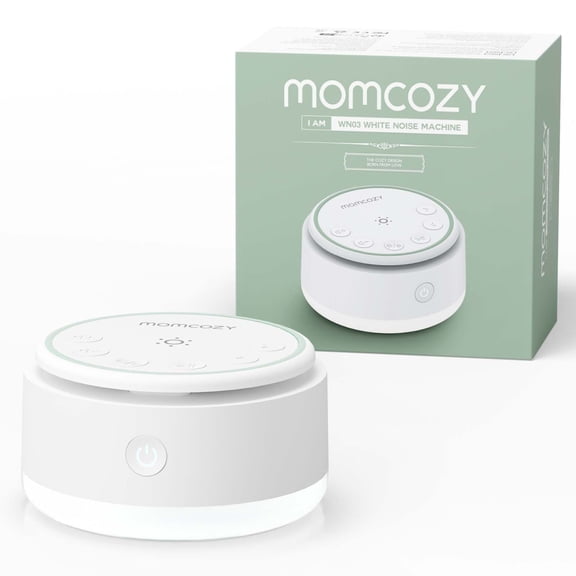
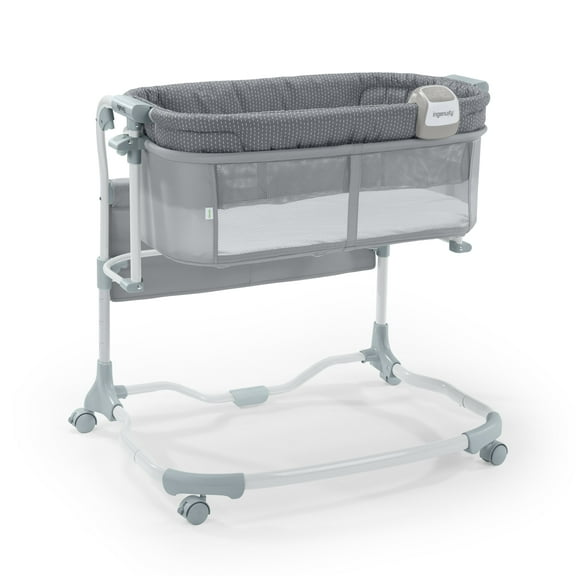
Keep baby close at night
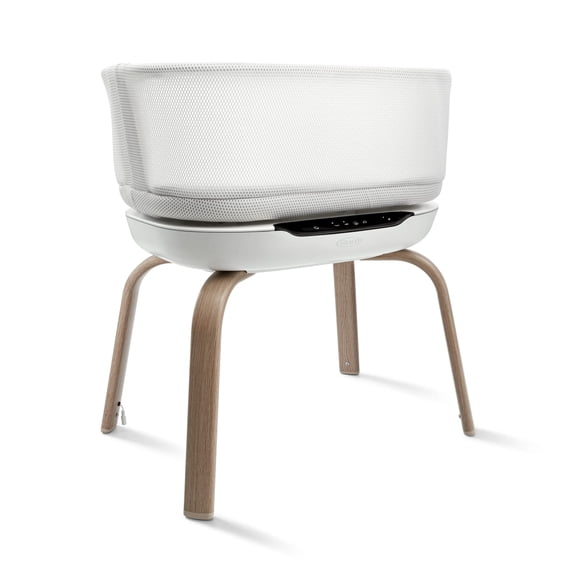


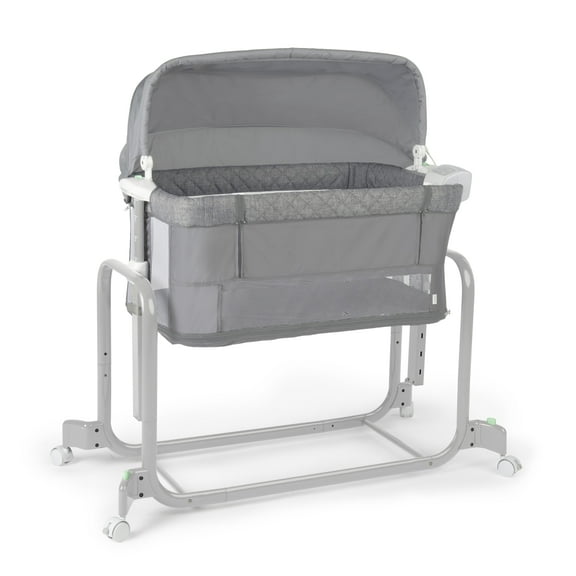

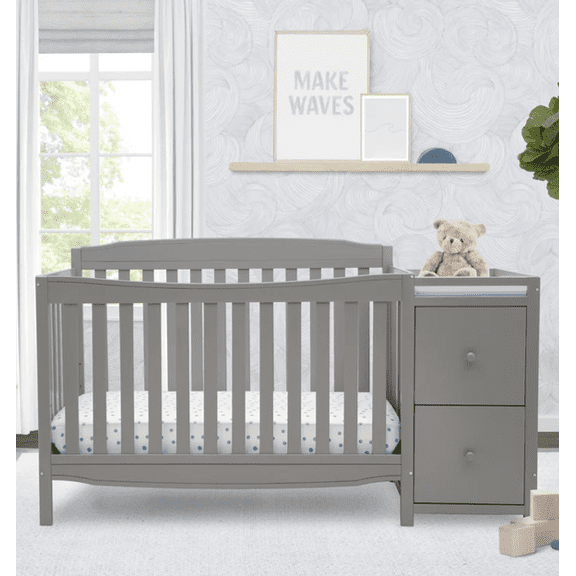
Stylish, safe baby cribs


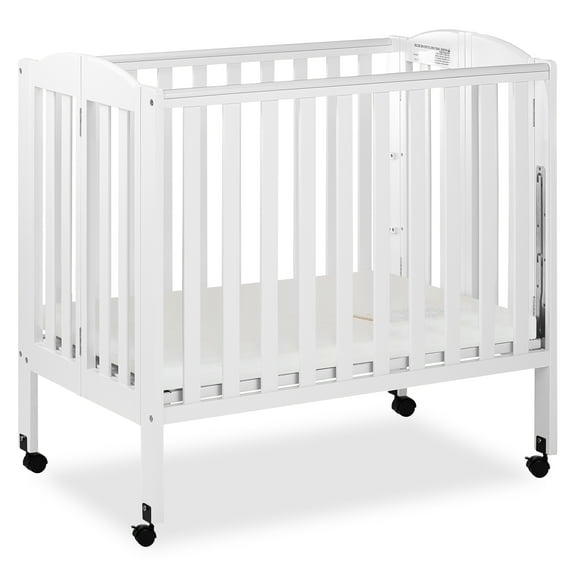
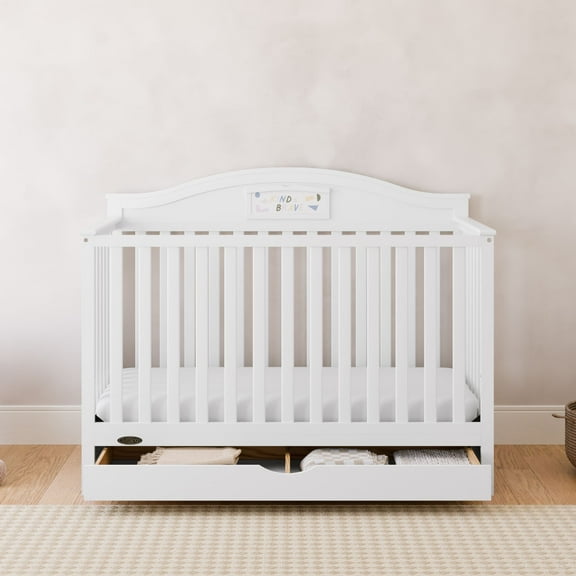
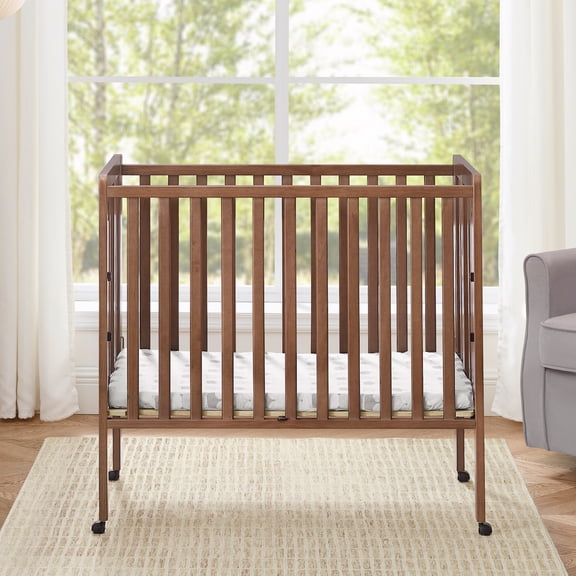

Comfy rest for baby


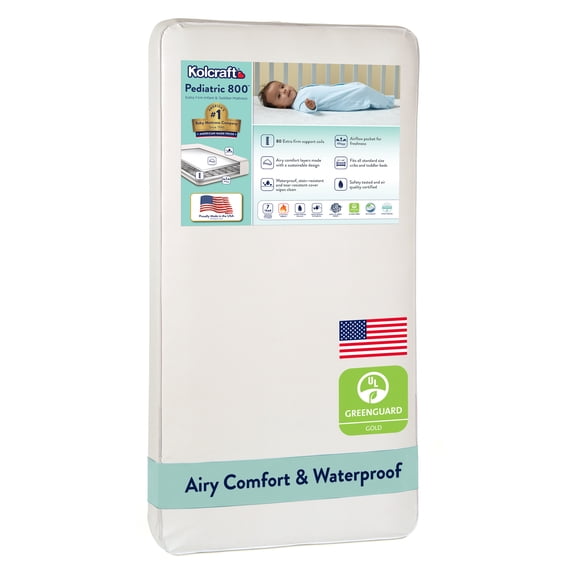

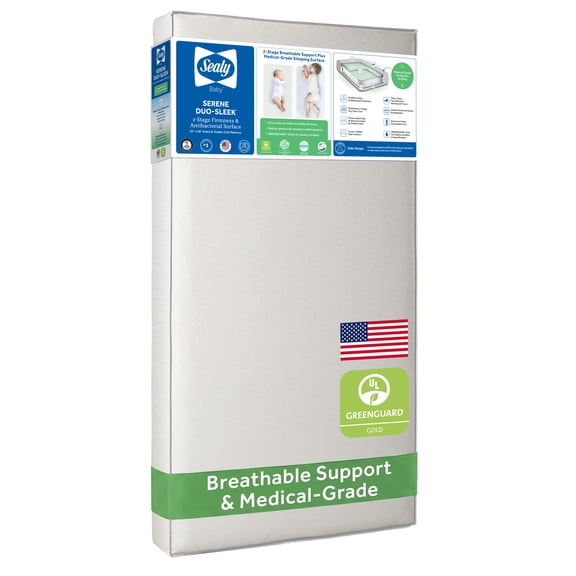

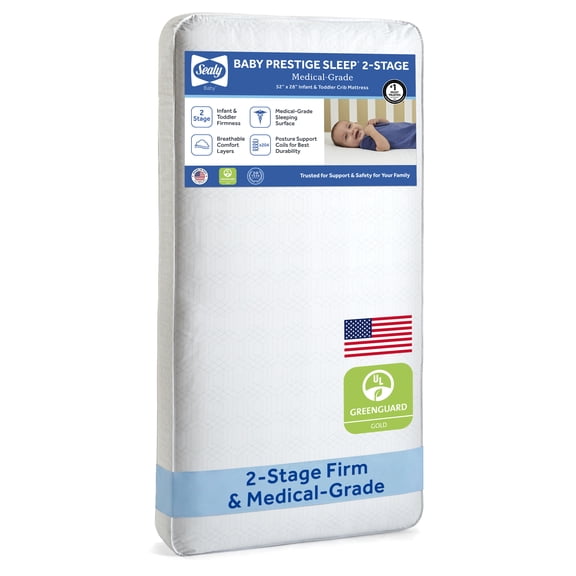
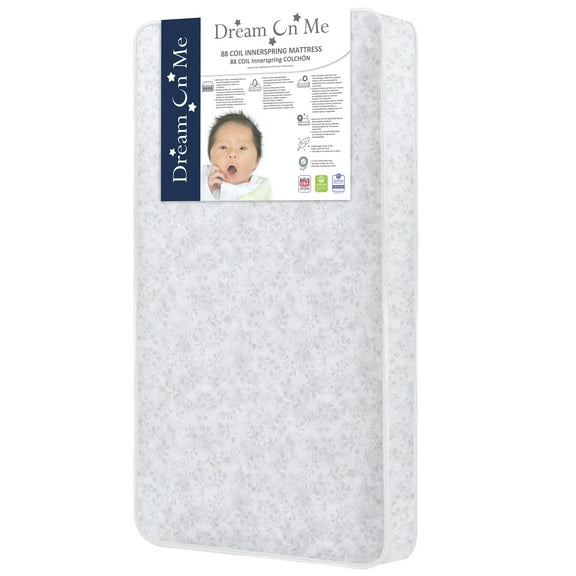
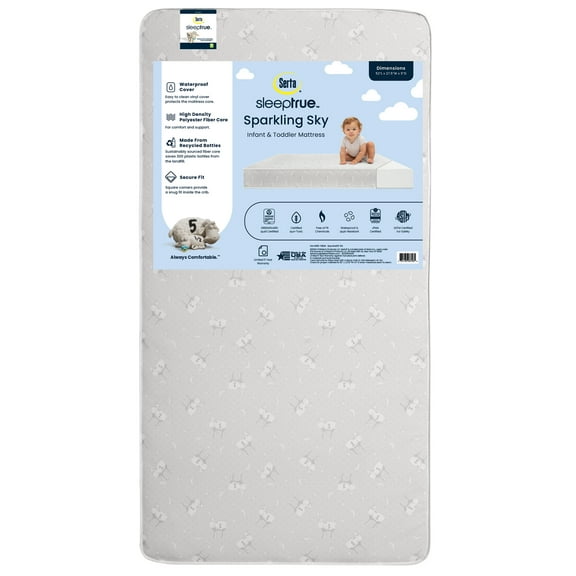
Cozy bedtime PJs
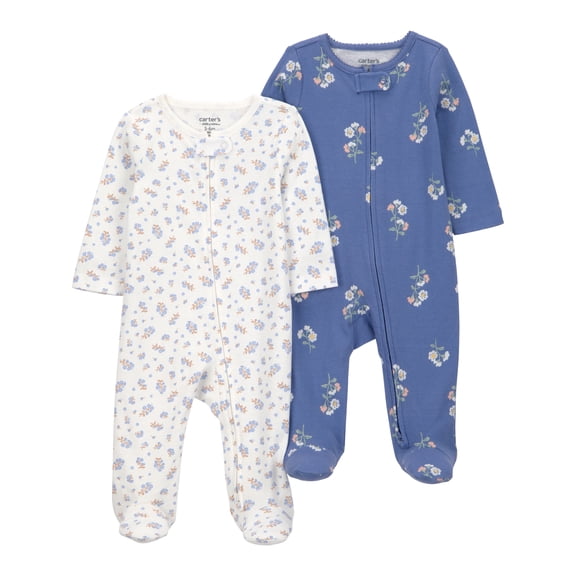
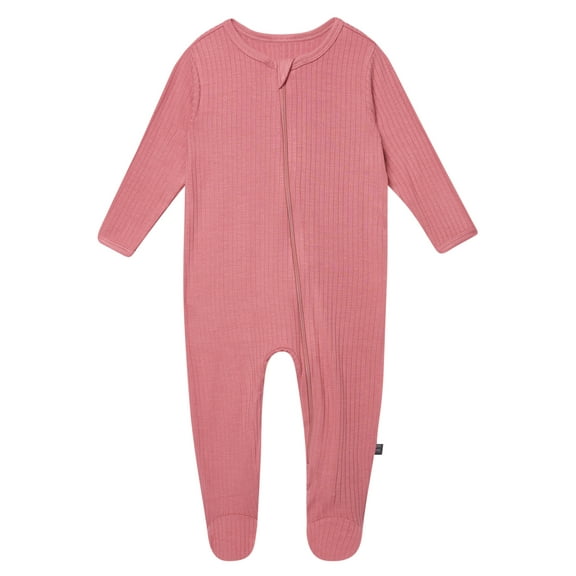
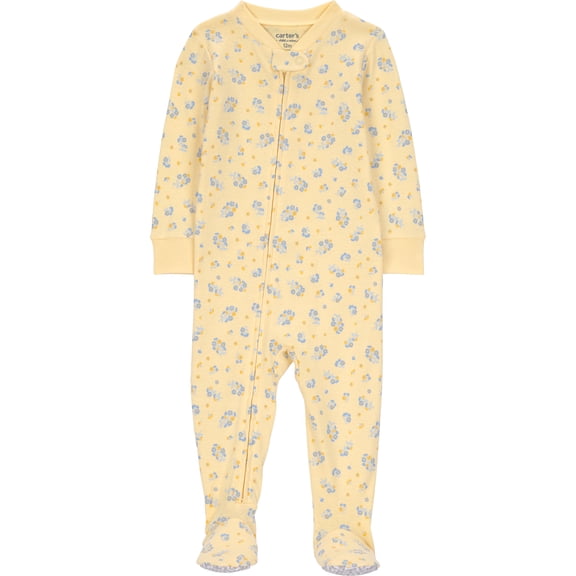

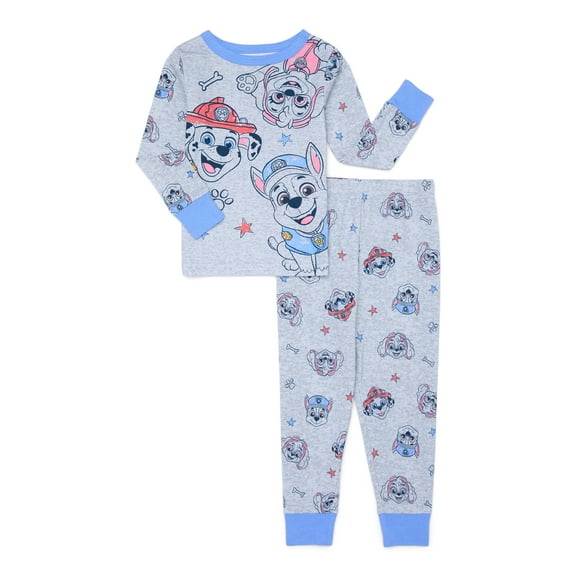
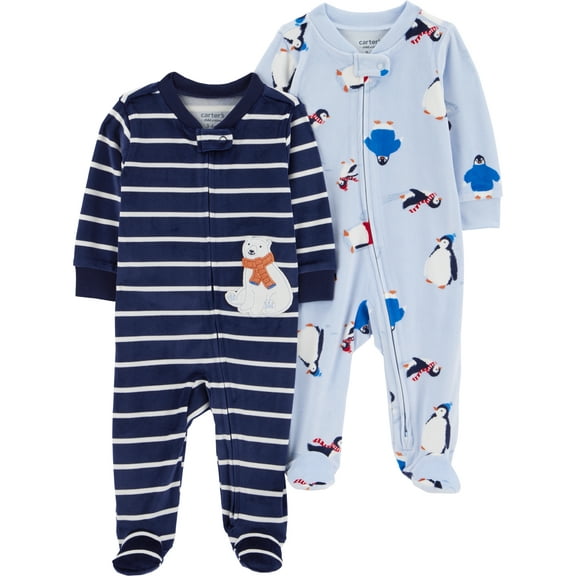
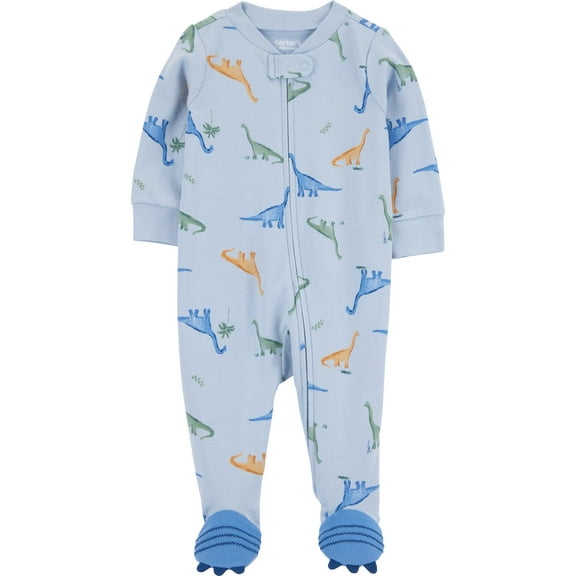
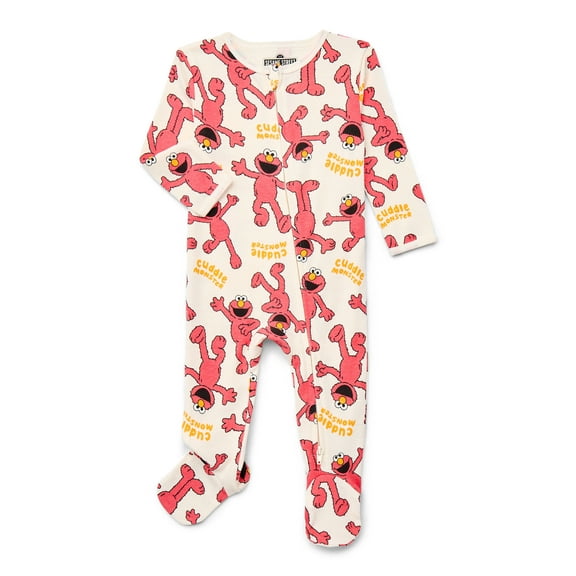
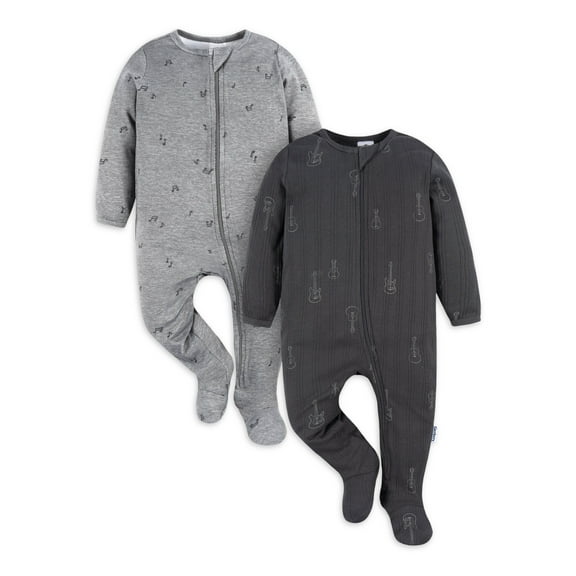
Rest easy knowing baby is comfy


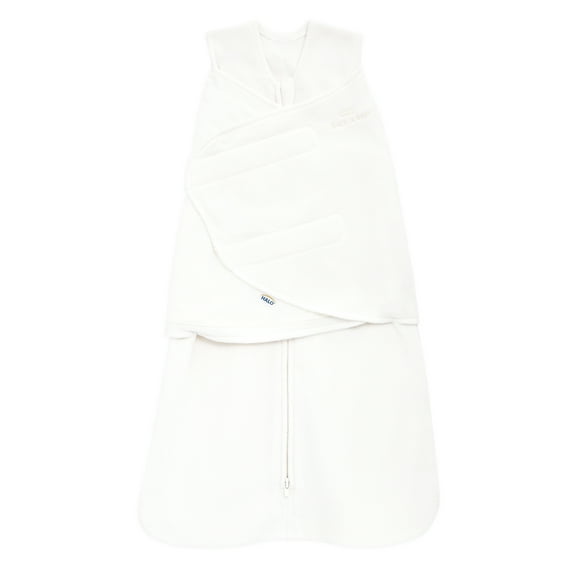
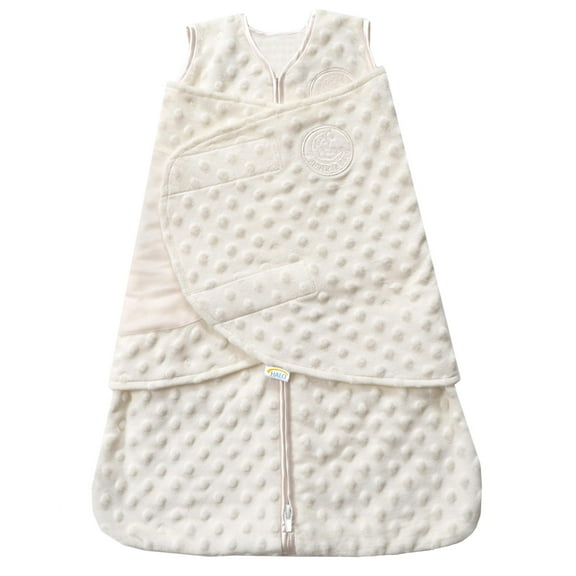
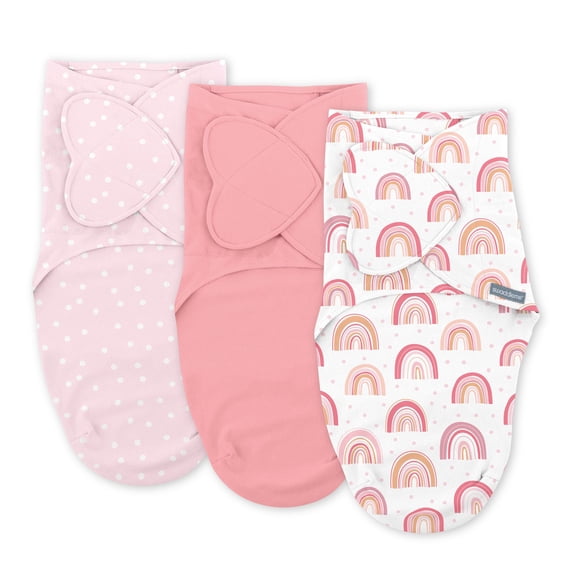

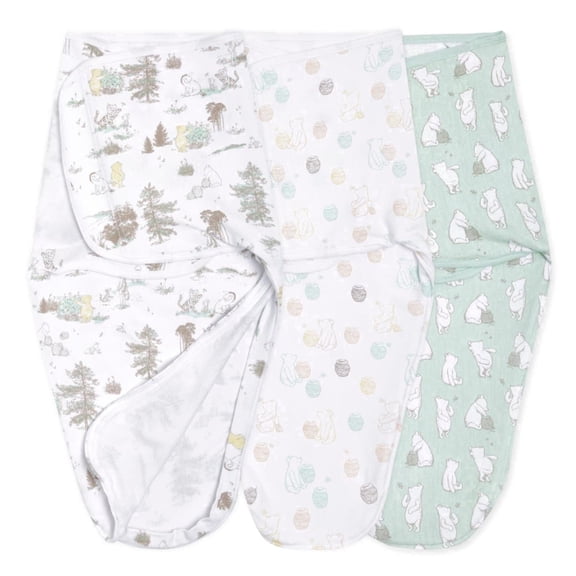
Softest touch for baby

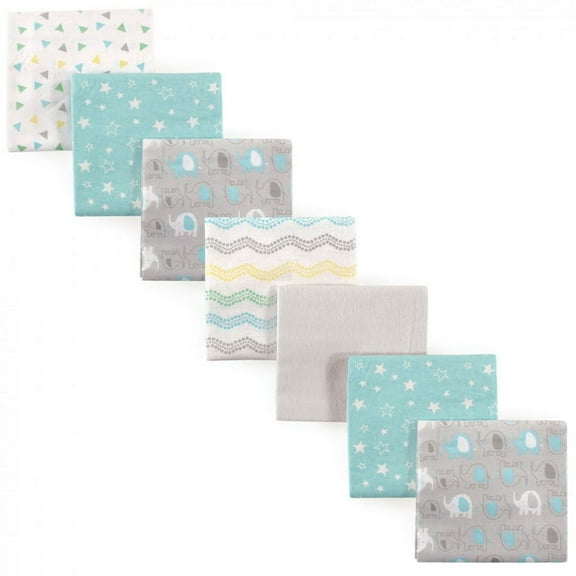

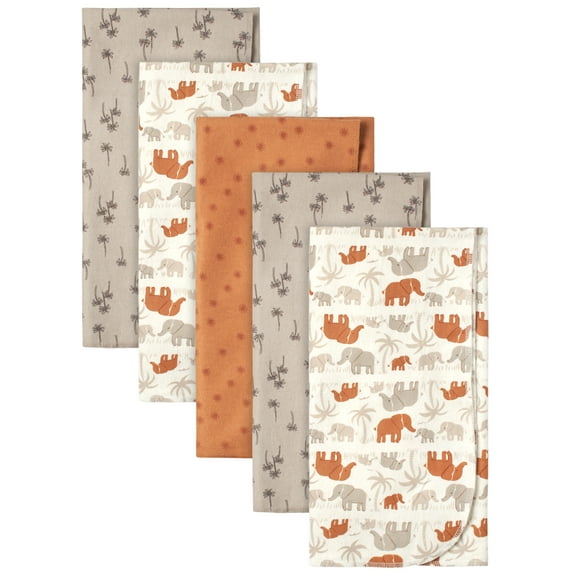
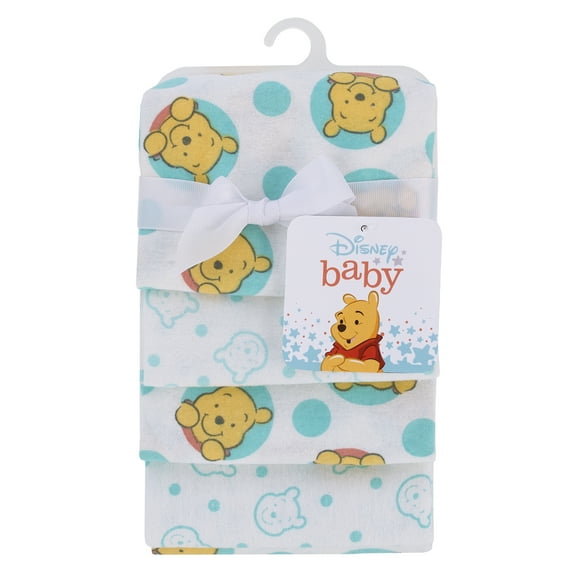
Diaper duty, done!
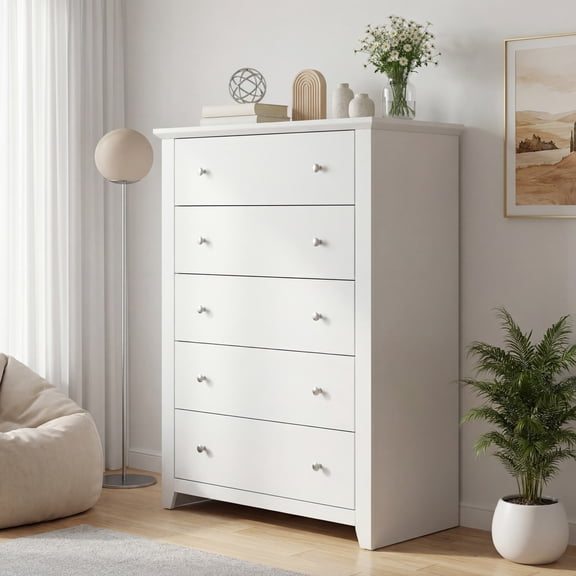

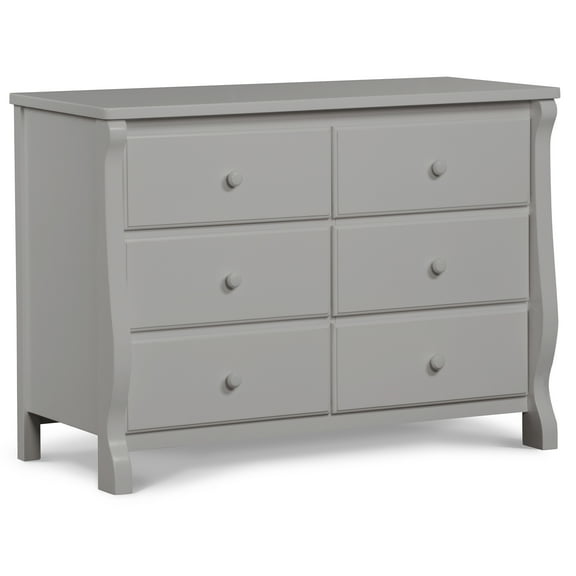
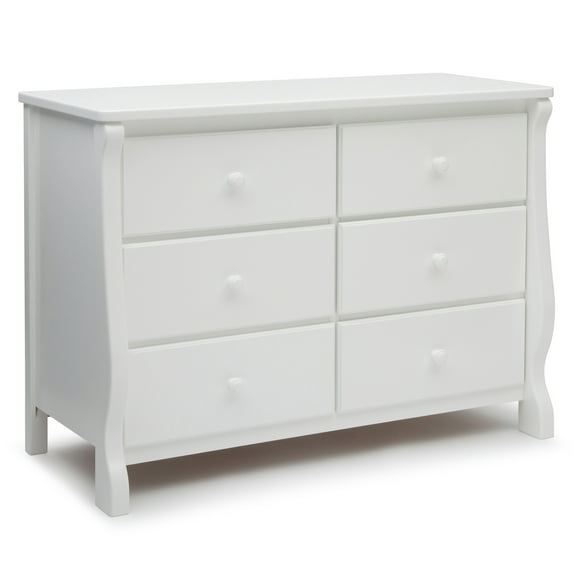
Snuggle & soothe baby



FAQ
About Nursery Essentials - Walmart.com
Nursery essentials help you build a calmer, more organized baby space from day one. You can use this guide to compare furniture, materials, storage, and style before you complete your registry or room setup.
As you plan your layout, you’ll want choices that fit your room and your routine. You’ll also want nursery essentials that support sleep spaces, feeding corners, diaper changes, and easy organization.
How to choose nursery essentials for your space
Start with the pieces you’ll use every day, then measure your room before you choose. You can avoid crowded walkways when you check wall length, door swing, and drawer clearance.
In smaller rooms, you may prefer a crib, a compact changing table, and vertical nursery storage. In larger rooms, you might add a glider, a dresser, and extra bins for blankets.
You’ll usually build your checklist around a few core needs first. You can focus on sleeping, changing, seating, and clothing storage before adding nursery decor and accents.
- You can create a clear sleep area with a crib that fits your floor plan.
- You can make diaper changes easier with a changing table or dresser top setup.
- You can keep daily items close with hanging organizers, toy bins, and drawer storage.
- You can shape the room’s look with modern, rustic, boho, minimalist, or gender-neutral details.
Choosing baby nursery essentials by furniture type
Cribs often anchor the room, so you’ll want to compare size, mattress support, and conversion options. If you’re planning ahead, you may prefer a convertible crib for later stages.
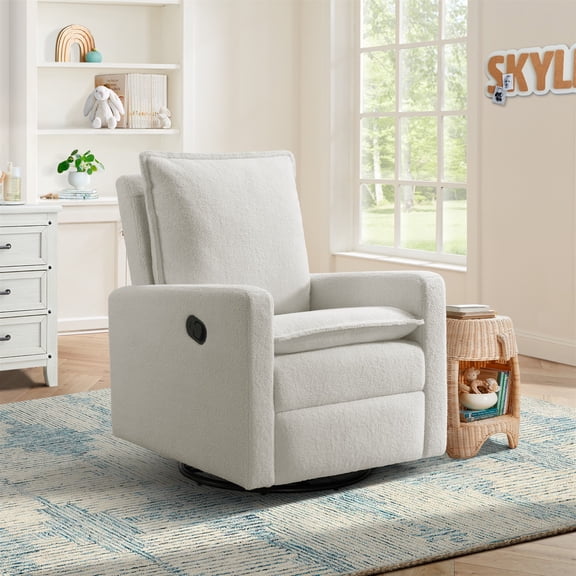
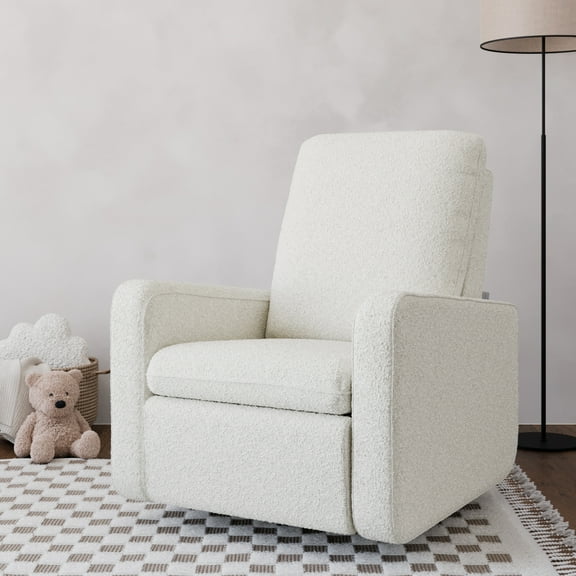
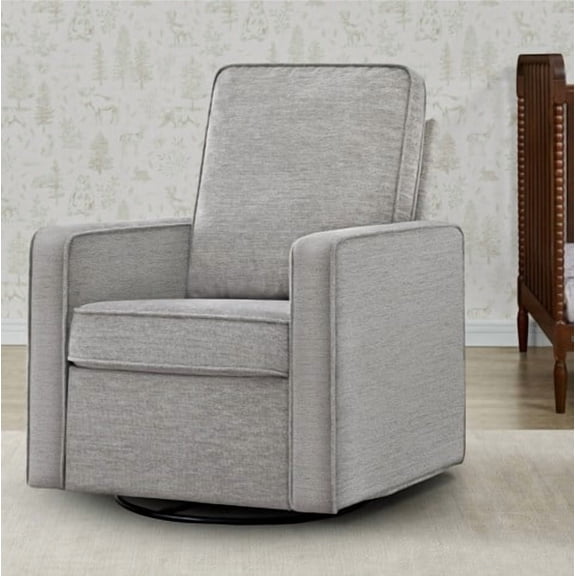
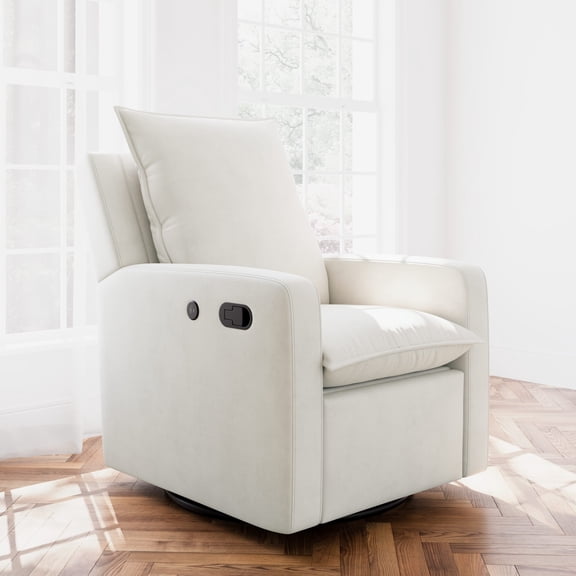
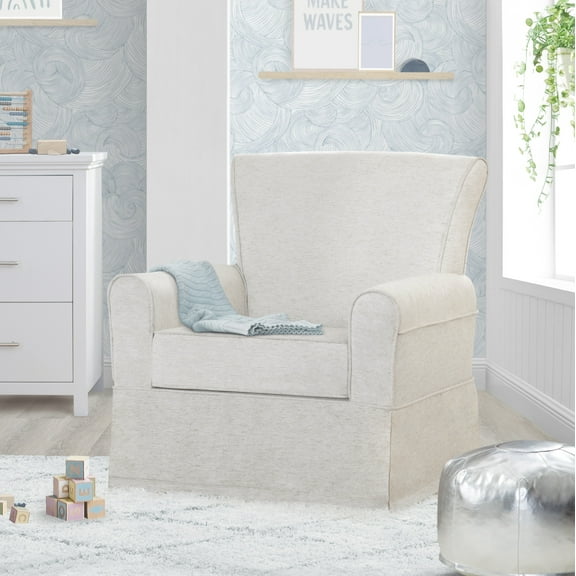
Gliders give you a dedicated seat for feedings, stories, and quiet moments. You’ll want to compare arm height, seat depth, and how the chair fits beside your crib.
Changing tables help you keep wipes, diapers, and outfits within reach during busy routines. If you need longer use, you might choose a dresser that can serve beyond the baby stage.
Dressers matter when you’re planning for rapid clothing changes and growing storage needs. You can compare three-drawer and six-drawer options based on room size and wardrobe volume.
What to look for in nursery furniture and safety details
When you compare baby nursery essentials, you should check safety terms that guide your decision. You may look for GREENGUARD Gold certified pieces, JPMA certified cribs, and ASTM standards.
Those terms help you compare how manufacturers test and label each piece. You don’t need technical training, because you can treat them as simple checkpoints while you shop.
You may also compare materials like non-toxic wood and organic cotton for everyday nursery use. If you’re choosing bedding or soft accessories, you’ll want fabrics that feel comfortable and clean easily.
Before you choose furniture, you should measure twice and check every dimension on the page. You can prevent tight fits when you confirm width, depth, height, and drawer extension space.
How to match nursery storage to your routine
Nursery storage can shape how smoothly your day moves from morning changes to bedtime. You’ll want enough space for diapers, swaddles, bibs, socks, and backup outfits.
If you need quick access, you might use hanging organizers for daily essentials near the changing area. If you need hidden storage, you may prefer drawers that keep the room looking tidy.
Three-drawer pieces can work well when you’re organizing a smaller wardrobe or compact nursery. Six-drawer options give you more room as sizes, blankets, and accessories start to multiply.
Toy bins help you separate plush toys, books, and playroom overflow as your child grows. You can keep clutter down when each category has a dedicated home.
Choosing nursery decor and style that stays cohesive
Nursery decor works well when you connect it to the furniture you’ve already chosen. You can create a more pulled-together room when finishes, textiles, and colors feel consistent.
Modern spaces often lean toward clean lines, simple shapes, and lighter palettes. Rustic rooms may include warmer wood tones, while boho looks can mix texture, pattern, and natural accents.
If you want a room that adapts easily, you might choose a minimalist or gender-neutral direction. You can update wall art, baskets, and bedding later without replacing larger nursery furniture.
Your style choices should still leave room for function, especially around sleep and storage zones. You’ll get a smoother setup when your decor supports movement instead of crowding it.
How to build a practical nursery essentials checklist
You can keep your checklist simple by grouping items into furniture, textiles, storage, and room accents. That approach helps you cover daily needs without overlooking a key category.
For furniture, you may start with a crib, glider, changing table, or dresser based on your layout. For soft goods, you might add fitted sheets, organic cotton items, and window coverings.
For organization, you can compare nursery storage like drawer units, hanging organizers, and toy bins. For finishing touches, you may add nursery decor that supports your chosen theme.
When you use this decision path, you can narrow choices with less guesswork. You’ll end up with a room that fits your space, supports your routine, and stays useful as needs change.
With the right nursery essentials, you can prepare a room that feels organized before your baby arrives. You’ll have a clearer checklist, smarter measurements, and furniture choices that support everyday routines.