










Neck Support in Braces and Supports









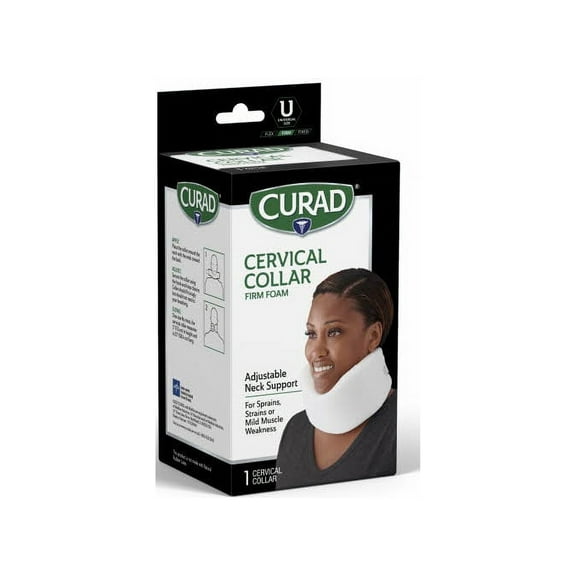


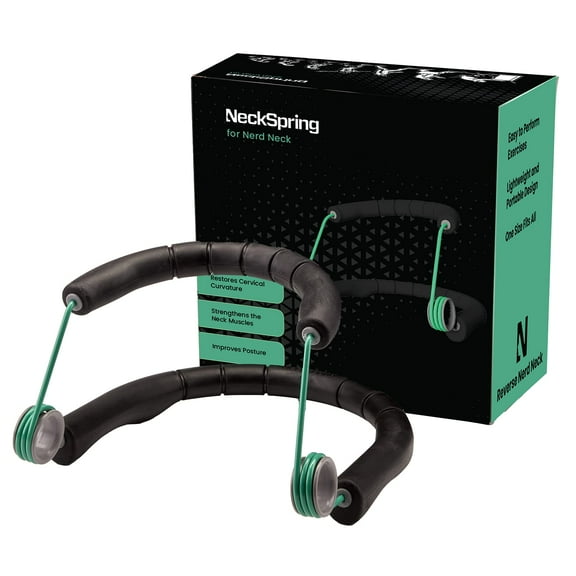
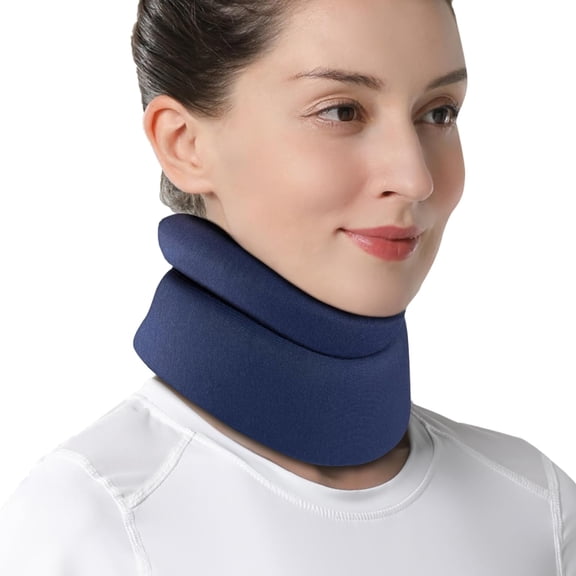

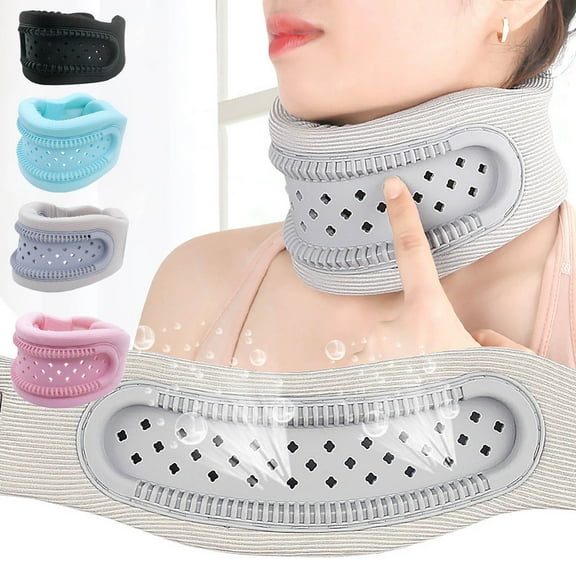





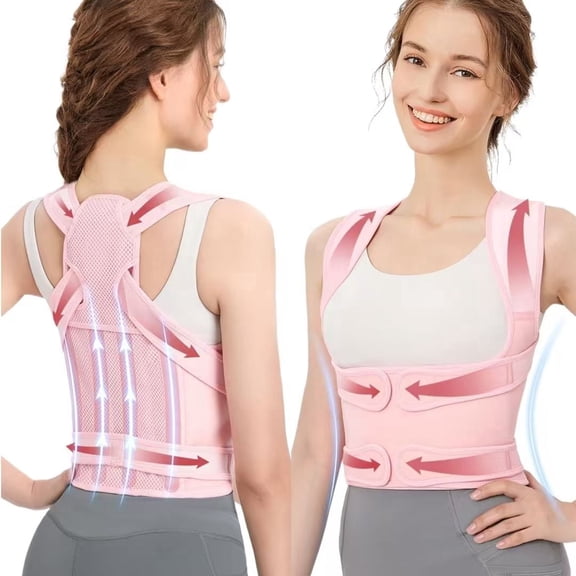
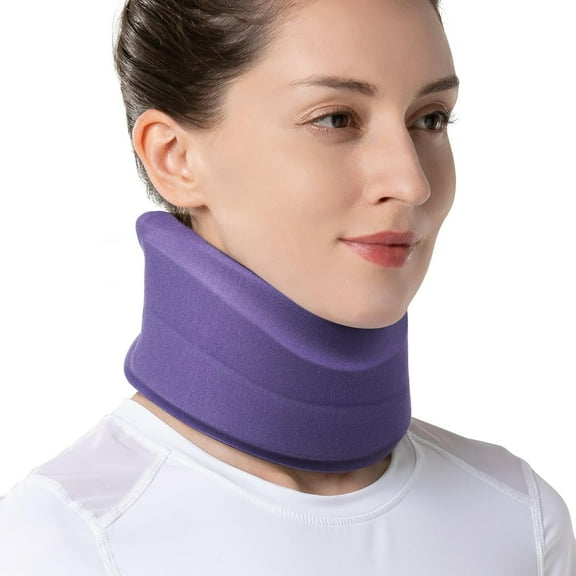
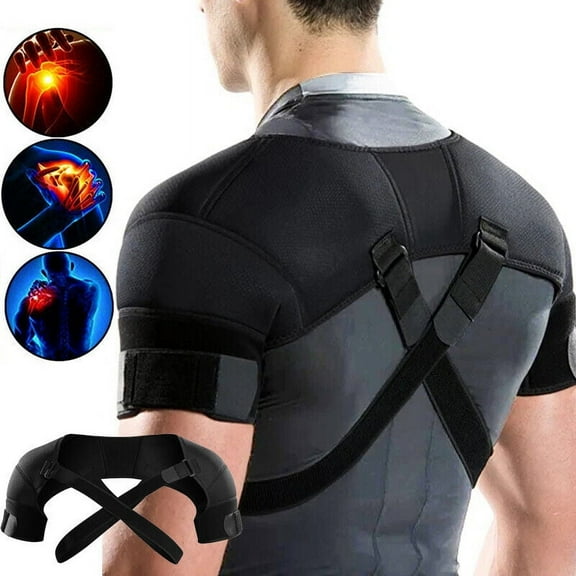


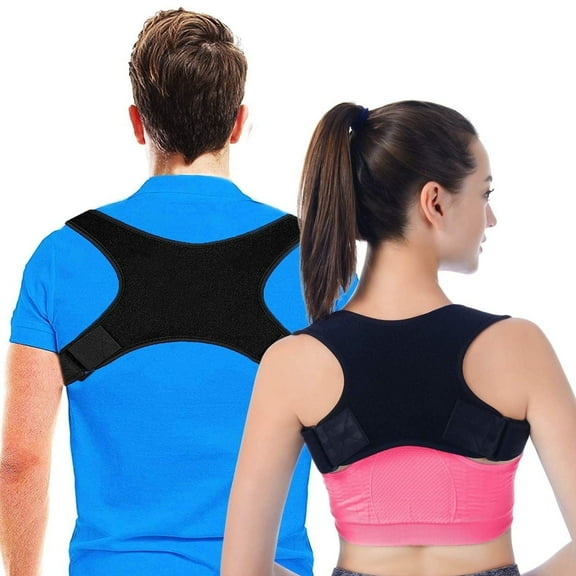
About Neck Support in Braces and Supports - Walmart.com
Neck support choices feel easier to compare when you focus on fit, support level, and materials for your routine. You’ll see cervical collars, braces, and adjustable designs that match sleeping, daily wear, or traction setups.
If you’re narrowing down a cervical neck collar, you’ll want details that match how long you plan to wear it. You’ll also want sizing guidance, closure style, and cushioning that feel straightforward to manage.
How to choose neck support
Start with your neck circumference and neck height, because those measurements shape comfort and coverage. A collar that sits too tall can feel restrictive, while a shorter option may feel less supportive.
When you compare support levels, consider how much structure you want during rest or daily activity. Mild and moderate styles usually feel softer, while firm and rigid options usually feel more structured.
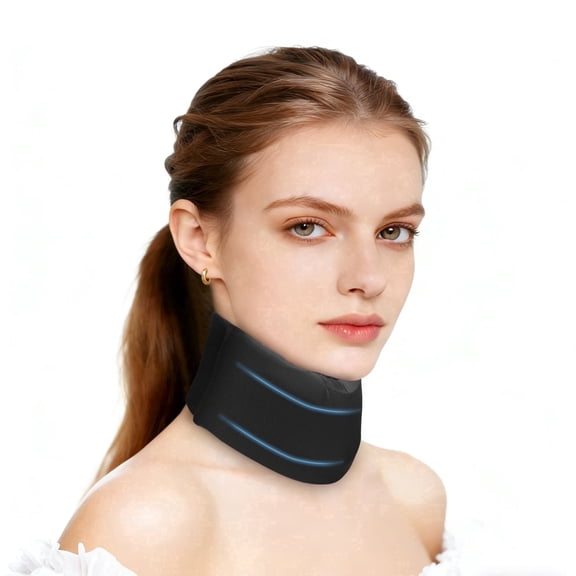
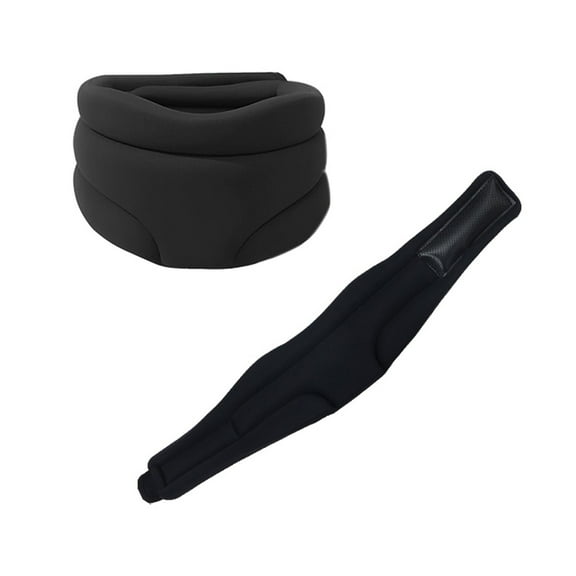
Materials also affect your experience throughout the day. Foam can feel cushioned, mesh can feel airier, neoprene can feel snug, and plastic can add a more defined shape.
- You can choose mild or moderate support when your routine calls for lighter structure and easier movement.
- You can select firm or rigid support when your preference leans toward a steadier hold around your neck.
- You can compare foam, mesh, neoprene, and plastic based on feel, airflow, and expected wear time.
- You can look for height adjustable designs when standard collar heights don’t match your measurements closely.
Choosing the right cervical neck collar
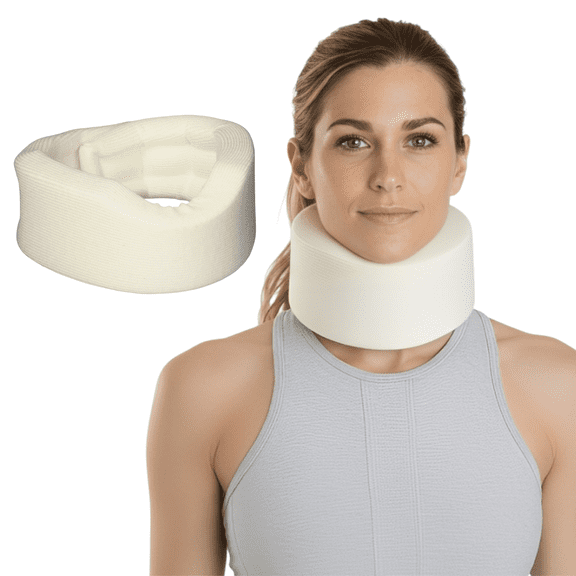
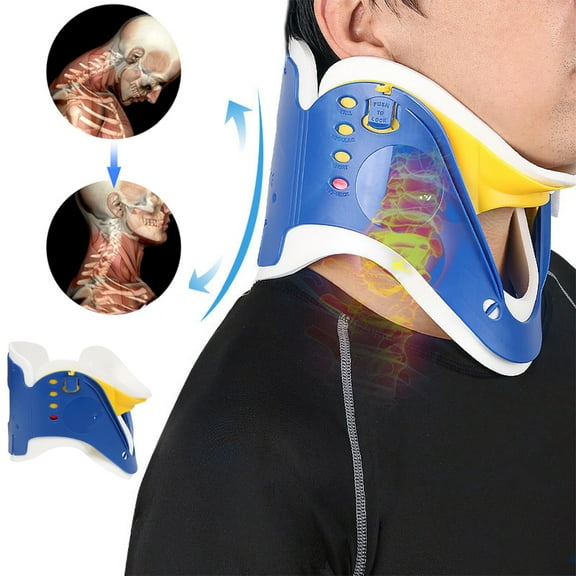
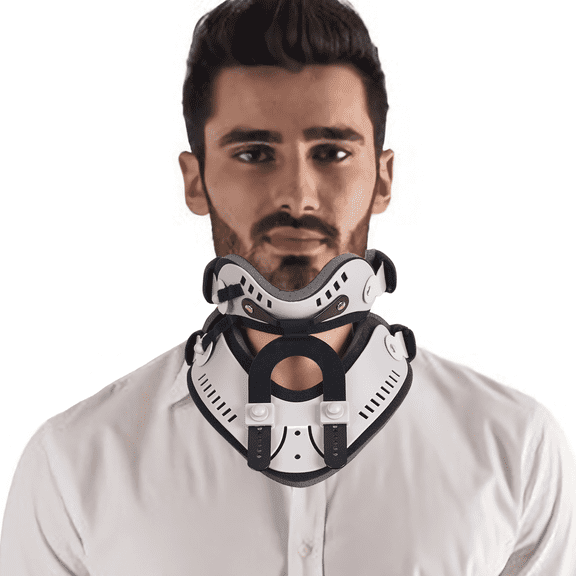
A cervical neck collar should match both your measurements and your preferred support level. You can compare soft constructions with rigid neck collar styles to understand the feel you want.
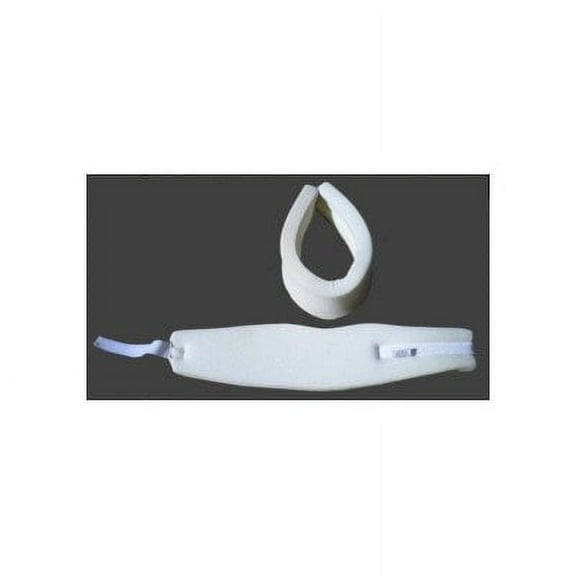
If lighter contact matters to you, a soft foam neck brace may feel easier against your skin. Foam styles often appeal to shoppers who want cushioning and a lower-profile shape.
For longer wear periods, look for mesh panels or breathable construction. You’ll appreciate those details during errands, desk work, commuting, or time at home.
Closure design matters too. Hook-and-loop straps can make small fit changes simpler, while buckle systems may suit shoppers who want a more fixed setup.
Comparing adjustable neck support features
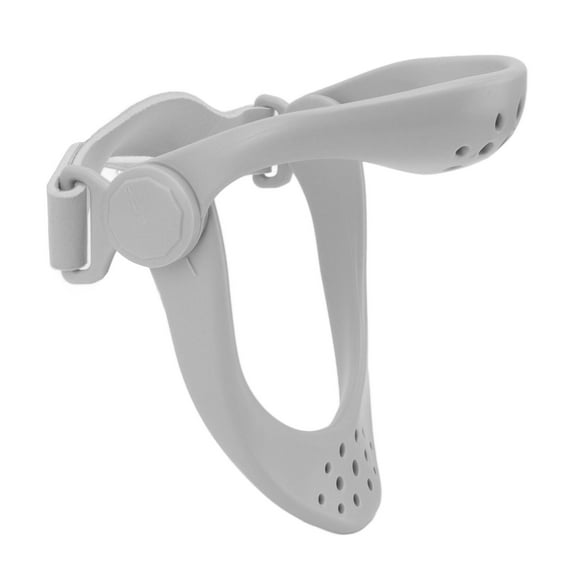
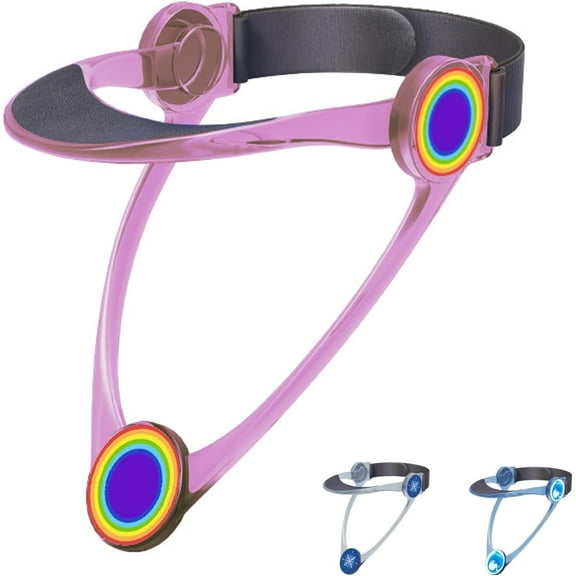
Adjustable neck support offers more flexibility when your fit needs change during the day. You can compare height settings, strap placement, and closure access before making your choice.
One-size-fits-all designs can still vary by measurement range. Check whether the listed circumference and height fit your body before you choose a style.
Bulk can also shape your decision. Slimmer profiles may work better when you want less visible coverage under clothing or around longer hair.
Ease of application matters when you expect frequent adjustments. You’ll want a design that you can position, tighten, and remove without extra steps.
Choosing a neck brace for neck pain by routine
You may search for a neck brace for neck pain when you want structured support during everyday tasks. Matching the brace to your routine can make the category easier to understand.
For neck support for sleeping, consider softer edges, lower bulk, and breathable materials. Those details often feel more comfortable against pillows and bedding through the night.
For post-surgery wear, you may compare firmer shapes, accessible closures, and contact points around the jaw and shoulders. You should review product details closely before choosing that level of structure.
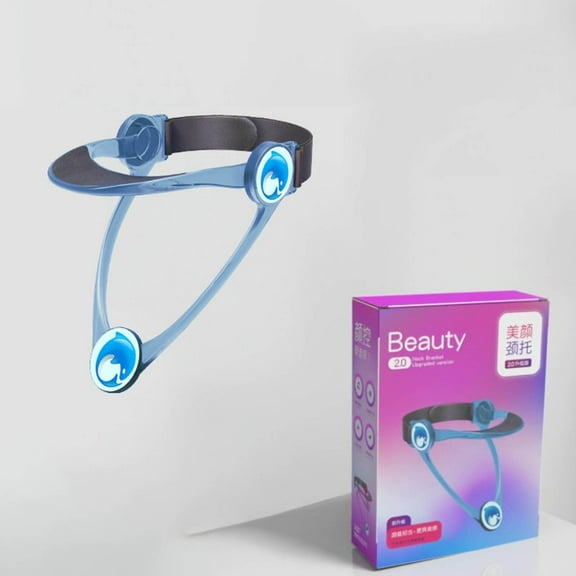
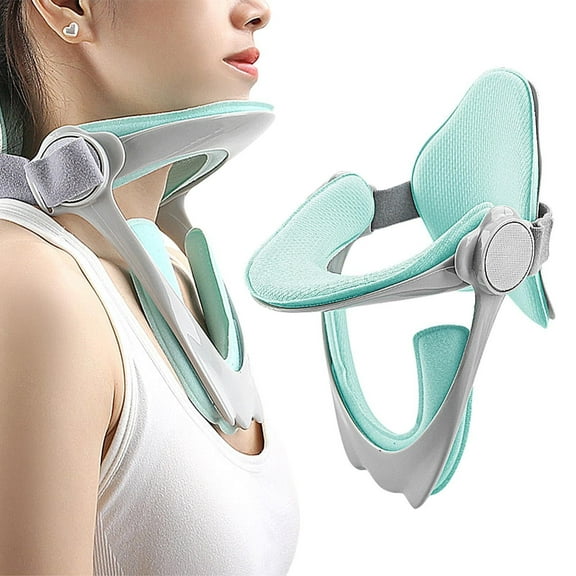
If you’re exploring a cervical traction device, compare included components, setup style, and adjustment method. Portable formats and simpler setup steps may fit your space more easily.
Daily wear can call for airflow, simple readjustment, and manageable bulk. Those details may matter during desk work, travel, short walks, or time spent at home.
What to look for before you choose neck support
Before you decide, compare collar height, circumference range, material feel, and closure placement together. That approach can help you narrow options without guessing about fit.
As you review neck support options, keep your routine, wear time, and preferred structure in mind. Consult a healthcare professional before use, and you’ll choose with clearer direction.