






Medline in Home Health Care






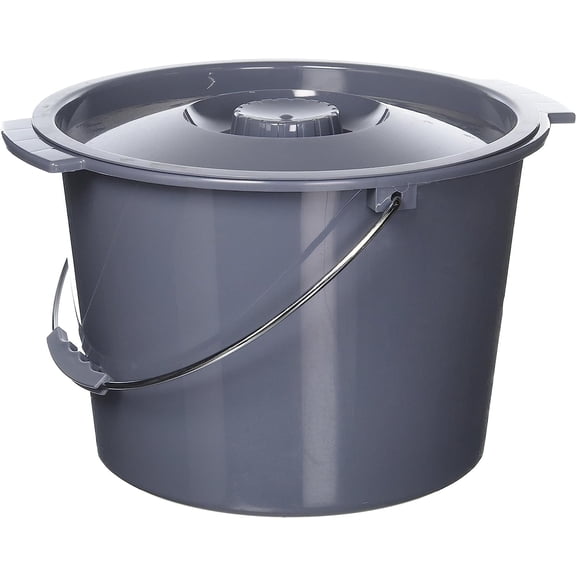

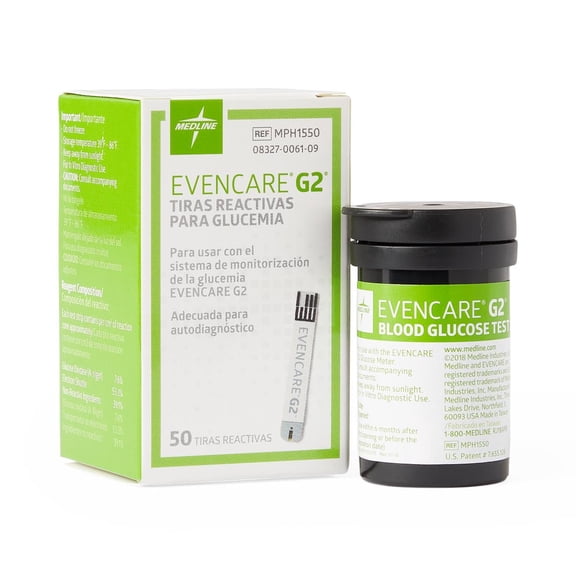
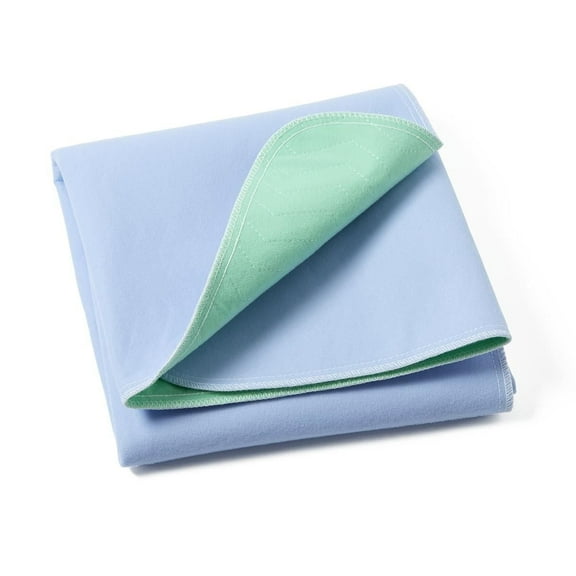



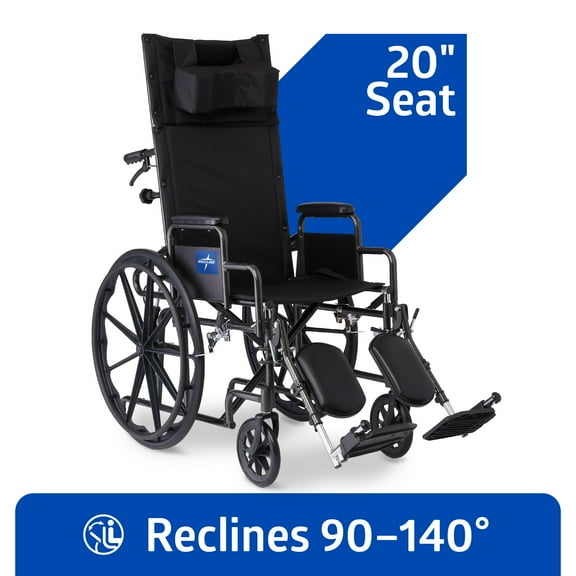














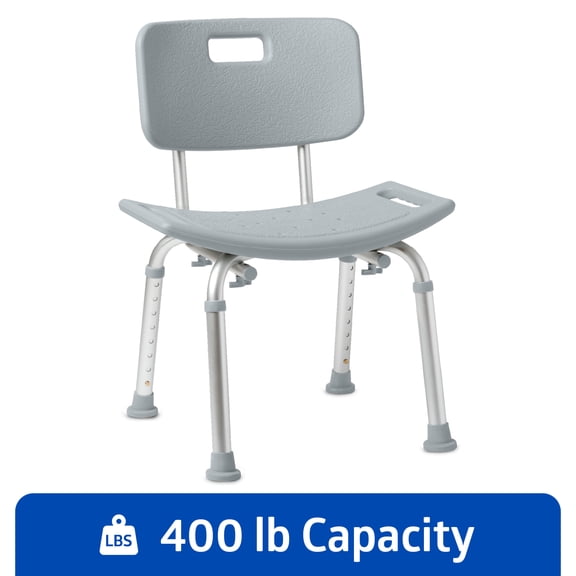

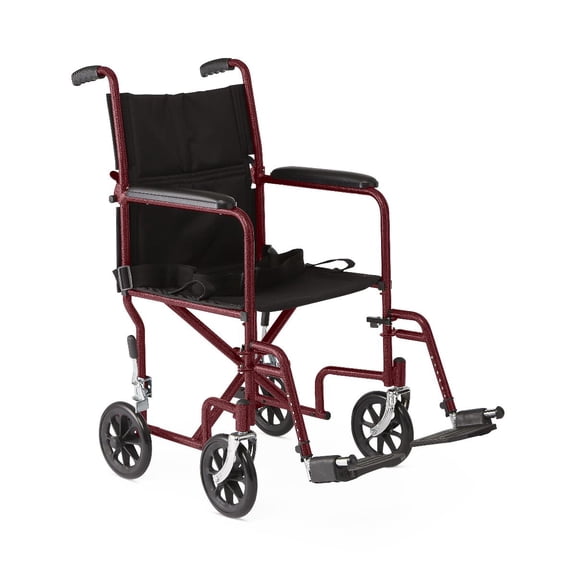

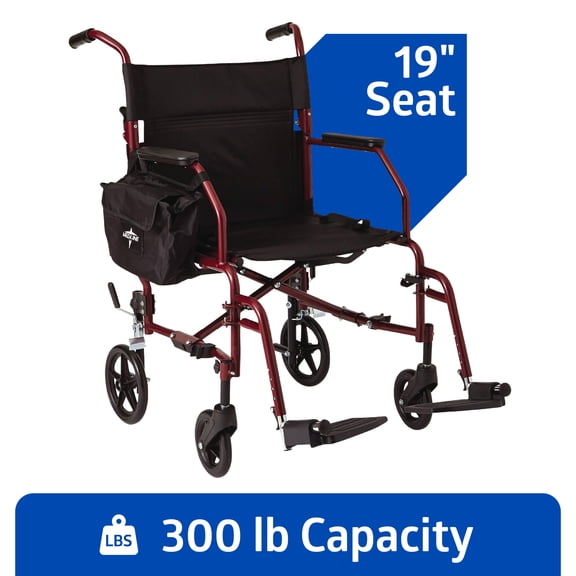
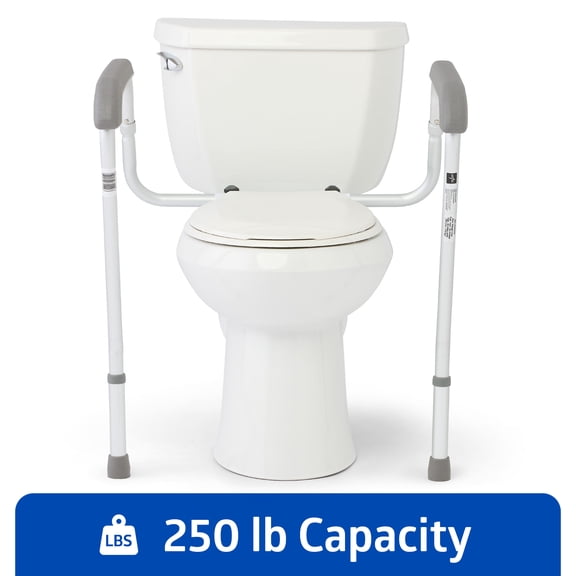
About Medline in Home Health Care - Walmart.com
With Medline at Home, you can compare home care essentials for wound care, mobility, incontinence, and skin care. This guide helps you sort Medline home health supplies by setting, sizing, and daily routine needs.
If your household needs repeat-use care items, you can use category guidance before choosing supplies and equipment. That structure helps your home spaces stay organized for bedside care, movement support, and personal care tasks.
How to choose Medline at Home supplies
Start with the product category you need, because that choice shapes sizing, storage, and restocking plans. A focused approach helps you compare dressing changes, transport support, absorbent care, and cleansing routines.
For wound care, you should check whether sterile or non-sterile formats fit your intended task. That detail helps you align dressings, gauze, and cleaning supplies with clear day-to-day use.
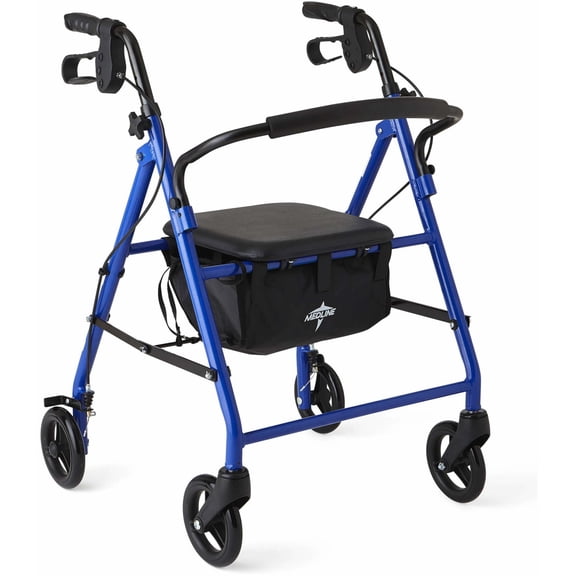
In mobility categories, room layout matters because wheelchairs, walkers, and medical beds need the right footprint. Before choosing equipment, measure doorways, bed areas, and turning space so your setup fits daily movement.
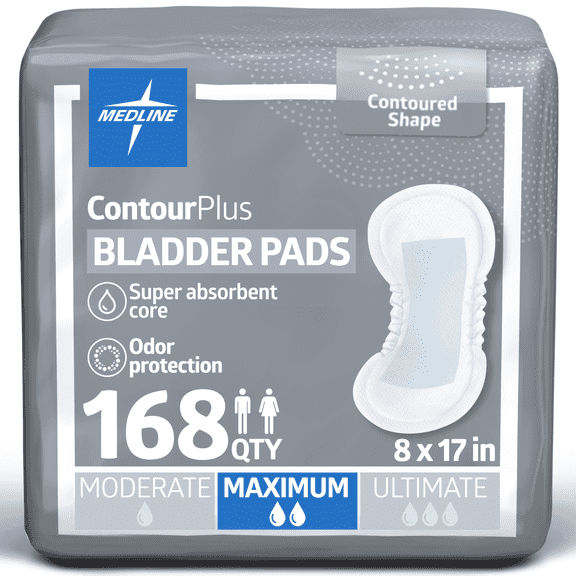
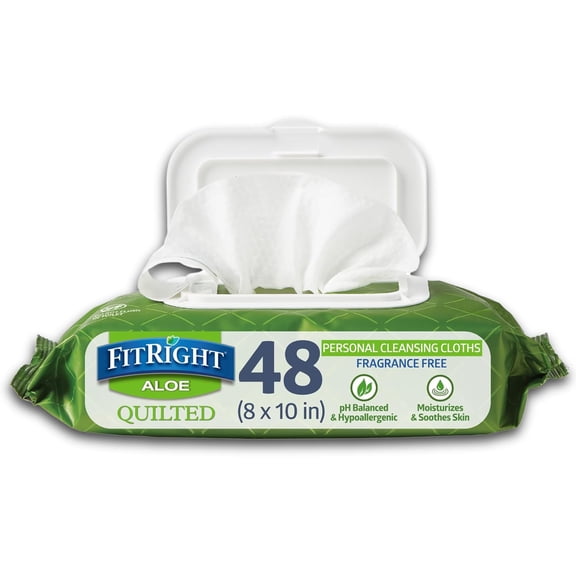
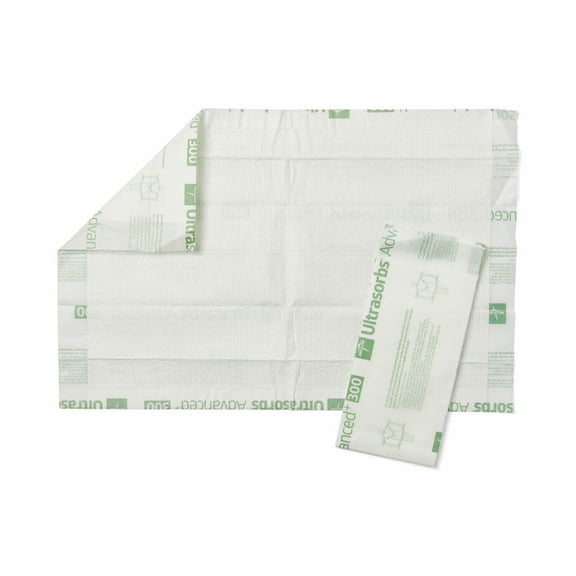
Skin care and incontinence choices should match repeat-use routines, especially when comfort and simple changes matter. Gentle formats, practical packaging, and straightforward dispensing can help your household keep tasks consistent.
- You can organize Medline home health supplies by wound care, mobility, incontinence, and skin care.
- You can compare home care, clinical, and hospice settings before narrowing product types.
- You can check sterility, sizing, and assembly details with clear decision support.
- You can look for gentle skin-focused options suited to repeated daily routines.
What to look for in Medline home health supplies
Compatibility should guide your shortlist because sizing affects comfort, placement, and daily handling. When details are decision-critical, you should check wheelchair weight capacity, seat width, glove sizes, or bed dimensions together.
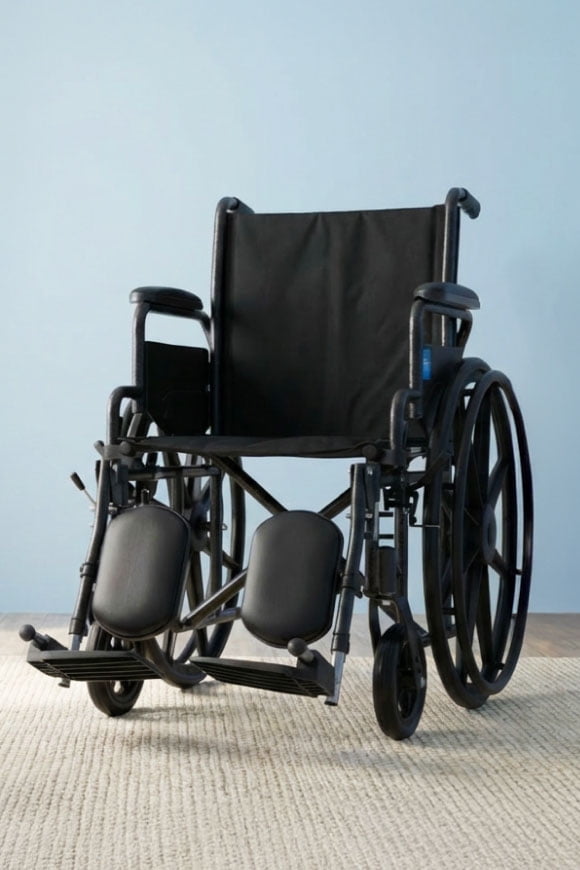
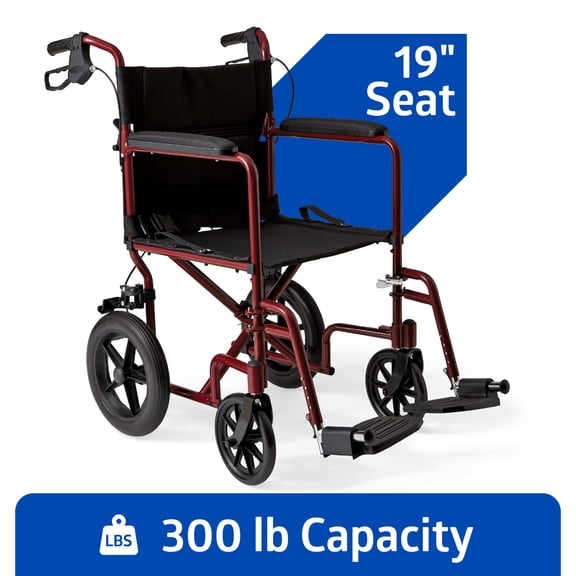
Wheelchair measurements can shape access throughout your home, especially around hallways, bathrooms, and dining areas. A seat width that matches your needs can help with positioning, while the right weight capacity supports intended use.
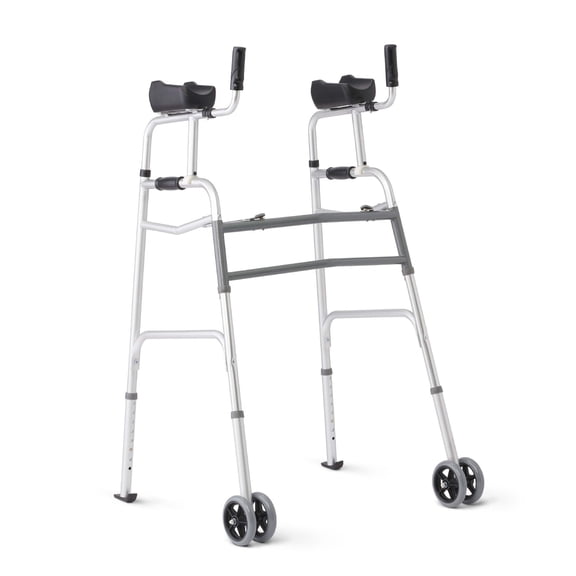
If you’re reviewing walkers or medical beds, you should check height range, folding style, and setup steps before deciding. Those details help caregivers position equipment in a clear, straightforward way within shared spaces.
Usage setting also matters because home care, clinical support, and hospice routines can call for different formats. Clear labeling, easy dispensing, and practical pack sizes can help when several caregivers share supplies.
For wound care, sterile and non-sterile labels should stay at the center of your comparison process. That distinction helps you match each item to its intended task instead of mixing supply types.
When skin comfort matters, you can look for gentle, fragrance-free, or moisturizing descriptions where product details provide them. Those cues help you narrow options for repeat cleansing and frequent contact during daily routines.
Choosing skin care and Medline medical equipment
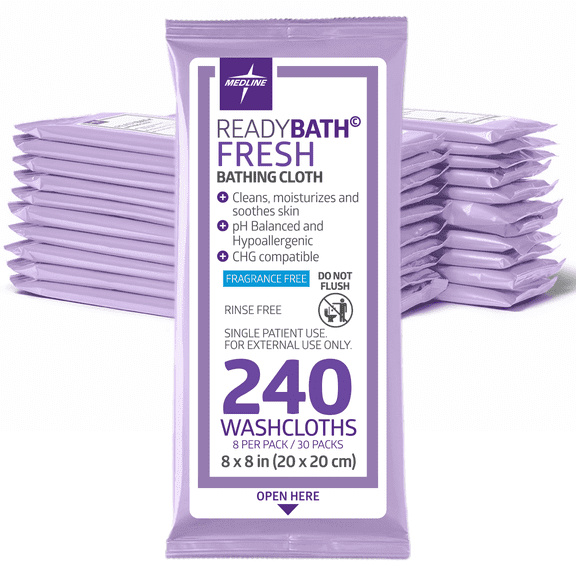
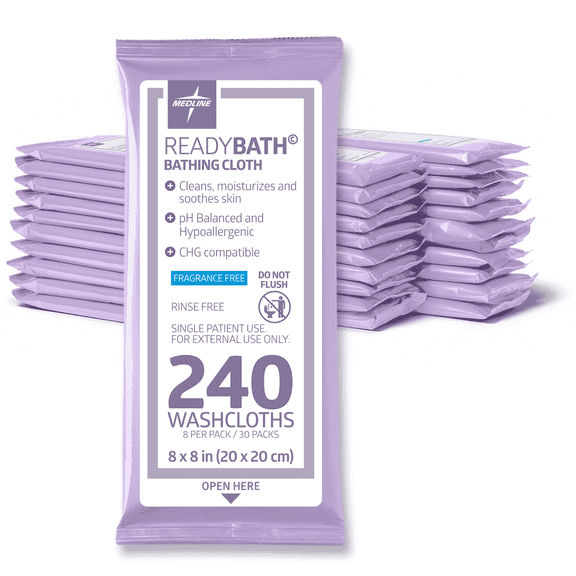
Skin care decisions often begin with format, because daily routines may call for cleansers, wipes, or other easy-use options. If your household prefers gentle cleansing, product descriptions can help you compare bottle sizes and refill choices.
You may also compare specialized options, including Remedy skin gel-to-foam gentle exfoliating cleanser with salicylic acid, when a gel-to-foam format fits your routine. That format can support straightforward dispensing at sinks, bedside stations, or shared care areas.
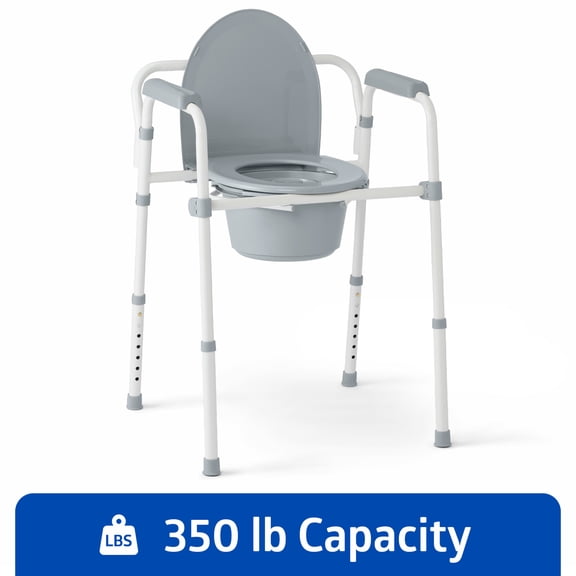
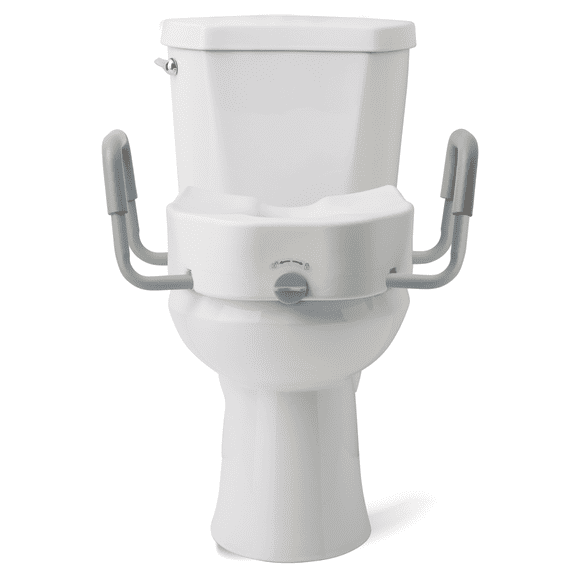
When you review Medline medical equipment, you should focus on movement paths, transfer needs, and item placement. Matching equipment size to your room layout helps daily tasks stay clear for caregivers and users.
Wheelchairs may fit seated transport needs, while walkers may suit shorter indoor movement between rooms. Medical beds can also support adjustable home setups when positioning access and bedside clearance matter.
Materials and cleanup steps deserve attention when supplies move between bathrooms, bedrooms, and living spaces during the week. Easy-to-handle packaging and wipeable surfaces can help you keep daily care areas orderly.
Matching Medline at Home supplies to daily routines
Different routines call for different combinations, so your choices should reflect the person, setting, and task frequency. A short-term recovery space may need different supplies than a long-term caregiving room or hospice setup.
For home care, you might pair dressings, gloves, cleanser, and a walker to support repeated daily tasks. That mix can work well when your supplies stay easy to reach and your equipment fits common pathways.
For a clinical-style setup at home, sterile wound care items, exact sizing details, and orderly replenishment may matter greatly. Clear labels can help when several caregivers use the same cart, shelf, or bedside station.
For hospice support, you may focus on comfort-led skin care, absorbent personal care products, and bed options with practical positioning features. Those combinations can help frequent care routines stay calm, clean, and organized.
If sensitive skin shapes your decision, you can pair soft-touch personal care items with mild cleansing formats when possible. Checking descriptions for gentle use can reduce trial and error across repeated daily routines.
When you’re planning ongoing orders, you should compare pack sizes, refill timing, and storage space before finalizing your list. That approach can help you keep closets, cabinets, and bedside carts stocked without unnecessary overflow.
With Medline at Home, you can build a clear plan by comparing category, setting, sterility, sizing, and skin comfort first. That structure helps your daily care routine stay organized, practical, and consistent.