

Invacare in Home Health Care




















About Invacare in Home Health Care - Walmart.com
Invacare products help you match replacement parts, mobility aids, and home equipment with the model details your household depends on. You can compare compatibility, part type, and weight capacity before you choose items that fit your daily setup.
If you’re replacing a wheel, cushion, battery, or hand control, you’ll want clear guidance that fits this brand page. You can use this overview to compare wheelchairs, hospital beds, patient lifts, and oxygen concentrators with more confidence.
How to choose Invacare by product category
When you compare categories first, you can narrow your search faster and avoid mismatched parts. You should start with the equipment type because wheelchair parts won’t match hospital bed frames or lift components.
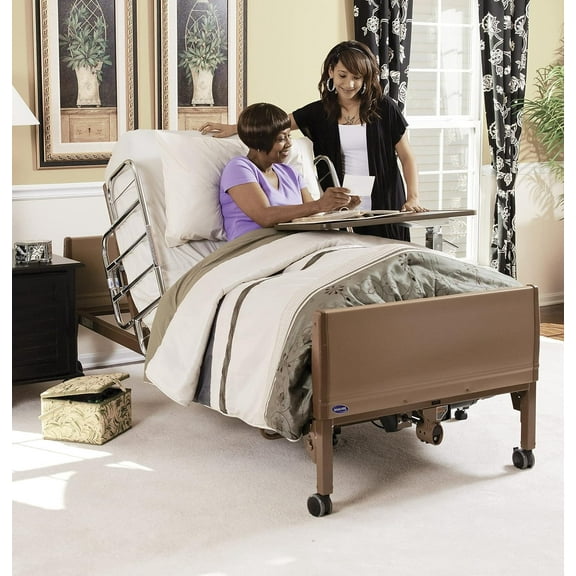
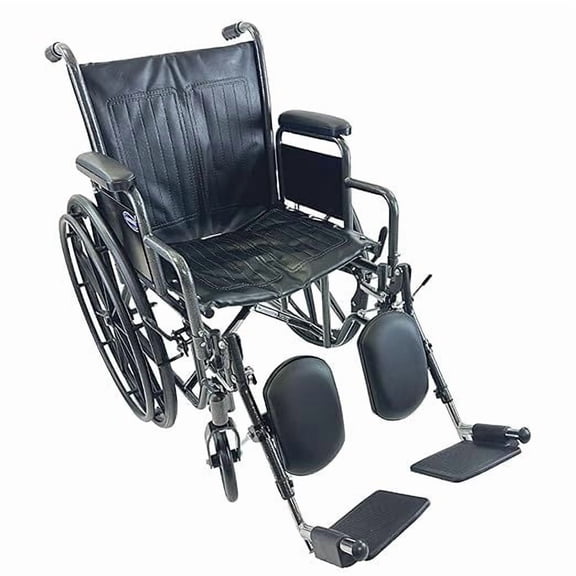
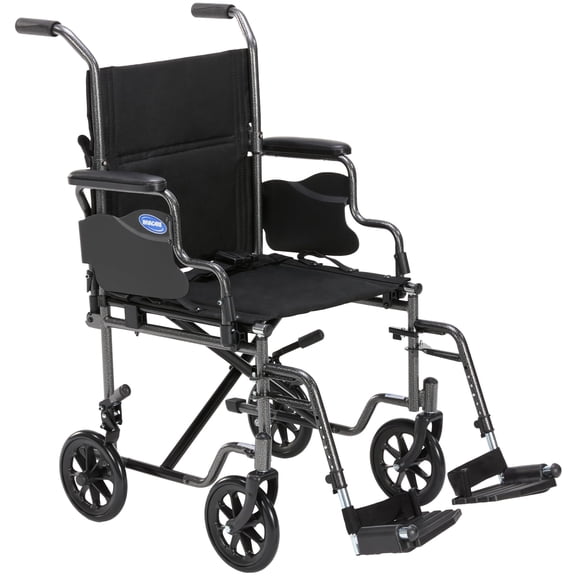
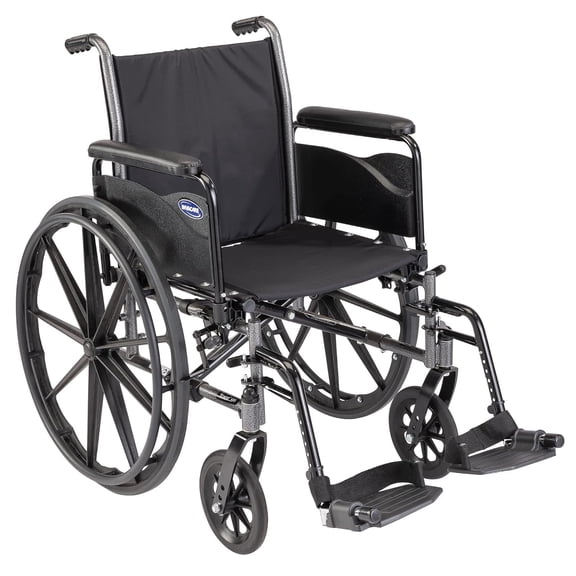
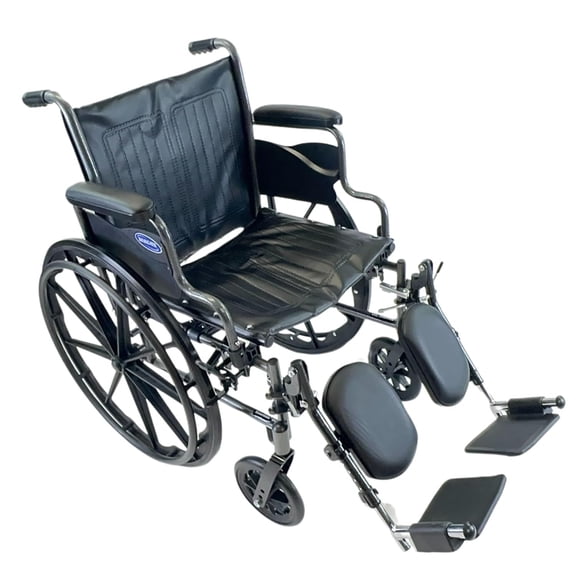
For wheelchairs, you may look for seats, footrests, arm components, and invacare wheelchair parts tied to a specific frame. For beds, you’ll often compare invacare hospital bed parts like hand controls, rails, motors, and bed-end hardware.
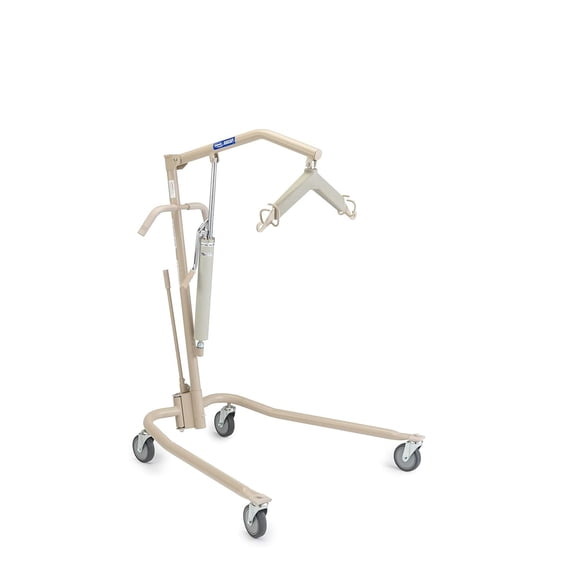
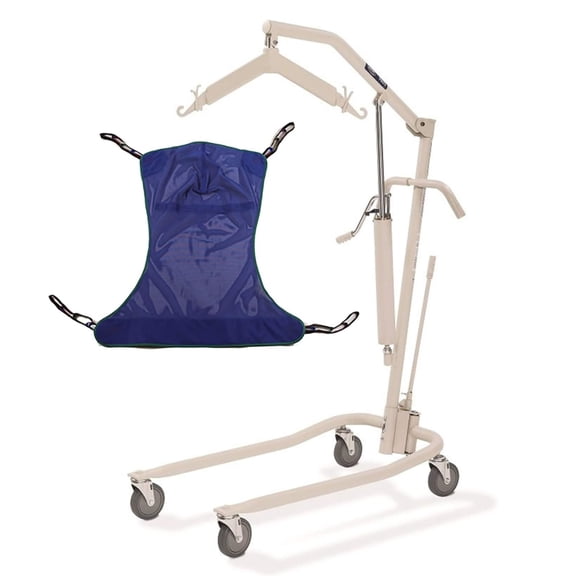
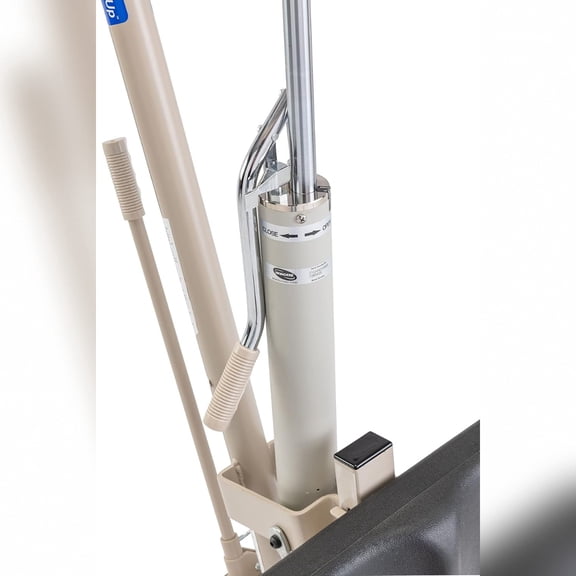
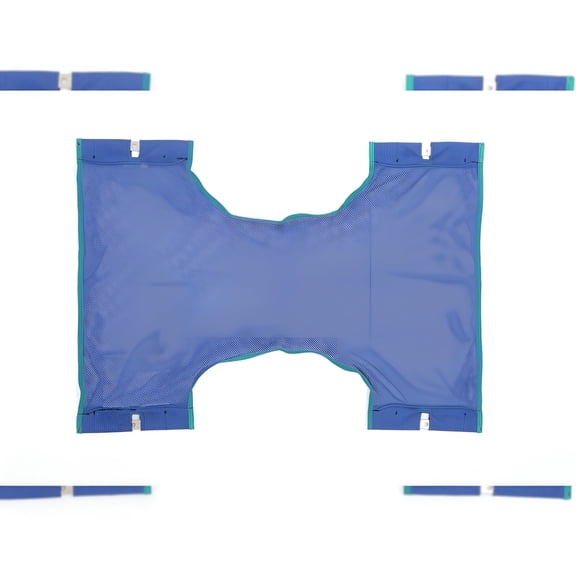
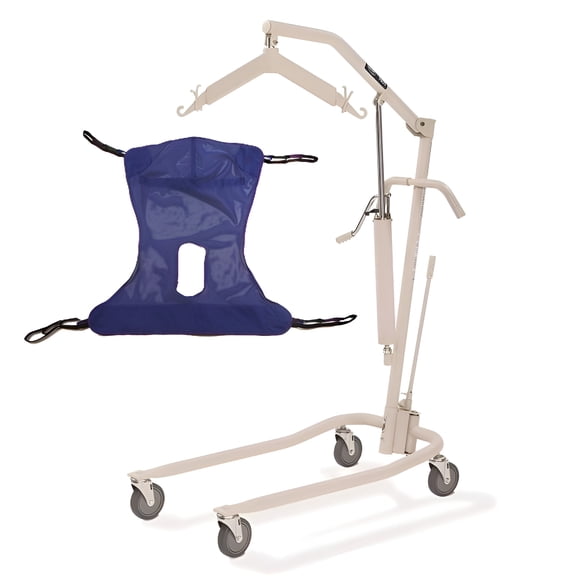
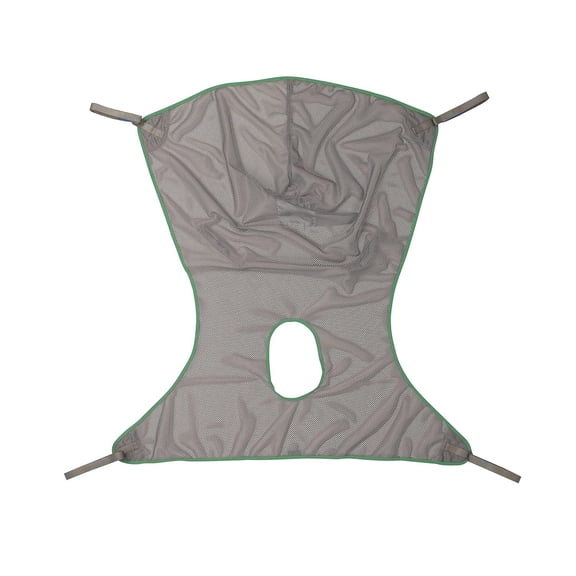
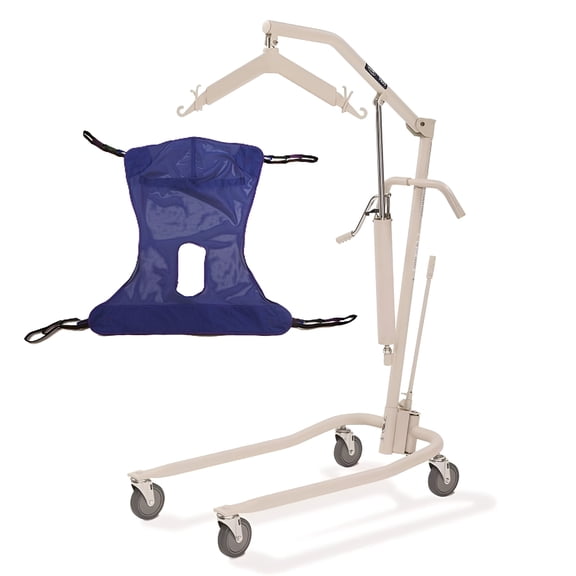
With patient lifts, you should check spreader bars, slings, casters, and batteries by exact model support. With oxygen concentrators, you can compare filters, power components, and accessories that match your unit style.
Key decisions for invacare replacement parts
You should confirm your model number and serial number before you choose invacare replacement parts for any setup. You can reduce guesswork when you compare those details against the product listing and your current component.
If you use a Tracer EX2 or Solara 3G chair, you’ll want parts matched to that frame family. You should also compare whether a listing fits standard models or a narrower compatibility range.
You may also weigh OEM versus aftermarket options when your replacement search gets more specific. You can use that distinction to decide whether you want a direct brand match or a compatible substitute.
- You can verify model number and serial number before ordering.
- You can compare wheelchairs, hospital beds, lifts, and concentrators by exact use.
- You can check whether installation looks simple or needs added support.
- You can review part type, from replacement wheels to cushions and batteries.
What to look for in invacare wheelchair parts and accessories
When you shop invacare accessories for wheelchairs, you should compare both comfort parts and rolling parts. You may need replacement wheels, cushions, arm pads, footrests, or hardware that keeps your chair configured correctly.
Replacement wheels affect how your chair moves through hallways, ramps, and tighter home spaces. Cushions affect how your seat feels during longer use and how your setup matches your chair dimensions.
Hand controls and brake parts deserve close review because you’ll want placement and fit that match your frame. You should check mounting style, side orientation, and whether tools or simple steps handle the swap.
If you’re comparing invacare manual wheelchair parts, you may focus on axles, casters, tires, and push components. You can often narrow choices faster when you compare wheel size, mounting points, and chair series.
Choosing weight capacity and equipment format
You should compare weight capacity early because standard, bariatric, and heavy duty setups serve different needs. You can use listed weight limits in pounds to match the frame, bed, or lift to your equipment requirements.
For wheelchairs and beds, capacity affects which frame parts, supports, and accessories fit your setup. For lifts, capacity can shape which sling or battery-supported unit works with your equipment category.
You may also check whether a listing notes FDA cleared status when that detail appears in specifications. You can use that information as one more compatibility point alongside dimensions, mounting style, and supported models.
How to compare installation and everyday upkeep
You should consider how involved the replacement process looks before you choose a part. You can often handle simple swaps like cushions, some wheels, or some batteries with basic steps and common tools.
For motors, bed controls, or lift power components, you may prefer listings that clearly outline fit details. You should compare connectors, mounting hardware, and setup instructions so your replacement process feels more straightforward.
If you maintain equipment across a home, care setting, or shared household, you’ll benefit from keeping model information nearby. You can make repeat ordering easier when you record your serial number, part type, and equipment category.
Matching invacare medical equipment to real use cases
If you’re supporting daily mobility, you may compare chairs, cushions, and rolling parts that fit a known frame. You can focus on comfort, fit, and movement when your chair gets frequent indoor use.
When you’re updating a bedroom setup, you might compare invacare hospital bed parts like rails, remotes, and replacement hardware. You should check bed style, attachment points, and control compatibility before you choose a part.
For transfer support, you can compare patient lift components by model family, battery format, and capacity range. You may also check whether a replacement looks suitable for routine upkeep or a more involved service call.
If you’re reviewing reimbursement details, you should confirm eligibility requirements with your plan provider before purchase. You can use product specs, model names, and part descriptions to support that comparison process.
When you need a broad brand overview, Invacare content helps you compare category, compatibility, and replacement type in one place. You can narrow choices with clearer model matching and find parts that fit your equipment setup.