





Imported Beer in Beer




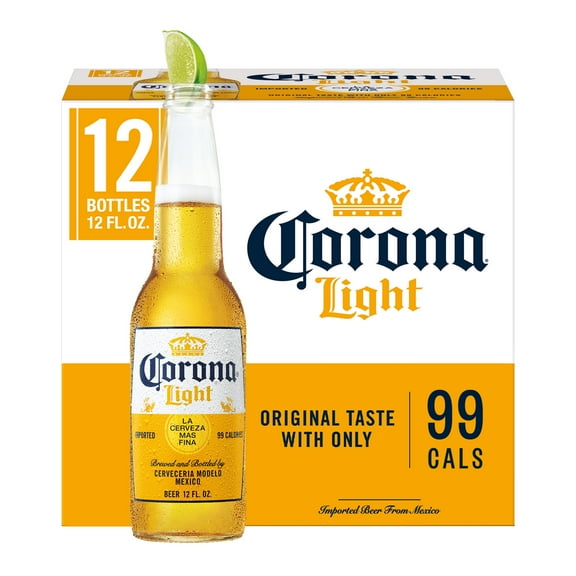
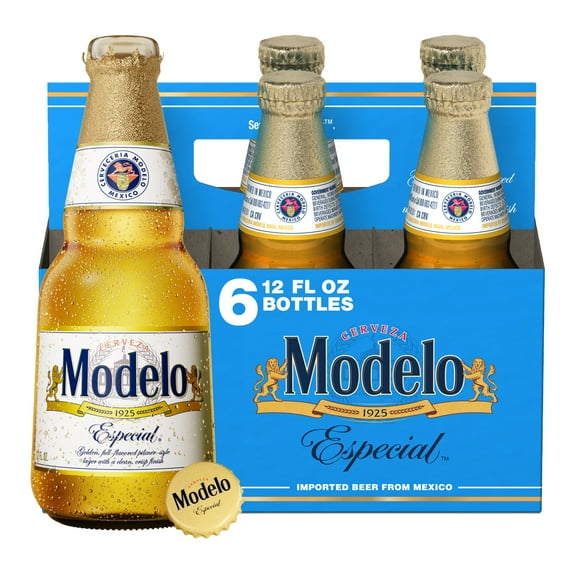


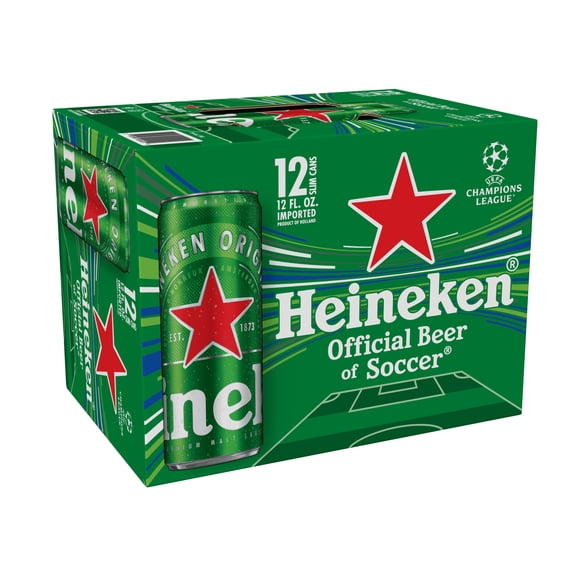
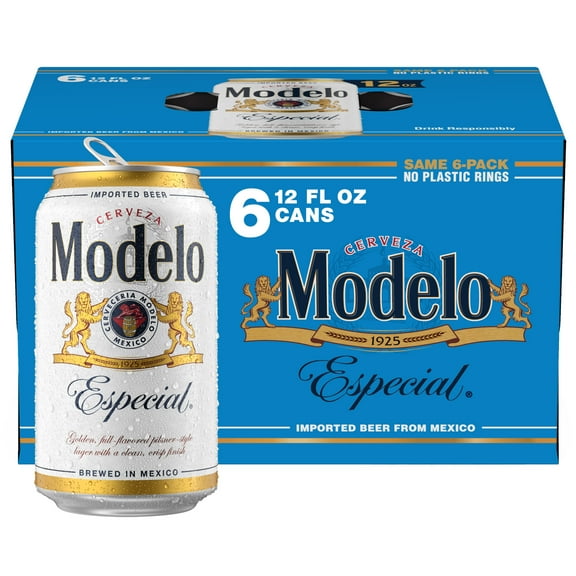

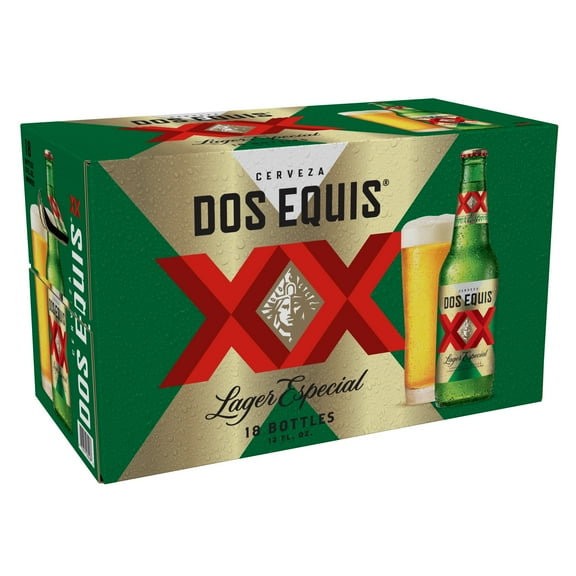

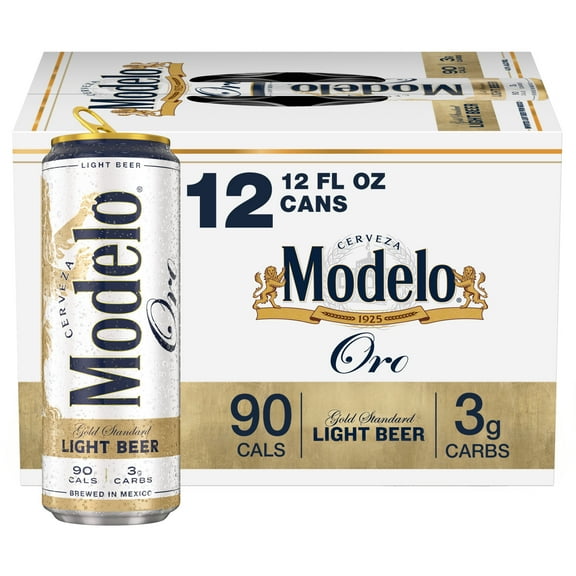

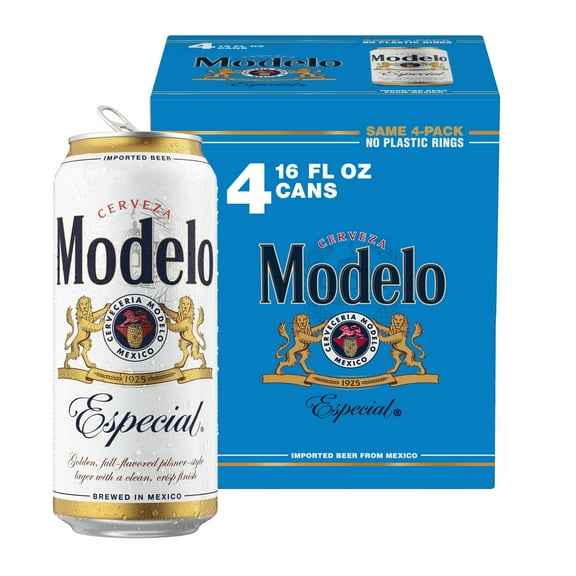









About Imported Beer in Beer - Walmart.com
Imported beer gives you access to global brewing traditions, familiar import favorites, and easy hosting options in one place. You can compare countries, styles, pack sizes, and ABV choices without guessing which selection fits your table.
If you’re planning dinner, stocking a cooler, or choosing a lighter pour, you’ll want clear guidance before you decide. You can use origin, flavor profile, and package format to narrow your choice faster.
How to choose imported beer by country and style
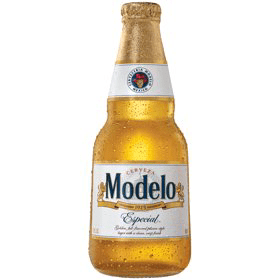
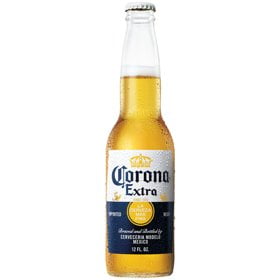
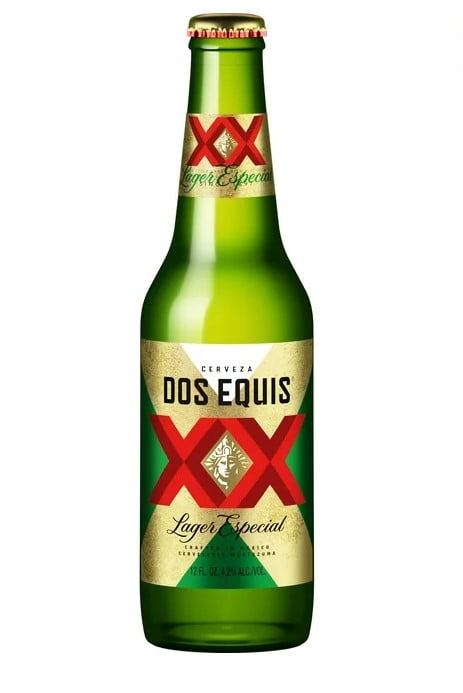
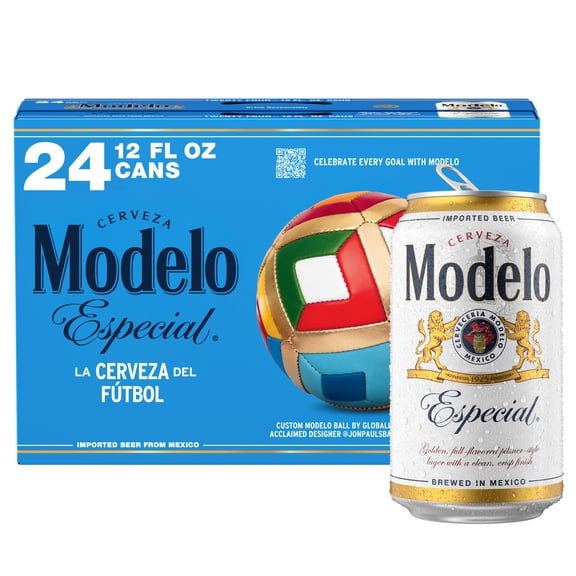
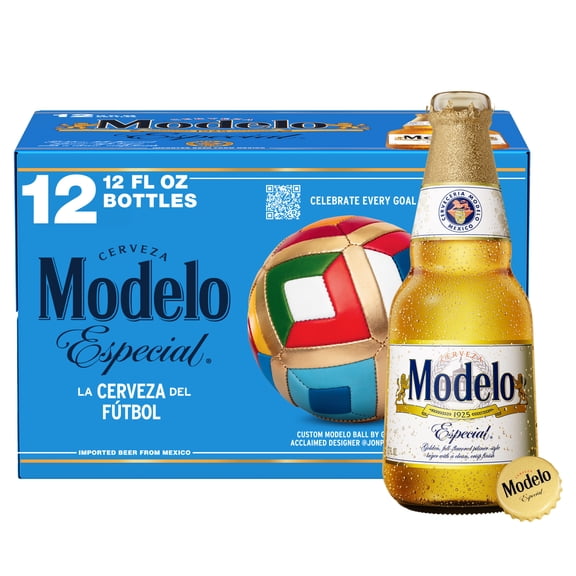
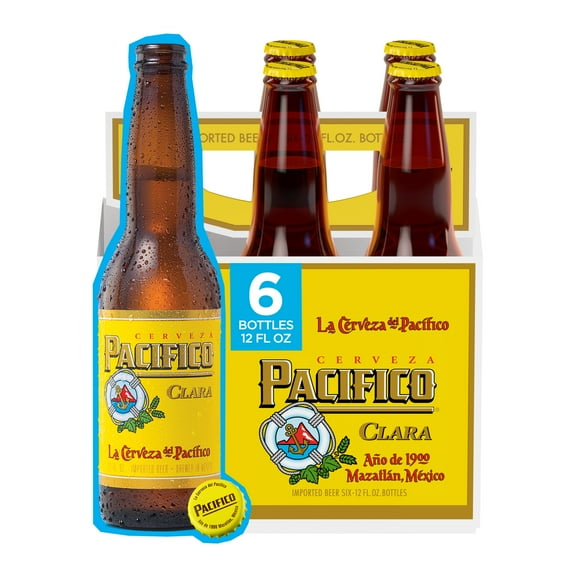
You’ll notice that origin country often shapes what lands in your glass. You can expect mexican imported beer to lean crisp and refreshing, while german imported beer often brings classic lager, pilsner, and hefeweizen character.
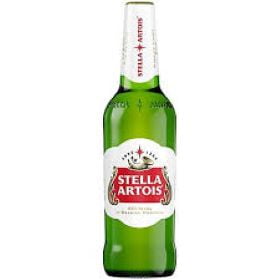
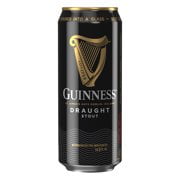
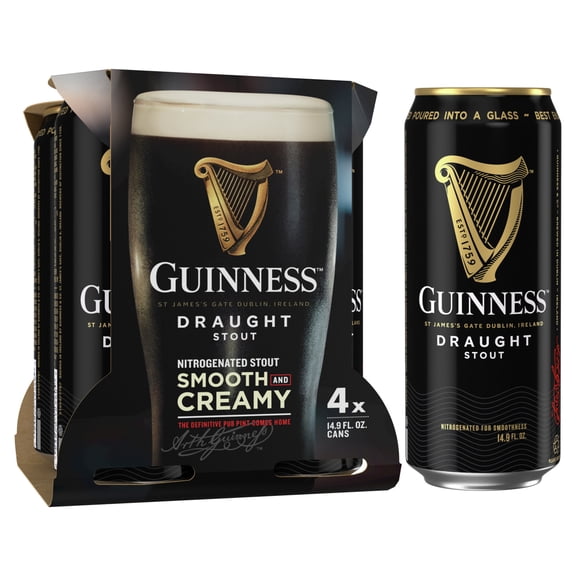
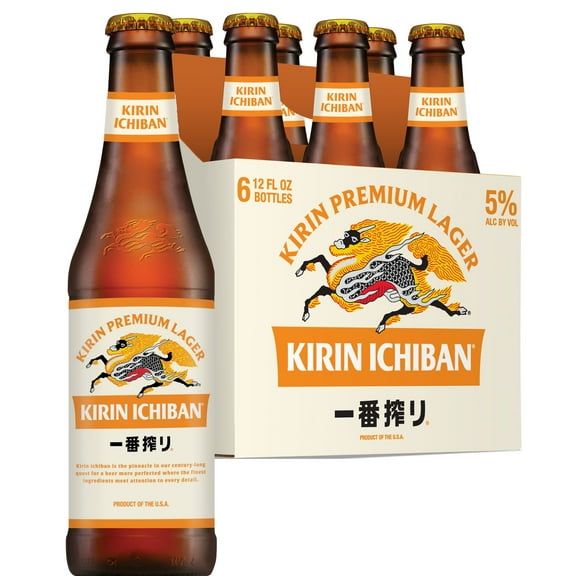
Belgian beer imports usually give you fruitier or spice-forward notes, and you may prefer them for slower sipping. You can look to Ireland for stout choices, or choose Japan and the Netherlands for clean, easy-drinking lagers.
Style matters just as much as origin when you compare imported beer brands. You can reach for an imported lager or imported pilsner when you want a bright finish, or choose an imported stout for darker roasted notes.
- You can choose Mexican lagers when your meal includes tacos, grilled chicken, or citrus flavors.
- You can pick German pilsners and hefeweizens when you want classic European brewing tradition.
- You can try Belgian ales when you want layered flavor with spice, fruit, or malt notes.
- You can select Irish stouts when you want a darker pour with roasted character.
What to look for in imported beer brands and flavor profiles
You should compare flavor profile labels before you settle on a case or six-pack. You’ll usually see choices described as crisp and clean, rich and malty, hoppy, or dark and roasted.
If you want a lighter-tasting pour, you can start with crisp and clean options. You’ll often find that profile in imported light beer, pale lagers, and many pilsner selections.
When you want more bread-like or caramel-like notes, you can compare rich and malty imports. You may find that profile in darker lagers, some ales, and several European styles.
Hoppy choices suit you when you like a firmer bitter edge and a more pronounced aroma. Dark and roasted options fit you when coffee-like or toasted notes sound more appealing.
Choosing pack size, bottles, and cans
You should match pack size to how you plan to serve and store your beer. You can choose single cans for trying something new, while six-packs work well for small dinners.
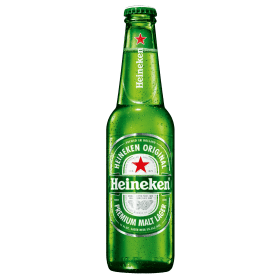
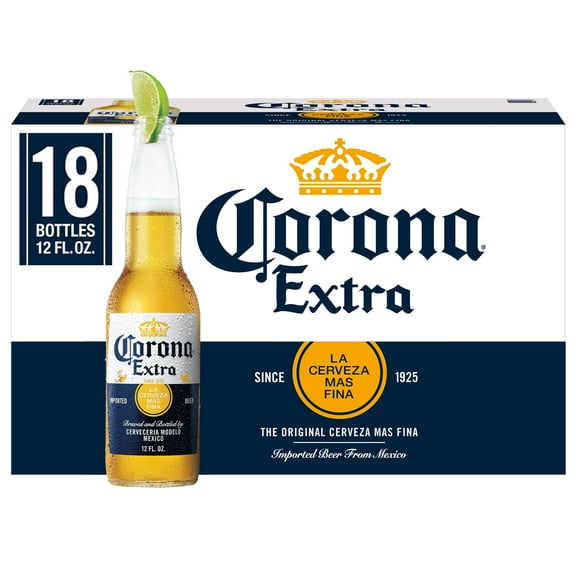
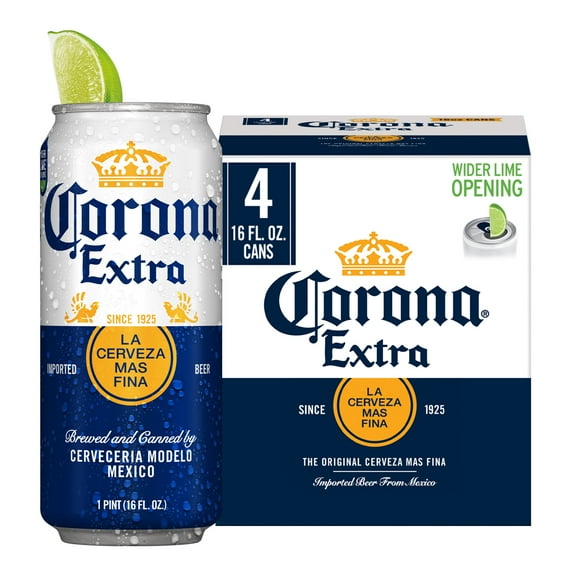
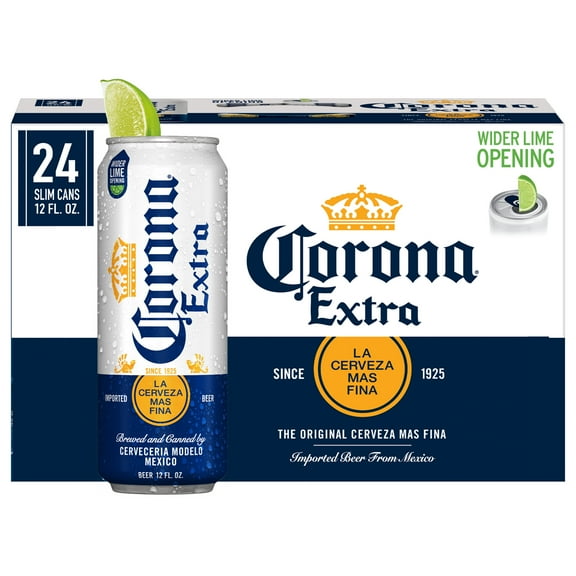
If you’re hosting a larger group, you may want 12-pack or 24-pack options for easier planning. You can also compare imported beer bottles with cans based on presentation and convenience.
Bottles may suit you when you want a classic table setup or individual servings for guests. Cans may suit you when you want easier cooler packing, outdoor carrying, and faster cleanup.
You should also consider how much refrigerator space you have before choosing a larger format. You can avoid overbuying by matching the pack to your guest count and serving plan.
Comparing ABV, light options, and non-alcoholic choices
You can use ABV percentage as a quick guide when you want a lighter or fuller drinking experience. You’ll often see standard ABV choices for classic imports, with lighter options available for easier sipping.
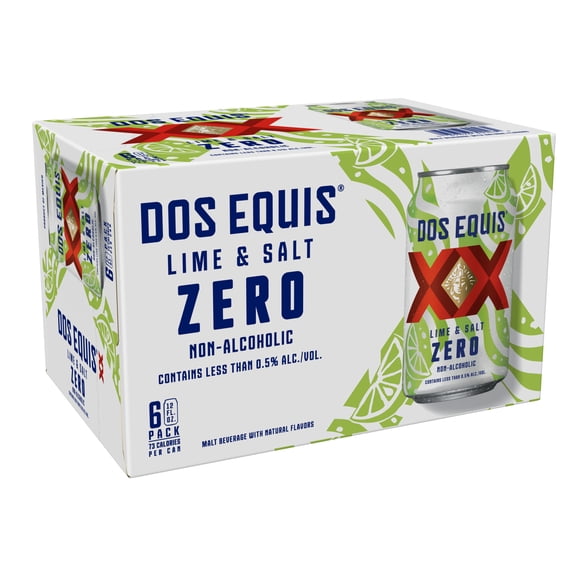
If you prefer imported light beer, you should look for labels that signal a lighter body and lower calorie profile. You can also compare imported non alcoholic beer when you want the flavor format without standard alcohol content.
Some shoppers also compare gluten-reduced options when label details matter to their routine. You should check each product page for ABV percentage, serving information, and package details before choosing.
When you’re serving more than one style, you can mix light, standard, and non-alcoholic options for broader guest appeal. You’ll give everyone a clearer choice without overcomplicating the menu.
Using serving temperature and glassware to match the occasion
You can get more from imported beer when you serve each style at an appropriate chill level. Lagers and pilsners usually suit you colder, while darker ales and stouts can open up with a slightly warmer pour.
Glassware also changes how you experience aroma, foam, and presentation. You can use tall glasses for crisp styles, wider glasses for aromatic ales, and simple pint shapes for everyday serving.
For cookouts and summer import beers, you may want crisp lagers in cans or bottles that stay easy to chill. For colder evenings or st patricks day imported beer moments, you may prefer darker pours with richer malt character.
You can also build a food pairing plan around the style you choose. Crisp imports fit salty snacks and grilled foods, while malt-forward and roasted styles pair well with hearty dishes.
When you compare imported beer by country, style, pack size, and ABV, you can make a smarter choice for everyday meals or larger gatherings. You’ll end with a selection that fits your taste, your serving setup, and your occasion.