



Hydration in Running Gear










































About Hydration in Running Gear - Walmart.com
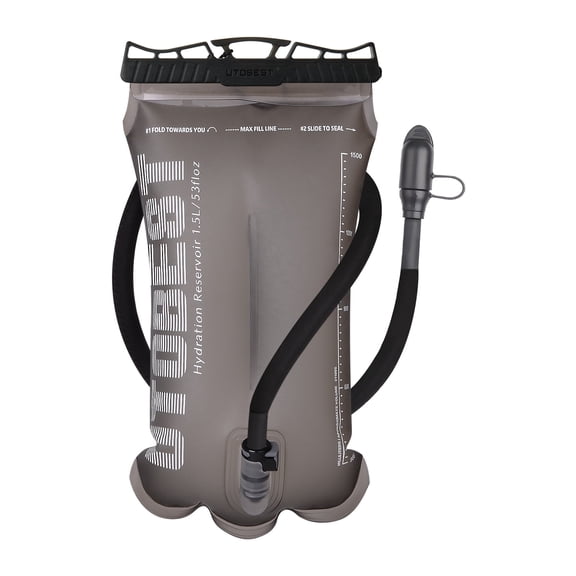
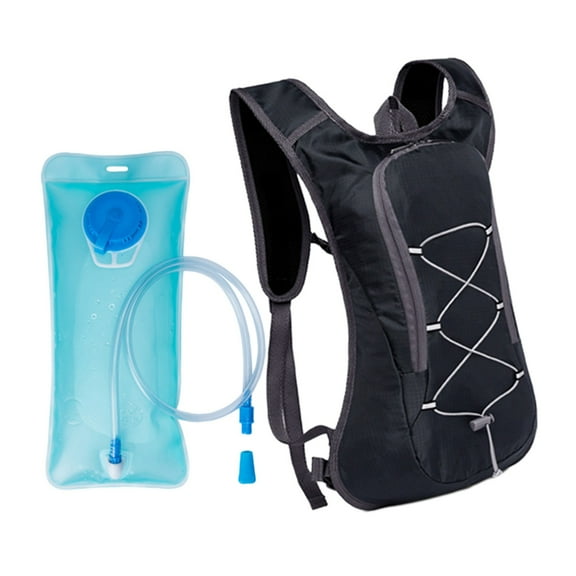
Running hydration gear helps you carry water, nutrition, and essentials without breaking your stride. You can compare vests, belts, handhelds, and backpacks by distance, capacity, storage, and fit.
If you train on roads, trails, or race courses, you need gear that stays comfortable as miles add up. You’ll notice the right setup can reduce hand fatigue, limit bounce, and keep fluids within easy reach.
How to choose running hydration gear by gear type
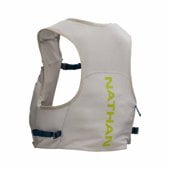
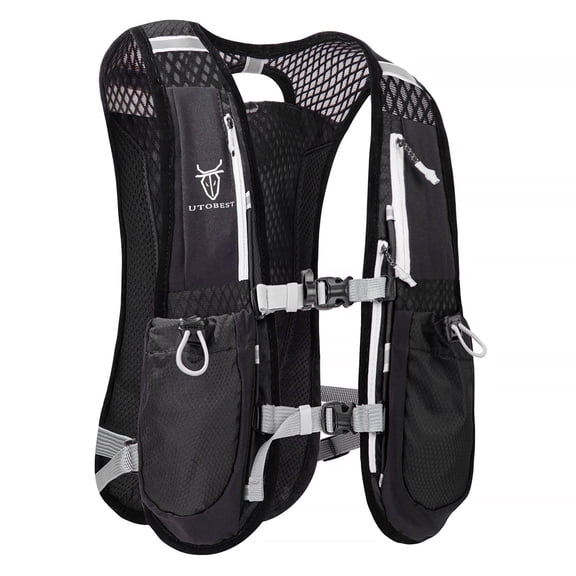
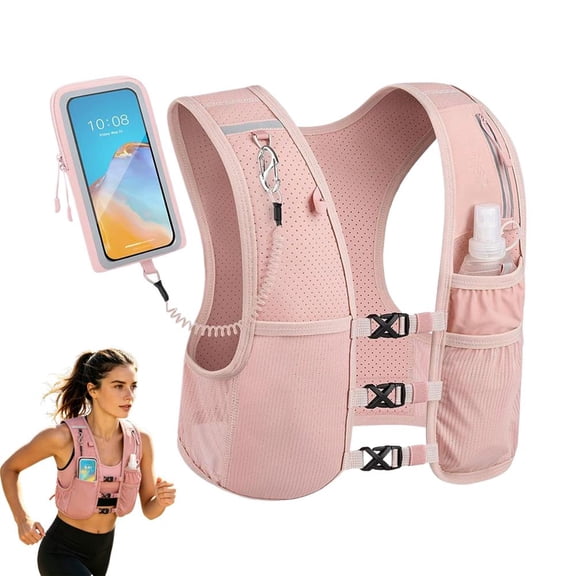
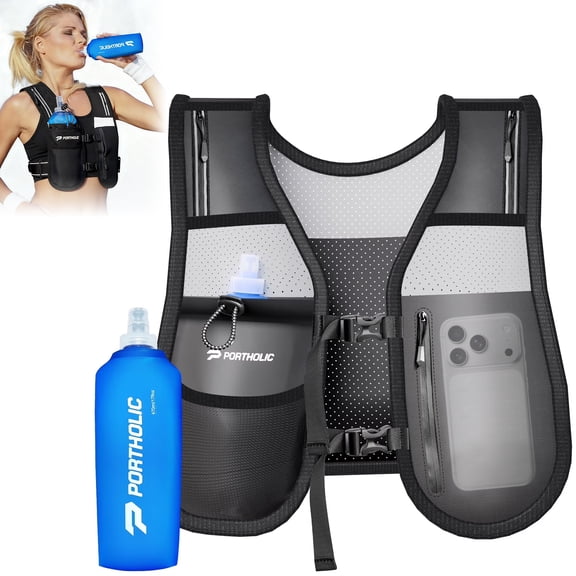
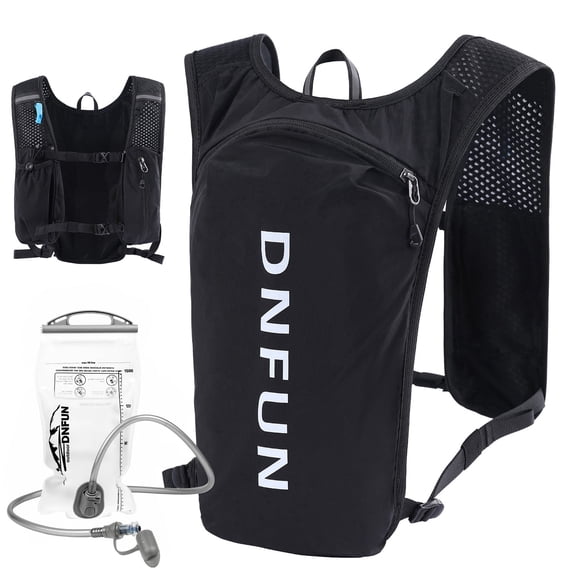
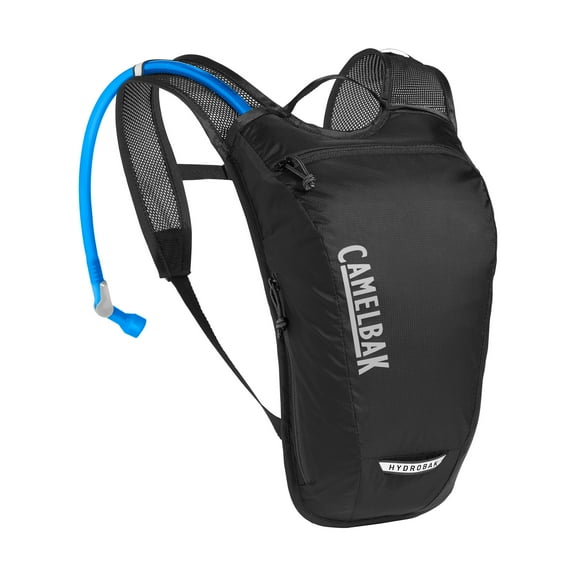
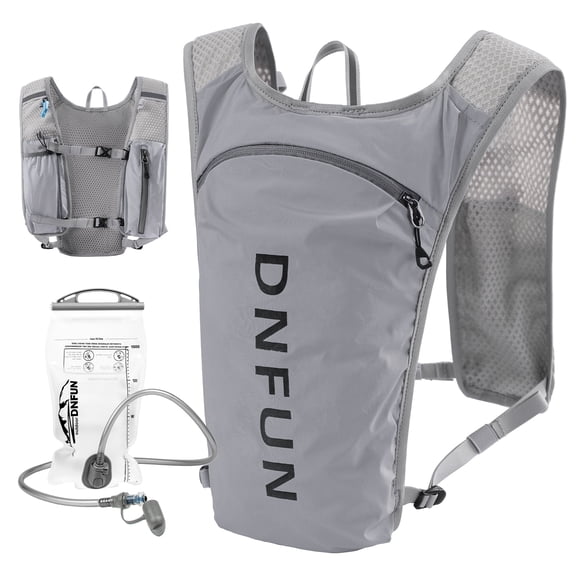
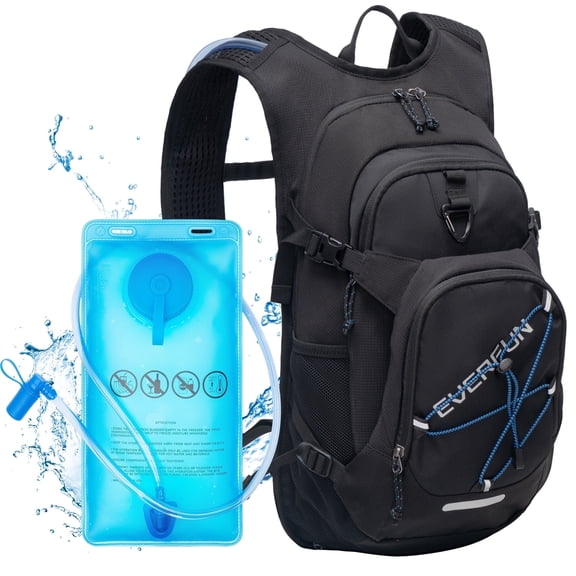
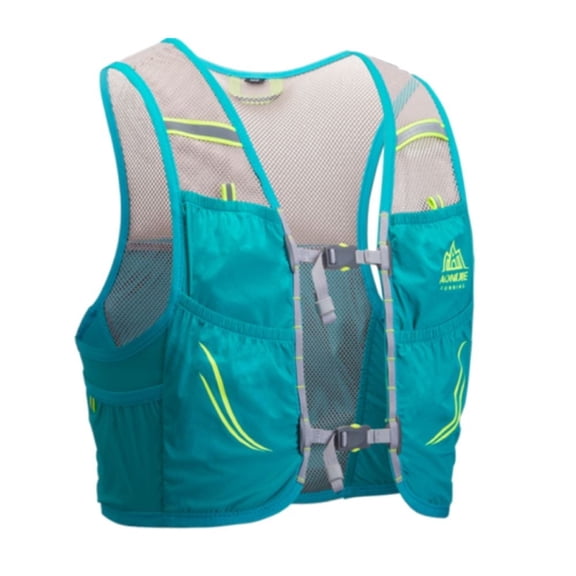
You should start with gear type because each format supports a different running routine. You may prefer a running hydration vest for long runs, trail routes, and marathon training.
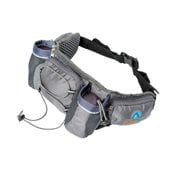
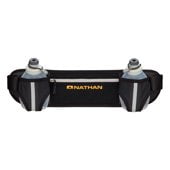
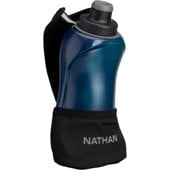
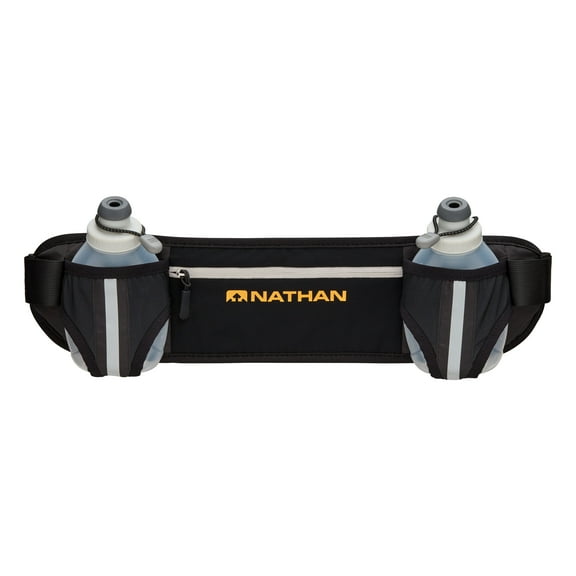
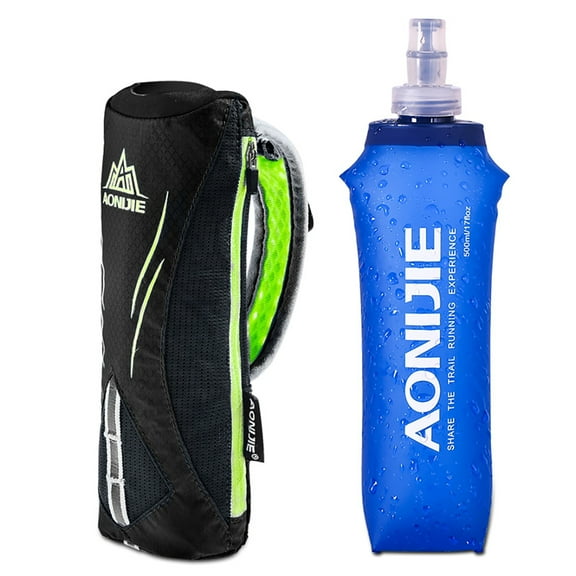
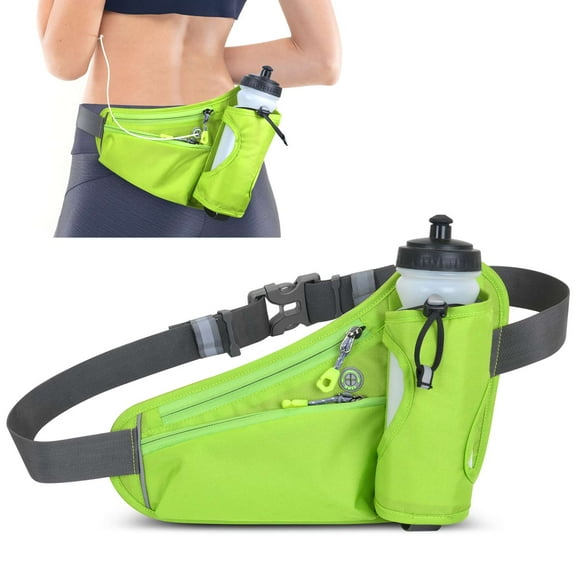
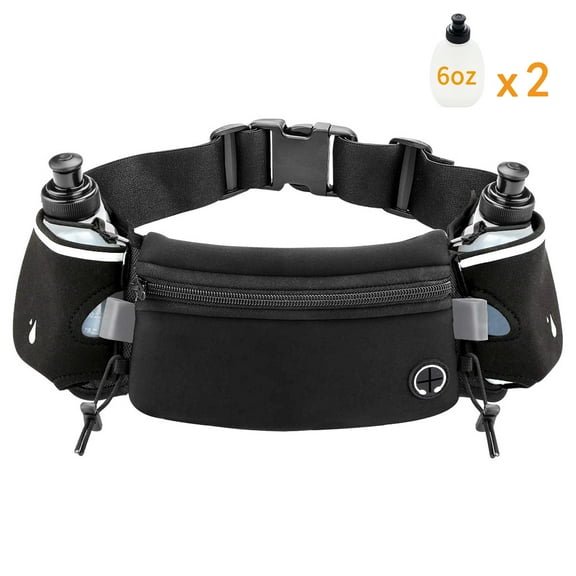
A hydration belt for running works well when you want a lighter feel around your waist. You can use a handheld bottle for shorter road runs when you want quick sips and simple carry.
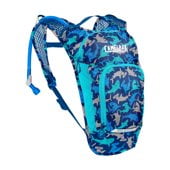
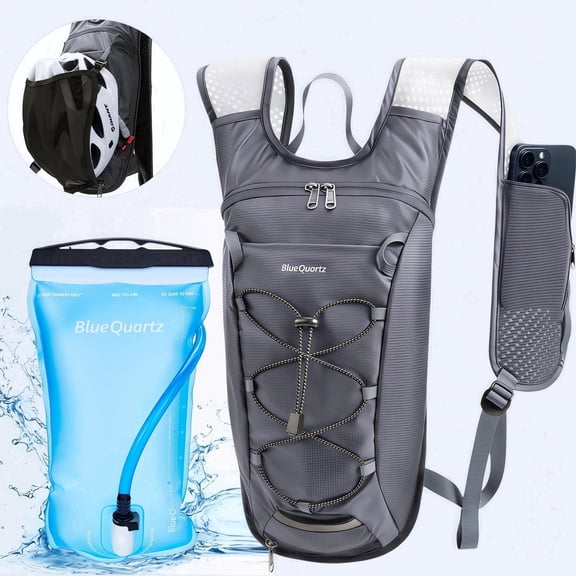
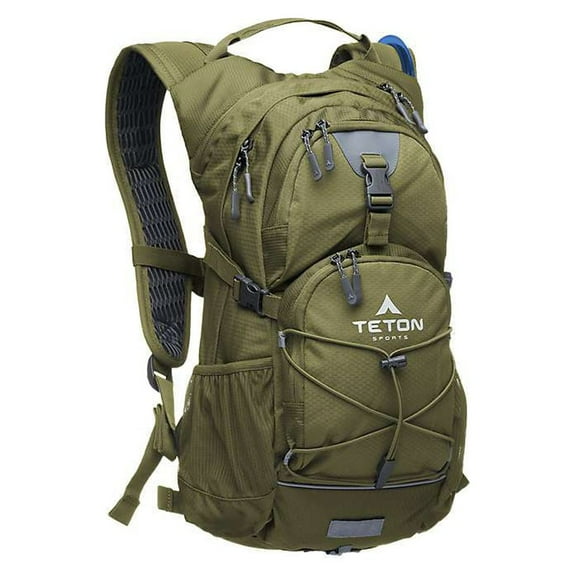
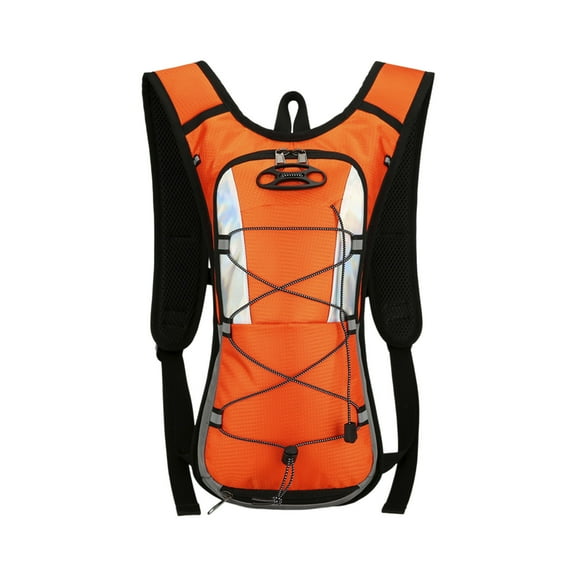
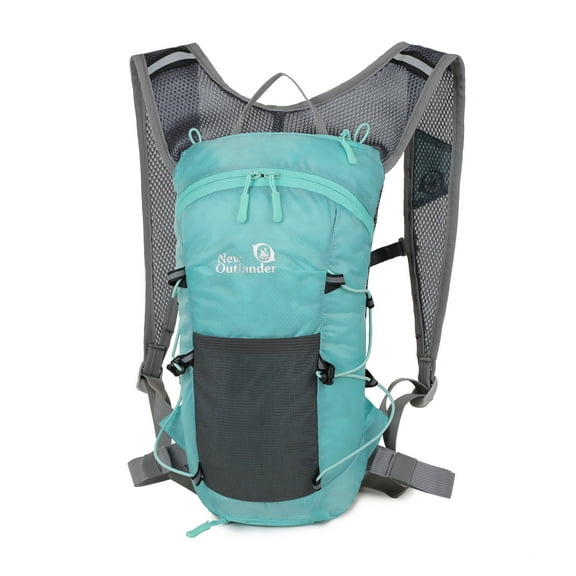
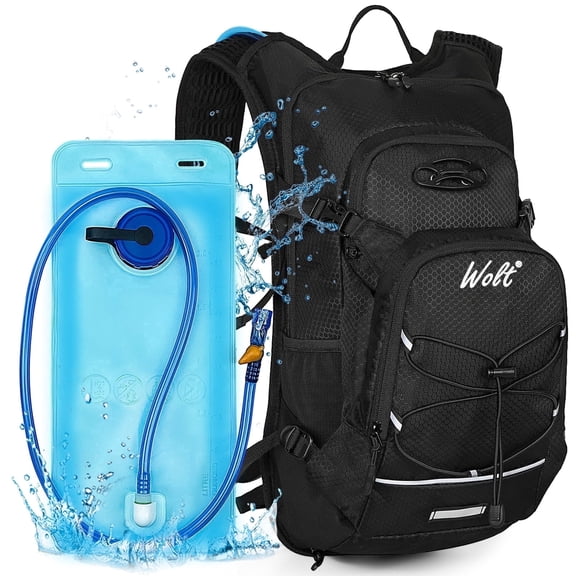
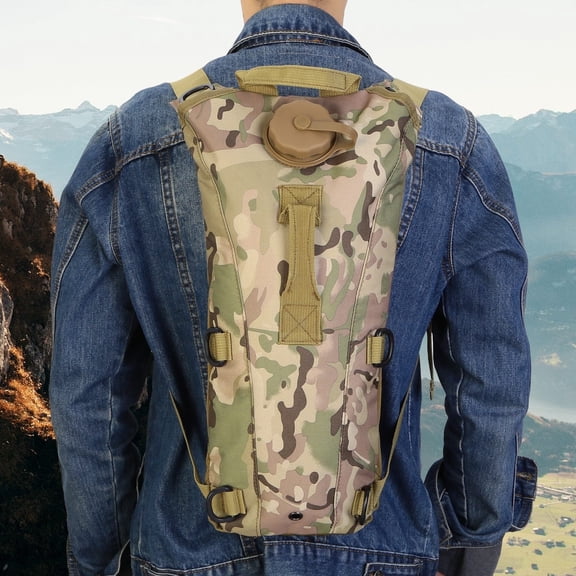
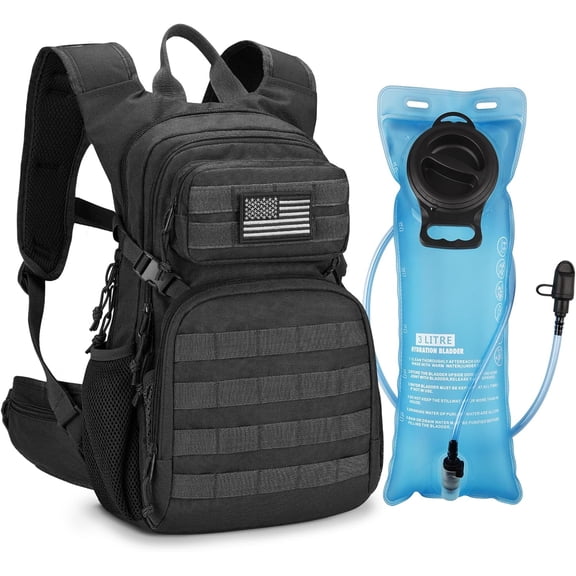
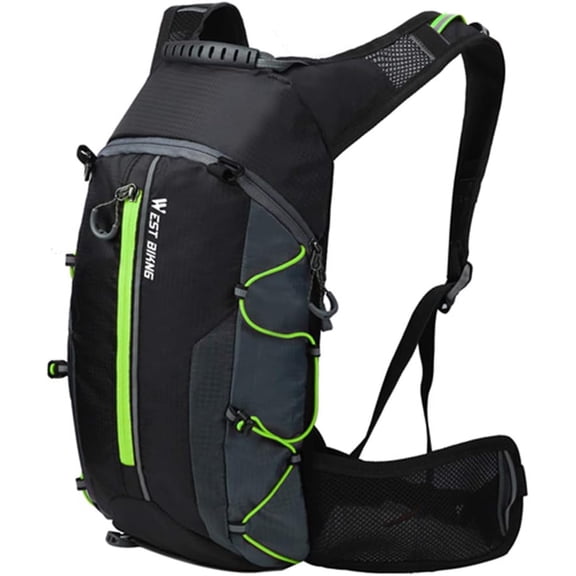
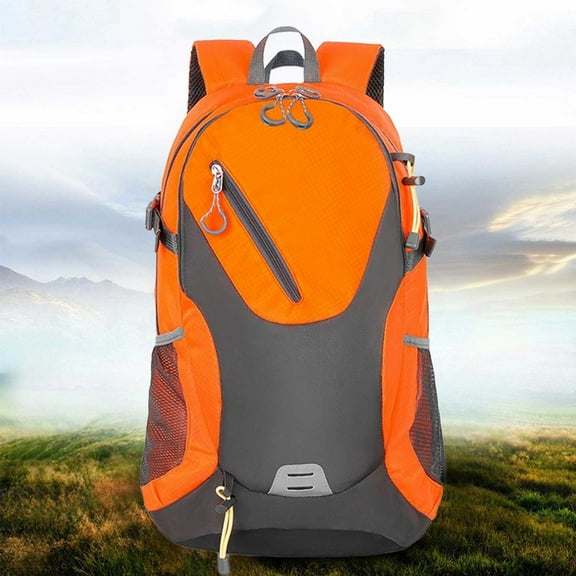
If you need additional water or extra layers, you may compare a backpack style with larger storage. You’ll often find that larger formats suit longer outings with changing weather.
- You can choose a hydration vest when you want balanced weight across your torso.
- You can pick a belt when you want a low-profile option for steady training miles.
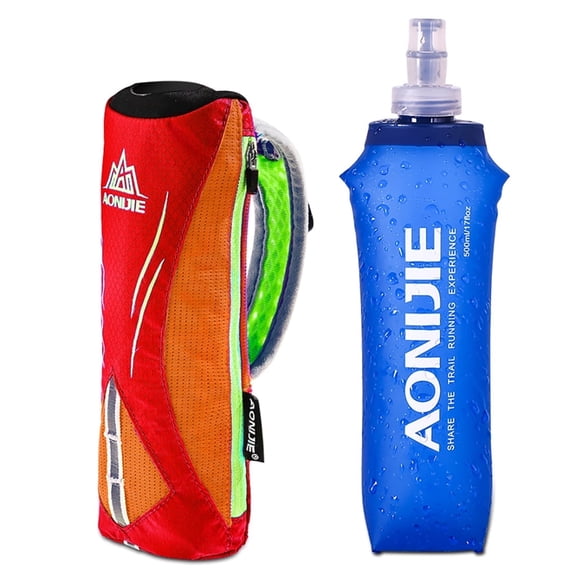
- You can carry handheld running bottles when you want direct bottle access at every sip.
- You can consider a backpack when your route calls for extra water, snacks, and layers.
Choosing fluid capacity for your run
You should match fluid capacity to your usual distance and the time you spend moving. You can keep things light with under 500ml for short sessions and quick workouts.
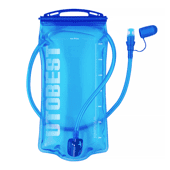
If your runs stretch longer, you may want 1L to 2L for steadier hydration. You can look to over 2L when you plan extended trail time or long race-day support.
You’ll also want to think about refill access on your route before you choose capacity. You can carry less when fountains are common, and you can carry additional water when stops are limited.
What to look for in storage options
You should check storage before you choose, because pocket layout affects how smoothly your run feels. You can keep keys, cards, and nutrition secure with zippered pockets that limit shifting.
A phone sleeve gives you quick access when you track splits, maps, or playlists during training. Gel loops help you organize fuel, so you can grab nutrition without digging through a larger compartment.
You may want separate spaces for soft flasks, snacks, and small personal items. You’ll appreciate that organized storage can keep weight distributed and reduce fumbling at pace.
Checking fit adjustment and bounce control
You should focus on fit adjustment because comfort changes fast when gear moves too much. Adjustable chest straps help you dial in a close hold across your upper body.
An elastic waist can help you keep a belt stable through steady miles and tempo runs. A unisex fit gives you a broader starting point when you compare shapes and sizing.
You can also compare how easily straps adjust while you’re already wearing the gear. You’ll want a snug feel that stays flexible as layers, pace, and bottle weight change.
Matching running hydration gear to your routine
You can pair a running hydration vest with long trail runs, race prep, and routes that need extra fuel. You may use a hydration belt for running during daily training when you want water and a phone close by.
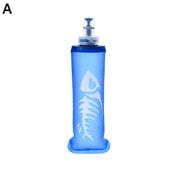
For short road sessions, you might prefer running water bottles that feel simple and direct. You can switch to a marathon hydration pack style when your event plan calls for longer carry time.
If you run before work, you may want lighter capacity and quick-access pockets for essentials. When you head out for weekend distance, you can prioritize larger reservoirs, nutrition storage, and adjustable fit.
You should also think about season and route conditions when you compare options. You can use breathable, lightweight designs in warm weather, and you can choose larger carry setups for remote trails.
Why the right setup matters
You’ll run with fewer interruptions when your water, fuel, and phone stay secure and easy to reach. You can feel fully prepared when your gear matches your distance, storage needs, and preferred fit.
With the right running hydration gear, you can focus on your pace instead of your carry setup. You’ll get a smoother run when your vest, belt, bottle, or pack fits your routine.