





Huggies in Diapering













About Huggies in Diapering - Walmart.com
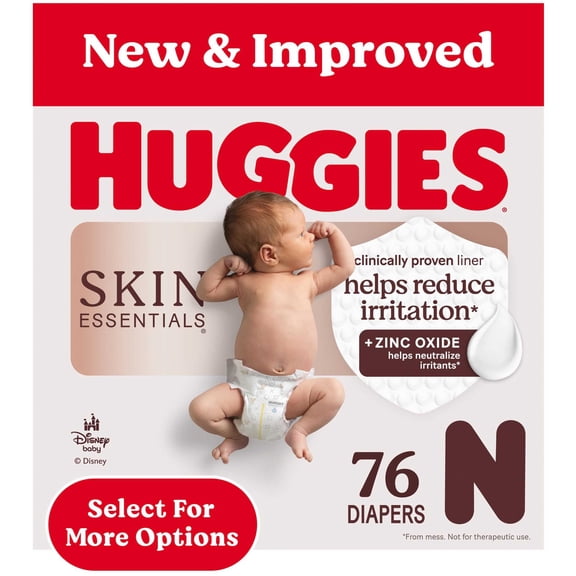
Huggies diapers help you compare diaper lines, sizes, and pack counts so you can match daily changes to your baby’s stage. You’ll find practical guidance here for newborn routines, active movement, overnight wear, and sensitive skin preferences.
How to choose Huggies diapers by diaper line
You should start with diaper line because each option is built for a different stage and routine. Your choice can affect how the diaper fits during feedings, naps, crawling, and bedtime.
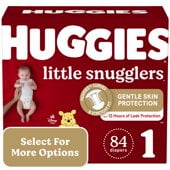
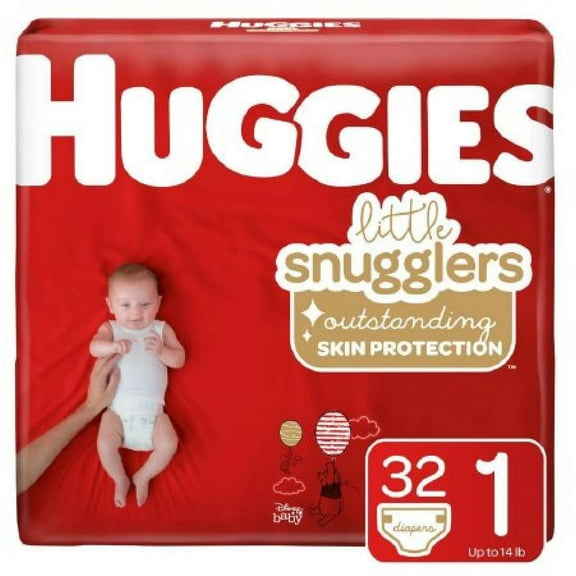
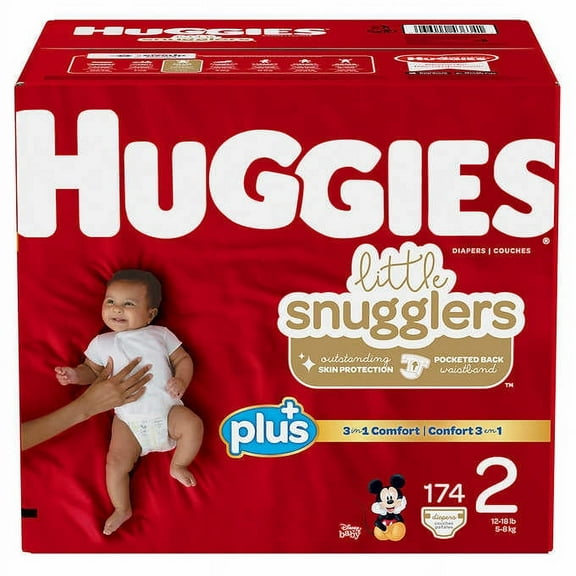
Huggies little snugglers can make sense when you’re planning for early days and smaller sizes. You may look for newborn-focused details, a gentle feel, and features shaped for frequent early changes.
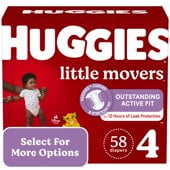
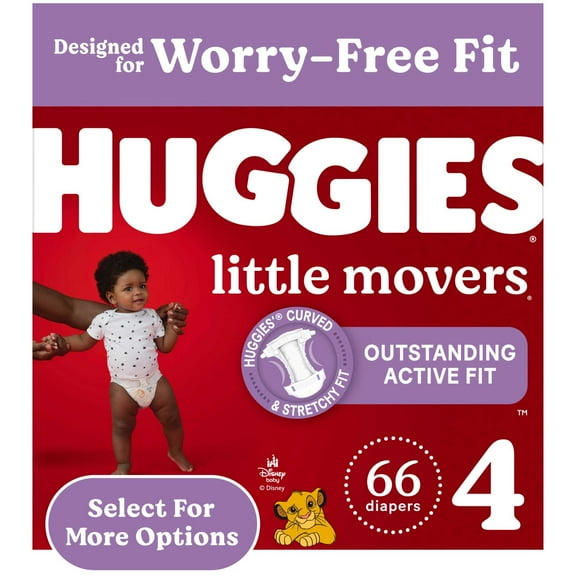
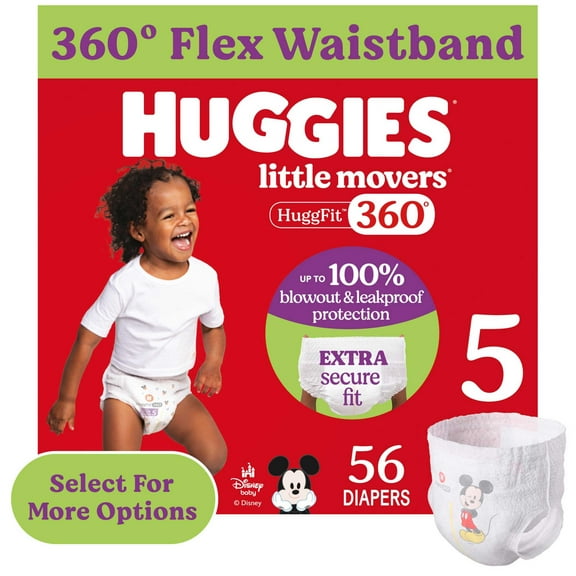
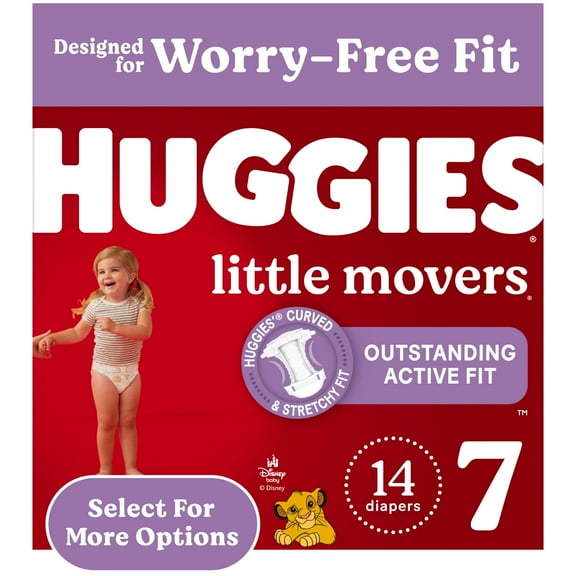
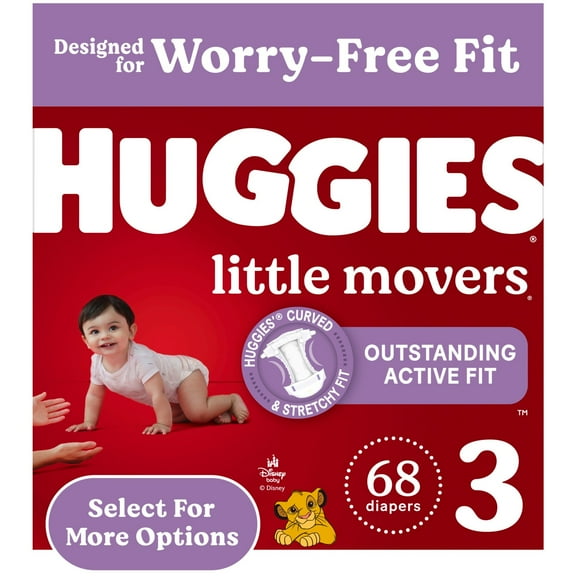
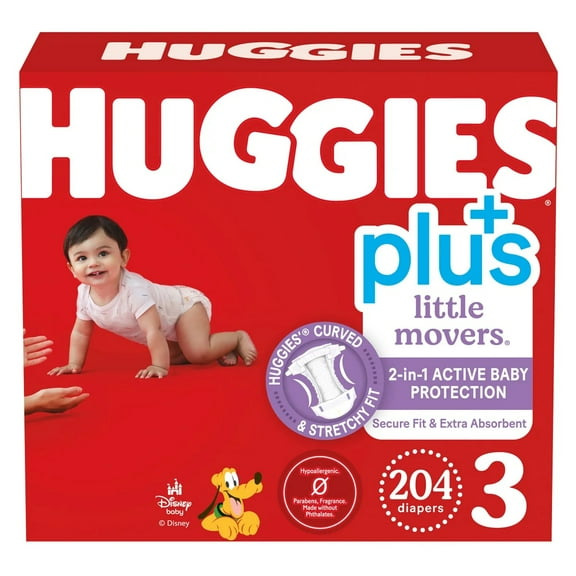
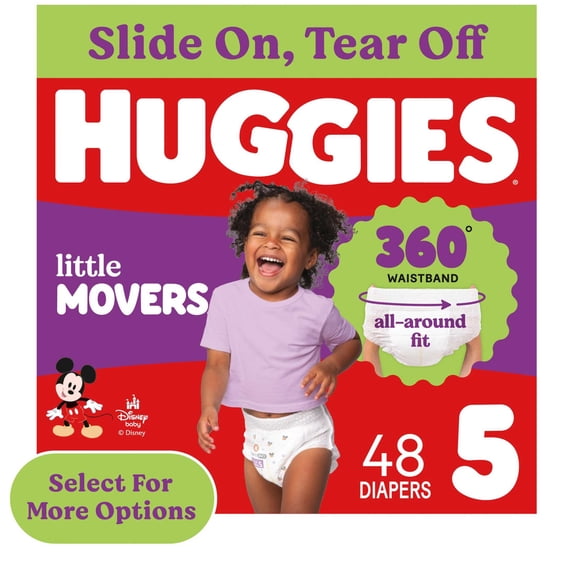
Huggies little movers can fit your routine once your baby starts rolling, crawling, and pulling up. You’ll want flexibility and a secure waistband when your day includes constant movement.
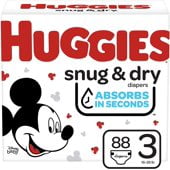
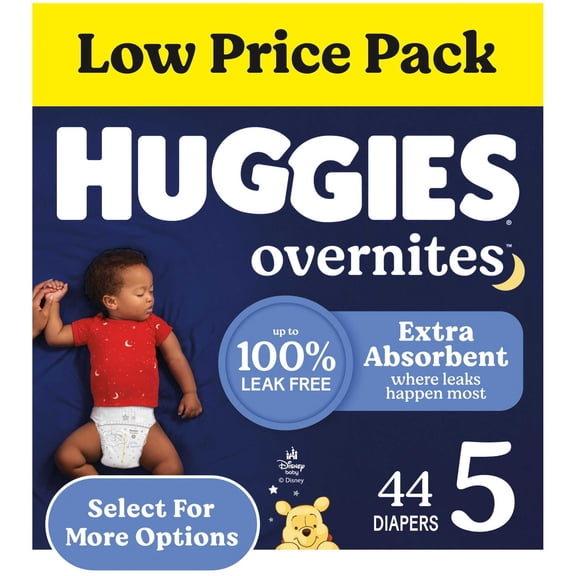
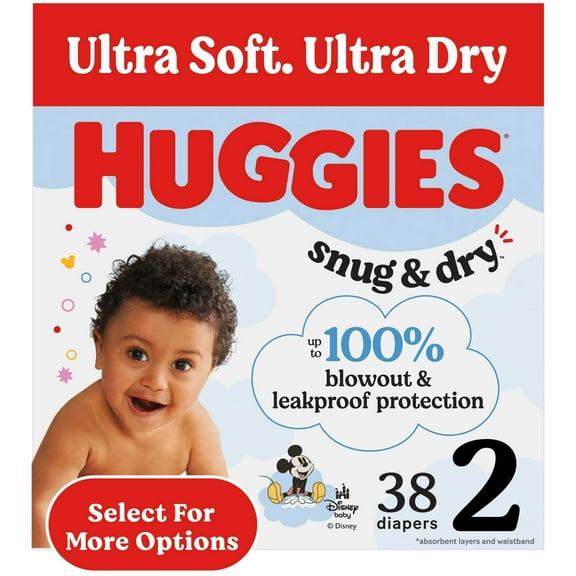
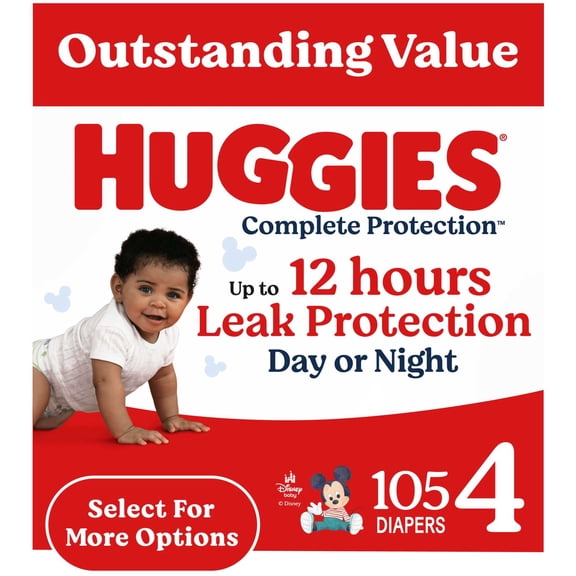
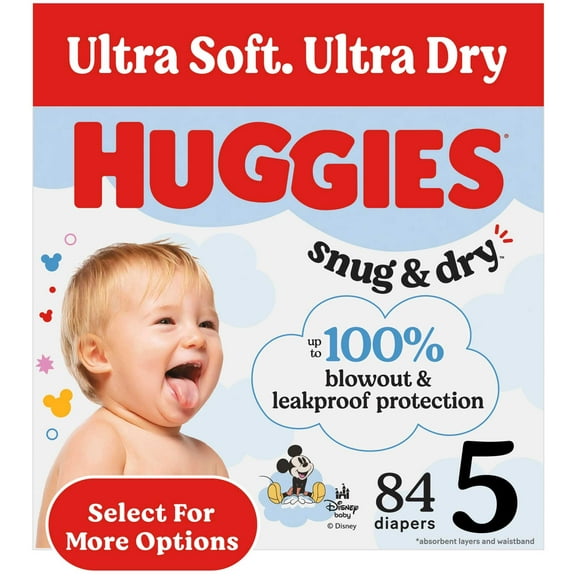
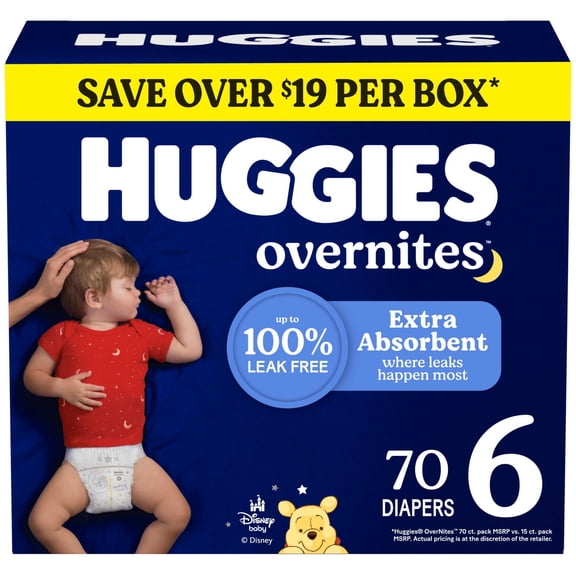
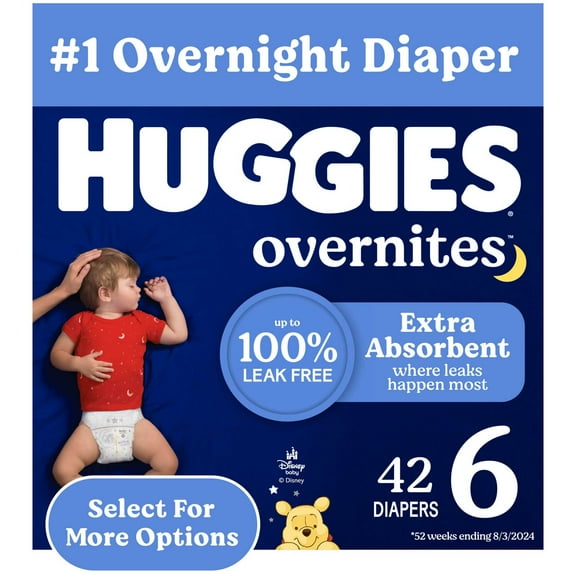
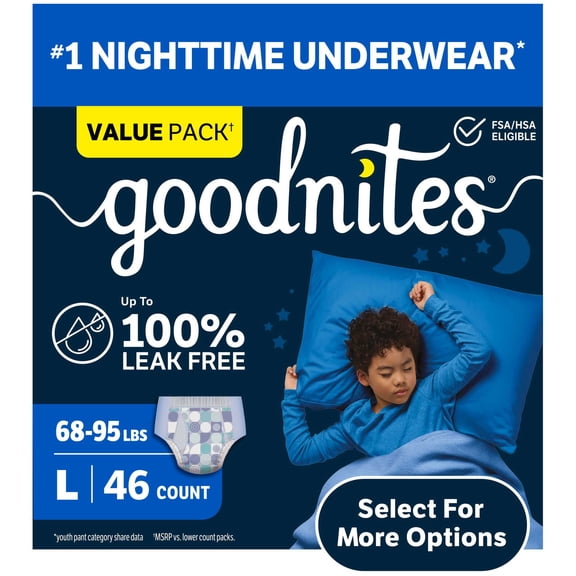
Snug & Dry and huggies overnight diapers can help you compare daytime use with longer nighttime wear. You can narrow your choice by checking absorbency needs, sleep habits, and changing frequency.
- You can choose Little Snugglers for newborn-focused sizing and early diapering routines.
- You can choose Little Movers when your baby needs a diaper designed for active motion.
- You can compare Overnites when your bedtime routine includes longer stretches between changes.
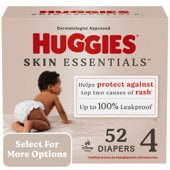
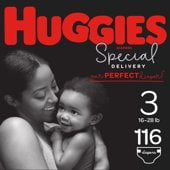
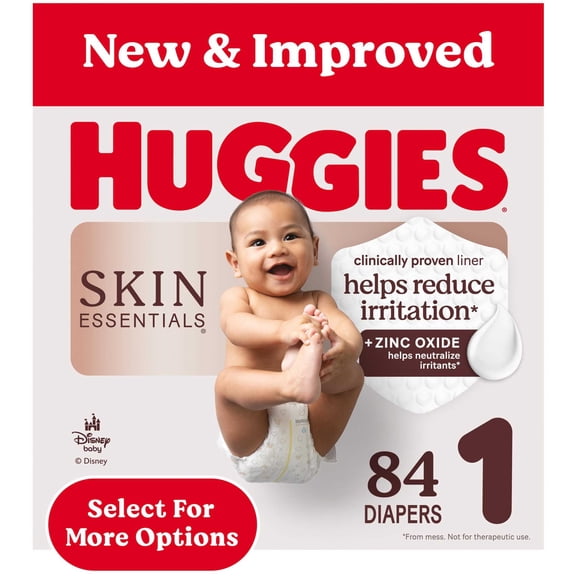
- You can review Special Delivery and sensitive skin options when your preferences center on material details.
Choosing the right Huggies diapers size
You should compare diaper size by weight range before you commit to a larger pack count. Your fit check should include the package guidance, your baby’s build, and your usual changing schedule.
Weight ranges matter because you need a size that sits comfortably at the waist and legs. You can use pounds or kilograms on the label to compare sizes with less guesswork.
Huggies size 3 is a common step when your baby needs more absorbency and more room to move. You should still check leg fit and tab placement instead of relying on size number alone.
Newborn through Size 7 options give you room to match changing needs as your baby grows. You can compare a sleepy newborn’s fit differently than your fit for a twisting toddler.
A diaper usually fits well when you can fasten the tabs comfortably and see balanced coverage. You’ll make a clearer choice when your diaper looks even from front to back.
Comparing pack count for your routine
You should treat pack count as a planning tool, not just a box size. Your weekly diaper use, storage space, and reorder habits can all shape the count that makes sense.
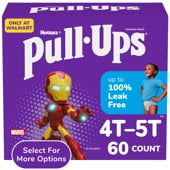
Jumbo Pack, Super Pack, Giant Pack, and Giga Pack options give you different ways to stock up. You can compare counts by how many diapers you use each day and how often you restock.
A moderate pack can work well while you’re confirming the right line or size. You’ll keep your routine flexible when your baby is between stages or changing quickly.
Larger counts can make more sense once your fit and diaper line feel consistent. You may prefer a huggies diapers box that supports nursery storage, daycare packing, and household planning.
What to look for in materials and specialty use
You should also compare materials and specialty options because diapering needs don’t stay the same all day. Your routine may include bedtime, travel, water play, or preferences around skin contact.
For bedtime, huggies overnight diapers can match sleep routines that call for longer wear windows. You can compare that option with daytime diapers based on how your nights usually go.
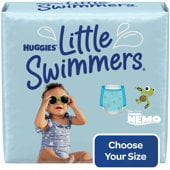
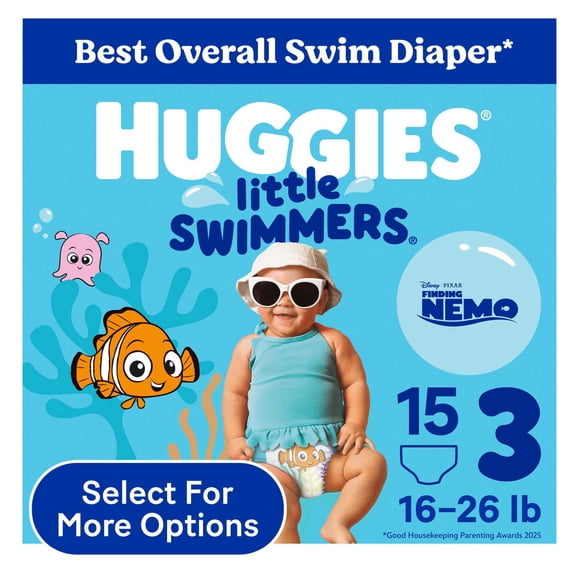
Swimmers serve a different purpose than regular diapers, so you should compare them separately. You’ll get a more practical match when your diaper type fits water play instead of everyday wear.
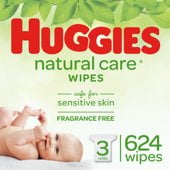
You may also look for fragrance-free, hypoallergenic, or elemental chlorine-free details on the package. Your material preferences can help you narrow options when you want more specific diaper information.
How Huggies little movers and little snugglers fit real routines
You can make a clearer decision when you connect each diaper line to real daily moments. Your feeding schedule, sleep setup, and activity level often point you toward the right option.
Hospital bags and first weeks at home often call for huggies little snugglers and newborn sizing. You may prioritize early-stage comfort, smaller fits, and diaper changes that happen around the clock.
Playrooms, errands, and active afternoons often align with huggies little movers. You’ll appreciate a diaper designed for motion when your baby crawls, climbs, and stays busy.
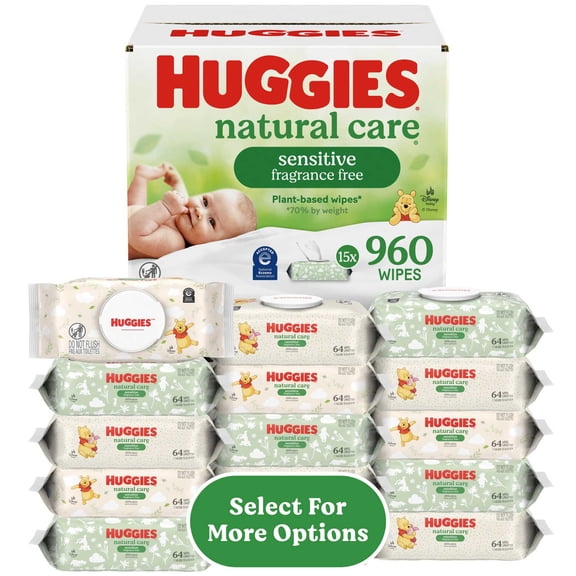
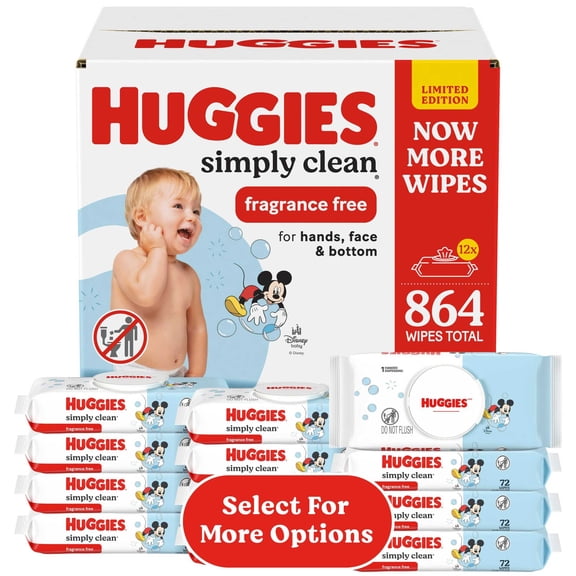
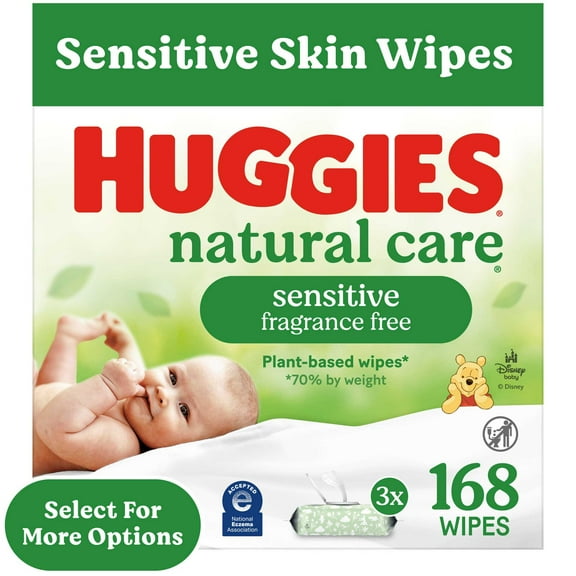
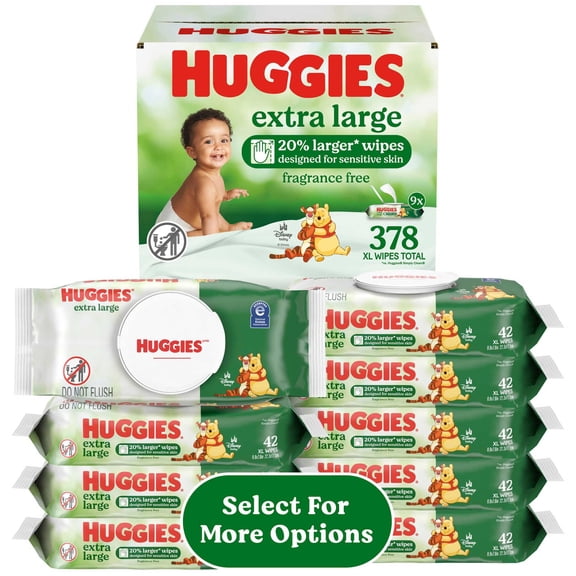
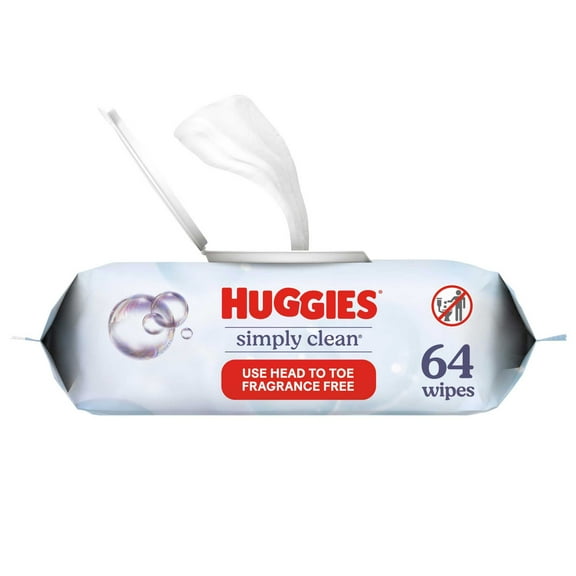
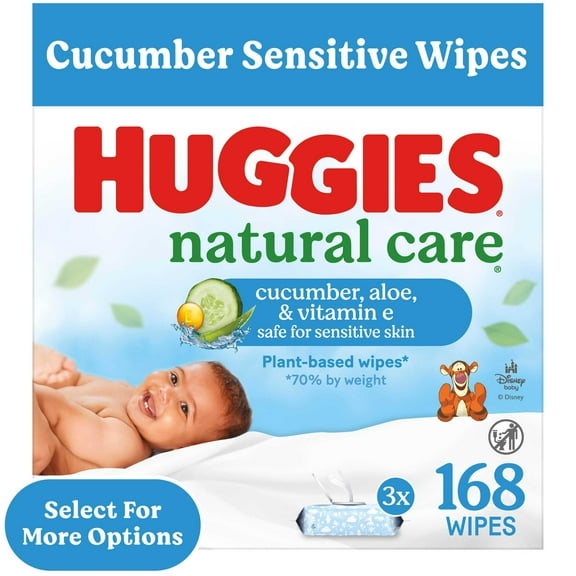
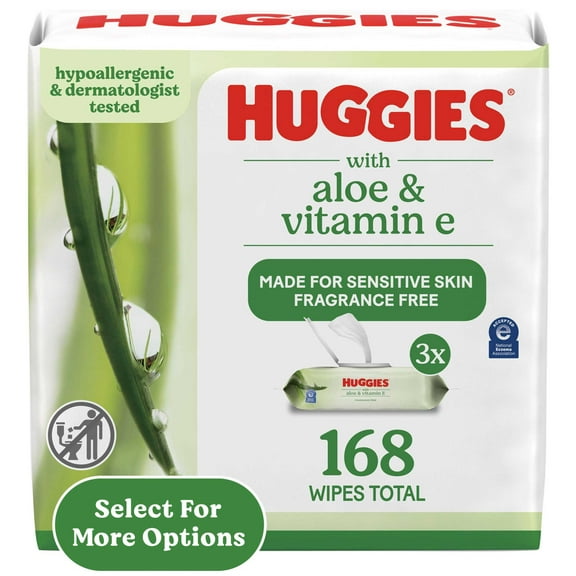
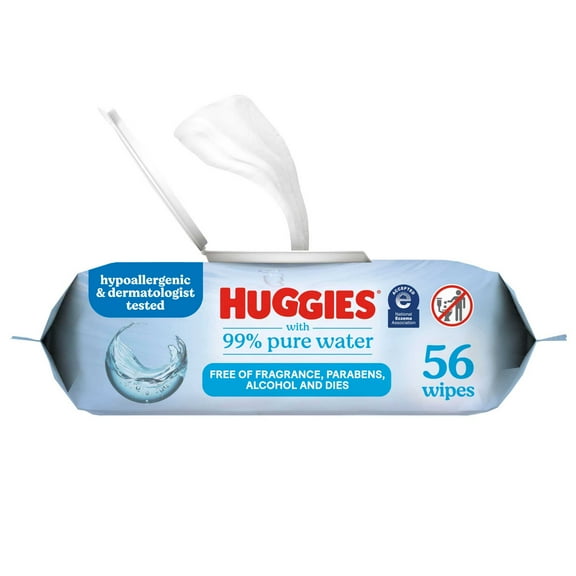
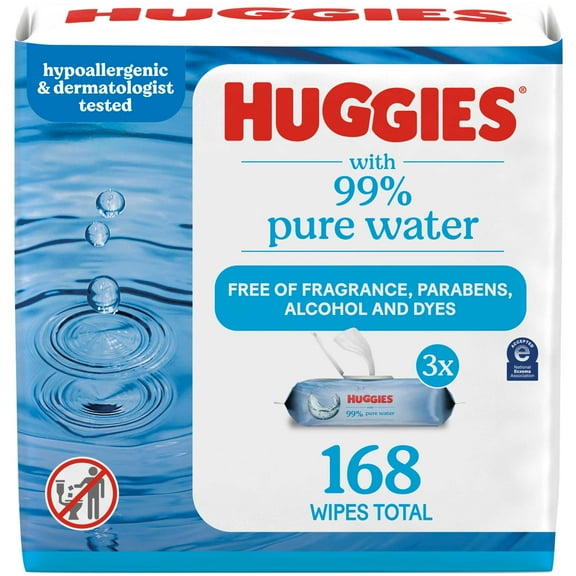
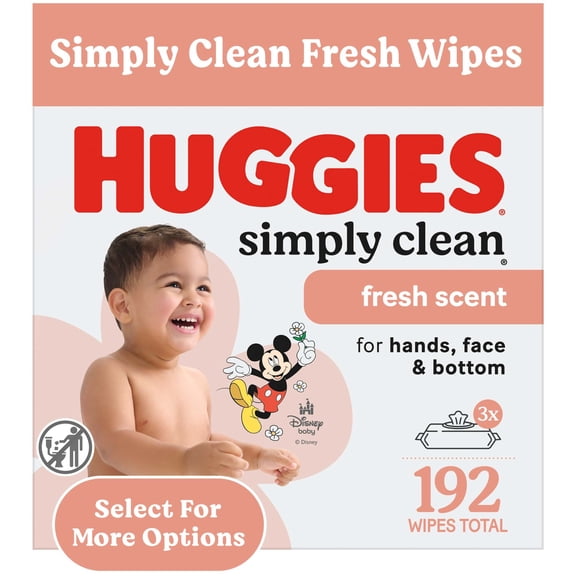
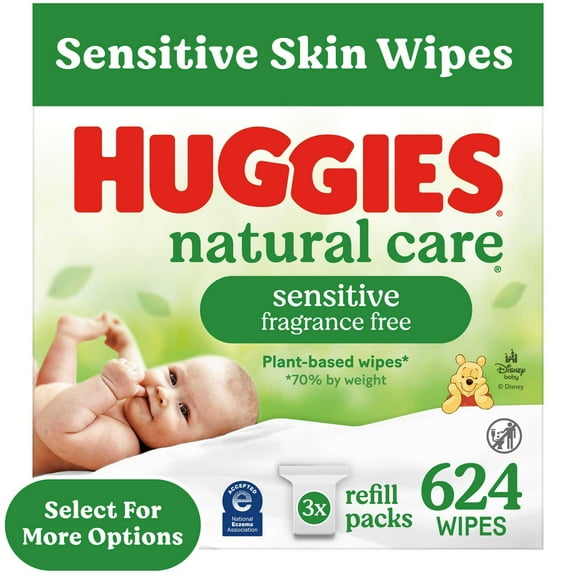
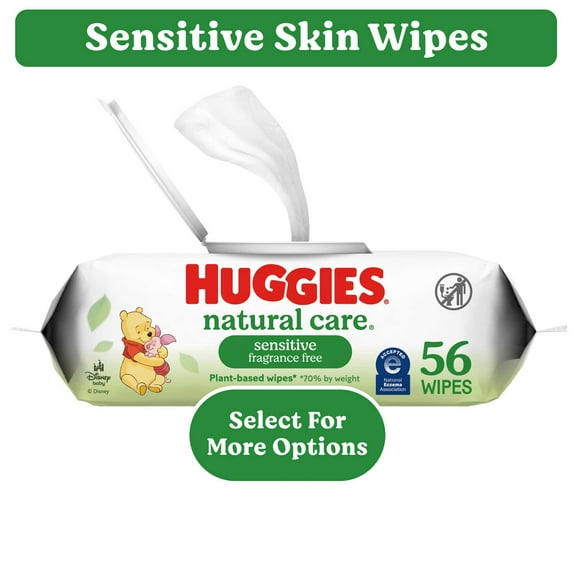
You can also pair your diapering setup with huggies baby wipes when you want essentials in one place. Your nursery, diaper bag, and travel kit can stay easier to organize with coordinated basics.
Huggies diapers give you a clear way to compare line, size, pack count, and specialty use in one category. You’ll feel more confident when your choice matches your baby’s stage and your daily routine.