


HearX

Self-fit OTC devices



Take a free hearing screener
FAQ
About HearX - Walmart.com
HearX hearing aids give you a focused way to compare OTC hearing options by fit, power, and connectivity. You can use this guide to understand hearing x styles and choose features that match your daily routine.
How to choose HearX hearing aids
When you compare hearx hearing aids, you should start with the way each device sits on or in your ear. You can narrow your options faster when you match fit, comfort, and visibility to your day.
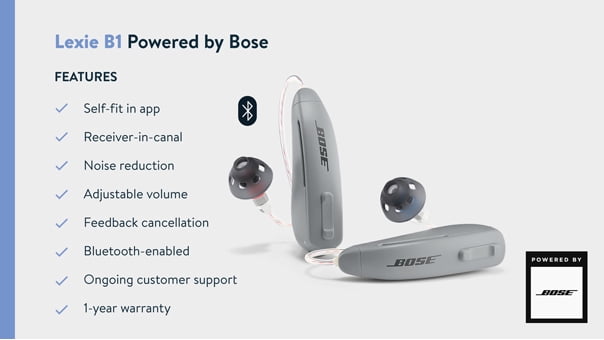
Behind-the-ear models rest behind your ear and connect to an earpiece with a slim tube. You may prefer this style when you want easier handling and room for larger controls.
In-the-ear models sit within your outer ear for a more integrated feel during work or errands. You can choose this style when you want a balance of access and a less noticeable profile.
Completely-in-canal styles sit deeper in your ear canal for a discreet look. You may like this option when you want hearing support that stays less visible during conversations.
Key benefits of hearing x options
You can gain everyday convenience when you choose OTC devices built for mild hearing loss or moderate hearing loss. You should compare support levels carefully so your device matches the listening situations you face most.
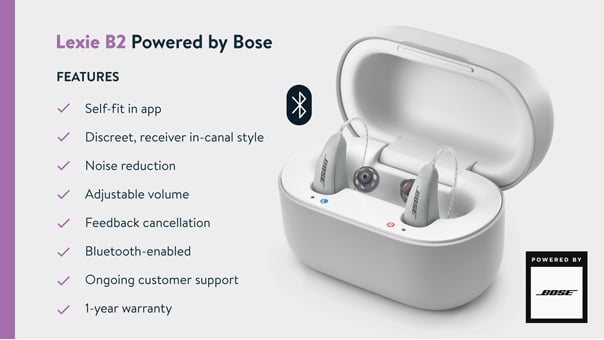
Bluetooth and app-controlled options can simplify your setup if you already use a smartphone each day. You can adjust settings, check status, and personalize sound without relying only on tiny onboard buttons.
Power choices also shape your routine in a very practical way. You can pick rechargeable designs for cable-based charging or disposable batteries for quick swaps away from home.
- You can compare BTE, ITE, and CIC styles based on comfort, visibility, and how easily you handle controls.
- You can choose Bluetooth enabled or app-controlled models when your phone is part of your everyday routine.
- You can select rechargeable or battery-powered options based on how you prefer to manage daily use.
- You can focus on mild-to-moderate OTC suitability so your hearing support aligns with common day-to-day listening needs.
You may also appreciate a brand page that keeps the decision focused on the features that affect daily wear. You can review hear x hearing aids with less guesswork when the key differences are clearly organized.
What to look for in features and specs
You should check whether a device is designed for mild hearing loss or moderate hearing loss before comparing extra features. You can avoid confusion when you begin with the intended user profile first.
If you want easier charging, you can look for rechargeable models that fit into your nightly routine. If you prefer flexibility, you can consider disposable batteries that you replace when needed.
You should also compare connectivity based on how you use your phone, tablet, or other personal devices. You can choose non-Bluetooth models for a simpler setup or connected models for more digital control.
App-controlled designs can help you make adjustments through an on-screen interface instead of small physical controls. You may find that setup feels more familiar when you already manage other devices through apps.
Fit matters just as much as technology when you wear a hearing device for long stretches. You should compare shell size, ear placement, and handling comfort before you decide on hearing x options.
Many shoppers also search for hearx usa support details when they want a clearer picture of connectivity and everyday operation. You can use these feature checkpoints to compare models with more confidence.
Matching device types to daily use
You may want behind-the-ear styles if you handle your devices often during the day. You can find that this format feels easier to place, remove, and adjust during busy routines.
If you want a style that sits within the outer ear, you can consider in-the-ear options for daily wear. You may prefer this profile when you want a balanced mix of access and a streamlined appearance.
For a discreet fit, you can compare completely-in-canal styles for social settings, workdays, or time out of the house. You should measure comfort against visibility because deeper placement changes how each style feels.
You can also match connectivity to your routine instead of choosing features you won't use. If you stream audio or use apps often, you may lean toward Bluetooth enabled or app-controlled designs.
Non-Bluetooth models can make sense when you want a more straightforward experience with fewer digital steps. You can focus on fit, power source, and intended support level when simplicity matters most.
When you compare hear x hearing aids for travel, commuting, or long office days, power source becomes even more important. You may prefer rechargeable units at home and battery-swapping options when you're away from outlets.
Choosing the right HearX hearing aids for your routine
You can make a clearer choice when you compare device type, connectivity, power source, and mild-to-moderate OTC suitability together. You’ll leave with a more practical shortlist that fits your ears, your phone habits, and your daily schedule.