

Professional Head Protection Gear and Accessories













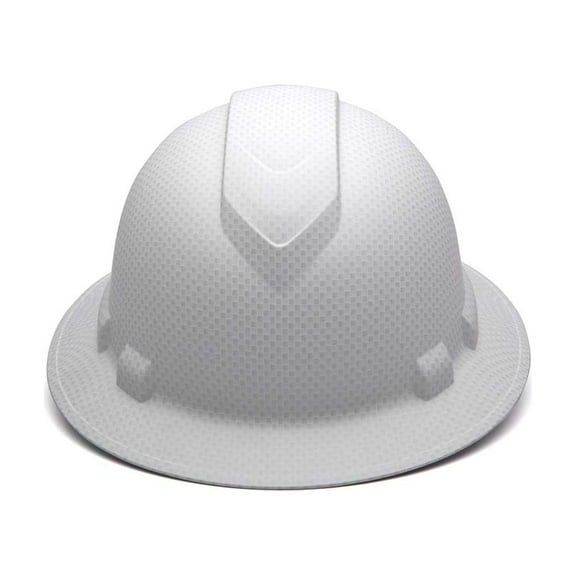


About Professional Head Protection Gear and Accessories - Walmart.com
Head protection helps you compare hard hats, bump caps, and safety helmets for demanding job sites. You can narrow options by ANSI ratings, suspension fit, and helmet style before work begins.
How to choose head protection for your work
You should start with the kind of impact coverage your tasks require. You can compare Type I and Type II options by where coverage is designed to help protect you.
If you work under overhead hazards, you may look at Type I for top coverage. If you move through tight zones, you may prefer Type II for top and lateral coverage.
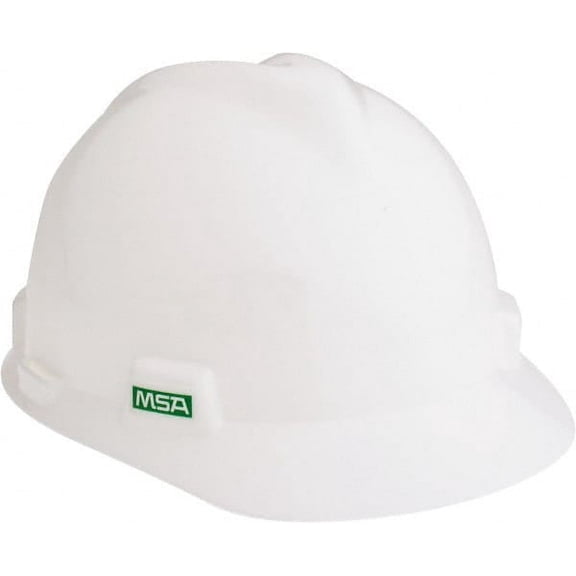
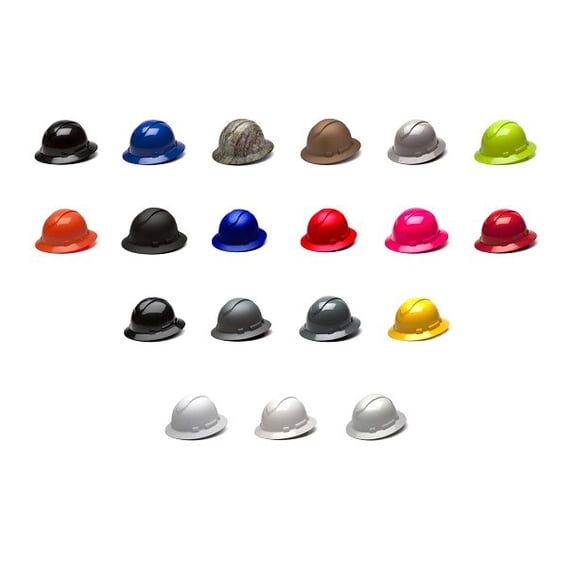
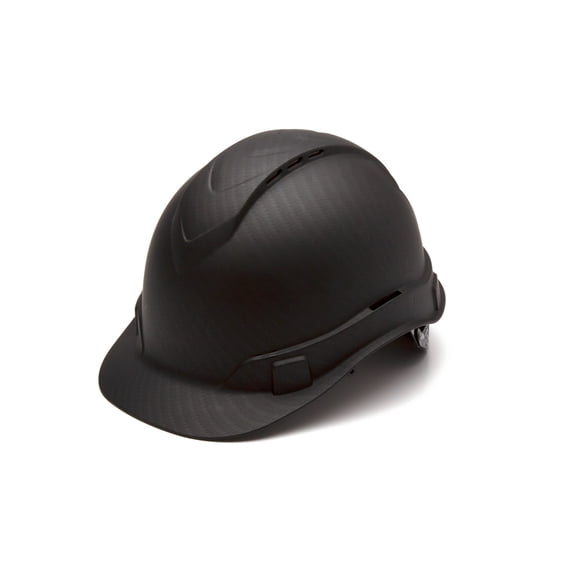
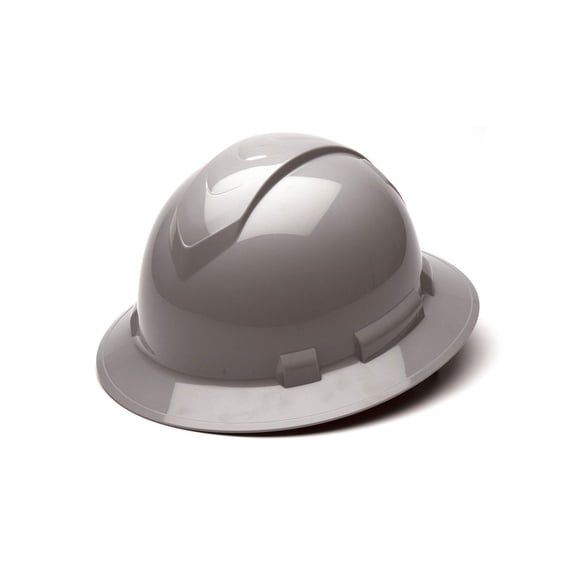
You can also compare helmet styles based on your environment and movement. A full brim can help shield your face area from sun and rain, while a cap style can fit tighter spaces.
- You can use Type I styles when your work calls for top impact coverage.
- You can choose Type II styles when your tasks call for top and side coverage.
- You can compare full brim and cap style designs based on weather and clearance.
- You can consider bump caps for lighter-duty areas where hard hat styling still matters.
- You can review climbing style helmets when chin strap security and active movement matter.
For lighter-duty indoor tasks, you may consider a bump cap for low-clearance contact concerns. For active movement, you may look at climbing style designs that stay positioned during frequent motion.
Choosing safety ratings in head protection
You should check ANSI Z89.1 first because that rating helps you compare industrial headwear consistently. You'll find clear ratings make it easier to match equipment to workplace requirements.
Electrical class is another key decision when you compare hard hats and safety helmets. You can look for Class E, Class G, or Class C based on your work setting.
If your tasks involve electrical environments, you may compare Class E and Class G options carefully. If your job needs ventilation and does not restrict conductivity, you may consider Class C styles.
You can use these labels as practical filters while narrowing your choices. Your team can review product details faster when rating information appears clearly with each option.
Comparing suspension type and fit
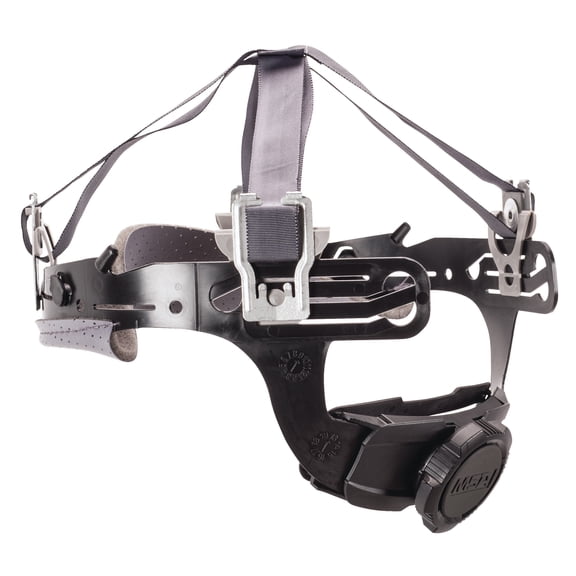
You should compare suspension type because daily comfort often depends on how the helmet adjusts. You'll usually see four-point or six-point systems, along with pinlock or ratchet adjustment styles.
A four-point suspension can give you a straightforward fit with fewer contact points. A six-point suspension can distribute pressure across more areas, which may feel steadier during long shifts.
You can compare pinlock and ratchet closures by how often you adjust your fit. A pinlock setup can feel simple and secure, while a ratchet lets you fine-tune sizing quickly.
If several people use shared gear, you may prefer ratchet systems for faster changes. If your fit rarely changes, you may like pinlock styles that stay set once adjusted.
You should also check whether the shell and suspension sizing match your head size range. Your comfort can improve when the fit stays balanced without frequent repositioning.
Matching helmet style to your environment
You can narrow your options faster when you connect helmet style to the job setting. Your work area, weather exposure, and movement pattern all shape which style makes sense.
A full brim style can suit outdoor construction, utility, and roadwork tasks. You may prefer that extra coverage when your crew spends long hours in changing weather.
A cap style can work well when your space is tighter or visibility matters more up front. You may choose it for warehouses, plants, and indoor maintenance routes.
A climbing style helmet can fit jobs that involve ladders, elevated movement, or repeated bending. You may look for that profile when secure positioning matters through constant motion.
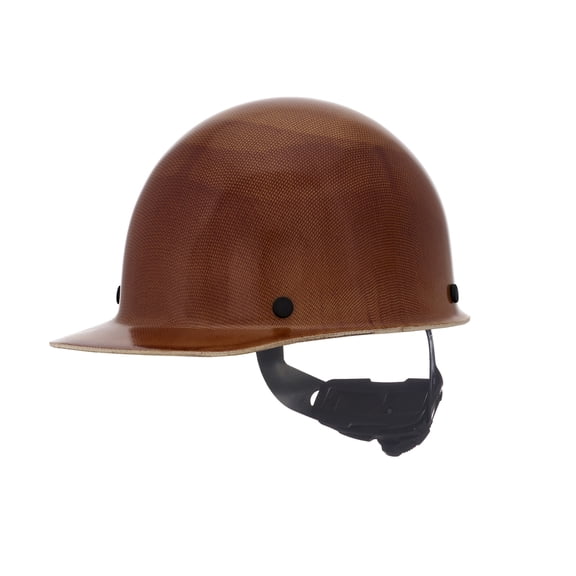
You can also separate bump caps from hard hats by intended use and rating details. Your selection gets easier when you compare the shell style with the protection level you need.
Using head protection across common job sites
You may need different head protection setups for construction, manufacturing, utilities, and facility maintenance. Your environment can guide which combination of type, class, suspension, and style fits daily work.
For outdoor construction, you might compare Type I or Type II shells with full brim coverage. You may also check Class G or Class E ratings when site tasks involve power-related equipment.
For manufacturing floors, you may focus on cap style helmets with comfortable suspension systems. Your team may benefit from ratchet adjustment when shifts rotate and fit changes happen often.
For utility and electrical work, you can review ANSI Z89.1 details with close attention to class labels. Your shortlist should reflect the exact work conditions and equipment around you.
For maintenance routes in low-clearance areas, you may compare bump caps and hard hats carefully. Your decision should reflect the work rules, contact concerns, and required rating level for the space.
When you use these decision points together, you can sort options with less guesswork. Your final choice can feel more practical when style, rating, and fit align with your job.
You can approach head protection with more clarity when you understand types, classes, suspension systems, and helmet styles. Your selection process becomes simpler when each feature matches your site conditions and daily movement.
Popular in Professional Head Protection Gear and Accessories - Walmart.com
- Face Protection From Welding
- Face Protection Welding
- Elvex Safety Equipment & Gear
- North Eye & Face Protection
- Sellstrom Safety Equipment & Gear
- Sellstrom Flip Up
- Jackson Safety V90 Face Shield
- Jackson Safety* Safety Equipment & Gear
- Brand: Msa Safety Works
- Polycarbonate Safety Shield
- Elvex Collection
- Zenport Safety Equipment & Gear