

HART Layout Tools in HART Hand Tools


About HART Layout Tools in HART Hand Tools - Walmart.com
HART layout tools help you measure, level, and mark with confidence on framing, trim, and remodeling jobs. You can compare tape measures, spirit levels, laser levels, framing squares, and chalk lines in one focused place.
When you choose this category, you’re looking at tools built for accurate layouts and repeatable marks. You can use them for quick DIY touchups or longer home improvement projects that need straight lines.
How to choose HART layout tools by tool type
You should start with the tool type that matches your project steps. You may reach for a HART tape measure when you need distance, a level for plumb lines, or a chalk line for long marks.
If you’re checking corners, a HART framing square helps you lay out studs, rafters, and shelves with cleaner angles. If you’re working across a room, you may prefer laser levels that project a visible reference line.
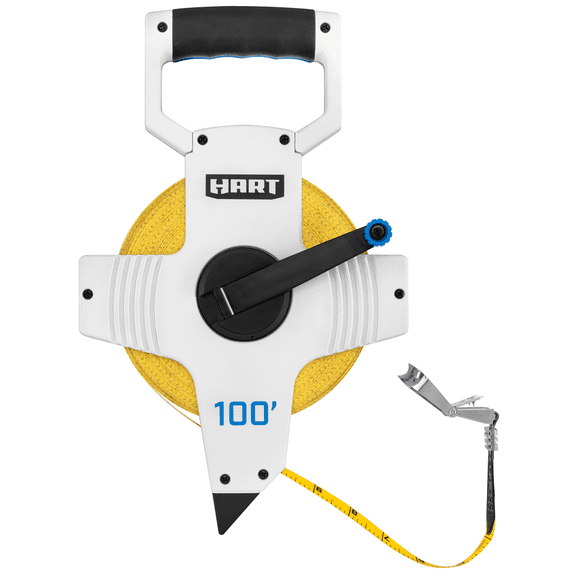
- You can use tape measures for cabinet spacing, wall lengths, and material cuts.
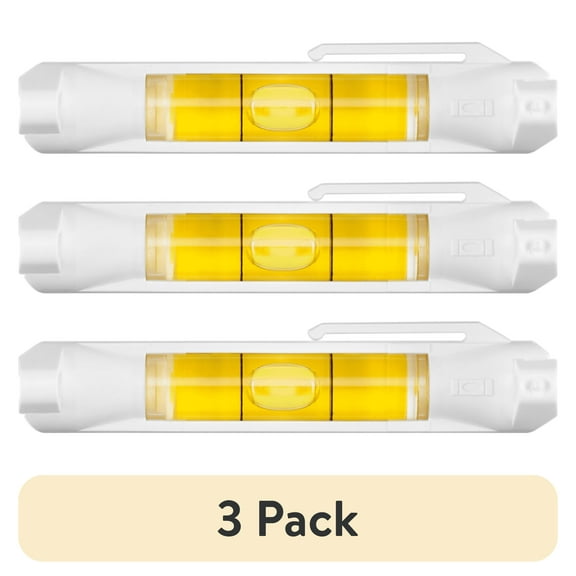
- You can use spirit levels for shelves, frames, tile lines, and appliance alignment.
- You can use framing squares for squaring lumber and marking consistent angles.
- You can use chalk lines for long, straight reference marks on floors, walls, and decking.
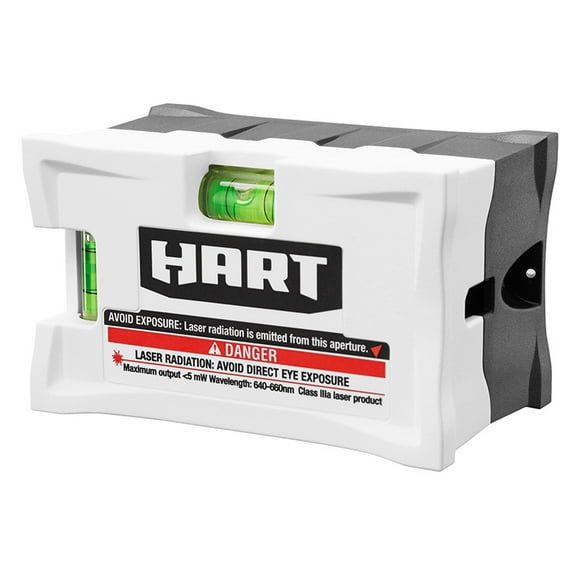
- You can use laser levels when you want hands-free alignment across wider spaces.
You’ll notice each tool solves a different layout problem during the same project. You can often combine several HART measuring tools to move from planning to marking without switching brands.
Choosing measurement systems, sizes, and accuracy
You should compare imperial, metric, and dual-scale markings before you pick a tool. You may want dual markings when your plans, fasteners, or materials use different measurement formats.
Size matters because you need enough reach without carrying extra bulk. You can choose 16 ft, 25 ft, or 30 ft tape measures, or 12 inch, 24 inch, and 48 inch levels.
When you compare a HART tape measure, you should check blade standout and print readability. You’ll find standout matters because it helps you extend the blade farther before it bends.
You should also look for clear fraction marks and easy-to-read numerals in dim garages or busy job sites. You can make quicker cut marks when the blade stays legible at a glance.
For HART levels, you should compare standard, high-precision, and professional grade options. You’ll want to understand bubble vial sensitivity because it affects how precisely you can center the bubble.
If you’re considering laser levels, you should compare laser diode class, line visibility, and run-time hours. You may prefer red beams for common indoor tasks or green beams for stronger visibility.
What to look for in materials and durability
You should check the body material because it affects weight, rigidity, and daily wear. You may see reinforced plastic, aluminum, or die-cast steel across HART hand tools in this category.
Reinforced plastic can help you keep tools lighter during repetitive measuring tasks. Aluminum can help you balance durability and easier handling when you’re carrying a level or square often.
Die-cast steel can make sense when you want a rigid frame for repeated layout work. You’ll appreciate that rigidity when you’re marking straight edges on framing lumber or sheet goods.
You should also compare casing details that support regular job use. You may want rubber overmold areas because they add grip and help the tool feel steadier in your hand.
When you review durability, you should think about drops, truck storage, and dusty workspaces. You can choose construction details that hold up to frequent handling without feeling bulky.
Matching HART tape measure, HART levels, and HART framing square options to projects
You can match a 25 ft or 30 ft tape measure to framing, flooring, and room planning. You may prefer a compact 16 ft model when you’re measuring furniture, trim, or closet spaces.
For shelf installation, picture hanging, and backsplash prep, you can use 12 inch or 24 inch spirit levels. You may step up to a 48 inch model when you’re aligning longer spans.
If you’re building wall frames or checking stud layout, a HART framing square gives you fast right-angle reference points. You can also use it when you’re marking stair stringers or squaring work surfaces.
When you’re snapping lines for tile, decking, or fence runs, a HART chalk line helps you mark distance quickly. You’ll get a long visual guide that’s easier to follow than repeated pencil marks.
Laser levels fit projects where you want fewer manual checks across open rooms. You can use them for hanging cabinets, aligning wall features, or setting repeated installation heights.
You should compare battery run time if you expect longer setup sessions with a laser level. You’ll want steady visibility so your reference line stays useful from the first mark onward.
If you handle mixed projects, you can build a practical set around one tape measure, one level, and one square. You’ll cover basic measuring, line checking, and angle marking with fewer gaps in your toolkit.
With HART layout tools, you can choose by tool type, scale, size, accuracy, and durability instead of guessing. You’ll end up with measuring and marking tools that fit your project flow and improve layout confidence.