





Girls Basic Clothing in Kids Basic Clothing


























About Girls Basic Clothing in Kids Basic Clothing - Walmart.com
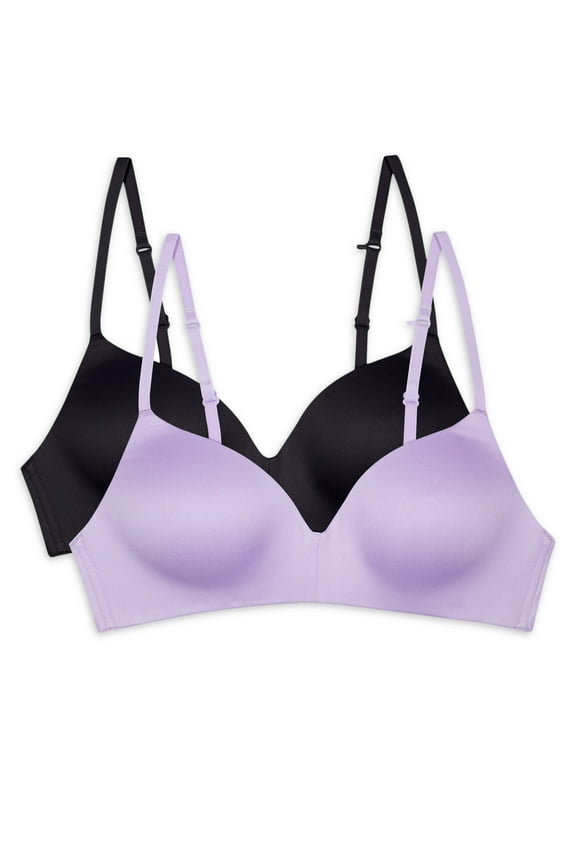
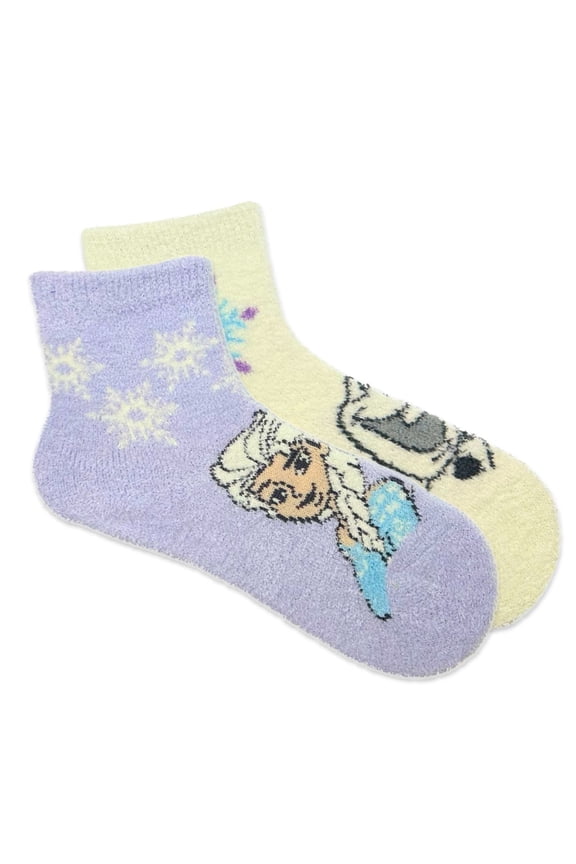
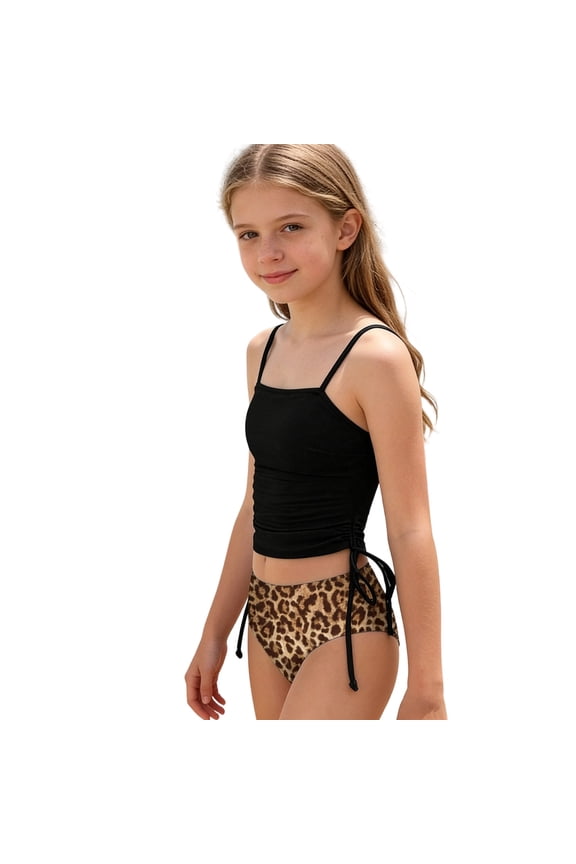
You can build daily outfits easily with girls basic clothing that covers school, play, layering, and sleepover packing. You can find practical essentials like tees, leggings, underwear, socks, and camisoles in sizes that match growing kids.
When you’re choosing basics, you’re usually comparing comfort, fit, wash durability, and pack size. You can use this guide to narrow girls clothing basics by product type, material, size range, and pack configuration.
Choosing girls basic clothing by product type
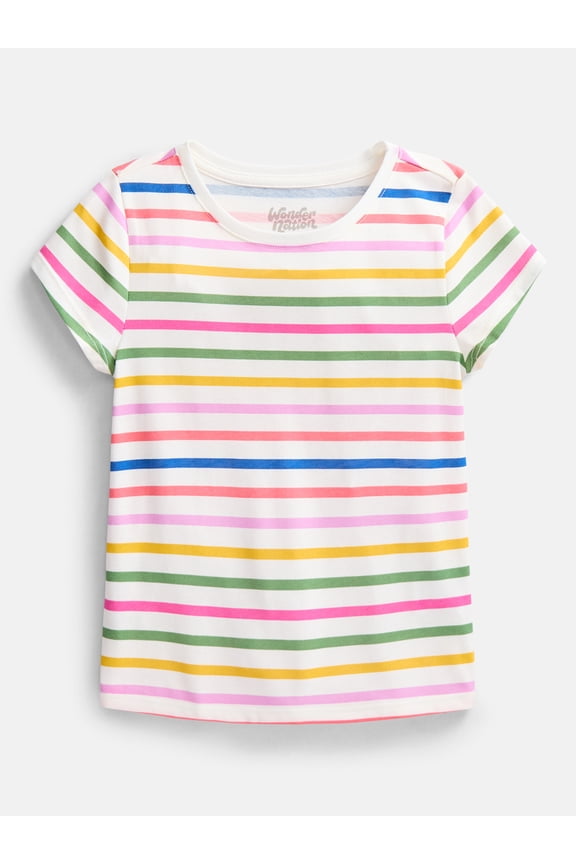
You may want different staples for different routines, and product type makes a significant difference. You can start with girls basic tees and leggings for outfits that mix easily with skirts, shorts, hoodies, and sneakers.
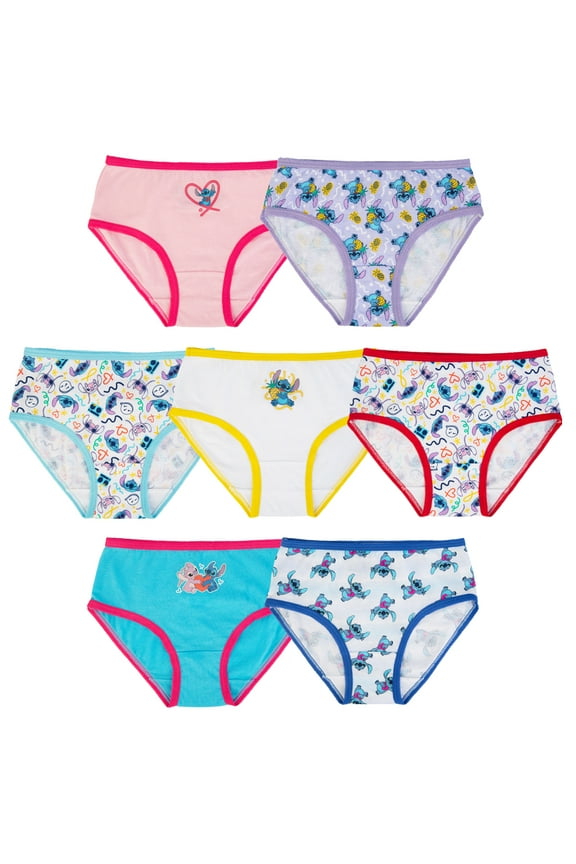
For school mornings, you may prefer short-sleeve tees, stretch leggings, and camisoles that layer neatly under sweaters. For daily dressing, you can also compare girls basic underwear and socks to round out drawer essentials.
- You can use tees for easy pairing with jeans, joggers, or uniform layers.
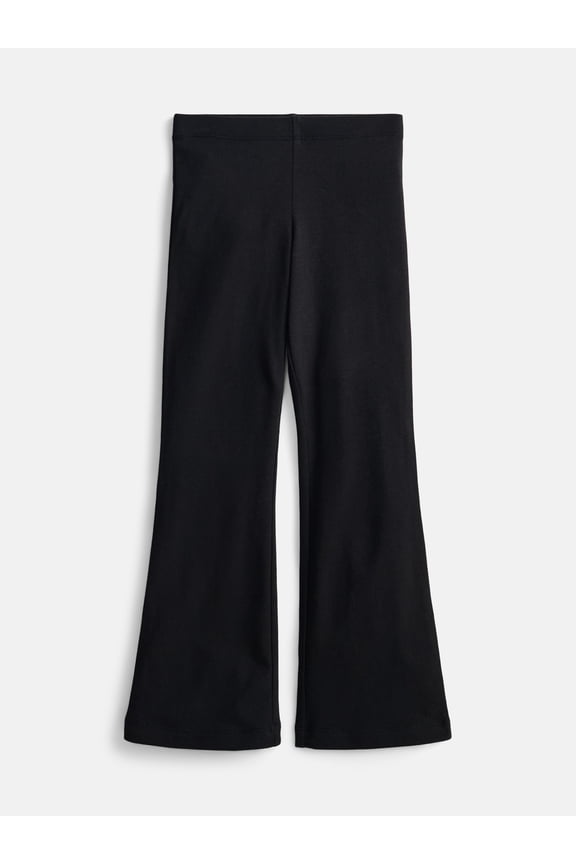
- You can choose leggings when you want flexible movement and simple outfit matching.
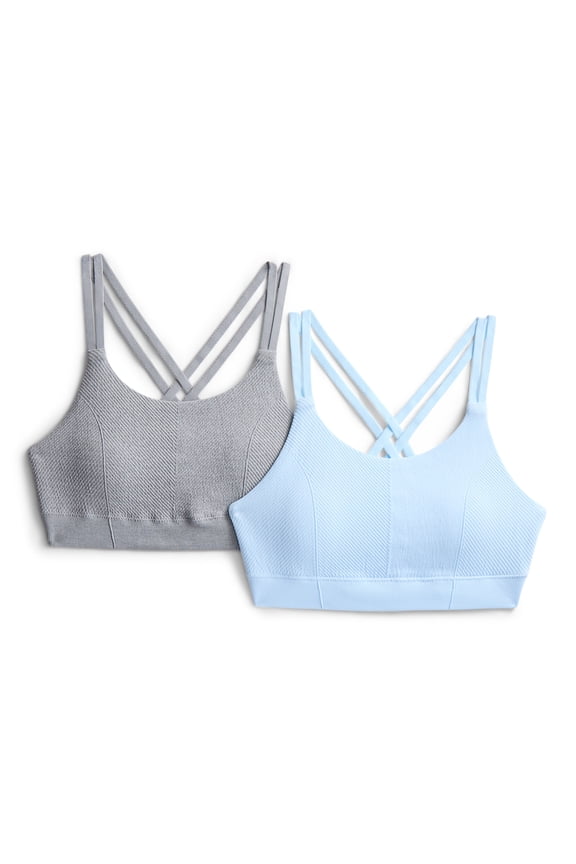
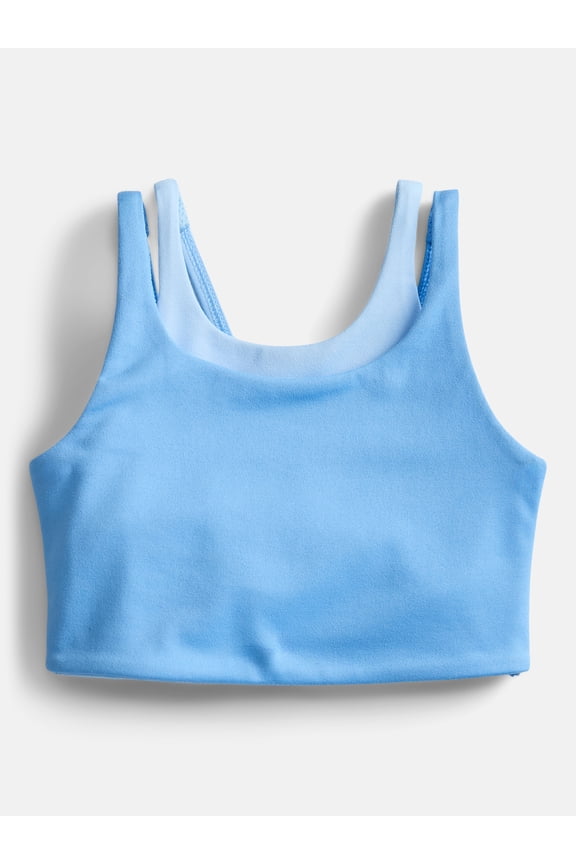
- You can add camisoles when you need lightweight layers under tops and dresses.
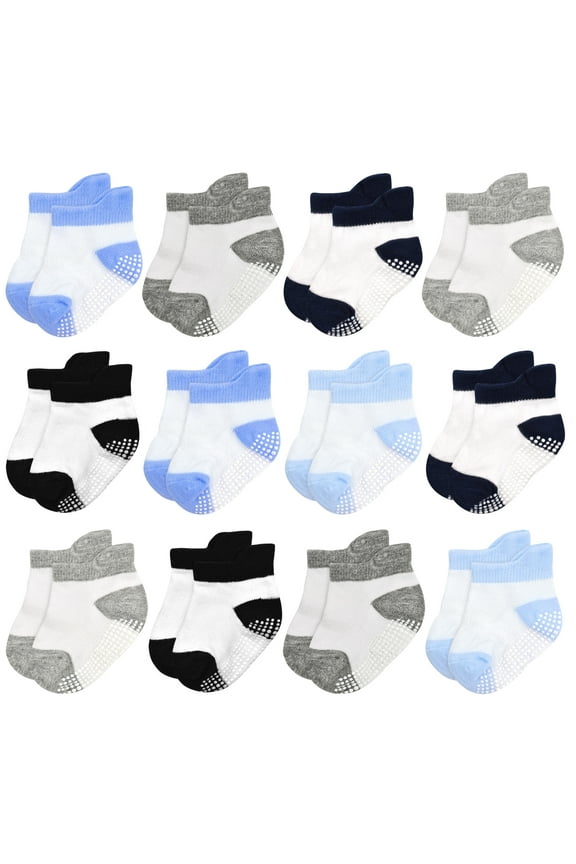
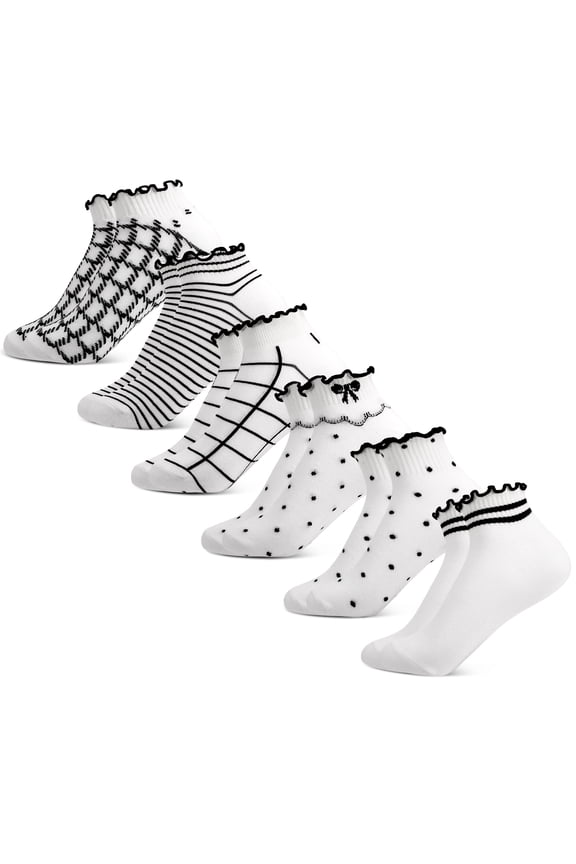
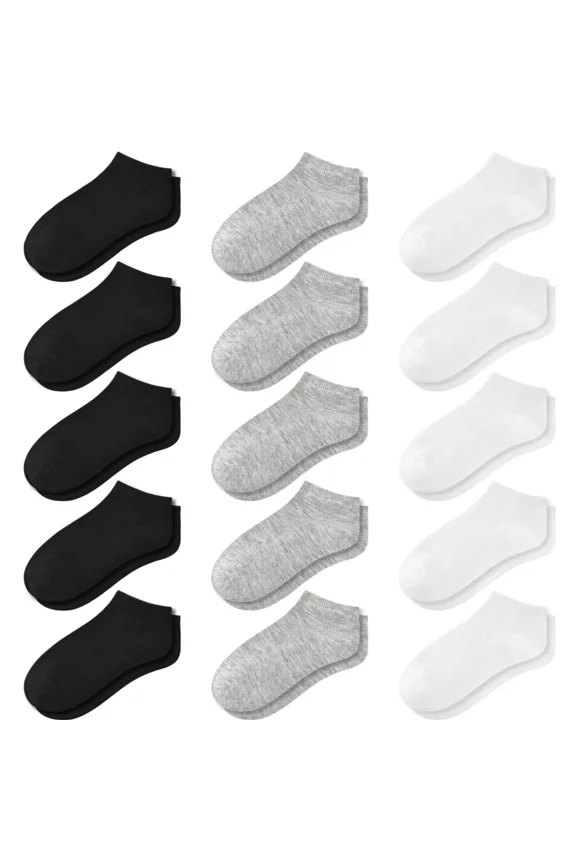
- You can stock underwear and socks for everyday rotation and simplified laundry planning.
If you’re building a core wardrobe, you can focus on neutral colors and simple silhouettes first. Then you can add prints or seasonal colors without losing everyday versatility.
What to look for in girls clothing basics materials
You should compare fabric content closely because material affects softness, stretch, and day-long comfort. You may often see girls cotton basics in 100% cotton, cotton-spandex blends, and tagless knit options.
If you want a familiar, breathable feel, you may lean toward 100% cotton for tees, underwear, and camisoles. If you need flexible movement, you can consider cotton-spandex blends that add stretch for active days.
You should also check for tagless design when comfort is a priority during long school days. You may notice tagless construction reduces scratchy spots, while flatlock seams can feel smooth under layers.
When you’re comparing wash performance, you can use fabric blend as a quick clue. Cotton-blend pieces often help you keep shape and stretch after repeated machine washing and drying.
Choosing the right size range
You can get a proper fit when you shop by the child’s current stage instead of guessing up. You can usually compare toddler sizes from 2T to 5T, little girls sizes from 4 to 6X, and big girls sizes from 7 to 16.
If you’re shopping for fast growth, you should look at stretch tolerance as well as the size label. You may find leggings and camisoles more forgiving because flexible fabric moves with changing height and build.
For underwear, socks, and fitted tees, you may want closer size alignment for comfortable daily wear. You can avoid unnecessary guesswork by checking size charts and matching them to current measurements.
When siblings need different fits, you can use size range sorting to simplify one order. You can save time by grouping basics by stage, then filling in the product types each child wears most.
Comparing single packs and girls multi-pack basics
You should decide pack configuration based on how often your child wears each item. You can pick a single pack when you’re testing fit, fabric feel, or a new silhouette.
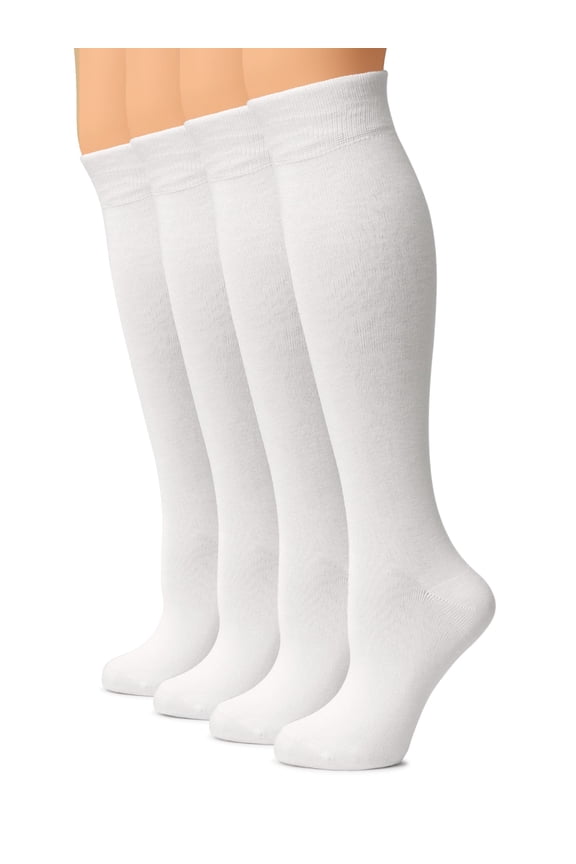
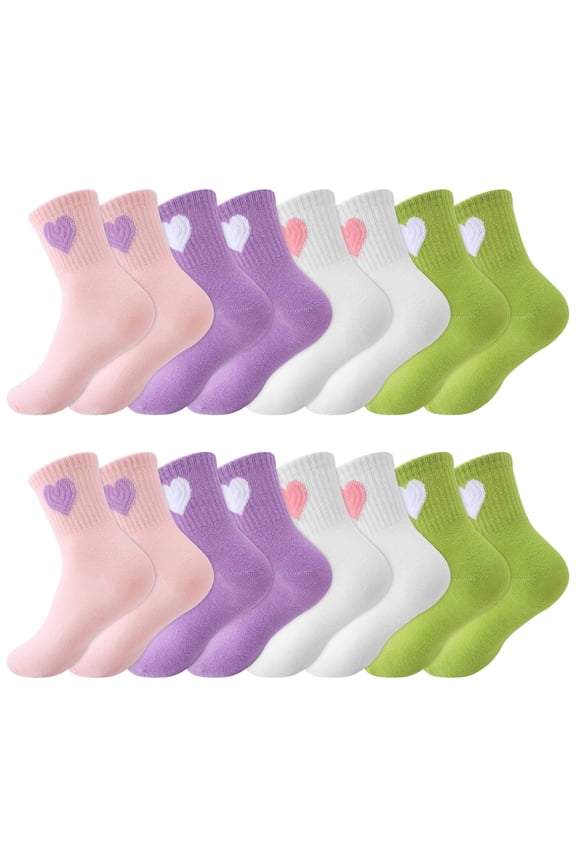
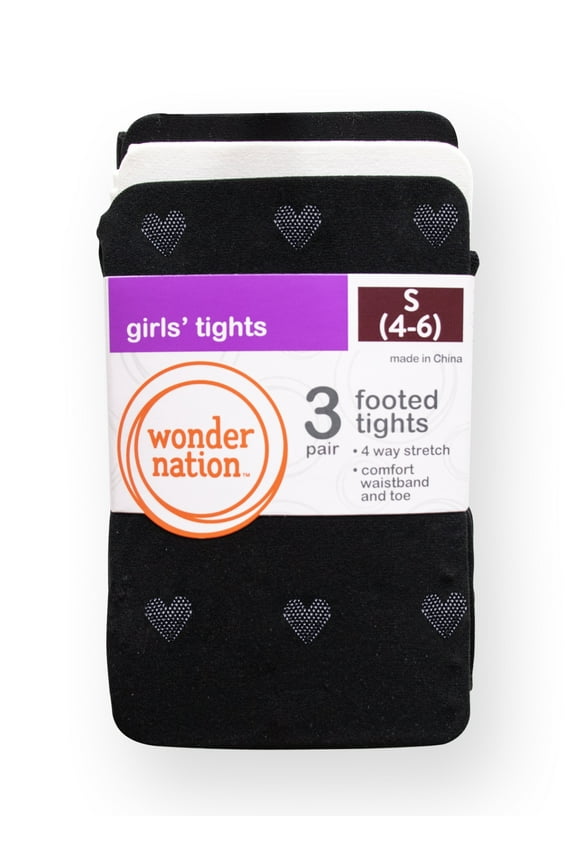
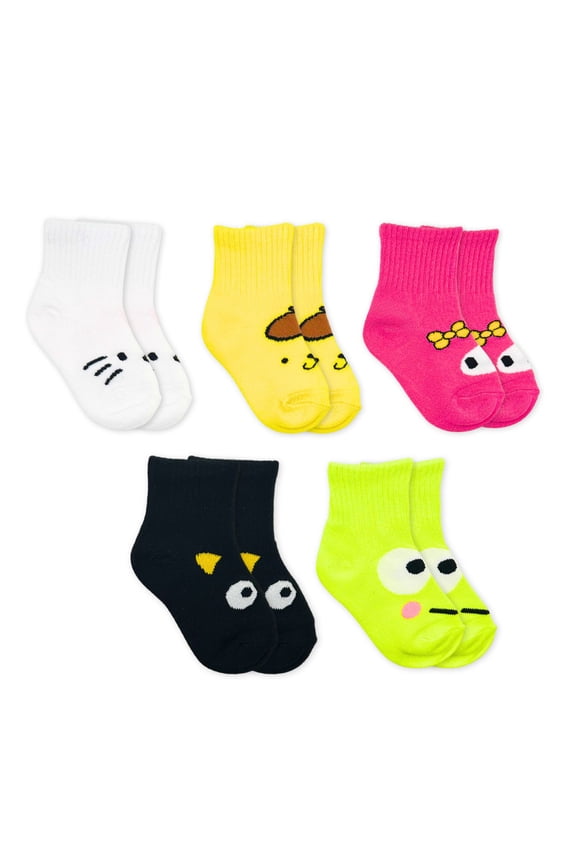
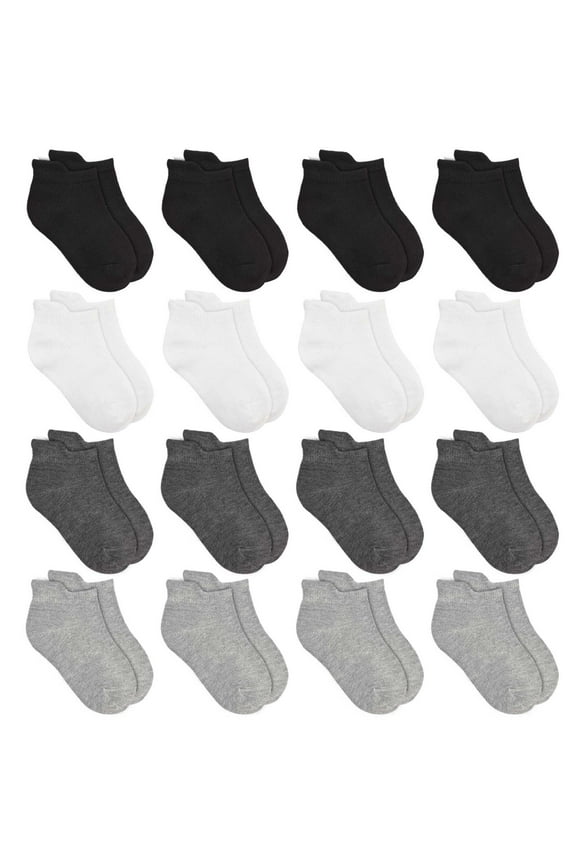
If you’re replacing everyday staples, girls multi-pack basics can make simple rotation easier across the week. You may often prefer multi-packs for socks, underwear, camisoles, and basic tees that need frequent washing.
Stock-up bundles also help when you’re organizing drawers before a new school term or season change. You can separate sets by weekday use, activity wear, or backup pieces for travel bags.
When you’re comparing bundles, you should check item count and product type mix before deciding. You may want the right balance of singles and packs, especially for girls back to school basics.
How to match basics to everyday routines
You can build a practical weekly rotation by matching each staple to a common use case. For classroom days, you may choose soft tees, stretch leggings, and socks that fit neatly inside sneakers.
On cooler mornings, you can layer camisoles or basic tees under cardigans, denim jackets, or uniform pieces. You may appreciate lighter fabrics when you want easy layering without extra bulk.
For weekends, you may prefer cotton-blend leggings and tees that handle playground movement and repeated washing. You can keep extras in overnight bags, sports totes, or dresser backups for quick changes.
When laundry days get busy, you can benefit from a mix of single replacements and multipack staples. You can keep everyday wear ready by choosing the right fabric, fit, and pack size from the start.
You can shop girls basic clothing with more confidence when you compare product type, material, size range, and pack configuration together. You can end up with everyday essentials that fit smoothly into school mornings, playtime, and weekly laundry routines.