




Shop Garden Tools & Equipment




















About Shop Garden Tools & Equipment - Walmart.com
Garden tools help you handle digging, pruning, weeding, and cleanup with more control in every season. You can compare tool types, materials, set sizes, and handle designs to match your yard work.
How to choose garden tools for your projects
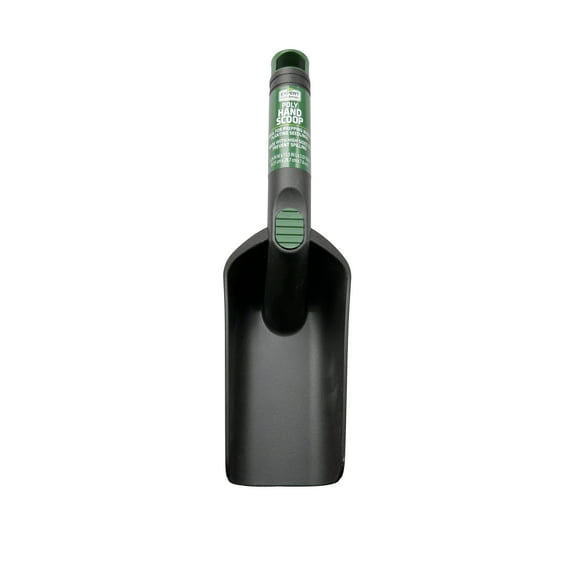
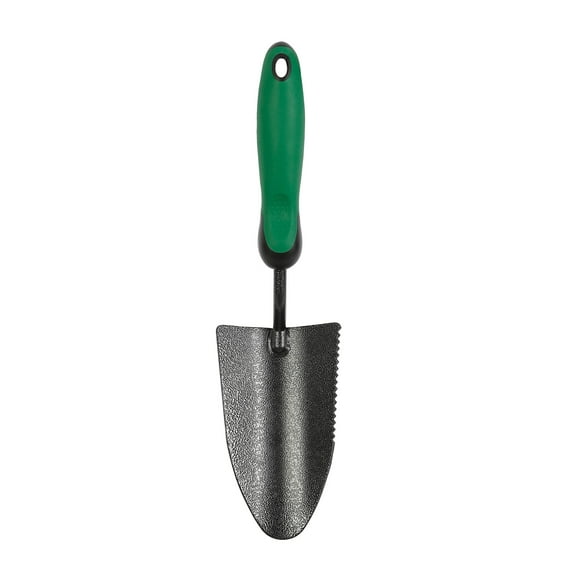
You’ll get more from garden tools when you match each tool to the job at hand. You may want a hand trowel for digging, a transplanter for narrow planting, and a weed puller for targeted cleanup.
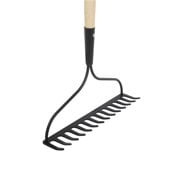
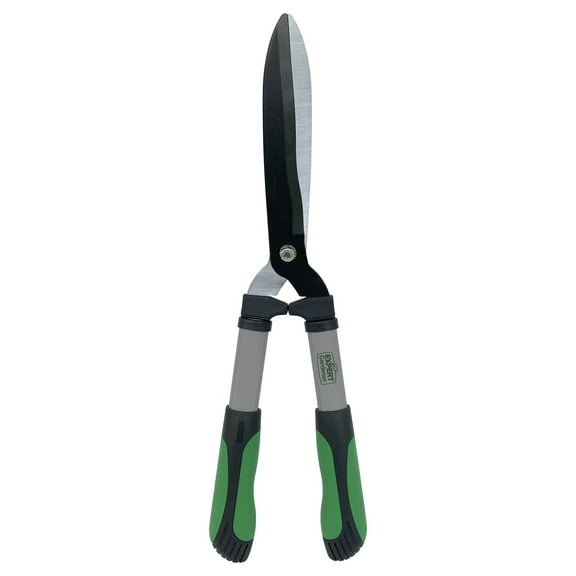
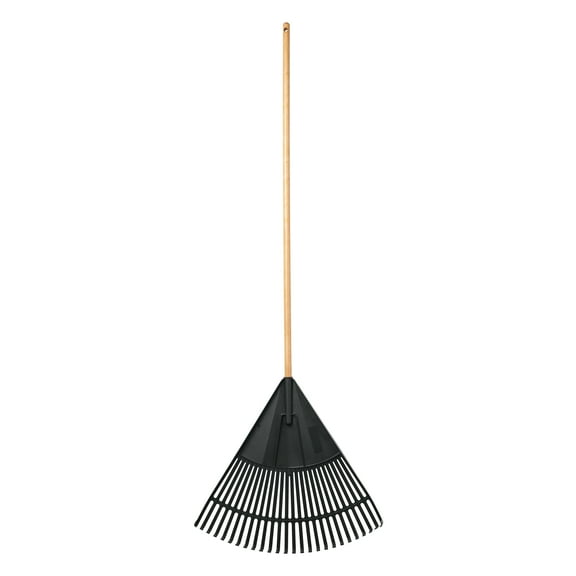
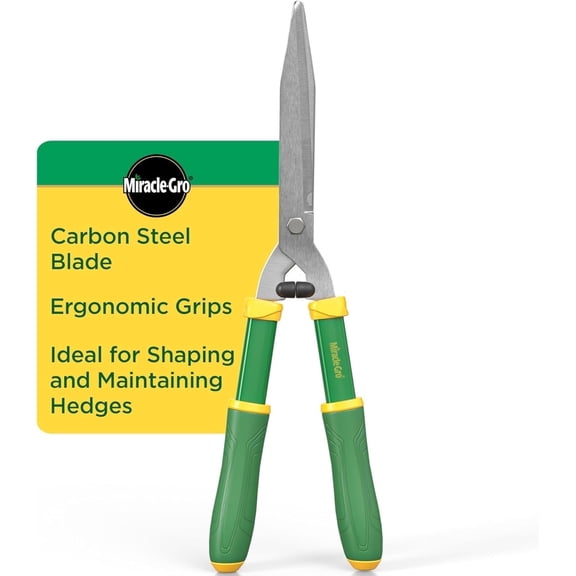
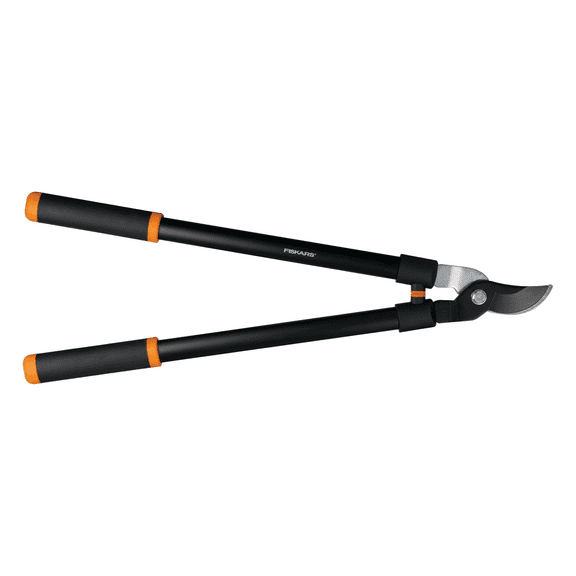
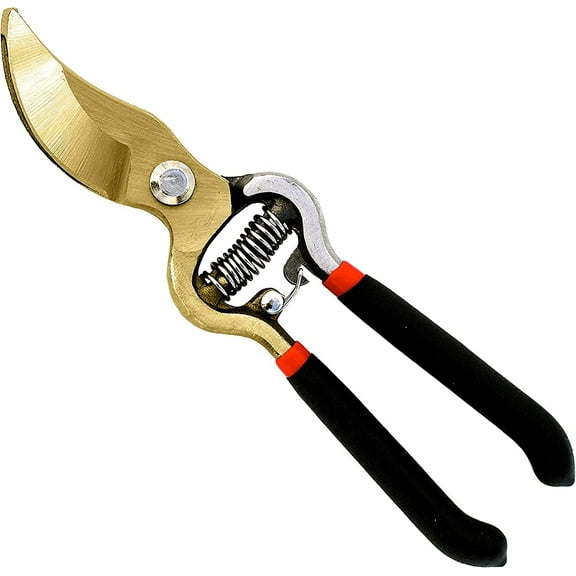
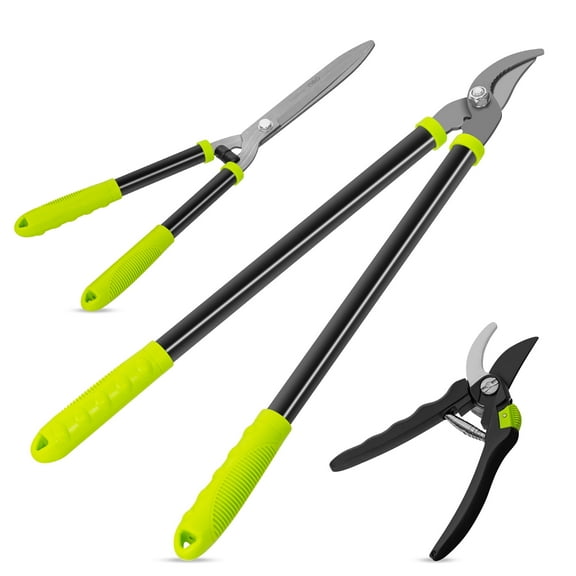
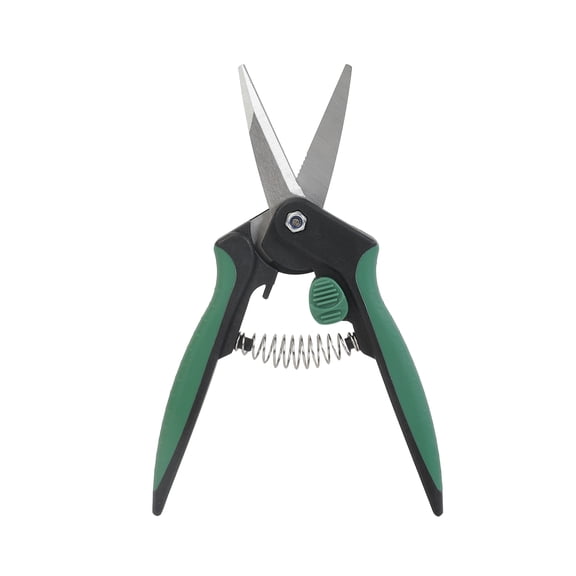
If you trim shrubs or flowers, you can look for pruning shears that suit stems and light branches. When you level soil or gather debris, you can use a garden rake for broader coverage.
You can narrow your options faster when you compare common yard tasks before you choose. Your planting beds, containers, borders, and lawn edges often call for different shapes and lengths.
Benefits of gardening hand tools
You can work more precisely with gardening hand tools in raised beds, planters, and tight corners. Your hands stay closer to the soil, which helps you guide depth, angle, and placement.
Ergonomic soft grip handles can help you stay comfortable through longer sessions in the yard. Your grip may feel steadier when handles fit your palm and reduce slipping during repetitive tasks.
You can also keep your shed simpler when you choose tools that match frequent chores. Your routine often gets easier when you keep a few dedicated pieces ready for digging, pruning, and weeding.
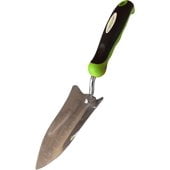
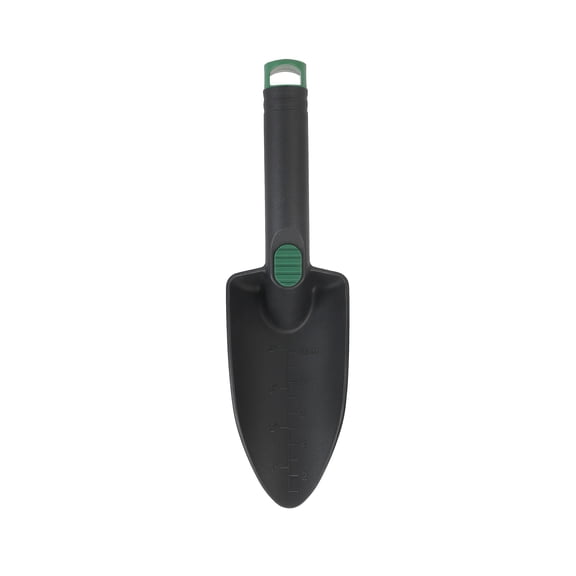
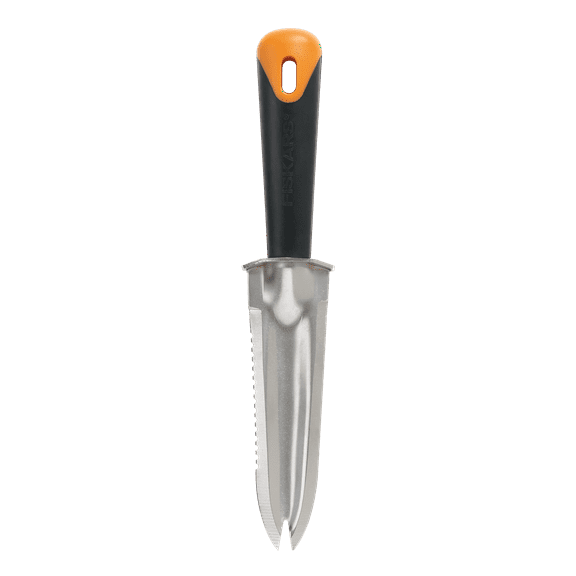
- You can dig seed holes and loosen soil with a hand trowel.
- You can move seedlings neatly with a transplanter and its narrower blade.
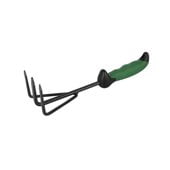
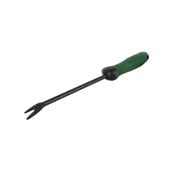
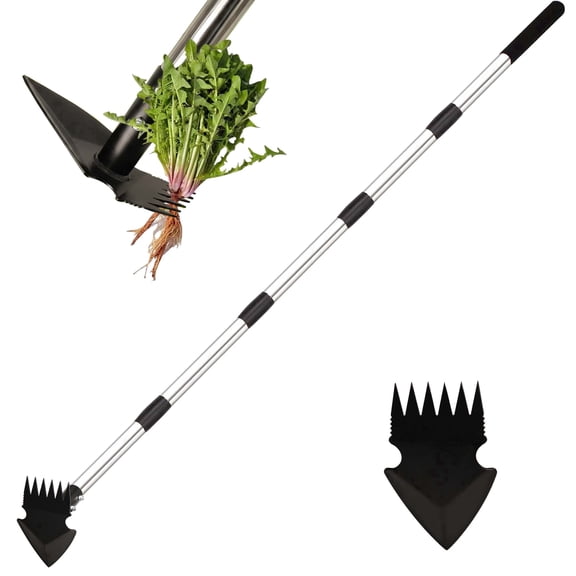
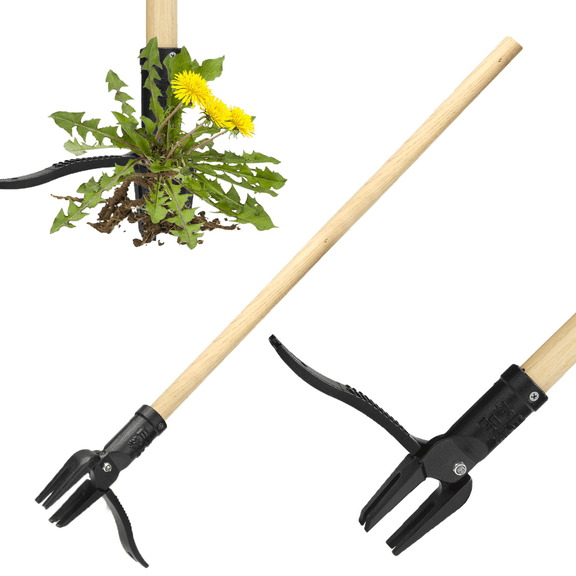
- You can remove stubborn roots with a weed puller built for leverage.
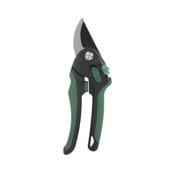
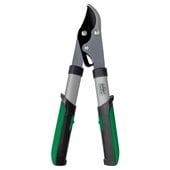
- You can trim stems and shape plants with pruning shears.
- You can smooth soil and gather leaves with a garden rake.
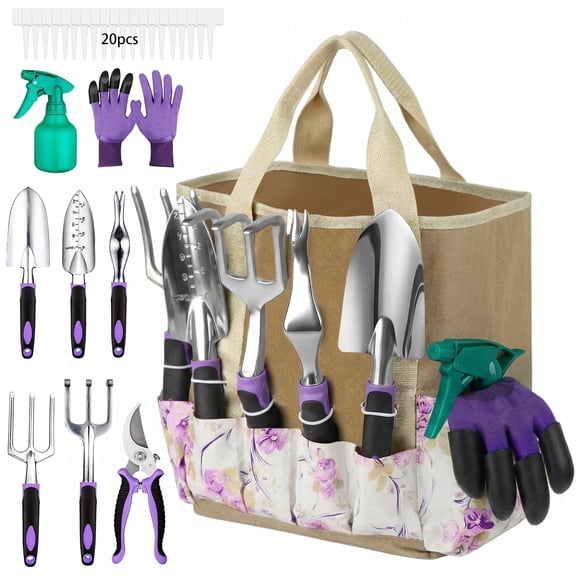
You may also prefer individual tools when you already own favorites for certain tasks. A garden tool set can make sense when you want core pieces grouped together.
Choosing materials in heavy duty garden tools
You should compare materials closely because they affect strength, weight, and upkeep. Your choice between stainless steel, carbon steel, rust-resistant aluminum, and fiberglass can shape daily use.
Stainless steel can suit shoppers who want easy cleanup after wet or muddy jobs. You’ll often notice soil releases more easily, which can make rinsing and storage simpler.
Carbon steel can appeal when you want a sturdy feel for dense soil and repeated digging. You should check for rust-resistant finishes because your tools may face moisture, fertilizer, and outdoor storage.
Rust-resistant aluminum can feel lighter in your hand during longer tasks around beds and containers. You may like that balance when your routine includes frequent carrying, scooping, and repositioning.
Fiberglass handles can help you compare long-handled options for strength and lower maintenance. You can pair that material with lawn and garden tools used for repeated pulling or raking.
You should also look at blade thickness, reinforced joints, and secure handle connections. Your heavy duty garden tools should feel stable where the handle meets the working end.
Choosing the right garden tool set size
You can choose individual tools when you replace one worn piece or fill a specific gap. Your setup may only need one pruner, one rake, or one transplanter.
A 3-piece set can work well when you want the basics for planting and light upkeep. You’ll often see combinations centered on digging, loosening soil, and transplanting.
A 5-piece set can give you broader coverage for mixed garden chores through the season. Your routine may benefit from having a weeder or pruner included with planting tools.
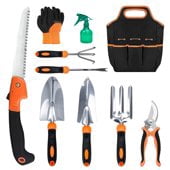
A 9-piece heavy duty set can suit larger spaces or more varied projects around beds and borders. You can keep more tasks moving without stopping to switch between mismatched tools.
You should also compare storage details before you choose a garden tool set. Your tools may stay more organized when the set includes hanging holes or a carrying bag.
Handle design and reach for different spaces
You should compare handle shape because comfort changes how long you want to work. Your hand position can feel steadier with ergonomic soft grip designs during repetitive digging or trimming.
Traditional wooden handles can offer a familiar feel and a classic look in hand tools. You may prefer that style when you want a natural grip and straightforward control.
Long reach designs can help you handle wider beds, deeper borders, and larger cleanup areas. You can cover more ground with fewer bends when your task calls for extra length.
You should measure your storage area and think about how often you carry tools outside. Your choice may depend on whether you need compact pieces for bins or longer tools for open hooks.
Garden tools for everyday yard tasks
You can match tools to specific jobs for a smoother routine across planting, trimming, and cleanup. Your beds may need a trowel and transplanter, while your shrubs may call for pruning shears.
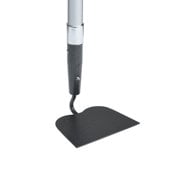
When weeds spread between flowers or vegetables, you can use a weed puller for focused removal. Your borders can stay neater when you choose a shape that reaches tight spots.
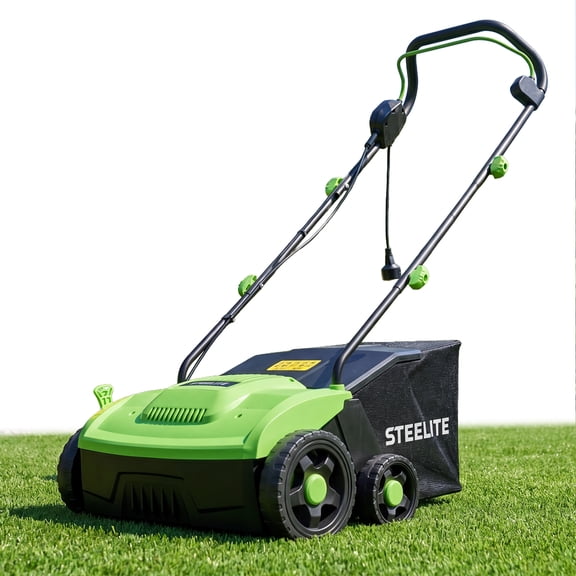
If you refresh mulch or level soil, you can use a garden rake to spread material evenly. Your lawn edges and bare patches may also benefit from broader tools with longer reach.
You can build a practical mix by combining gardening hand tools with a few longer pieces. Your setup should reflect container gardening, raised beds, in-ground rows, or mixed lawn care.
For seasonal upkeep, you may want lawn and garden tools that clean easily after damp conditions. Your routine can stay organized when you store tools by task and keep core pieces together.
With the right garden tools, you can move from digging to pruning without guesswork or clutter. Your projects feel more manageable when each tool fits the task, material, and handle style you prefer.