

Framing Nails in Hardware Nails





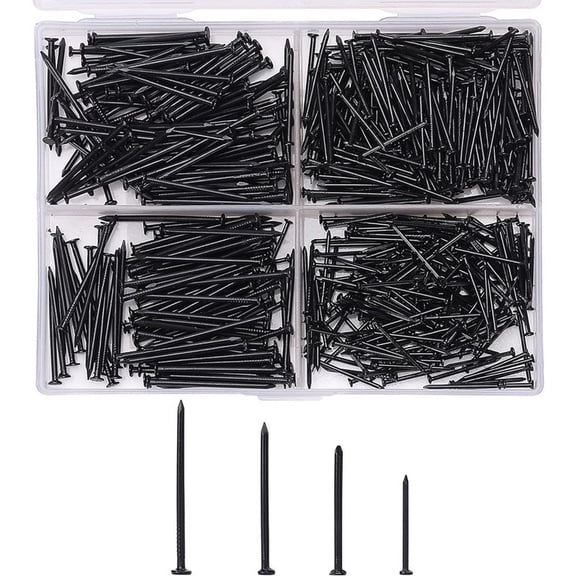











About Framing Nails in Hardware Nails - Walmart.com
Framing nails help you match your nailer, your lumber, and your jobsite needs with fewer fit issues. You can compare angles, shank styles, finishes, and lengths to keep your framing work moving smoothly.
If you're building walls, roof decking, subfloors, or outdoor structures, you need guidance that fits real tool specs. You can use this guide to compare framing nails for compatibility, holding power, and project conditions.
How to choose framing nails for your nailer
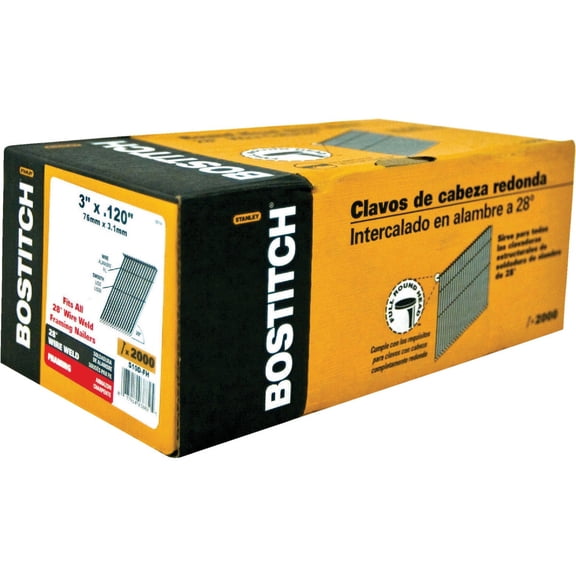
You should start with nailer compatibility because your tool must match the nail angle and collation style. You can avoid loading problems by checking your nailer manual before choosing plastic collated, paper tape framing nails, or wire weld options.
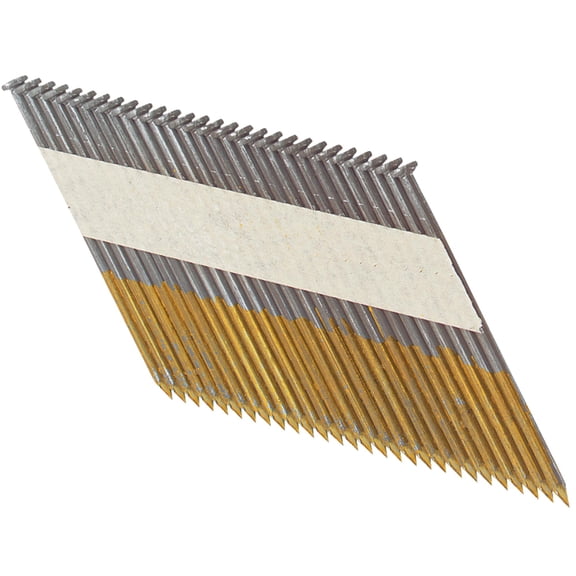
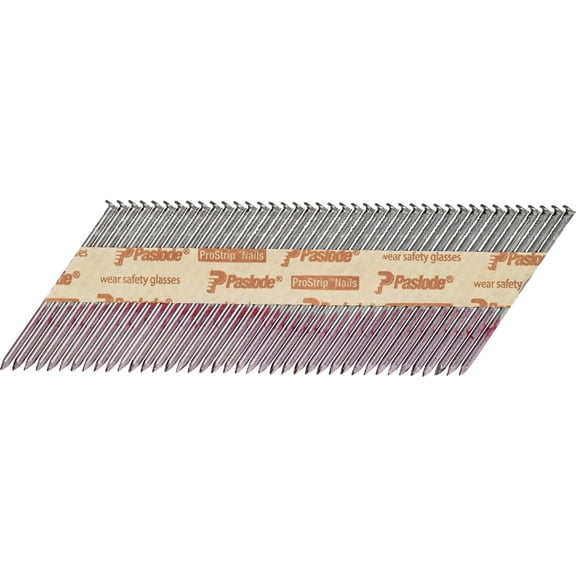
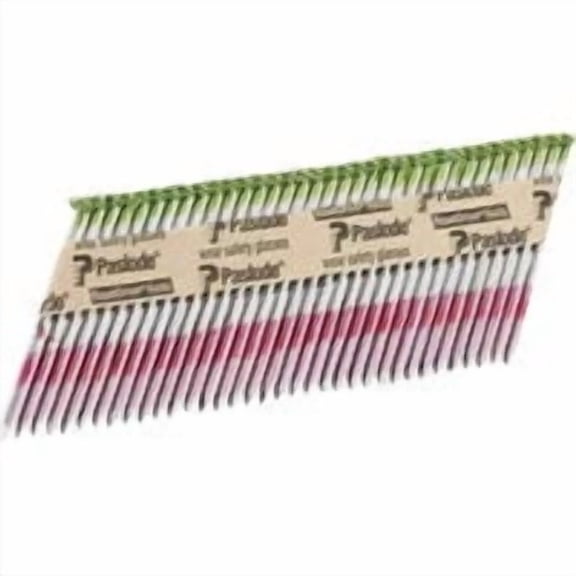
When you compare collation angles, you can typically see 21 degree, 30 degree, 28 degree, and 15 degree choices. You can use 21 degree framing nails in nailers built for that angle, while 30 degree framing nails fit tools designed for steeper magazines.
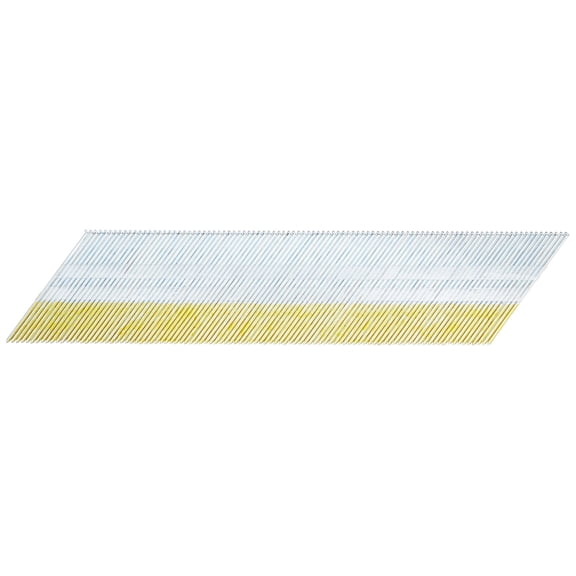
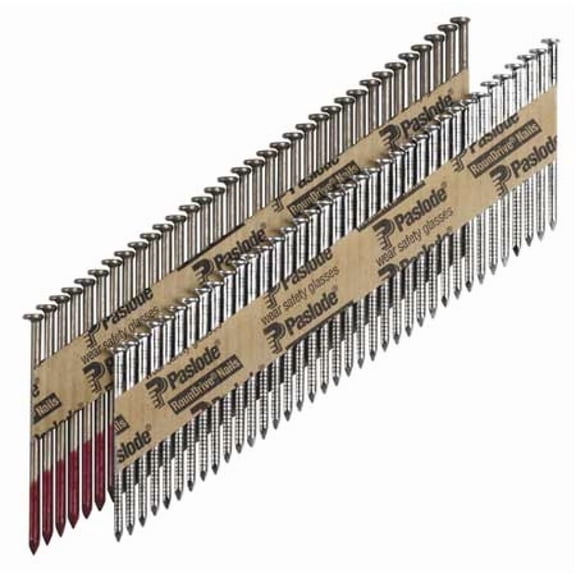
You may prefer paper tape framing nails when you want a slimmer strip shape for tighter framing spaces. You might choose plastic collated nails when your tool requires them and your loading style feels familiar.
- You can match the collation angle to your nail gun specifications for smoother loading.
- You can compare paper tape, plastic collated, and wire weld strips based on your tool setup.
- You can choose lengths like 2 inch, 3 inch, 3-1/4 inch, and 3-1/2 inch for different framing tasks.
- You can pick box quantities that fit small repairs or larger framing jobs.
Choosing between 21 degree framing nails and 30 degree framing nails
You should compare angle first because it affects whether your fasteners work with your framing nailer at all. You can't swap 21 degree framing nails into a 30 degree nailer unless your tool specifically allows that format.
If you frame standard walls and general wood assemblies, you may reach for common angle formats your crew already uses. You can simplify reloading by keeping one angle and one collation type across the project.
You may also notice that magazine shape changes how easily your nailer reaches corners or tighter stud bays. You can use that detail to choose a format that suits remodels, additions, or open new-build framing.
What to look for in ring shank framing nails
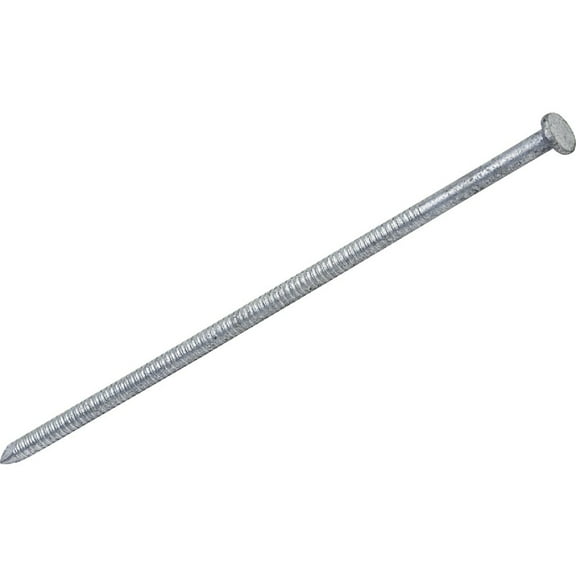
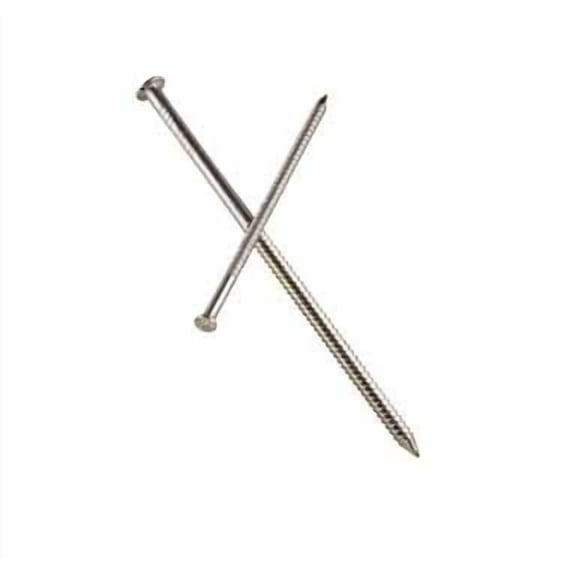
You should compare shank type based on how much grip your project needs in the wood. You can choose ring shank framing nails when you want extra holding power from ridges along the nail body.
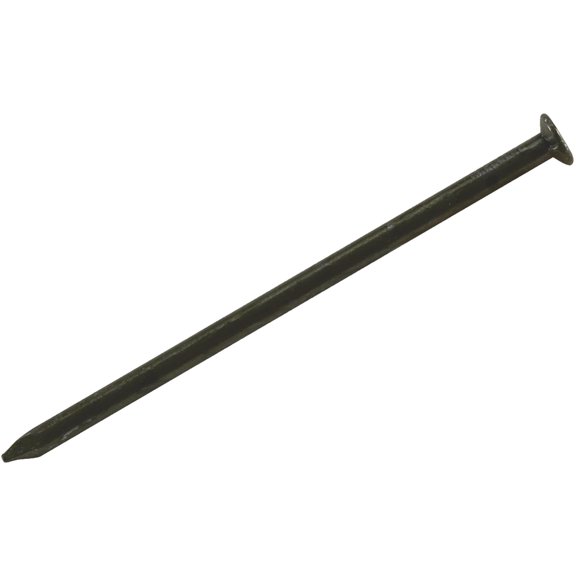
If your job calls for easier driving and general framing speed, you may prefer smooth shank framing nails. You can often use smooth shank options for interior framing where standard grip and quick fastening matter.
You might also see screw shank nails when you need a different balance of drive and hold in certain materials. You can treat shank style as a practical decision about pull resistance, installation feel, and project demands.
Choosing galvanized framing nails for indoor or outdoor jobs
You should choose finish based on where your project will live and what conditions your fasteners may face. You can look at bright basic finishes for many indoor uses, while galvanized framing nails suit many exterior applications.
If you're building decks, fencing, sheds, or other outdoor wood structures, you may want added corrosion resistance. You can compare hot dipped galvanized, electro galvanized, and stainless steel options based on your project environment and hardware requirements.
You may use hot dipped galvanized nails when you need a coating commonly chosen for exposed outdoor framing. You can consider stainless steel when your project calls for a finish used in especially demanding outdoor settings.
Comparing length and quantity for your project scale
You should match nail length to your lumber thickness and fastening plan before you load your nailer. You can compare 2 inch, 3 inch framing nails, 3-1/4 inch, and 3-1/2 inch options for common framing assemblies.
If you're handling a small repair, you may want a quantity that fits a shorter task without extra leftovers. You can choose larger counts for full-room framing, garage builds, or repeated crew use across multiple stages.
You may also compare box size by how often you reload during the day. You can keep productivity steadier when your quantity matches the scale of your framing schedule.
Using framing nails across common construction projects
You can use these fasteners across wall framing, roof work, subfloors, sheathing, and other structural wood projects. You should choose the angle, shank, and finish combination that matches your nailer and your build conditions.
If you're framing interior walls, you may focus on nailer compatibility, length, and smooth driving performance. You can shift toward ring shank framing nails or galvanized framing nails when your project needs more grip or outdoor-ready finishes.
You may also pair your purchase with framing nailers, pneumatic tool accessories, or heavy-duty wood glue to complete your setup. You can finish your selection with greater confidence when each choice matches your tool specs and project environment.
With the right framing nails, you can load your nailer correctly, choose the grip you need, and match the finish to the job. You can achieve an efficient build when your fasteners fit your tool and your project from the start.