



Flood Lights in Outdoor Security Lights
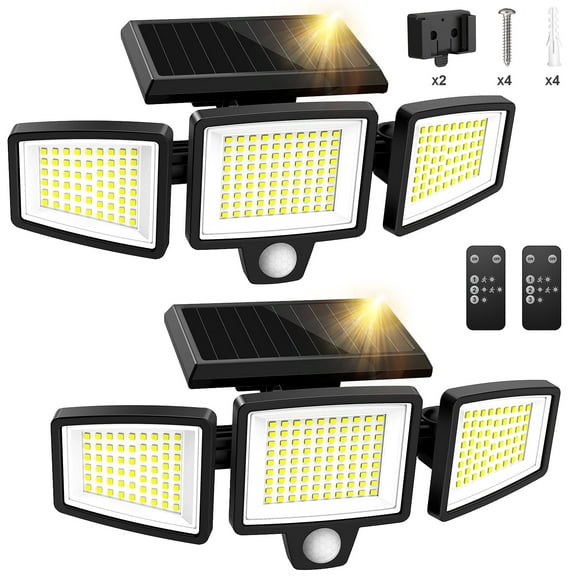

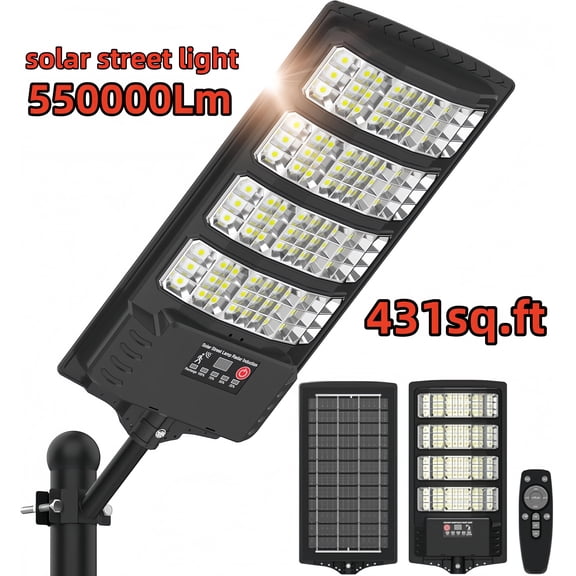
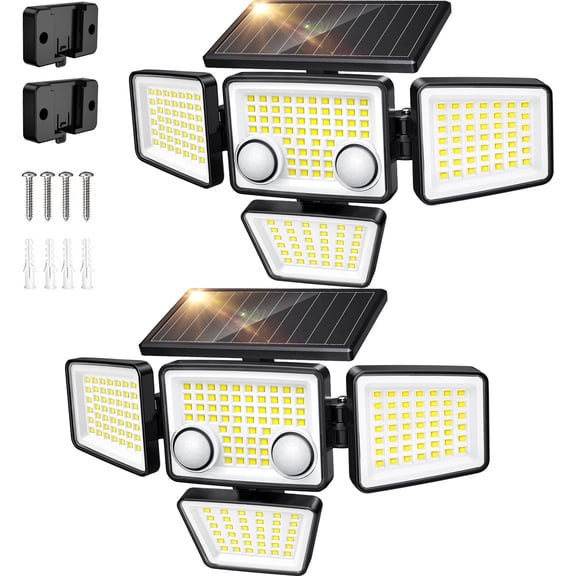
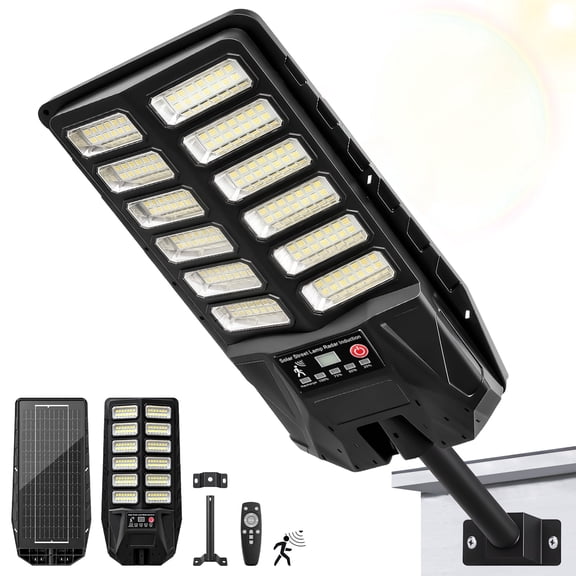
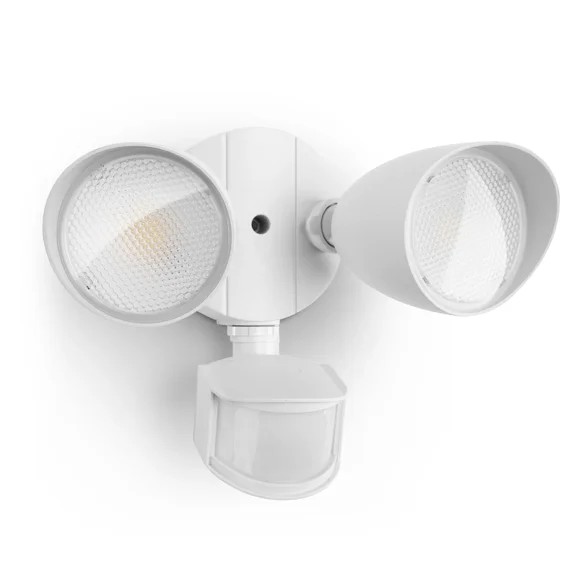

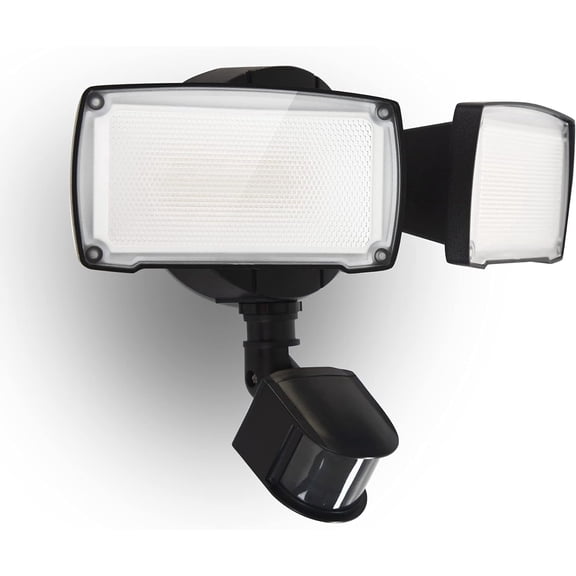
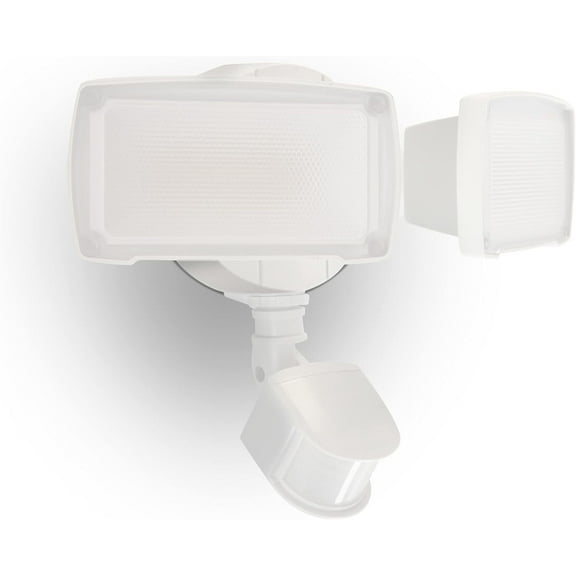
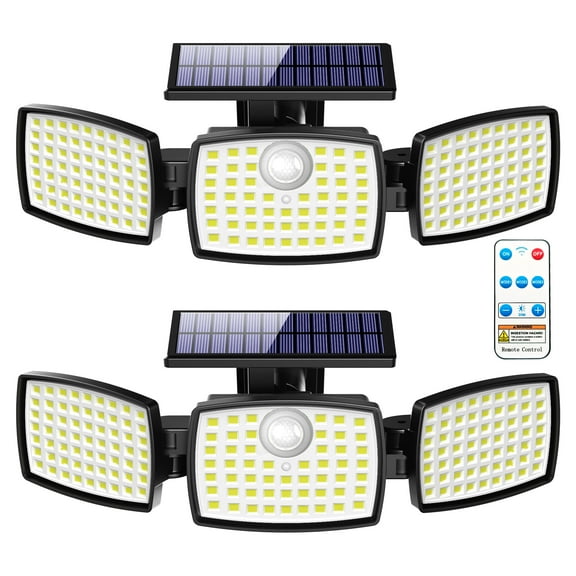






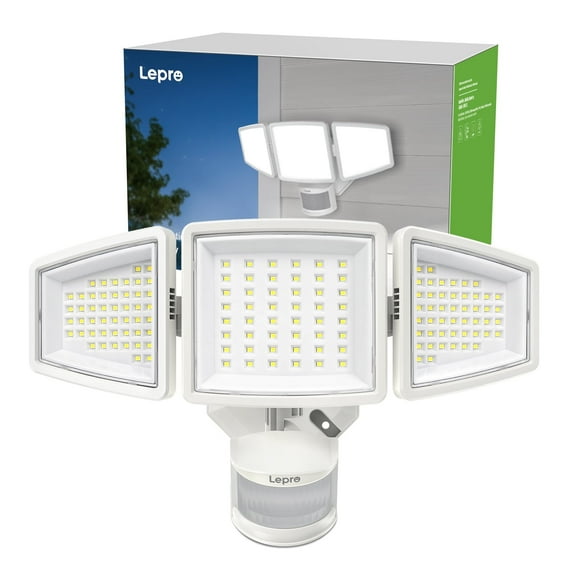


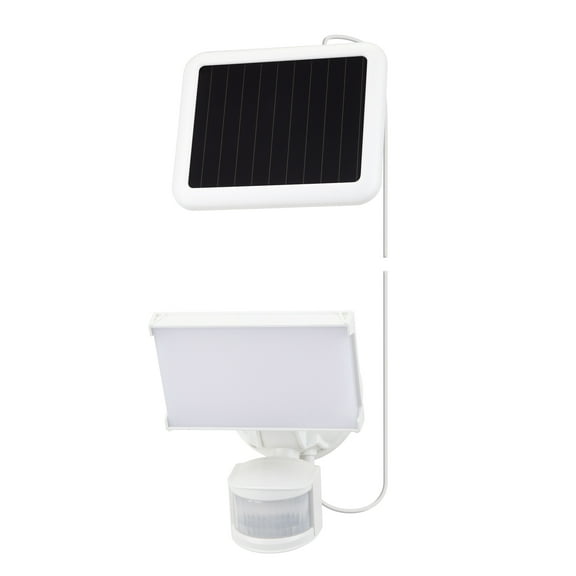

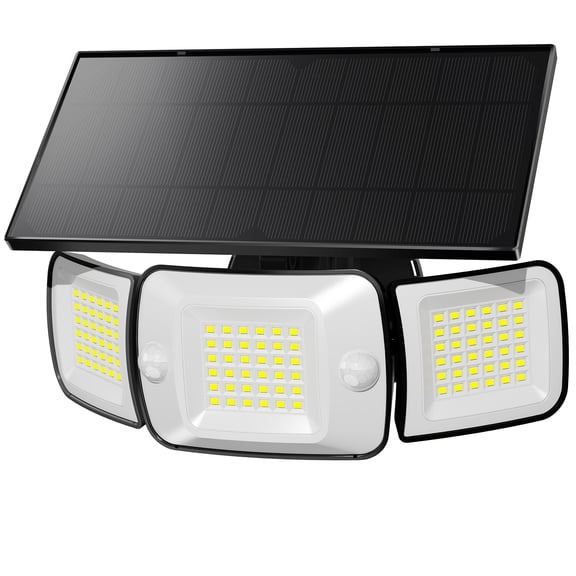
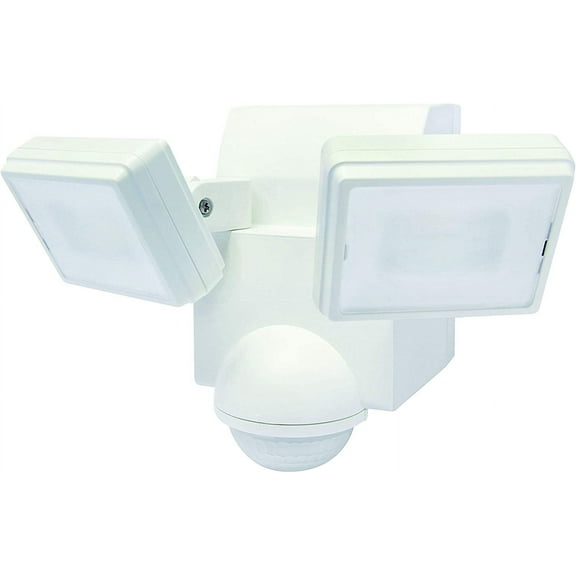
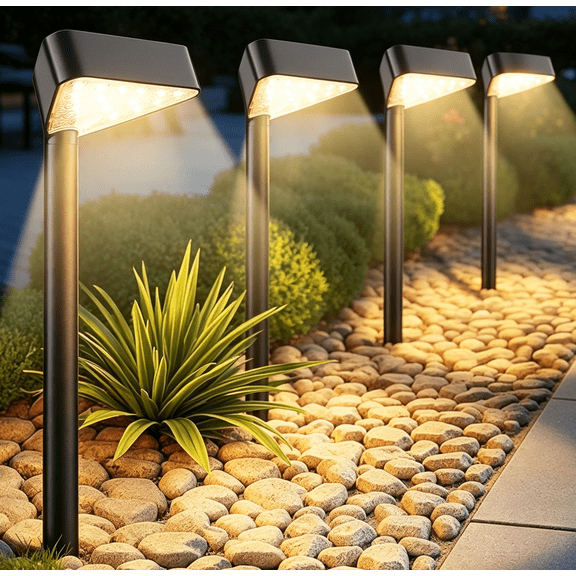

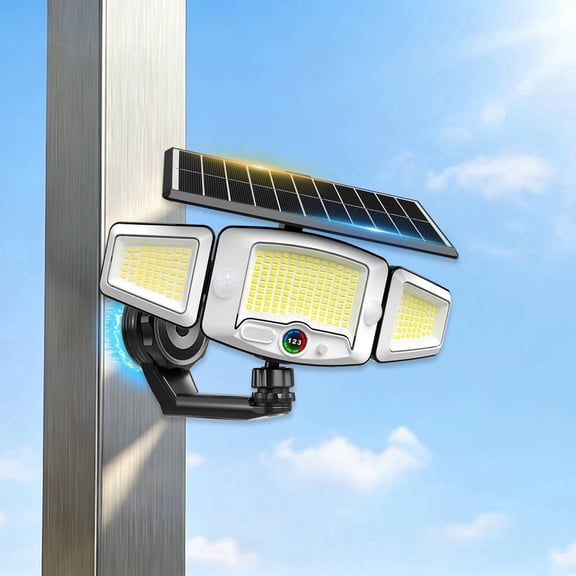

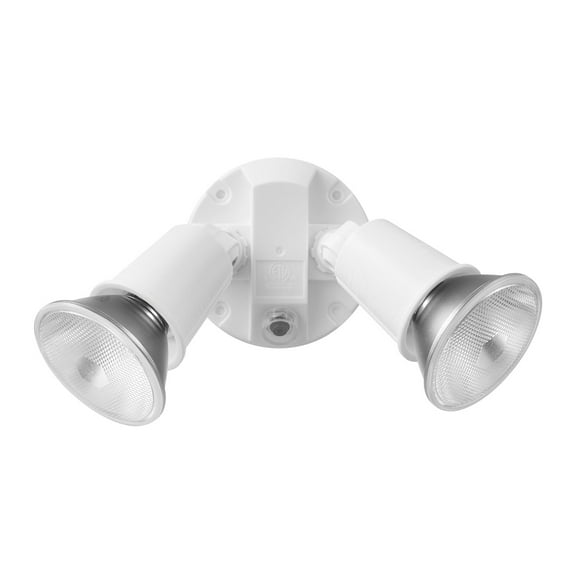

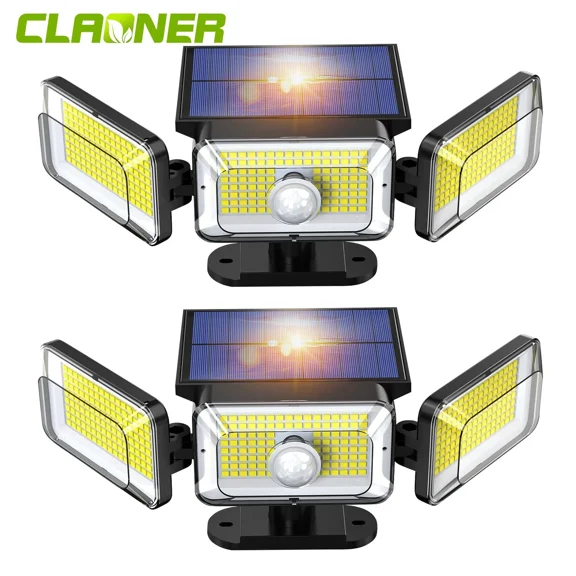
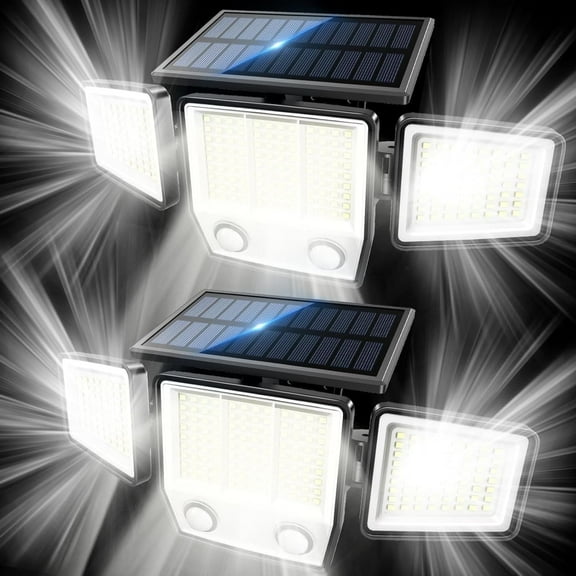


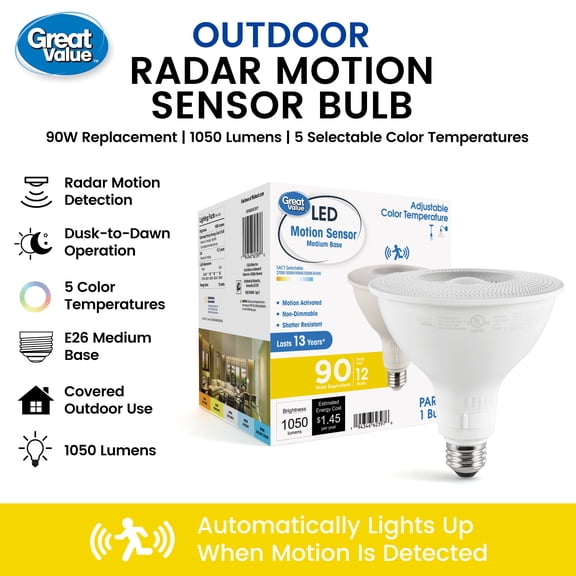
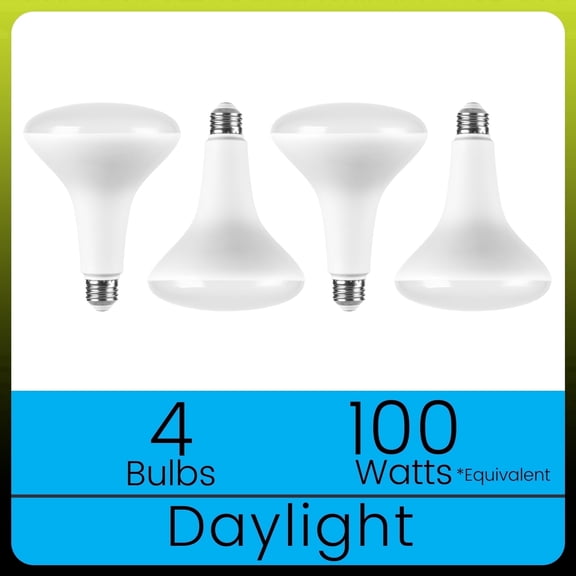
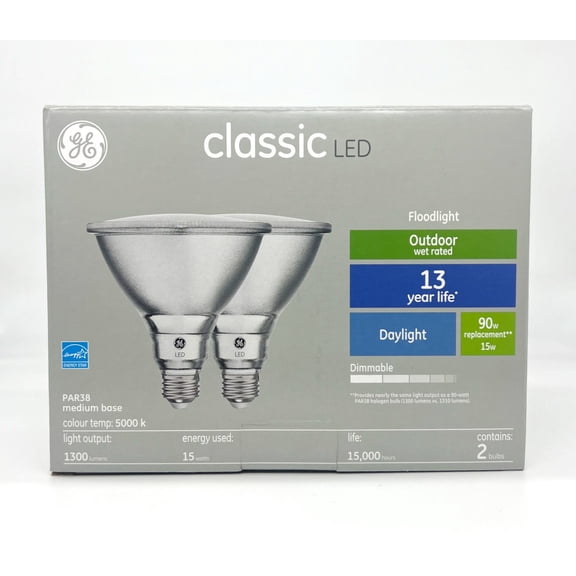

About Flood Lights in Outdoor Security Lights - Walmart.com
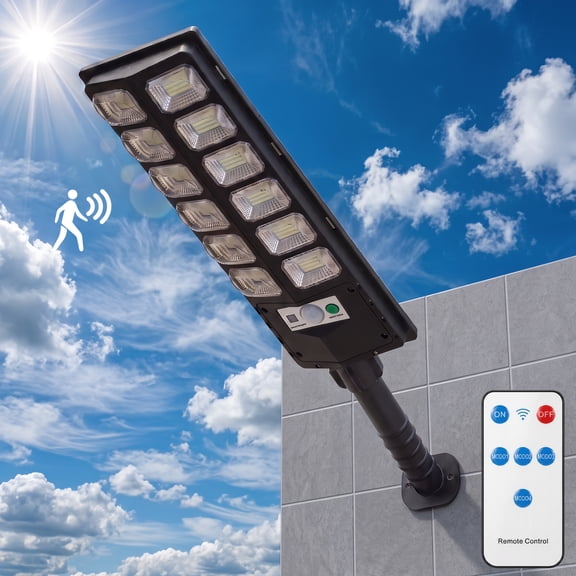
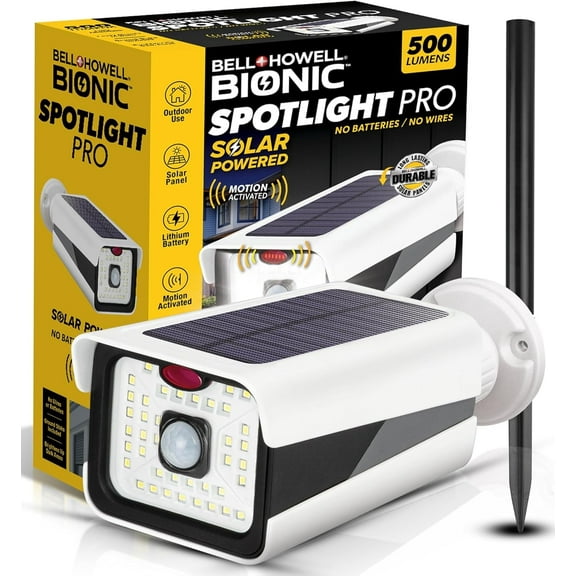
Flood lights help you brighten dark entry points, driveways, and yards with wide coverage that fits outdoor security lighting needs. You can compare power source, brightness, activation, and weather-ready construction to choose the setup that matches your space.
How to choose flood lights for your outdoor space
When you compare outdoor flood lights, you should start with where you'll place them and how you'll power them. You can then narrow your options by coverage area, mounting style, and how much control you want.
If you want broad visibility across a garage, fence line, or patio, you should look for fixtures designed to spread light outward. You may also prefer security flood lights with adjustable heads that help you direct light where it matters.
- You can light driveways, side yards, and back doors with wide beams.
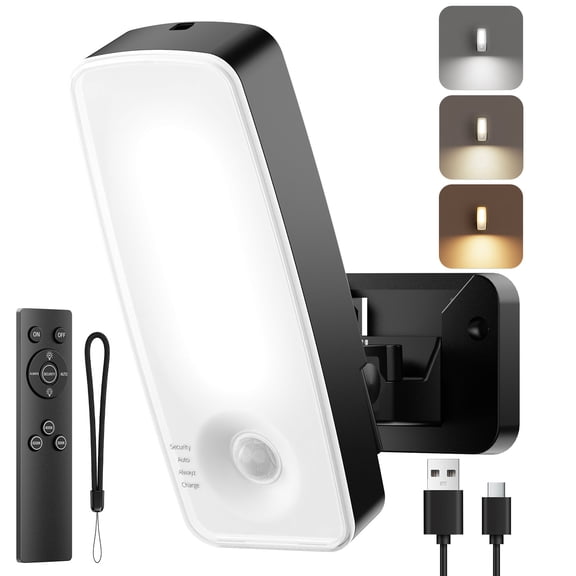
- You can choose motion activation for automatic response when movement is detected.
- You can pick LED or solar options when you want simple everyday operation.
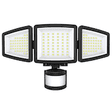
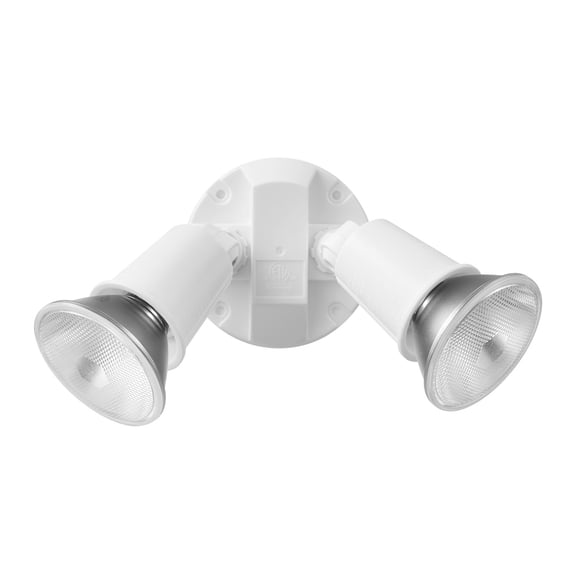
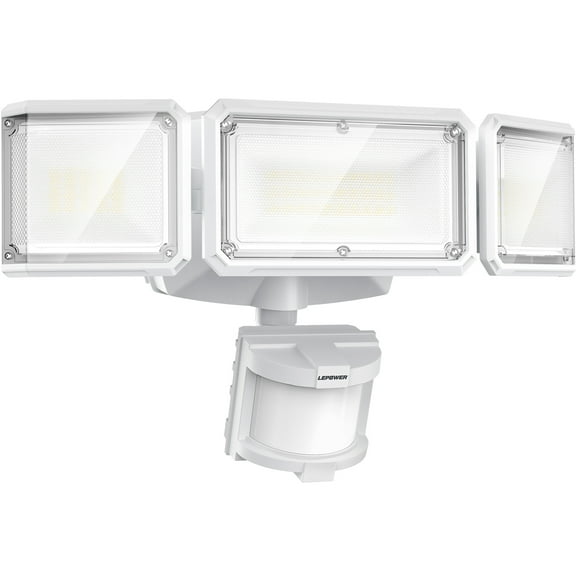
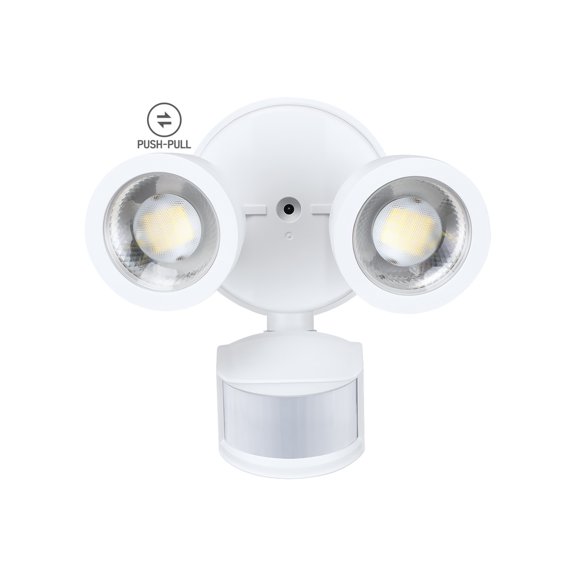
- You can compare single, dual head, and triple head designs for aiming flexibility.
Because this category includes several installation types, you should compare your mounting location before you choose. You can often simplify your decision by checking sunlight exposure, wiring access, and the size of the area.
Choosing the right power source for flood lights
When you compare power sources, you should decide whether convenience or fixed power matters more for your setup. You can choose solar flood lights for sunny areas, or you can choose hardwired units for steady household power.
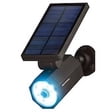
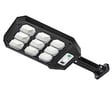
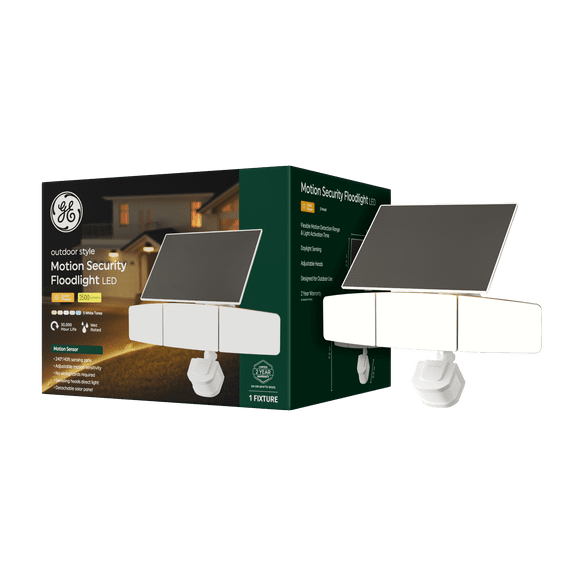
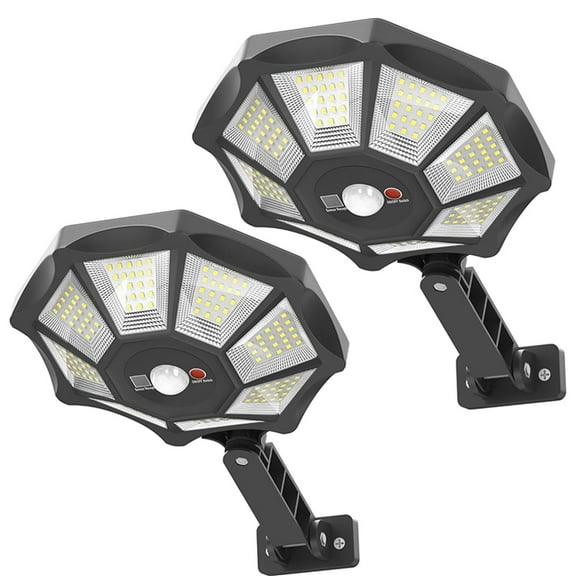
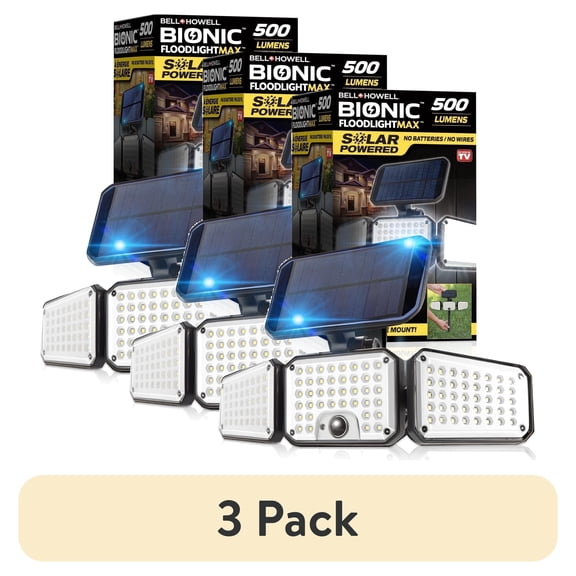
If you pick solar models, you should check panel placement and daily sun exposure before you mount them. You can often use them on sheds, fences, and detached spaces where wiring isn't practical.
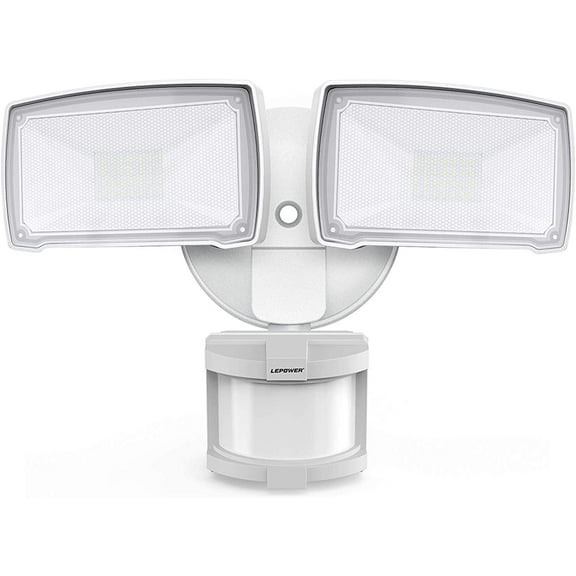
If you pick hardwired flood lights, you should confirm you have an existing junction box or planned wiring path. You can often use hardwired options around garages, covered entries, and permanent outdoor security lights layouts.
Battery powered styles can help you place light where temporary flexibility matters most. You can use them for spots that need quick setup without a full electrical connection.
Comparing led flood lights, brightness, and beam coverage
When you compare led flood lights, you should focus on brightness and beam direction, not just fixture size. You can use lumens as a simple guide to estimate how much area each light can cover.
For small entry points or steps, you may only need modest output with focused coverage. For wider driveways or backyards, you should look for higher lumen output and broader beam spread.
LED technology can help you get bright illumination with less routine bulb replacement. You may still see halogen or incandescent options, but you should compare maintenance needs and light output carefully.
Head configuration also matters when you want to shape coverage around corners or across open areas. You can use single head lights for targeted spots, while dual head flood lights help you aim light in two directions.
Triple head designs can help you cover larger zones with one mounted fixture. You should consider these layouts when you need light across a garage door, driveway edge, and walkway.
Motion sensor flood lights and control options
When you compare motion sensor flood lights, you should check detection range, sensing angle, and adjustment settings. You can often fine-tune sensitivity and timer controls to match foot traffic around your home.
Motion activated lights can help you limit constant illumination while still covering active areas. You may prefer them near side doors, gates, and driveways where movement changes throughout the evening.
Dusk-to-dawn flood lights can help you maintain steady nighttime lighting without daily switching. You can use them when you want consistent light around entrances, porches, or parking areas.
Manual switch options can give you direct control when you only want light at specific times. You should consider them for work zones, patios, or utility areas where scheduled lighting isn't necessary.
What to look for in weatherproof outdoor flood lights
Because these fixtures stay outdoors, you should compare housing materials, lens design, and weatherproof ratings. You can use IP ratings as a quick guide to understand how enclosed the fixture is.
If you see an IP rating, you should read it as a simple indicator of outdoor protection. You can compare higher enclosed designs when your light will face open weather on walls, eaves, or poles.
You should also check whether the fixture allows easy aiming after installation. Adjustable knuckles, head angles, and mounting bases can help you direct light away from landscaping and toward key paths.
Matching flood lights to common household setups
If you need light at a front entry, you may prefer a compact fixture with motion activation and focused coverage. You can keep pathways visible without over-lighting a smaller area.
For a long driveway, you should consider brighter output and dual or triple head aiming. You can spread light across parking spaces, garage doors, and the path to your entrance.
If you want lighting for a shed or fence, you may lean toward solar flood lights with flexible placement. You can install them where daytime sun is available and household wiring isn't nearby.
For patios, play areas, or backyard gathering spaces, you may want dusk-to-dawn lighting with broad beam coverage. You can maintain visibility after sunset with less day-to-day adjustment.
When you compare flood lights with these decision points in mind, you can choose a fixture that fits your layout and routine. You get clearer coverage, easier placement, and more dependable outdoor visibility.