


Find auto parts that fit
Let’s search for parts that fit your vehicle.Fender Liners, Sets & Extensions in Fenders & Fender Accessories
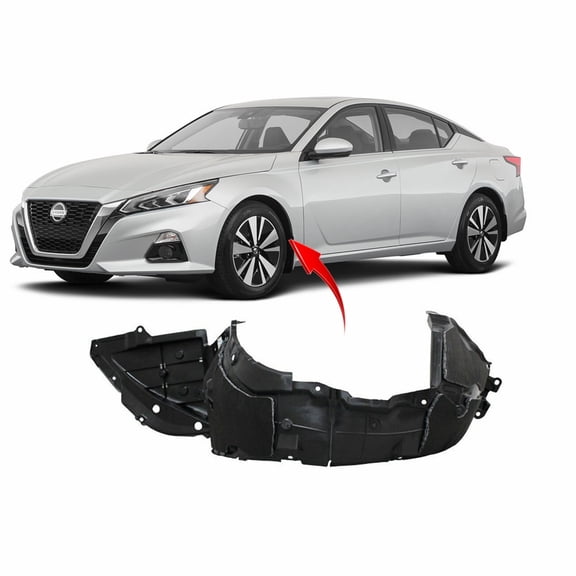


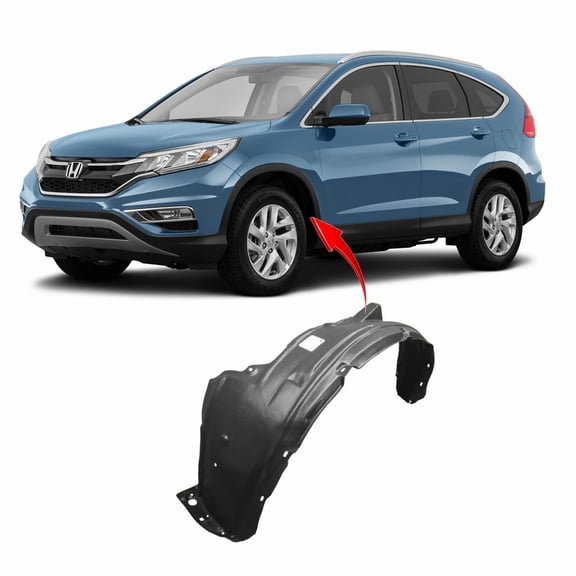
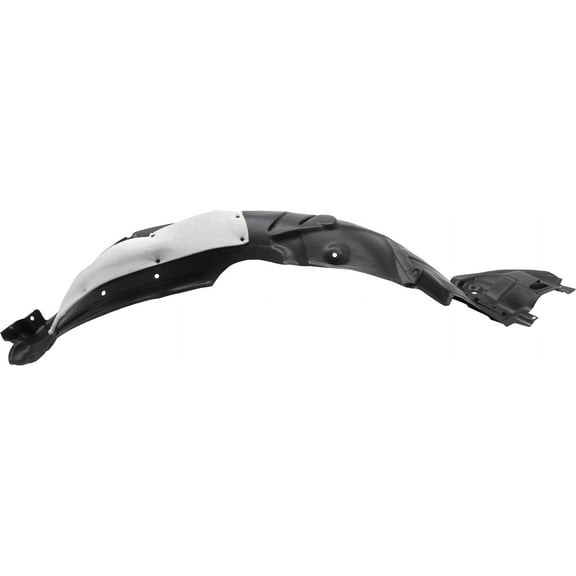
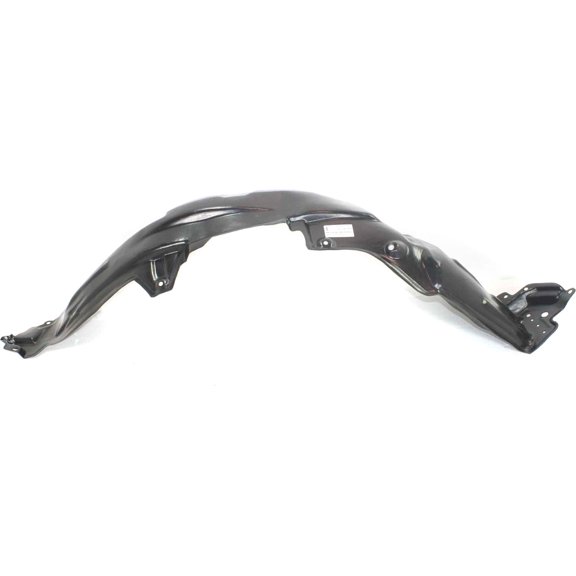












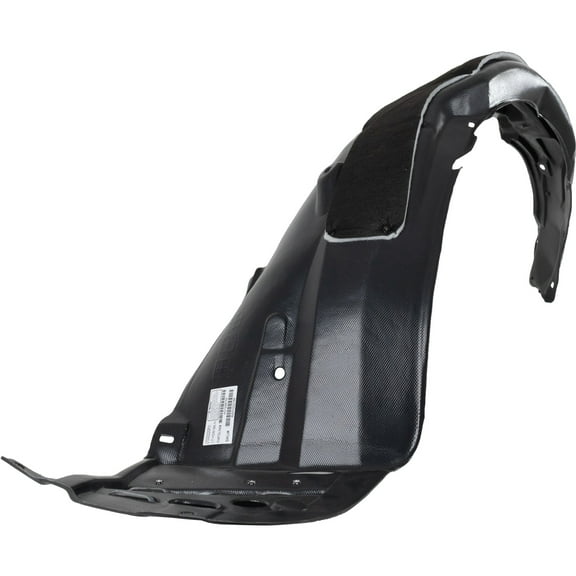
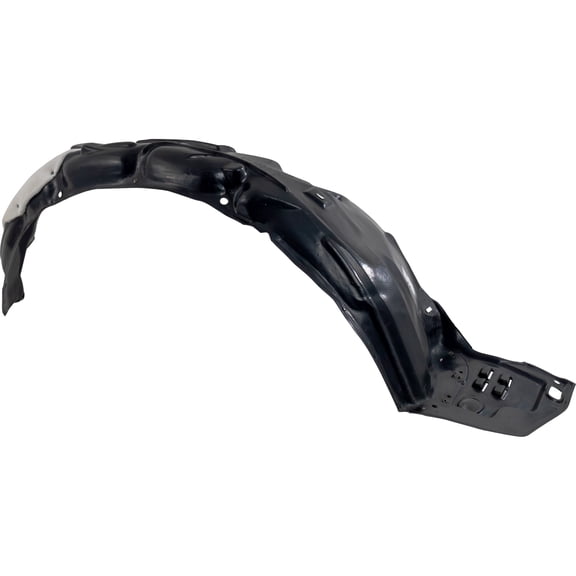
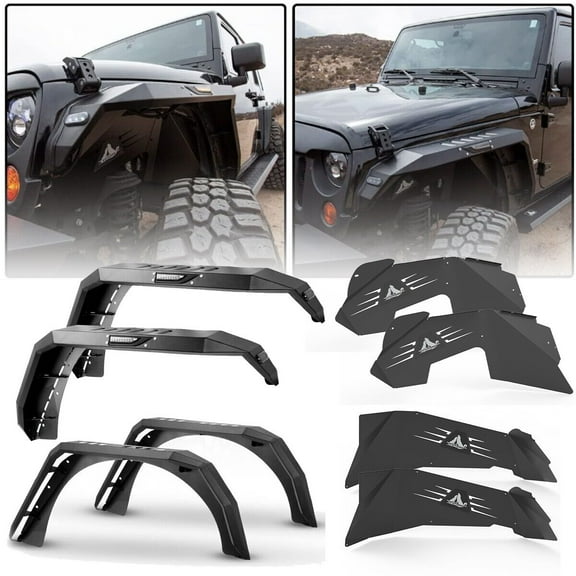


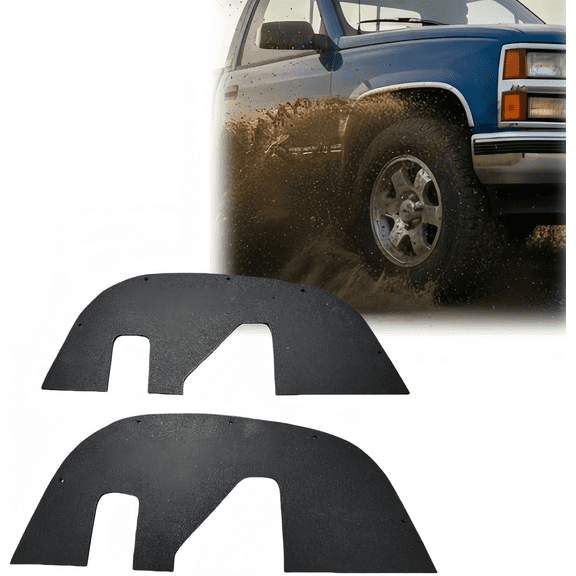
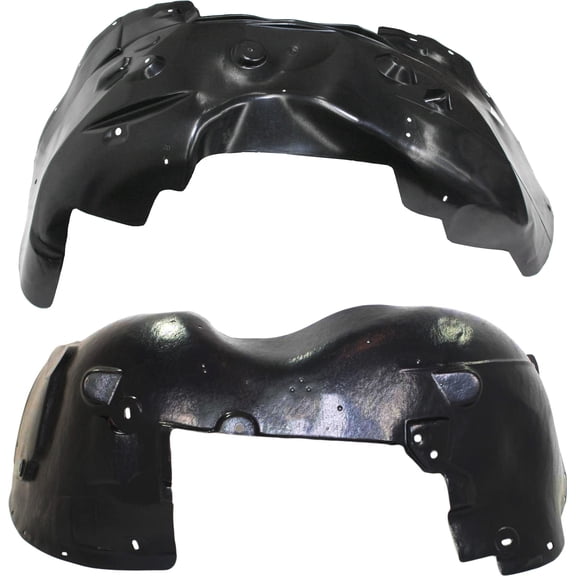

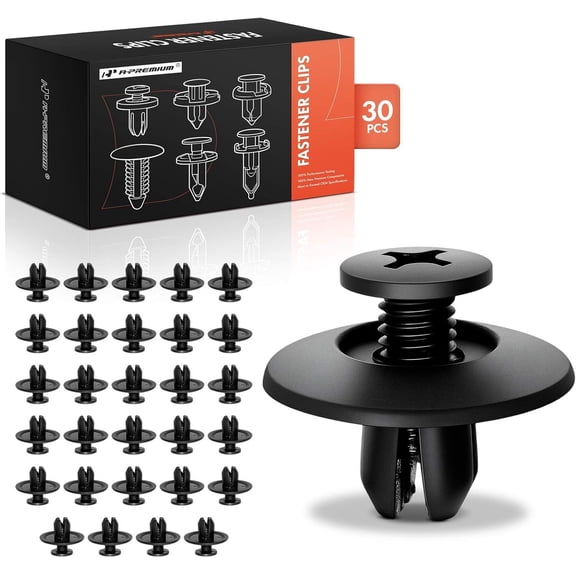


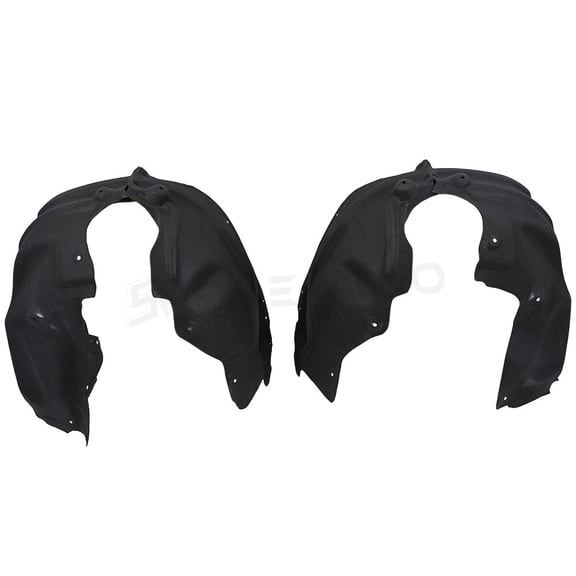
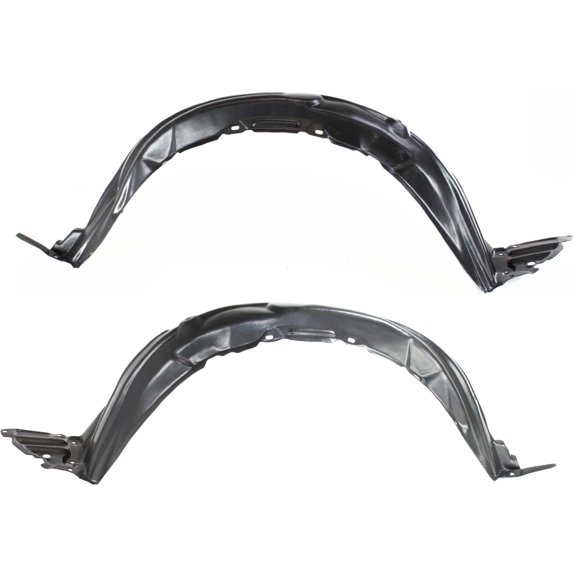
About Fender Liners, Sets & Extensions in Fenders & Fender Accessories - Walmart.com
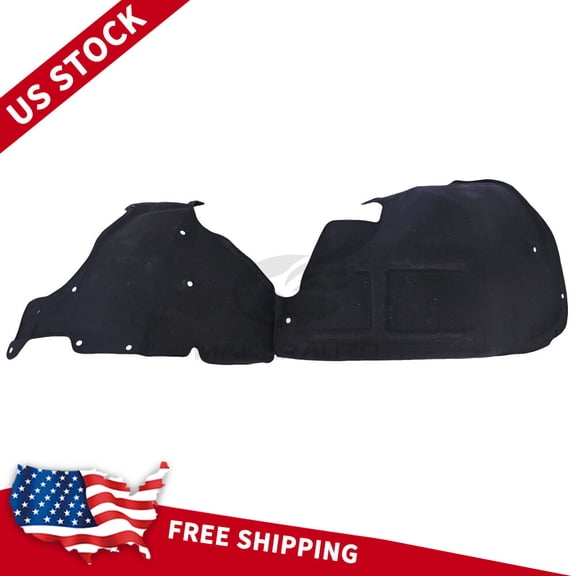
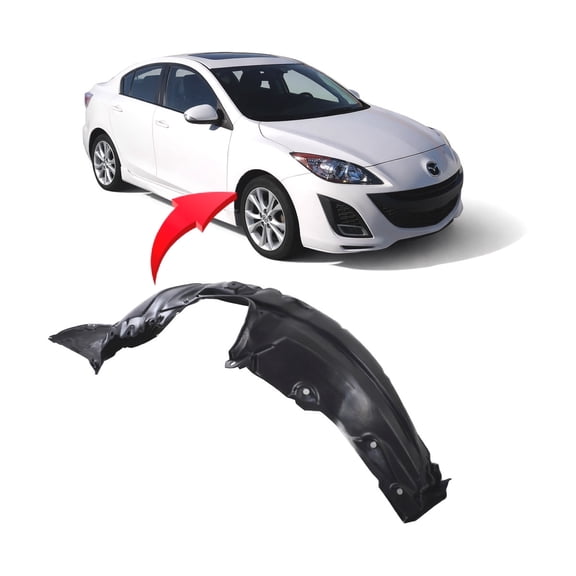
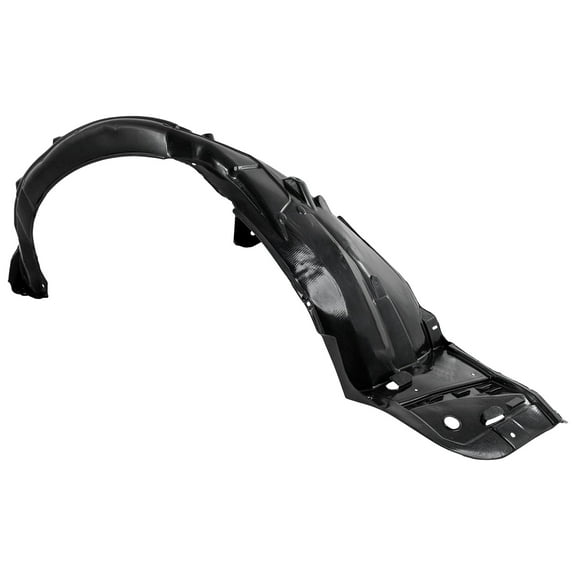
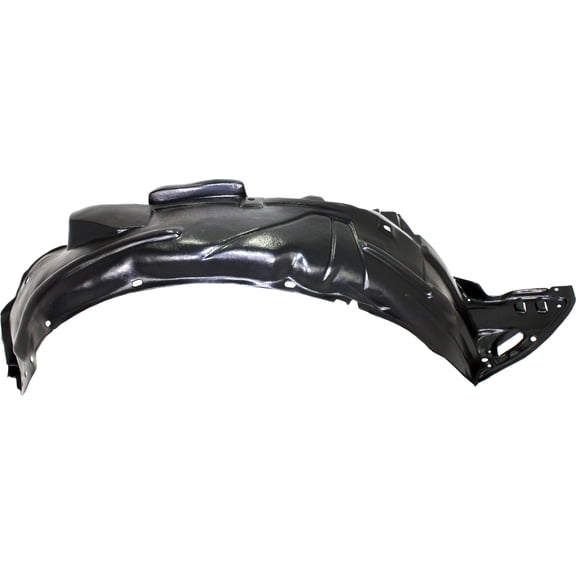
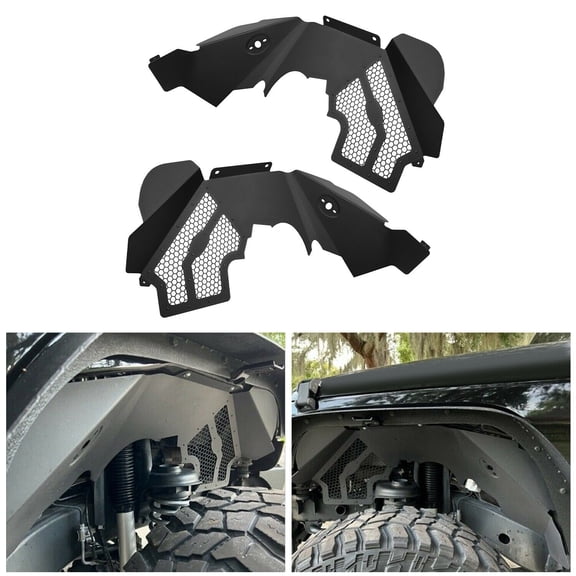
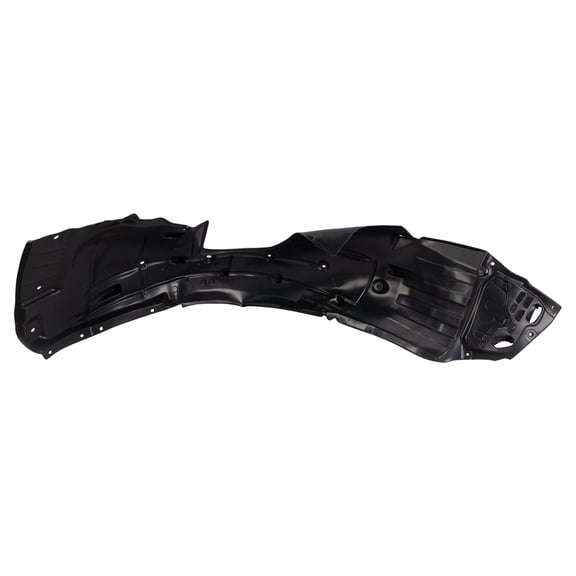
Fender liners help you protect your wheel well area from road spray, grit, and slush during daily driving. You can use this page to compare direct-fit parts, material choices, and side-specific options for your vehicle.
If you need a replacement after cracking, loosening, or losing coverage, you can narrow your search with confidence. You’ll also find guidance on fender liner sets, splash shield styles, and extension pieces that match your fitment needs.
How to choose fender liners for your vehicle
You should start with your year, make, model, and trim, because fitment drives every other decision. You’ll want to confirm whether you need a front fender liner or a rear fender liner before comparing materials.
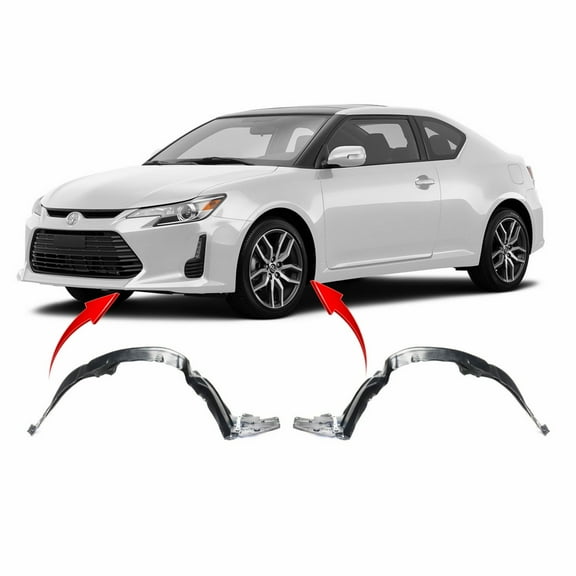
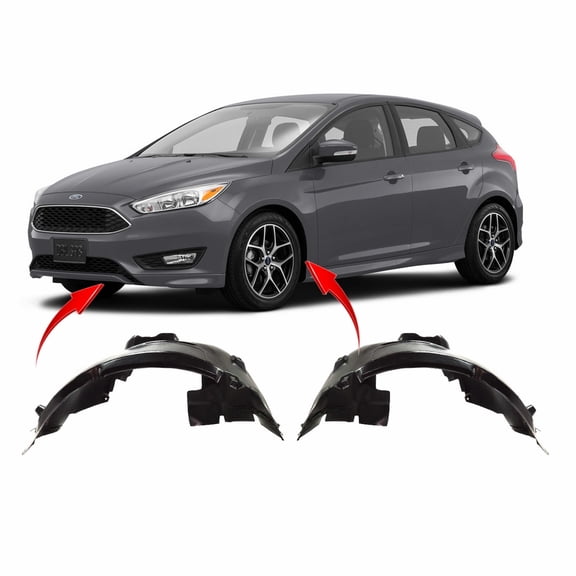
Side placement matters just as much as vehicle details when you’re replacing a damaged panel. You should check whether you need front driver side, front passenger side, rear driver side, or rear passenger side coverage.
Because many parts are side-specific, you can’t assume a left-hand panel fits the right-hand side. You’ll avoid returns when you match the listing details to your exact vehicle and placement.
What to look for in fender liner sets and component types
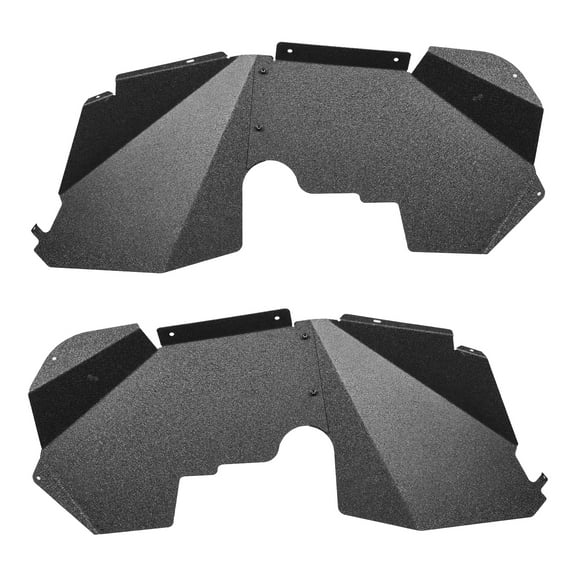
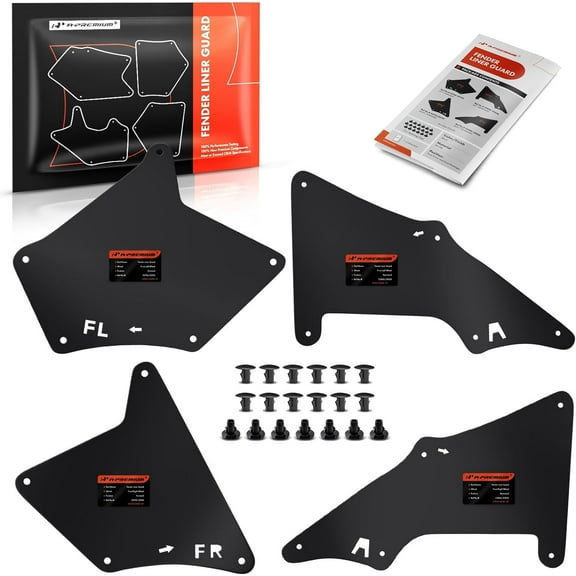
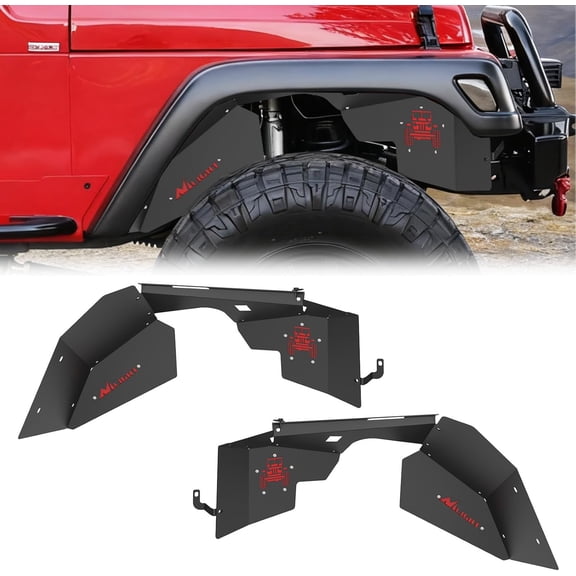
You can choose an inner liner, fender extension, splash shield, or mud guard based on the gap you need to cover. You’ll often see these parts grouped because they all help shield the wheel well and lower body area.
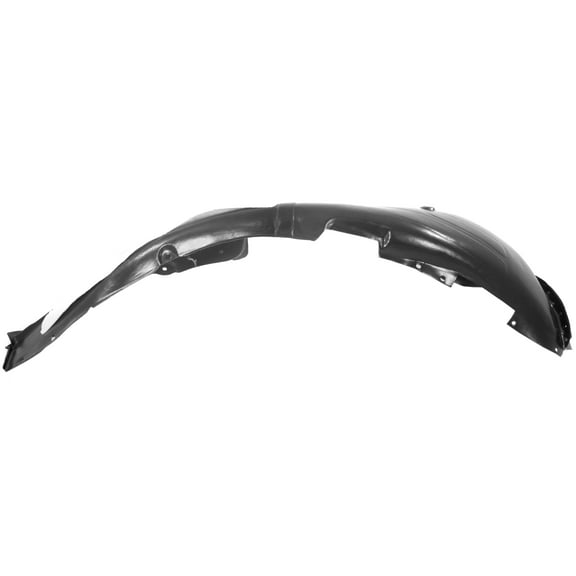
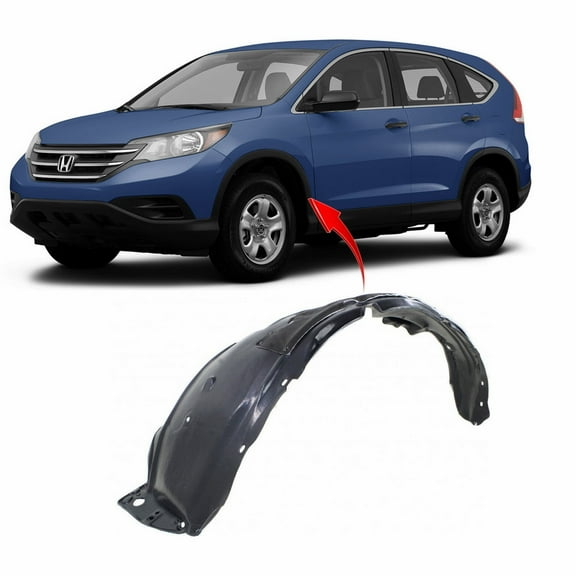
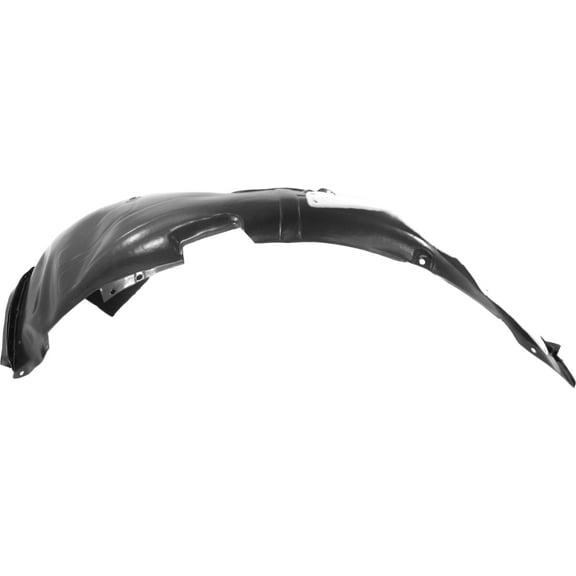
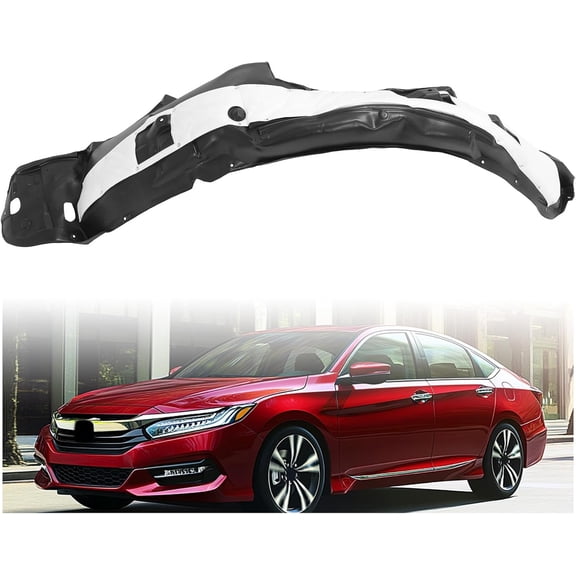
An inner fender liner usually covers the wheel housing and helps you keep debris away from engine bay edges. A fender splash shield often focuses on blocking spray and grime from exposed components behind the wheel.
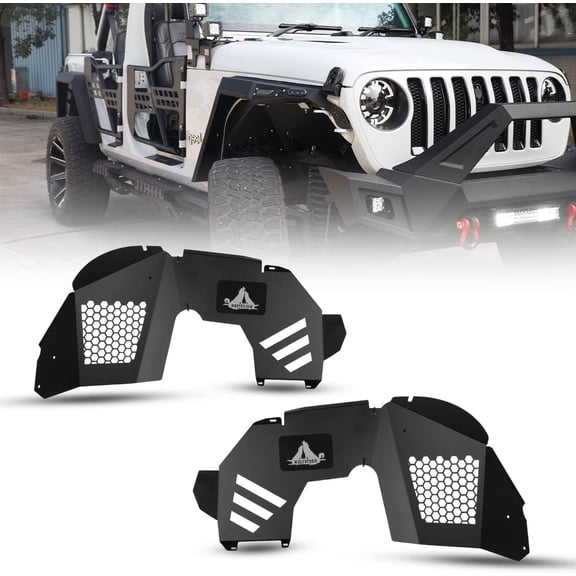
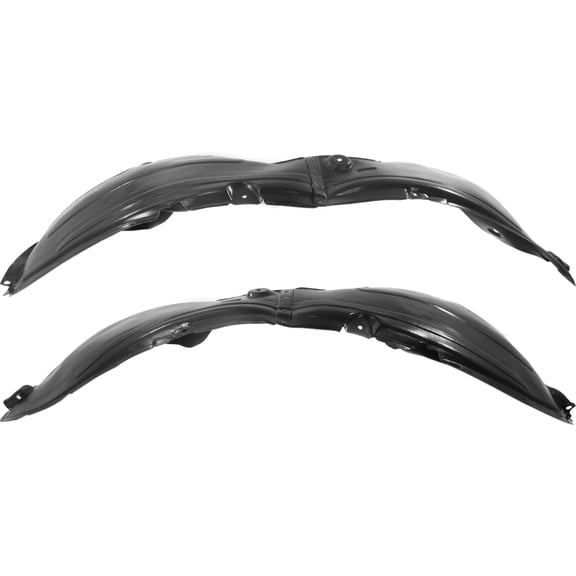
If you need wider coverage, you may compare fender liner sets that include both sides or paired front sections. You can also use fender extensions when you need to close smaller gaps near trim edges.
- You can reduce road grime buildup around wheel well openings.
- You can restore a cleaner, more complete fit after damage or missing panels.
- You can compare paired sets when your vehicle needs both sides replaced.
- You can choose side-specific parts for a more precise direct-fit install.
Choosing material for inner fender liners
You should compare plastic, polyethylene, steel, and aluminum based on your driving conditions and vehicle type. You’ll notice each material changes flexibility, rigidity, and the feel of the installed part.
Plastic and polyethylene options usually give you light weight and everyday practicality for many cars, trucks, and SUVs. You may prefer them when you want a shaped panel that follows factory mounting points closely.
Steel and aluminum options can suit applications where you want a firmer panel or a different finish. You should check the listing details carefully, because material choice can affect weight and mounting hardware needs.
When you drive through rain, gravel, or slush, you’ll want a panel that helps maintain coverage around the tire area. You can use material as a filter when you’re comparing daily commuting, highway travel, or work-truck use.
Checking fitment position and installation details
You should confirm whether the listing is for the left-hand or right-hand side before you place an order. You’ll often see driver side marked as LH and passenger side marked as RH.
Fitment terms matter because the wheel opening shape changes by axle and side on many vehicles. You can’t rely on appearance alone when your truck or SUV uses different front and rear contours.
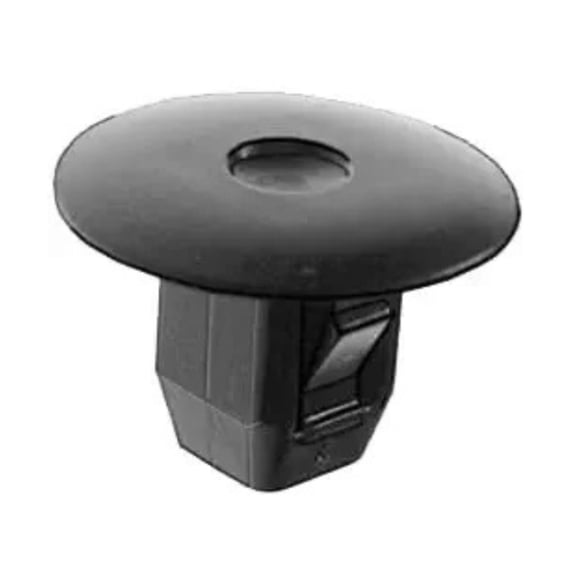
You should also check whether clips, screws, or retainers are included with your part. Some listings include hardware, while others expect you to reuse original fasteners or buy replacements separately.
If your original panel tore around the mounting points, you may need fresh clips for a secure fit. You can also look for related automotive clips and fasteners when your old hardware is worn.
Matching fender liners to real driving needs
If you drive a commuter car, you may want a front fender liner that restores coverage after curb or road debris damage. You’ll keep the wheel well area looking more complete while maintaining factory-style fitment.
When you use a truck for jobsite travel, you may need a fender splash shield or extension that helps close exposed gaps. You can focus on side-specific parts and tougher material options that suit rougher roads.
If your SUV handles family travel in mixed weather, you may compare rear sections and front sections together. You’ll benefit from checking whether matched fender liner sets simplify a multi-part replacement.
For project vehicles, you might replace a missing inner panel after body work or fender service. You can also pair your search with related fenders or fender flares when you’re finishing exterior repairs.
Why accurate fitment makes the difference
You’ll get a smoother replacement experience when you match the exact vehicle details, side, and component type first. You can then compare material and hardware needs with less guesswork.
With the right fender liners, you can restore wheel well coverage that fits your car, truck, or SUV more precisely. You’ll end up with cleaner fitment and more complete protection from everyday road debris.