

Drones by Skill Level in Drones








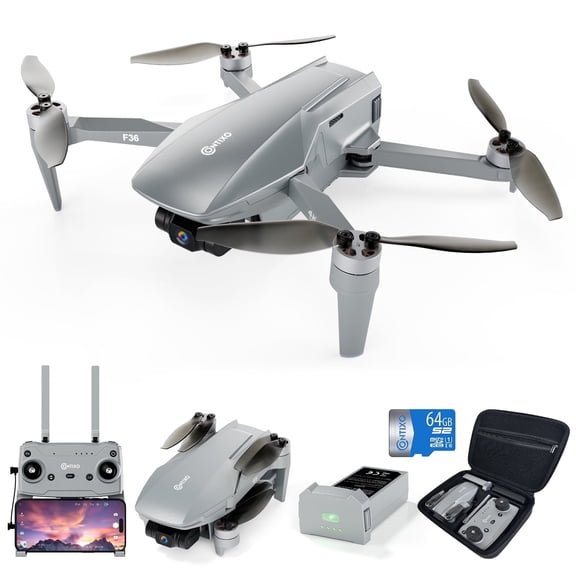


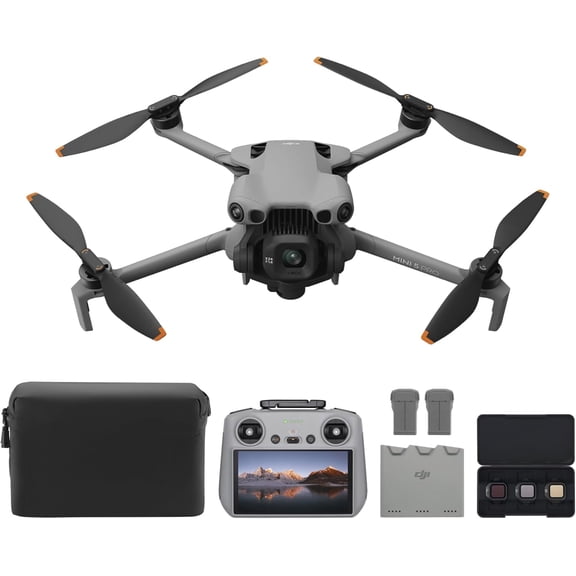

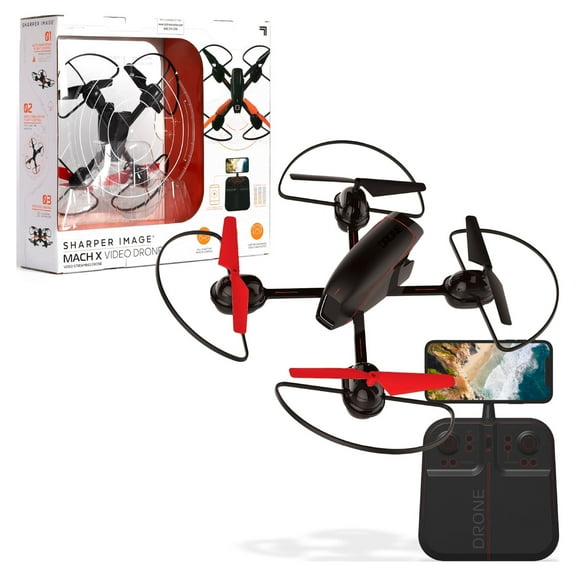

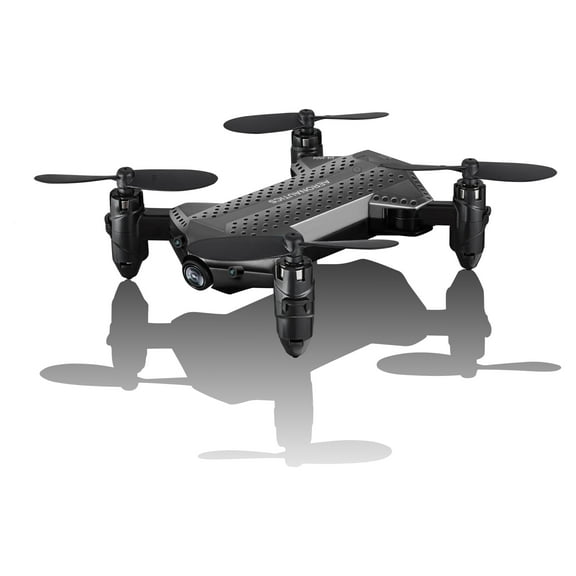





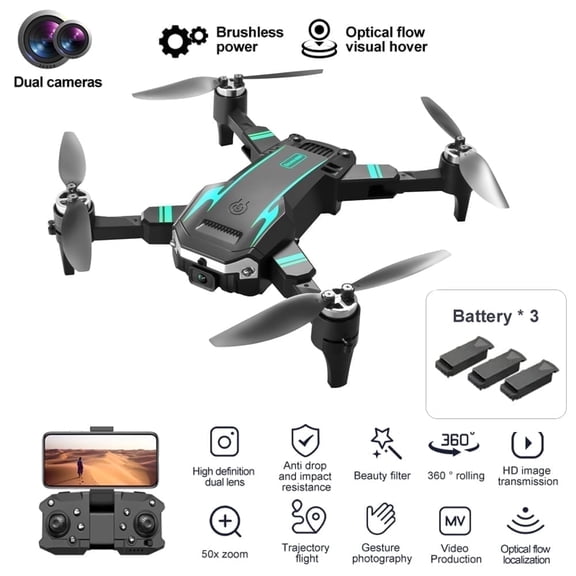


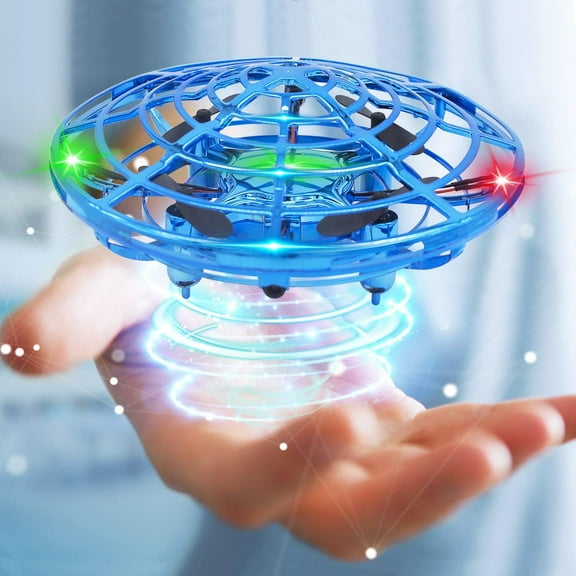
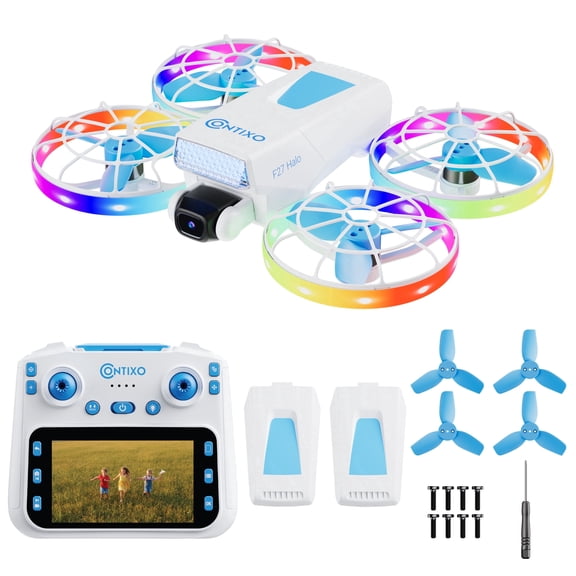

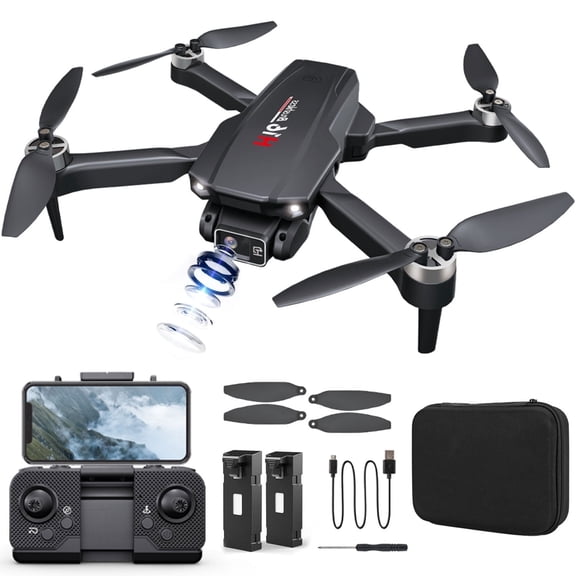
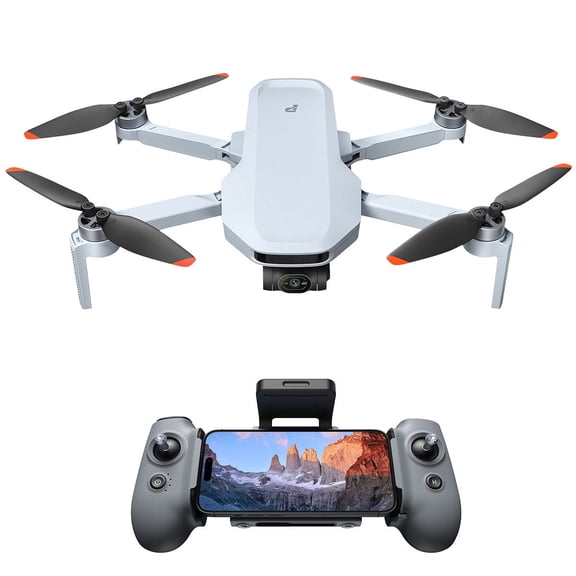
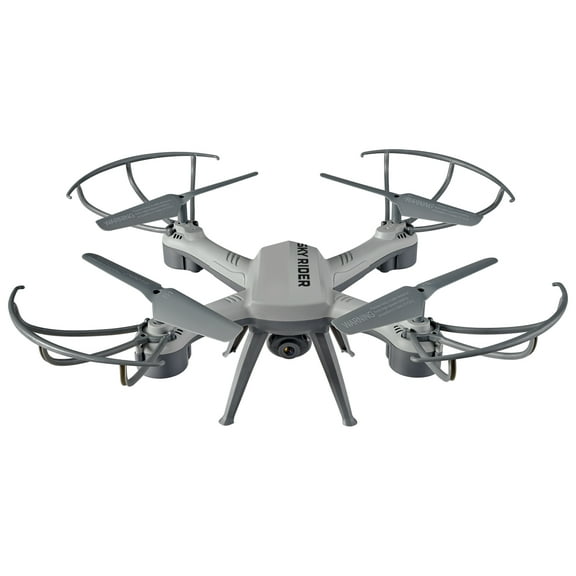
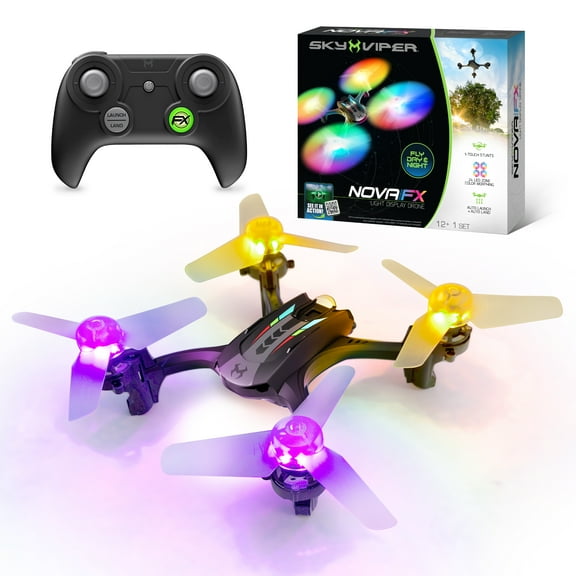
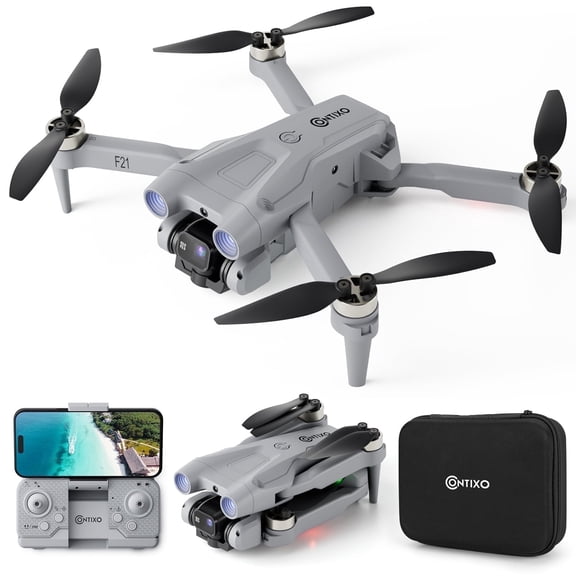

About Drones by Skill Level in Drones - Walmart.com
You can compare drones by skill level faster when you match flight controls, camera options, and GPS features to your experience. You’ll see clearer paths for beginner drones, intermediate drones, and professional drones when you know what each tier includes.
If you’re shopping for a first flyer, you’ll want simpler controls and lighter builds. If you’ve flown before, you may prefer longer range, steadier hovering, and sharper video for more planned flights.
How to choose drones by skill level
You should start with skill level because it shapes how easy your first flights feel. You’ll usually notice beginner models focus on stability, while advanced options add more manual control.
When you compare skill tiers, you should look at flight aids first. You’ll want headless mode, altitude hold, and one-key takeoff if you’re still learning stick inputs.
As you move up, you should compare GPS-enabled systems and return-to-home support. You’ll also want to check obstacle avoidance and stronger signal range for more deliberate flying sessions.
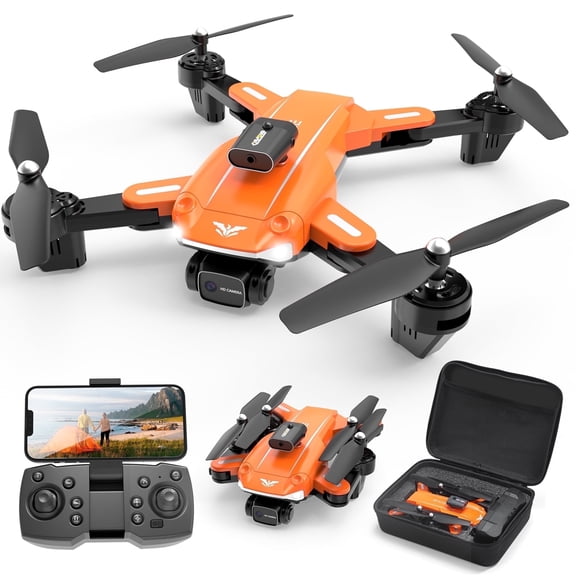
- You can start with beginner drones if you want simple controls and easier takeoffs.
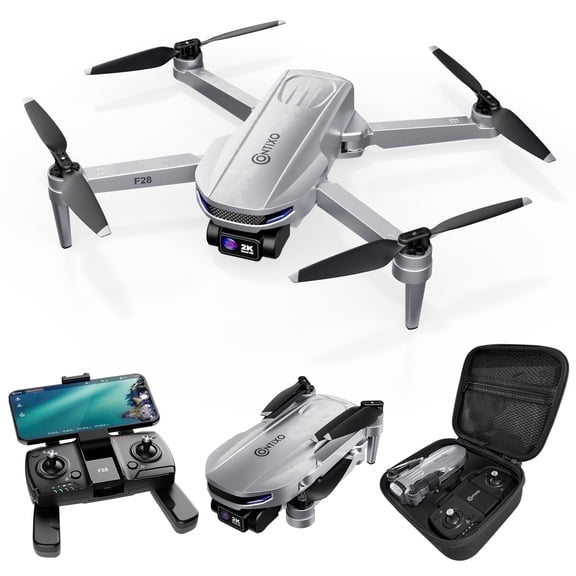
- You may choose intermediate drones if you want GPS support, steadier hovering, and more camera options.
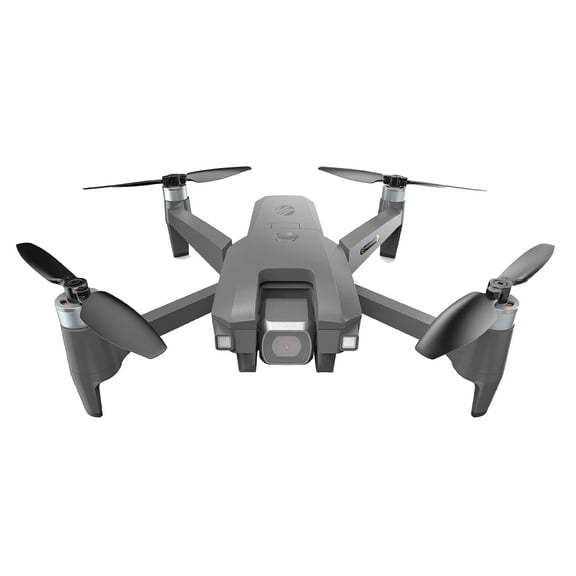
- You should consider professional drones if your flights depend on advanced camera control and stronger positioning features.
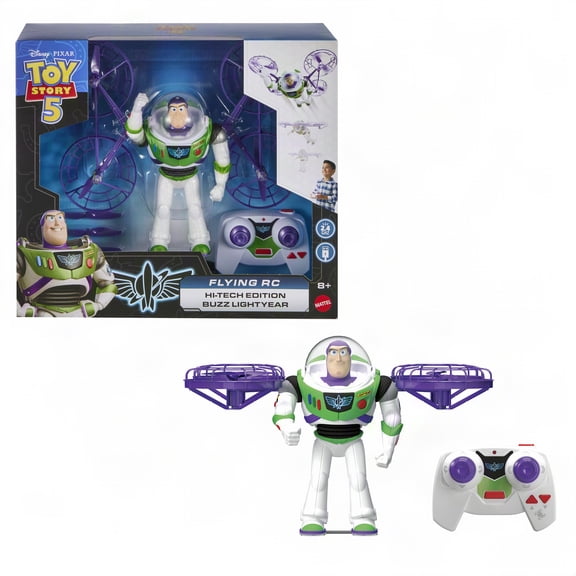
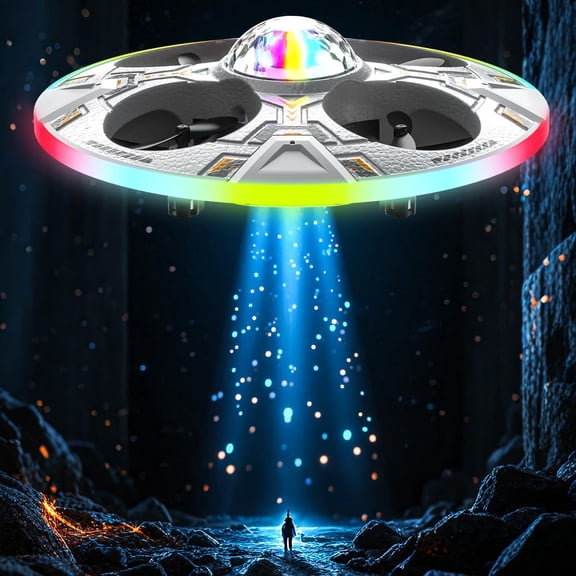
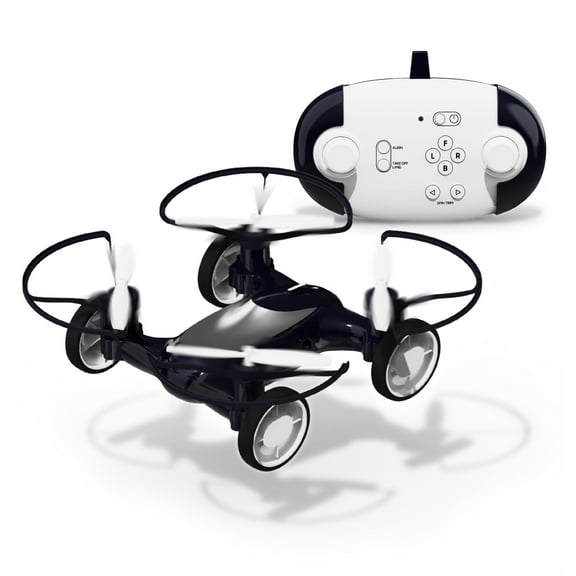
- You can compare toy drones and drones for kids when you want compact flyers with simpler functions.
Choosing beginner drones and drones for kids
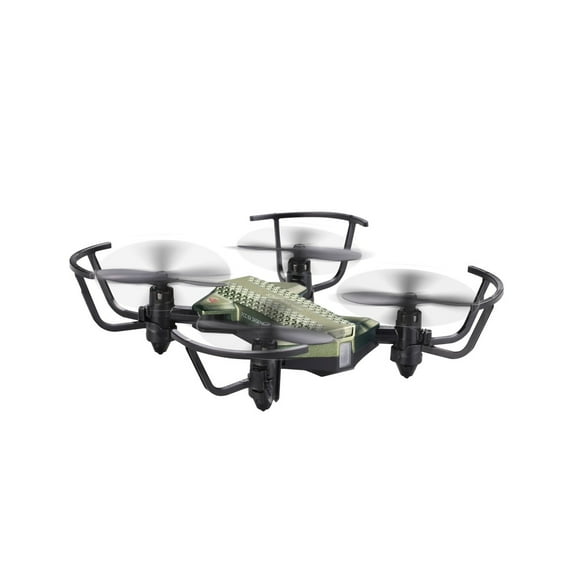
You’ll often find beginner drones built around confidence and control. You can learn directional movement more easily with headless mode, which keeps commands consistent with your controller position.
Altitude hold helps you keep a steadier hover without constant throttle correction. One-key takeoff can also help you launch with fewer manual steps during early practice flights.
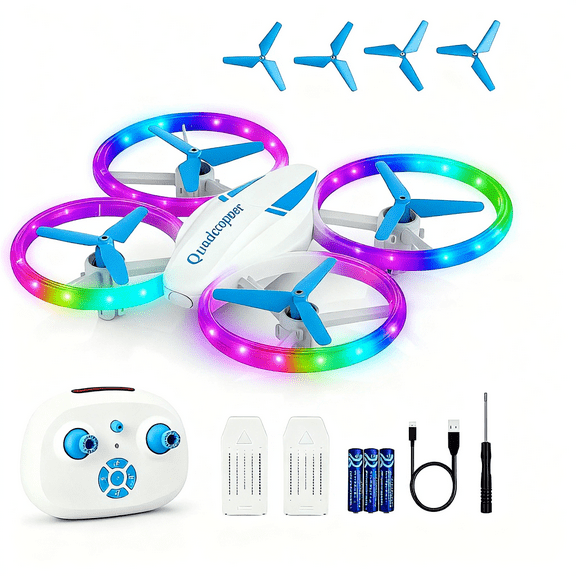
If you’re buying for younger users, you should compare toy drones and drones for kids by control type. You may prefer remote control for tactile handling, while a smartphone app can feel more familiar.
You should also decide whether you want no camera or a basic 1080p camera. You can keep the focus on flight practice with no camera, or record simple clips with a starter camera.
Comparing intermediate drones and GPS features
You may be ready for intermediate drones when you want more control without jumping straight into complex setups. You’ll often see GPS-enabled models that help you hold position and map steadier routes.
GPS return-to-home matters when you want extra guidance at the push of a button. You can also compare non-GPS models if you want a simpler flyer for shorter sessions.
Signal range becomes more important as your confidence grows. You should check whether your drone supports stronger connection distances, because that can shape where and how you fly.
Battery life also deserves a close look before you choose. You’ll often see flight times measured in minutes per charge, and you may want extra batteries for longer outings.
For many shoppers, 1080p hits a practical balance between clear video and straightforward controls. You can step into drones with camera features without taking on every advanced setting at once.
Understanding professional drones and camera options
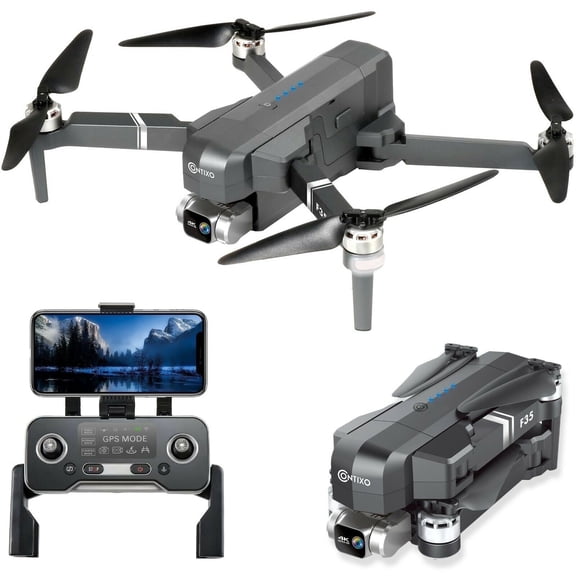
You should consider professional drones when your priorities include sharper footage, steadier positioning, and more responsive controls. You’ll often see 4K camera options, stronger GPS systems, and expanded flight settings here.
If your flights center on video, you should compare camera resolution carefully. You can use 4K for more detailed footage, while 1080p may suit shorter clips and simpler editing needs.
You may also want advanced features that support deliberate flight paths. GPS return-to-home and obstacle avoidance can help you manage more complex routes with added control.
Control type still matters at this level, even with more advanced specs. You might prefer remote control precision, though some models also support smartphone app tools or gesture control.
What to know about weight, registration, and flight time
You should check drone weight before you finalize your choice, because registration rules can apply above certain thresholds. In plain terms, you may need registration when a drone weighs more than 0.55 pounds.
If you’re starting out, you may prefer lighter models that feel easier to manage. You should still review current flight rules, because your intended use can affect what applies.
Flight time can shape your whole experience more than you expect. You’ll often see shorter sessions on entry models, while step-up options may offer longer minutes per charge.
When you compare batteries, you should think about how you actually plan to fly. You may want quick backyard sessions, travel-friendly practice, or longer photo flights with fewer interruptions.
Matching drone features to how you fly
You can use this page as a practical guide when you’re narrowing choices by experience and intended use. You’ll get a clearer fit when you compare skill level, camera resolution, control type, and GPS together.
Whether you want toy drones, beginner drones, or professional drones, you can choose with more confidence by focusing on flight aids, range, and battery time. You’ll land on a drone that fits your learning curve and your flying plans.