


Dock Hardware in Boating











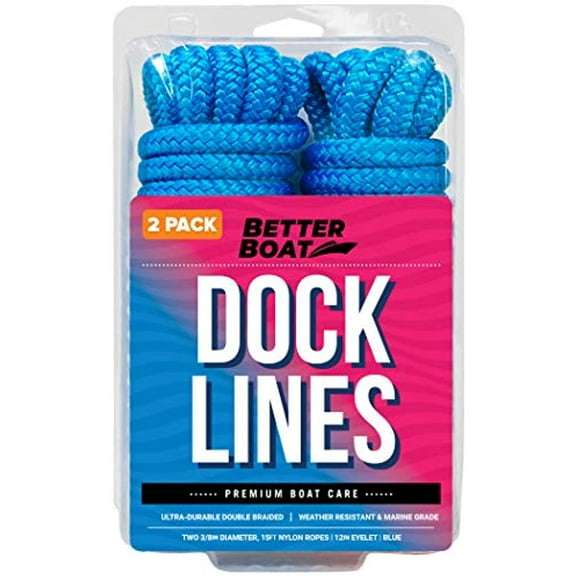


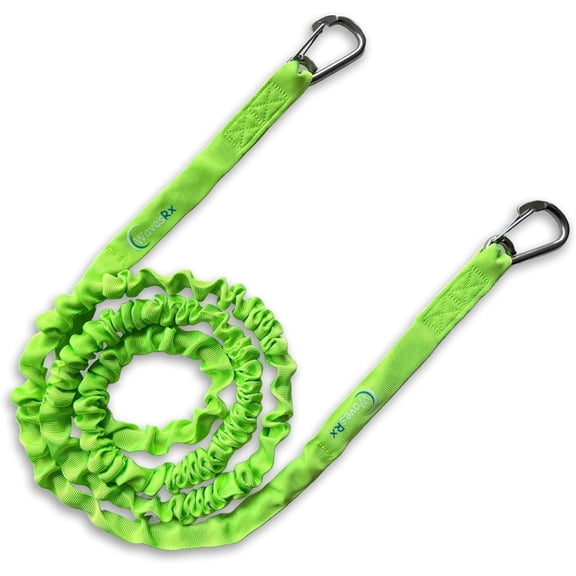


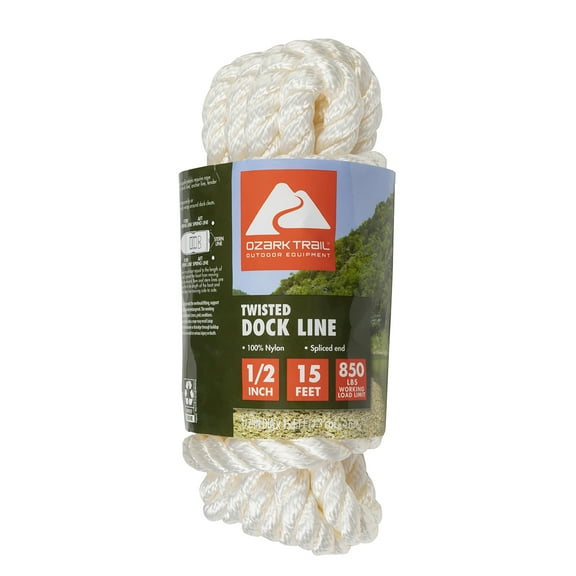
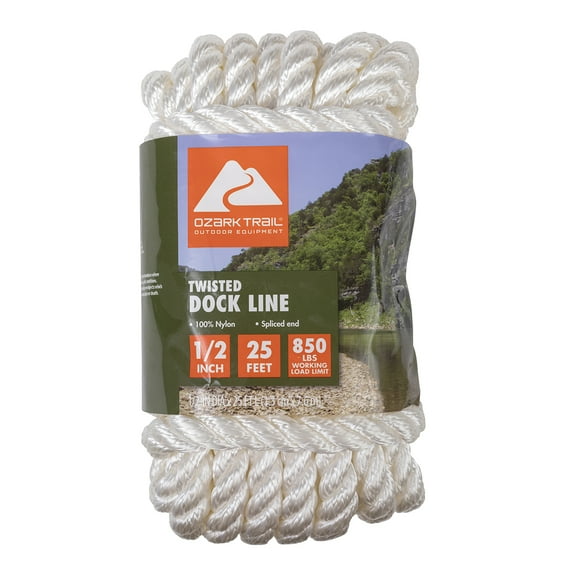












About Dock Hardware in Boating - Walmart.com
Dock hardware helps you build a stable, dependable dock system for changing water conditions and repeated seasonal use. You can compare brackets, hinges, and connectors by material, duty level, and dock compatibility before you start your project.
How to choose dock hardware for your dock type
You should match dock hardware to your dock style before you compare finishes or thickness. You’ll need different connection points for floating docks, stationary docks, pipe docks, and wooden docks.
For floating docks, you’ll often want dock hinges that let sections move with changing water levels. For stationary docks, you may prefer rigid dock brackets that hold framing at fixed angles.
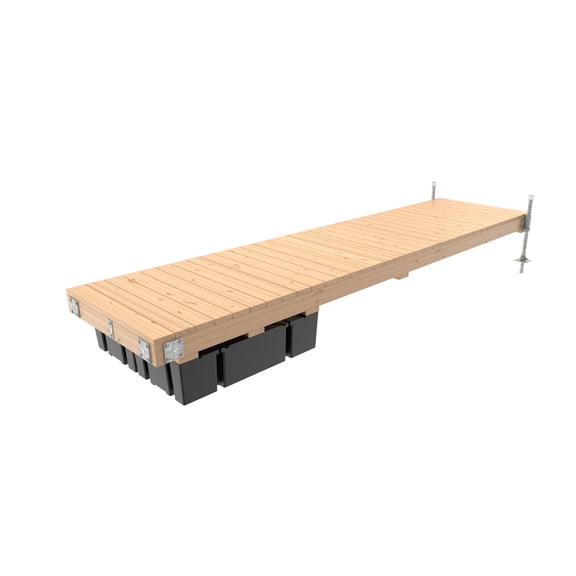
If you’re updating a wooden dock, you should check hole spacing and plate size against your existing lumber. If you’re building new sections, you can compare dock building supplies by layout, span, and connection points.
- You can use hinges when your floating sections need controlled movement.
- You can use brackets when your frame needs fixed support at corners or side joints.
- You can use dock corner connectors when your layout includes angled turns or platform extensions.
- You can check backer plates when your bolts need added reinforcement across connection points.
Choosing materials in heavy duty dock hardware
You should compare material first because water exposure changes how your hardware performs over time. You’ll often see hot-dipped galvanized steel, stainless steel, aluminum, and heavy-duty steel across this category.
Hot-dipped galvanized steel works well when you want a tough coating for frequent freshwater exposure and demanding seasonal installs. Stainless steel may suit your setup when you want boat dock hardware for saltwater approved applications.
Aluminum can make sense when you want lighter handling during installation and seasonal removal. Heavy-duty steel may fit your project when your frame needs thicker parts for larger loads.
You should also compare thickness ratings like 3/16 inch standard, 1/4 inch heavy duty, and commercial grade. Those ratings help you match your hardware to residential docks, larger platforms, or marina-style sections.
What to look for in dock brackets and dock hinges
You should look at hardware type next because each part handles force in a different way. Dock brackets usually hold beams and corners firmly, while dock hinges allow movement between connected sections.
If your dock faces wave action or changing water height, you may want hinges that support controlled flex. If your frame stays in one position, you may want brackets and backer plates that reinforce fixed joints.
You can also compare chain retainers and dock corner connectors for specialty layouts. Those parts help you secure transition points, outer corners, and sections that need extra alignment support.
When you review product details, you should check whether the holes are pre-drilled and spaced for common dock framing. You should also compare bolt size compatibility, because matching fasteners can simplify installation planning.
Comparing boat dock hardware by duty and water conditions
You should match duty level to how your dock gets used throughout the season. A small fishing platform may need standard hardware, while a larger gathering dock may need heavier connection points.
Commercial grade parts can make sense when your layout includes long runs, frequent traffic, or larger deck sections. A 1/4 inch heavy-duty option may give your frame more support where corners and joints carry more strain.
You should also check whether your boat dock hardware is listed for saltwater approved or freshwater only use. That detail matters when your dock sits in coastal water, inland lakes, or rivers with regular splash exposure.
If you’re replacing older parts, you should compare thickness and finish to your current setup. That step can help you keep connection points consistent across new and existing sections.
Using dock hardware for new builds and repairs
You can use dock hardware for full builds, seasonal replacements, and targeted structural upgrades. You may need one bracket for a corner repair, or you may need matching hardware for an entire shoreline layout.
For spring setup, you might compare connectors and hinges that help you reassemble removable sections with less guesswork. For late-summer repairs, you might focus on high-stress joints where movement and weight meet.
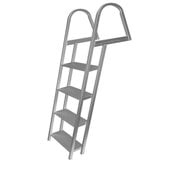
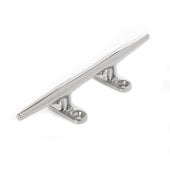
If you’re expanding a family swim platform, you may want dock corner connectors for an added side section. If you’re maintaining a boat access point, you may want heavy duty dock hardware around entry areas and tie-up zones.
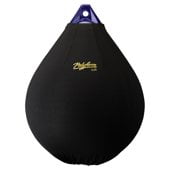
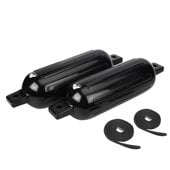
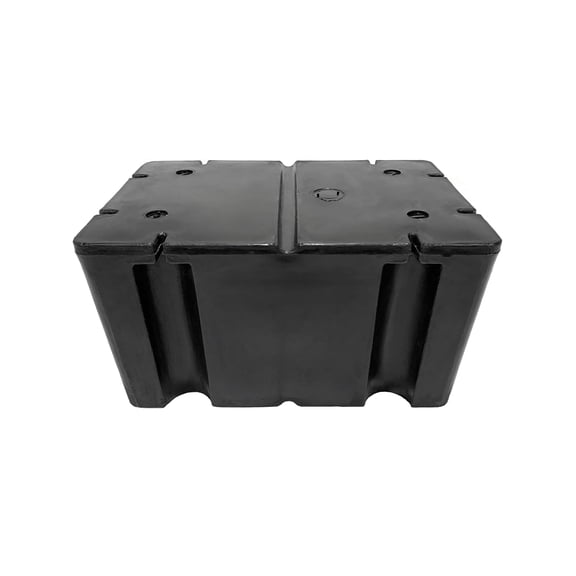
You can also coordinate your project with related marine parts like dock floats, dock bumpers, and boat accessories. That approach helps you plan a dock system that fits your shoreline, frame design, and seasonal routine.
Why the right dock hardware matters
You’ll get a more dependable dock structure when your materials, hardware type, and duty rating match your water conditions. You can build or repair with more confidence when your dock hardware fits your frame, fasteners, and shoreline setup.