

Display Cases in Store Fixtures & Equipment






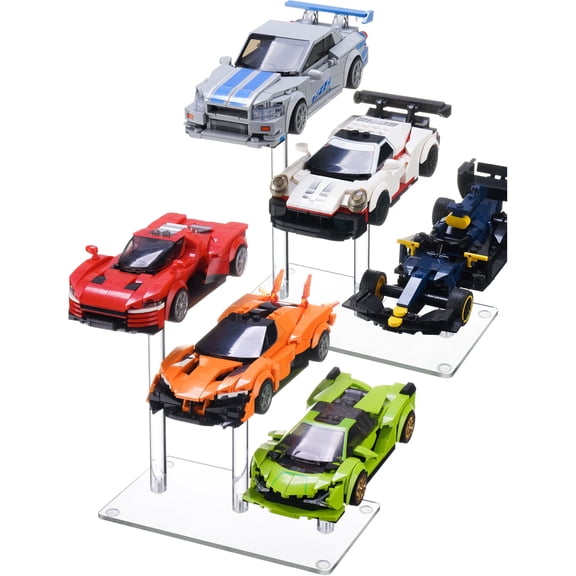


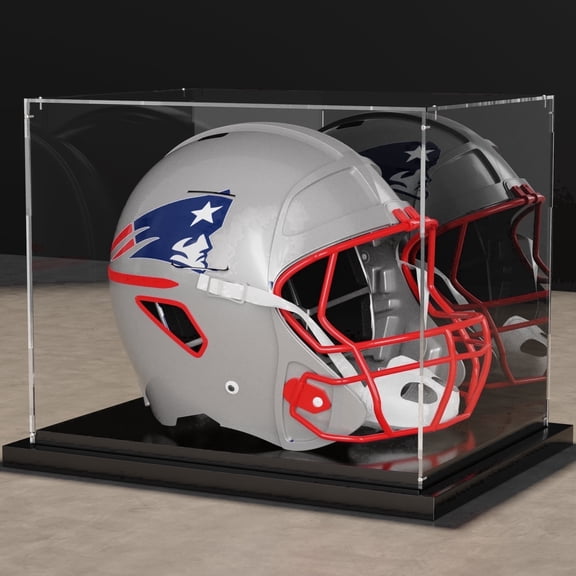

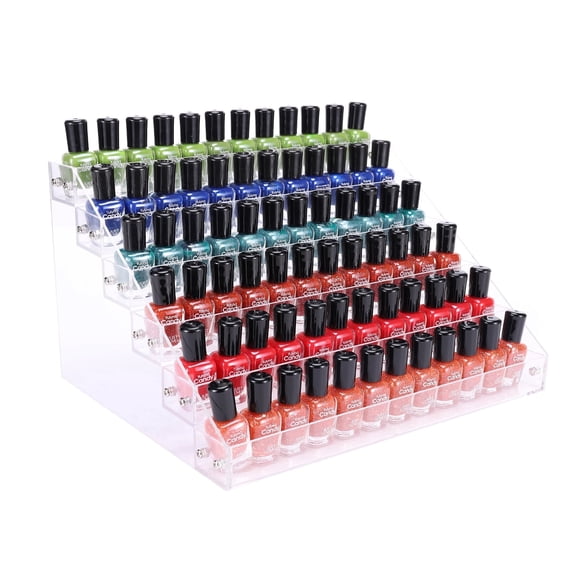


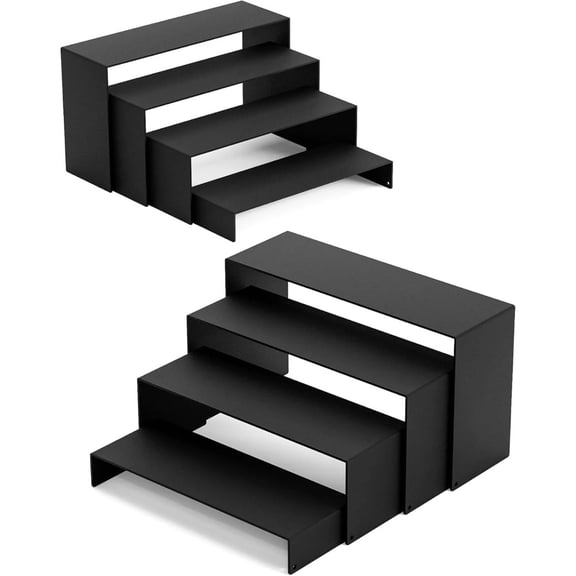









About Display Cases in Store Fixtures & Equipment - Walmart.com
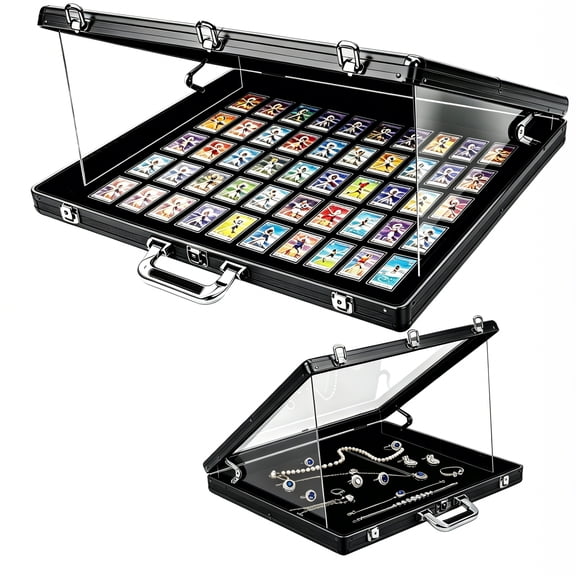
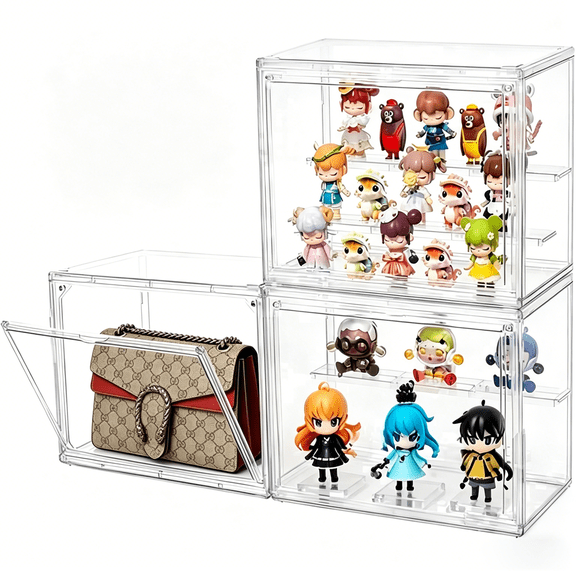
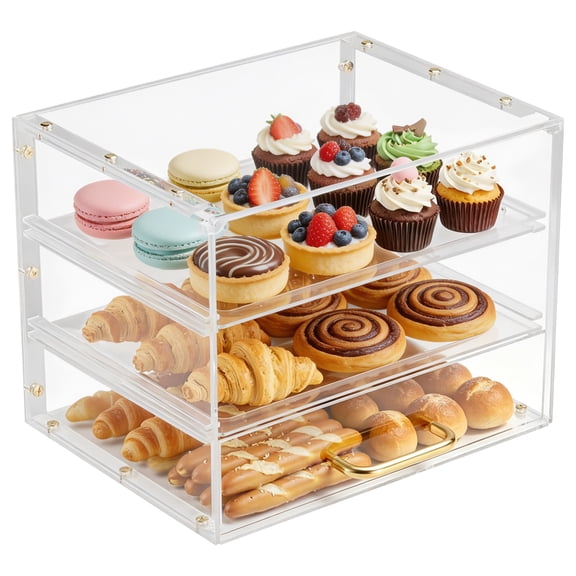
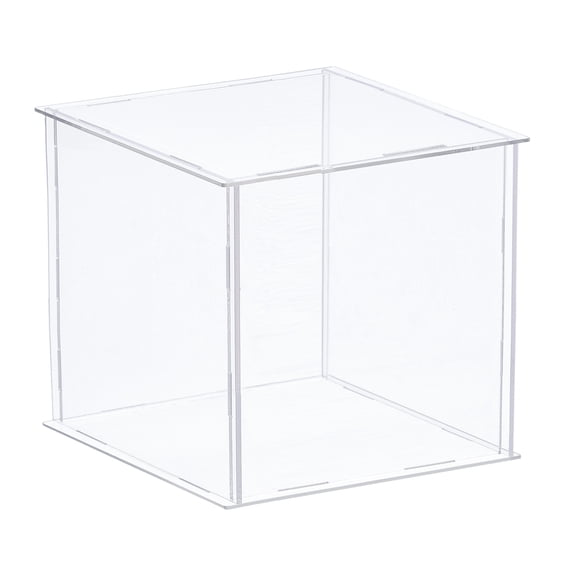
Display cases help you present merchandise or collections with clear visibility and organized storage. You can compare placement, materials, security, and size details to match your space and display goals.
How to choose display cases for your space
Start with placement type because your floor plan shapes how you use display cases every day. You may prefer countertop models for checkout areas or small collectibles that need close viewing.
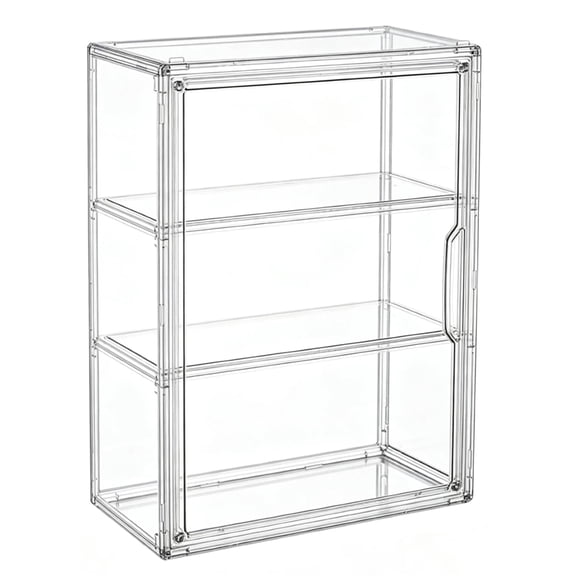
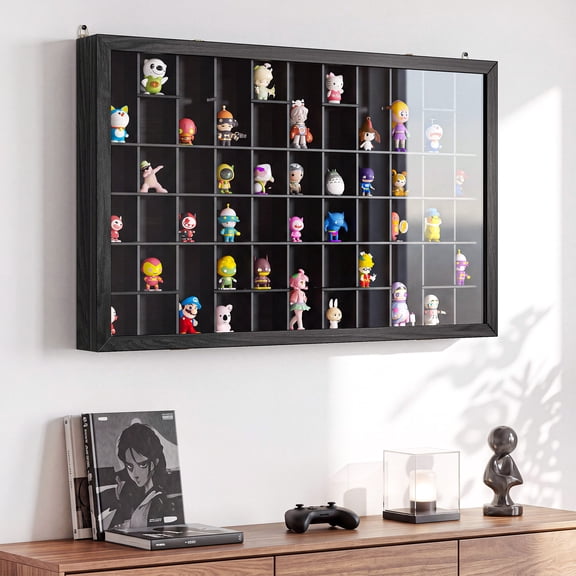
If you need more capacity, you can compare freestanding and tower-style units for vertical storage. You can use wall-mounted options when you want to keep floor space open and sightlines clear.
Measure your height, width, and depth before you choose a case for retail merchandise or memorabilia. You should also check weight capacity so your shelves support trophies, glassware, or boxed products.
- You can use countertop cases for compact displays and quick customer access.
- You can choose freestanding cases for larger assortments and flexible placement.
- You can install wall-mounted cases when you need open floor areas.
- You can compare tower-style cases for narrow spaces and taller presentations.
Choosing between glass display cases and other materials
Material choice affects visibility, upkeep, and the overall look of your setup. You may compare tempered glass, acrylic, wood frame, and aluminum frame options based on where your case will stand.
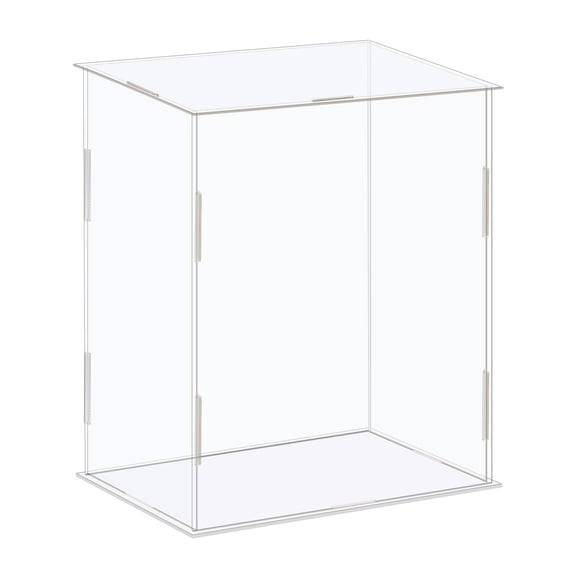
Tempered glass matters when you want a clearer view and stronger panels for daily retail traffic. You can also compare acrylic if you want lighter construction that is easier to move.
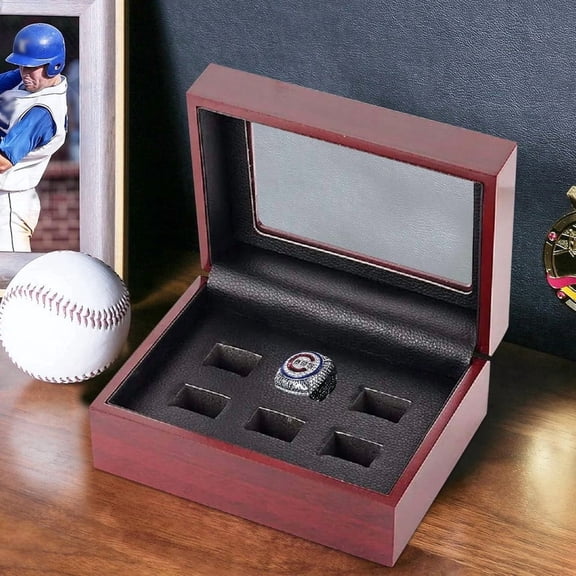
Wood frame styles give your display a furniture-like look for home collectibles and awards. Aluminum frame styles give you a clean commercial appearance that fits many retail display cases.
Lighting can also shape your choice when you want items to stand out under brighter conditions. You can look for built-in LED options when you need more visibility for jewelry, watches, or detailed memorabilia.
Comparing security and access options
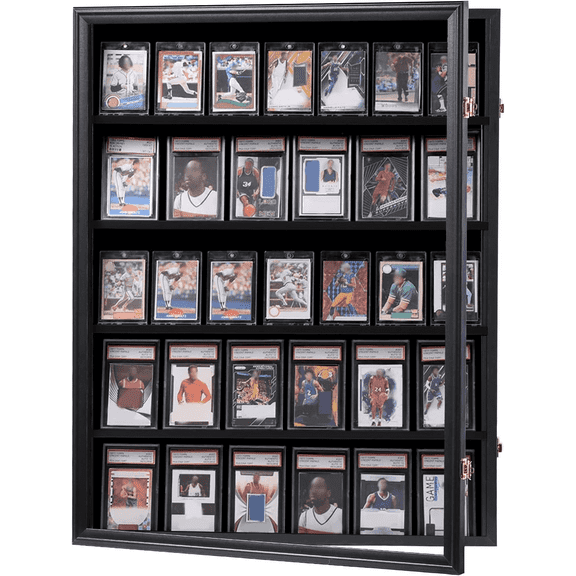
Security features help you balance visibility with controlled access. You should compare lockable doors, sliding doors, hinged doors, and open shelves based on how often you reach inside.
Lockable doors make sense when you display jewelry, electronics, or collectible pieces in shared spaces. You can keep items visible while adding a simple barrier for staff-only access.
Sliding doors work well when you have limited aisle space or a narrow counter footprint. Hinged doors give you wider openings, which can help when you arrange larger awards or boxed merchandise.
Open shelves fit displays that need frequent restocking and direct customer interaction. You can use showcase shelves for featured items when security needs are lower and access speed matters more.
Matching display cases to retail and collector use
Your use case should guide the size, door style, and material you compare. You may need retail display cases for checkout counters, collectible display cases for home rooms, or trophy cases for schools.
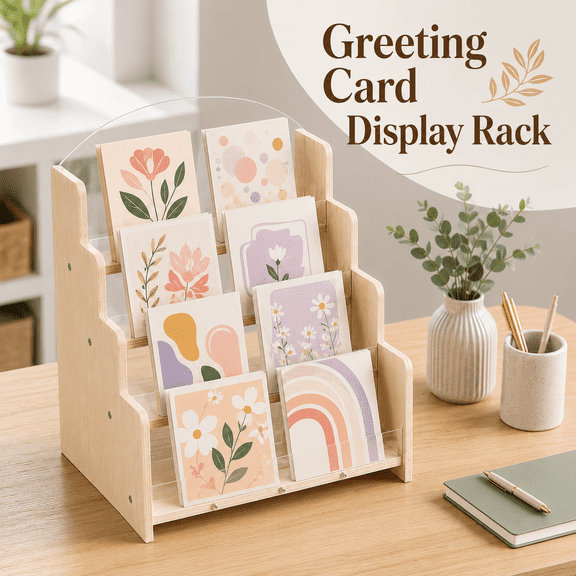
For retail merchandise, you can choose clear sightlines and easy access for staff throughout the day. Countertop units with sliding doors often fit smaller goods such as jewelry, accessories, or impulse items.
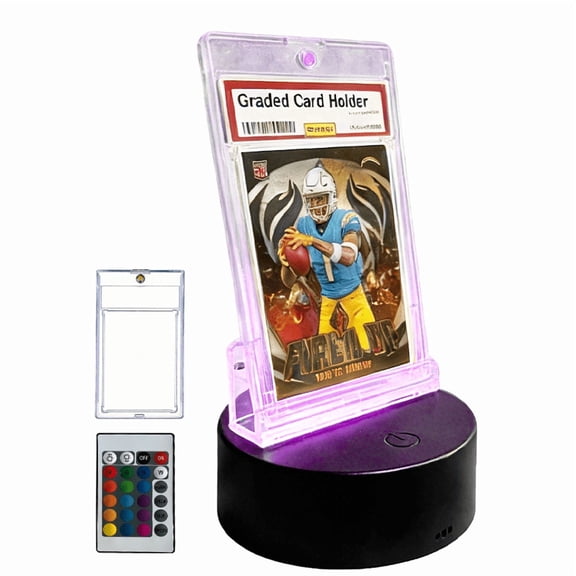
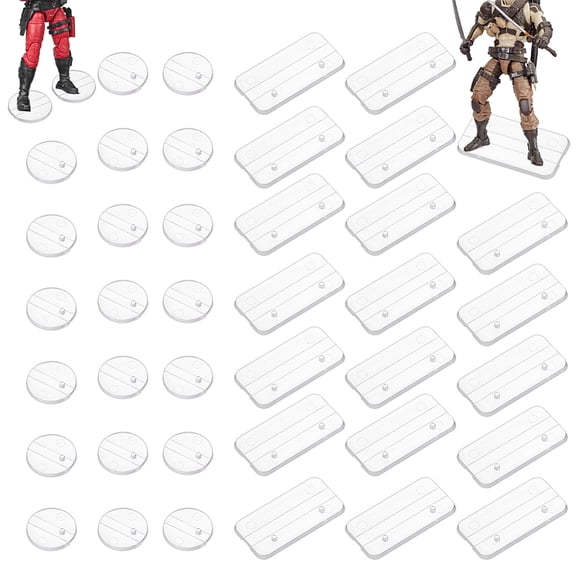
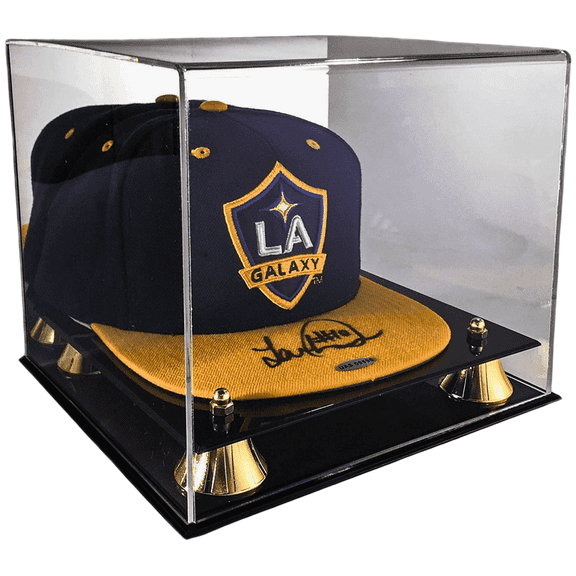
For home collectibles, you may want a wood frame or tower-style case that blends with your room. Glass panels and LED lighting can help your figures, sports items, or memorabilia stay easy to view.
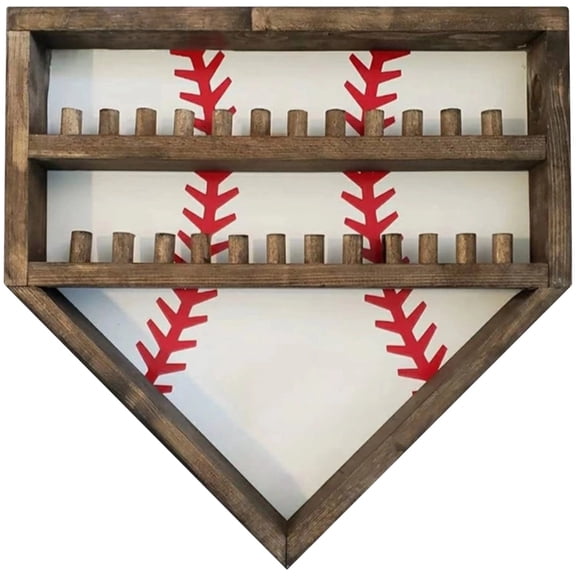
For trophies and awards, you can compare deeper shelves and taller interiors for plaques and larger cups. Wall-mounted or freestanding memorabilia display cabinets can help you organize recognition pieces in lobbies or hallways.
If you display jewelry, you may prefer lockable access and bright interior lighting for small details. Acrylic or tempered glass surfaces can keep your pieces visible without hiding color or shine.
What to look for before you choose showcase shelves
Assembly details can affect how quickly you place your case and start arranging products. You should check whether panels, shelves, and hardware match your comfort level for setup.
Shelf spacing matters when you display items with different heights across one case. You can compare adjustable shelves if your assortment changes often during seasons, events, or store resets.
Finish details also shape how your case fits the room around it. You may want black, silver-tone, or wood-look frames that coordinate with nearby retail fixtures or furniture.
When you compare display cases with these decision points, you get a clearer path to the right fit. You can present merchandise, trophies, or collectibles with the visibility, access, and structure your space needs.