




Digital Camera









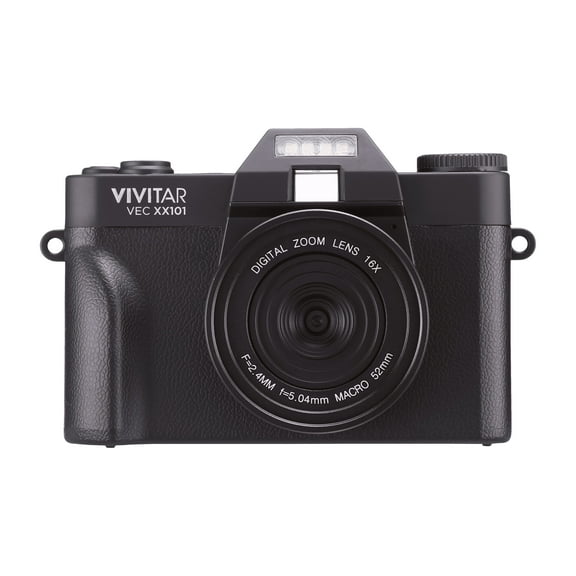

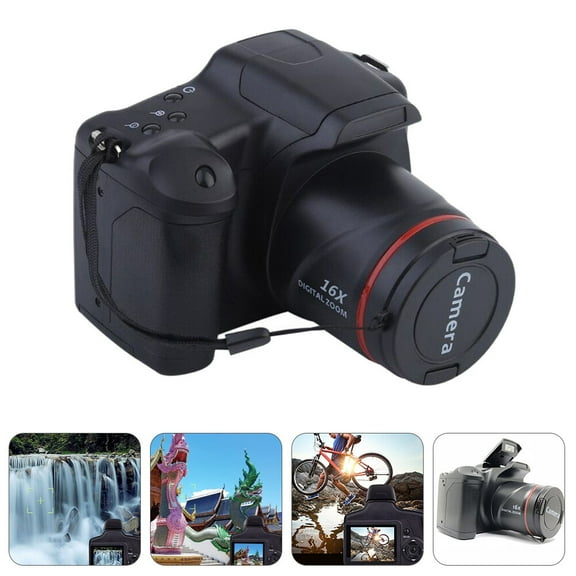
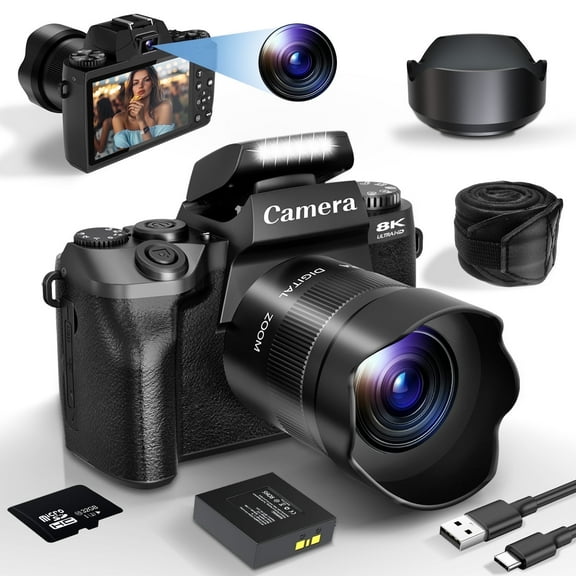
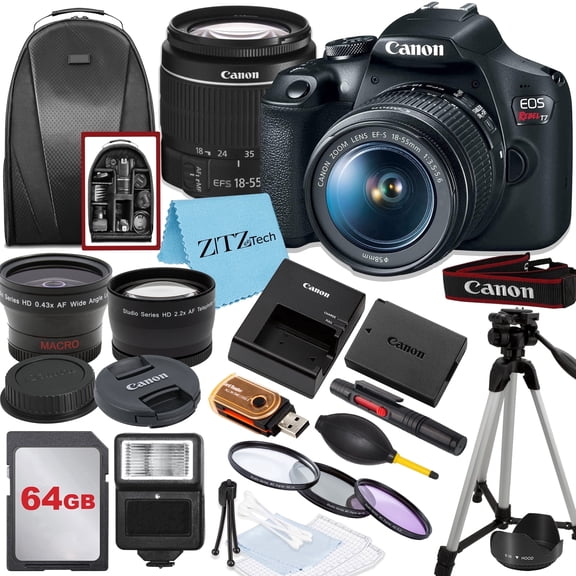
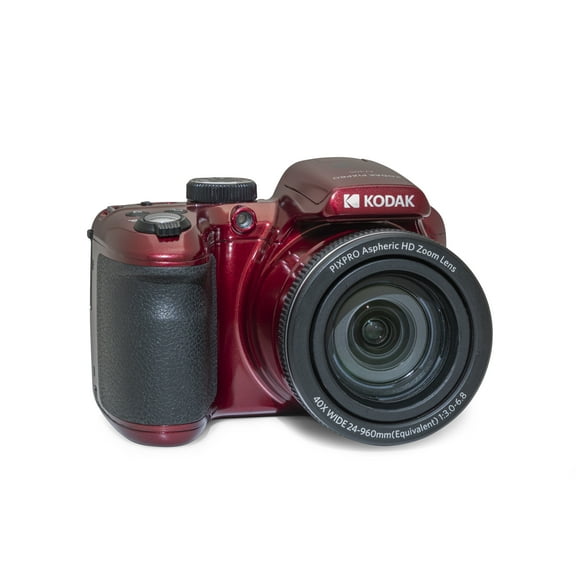
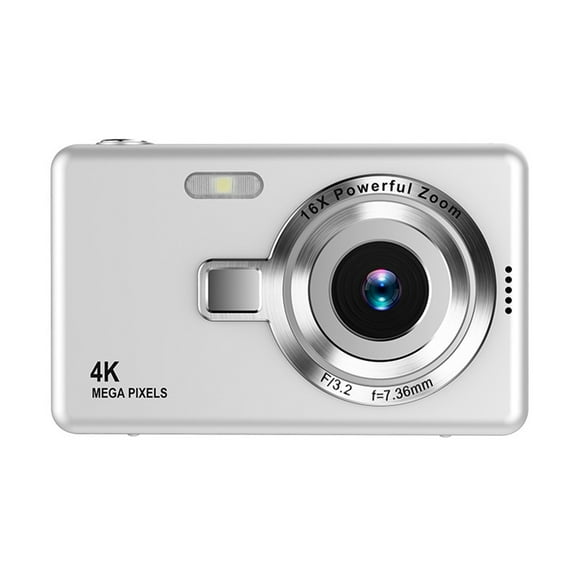


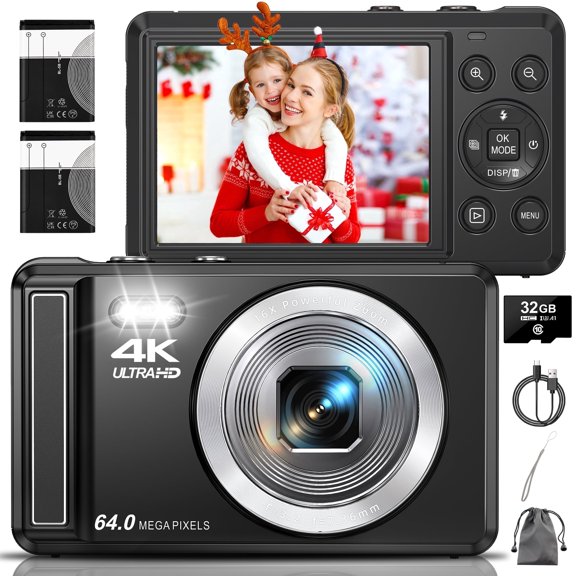


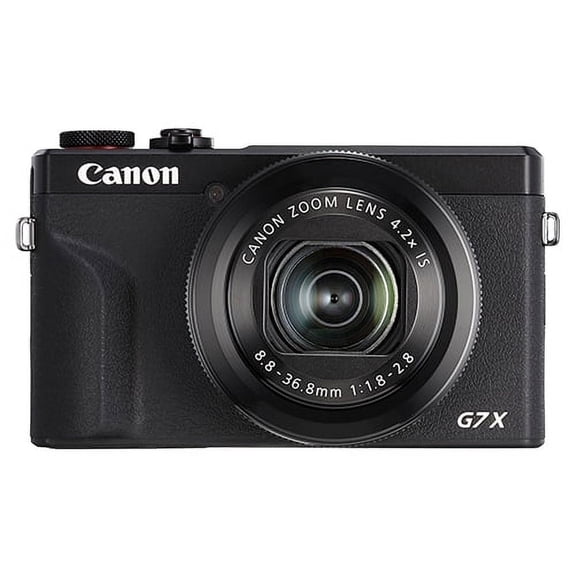











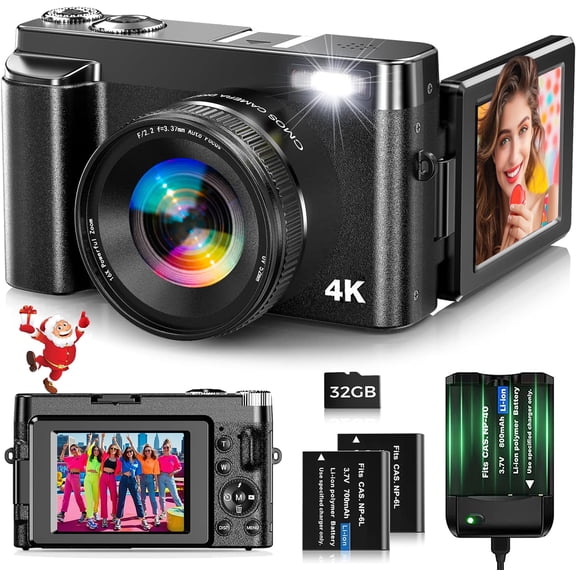


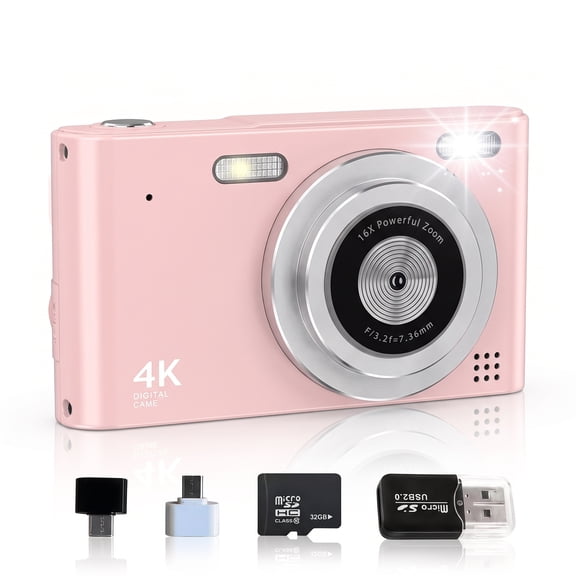
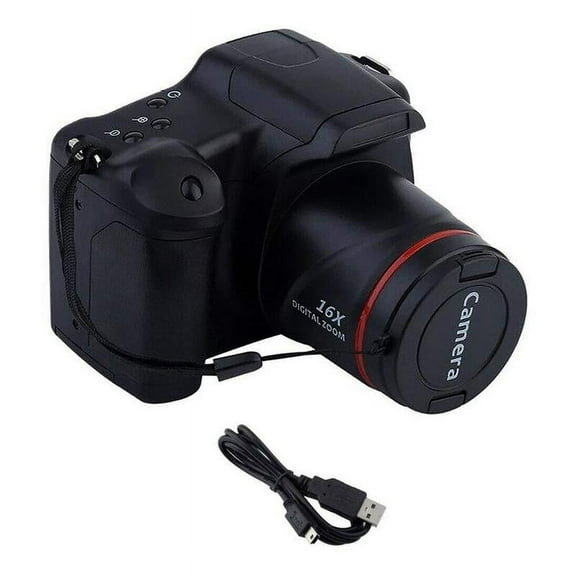

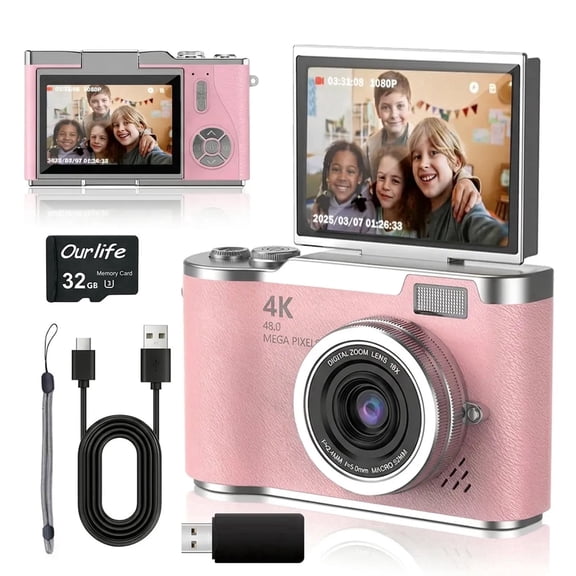


About Digital Camera - Walmart.com
Digital cameras help you capture sharper photos, cleaner video, and real optical zoom that your phone may not match. You can compare camera types, resolution, connectivity, and zoom to choose gear for trips, family events, and creative projects.
Choosing digital cameras by camera type
When you compare digital cameras, you should start with camera type because it shapes size, controls, and lens options. You can narrow your choice faster when you know whether portability or manual flexibility matters more.
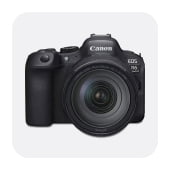
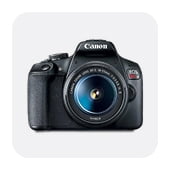
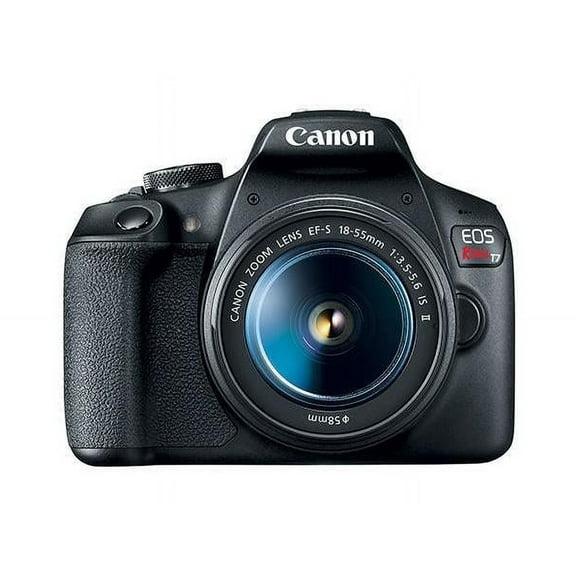
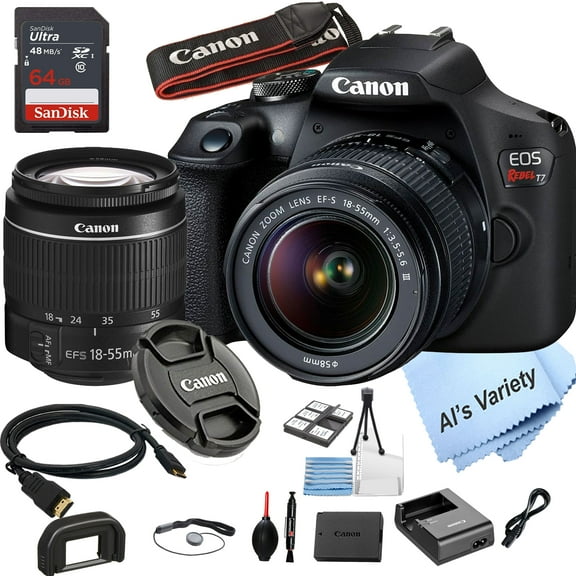
If you want lighter gear, you may prefer mirrorless cameras because you get interchangeable lenses in a more compact body. If you want a familiar grip and longer battery life, you may lean toward DSLR models.
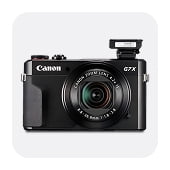
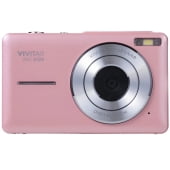
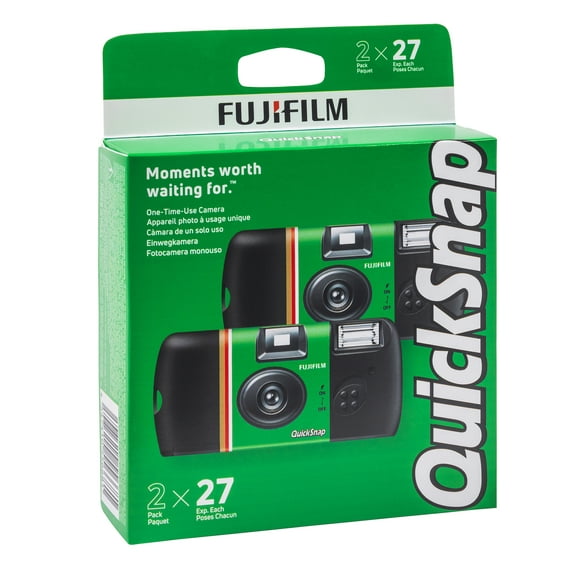
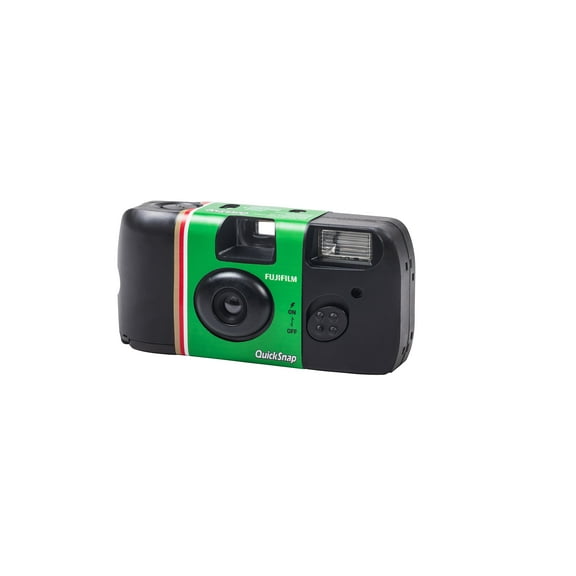
For simple everyday shooting, you may like point and shoot digital cameras because you can slip them into a bag quickly. If you want instant prints, you can also compare instant cameras for parties, scrapbooks, and casual sharing.
- You can choose mirrorless cameras when you want interchangeable lenses with a smaller camera body.
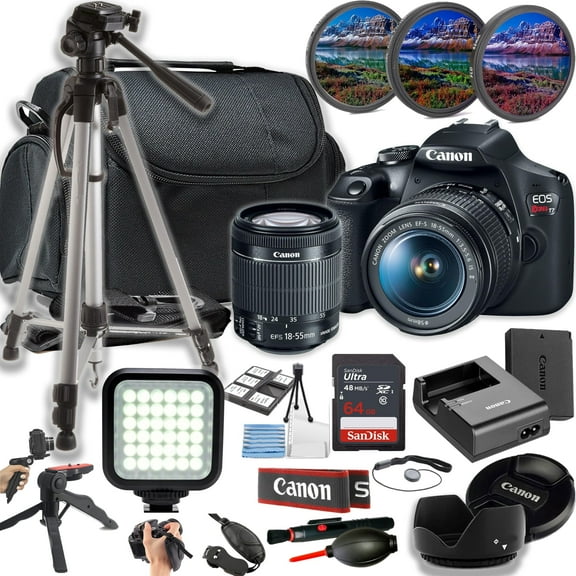
- You can choose DSLR options when you want direct controls, viewfinders, and room to grow your setup.
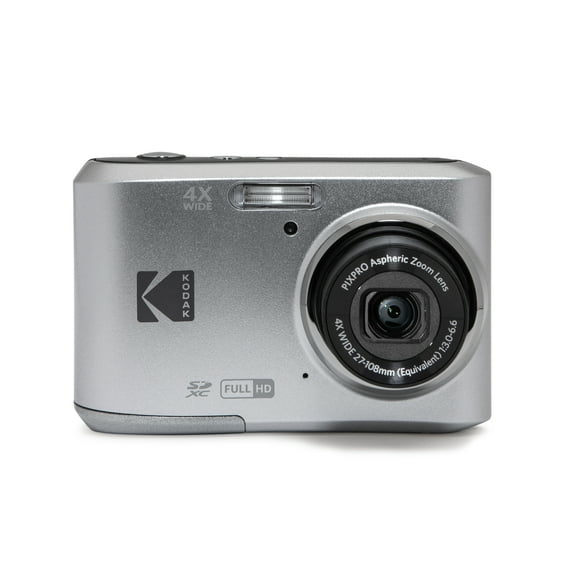
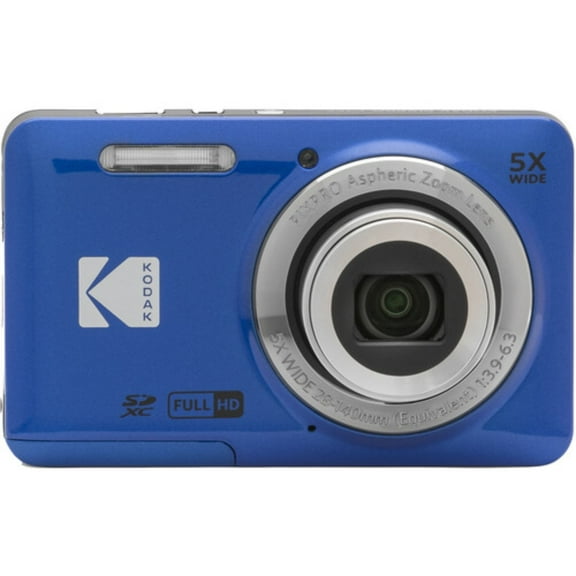
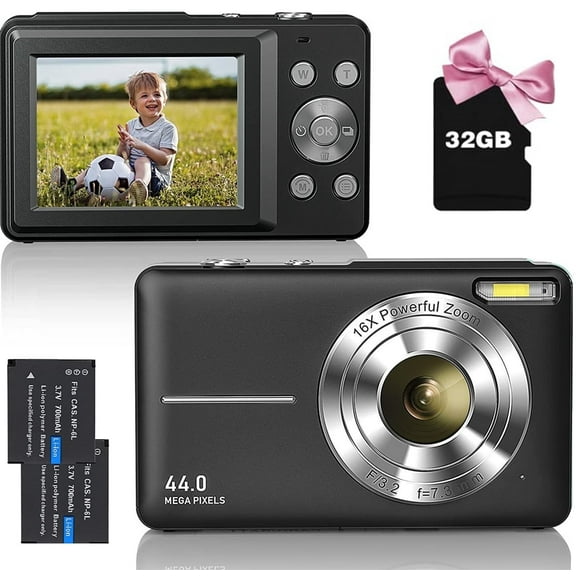
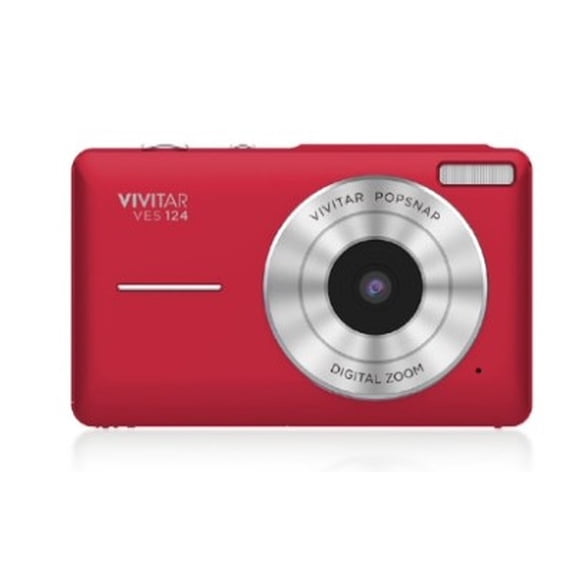
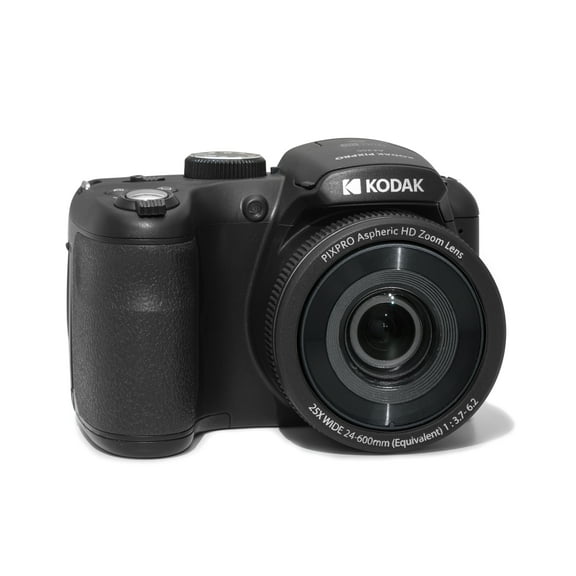
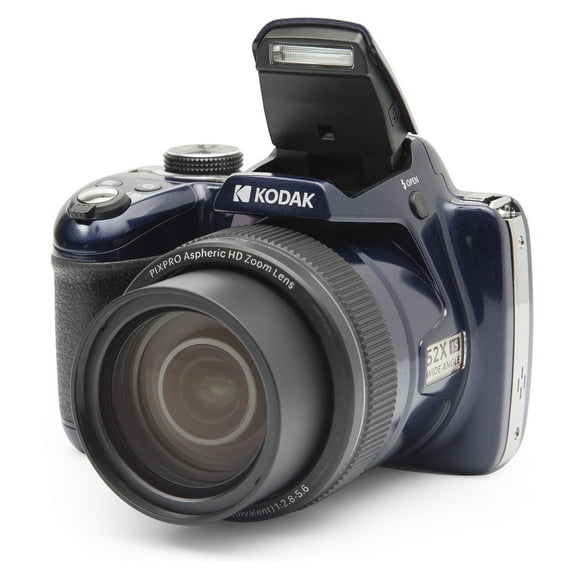
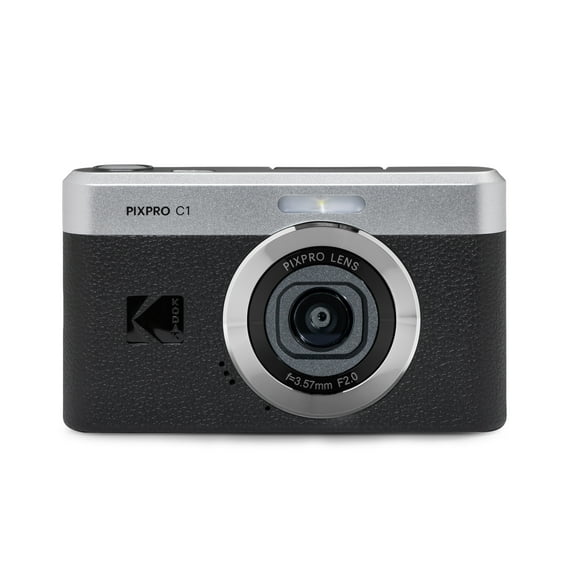
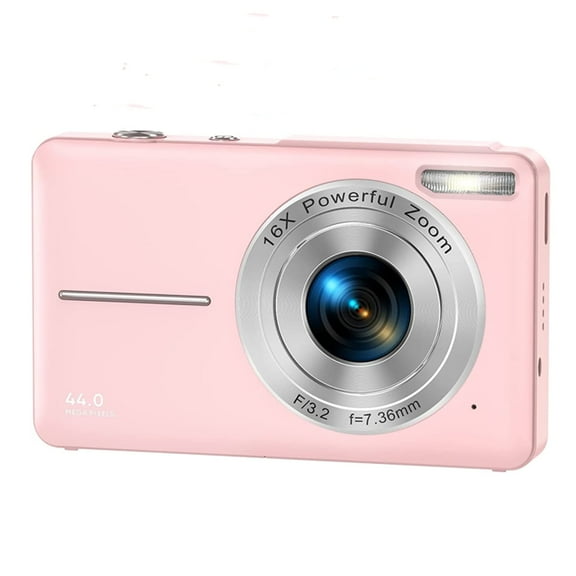
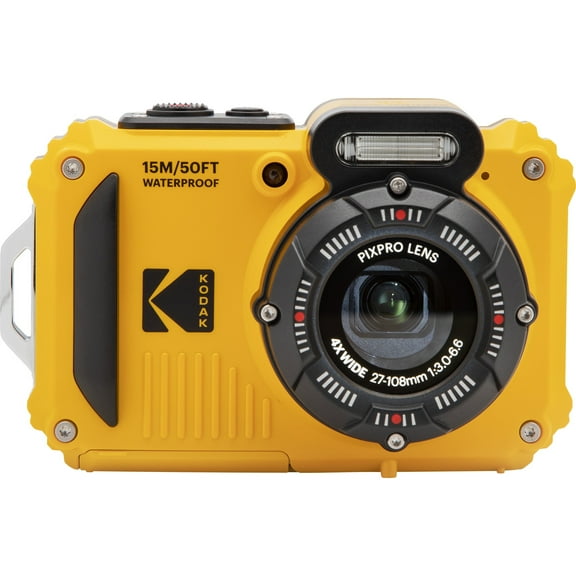
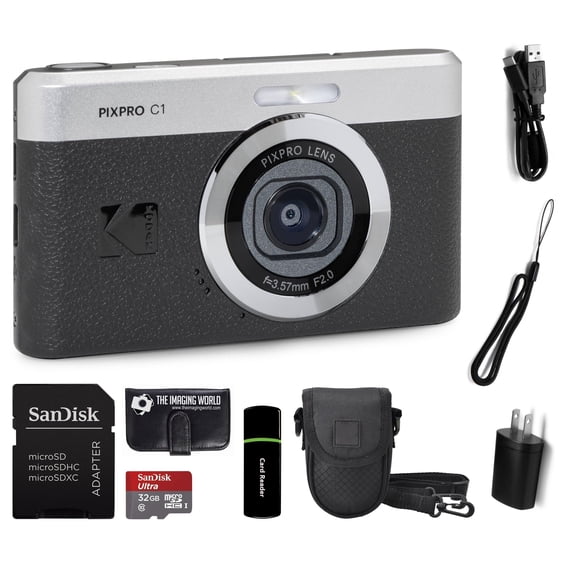
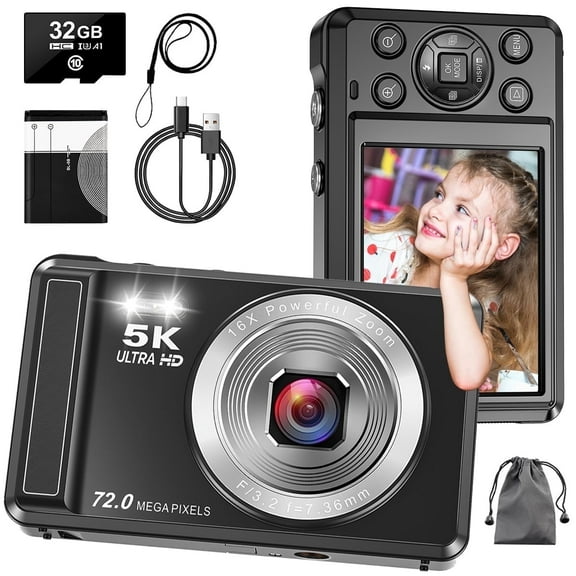
- You can choose point and shoot digital cameras when you want easy travel use and built-in zoom.
- You can choose instant models when you want physical prints right after you capture the moment.
How to compare resolution and video needs
You should check resolution early because it affects how your photos look on larger screens and how much detail you can crop. You can also match video resolution to your content plan, whether you record family clips or creator footage.
If you post online often, you may compare 1080p and 4k digital cameras based on your editing style and file size needs. You can usually get more detail from 4K, while 1080p can keep recording and sharing more manageable.
You should also compare 20MP and 24MP options if you want clearer detail in prints or tighter crops. You may not need the largest number, but you should match megapixels to how you actually shoot.
What to look for in zoom performance
You should measure zoom needs by distance because a backyard game needs something different than a vacation landmark. You can often get more useful reach from optical zoom because the lens does the work.
When you compare 3x, 10x, and 50x options, you should think about how close you need to frame your subject. You may prefer 3x for everyday snapshots, while 10x or 50x helps with travel scenes and distant action.
You should also separate optical zoom from digital zoom when you read camera details. You can usually keep more natural detail with optical zoom, which matters when your subject is far away.
Choosing connectivity for sharing and vlogging cameras
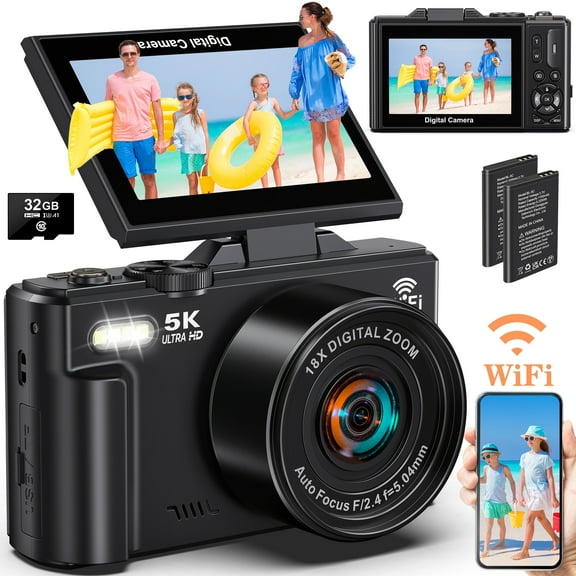
You should compare connectivity features if you want faster transfers from your camera to your phone or laptop. You can make your routine simpler when your camera supports Wi-Fi, Bluetooth, or USB-C.
If you share photos often, you may like Wi-Fi because you can move files without reaching for extra cables. If you want quick pairing, you may like Bluetooth for easier connection to your phone.
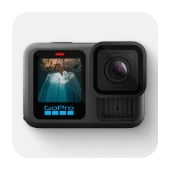
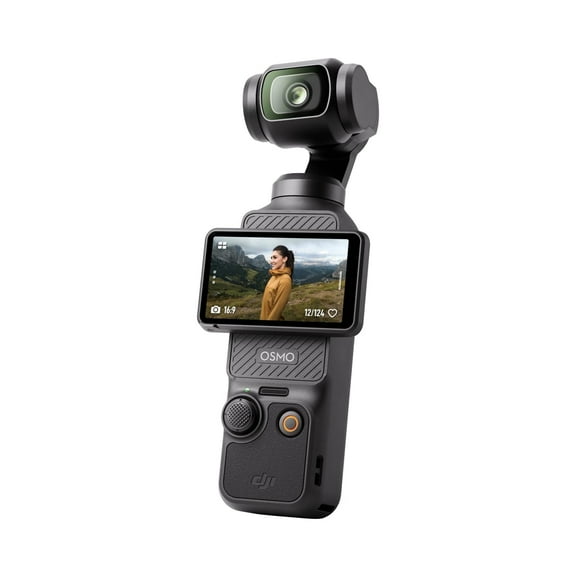
If you create content regularly, you may also look at USB-C because you can connect and charge with less hassle. You may find these features especially helpful when you compare vlogging cameras for mobile setups.
Matching digital cameras to real-life use
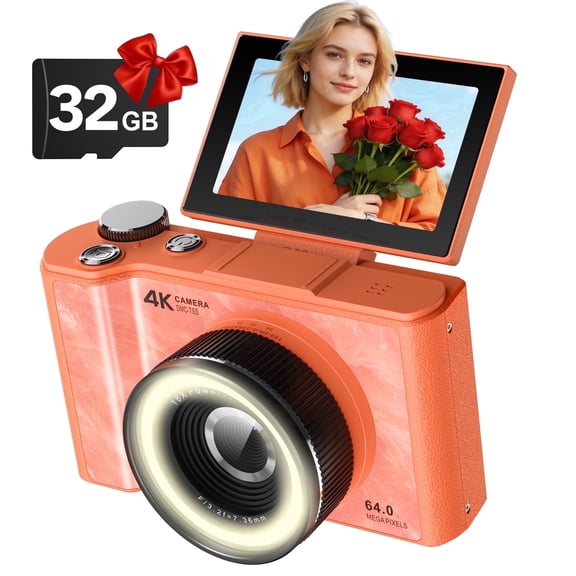
If you travel light, you may want point and shoot digital cameras with compact shapes and practical optical zoom. You can carry them easily for sightseeing, day trips, and family vacations.
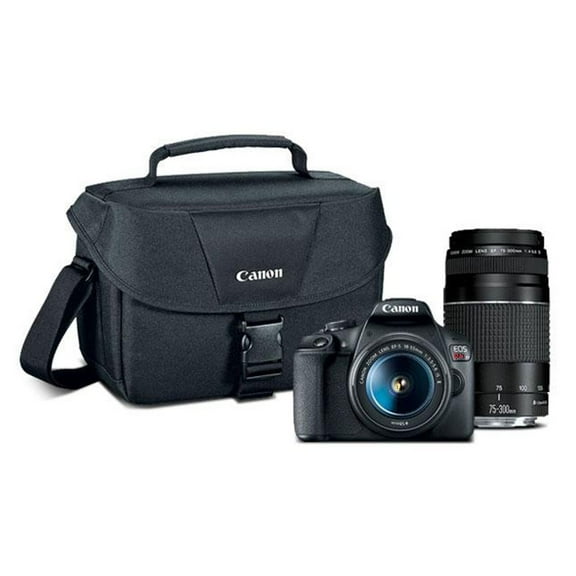
If you want room to learn manual settings, you may compare mirrorless cameras and DSLR options more closely. You can grow into lenses, exposure control, and accessory add-ons as your skills expand.
If you record talking videos, you should compare vlogging cameras with 4K recording, wireless sharing, and simple file transfers. You can move clips faster and keep your setup easier to manage.
For birthdays, school events, and everyday moments, you may prefer a camera that starts quickly and handles mixed lighting well. You can focus on the moment instead of digging through complex controls.
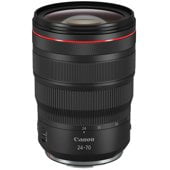
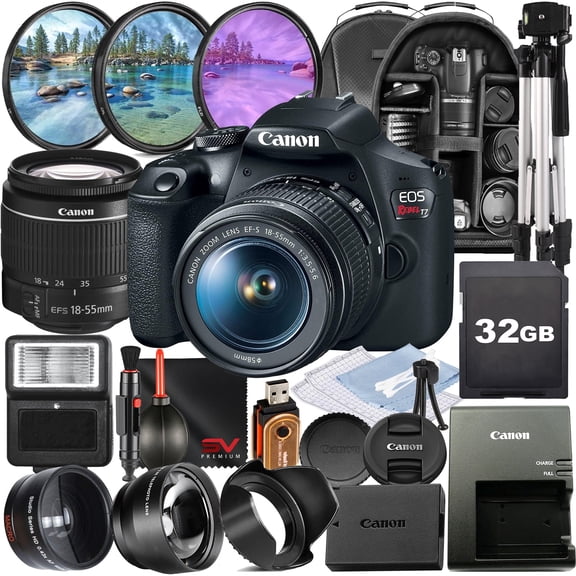
You can also build a more complete setup when you pair your camera with memory cards, tripods, camera bags, and extra lenses. You can get a smoother shooting routine and more flexibility for different scenes.
How to choose digital cameras with confidence
You can choose digital cameras more confidently when you compare camera type, resolution, connectivity, and optical zoom together. You can end up with a camera that fits your routine, captures clearer moments, and keeps sharing simple.