






Cooling in Heating, Cooling, & Air Quality(1000+)
Overall pick, Lasko 20" 3-Speed Weather-Resistant Motor Box Fan B20200, Price $23.86 Options from $23.86 – $25.97
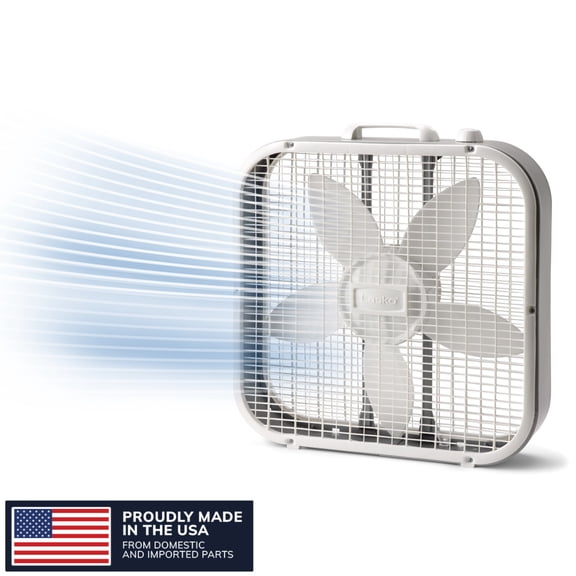


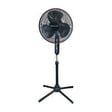
Best seller, Lasko 16" 3-Speed Oscillating, Adjustable Height, Pedestal Fan S16500, Price $31.42 Options from $31.42 – $94.26


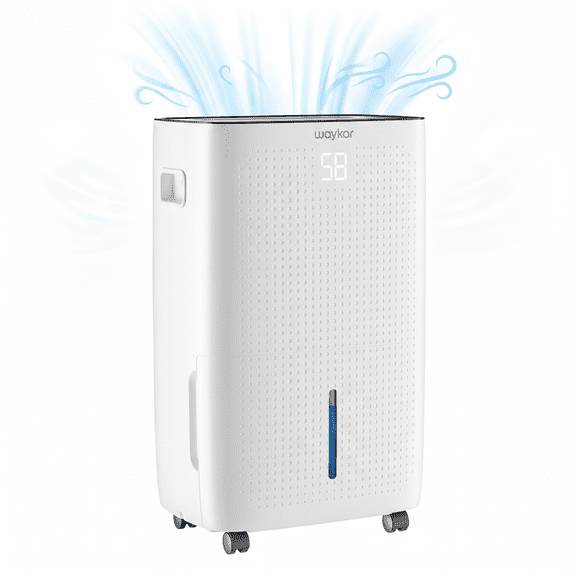
In 50+ people's carts, Waykar 80 Pint Energy Star Dehumidifier for Home & Basements, Up to 5000 Sq. Ft, DOE 25 Pint, Price Now $159.99 Was $271.98 Options from $159.99 – $259.99

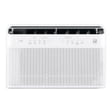
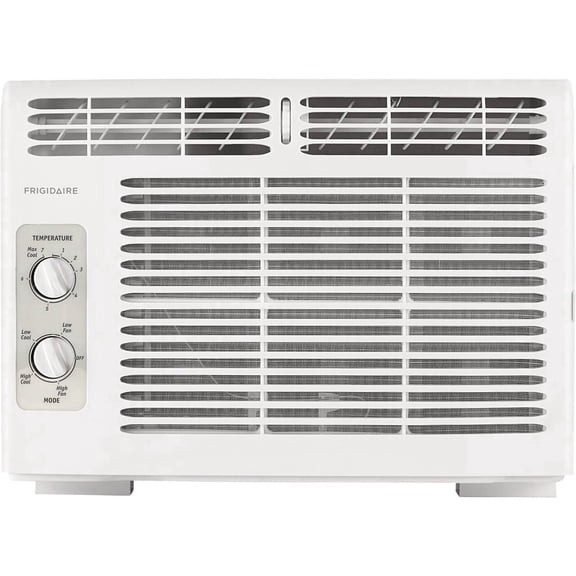
In 50+ people's carts, Frigidaire 5,000 BTU Window Air Conditioner for Small Rooms, Dial Controls, Quiet Efficient Cooling, Easy Installation, Price Now $153.00 Was $189.00 Options from $153.00 – $479.00
In 50+ people's carts, Waykar 80 Pint Energy Star Dehumidifier for Home & Basements, Up to 5000 Sq. Ft, DOE 25 Pint, Price Now $159.99 Was $271.98 Options from $159.99 – $259.99
Clearance, Waykar 150 Pint Dehumidifier with Pump, Auto Defrost for Cold Winter, 7,000 Sq. Ft. for Basement, Crawl Space, RV/Boat Winter Storage & Indoor Clothes Drying (50 Pint DOE), Price Now $219.99 Was $458.98 Options from $149.99
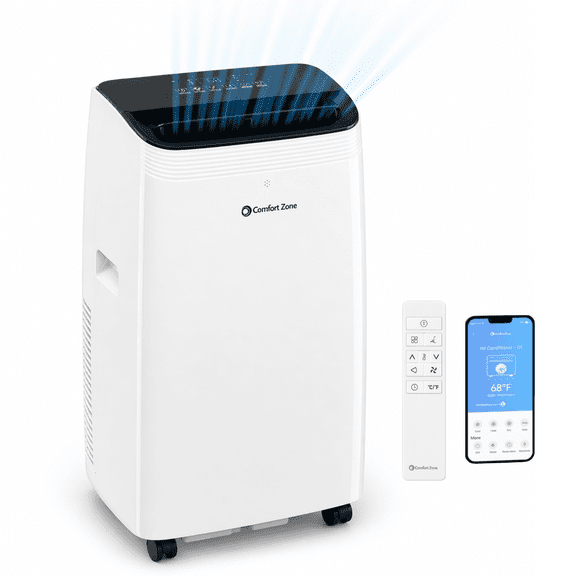
Comfort Zone Portable Air Conditioner 12,000/8,000 BTU, Heat Setting, WiFi Enabled with Remote Control and Programmable Timer, Price $399.00 Options from $269.00
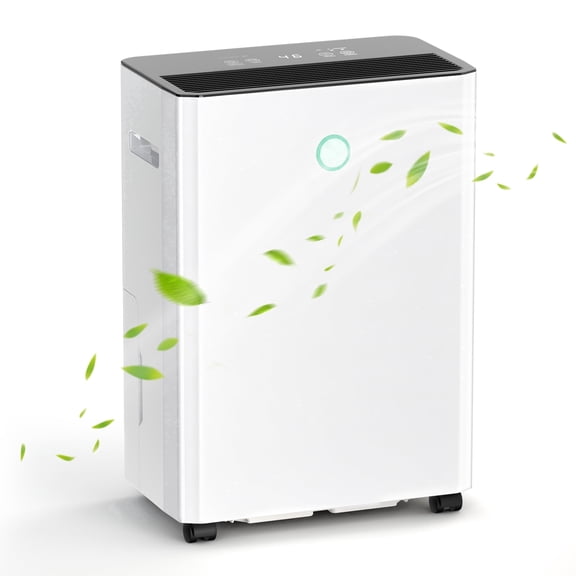
Electactic 15 Pint Dehumidifier, 3000 Sq.ft Coverage Area with Auto Defrost & Drain, 24H Timer (MAX 45Pint at 86℉, 80%RH ), Price $90.00
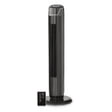
In 50+ people's carts, Mainstays 28-Inch Tower Fan with 3-Speed Settings and Oscillation, Black, MSWMT24MBV, Price $29.62 Options from $29.62 – $49.76


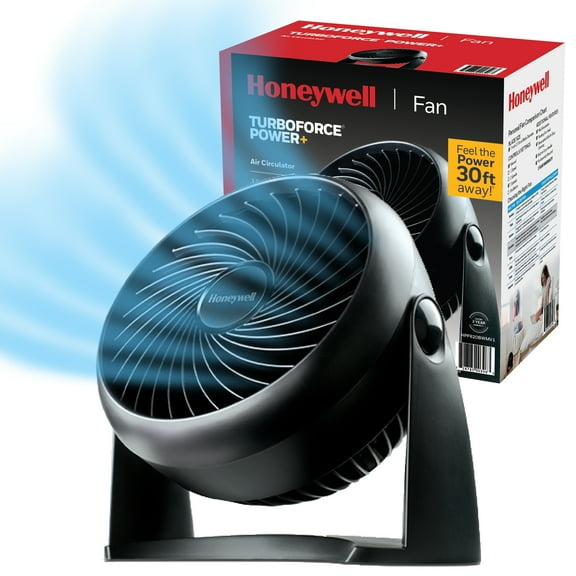
Best seller, Honeywell 10 inch Bedroom TurboForce Power Plus Black Table Fan with 30ft Air Circulation Power, Quiet Operation, 3 Speeds, and 90° Head Pivot, HPF820BWM, Price Now $19.94 Was $28.99 Options from $19.94 – $87.60


ALORAIR Commercial Dehumidifiers 113 Pint, with drain Hose for Crawl Spaces, Basements, Industry Water Damage Unit, Compact, Portable, Auto Defrost, Memory Starting, 5 Years Warranty, Price $469.98 Options from $469.98 – $502.93
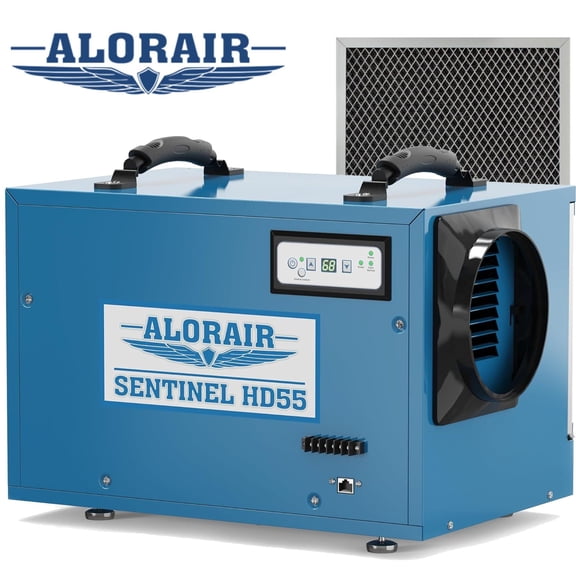
Kesnos 120 Pint Energy Star Dehumidifier for Home and Basements, DOE 35 PT up to 6000 Sq. Ft, Price $219.99 Options from $169.99
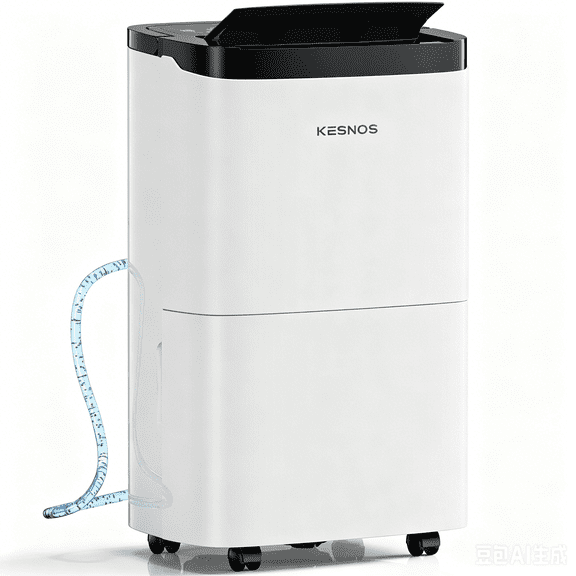
Clearance, Waykar 150 Pint Dehumidifier with Pump, Auto Defrost for Cold Winter, 7,000 Sq. Ft. for Basement, Crawl Space, RV/Boat Winter Storage & Indoor Clothes Drying (50 Pint DOE), Price Now $219.99 Was $458.98 Options from $149.99


Best seller, Midea 6,000 BTU 115V Window Air Conditioner with Comfort Sense Remote, up to 250 Sq. ft., Black, MAW06R1WBL-T, New, Price $206.00 Options from $174.00


Dextrus 12000 BTU Mini Split Air Conditioner Heat Pump System, Wifi Enabled 20 SEER2 115V Ductless AC Cool Up to 750 Sq. Ft, Compatible with Alexa, R32 Refrigerant & Installation Kit, White, Price Now $415.00 Was $450.00 Options from $349.82

Open Box Keystone 12,000 BTU (10600 BTU heating) 550 Sq. ft. Through-the-Wall Air Conditioner with Supplemental , White, KSTAT12-2HD, New, Price $399.00
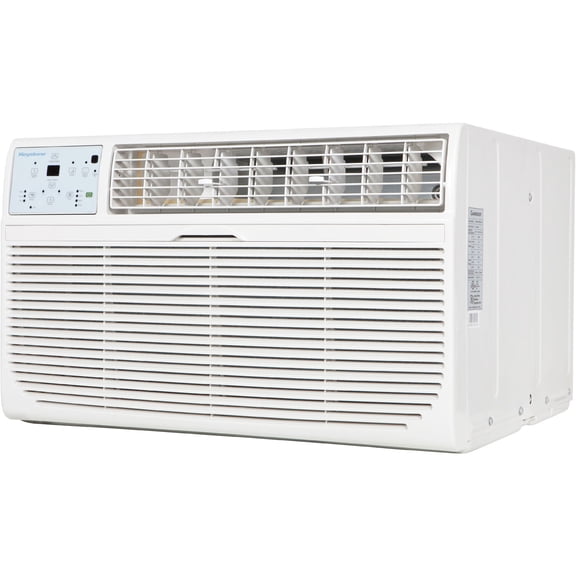
Arctic Air Ice Jet X3 Air Cooler, 3 Speed Portable Cooler with LED, Lightweight & Compact Space Cooler, Price $25.99

SHOUFTW 36 inch Tower Fan with Remote Control, Oscillating Bladeless Floor Fan, 5 Speeds and 4 Modes for Bedroom Home and Office, Black, Price Now $38.89 Was $49.99 $38.89/ca Options from $38.89 – $38.99
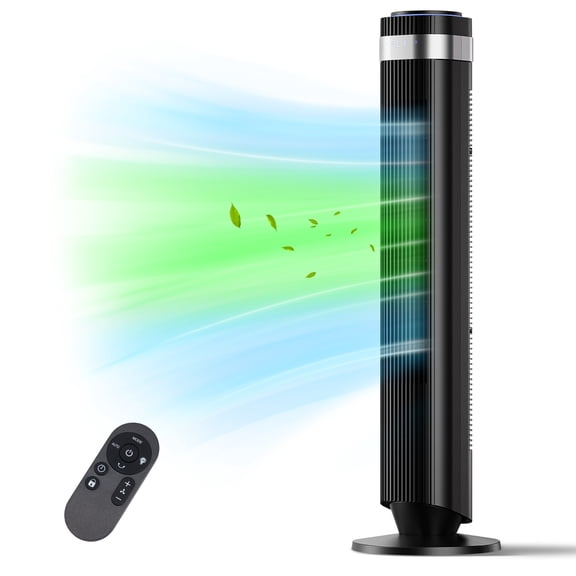


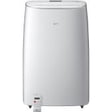
Top rated for portability, Midea 5,000 BTU Portable Air Conditioner with Remote, Up to 150 Sq ft, White, Price Now $229.99 Was $283.00

Dependable Industries Outdoor Window AC Cover Protects Window-Style Air Conditioners from Dirt & Debris, Off-Season Protection, Price $9.99
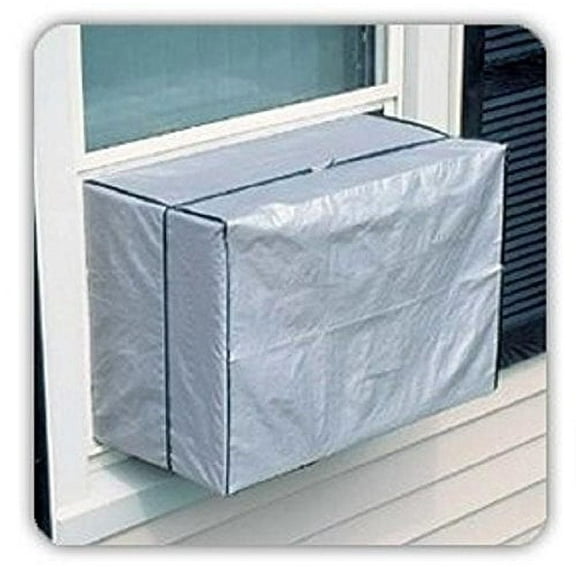
Durastar 12000 BTU 230V Window Air Conditioner with 11000 BTU Supplemental Heating and Remote Control DRWHC122XNA1, Price $569.00 Options from $459.00

12000BTU Mini Split Air Conditioner with Heat Pump,19 SEER2 115V Split ac unit with Remote AC Cool Up to 1000 Sq. Ft,Variable Frequency Cooling and Heating,R32 Refrigerant & Installation Kit, White, Price Now $459.99 Was $569.99 Options from $399.99

Arctic Air Outdoor Max Evaporative Cooler with Hydro-Chill Technology, 3,100 CFM Large Cooler with Wheels, 3 Speeds, Adjustable Front Grill, Cooling Jets, Hose Hookup, 10-Gallon Tank, Oscillating Fan, Price $399.99 Options from $29.86
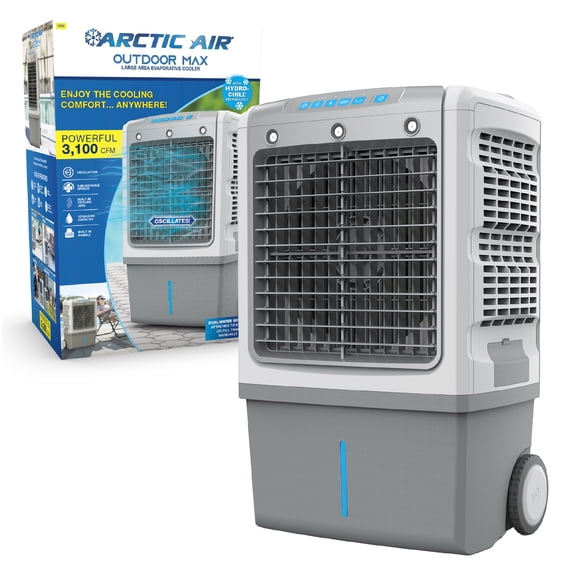


TAZTIR Evaporative Air Cooler, 3-in-1 Portable Swamp Cooler with 1.16 Gal Water Tank, 4 Ice Packs, Remote Control, 12H Timer, Quiet Cooling Fan for Bedroom, Office & Small Room, Price Now $59.99 Was $69.98

Wireless Charging Air Conditioner, 2026 New Portable Cooling Air Conditioning Fan, No Drilling Kitchen Wall Air Conditioner Fan, Ice Mist Negative Ions, for Cooling in Home, Office, and Bedroom, Price $92.73

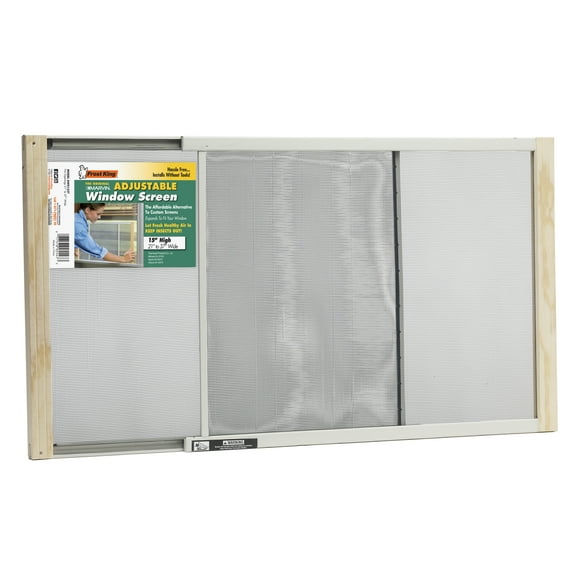
Best seller, Frost King® 15 Inches High X 21 Inches-37 Inches Wood and Steel Adjustable Window Screen, Alternative to Custon Screens, Adjusts to Fit Most Windows, Price Now $9.97 Was $11.15 Options from $9.97 – $19.94
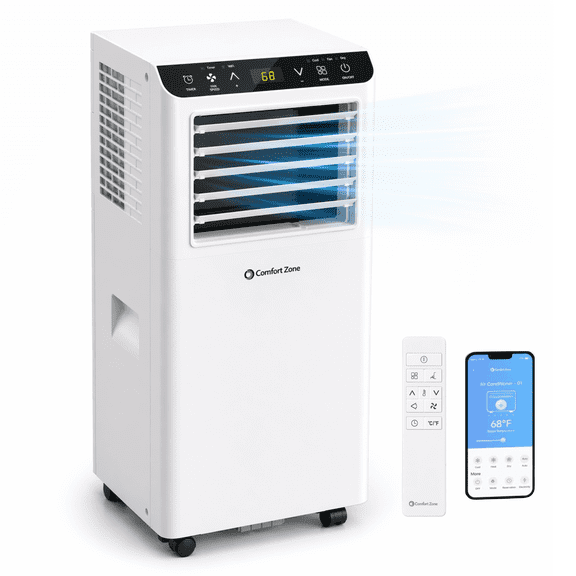
Comfort Zone Portable Air Conditioner, 8,000/5,000 BTU, WiFi Enabled with Remote Control and Programmable Timer, Price $269.00 Options from $269.00 – $402.87
Best seller, Midea 5,000 BTU 150 Sq ft Mechanical Window Air Conditioner, White, MAW05M1WWT-N, New, Price $156.00
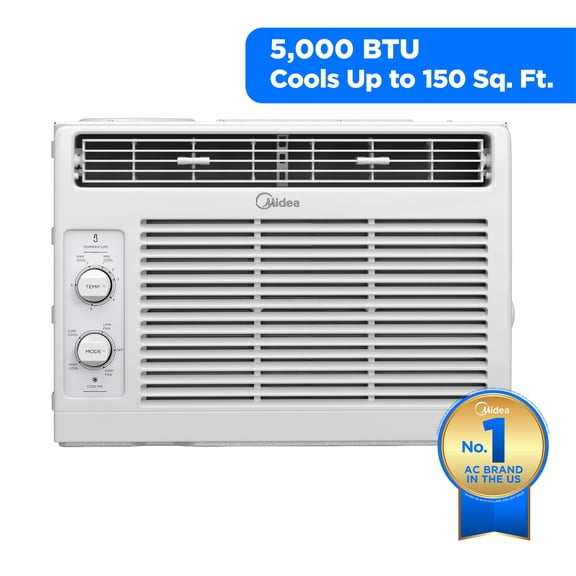


Midea 5,000 BTU Mechanical Window Air Conditioner, Covers up to 150 Sq ft, Easy Installation, MAW05M1WWT, White, New, Price $177.99

Lasko 20-In. Air Circulator, A20100, Price Now $48.98 Was $54.99

HUMSURE 80 Pint Dehumidifier for Basements & Large Rooms, International Version, Energy Efficient with Drain Hose, 5.3L Tank, Auto Defrost, Child Lock, Price Now $188.99 Was $338.98

KNKA Pro Dehumidifier for Home and Basement, MAX 34 Pints Dehumidifier with Drain Hose, Up to 2500 Sq.Ft., Smart Humidity Control, Auto Defrost, Quiet Operation, 24H Timer(Test at 95°F, 90% RH), Price Now $144.99 Was $249.99

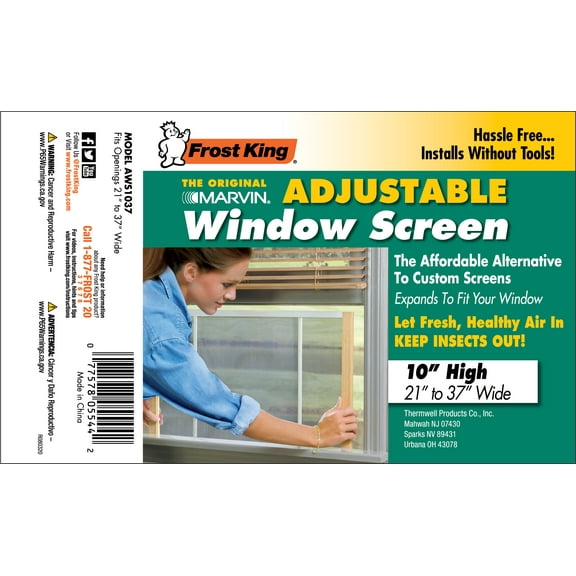
Frost King® 10 Inches High X 21 Inches-37 Inches Wood and Steel Adjustable Window Screen, Alternative to Custon Screens, Adjusts to Fit Most Windows, Price Now $8.88 Was $19.99 Options from $8.88 – $17.76
DREO 36" Tower Fan, 20dB Ultra Quiet Fans for Home, 8 Speeds & 4 Modes, 28ft/s Powerful Airflow, 90° Oscillating Standing Fan with Remote, 8H Timer, 2026 New Upgraded, Price Now $62.99 Was $99.99

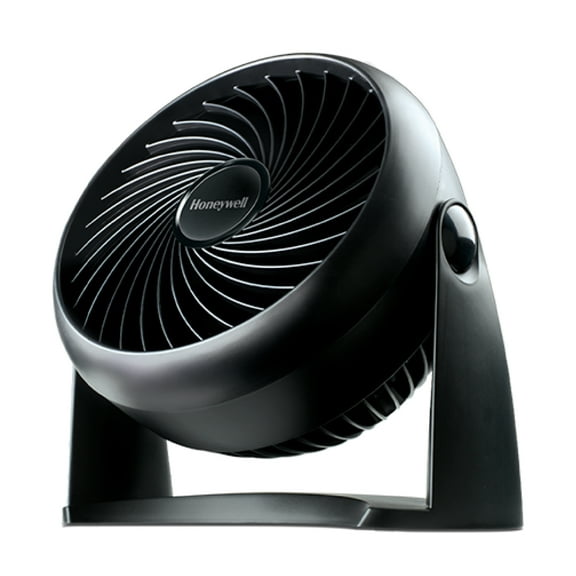
Honeywell Turbo Force Air Circulator Personal Fan, New, Black, W 8.94" x H 10.9" x L 6.3", HT900, Price $19.94
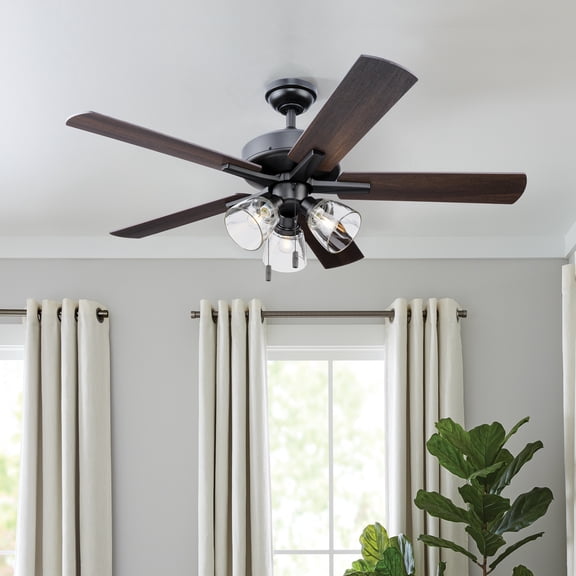
Better Homes & Gardens Bennett 52 in Bronze Ceiling Fan, 5 Reversible Blades, 3 LED Bulbs Included, Price $99.00 Options from $78.86
Arctic Air Freedom Neck Cooler, Evaporative Cooling with Ionic Purifier, 3 Speeds & USB Rechargeable Battery, Quiet & Perfect for Travel and Outdoor, White, AAFRDM-MC4, Price $28.94

Arctic Air Freedom Touch Wearable Personal Air Cooler, USB Rechargeable, 3 Speeds, Price Now $17.58 Was $29.99

Lasko Cool Colors 20" 3-Speed Weather-Resistant Motor Box Fan B20312, Price $26.38

DREO Tower Fans for Home, 32" Standing Floor Fan, 26 ft/S Bladeless Fan with Remote, 90° Oscillating, 3 Modes, 3 Speeds, LED Display, 8H Timer, 22dB Ultra Quiet Room Fan, Price Now $55.99 Was $74.94


10000mAh Portable Waist Fan Clip on Wearable Belt Personal Fan Rechargeable Battery operated With 5 Speeds & Neck Hands-Free 50H Cooling For Outdoor Camping Travel Fishing (Gray), Price Now $15.99 Was $20.99
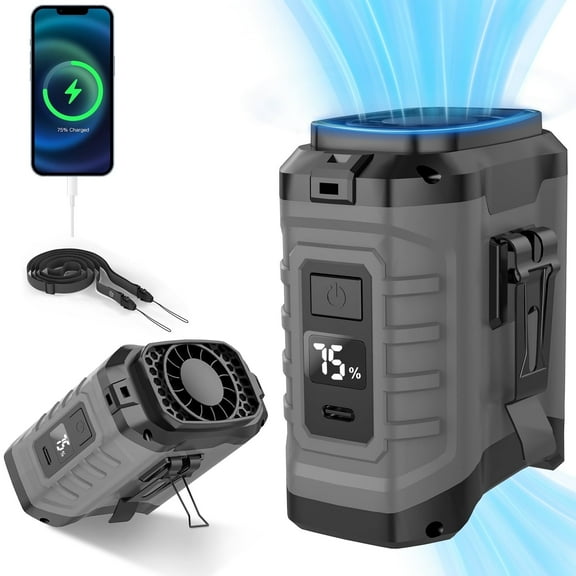


ALROCKET Portable Air Conditioners, Evaporative Air Cooler with 120Oscillating Mist Humidifier, Portable AC Unit for Bedroom Office Dorm, Price Now $39.99 Was $89.99

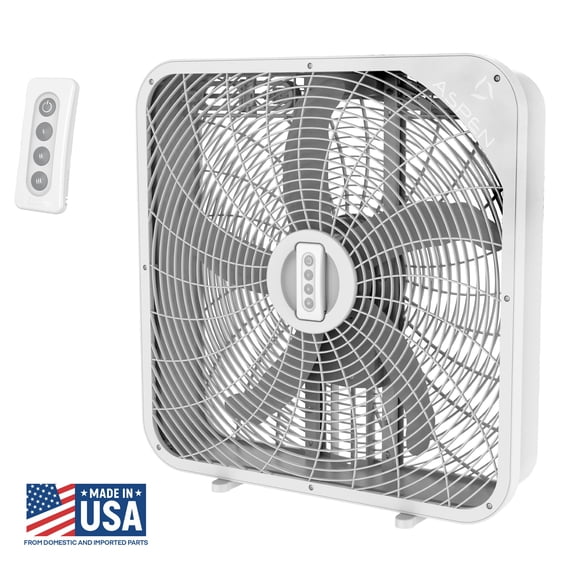
THE ASPEN 20 White Box Fan with Remote Control, 2800 Cubic Feet per Minute, Efficient Cooling, 3 Speed, AB-20US, Price $19.96
Vacmaster AM201R 3 Speed Floor Fan, 156W 550 CFM Air Mover, Utility Blower Fan, Carpet Dryer for Drying, Cooling & Circulation, Price $79.99


KNKA Pro Dehumidifier for Home and Basement, MAX 34 Pints Dehumidifier with Drain Hose, Up to 2500 Sq.Ft., Smart Humidity Control, Auto Defrost, Quiet Operation, 24H Timer(Test at 95°F, 90% RH), Price Now $144.99 Was $249.99


Arctic Air Grip Go Portable Evaporative Air Cooler, Rechargeable Cooling Fan, Clamp-on Space Cooler, Price Now $24.99 Was $29.98 Options from $24.99 – $49.98

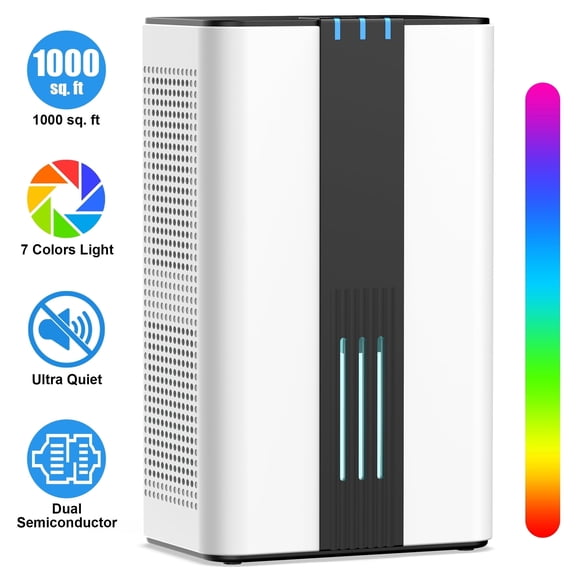
AIRFIRE Dehumidifier for Home, 1000 sq. ft Dual Semiconductor Dehumidifier with Auto Shut-Off, Ultra Quiet, 86OZ Water Tank, Portable Dehumidifier for Bedroom, Bathroom, Closet, RV, Price Now $69.89 Was $139.99
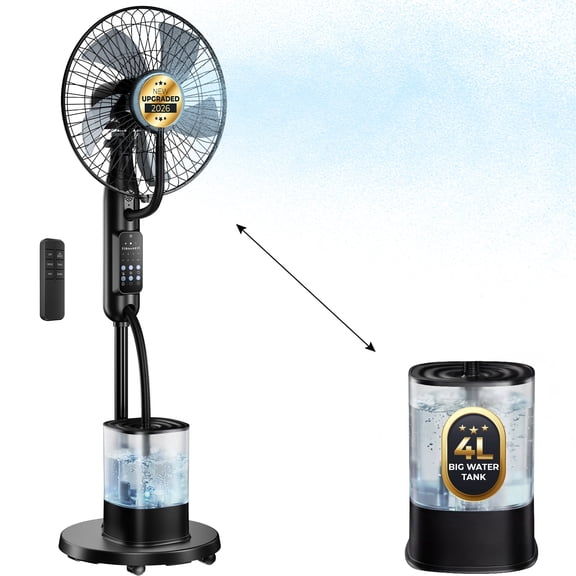
Cowin Pedestal Misting Fan, Mister Cooling Fan with 4L Large Water Tank, 5 Speeds 3 Modes Misting Standing Fan, Floor Fan with Remote for Home Bedroom Patio Outdoor, Price $79.99
About Cooling in Heating, Cooling, & Air Quality - Walmart.com
Cooling
When it comes time to beat the heat, Walmartu2019s got everything you need to stay cool and comfortable all at Every Day Low Prices.
For a quick, inexpensive cooling solution, fans are a great option. Choose between rotating pedestal or tower fans or try a box fan that fits in your window. More than one box fan will create air flow that can cool an entire floor of your home.
Walmart air conditioners will provide a cooler atmosphere than a fan. The cooling power of an air conditioner is measured in BTUu2019s, so the higher the BTUu2019s, the larger the space it will be equipped for. When shopping, you can choose between wall mounted, window units or portable air conditioners. Wall mounted and window air conditioners require some minor installation and are stationary while portable air conditioners can simply be plugged in and moved from room to room.
For a humid climate, consider a dehumidifier or an evaporative cooler. Both of these units rid your home of the water in the air creating a dryer atmosphere. An evaporative cooler, also known as a swamp cooler, takes the process one step further by cooling the evaporated water which in turn lowers the temperature of your home.
At Walmart.com, you can stay cool for less. Save money. Live better.
Popular in Cooling in Heating, Cooling, & Air Quality - Walmart.com
- Air Heating Cooling
- Clearance in Heating, Cooling & Air Quality Fan Shop
- Top Rated Products in Heating, Cooling, & Air Quality
- Portacool Cyclone
- Pilgrim Heating, Cooling & Air Quality Fan Shop
- Ac Cooling
- Honeywell Outdoor Air Cooler
- Portacool Heating, Cooling, & Air Quality
- Air Cooler Heater And Humidifier
- Honeywell Turbos
- Honeywell Indoor Portable Evaporative Air Cooler
- Reduced Price in Heating, Cooling & Air Quality Fan Shop
FAQ
What is an air conditioner and heater combo called?
Common names include "heat pump" or "mini‑split heat pump" for ductless wall‑mounted systems, and some portable units are sold as combined cooling/heating models. These products let you switch between cooling and heating in one unit.
What to expect:
- Heat pumps often provide efficient year‑round temperature control.
- Portable combo units offer flexibility but may have different performance limits than permanent systems.
- Installation needs vary—some require professional setup while others are plug‑and‑play.
Check product details on the listing for "cooling and heating" specs and consult an installer for sizing and placement.
How do I pick the right cooling type for my room?
Start by matching the cooling style to your space and needs. Measure the room square footage, note ceiling height, and consider humidity and installation limits.
- Window or portable AC: Good for single rooms and when installation options are limited.
- Evaporative coolers: Work best in dry climates and offer added humidity.
- Fans and air circulators: Boost airflow and lower perceived temperature with low energy use.
- Mini‑split systems: Better for whole‑room comfort and long‑term efficiency but may need pro installation.
Compare product specs like BTU/CFM, check noise levels, and read installation requirements on the product page before buying.
How often should I clean or replace filters?
Filter care depends on the unit and how often you run it. Regular maintenance helps airflow and indoor air quality but results can vary by product and usage.
- General guidance: Inspect portable and window AC filters every month during heavy use and clean or replace as needed.
- Evaporative paddings: Rinse seasonally and replace if worn or moldy.
- HEPA or specialty filters: Follow the product manual for replacement intervals, often every 6–12 months.
Always power off the unit before removing filters, follow the manufacturer’s cleaning steps on the product page, and keep replacement parts handy for peak seasons.
Can AC systems trigger wheezing or allergies?
Poorly maintained cooling equipment can worsen indoor irritants that may contribute to sneezing, coughing, or wheezing for sensitive people. However, individual health responses vary and medical advice should come from a healthcare professional.
- Possible contributors: Dust, pet dander, mold in filters or drip pans, and improper humidity levels.
- Mitigation tips: Clean or replace filters regularly, keep drip pans dry, consider a dehumidifier in humid climates, and run air circulation to reduce stagnant air.
If you or someone in your household has breathing issues, consult a medical professional for tailored guidance and consider professional HVAC cleaning.
Where can I find replacement parts or installation help?
Start on the product page for your unit—many listings include compatible accessories, replacement filters, window kits, and part numbers. Use the site search for "cooling parts" or the specific model number to narrow results.
- Replacement parts: Match model numbers and dimensions before purchasing to ensure compatibility.
- Installation help: Simple portable or window units can often be installed by the buyer following the manual; more complex systems like mini‑splits typically require a licensed HVAC pro.
- Safety tip: For electrical or refrigerant work, rely on qualified technicians to avoid injury or damage.
Keep your receipt and the product manual accessible when ordering parts or scheduling service.