

Computer and Technology Books Collection







![Microsoft Office 365 Non-Tech Savvy Bible: [10 in 1]: From Beginner to Pro with This Fully Illustrated Guide- Word, Exce, (Paperback)](https://i5.walmartimages.com/seo/Microsoft-Office-365-Non-Tech-Savvy-Bible-10-in-1-From-Beginner-to-Pro-with-This-Fully-Illustrated-Guide-Word-Exce-Paperback-9781915825230_4af840ed-b7c9-4f9a-8325-0c4ae2d6e4a7.fb40a0aa3deb3bce7a929dd0fbfb3829.jpeg?odnHeight=576&odnWidth=576&odnBg=FFFFFF)




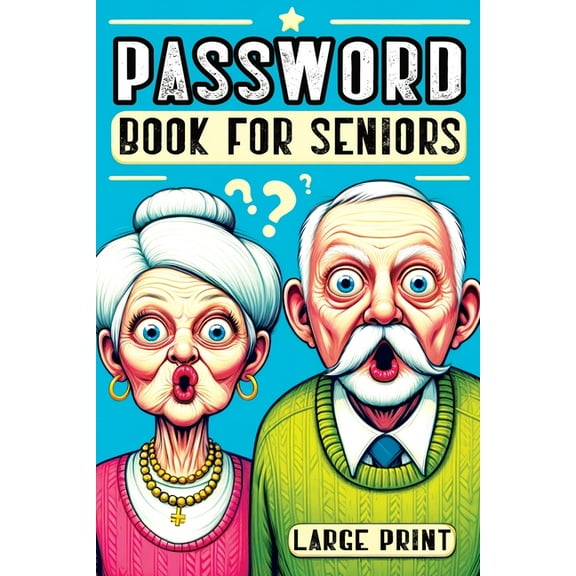
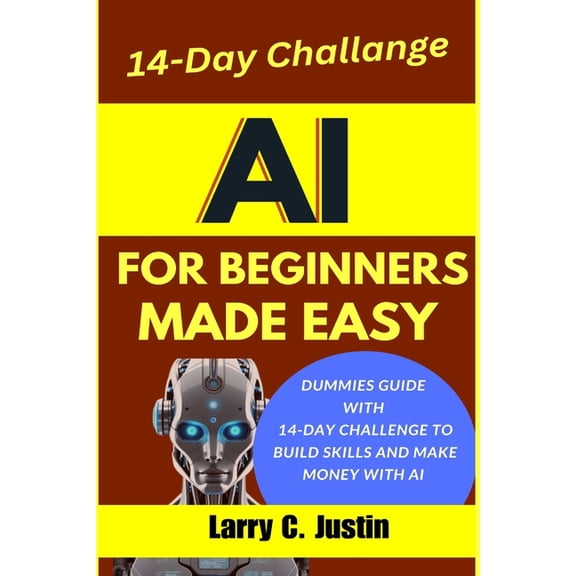

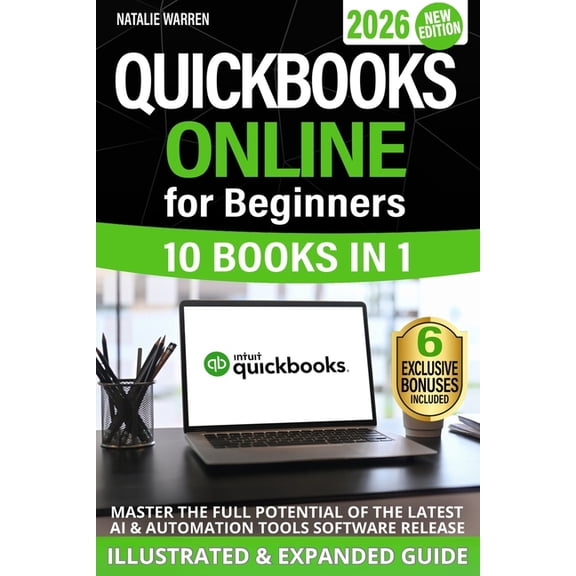
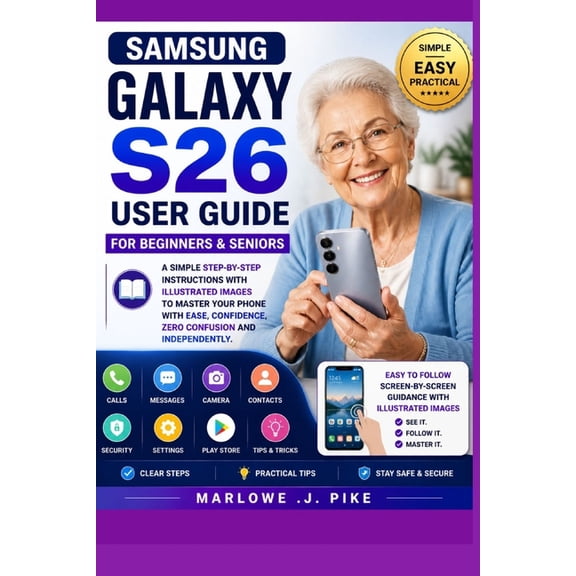




About Computer and Technology Books Collection - Walmart.com
Computers technology books help you build digital skills at your own pace. You can compare topics, formats, skill levels, and language coverage for a focused learning path.
Whether you're starting fresh or updating workplace knowledge, you need guidance that matches your experience. You can use this category to compare programming, networking, databases, cybersecurity, and artificial intelligence titles.
How to choose computers technology books
Start with the subject you plan to learn first. Your choice may focus on programming, web development, databases, cybersecurity, networking, or artificial intelligence.
Next, match the book to the outcome you want. Your goal may involve writing a first script, building a site, querying data, or understanding cloud workflows.
Consider how the book teaches the material before you decide. Your learning style may fit guided practice, chapter exercises, reference content, or detailed technical explanations.
- You can use beginner-friendly titles to build vocabulary, logic, and confidence before you move into complex coding concepts.
- You can choose project guides when you want exercises, sample code, and step-by-step practice.
- You can compare reference manuals when your work calls for syntax lookups, commands, and version-specific details.
- You can focus on subject-based titles when your role includes databases, security tools, networking, or software design.
Choosing computer programming books by skill level and language
Check whether the title matches your current experience level. Your progress often stays steady when beginner, intermediate, advanced, or professional content fits what you already know.
For a first step, coding books for beginners often explain logic, variables, loops, and small projects in plain language. You can build confidence without jumping into dense terms too early.
As your skills grow, you may want books with detailed examples and advanced exercises. Your next pick may cover software engineering books, testing practices, design patterns, or framework-focused learning.
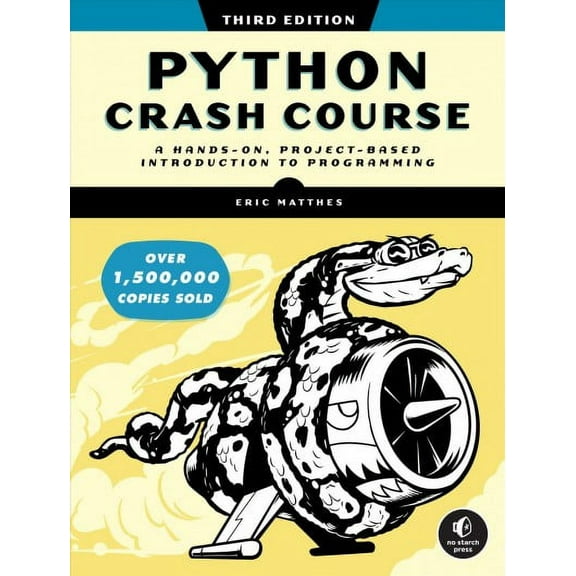
Compare the exact language or platform before you commit. Your work may depend on Python, Java, JavaScript, C++, SQL, or AWS, and version details can matter.
Look for language version and framework compatibility notes when they apply. Your chosen guide should reflect the tools, libraries, and workflows you use right now.
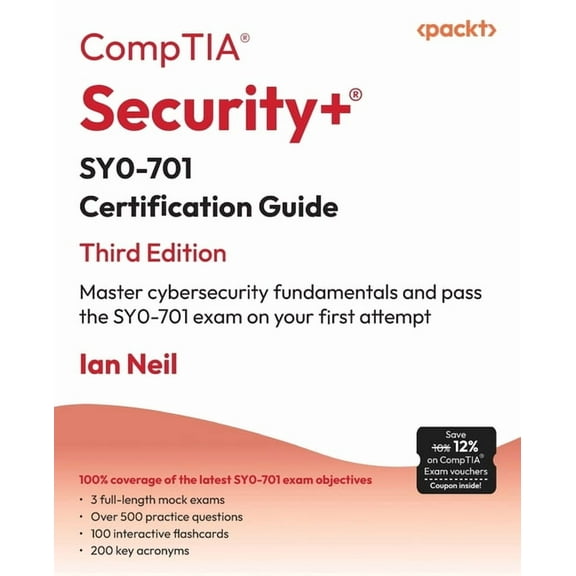
Some readers need theory, while others need hands-on projects. Your choice may include quick-start tutorials, certification guides, interview prep, or in-depth manuals.
Choosing format, examples, and learning style
Think about where and how you'll read before selecting a format. Your routine may fit paperback for portability, hardcover for desk use, digital editions for search, or spiral-bound for open-flat reading.
During commutes or short breaks, digital options can keep material close. You can search terms quickly and move between chapters when you need a fast refresher.
Print formats may suit your workflow well if you annotate often. Your notes, tabs, and highlights can make technical chapters simple to revisit during future projects.
Check whether the book includes practical code examples and exercises. Your learning often sticks when each concept connects to a prompt, challenge, or full walkthrough.
You may also compare theoretical textbooks with hands-on project guides. Your preference may depend on whether you want to study architecture, build an app, or review exam topics.
Many information technology books explain systems, infrastructure, and administration in clear steps. Some tech books also organize commands, screenshots, and workflows for quick reference.
Choosing combinations for real learning goals
Match topic, skill level, format, and language to the task in front of you. Your needs may shift from first lessons to portfolio projects, team workflows, or certification preparation.
If you're teaching yourself, a beginner paperback with short exercises may feel approachable. You can then move into language-specific projects and software engineering books with broader concepts.
If your focus is web development, compare JavaScript guides with books on databases and backend services. Your learning path can connect front-end basics, APIs, SQL queries, and deployment concepts.
When your role touches operations or support, information technology books can clarify networking, cloud platforms, and system organization. Your reading may also include cybersecurity topics, access controls, and infrastructure basics.
For desk reference use, a hardcover or spiral-bound manual may stay open more easily during study sessions. You can keep commands, examples, and setup notes visible while you work.
If you need language-specific help, compare titles by version coverage and framework fit. Your selected resource should match the codebase, class syllabus, or platform you use every day.
With computers technology books that match your subject, level, format, and examples, your learning path stays organized. You get a clear route from first chapter to practical application.