

Common Nails for Home Improvement Projects



















About Common Nails for Home Improvement Projects - Walmart.com
Hardware nails give you a dependable fastener for framing, general construction, and wood repairs that need strong holding power and straightforward installation. Common nails stand out for their thick shank, flat head, and versatile design. That combination fits jobs where pull-through resistance matters.
You’ll see them used in wall framing, subfloors, roof decking, and utility builds. They support wood-to-wood fastening where visible heads and solid grip make sense. That practical design helps you move through rough carpentry with fewer fastener changes.
Hardware nails for everyday building tasks
When you compare common nails, the main advantage is simple. They support structural wood connections and general jobsite use. Their larger head is easier to strike cleanly with a hammer.
That broad head also helps keep boards secured where wider contact matters. You can use these hardware nails across many wood projects. They fit new construction, shed builds, fence repairs, and workshop tasks.
That flexibility makes a pack of nails useful to keep on hand. You can move from rough framing to quick fixes without changing fastener types. This category works especially well for dimensional lumber and other standard building materials.
- Thick shanks support strong fastening in dimensional lumber.
- Flat heads give a broad striking surface and visible hold.
- Multiple lengths help match sheathing, framing, and repair tasks.
- Bright and galvanized finishes fit indoor and exposed applications.
Common nails also help when speed matters. Their familiar shape feels consistent during repetitive hammering. That makes them practical for experienced builders and weekend DIY projects.
If you’re stocking a garage or job box, nails hardware like this covers many routine needs. You can keep several sizes nearby for changing board thicknesses. That setup supports smoother project planning from the first strike.
Choosing common nails by size and finish
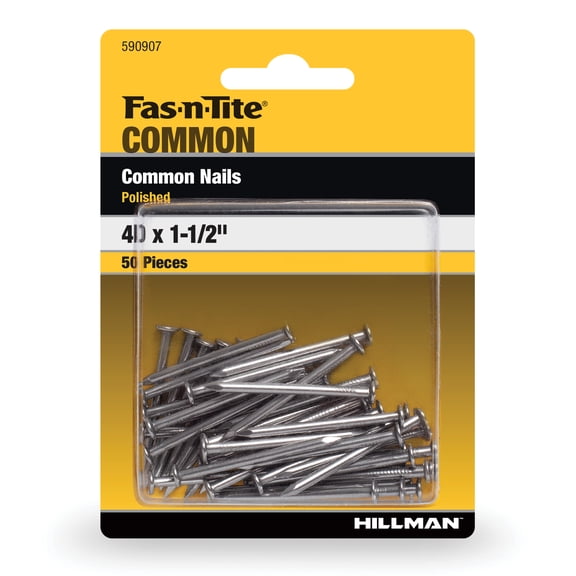
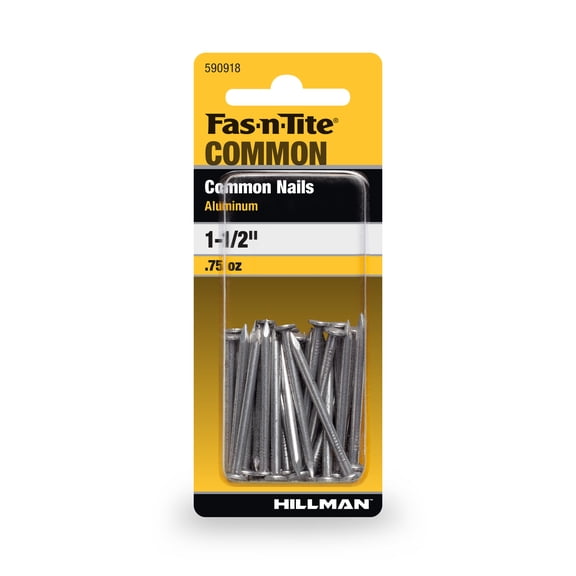
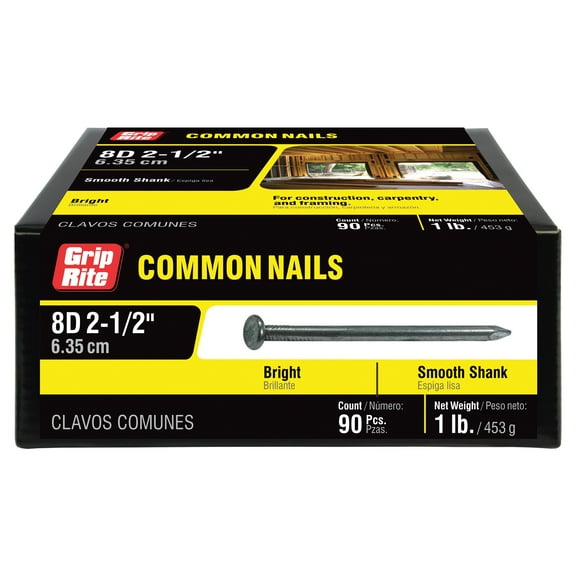
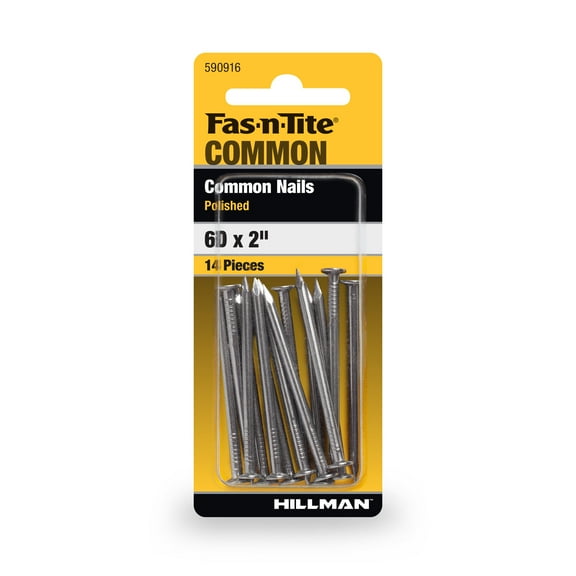
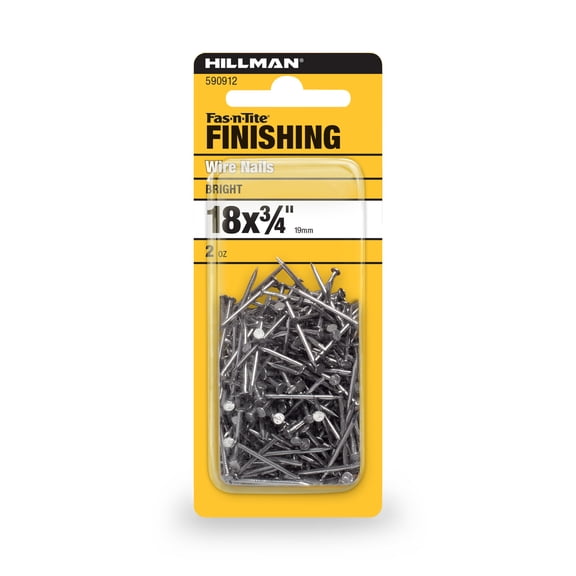
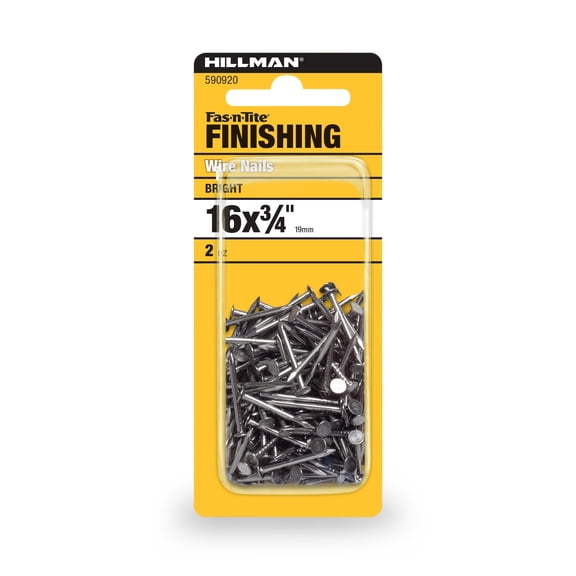
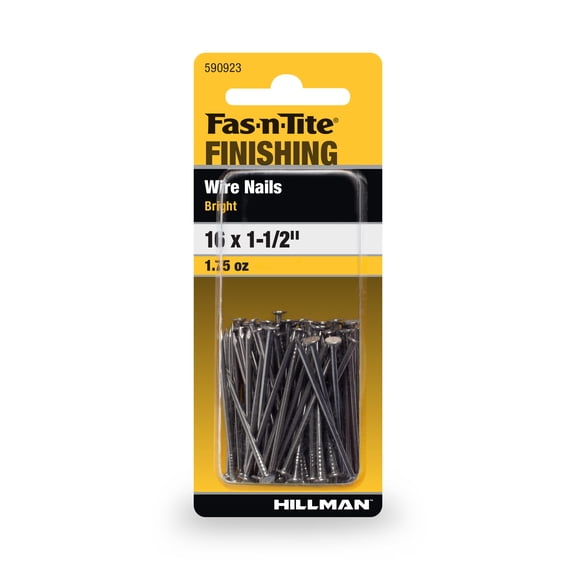
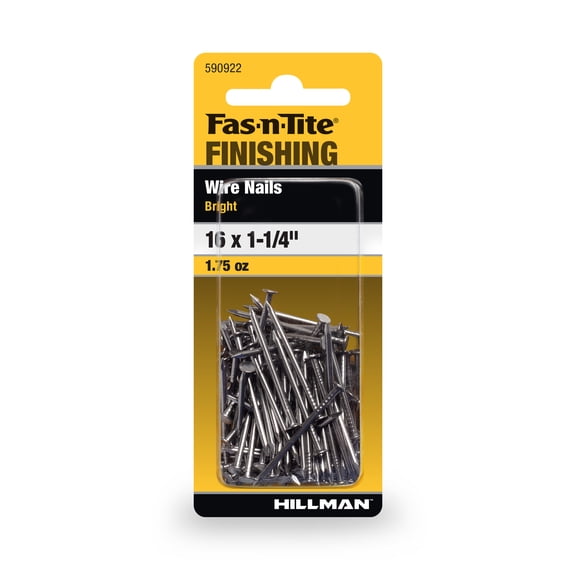
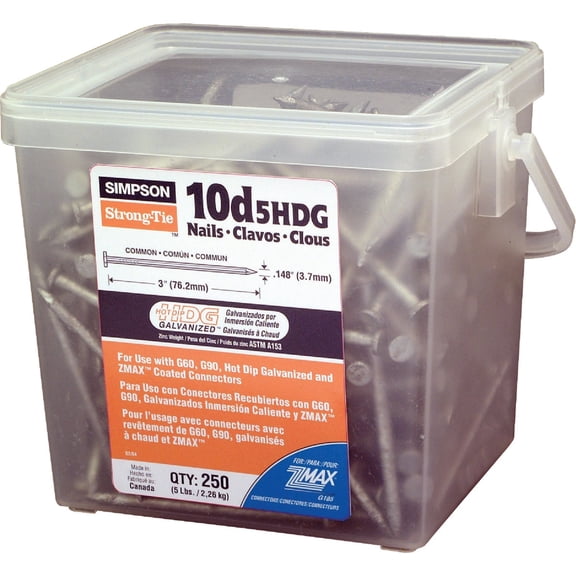
Size is one of the biggest buying factors. Shoppers usually compare common nails by penny size, length, and count. Longer nails usually suit thicker lumber and framing assemblies.
Shorter options fit lighter fastening jobs and smaller wood pieces. Package count also shapes how you buy. A smaller pack of nails suits quick repairs or one household project.
Larger counts fit framing runs, repeated installations, or workshop restocking. If you’re planning several phases of work, buying by count keeps materials organized. It also helps reduce mid-project interruptions.
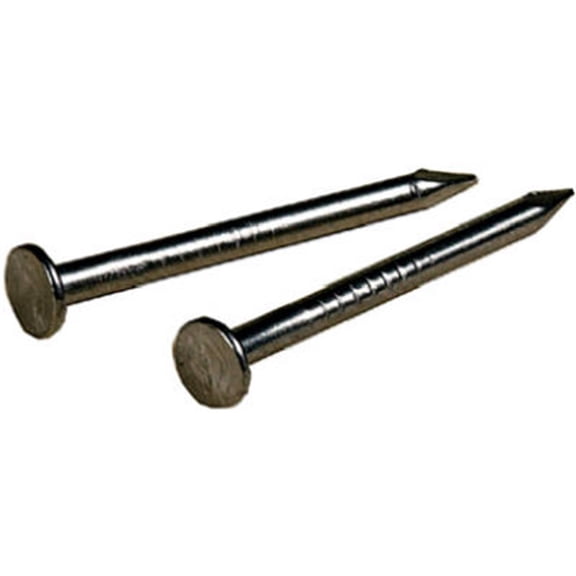
The shank matters too. Common nails use a thicker shank than box nails, which helps with sturdy wood fastening. That distinction matters in framing and subfloor work.
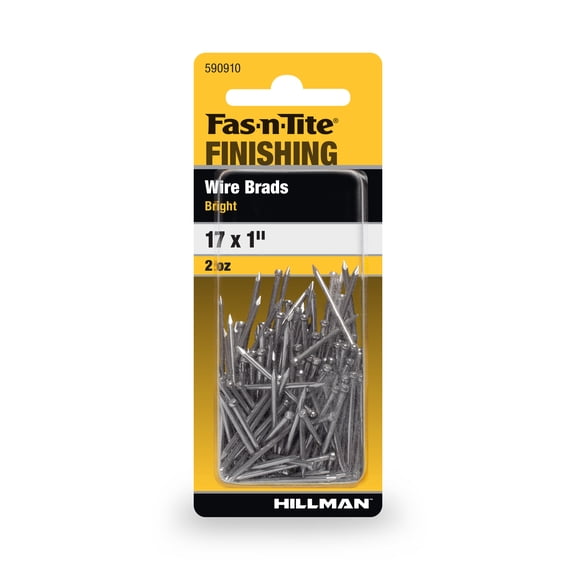
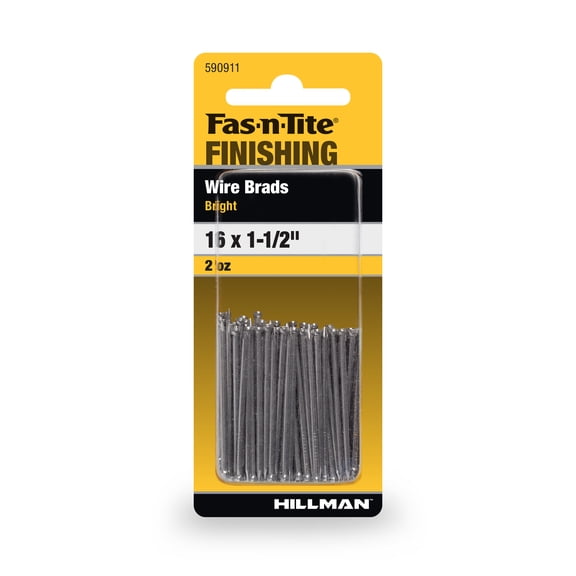
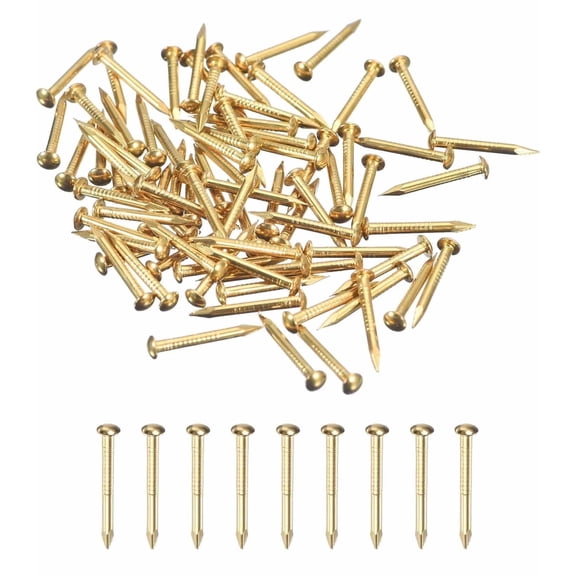
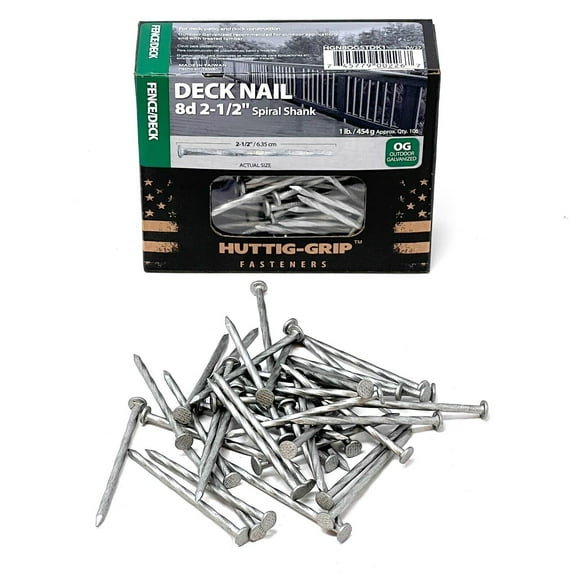
Finish affects where you use them. Bright steel nails commonly fit interior construction and dry spaces. Galvanized options add a protective coating for outdoor projects or damp settings.
Matching finish to the setting helps narrow the right fastener. That step becomes important for fences, utility structures, and exterior wood repairs. It also helps separate common nails from finishing nails, which target a different look.
Where hardware nails fit in your project plan
Common nails work for jobs where visible heads and solid holding strength matter. They’re a standard choice for wall studs, plates, braces, and other rough carpentry connections. This makes them very different from finishing nails.
Finishing nails focus on a smaller head and a less visible result. Common nails focus on utility, grip, and broad contact. That difference matters when you choose fasteners for structural wood connections.
They also differ from roofing nails and masonry fasteners. Common nails focus on wood-to-wood fastening in construction settings. If you’re building a workbench, assembling crates, or repairing a wood gate, this category fits.
The shape and gauge support utility instead of concealment. For DIY use, common nails work well in basement shelving and garage storage builds. They also fit backyard structures and general wood assembly.
Keeping several sizes nearby helps when material thickness changes from one step to the next. On larger projects, choosing the right length reduces guesswork. A nail that fits the lumber gives you a steadier connection.
Checking size, finish, and count together helps narrow the right common nails for your materials. That process also supports cleaner planning for framing lumber, hammers, and wood glue. It’s a practical way to build a more complete project list.
What experienced buyers look for in hardware nails
Experienced shoppers usually start with material thickness and exposure conditions. Then they compare head style, shank thickness, and package count. That process keeps the fastener aligned with the project.
It also prevents choosing by count alone. Another smart check is the application type. For indoor framing or wood blocking, bright common nails often fit the task well.
For exterior utility projects, many shoppers choose galvanized versions. That includes fencing, outdoor shelving, and exposed wood builds. These category details wouldn’t fit trim work or finish carpentry.
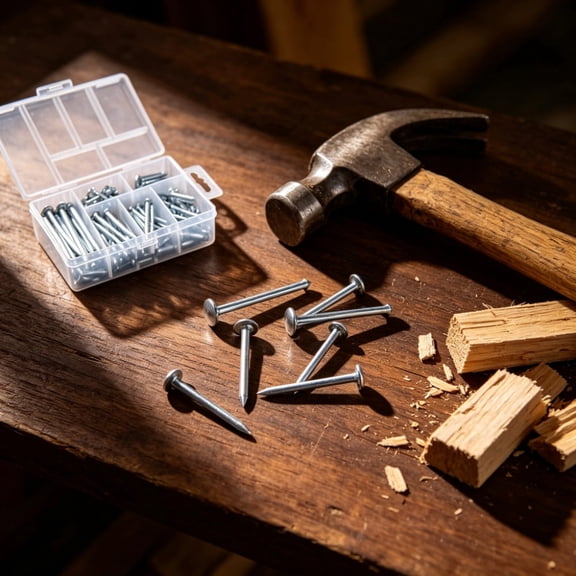
It also helps to think about the tools and materials around the fastener. Common nails pair naturally with hammers, framing lumber, and wood glue in many repair setups. That combination supports quick, practical wood assembly.
Whether you’re replacing loose boards or starting a new build, this category supports dependable wood fastening with familiar performance. The right common nails help each connection feel steady, straightforward, and ready for rough carpentry use.