


Find auto parts that fit
Let’s search for parts that fit your vehicle.Clutches & Components in Transmission & Driveline

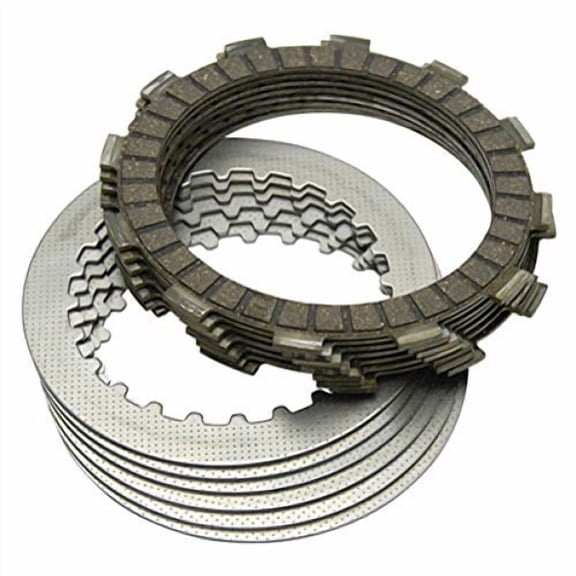


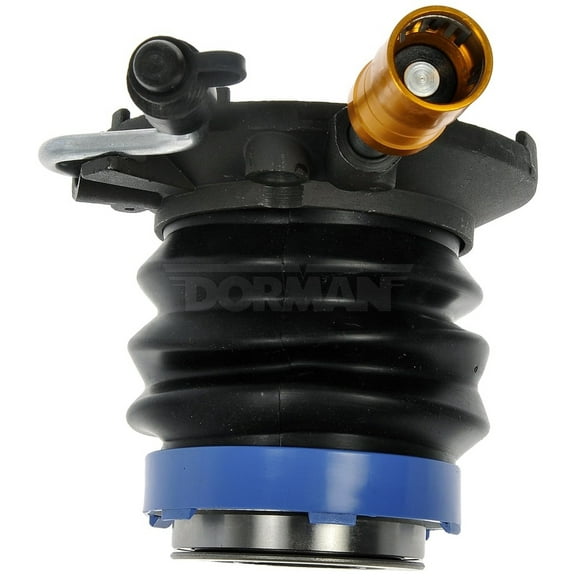
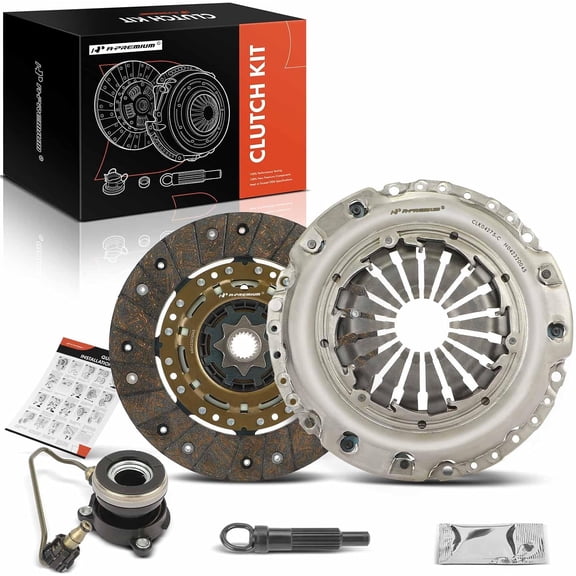


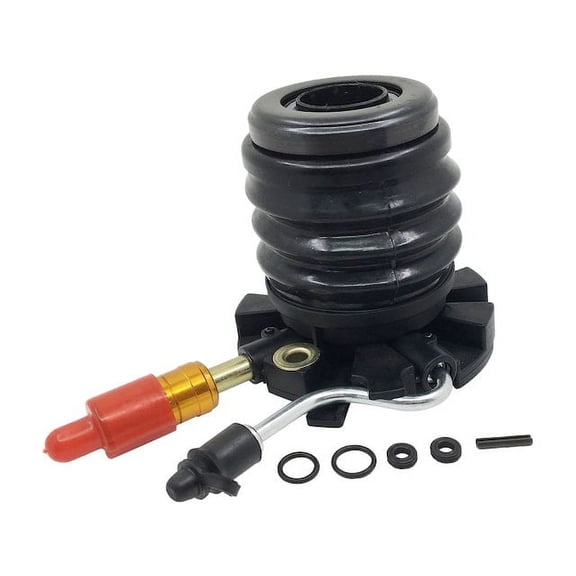

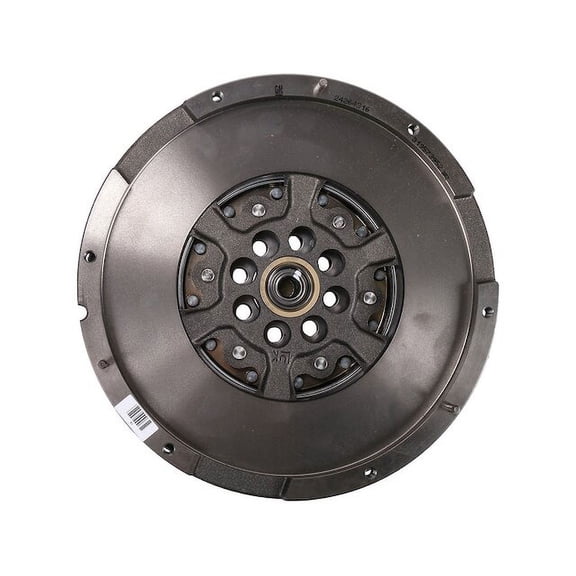


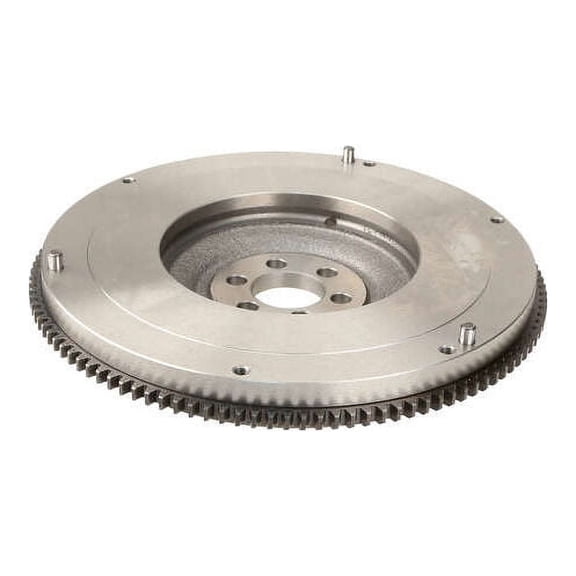
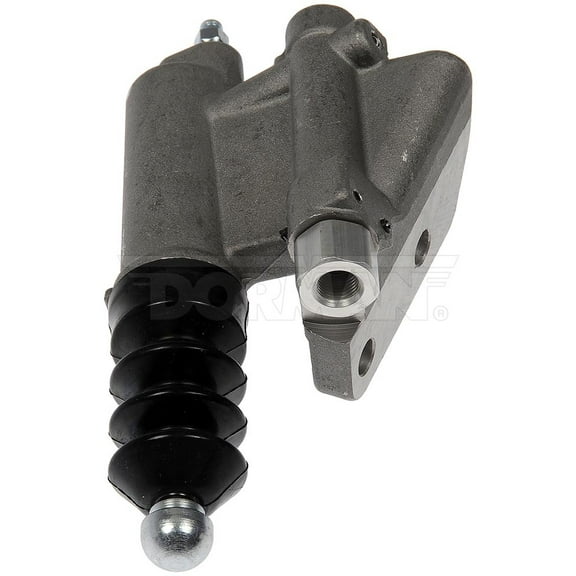
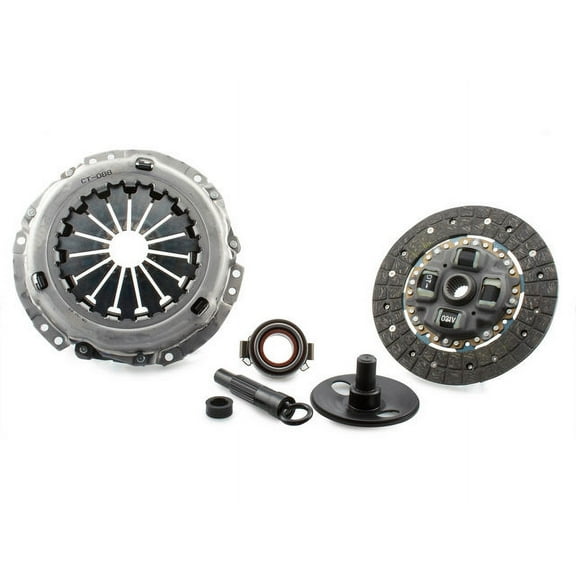










About Clutches & Components in Transmission & Driveline - Walmart.com
Transmission clutches help you restore smooth shifting, reliable engagement, and vehicle-specific fit when your drivetrain needs replacement parts. You can use this guide to compare fitment, friction material, kit contents, and performance tiers before you choose.
How to choose transmission clutches for your vehicle
Vehicle fitment should lead your decision because your clutch must match your year, make, model, engine, and spline count. You should also check whether you need a direct OE replacement or a universal-fit part.
If you drive a daily commuter, you may want a factory-style setup that keeps pedal feel familiar. If you tow, race, or drive off-road, you may need a setup built for higher torque loads.
When you compare options, you can narrow your search faster by focusing on these decision points. You should look for fitment details, friction type, included parts, and intended driving use.
- You can match your year, make, and model for a cleaner fitment search.
- You can choose friction materials based on smooth engagement or heat tolerance.
- You can compare full kits with individual replacement parts for your repair plan.
- You can select stock, street, heavy-duty, or track-focused performance tiers.
Choosing fitment and kit contents
Year, make, and model specific parts help you reduce guesswork during installation. You should also confirm engine displacement and transmission spline count before you place an order.
Direct OE replacement options make sense when you want factory-style operation and straightforward compatibility. Universal-fit parts may work for custom projects, but you should measure carefully before choosing them.
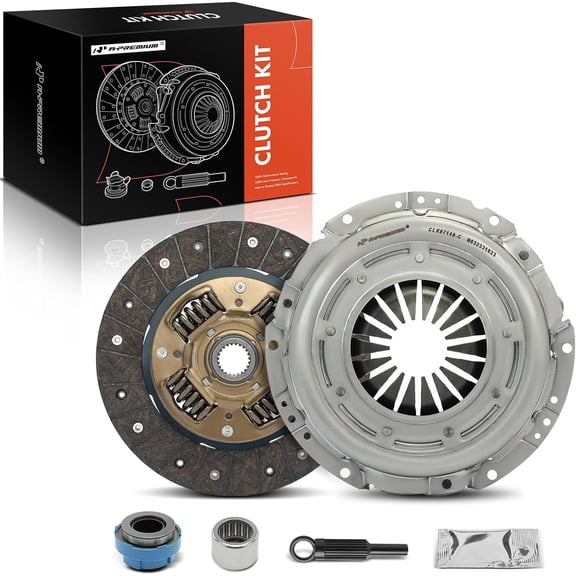
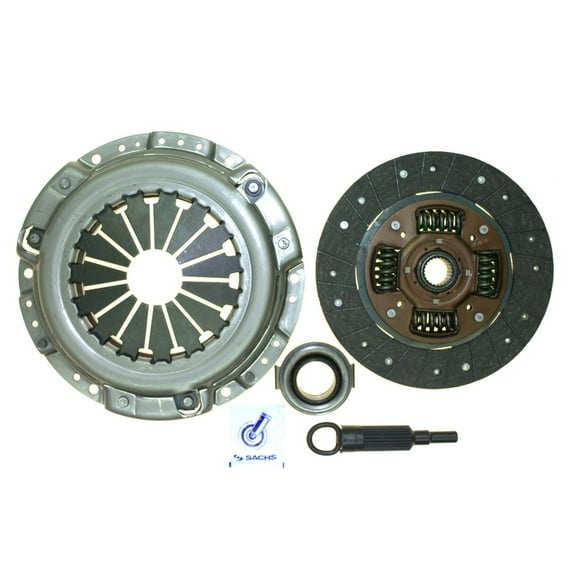
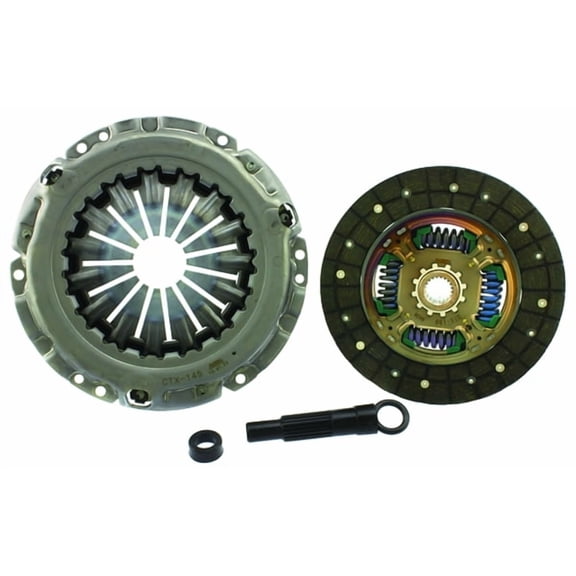
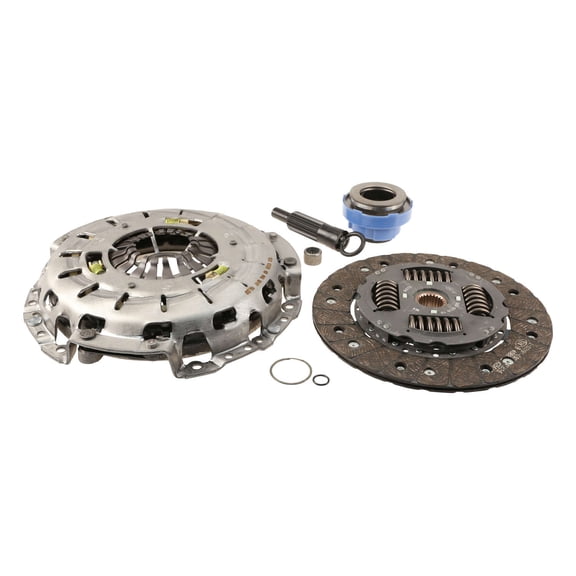
Kit contents also matter because labor access can take time once your transmission is removed. You can often avoid repeat work when your replacement includes the disc, pressure plate, bearing, and alignment tool.
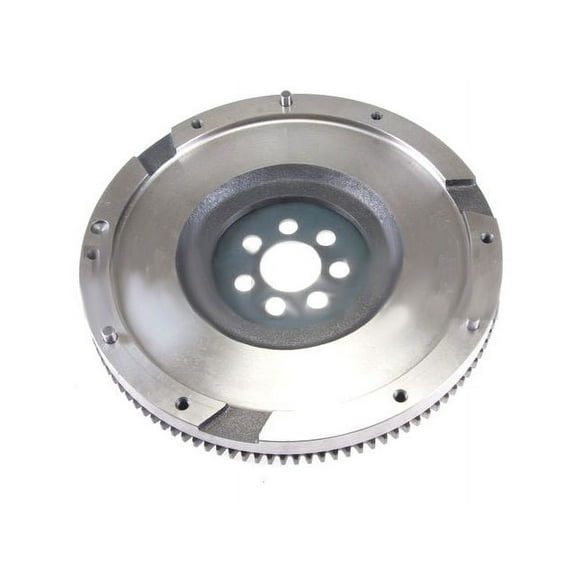
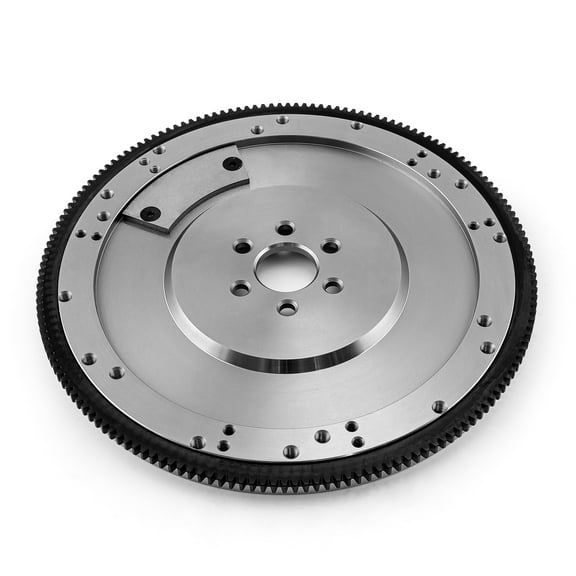
If your flywheel shows wear, you may want a kit that includes a matching flywheel. You can keep your engagement more consistent when related parts are replaced together.
Understanding friction material in transmission clutches
Friction material affects how your pedal feels and how the clutch responds under heat. You should compare material types based on daily driving, hauling, or performance use.
Organic facings usually suit regular commuting because you get smoother engagement in stop-and-go traffic. You may prefer this option when you want a familiar feel during everyday driving.
Ceramic facings handle higher heat and firmer engagement for demanding use. You may consider ceramic when your setup sees repeated hard launches, towing, or track sessions.
Kevlar options can appeal when you want a balance between wear characteristics and controlled engagement. Segmented multi-friction designs may fit specialized builds where you need strong holding power.
Comparing performance tiers and driving use
Performance tier tells you how a clutch is tuned for pedal effort, engagement, and torque handling. You should match that tuning to how your vehicle is actually driven.
Stock OE replacement parts work well when you want everyday drivability and factory-like response. You can keep your commute comfortable while restoring the feel your vehicle had before wear developed.
Stage 1 street performance options usually fit drivers who want stronger holding power without a harsh learning curve. You may notice quicker engagement, yet still keep usable manners for regular roads.
Stage 2 heavy-duty choices can support hauling, added power, or more demanding use patterns. Track and off-road setups often prioritize bite and heat management for repeated hard use.
Using transmission clutches in real repair scenarios
If your car hesitates under acceleration, you may be planning a full replacement during a scheduled drivetrain service. You can simplify that repair by choosing a complete kit matched to your exact fitment.
When your truck handles towing or heavier loads, you may want a friction material that tolerates extra heat. You should compare heavy-duty and ceramic-focused options with your torque needs in mind.
For a project car, you might pair a direct-fit performance setup with the right spline count and engine application. You can avoid mismatched parts when you verify every fitment detail before purchase.
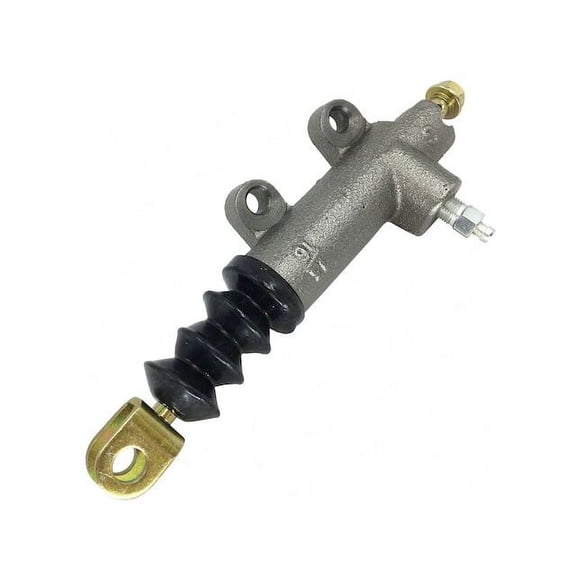
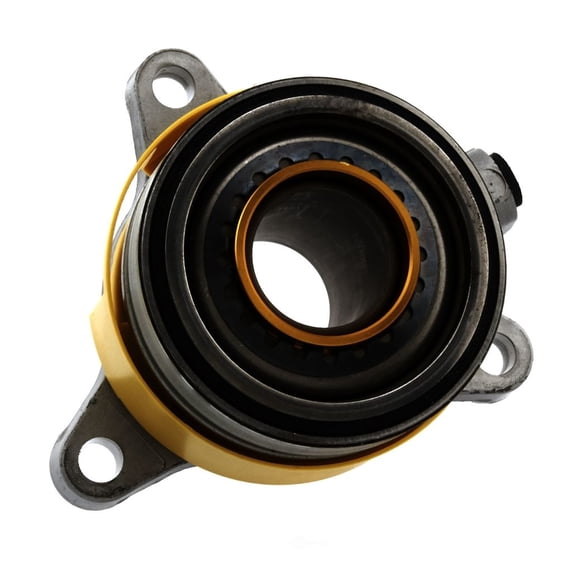
If you only need a specific replacement part, you should still inspect related pieces during the same job. You can prevent another teardown by replacing the pressure plate and throwout bearing alongside the disc.
For custom builds, you may compare universal-fit choices only after you confirm dimensions and compatibility points. You should measure carefully because clutch engagement depends on correct mechanical matching.
What to look for before you order
You should read fitment notes closely and compare them with your vehicle information before final selection. You can also check included hardware, alignment tools, and flywheel compatibility for a smoother repair.
With the right transmission clutches, you can restore clean engagement, dependable shifting, and a repair plan that fits your vehicle and driving style. You gain confidence when your replacement matches your fitment, material, and workload needs.
Popular in Clutches & Components in Transmission & Driveline - Walmart.com
- Automotive Replacement Clutch Pilot Bushings
- Dn3
- Saturn Sl2 Clutch Master And Slave Cylinder Assembly
- Mec Eur
- Volkswagen Cc Engine Timing Chain Kit
- Chevrolet Master Clutch Master And Slave Cylinder Assembly
- Bmw 325 Engine Crankshaft Pulley
- Ford C-max Engine Variable Timing Sprocket
- Chevrolet Hhr Engine Variable Timing Sprocket
- Ford Windstar Engine Variable Timing Sprocket
- Automotive Replacement Complete Clutch Sets
- Ford Econoline Engine Variable Timing Sprocket