

Clips & Fasteners in Office Supplies

























About Clips & Fasteners in Office Supplies - Walmart.com
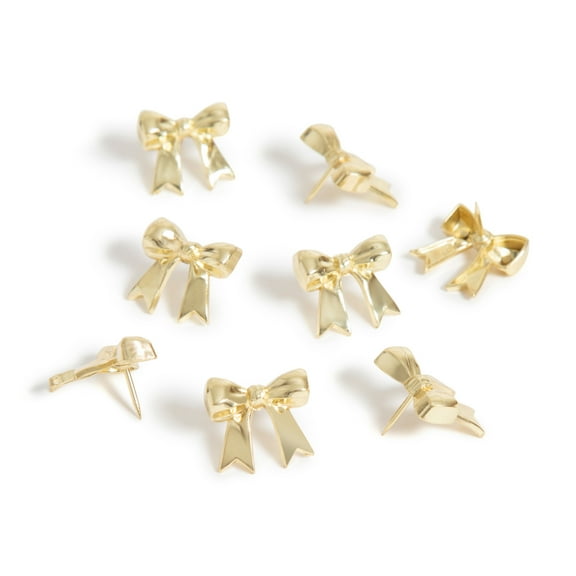
Pins and tacks help you post notes, mark locations, and organize boards with precise placement. You can compare pin types, materials, colors, and applications to match your workspace, classroom, or craft setup.
When you shop this category, you’re choosing small tools that affect grip, visibility, and surface fit. You’ll want options that work for cork boards, drywall, maps, and fabric panels without guesswork.
Choosing pins and tacks by pin type
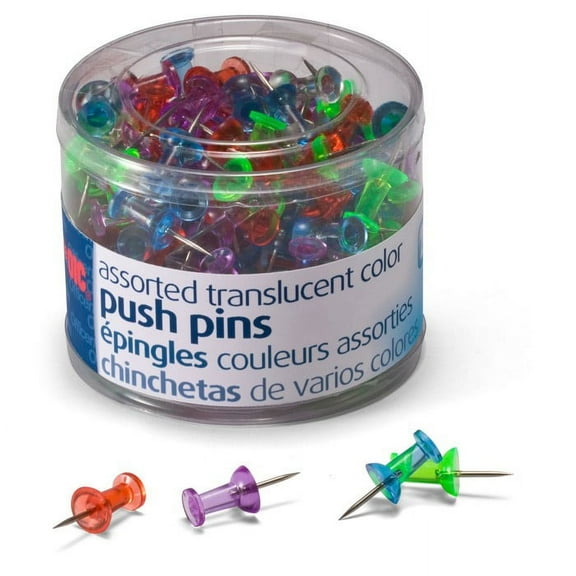
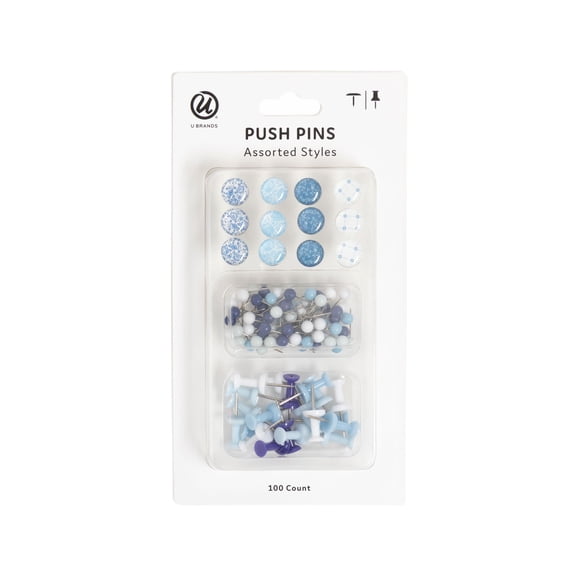
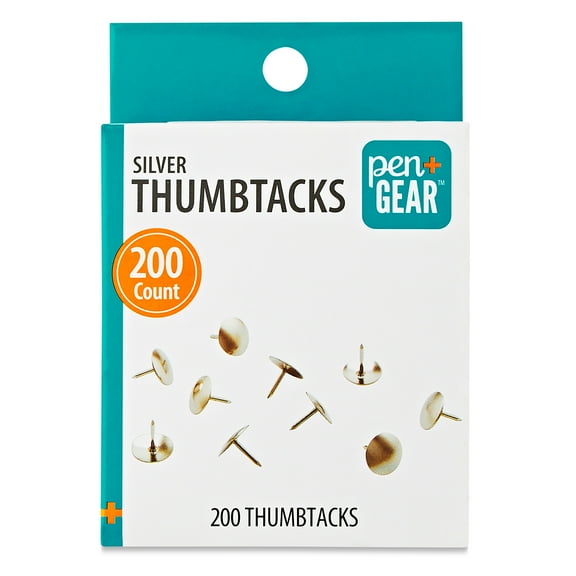
You should start with pin type because head shape changes how each piece feels and where you use it. You’ll often choose push pins for quick posting and thumb tacks for a flatter profile.
Push pins usually give you a secure grip, which helps when you update schedules or reminders often. Thumb tacks can sit closer to the surface, so you may prefer them for neat office displays.
If you’re building visual plans, map tacks help you mark routes, territories, or event locations with clear color coding. T-pins often suit heavier materials because you get a longer shaft and steadier hold.
- You can use push pins for frequent note changes on bulletin boards.
- You may prefer thumb tacks when you want a lower-profile head.
- You can choose map tacks to sort locations by color or project stage.
- You might select T-pins when you need extra length for layered materials.
How to compare push pins, thumb tacks, and grip
You should compare head style before anything else, because grip changes everyday handling. You’ll notice easy-to-pull push pins can feel convenient during repeated posting and removal.
If your board changes often, you may want larger heads that you can grasp quickly. If your display stays in place longer, you might prefer compact heads with a tidier look.
You should also check shaft length and gauge when you need heavier-duty hold. You’ll usually want thicker, longer pins for layered papers, fabric swatches, or denser cork.
For lighter tasks, you may prefer shorter pins that leave a smaller footprint on your display. For planning walls, you can use office tacks that balance hold and quick repositioning.
Choosing material and finish for your setup
You can compare plastic, steel, wood, and brass options based on feel, look, and daily handling. Plastic heads often give you color variety, while steel points help you with steady placement.
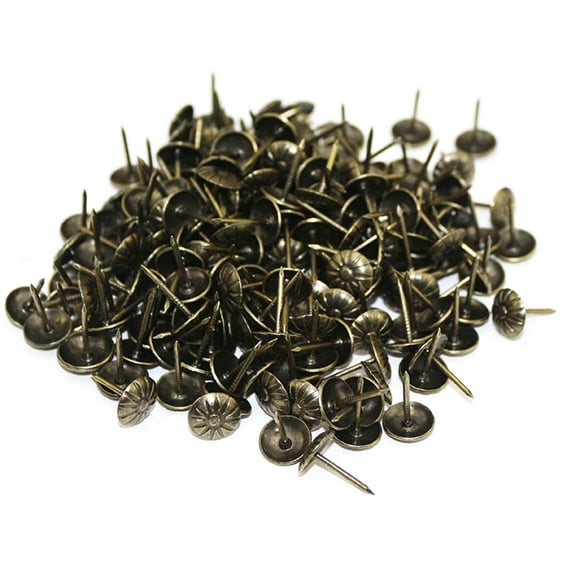
If your workspace has a classic style, you may like wood or brass accents on visible boards. If your board is busy, you might choose simple finishes that keep attention on your notes.
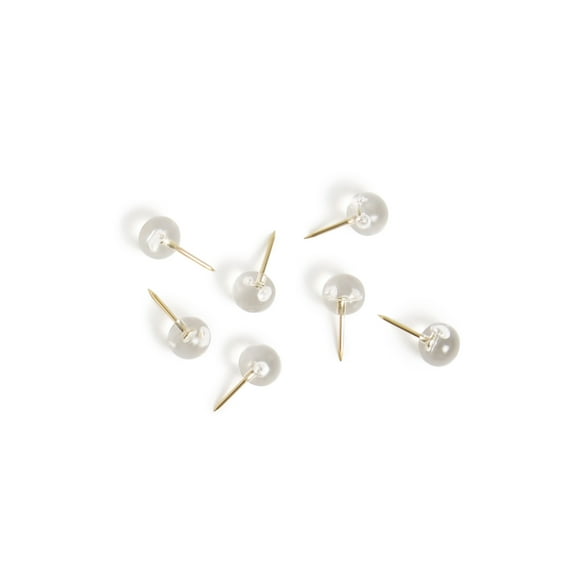
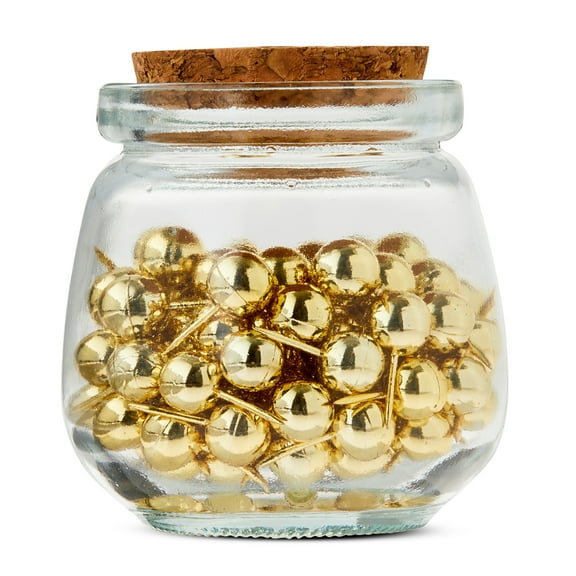
You should also think about how finish affects visibility across your board surface. Clear push pins can blend into displays, while black or gold-tone options create stronger contrast.
Assorted colors help you sort categories, deadlines, or teams without extra labels. You can use color coding on maps, calendars, and classroom boards for quick scanning.
What to look for in cork board pins and surface fit
You should match pins to the surface, because cork, drywall, maps, and crafts each handle pressure differently. Cork board pins usually suit everyday posting where you want quick placement and removal.
If you’re pinning into drywall, you may need a sturdier point and thoughtful shaft length. You’ll want to check whether you intend to use the pin for decorative posting or light organizational use.
For maps, you can use map tacks that stay visible without covering key labels. For crafts, you may prefer finer pins that work with templates, ribbon, or lightweight fabric pieces.
You should also consider layered materials before you choose your count and style. Thicker stacks of paper or swatches may call for longer shafts that reach the board securely.
Choosing quantity and storage for daily use
You should compare package quantity based on how often you refresh displays or manage group spaces. Smaller packs may suit home offices, while bulk counts can fit classrooms and shared workrooms.
Storage matters when you want quick access and convenient cleanup between projects. You may prefer reusable containers that keep pins sorted by color, size, or application.
If you manage several boards, you can separate cork board pins, map tacks, and T-pins by task. That setup helps you grab the right piece faster during meetings, lessons, or planning sessions.
You should also check whether containers travel easily between desks, classrooms, and supply cabinets. A secure case can help you keep your workspace orderly and your supplies easy to find.
Using push pins and map tacks in real spaces
You can use pins and tacks to build family message centers, team planning walls, and classroom activity boards. You’ll also find them useful for vision boards, travel maps, and craft station organization.
In a home office, you may use clear push pins to post reminders without distracting from your board design. In shared spaces, assorted colors can help you assign projects, dates, or responsibilities.
If you track locations, map tacks can help you separate regions, clients, or milestones at a glance. If you post photos or fabric samples, T-pins may help with thicker or layered materials.
You can also pair these supplies with cork boards, dry erase boards, and desk organizers for a more orderly setup. With the right pin type and surface fit, you’ll get neat posting and quick updates.
You’ll make an informed choice when you compare pin type, grip, surface fit, and storage before you buy. The right combination helps you keep boards readable, organized, and easy to update every day.