


Button batteries in Batteries










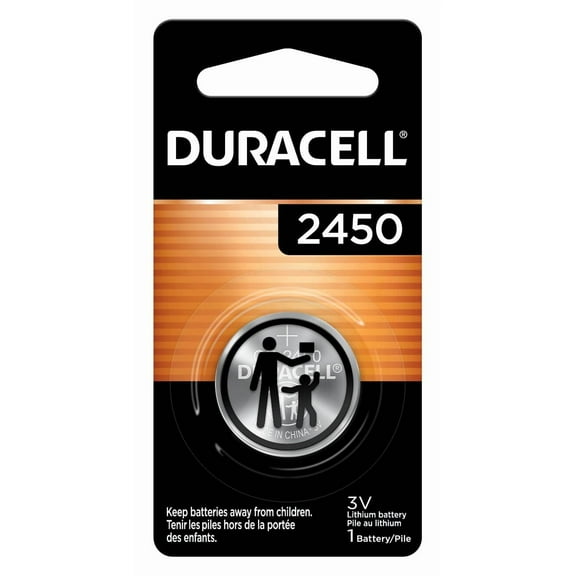
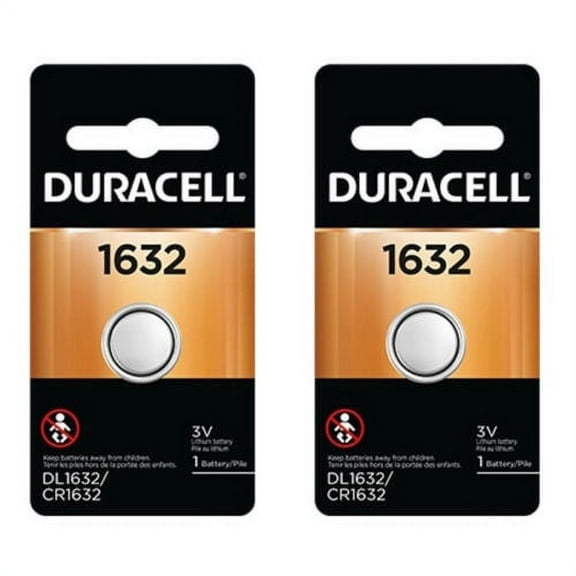
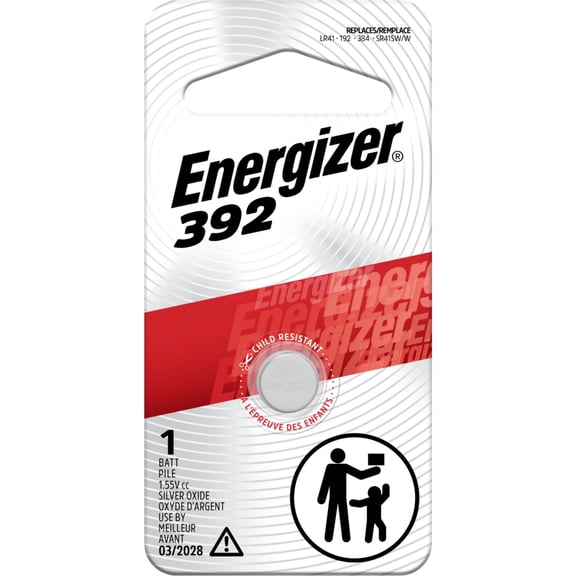

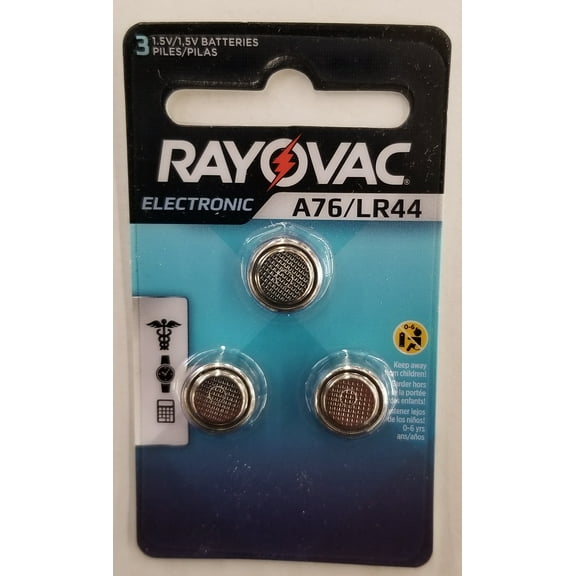


About Button batteries in Batteries - Walmart.com
You can find button batteries for everyday devices when you need the right fit, voltage, and chemistry without guesswork. You may be replacing a key fob battery, watch batteries, or a calculator cell, so clear model matching matters.
How to choose button batteries by size
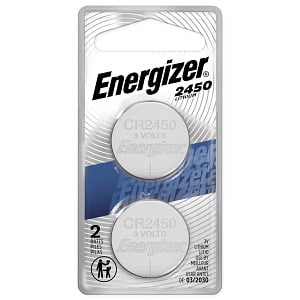
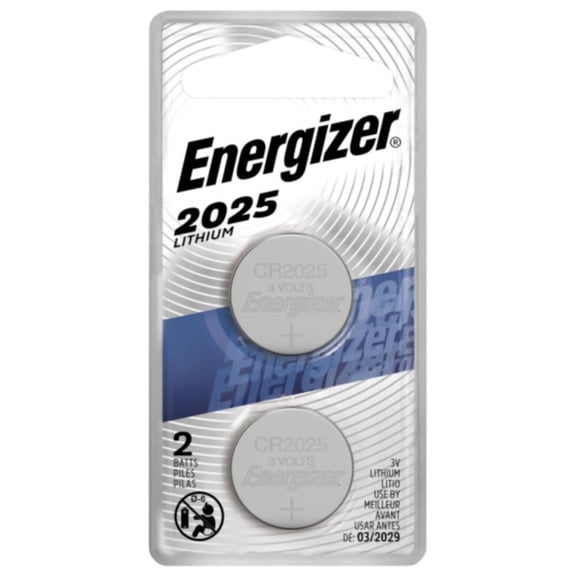
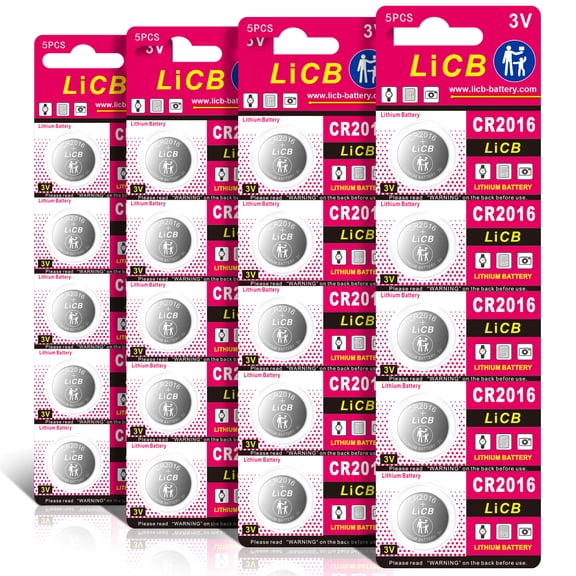
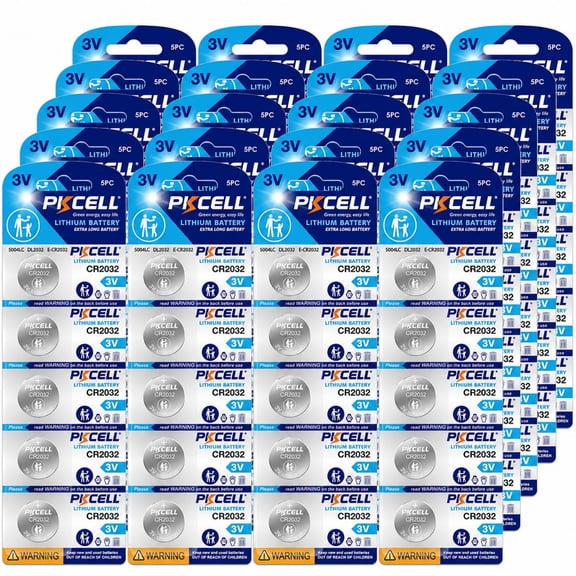
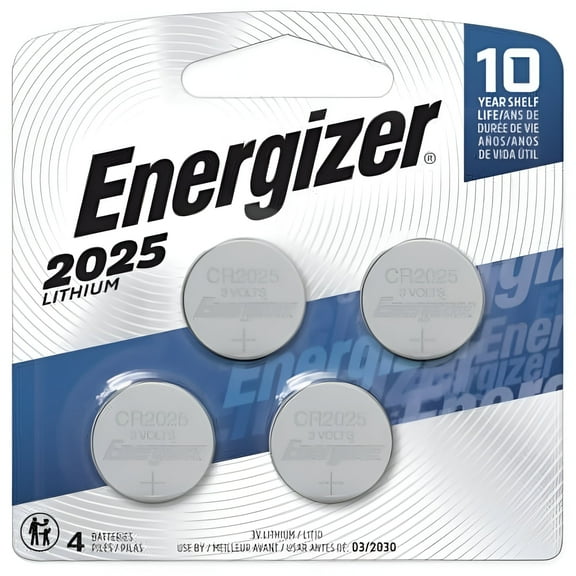
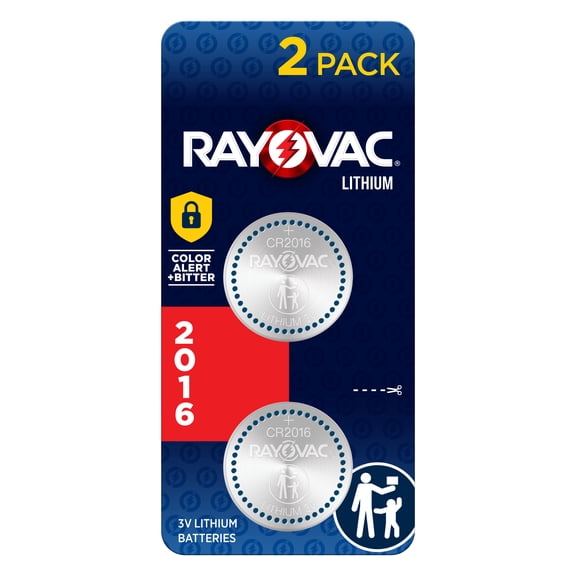
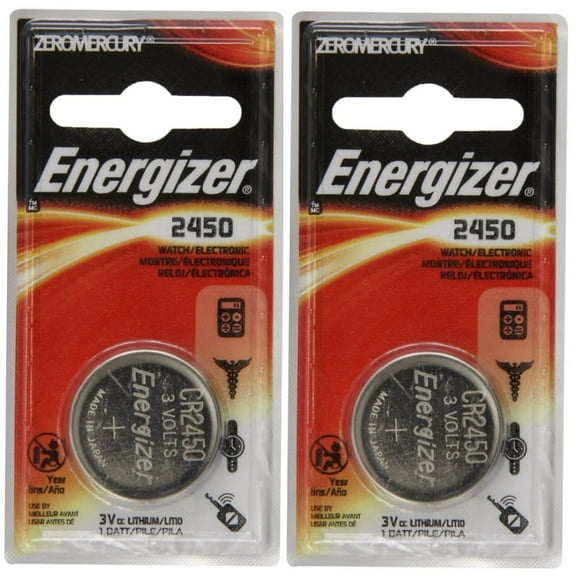
You should start with the exact battery code printed on your old cell or device manual. You’ll often see common sizes like CR2032, CR2025, CR2016, LR44, or SR626SW.
You need the right diameter and thickness because similar names don’t always mean the same fit. You can use cross-reference codes, such as CR2032 and DL2032, when your device lists brand-specific numbers.
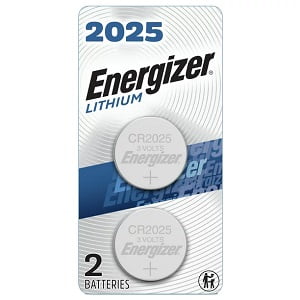
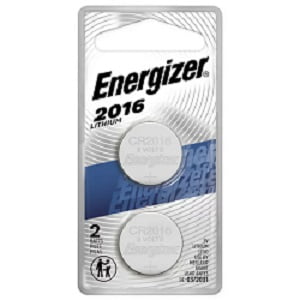
When you compare sizes, you’ll notice CR2032 batteries are thicker than CR2025 and CR2016 options. You should check the model carefully because a thinner cell may fit differently in your device.
- You can replace key fob cells by matching the printed code exactly.
- You can compare watch batteries by case back markings or manual details.
- You can avoid returns when you verify size, chemistry, and voltage together.
- You can keep extras ready for remotes, calculators, and small electronics.
Choosing between lithium coin cell batteries and other chemistries
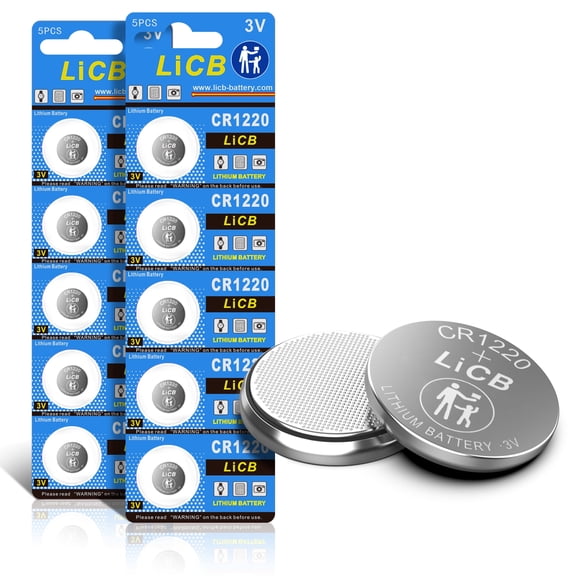
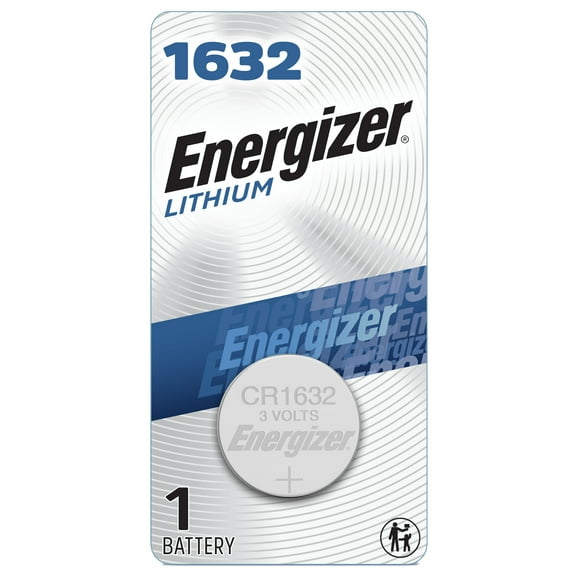
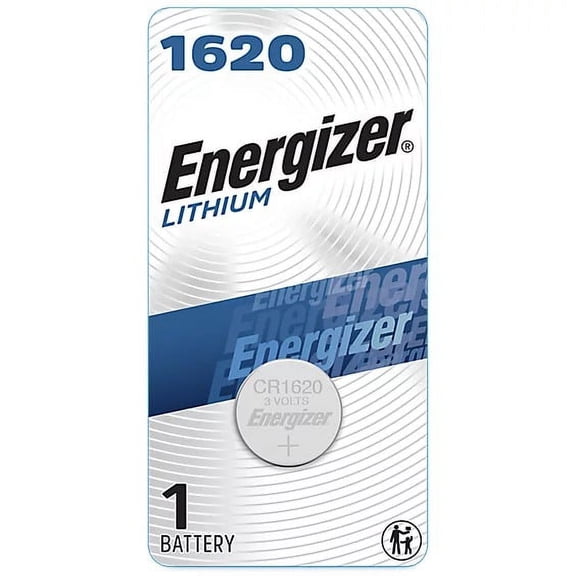
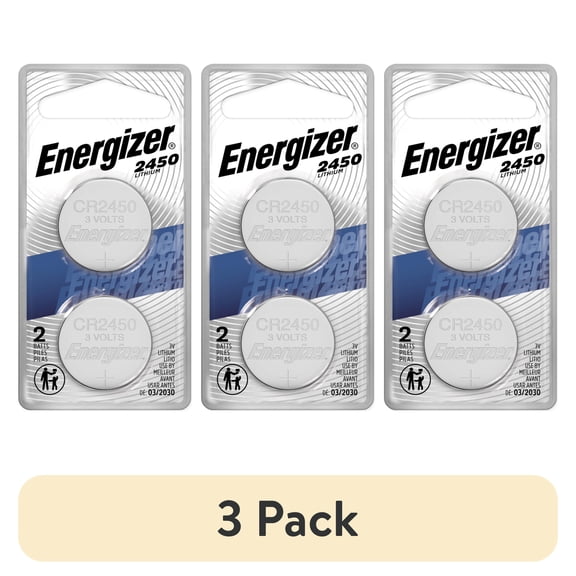
You’ll usually choose lithium coin cell batteries when your device calls for a 3V coin battery. You may prefer lithium for long shelf life and steady output in key fobs, scales, and small electronics.
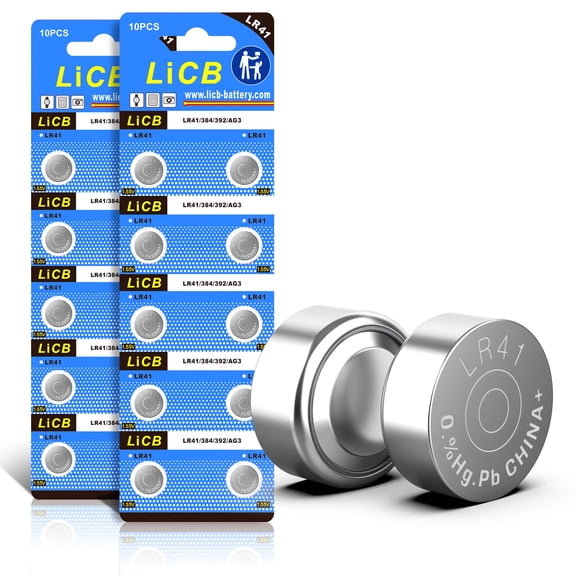
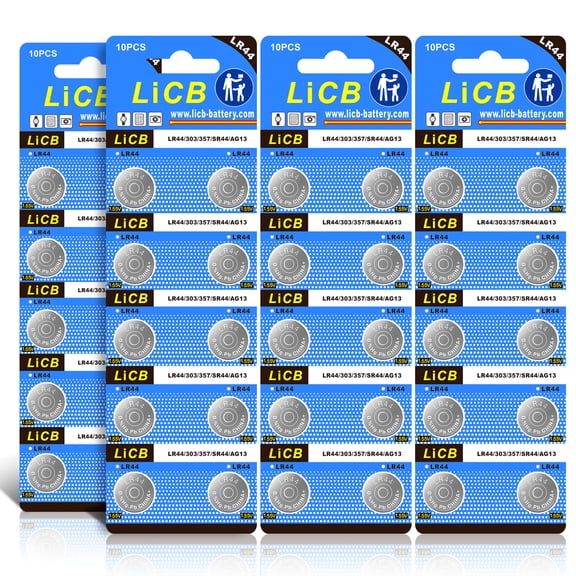
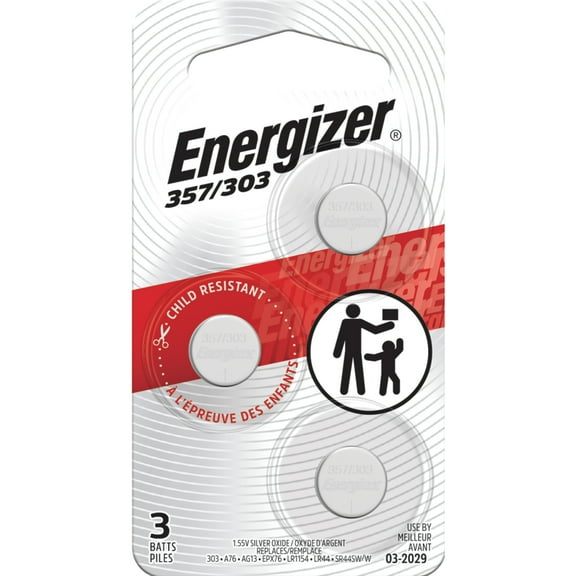
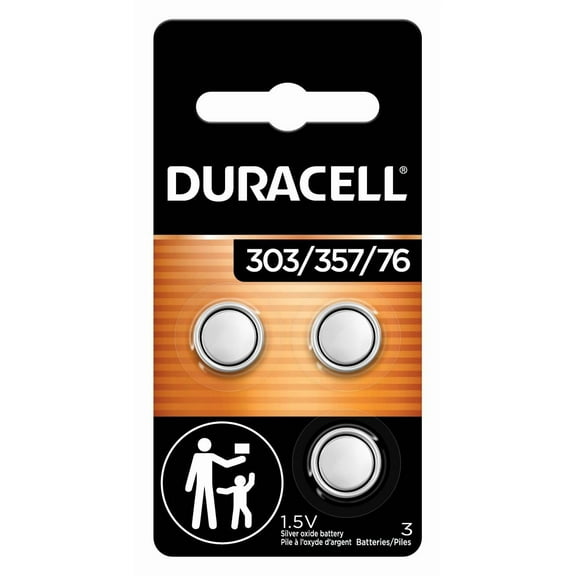
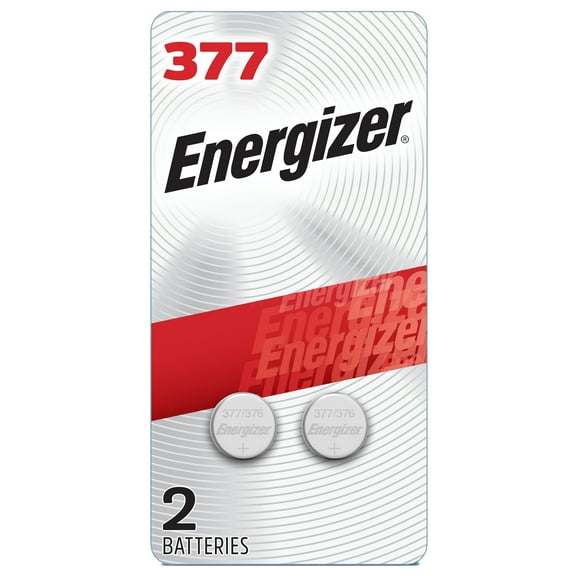
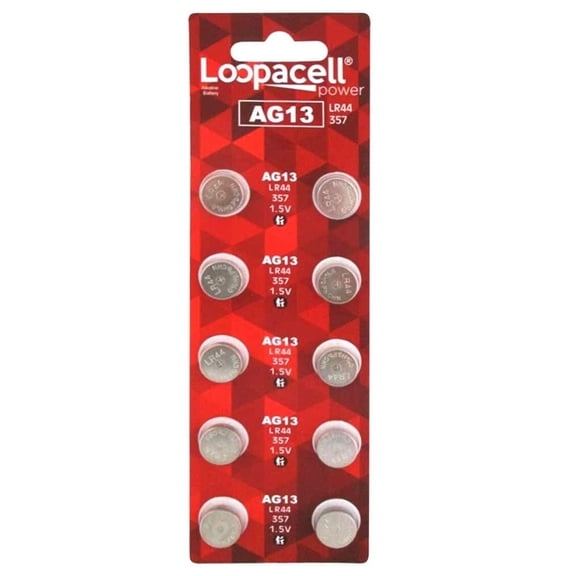
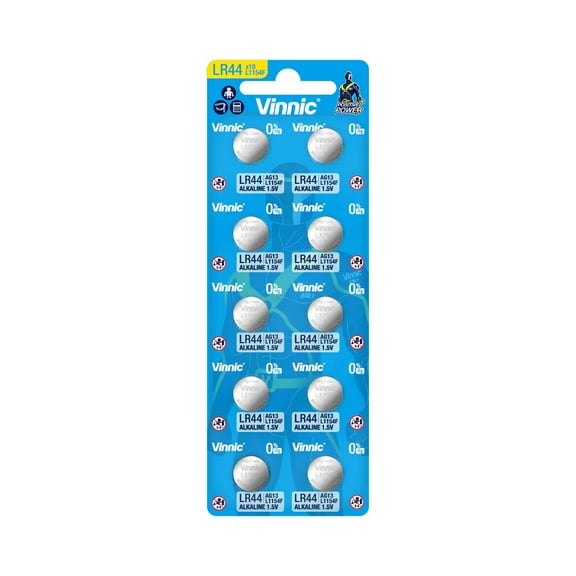
You can look at alkaline options like LR44 when your device needs a 1.5V replacement. You may also see silver oxide choices, which many shoppers consider for watch batteries and compact instruments.
As you compare chemistry types, you should follow the exact recommendation printed by your device maker. You can get more reliable fit and function when you match chemistry instead of guessing by shape alone.
Checking voltage before you buy
You should confirm whether your device needs 3V or 1.5V before choosing a replacement. You can’t assume similar-looking button cell batteries work the same way across different devices.
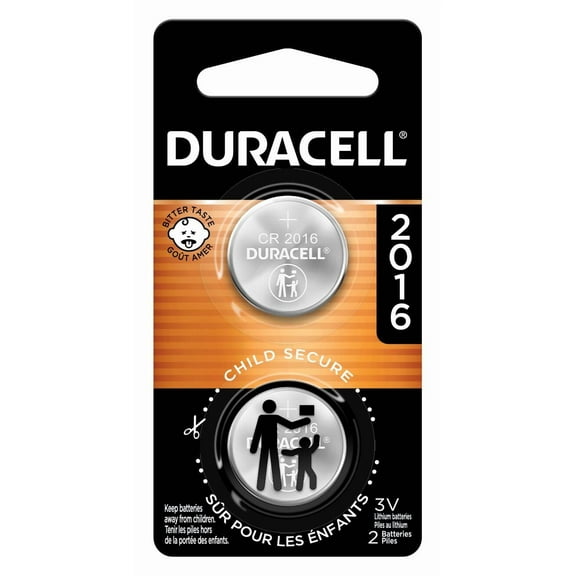
If your device lists a CR2025 battery or CR2016 battery, you’re usually looking for a 3V lithium format. If your device lists LR44 or SR626SW, you should verify whether it needs a 1.5V option.
You may shop faster when you use voltage as a simple filter after finding your model number. You’ll narrow the field quickly and avoid mixing coin cells meant for different power requirements.
What safety features to look for in button cell batteries
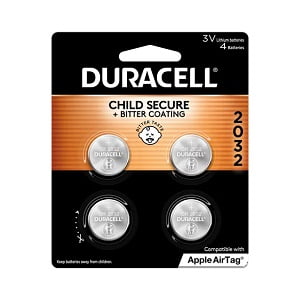
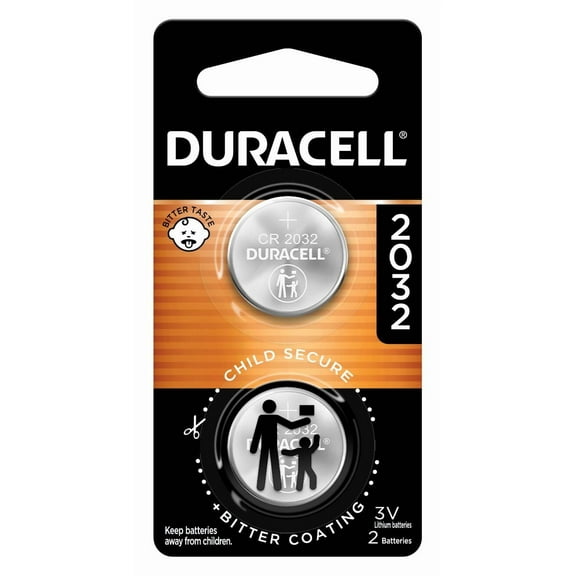
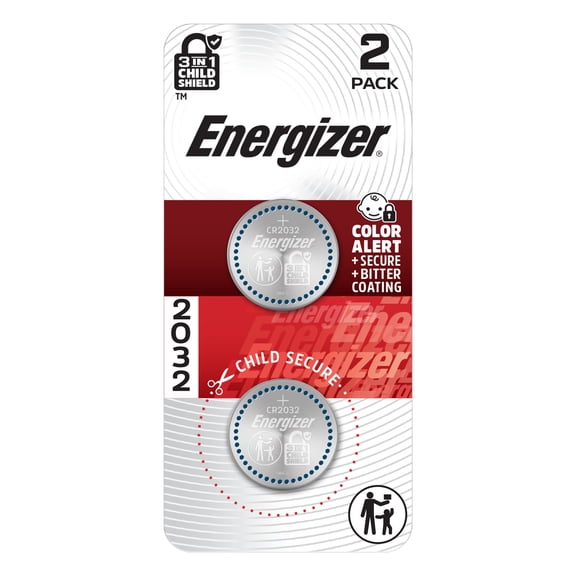
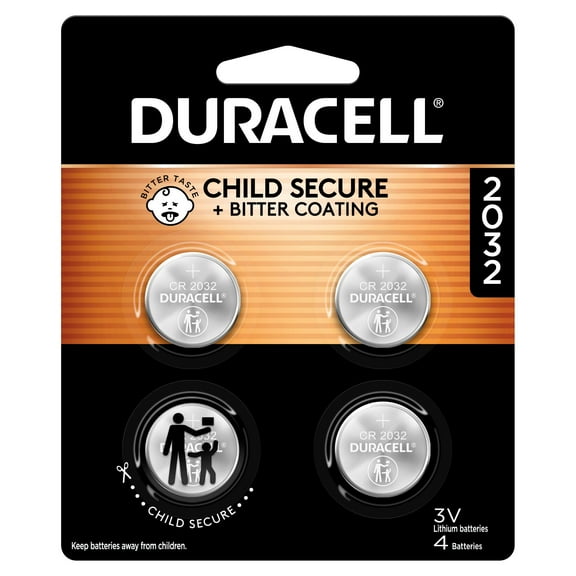
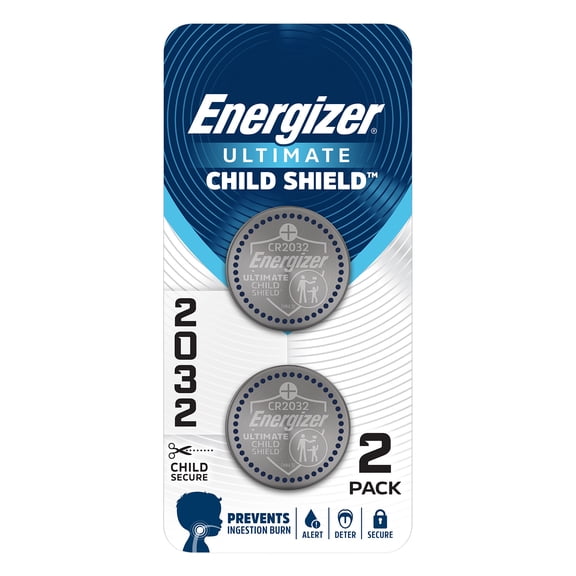
You may want packaging that helps you store spare cells more securely between uses. You can also look for button cell batteries with child-secure packaging when your household includes little ones.
Some packs include a bitter coating that adds another safety-focused feature to certain cells. You should still compare the label and model details first, since safety features can vary by item.
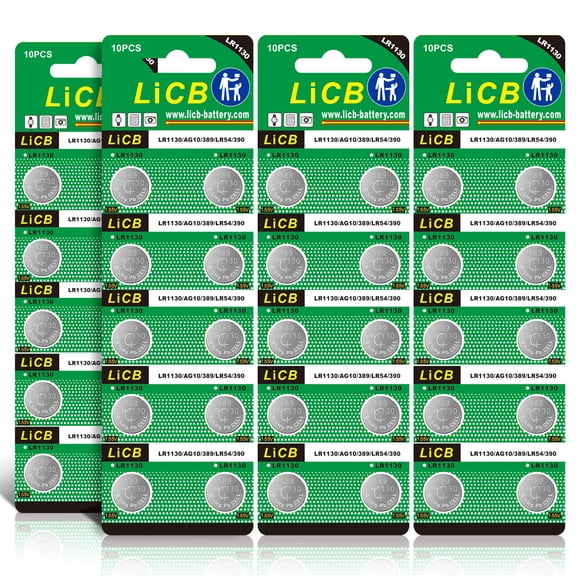
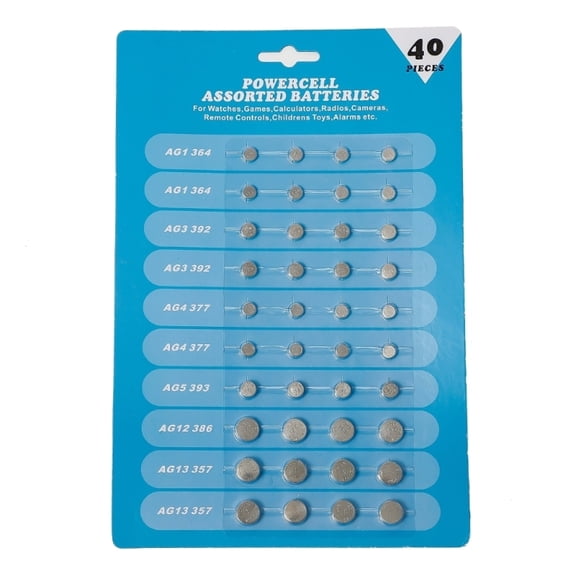
When you keep extras on hand, you’ll appreciate packaging that separates cells clearly by count and size. You can find multipacks or smaller packs depending on how often your devices need replacements.
Matching button batteries to common devices
You might need cr2032 batteries for key fobs, garage door remotes, fitness accessories, or small smart home controls. You may need a cr2025 battery for slim remotes, card-style tools, or compact accessories.
If you’re replacing watch batteries, you should check the old cell code before opening the new pack. You can also compare silver oxide and lithium formats based on the exact model your watch requires.
You may keep several sizes ready during gift seasons when toys, lights, and small electronics see more use. You’ll stay prepared for quick swaps in calculators, flameless candles, digital thermometers, and pocket devices.
What to compare before you decide
You should compare model number, chemistry, voltage, and safety features as your main decision points. You can also check pack count if you replace several cells across watches, remotes, and household electronics.
With the right details in hand, you can choose button batteries with more confidence and fewer mismatches. You’ll get the convenience of a replacement that fits your device the first time.