

Brands in Food







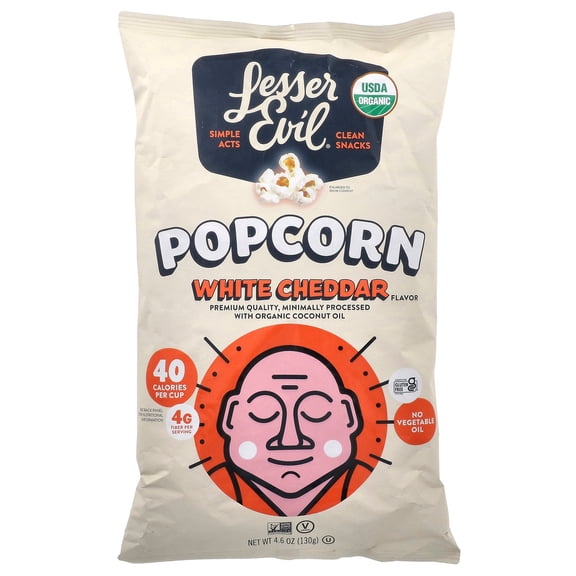
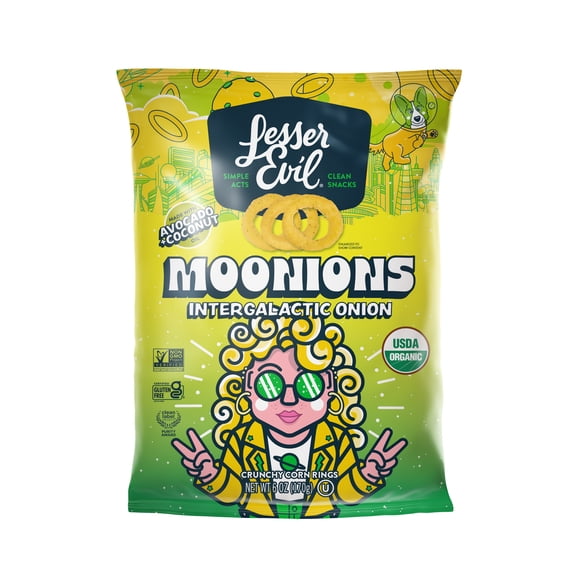

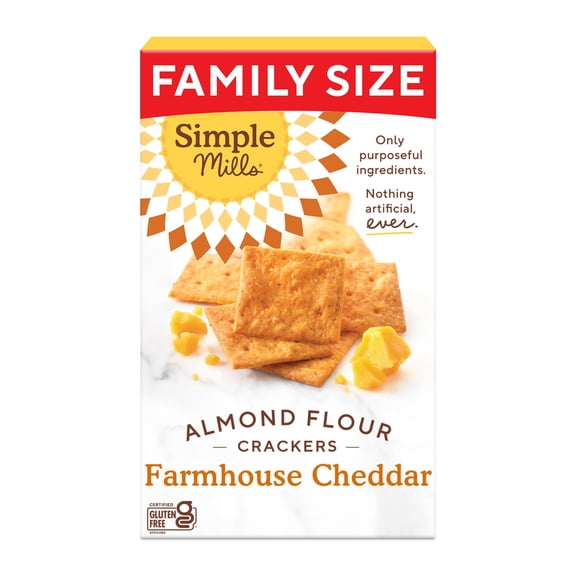
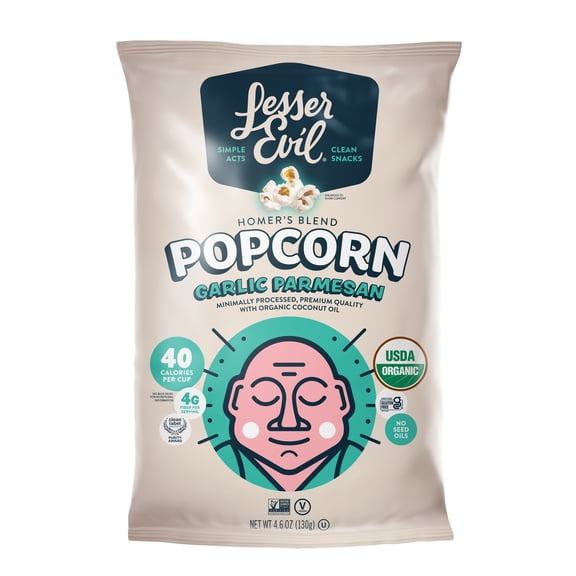



About Brands in Food - Walmart.com
Madison brands helps you stock your pantry with snacks, beverages, canned goods, and cooking basics that fit everyday meal planning. You can compare pack sizes, dietary options, and prep types quickly when you want reliable grocery choices in one place.
How to choose Madison brands food types
When you compare food types, you can match Madison brands items to the way your household eats during the week. You may want snacks for lunch boxes, pantry staples for recipes, beverages for quick refreshment, or canned goods for easy backup meals.
If you keep a flexible pantry, you can mix ready-to-eat picks with cooking ingredients for more meal options. You can also choose quick-prep foods when your schedule calls for faster breakfasts, lunches, or simple side dishes.
For everyday planning, you can focus on the formats that support your routine and storage space. You may prefer shelf-stable canned goods for longer pantry rotation, while single-serve snacks can help you portion items more easily.
- You can choose snacks when you want grab-and-go bites for school, work, or travel.
- You can pick pantry staples when you need cooking ingredients for sauces, soups, baking, or simple dinners.
- You can select beverages when you want convenient drink options for meals, breaks, or packed lunches.
- You can keep canned goods on hand when you want easy ingredients with a longer shelf presence.
Choosing dietary specialties in Madison brands
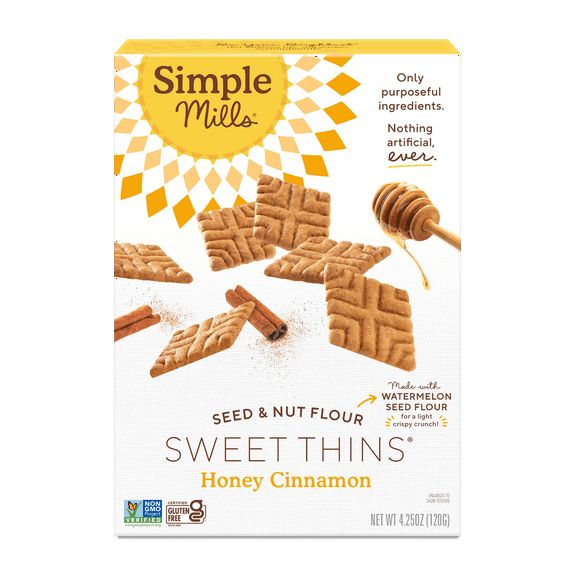
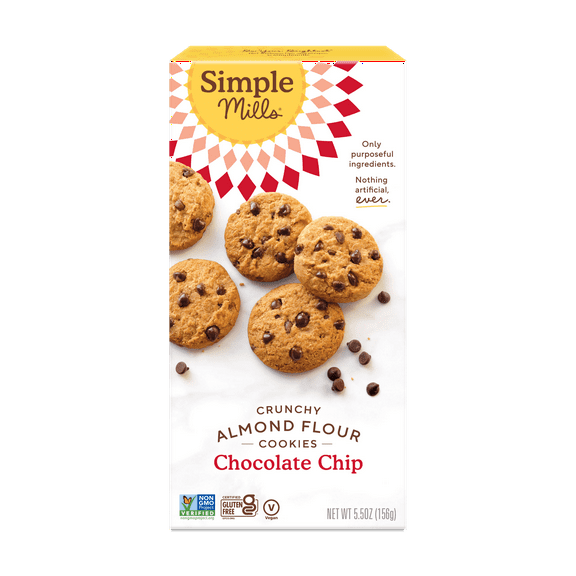
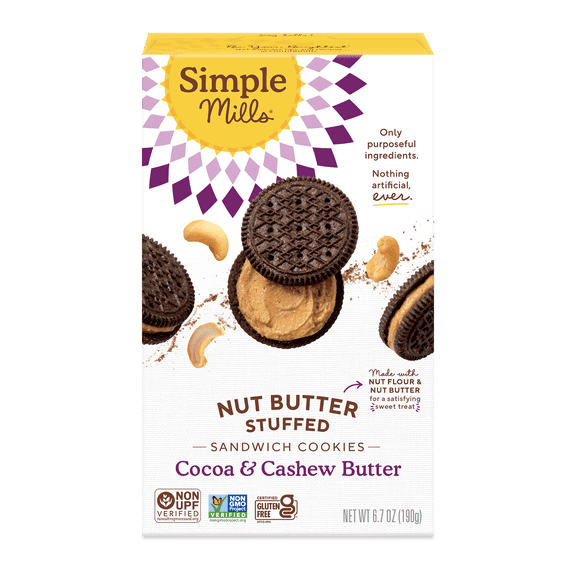
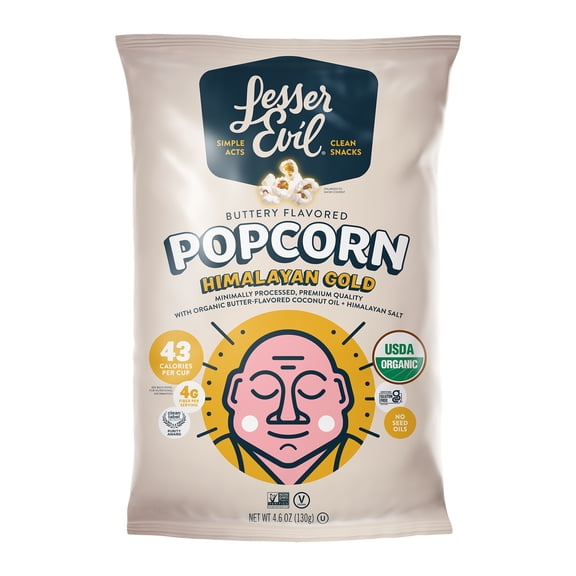
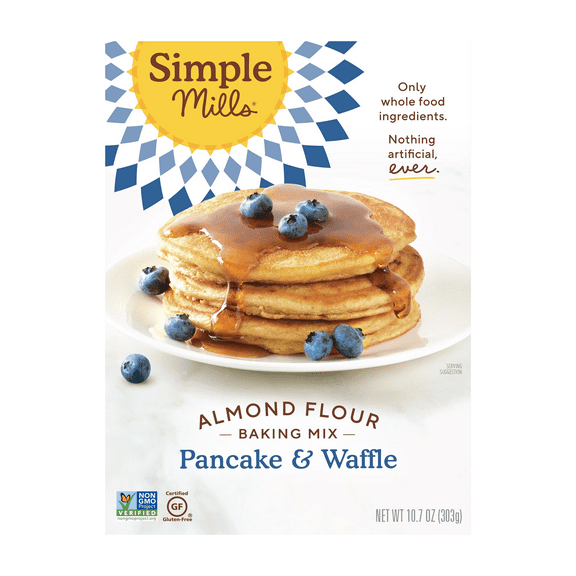
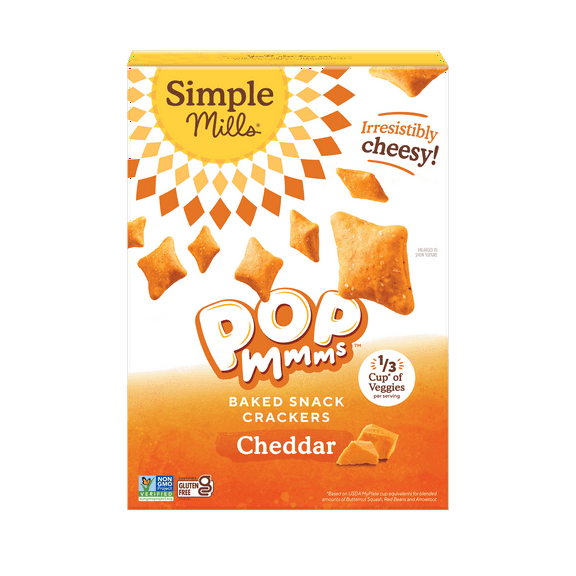
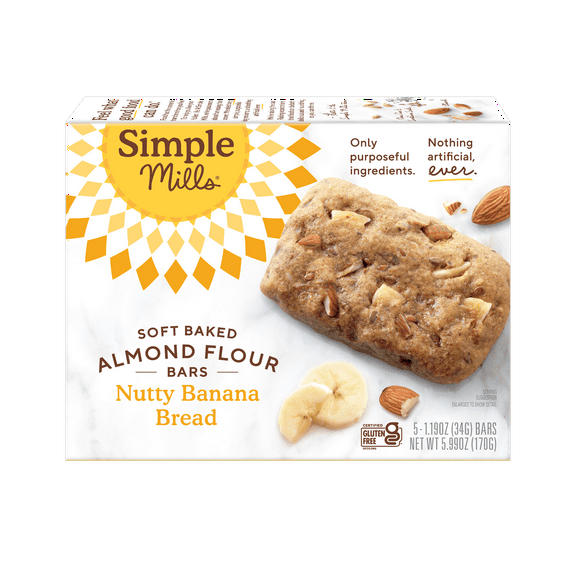
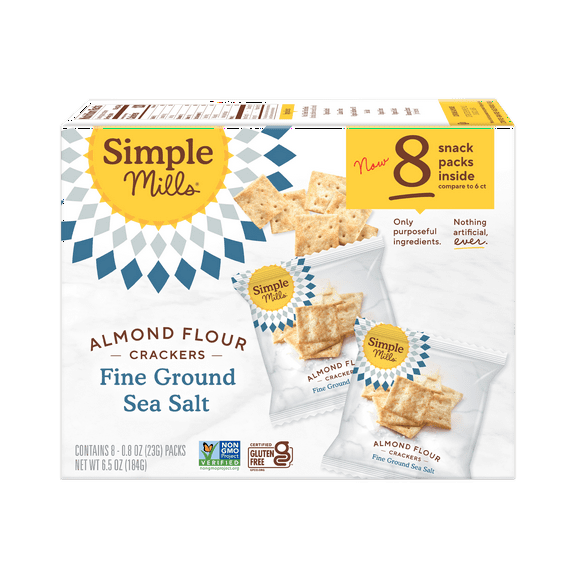
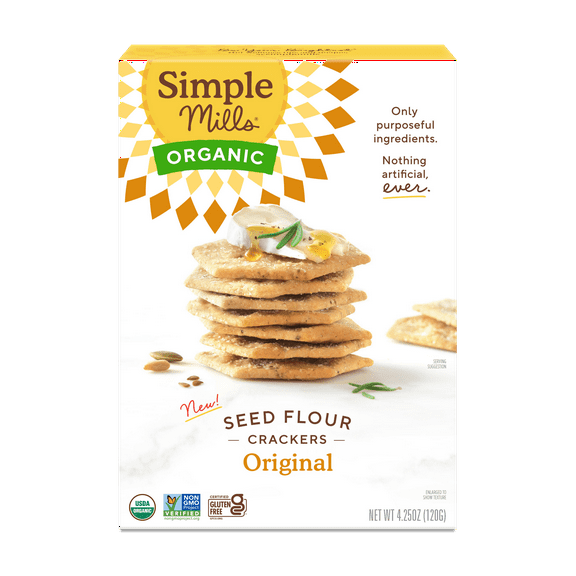
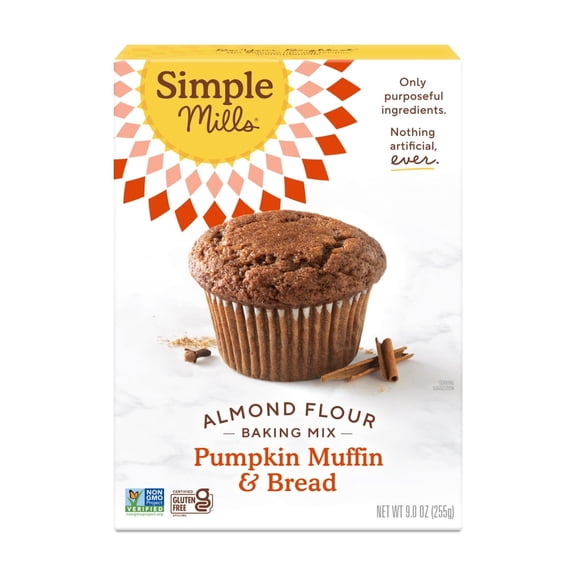
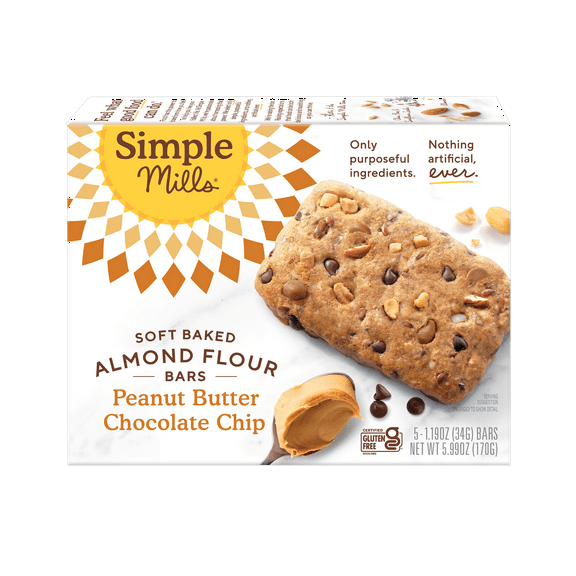
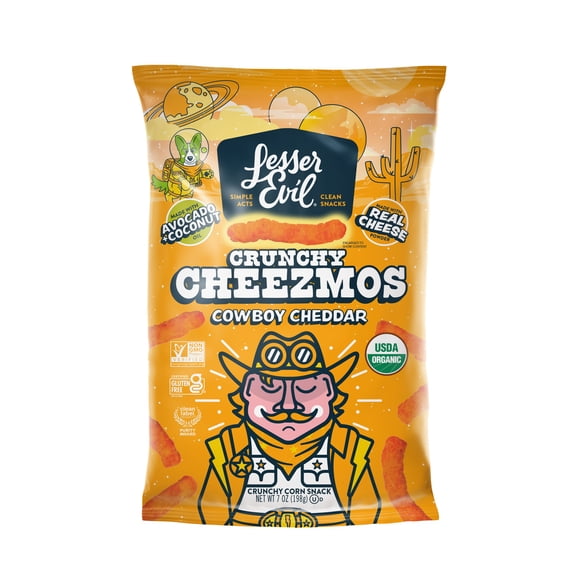
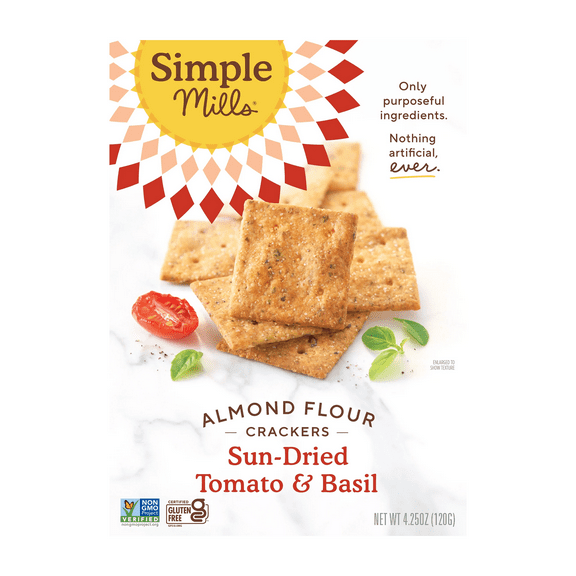
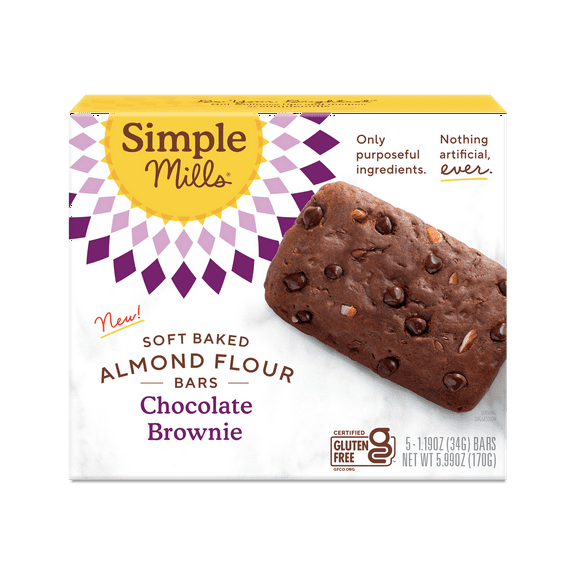
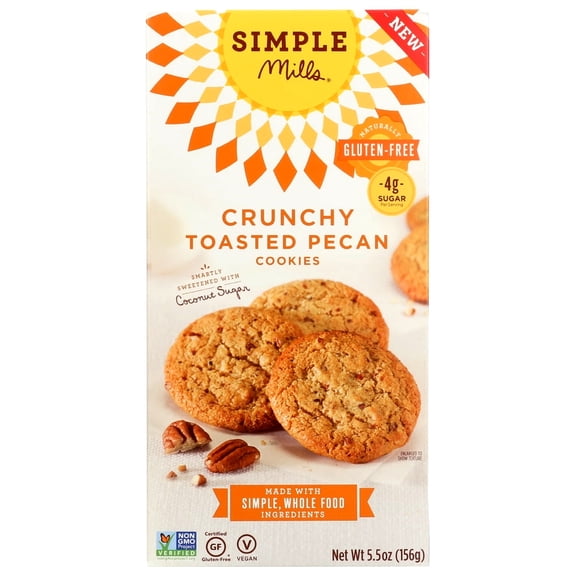
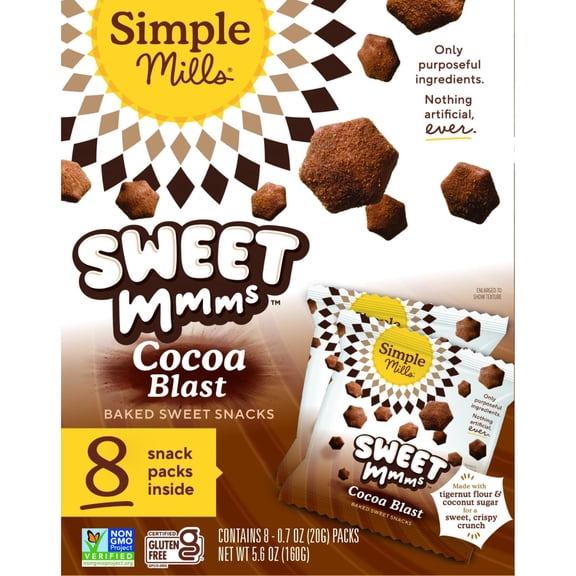
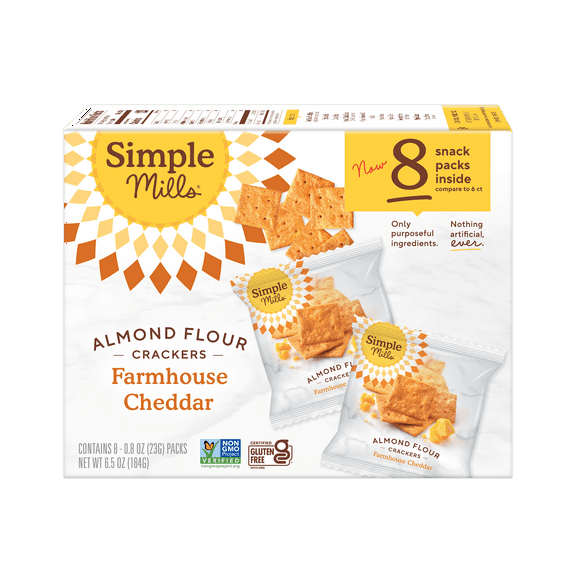
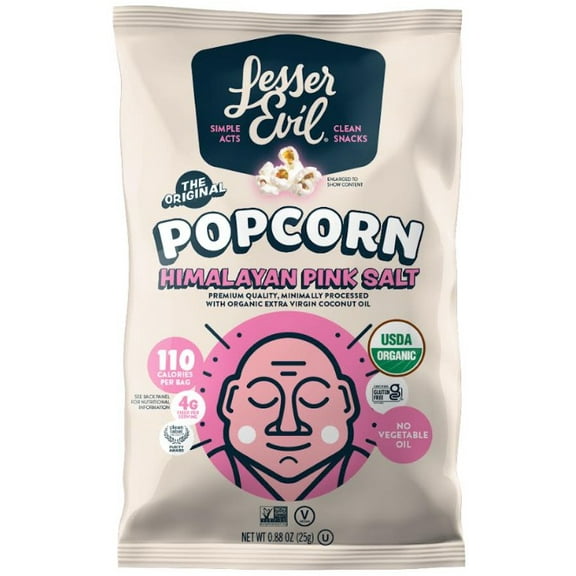
Dietary specialty details help you narrow your options with more confidence before you fill your cart. You can compare labels such as gluten-free, organic, non-GMO, and vegan based on your household preferences.
When gluten-free is important to you, you should check product labels and package details closely. You can use those details to confirm ingredients and formats that fit your meal planning and pantry habits.
If organic or non-GMO matters in your routine, you can compare ingredient transparency across different food types. You may also look for clear packaging information that helps you understand sourcing and everyday use.
Vegan options can support plant-based meal planning when you want snacks, beverages, or pantry ingredients without animal-derived contents. You can compare labels across categories to keep your choices aligned with your household preferences.
As you review dietary specialties, you should also consider how each item fits your storage plan and serving needs. You can avoid guesswork when you match label details with your weekly menus and usual eating occasions.
Comparing pack sizes and pantry planning
Pack size plays a big role in how well your groceries fit your routine, storage space, and serving needs. You can compare bulk, single-serve, and family pack options based on how quickly your household uses each item.
Bulk sizes can make sense when you restock often used pantry staples or canned goods for repeat meals. You should measure shelf space first so your cabinets stay organized and easy to manage.
Single-serve packages can work well when you want portable snacks, controlled portions, or simple lunch packing. You may find these formats useful when each person in your household prefers quick, separate servings.
Family pack options can help you plan around shared meals, group snacks, or frequent beverage use. You can compare count, portion size, and storage needs before choosing larger packs for your home.
Shelf life matters when you choose size, because you want products that fit your pace of use. You should check package guidance so your pantry stays stocked with foods you can enjoy at the right time.
What to look for in preparation type and ingredients
Preparation type helps you decide how much time and effort you want to spend during meals and snacks. You can compare ready-to-eat, quick-prep, and cooking ingredient options based on your weekday schedule.
Ready-to-eat foods suit moments when you want convenience without extra steps before serving. You can keep these items on hand for packed lunches, after-school snacks, or simple breaks during busy days.
Quick-prep choices can support fast meals when you still want a little flexibility in the kitchen. You may prefer these foods when you need easy sides, simple breakfasts, or shortcut ingredients for dinner.
Cooking ingredients give you more control over recipes, flavor building, and pantry planning across the week. You can use them in soups, casseroles, sauces, and baked dishes that rely on dependable shelf-stable basics.
Ingredient transparency also matters when you compare food products for your household. You should look for clear labels, straightforward ingredient lists, and package details that help you understand what you're serving.
Using Madison brands for everyday meals
You can use Madison brands to build a pantry that supports school mornings, work lunches, weeknight dinners, and casual snacking. You may combine canned goods, beverages, and snacks to keep everyday choices simple and organized.
For a busy household, you can pair family pack beverages with ready-to-eat snacks for fast meal support. You might also keep cooking ingredients and pantry staples nearby when you want flexible dinner options.
If your household follows specific preferences, you can compare vegan, organic, non-GMO, or gluten-free choices before meal prep. You can then match those selections with bulk or single-serve sizes that fit your weekly rhythm.
When storage matters, you can choose shelf-stable formats that help you plan ahead without crowding your kitchen. You can feel more prepared when your pantry includes foods that match your routine, labels, and serving habits.
With Madison brands, you can compare category choices in a practical way and build a pantry around how you actually eat. You leave with clearer decisions on size, dietary fit, and prep style for everyday meals.