

Brad Nails in Hardware Nails












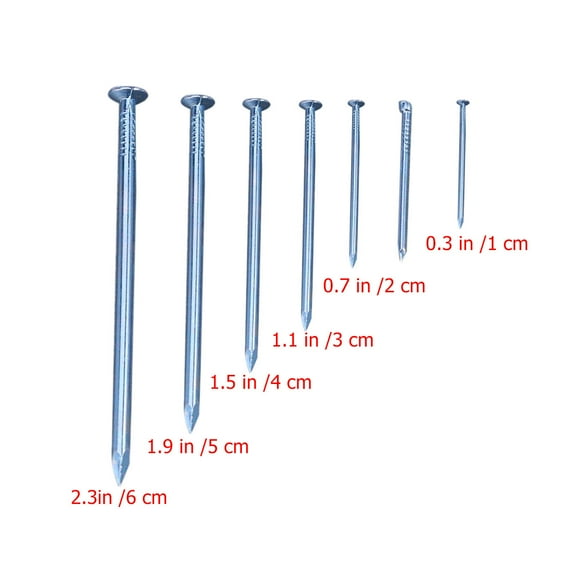


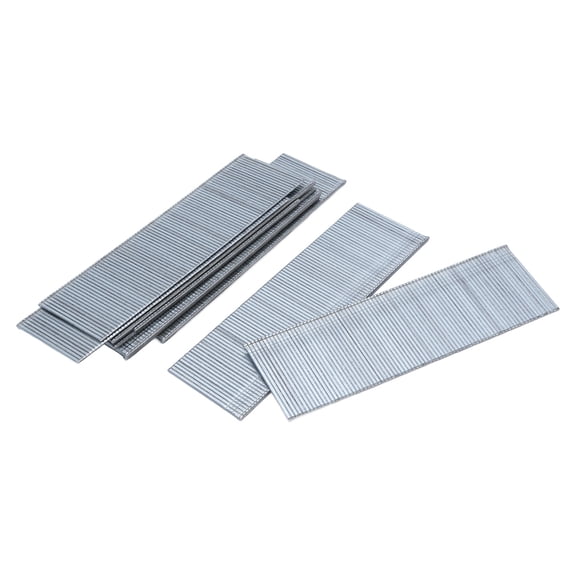

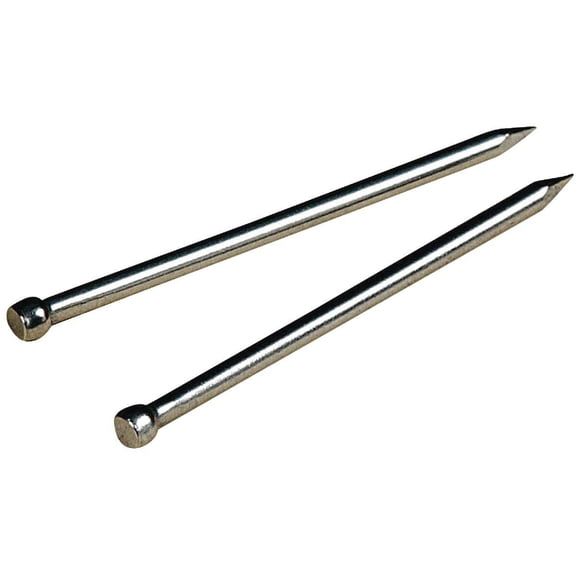
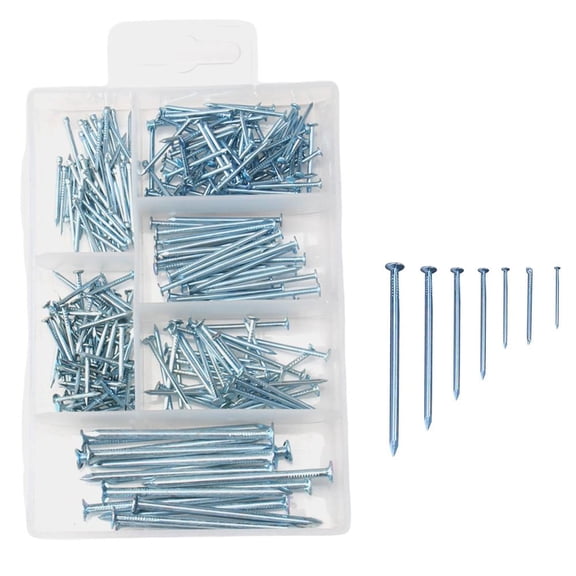


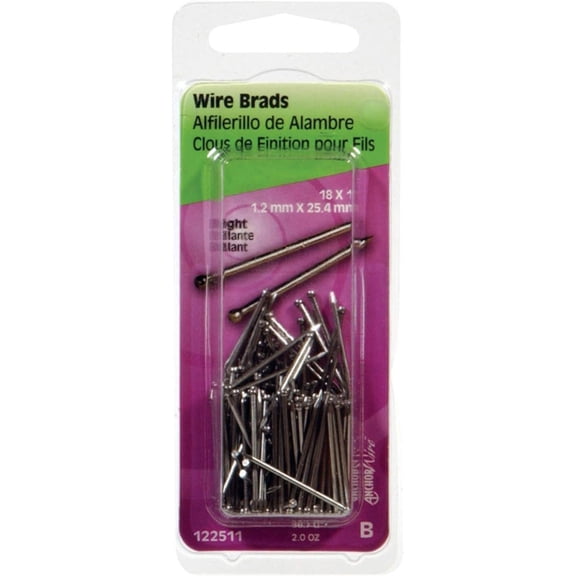
About Brad Nails in Hardware Nails - Walmart.com
Brad nails help you fasten trim, molding, and light wood pieces with a smaller head that leaves a cleaner finish. You can compare gauge, length, finish, and collation to match your nailer and your project.
How to choose brad nails for your project
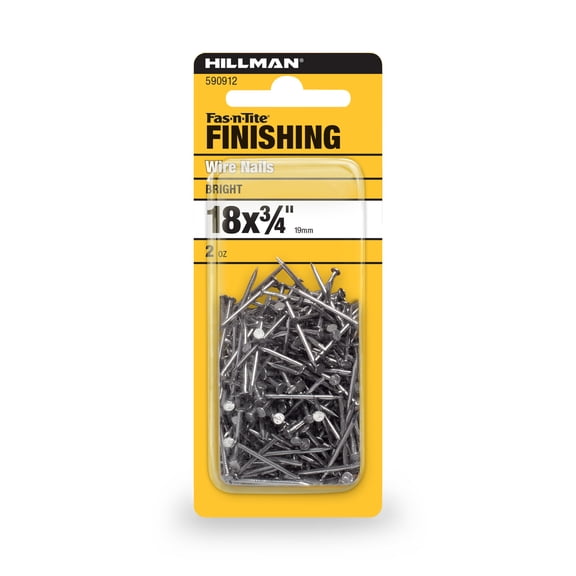
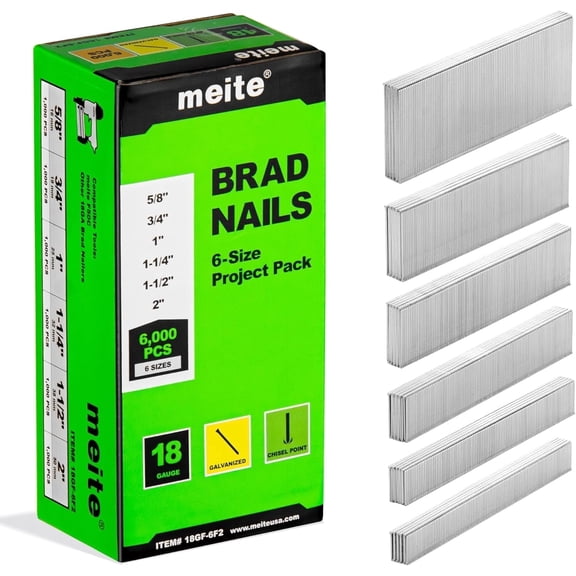
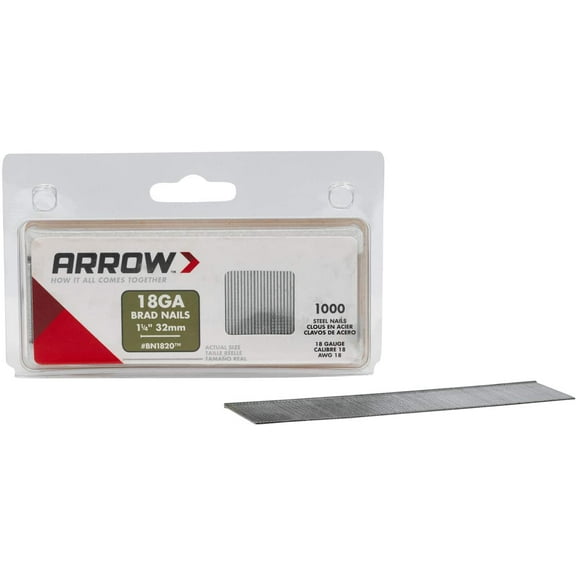
When you shop brad nails, you’ll usually start with 18 gauge options for detailed interior work. You can use them for baseboards, casing, cabinet backs, and narrow trim.
Unlike larger finish nails, you’ll notice brad nails leave a smaller hole in painted or stained surfaces. You can spend less time filling marks when your project calls for a neat appearance.
As you compare options, you should check a few decision points before you pick a box. You’ll want to match your nailer, your wood thickness, and your project setting.
- You can use 18 gauge brad nails for light trim, crafts, and detailed woodworking.
- You can choose longer lengths when your trim and backing material are thicker.
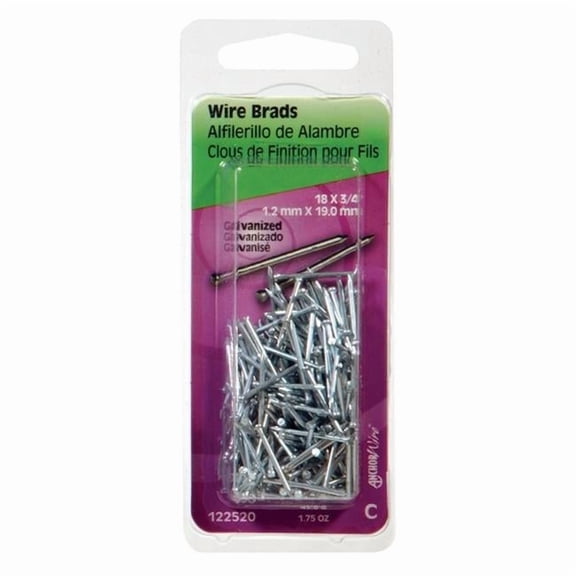
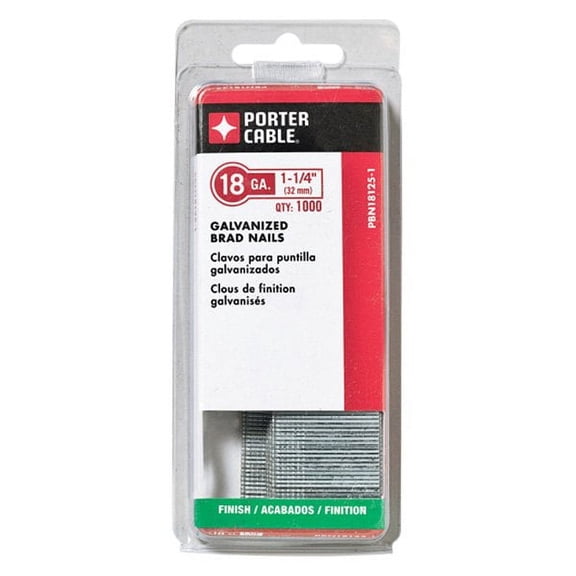
- You can select galvanized brad nails when your project needs extra resistance to moisture.
- You can look for stainless steel brad nails when your job calls for a corrosion-resistant finish.
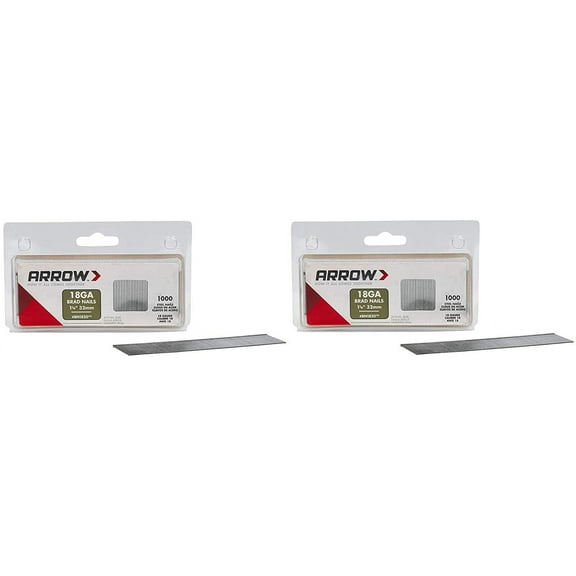
- You can confirm straight brad nails or angled collation to fit your specific nailer.
Choosing between 18 gauge brad nails and other gauges
You’ll often see 18 gauge brad nails because many brad nailers are built for that common size. You can use them when you need holding power without a large nail head.
If your tool takes 16 gauge nails, you should know that those are usually finish nails, not brads. You’ll want 23 gauge pins for very delicate work and minimal visibility.
Before you buy, you should check your nailer manual for exact gauge support. You can avoid fit issues by matching the listed gauge to your tool.
Choosing the right length for trim and wood depth
You should choose length based on the thickness of the material you’re attaching. You want enough nail to pass through the top piece and anchor into the backing wood.
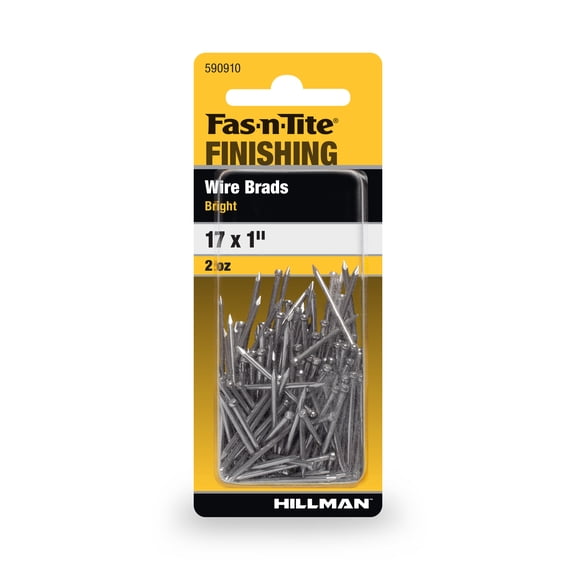
For smaller trim and craft projects, you may prefer 5/8 inch or 1 inch lengths. For larger casing or thicker stock, you may reach for 1-1/4 inch or 2 inch brad nails.
If you’re attaching thin decorative trim, you can keep a shorter length for a cleaner result. If you’re securing thicker pieces, you can move up in length for stronger hold.
Comparing galvanized brad nails and stainless steel brad nails
You should match the finish to the environment where you’ll use the nails. You can keep indoor projects simple, or choose added corrosion resistance for damp conditions.
Galvanized brad nails work well when your project may see humidity, changing weather, or occasional moisture. You can use them for outdoor trim, utility spaces, or covered exterior work.
Stainless steel brad nails make sense when your project needs a durable finish in more demanding environments. You can also consider bright steel for dry interior jobs where appearance and basic fastening matter.
Checking straight brad nails and nailer compatibility
You should always compare collation style before you place your order. You can find straight brad nails for many standard brad nailers, while some tools use angled strips.
If your nailer is pneumatic, you should still verify the supported gauge and collation. If your nailer is electric or cordless, you’ll want the same fit checks before loading nails.
You can avoid downtime by checking the product details against your tool requirements. You’ll get a smoother workflow when the strip style and gauge match your magazine exactly.
Using brad nails in real woodworking and DIY jobs
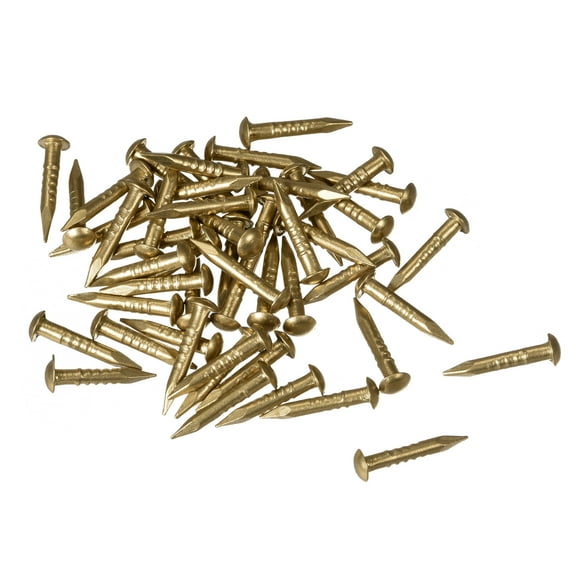
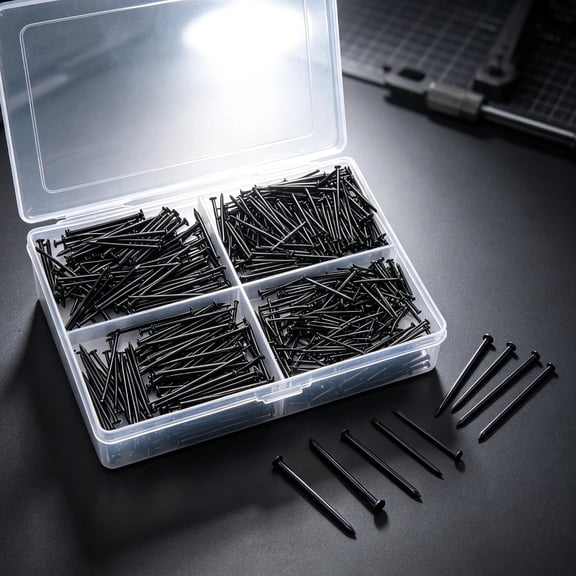
You can use brad nails for crown accents, window casing, shoe molding, and small furniture parts. You’ll also find them useful for hobby builds, lattice trim, and decorative panels.
When you’re assembling cabinet trim, you may want 18 gauge brad nails for clean-looking attachment points. When you’re finishing a thicker frame, you may step up to longer lengths for deeper reach.
If your project moves from a dry room to a porch or workshop area, you should compare finishes carefully. You can choose galvanized or stainless steel options when your environment calls for added durability.
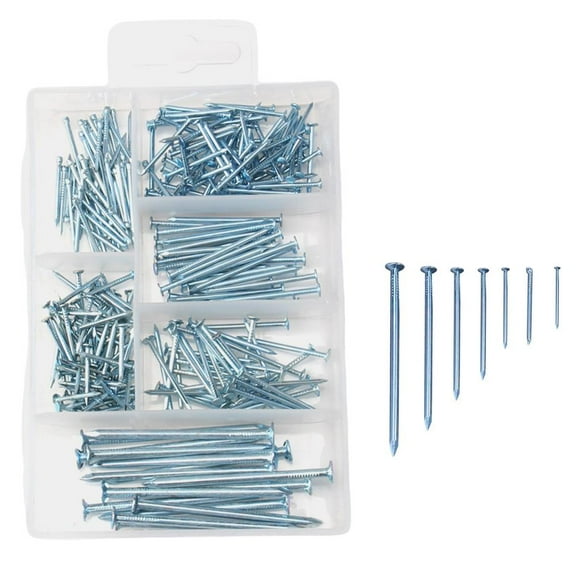
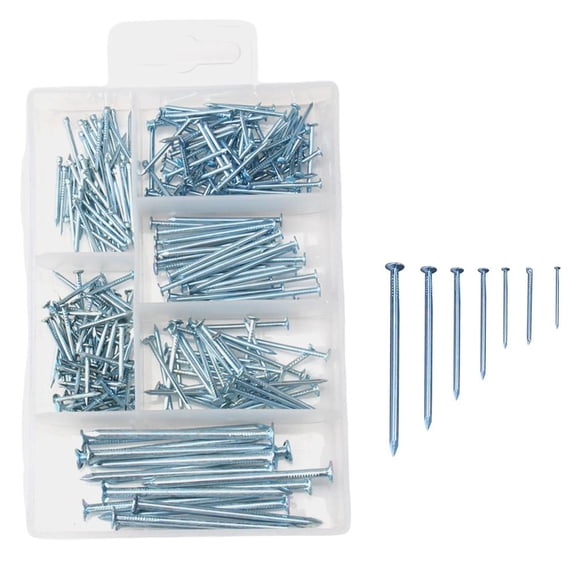
For quick repairs, you can keep several lengths on hand for different materials around your home. You’ll be ready for everything from light trim touchups to attaching narrow boards and small moldings.
With the right brad nails, you can match gauge, length, finish, and collation to your tool and your materials. You’ll get cleaner fastening, smoother trim work, and a more precise result on detailed projects.