


Men’s & Women’s Belts


































About Men’s & Women’s Belts - Walmart.com
Belts help you finish your outfit and fine-tune your fit for work, weekends, and special occasions. You can compare materials, widths, and buckle styles to choose a belt that matches your clothes and daily routine.
How to choose belts by material and style
When you compare belts by material, you can quickly narrow your options for comfort, structure, and appearance. You may prefer leather belts for polished looks, while canvas or webbed options suit casual outfits and active days.
If you want a softer break-in feel, you can consider faux leather or braided styles for flexible wear. When you need cleaner lines, you can choose dress belts that pair neatly with trousers, loafers, and suiting.
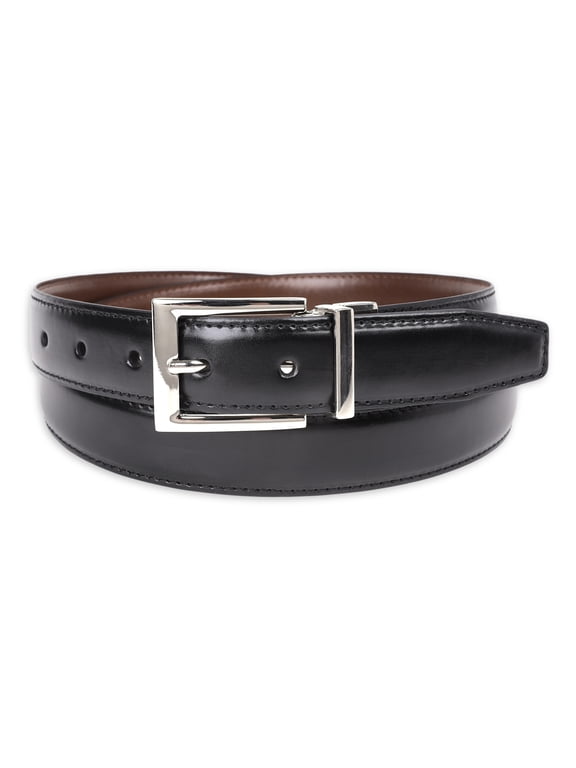
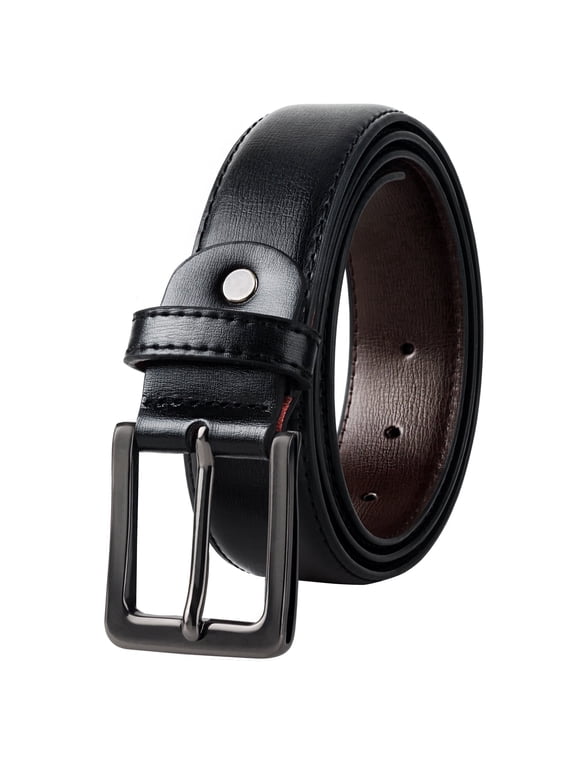
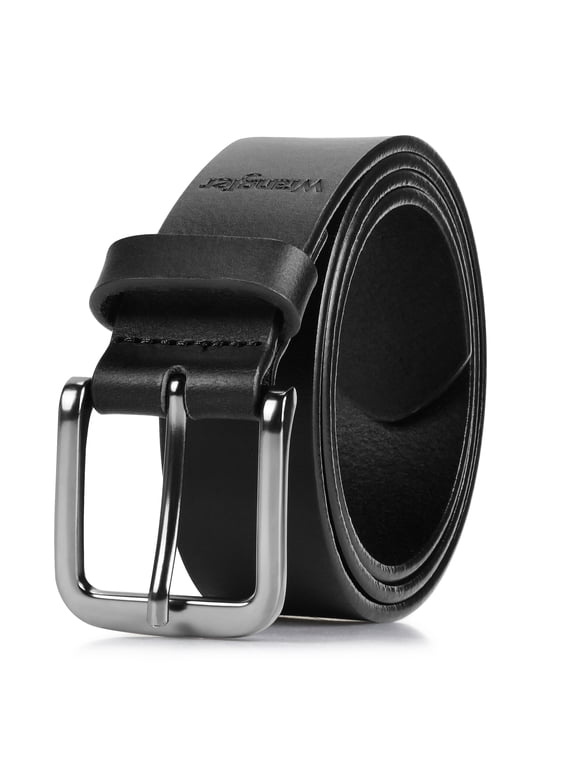
- You can choose leather for a refined look that works well with officewear and dress shoes.
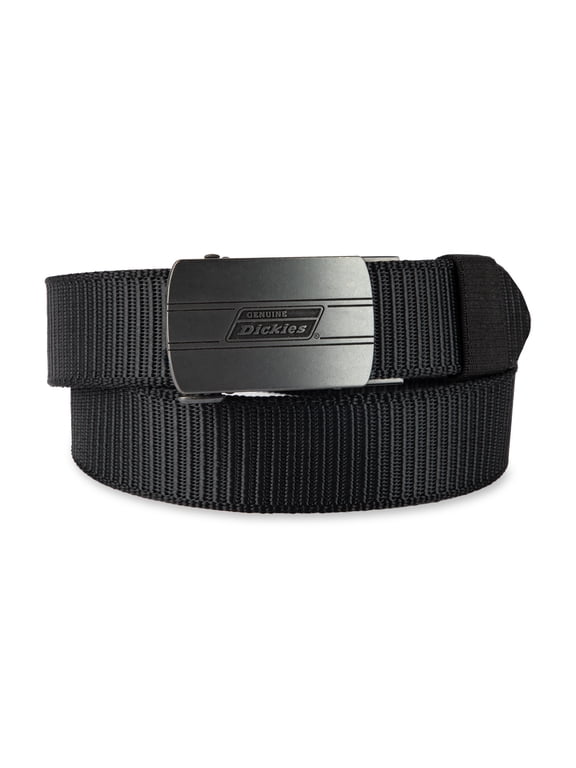
- You can pick canvas or webbed styles when your outfit leans casual, sporty, or outdoorsy.
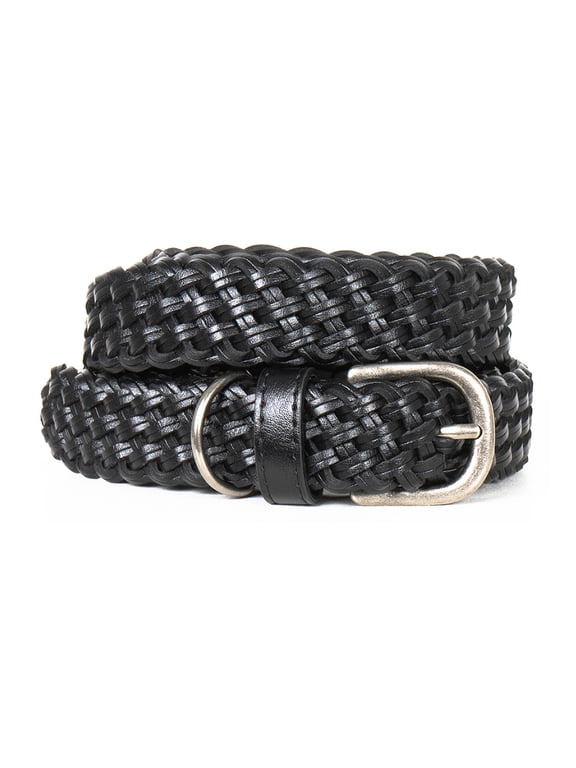
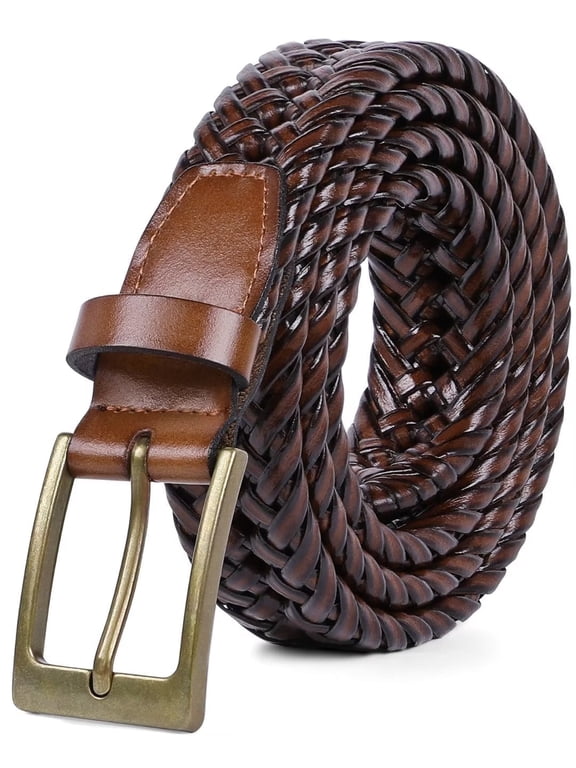
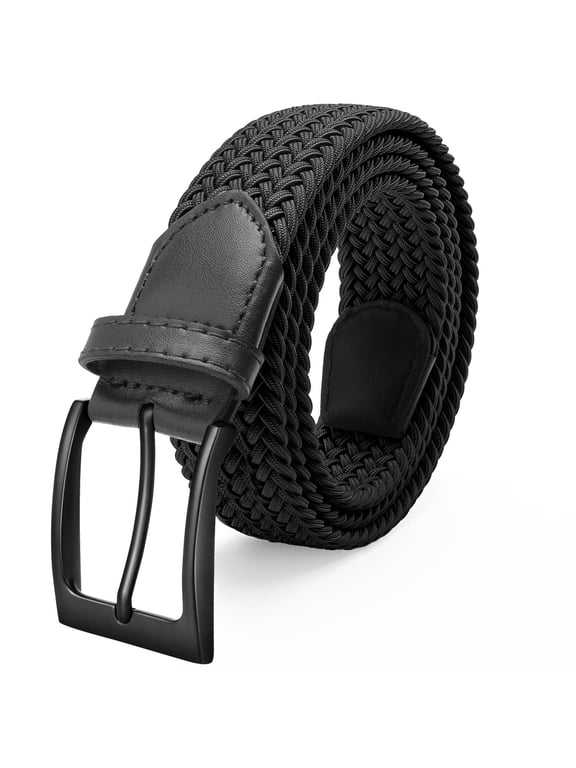
- You can consider braided belts when you want flexible fit points and textured style.
- You can use work or tactical options when you need wider widths and sturdier hardware.
As you compare casual belts and dress belts, you should look at texture, finish, and stiffness. You’ll usually want smoother finishes for formal outfits and more rugged textures for denim or utility pants.
Choosing mens belts, womens belts, and kids sizes
When you shop mens belts, womens belts, or kids options, you should start with fit before color or hardware. You can usually choose a belt size about two inches larger than your pant waist size.
If your pants have a 34-inch waist, you’ll often want a 36-inch belt for a comfortable middle-hole fit. You should also check whether your preferred size range matches the belt’s hole spacing or slide adjustment system.
Width matters because you need your belt to pass through your pant loops without bunching or slipping. You can look for slimmer widths with dress pants, while wider workwear loops often handle broader straps.
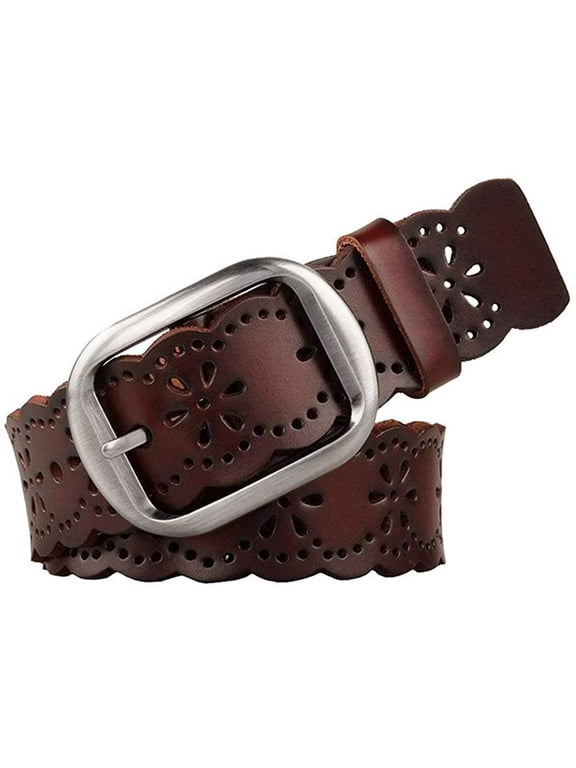
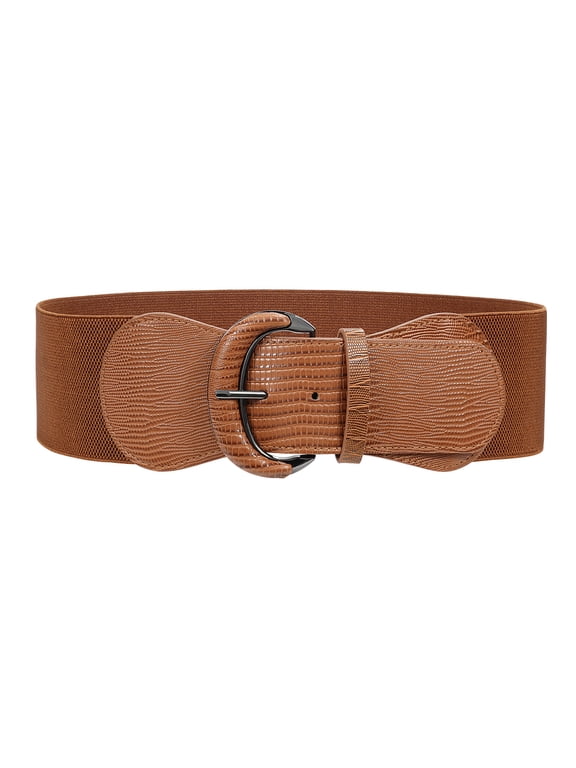
For womens belts, you may want to compare waist belts and hip belts based on where you plan to wear them. For kids and unisex options, you should check adjustable sizing that keeps everyday outfits easy to manage.
What to look for in leather belts and other materials
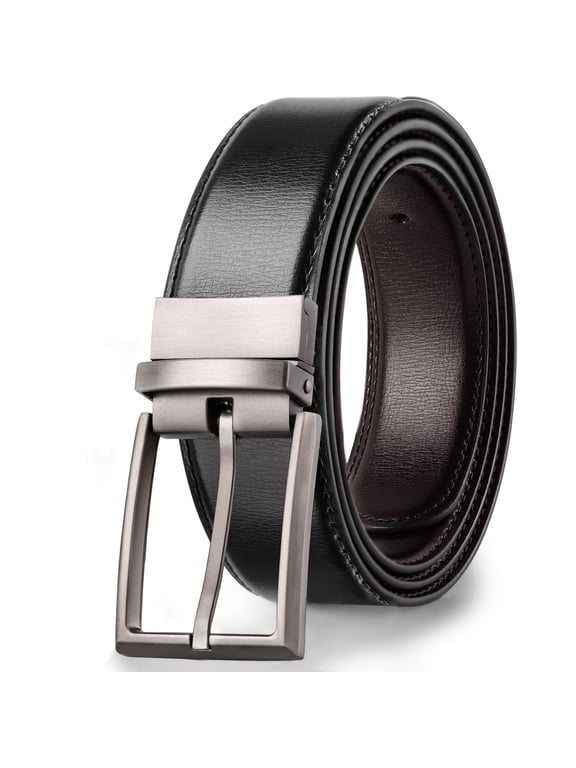
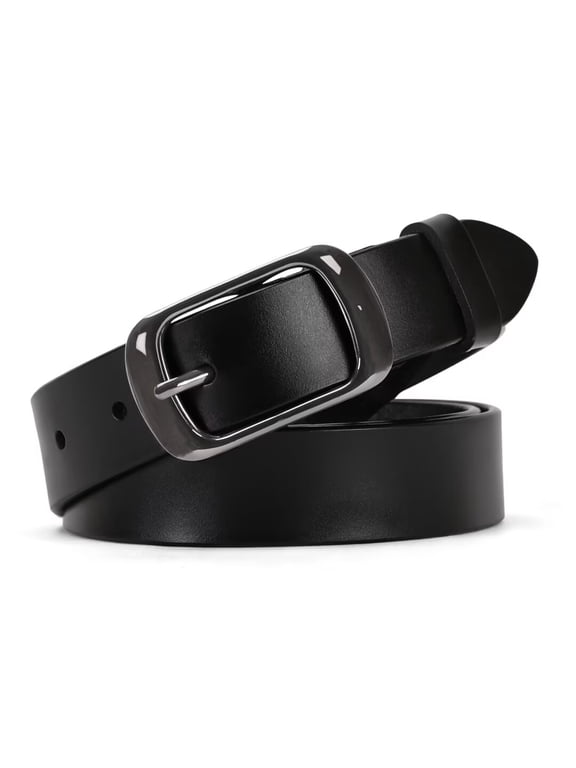
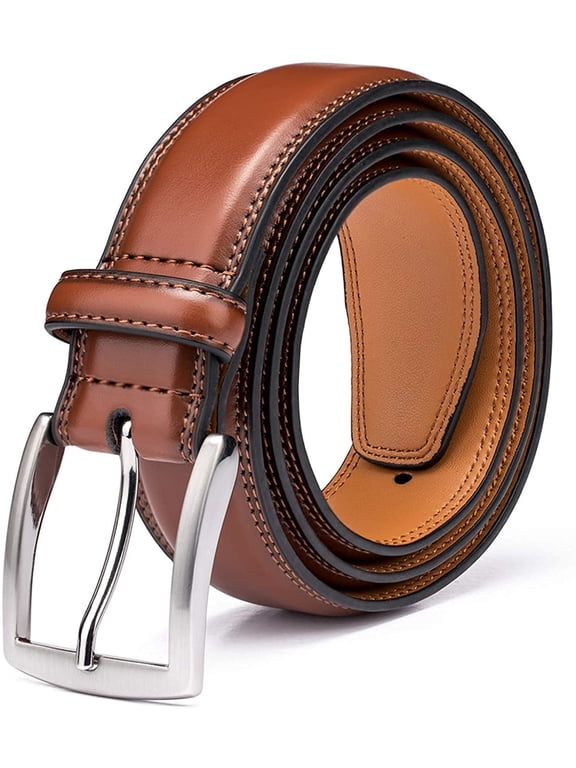
When you review leather belts, you should compare finish, flexibility, and how structured the strap feels in your hand. You’ll often notice leather works well when you want a cleaner shape for offices, events, or uniforms.
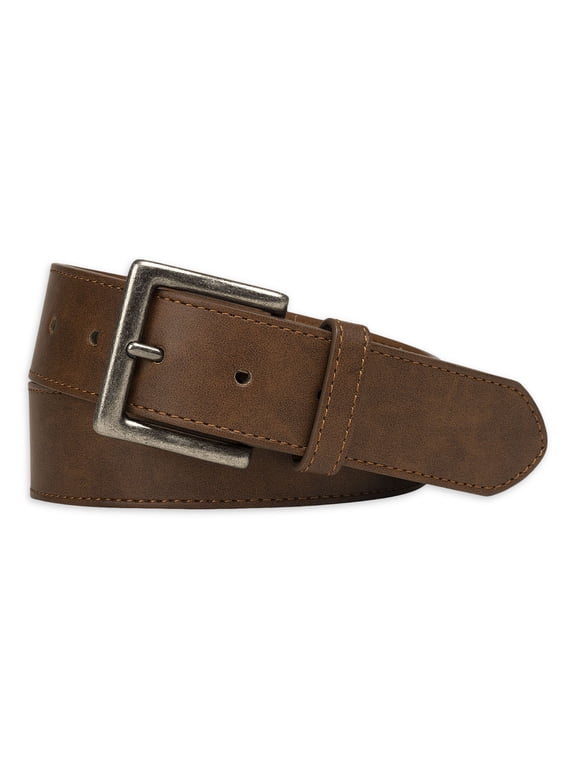
If you need easy everyday wear, you can compare faux leather with canvas and webbed designs. You may find those materials feel lighter, bend faster, and pair naturally with shorts, jeans, and joggers.
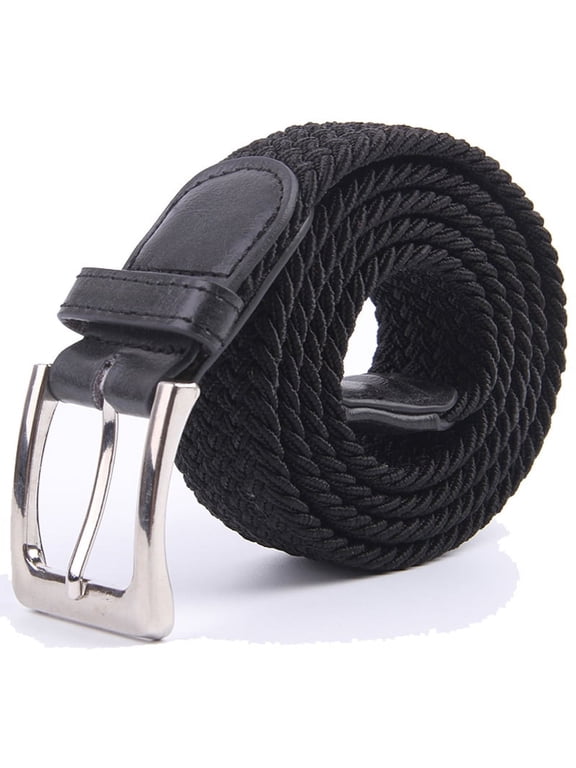
Braided belts give you a different fit experience because you can fasten them at many points along the weave. You can use that flexibility when your outfit changes between tucked shirts, layered tops, or mid-rise bottoms.
As you compare finishes, you should think about how often you’ll wear the belt and what shoes you own. You’ll create a more coordinated look when your strap texture and buckle tone support the rest of your outfit.
Understanding buckle types and everyday function
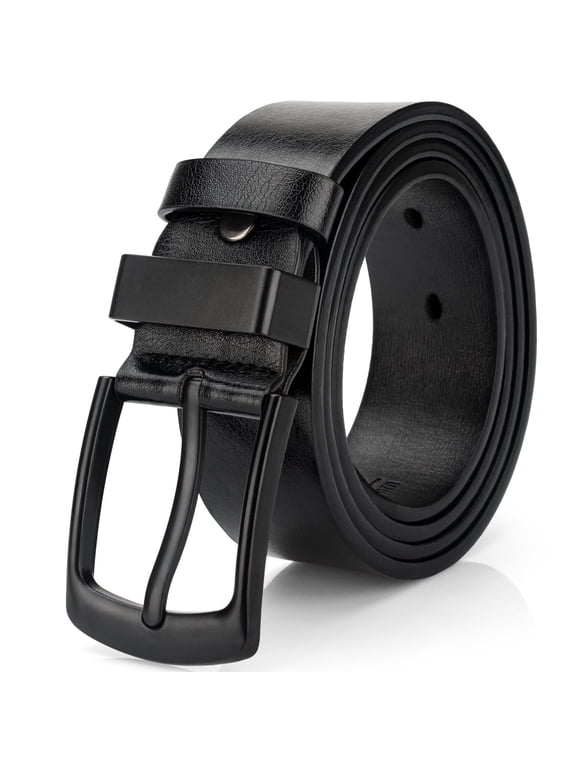
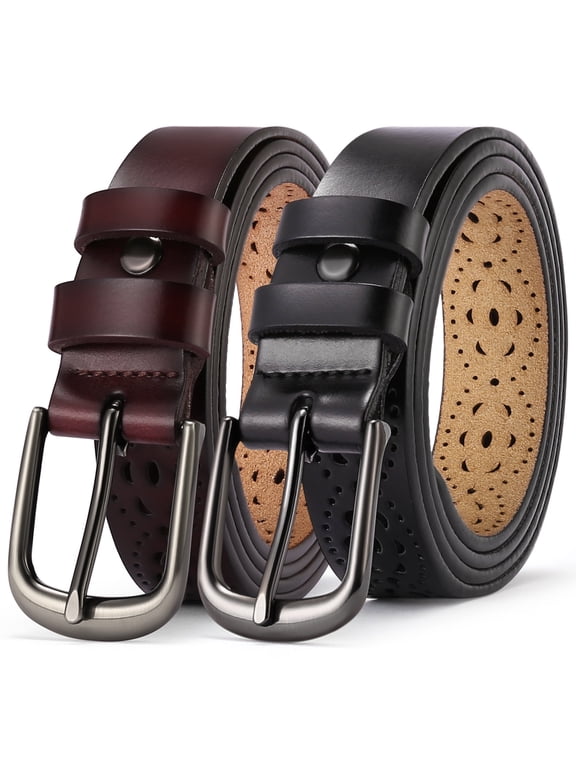
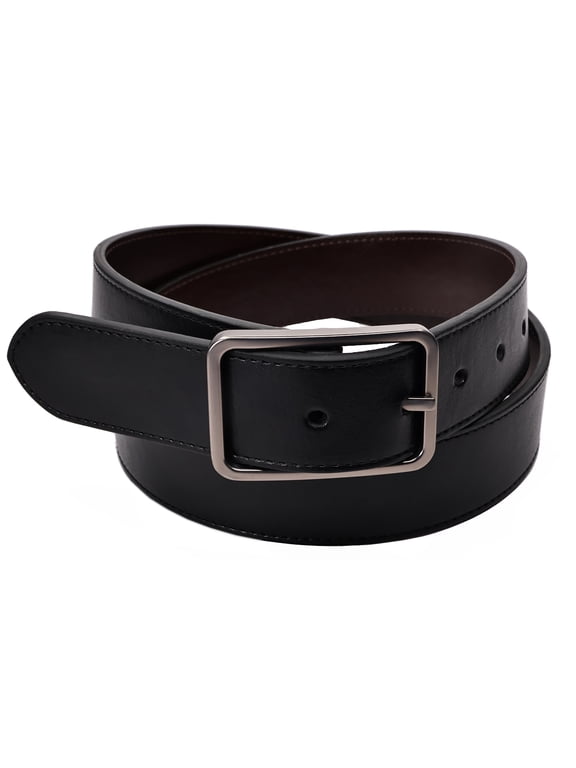
You should compare closure type closely because buckle design affects fit, appearance, and how quickly you adjust your belt. You can choose single prong buckle styles for familiar fastening and easy pairing with many outfits.
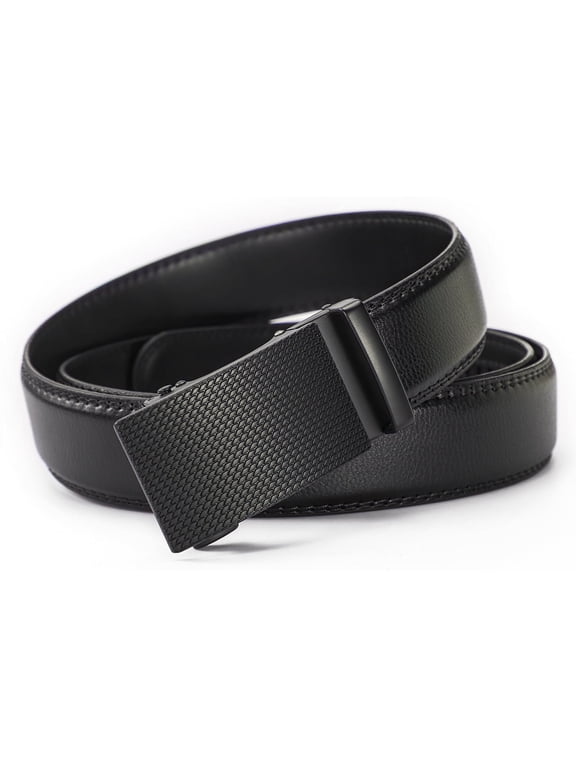
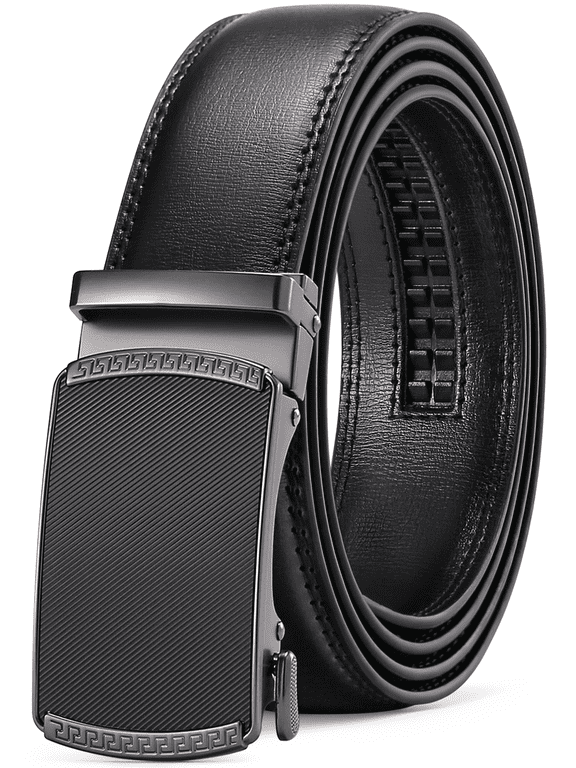
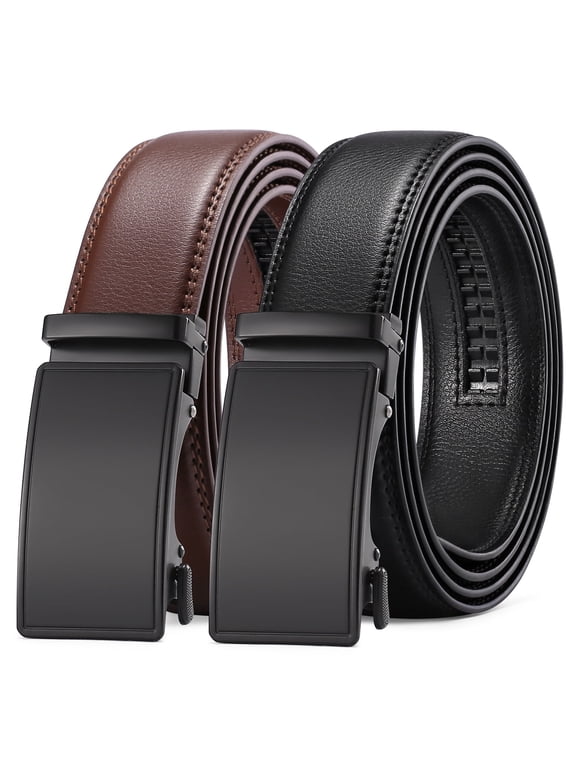
If you want a bolder look, you can consider double prong belts with extra visual structure across the front. You may prefer automatic slide options when you want a cleaner face and smaller fit adjustments.
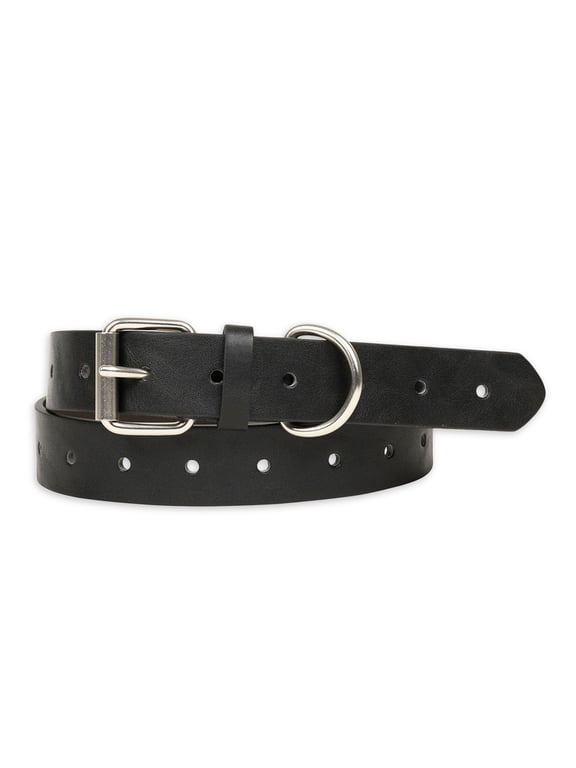
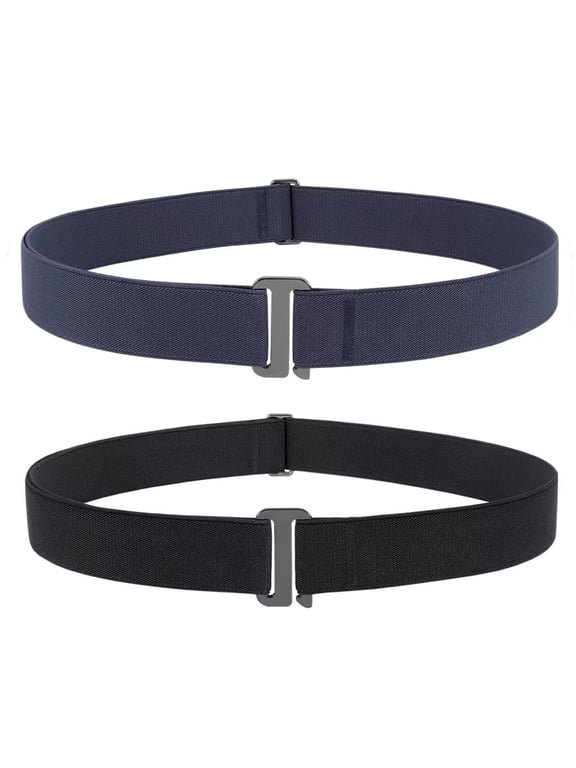
Double ring closures give you a different feel that works well with webbed and casual styles. You can pull and secure them quickly, which suits relaxed outfits and flexible daily wear.
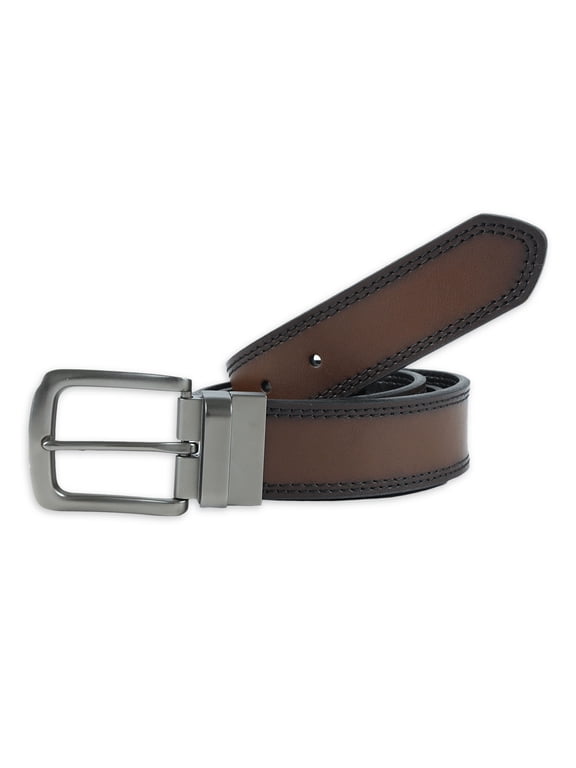
When you care about buckle swaps, you should check whether the strap allows interchangeable hardware or fixed construction. You’ll make a simpler choice when you match the closure style to how often you rotate shoes, pants, and shirts.
Matching belts to real outfits and occasions
You can use dress belts with tailored pants, button-front shirts, and loafers when you want a neat, streamlined finish. You may prefer darker straps and slimmer widths when your outfit calls for a formal look.
For weekends, you can wear casual belts with jeans, chinos, polos, and sneakers without making the outfit feel overdressed. You’ll often reach for canvas, braided, or webbed options when comfort and movement are key.
If your routine includes job sites or heavier pants, you can compare work styles with wider straps and sturdier buckles. You should check loop width first so your belt fits your pants cleanly from morning through evening.
When you’re building a versatile closet, you can keep one polished option and one relaxed option for easier outfit planning. You’ll cover office days, travel, family events, and daily errands with fewer fit surprises.
With belts, you can make a small wardrobe choice that changes comfort, polish, and outfit coordination right away. When you compare size, width, material, and closure carefully, you’ll get a belt that feels right and looks pulled together.