









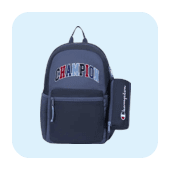
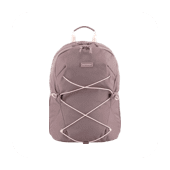
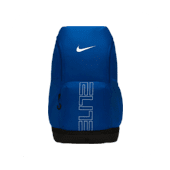
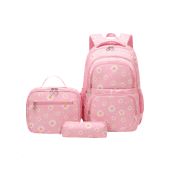
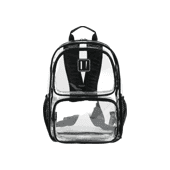
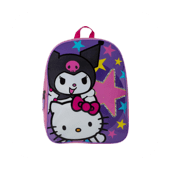
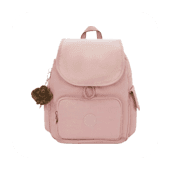
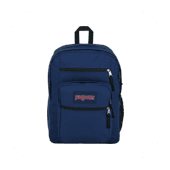
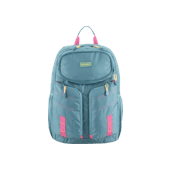
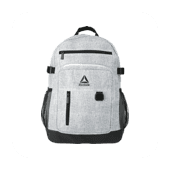
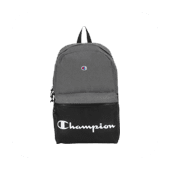
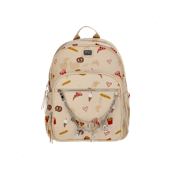


Backpacks in Backpacks


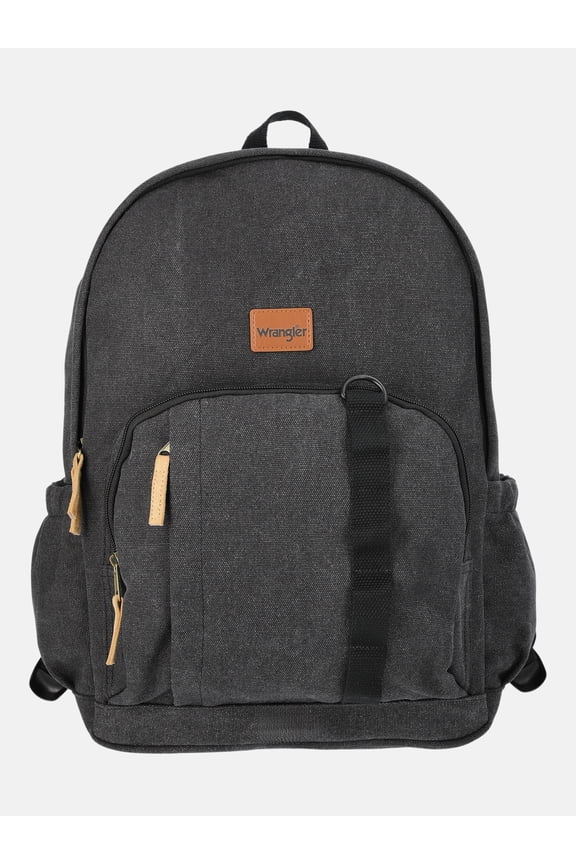
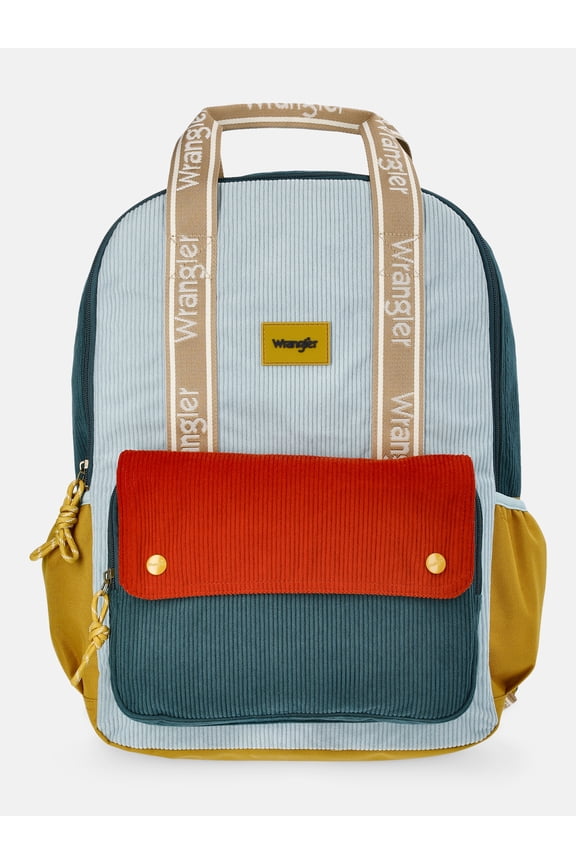
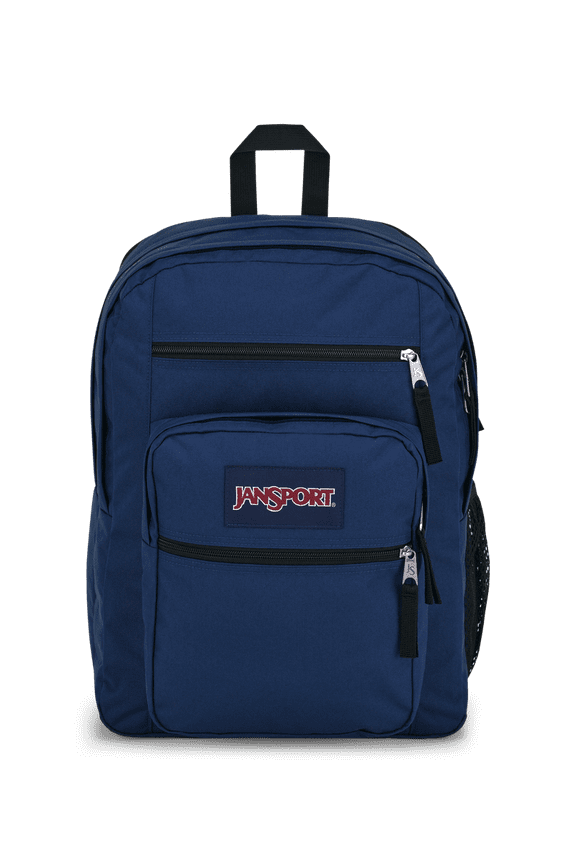
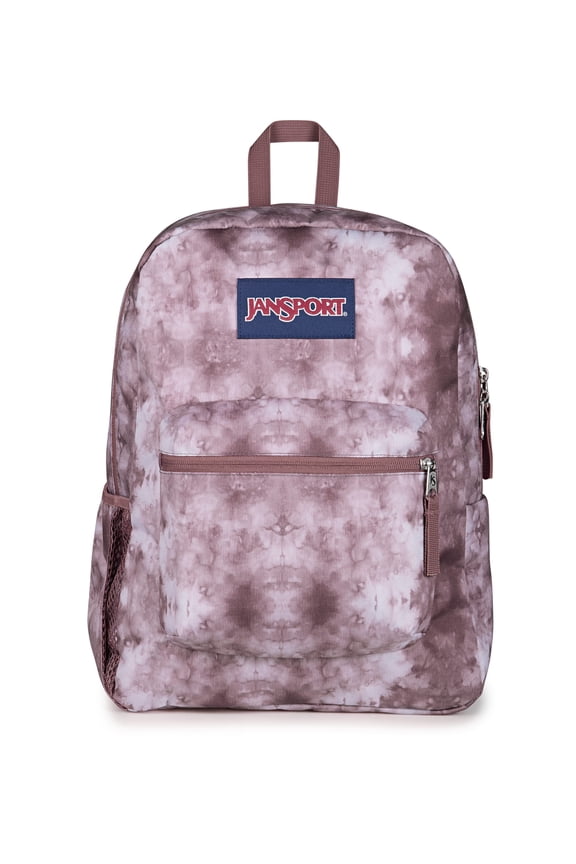


























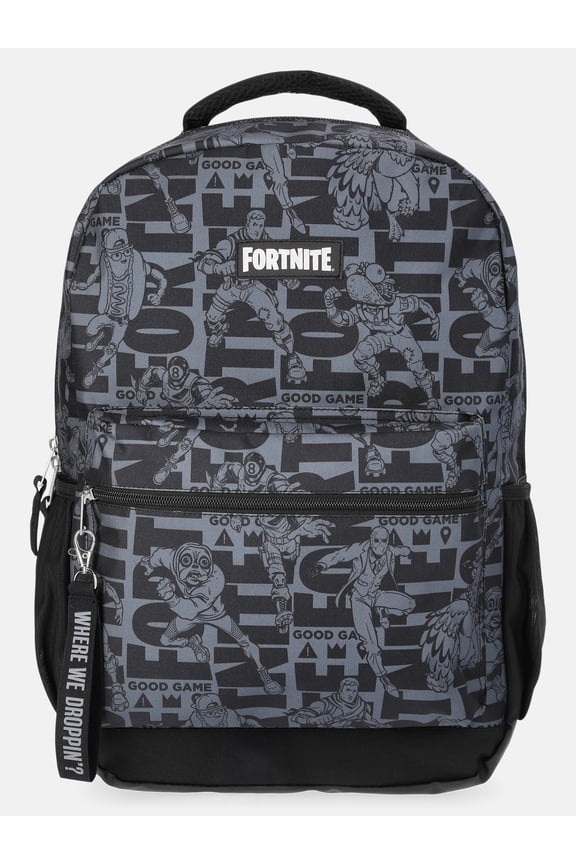


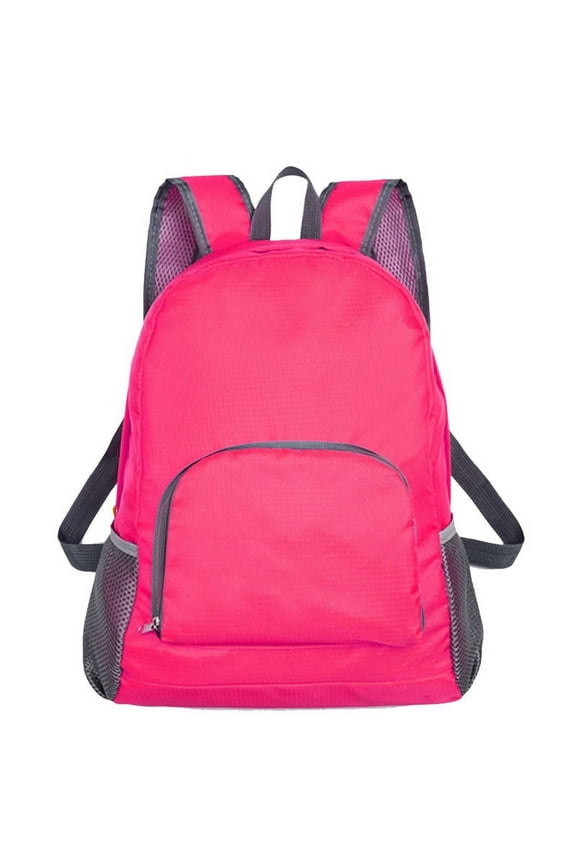


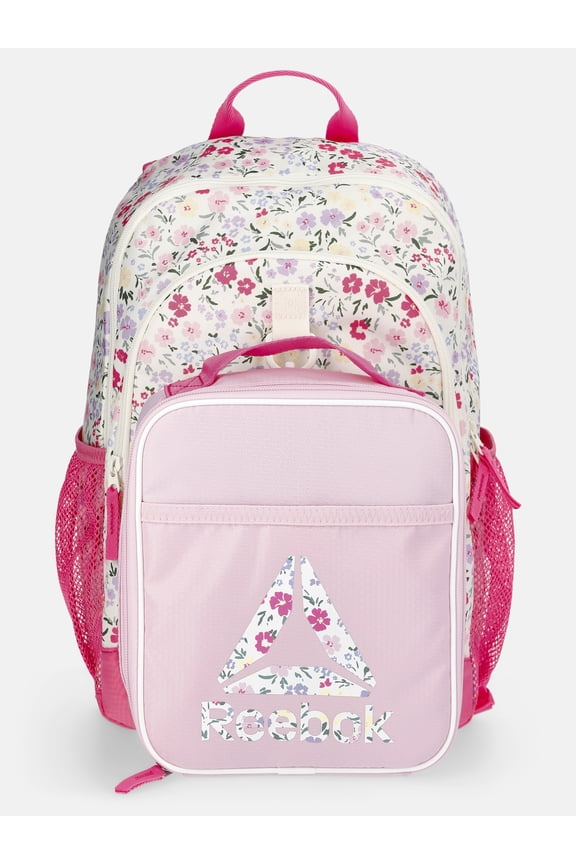


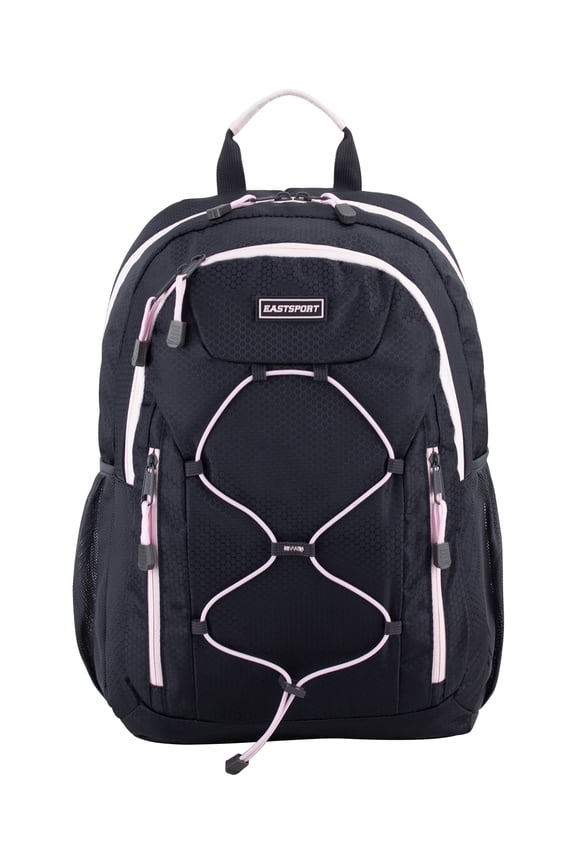






About Backpacks in Backpacks - Walmart.com
Backpacks help you carry school supplies, work gear, and travel essentials with less hassle. You can compare sizes, laptop storage, and comfort details that fit your routine.
If you're choosing one bag for daily use or several use cases, backpacks give you flexible organization. You'll find options for school days, commutes, flights, and trail outings in one category.
How to choose backpacks for school, work, or travel
When you compare use cases first, you can narrow your choice faster. You'll want different storage, structure, and access points for class, commuting, or weekend trips.
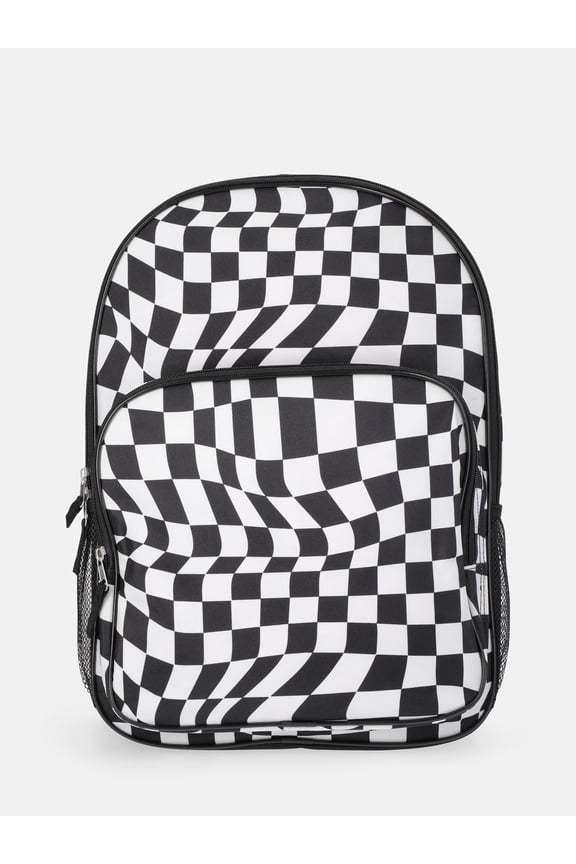
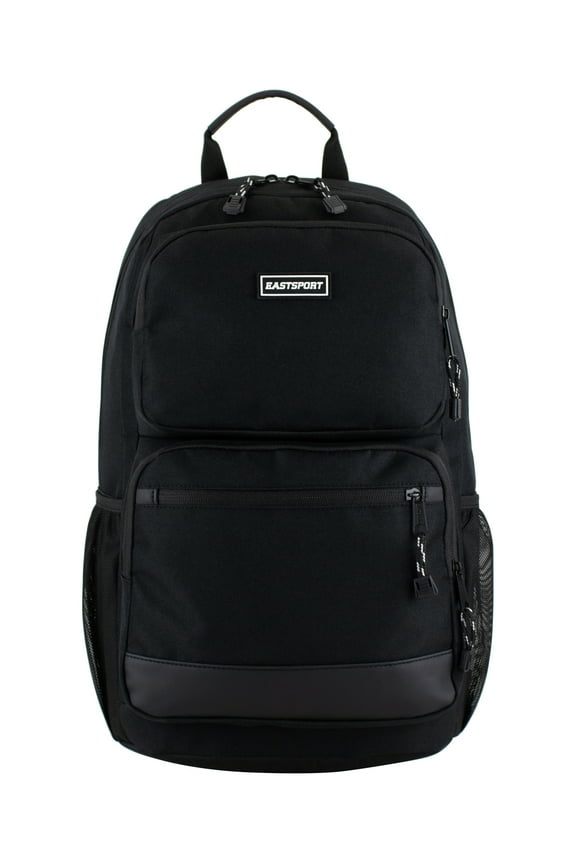
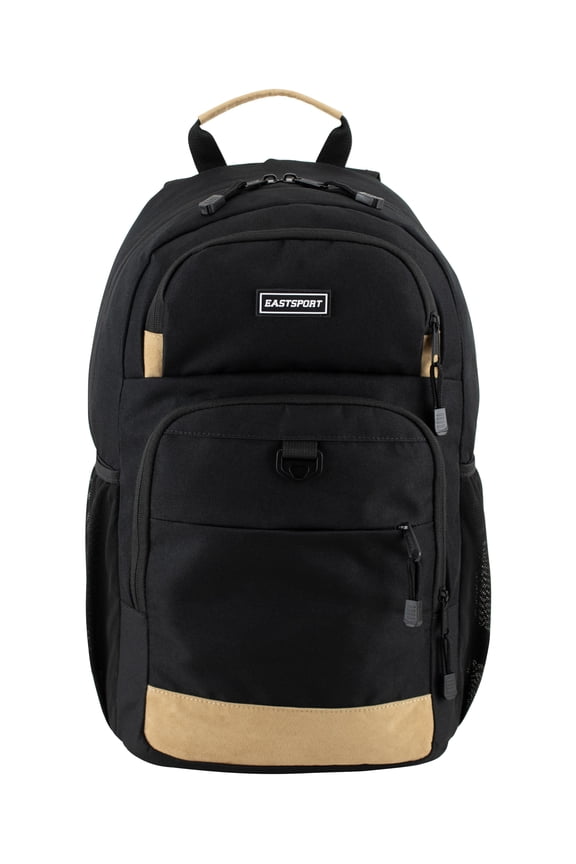
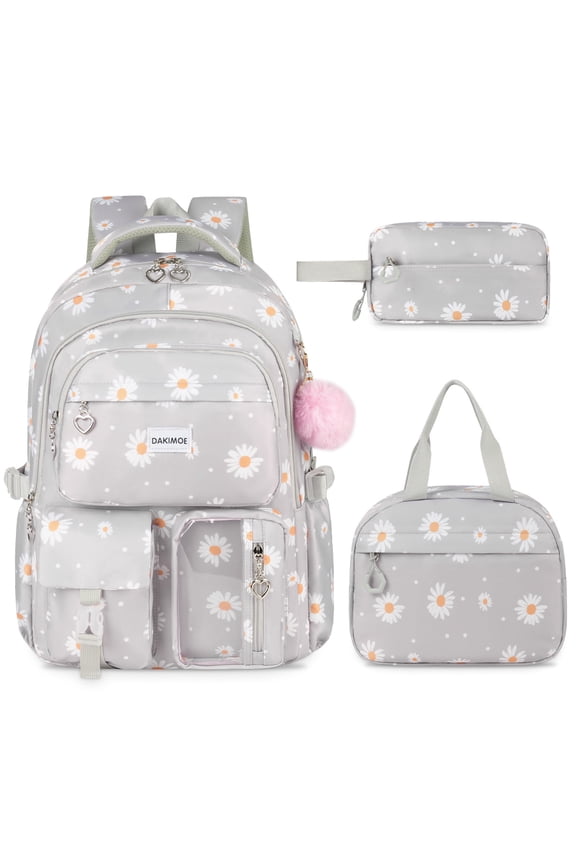
For backpacks for school, you may look for room for two to three textbooks, notebooks, and a lunch bag. You'll also want padded straps and organizer pockets for busy mornings.
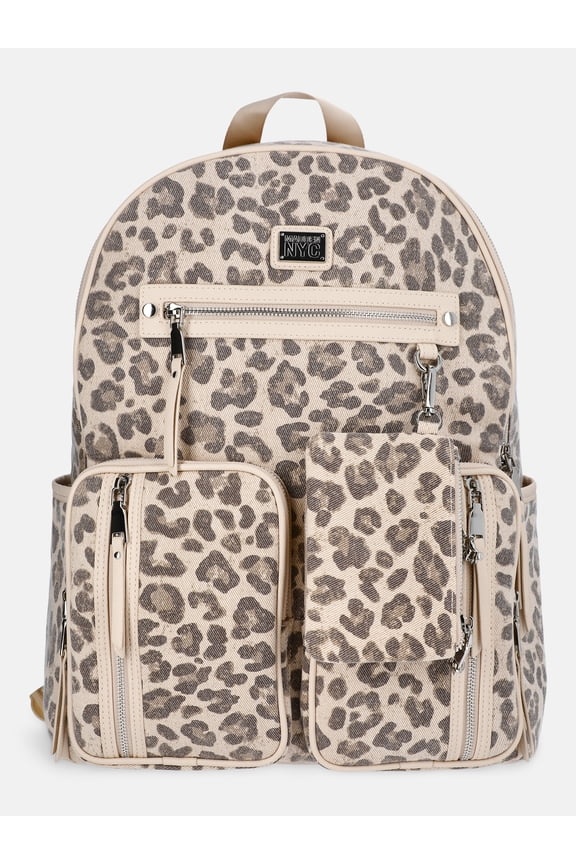
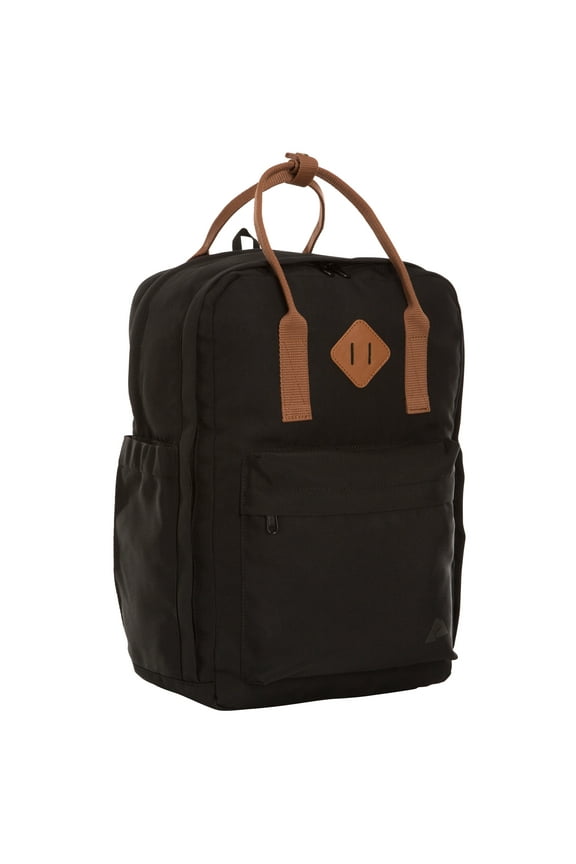
For work or campus commuting, you may prefer laptop backpacks with a dedicated sleeve and quick-access pockets. You'll notice these details help your charger, mouse, and documents stay easy to reach.
For travel backpacks, you may want a spacious main compartment and exterior pockets for boarding essentials. You'll appreciate layouts that fit a change of clothes, toiletries, and travel documents.
If hiking is part of your plan, you may focus on balanced weight and breathable back panels. You'll feel comfortable during long walks when padding and airflow matter.
Key benefits to look for in backpacks
You can get real convenience from a backpack that matches your daily load. Your shoulders, hands, and schedule all benefit when storage is easy to manage.
- You can separate books, tech, and small items with multiple compartments.
- Your commute can feel comfortable with padded shoulder straps and lightweight materials.
- You can keep your laptop, charger, and notebook together for class or work.
- Your trip packing can stay organized with larger openings and side pockets.
Comfort is one of the primary differences you should compare. You'll want padded straps that distribute weight evenly across your shoulders.
Organization also changes how useful your bag feels every day. You can keep pens, keys, bottles, and cords in dedicated spots instead of one crowded compartment.
Versatility matters when your schedule changes from weekday errands to short travel. You'll get extensive use from styles that work for class, work, and day trips.
Key features to compare before you choose
When you compare features, you should start with laptop compatibility and capacity. You'll want the bag to fit your gear without feeling bulky or cramped.
For laptop backpacks, check whether your device size matches the sleeve dimensions. You may need space for up to a 15.6-inch or 17-inch laptop, depending on your setup.
Capacity works well when you picture what you carry each day. You can think of small backpacks for light essentials, while larger bags fit weekend clothing or several books.
Small backpacks usually suit quick outings, compact school loads, or hands-free errands. Medium sizes often fit a notebook, water bottle, and daily tech accessories comfortably.
Large and extra-large options help when your load includes binders, gym clothes, or travel gear. You'll want to compare depth and opening style, not just the label.
Comfort features deserve close attention during your comparison. You should look for padded shoulder straps, adjustable fit points, and breathable mesh on the back panel.
Material also affects weight, structure, and daily feel. You'll often find polyester and nylon in lightweight backpacks, while canvas and leather can feel more structured.
Weather protection can influence your choice during commuting or travel. You should note that water-resistant materials help shed light moisture, while waterproof construction is a different standard.
Extra features can support your routine when they match how you pack. You may want a USB charging port, bottle pockets, or a luggage sleeve for smooth travel days.
Matching size, material, and features to your routine
You can make an informed choice when you pair size with your main use case. Your daily routine often tells you whether you need compact storage or expanded capacity.
If you're heading to class, backpacks for school often work well with medium or large sizes. You'll have room for folders, a tablet, and a hoodie without overpacking.
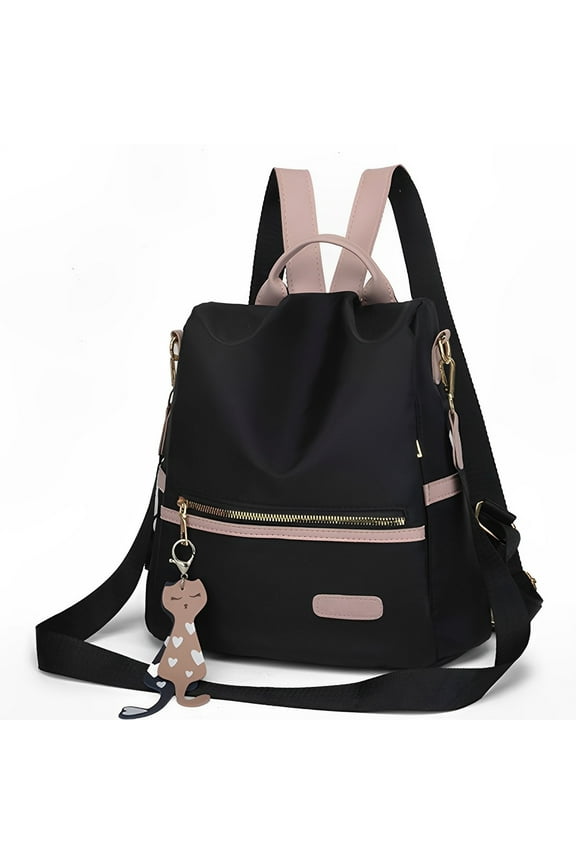
If you commute to work, laptop backpacks with a dedicated sleeve can keep tech separate from lunch or paperwork. You'll likely appreciate a cleaner shape that fits desks and transit seats.
If you take short trips, travel backpacks in large or extra-large sizes can replace a small duffel. You can pack outfits, toiletries, and charging gear in one carry option.
If you prefer lighter carry, lightweight backpacks in polyester or nylon can reduce bulk. You'll notice these materials often suit active days, campus walks, and airport connections.
If style matters as much as function, canvas and leather looks can suit office or casual outfits. You can still compare interior pockets and strap padding before deciding.
For rainy commutes or splash-prone outings, water-resistant fabrics can add useful coverage. You'll want to check zippers, seams, and pocket placement for everyday practicality.
If you switch between classes, work, and weekend plans, you may prefer a flexible medium size. You can keep your essentials organized without carrying a bag that feels oversized.
Choosing the right backpacks with confidence
You can narrow your choice by comparing use case, laptop fit, capacity, comfort, and material together. Your final pick should carry what you need and feel comfortable from the first trip out.
When you focus on those decisions, backpacks become easier to sort by what fits your routine. You'll end up with a bag that keeps daily essentials organized and easy to carry.