


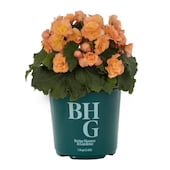
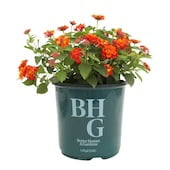
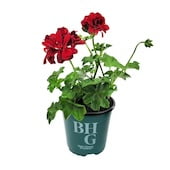
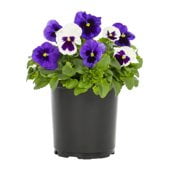
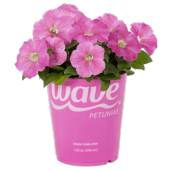
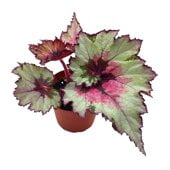
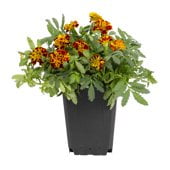
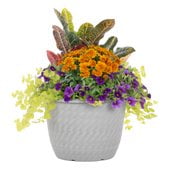
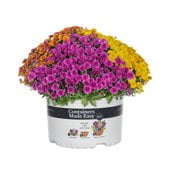
Annuals in Live Plants


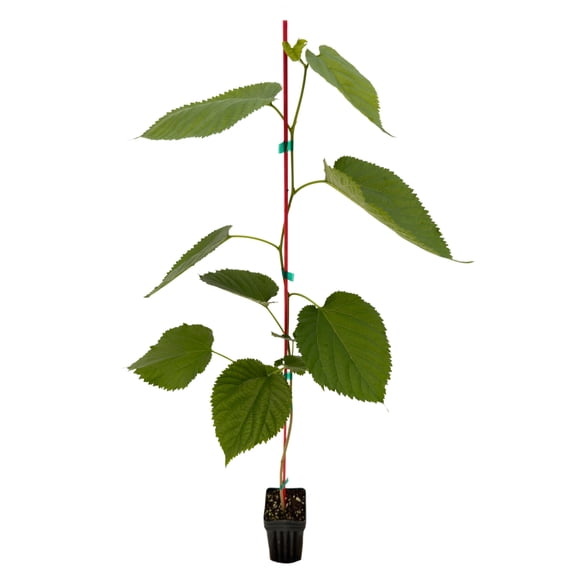

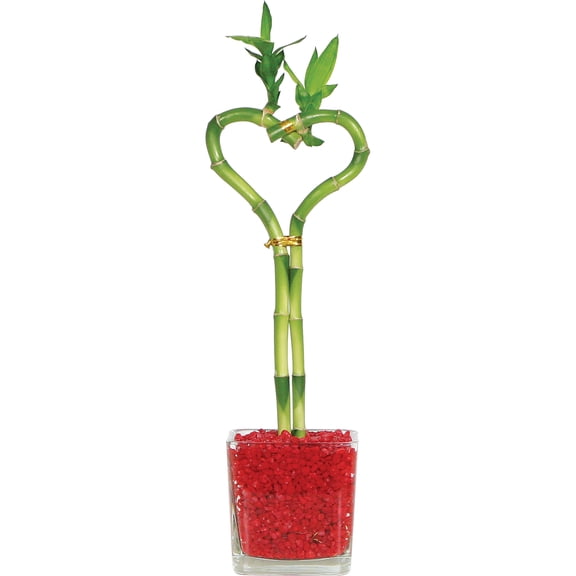
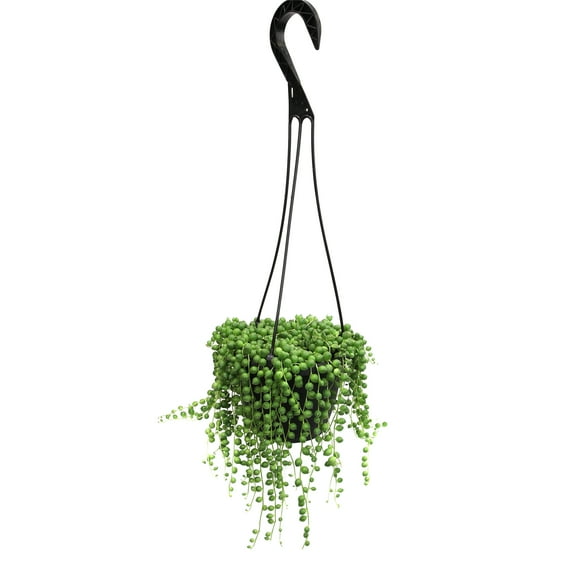






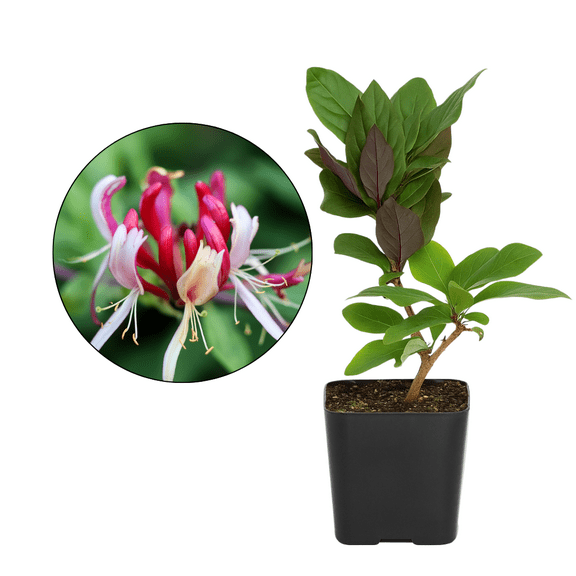

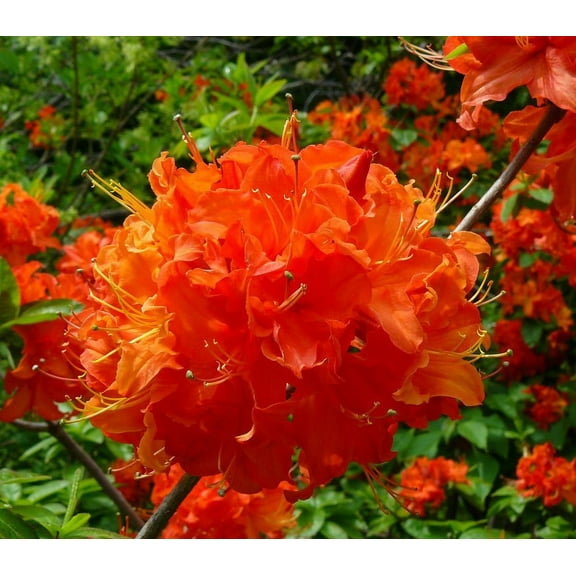
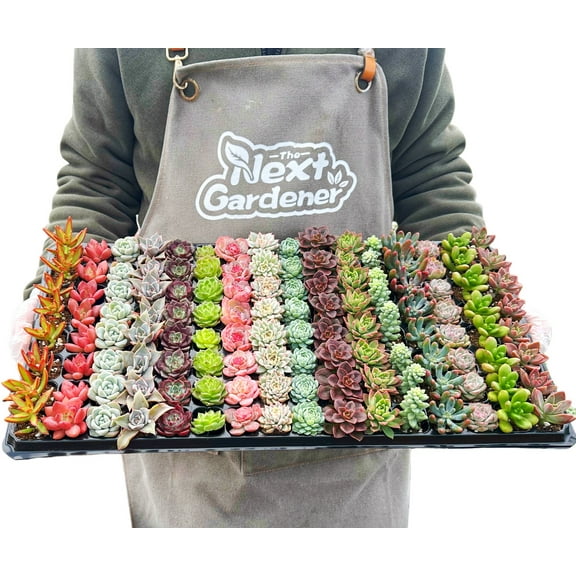

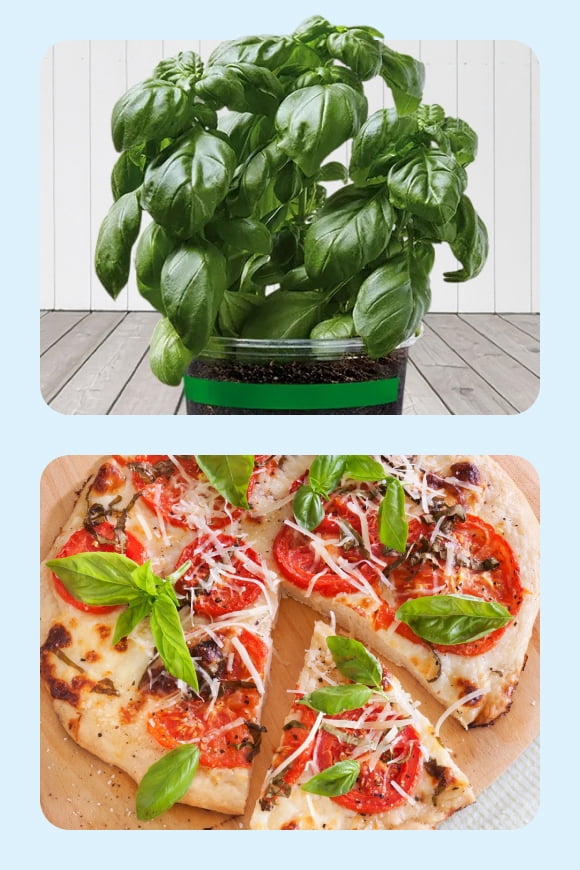
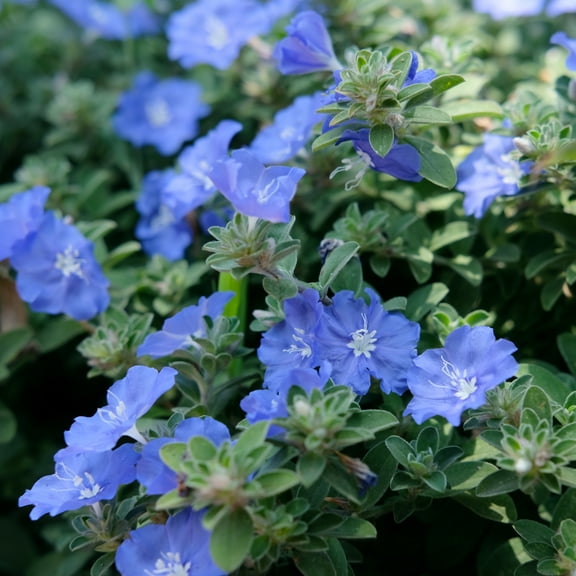
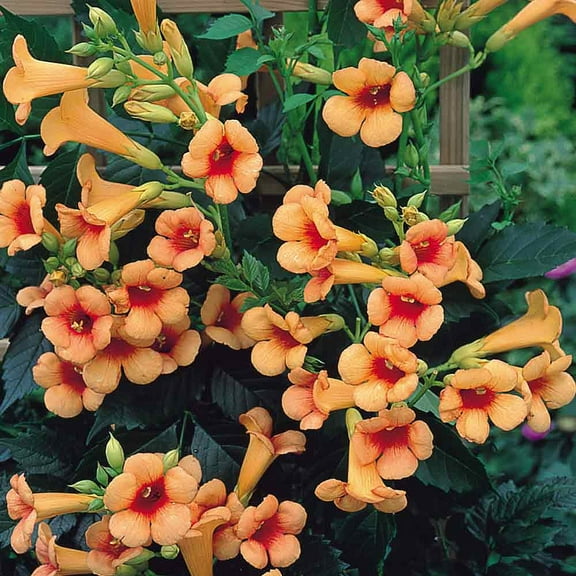

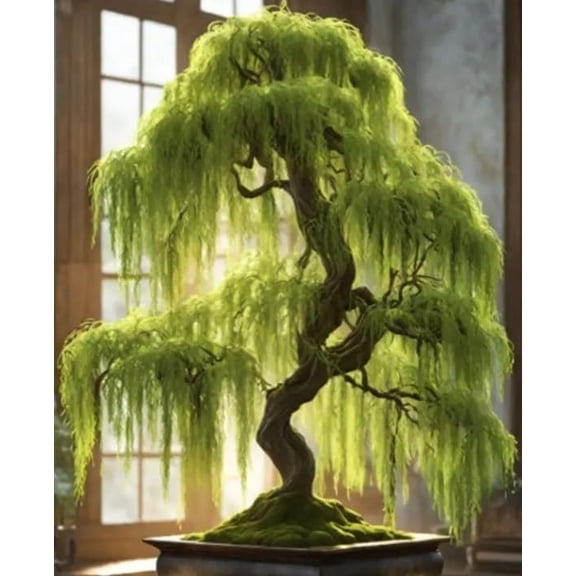
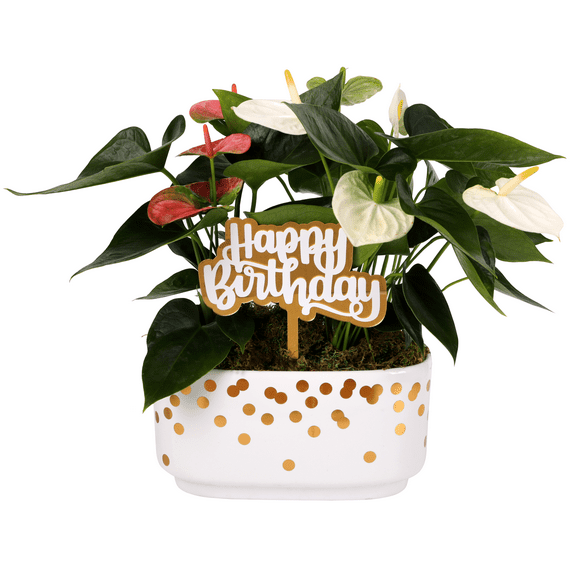









About Annuals in Live Plants - Walmart.com
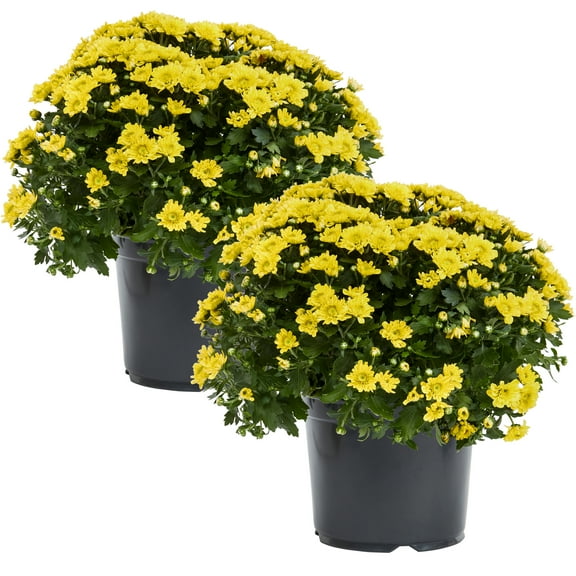
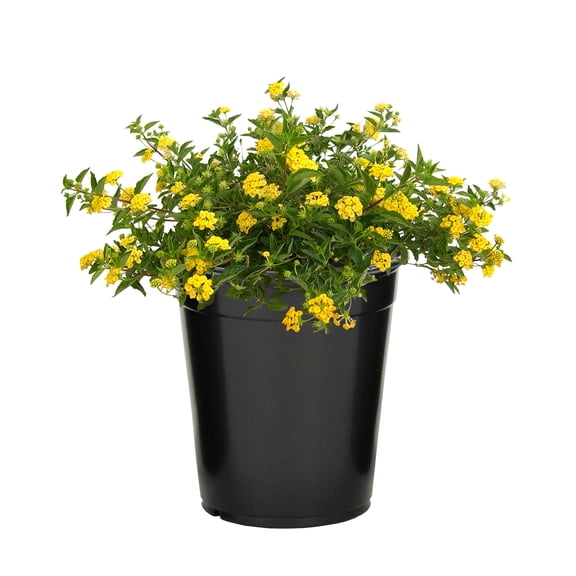
Annual flowers give your yard, porch, and patio fast seasonal color. You can use them to fill empty beds, refresh containers, and brighten spaces through spring, summer, or fall.
How to choose annual flowers for your space
You should start with the light your planting area gets each day. You can compare full sun, partial shade, and full shade before you pick colors or plant shapes.
If your spot gets six or more hours of direct light, you may prefer sun annuals. If your area stays cooler or filtered, you may lean toward shade annuals instead.
You can also check your USDA hardiness zone before planting outdoors. You’ll get a clearer sense of timing for spring annuals and fall annuals in your area.
What annual plants help you do
You can use annual plants when you want quick color without waiting for long establishment. You’ll notice they work well for seasonal updates, party-ready patios, and curb appeal refreshes.
- You can fill bare garden spots with blooms in one planting season.
- You can mix colors and textures for containers, borders, and entryways.
- You can switch looks by season with spring annuals, summer annual flowers, and fall choices.
- You can use annual flower flats to plant larger beds with a consistent look.
Because you’re choosing for one season, you can experiment with bold color plans. You can also coordinate flowers with planters, outdoor furniture, or porch decor.
When you want hanging color, you can choose annual flowers for hanging baskets. You’ll often get a fuller look faster with trailing types that soften rails and hooks.
Choosing sunlight, water, and soil needs
You should match plant needs to the conditions you already have. You’ll make planting simpler when you compare sunlight, watering needs, and soil moisture together.
For bright beds and sunny containers, you can look for flowering choices labeled for full sun. You’ll usually want blooms that keep color through hot afternoons and long summer days.
For covered porches or tree-lined beds, you can compare partial shade and full shade options. You may prefer shade annuals with vivid foliage or flowers that brighten dim corners.
You should also check whether your soil drains quickly or stays damp longer. If your area dries out fast, you may want drought tolerant annuals that suit busy watering routines.
Some spots stay evenly moist after watering or rain. In those areas, you can compare plants that prefer moderate moisture or wetter soil conditions.
You can keep roots happier when you use loose, well-draining soil in pots and beds. You’ll also want to match watering frequency to heat, wind, and container size.
Comparing plant type, growth habit, and packaging
You can narrow your options faster when you compare flowering, foliage, trailing, and upright forms. You’ll create a more intentional display when you match shape to placement.
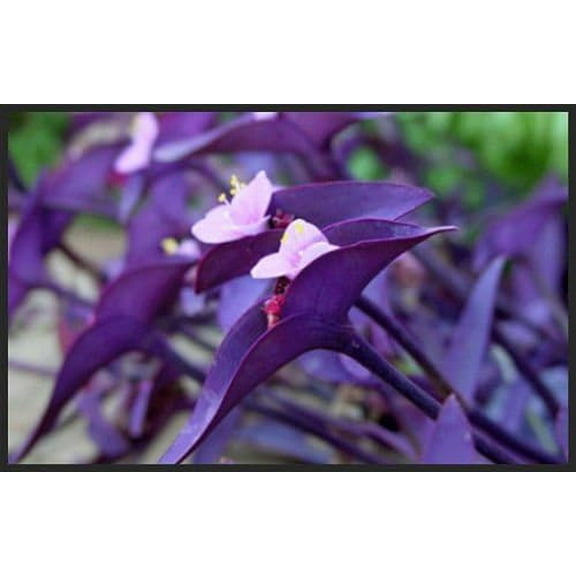
Flowering types help you add strong seasonal color across beds and borders. Foliage choices help you build contrast when your design needs texture, lime tones, or deep purple leaves.
Trailing plants work well when you want edges to spill over baskets or raised planters. Upright forms help you add height in porch pots, mixed containers, and front borders.
You should also consider spacing before planting larger groups. Mounding or upright shapes usually need room between plants, while trailing choices can soften gaps as they spread.
Packaging format can shape how quickly you finish your project. You can use individual pots for mixed arrangements, or choose annual flower flats for larger beds.
Hanging baskets help you decorate porches, pergolas, and shepherd’s hooks with less setup. Pre-planted planters help you place coordinated color on steps, decks, or poolside areas.
Matching annual flowers to real projects
You can use full sun selections in mailbox beds, front walk borders, and open patios. You’ll often want summer annual flowers that keep strong color during long bright days.
For covered porches and north-facing spaces, you can build combinations around shade annuals. You may pair foliage plants with blooms to keep containers interesting all season.
If you’re planting a wide bed, you can start with annual flower flats for consistent spacing. You’ll usually finish faster when you repeat one color family across the whole area.
When your goal is vertical color, you can choose annual flowers for hanging baskets. You’ll want trailing stems and balanced watering needs for baskets that dry out faster.
You can also refresh containers as seasons change. You might begin with spring annuals, then switch to heat-tolerant color, then finish with fall annuals for cooler weather.
If your schedule is full, you can compare drought tolerant annuals for exposed spots. You’ll still want to check moisture often in small pots during warm, breezy weeks.
What to look for before planting
You should check bloom stage, leaf color, and overall shape before planting. You’ll want sturdy stems, balanced growth, and spacing that fits your bed or container.
It also helps to measure your planters before you choose upright or trailing forms. You can create a fuller display when your height, spread, and pot size work together.
With the right annual flowers, you can get season-long color that matches your light, soil, and layout. You’ll feel more confident when your choices fit your space from the start.