


AlEn
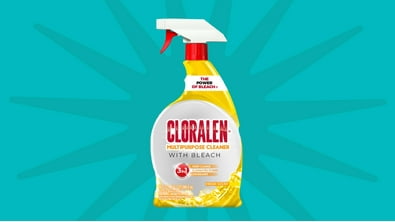
Enjoy a powerful home clean


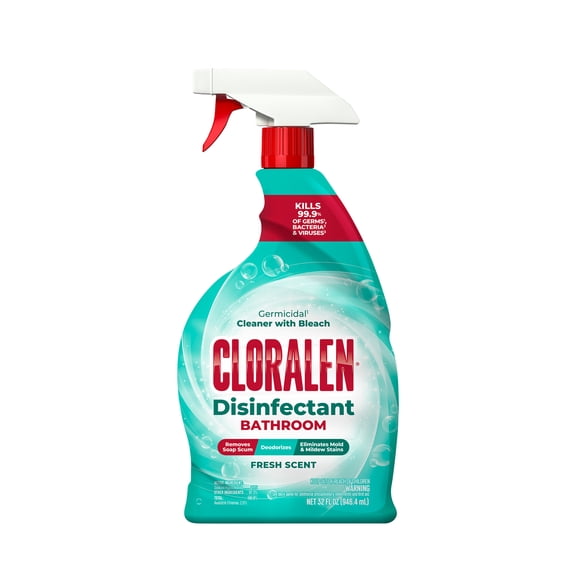
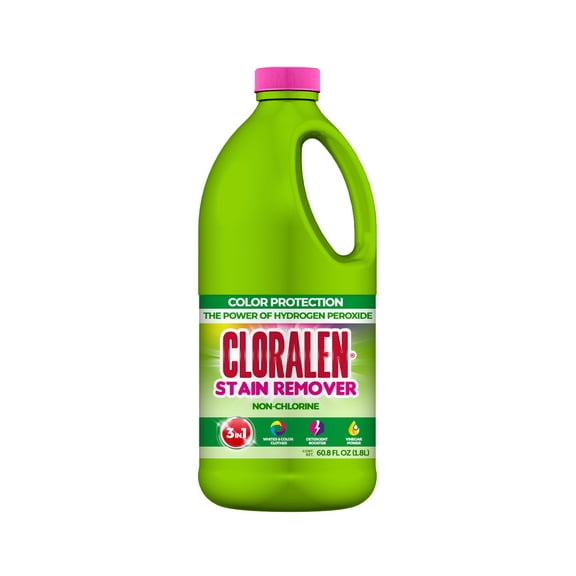
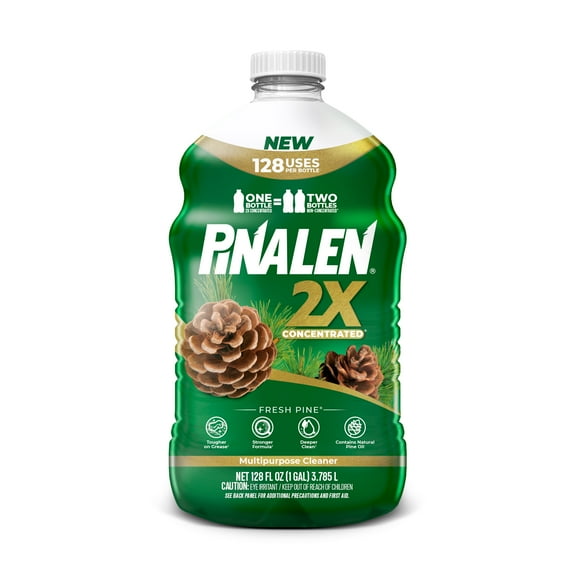

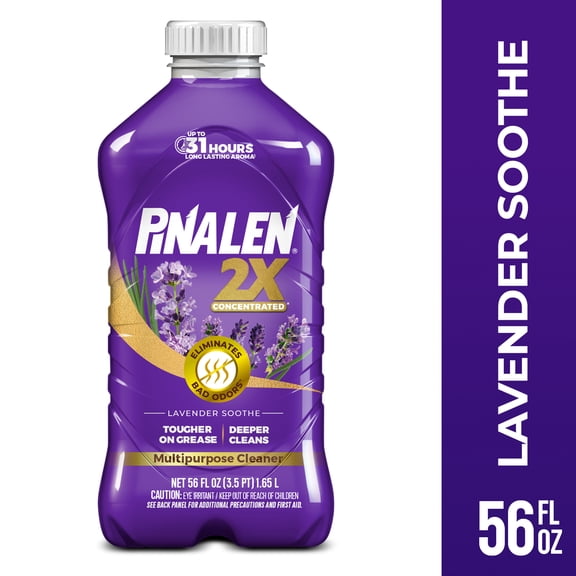




Quality at the core
Innovative solutions for a more sustainable world.FAQ
About AlEn - Walmart.com
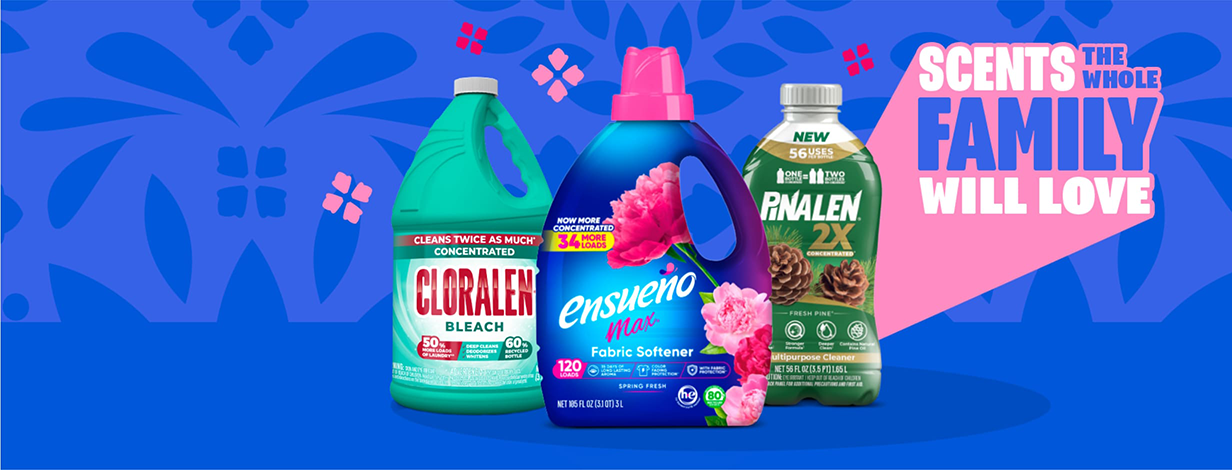
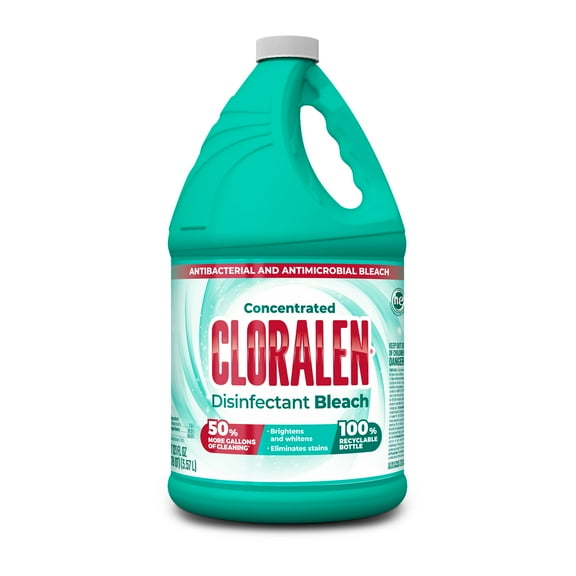
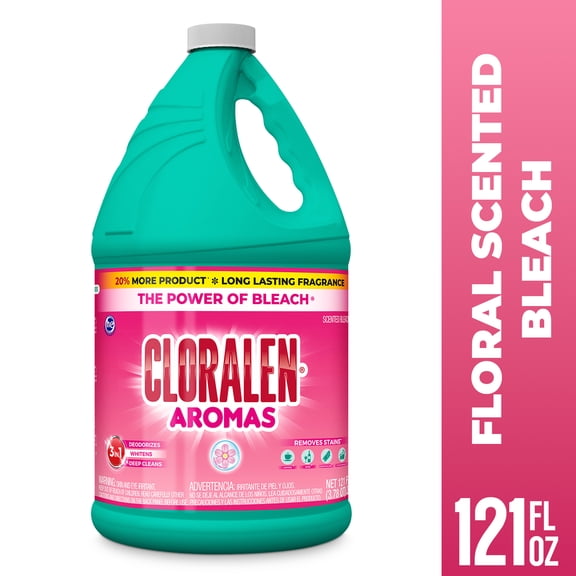
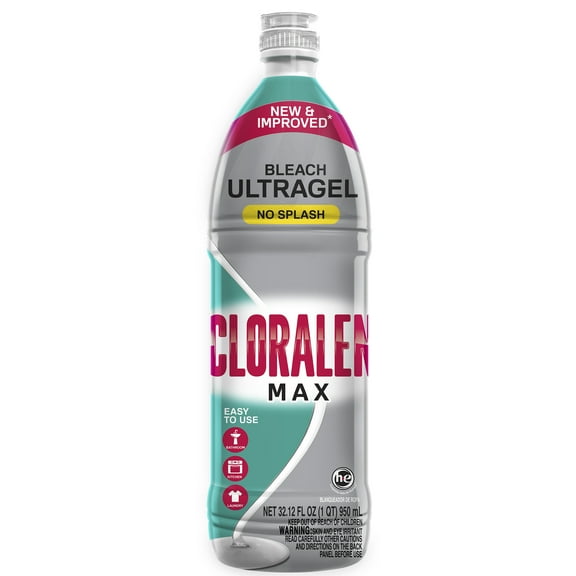
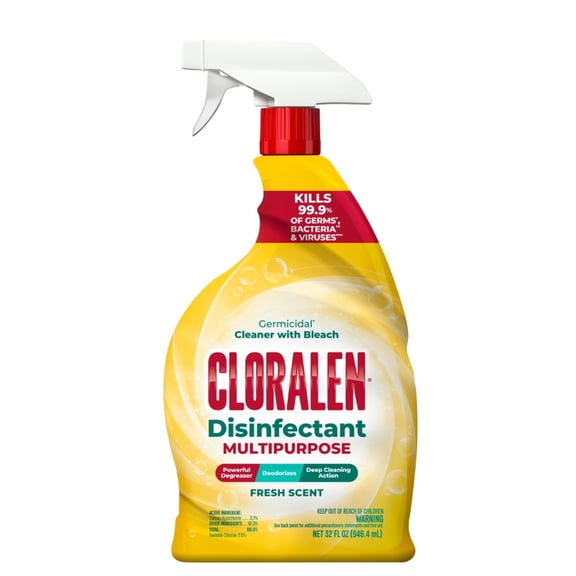
With Alen cleaning products, you can compare bleach, multipurpose cleaners, fabric softeners, and liquid detergent on one focused brand page. You get a clearer way to evaluate Alen USA household cleaning products by room, laundry task, scent, and formula type.
If you're narrowing down Alen products, you'll want guidance that matches real cleaning routines. You can use this overview to compare lejía, pine cleaners, laundry liquids, and softeners without guessing which format fits your home.
How to choose Alen cleaning products by product type
Start with product purpose, because you'll usually shop differently for laundry than for floors or counters. You can look at bleach for whitening, multipurpose cleaner for everyday messes, fabric softener for laundry finish, and liquid detergent for wash cycles.
When you compare Alen USA products, you'll notice each type supports a different step in your routine. You can keep your selection simple by matching the formula to the job instead of relying on one cleaner everywhere.
- You can choose bleach when your laundry routine calls for whitening and deodorizing in compatible loads.
- You can choose a multipurpose cleaner when your kitchen, bathroom, or floors need one versatile formula.
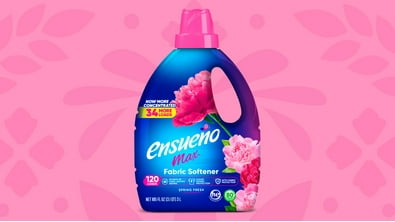
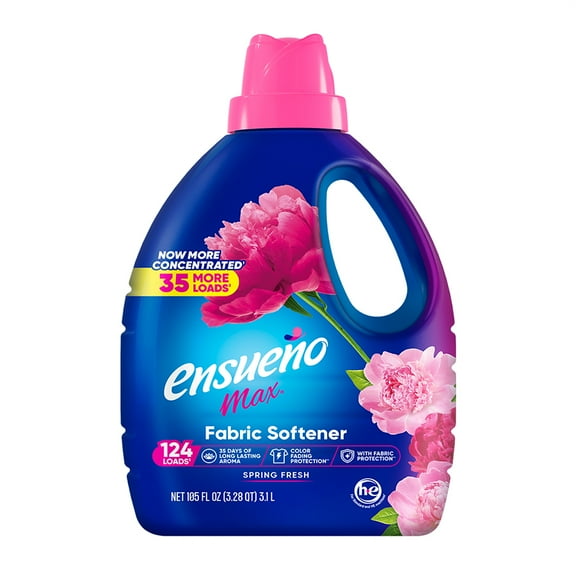
- You can choose fabric softener when you want your laundry to feel smoother and carry a lasting scent.
- You can choose liquid detergent when you want a wash-ready format that mixes easily in the machine.
If you're comparing Alen brands across categories, you'll benefit from this product-type approach first. You can avoid overlap and build a routine that covers laundry care and household surfaces with fewer decision points.
Choosing Alen USA household cleaning products by scent profile
Scent can shape how your space feels after you clean, so you'll want to compare pine, lavender, citrus, and floral options. You can pick pine when you prefer a classic fresh-clean impression, or choose floral notes for a softer finish.
For laundry, you'll often notice scent first on towels, bedding, and everyday clothing. You can use lavender or floral softener options when your goal is a gentler fragrance profile after each wash.
In floor and multi-surface care, you'll want a scent that fits frequent use in shared spaces. You can compare citrus for a bright finish or pine for a more traditional household-cleaner character.
If you've searched Royal Clean or related fragrance terms, you'll likely care about how scent and surface use work together. You can narrow your options faster by choosing fragrance first, then checking whether the cleaner fits laundry, floors, or counters.
What to look for in Alen cleaning products with bleach ingredients
When you evaluate bleach, you'll want to check the active ingredient and the label directions before anything else. You can look for sodium hypochlorite in chlorine bleach formulas, because that technical detail helps you identify standard bleach products.
If you're comparing lejía options, you'll also want to understand concentration in plain language. You can treat the sodium hypochlorite percentage as a decision point that affects how you measure and dilute the product.
For color care, you'll want to check whether a formula is chlorine bleach or color-safe bleach. You can reserve chlorine bleach for compatible white loads and follow the product instructions for proper use.
You'll also find pine oil and ammonia-free formulas in household cleaning, and those details matter for daily routines. You can use those ingredient cues to separate bleach-focused cleaning from general multi-surface maintenance.
Comparing application and surface needs
Application matters because you'll clean different areas in different ways throughout your week. You can compare products by laundry, floors, kitchen, bathroom, and multi-surface use to keep your routine organized.
For kitchens, you'll usually want a cleaner designed for frequent wipe-downs and food-prep areas. You can compare multipurpose formats that help you move from counters to sinks without switching categories.
In bathrooms, you'll often want a formula that matches hard surfaces and regular upkeep. You can review label directions closely so your choice aligns with tubs, tile, sinks, and similar spots.
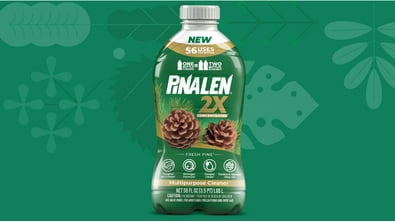
For floors, you'll want to consider whether you prefer a pine-forward cleaner and whether you need to dilute the formula. You can make cleanup more straightforward when you match the formula to mop buckets, spot cleaning, or larger rooms.
How to compare dilution and laundry use cases
Dilution is one of the major decision points, especially when you use concentrated bleach or floor cleaner. You can check measuring guidance first, because it helps you prepare the right amount for buckets, loads, or spray bottles.
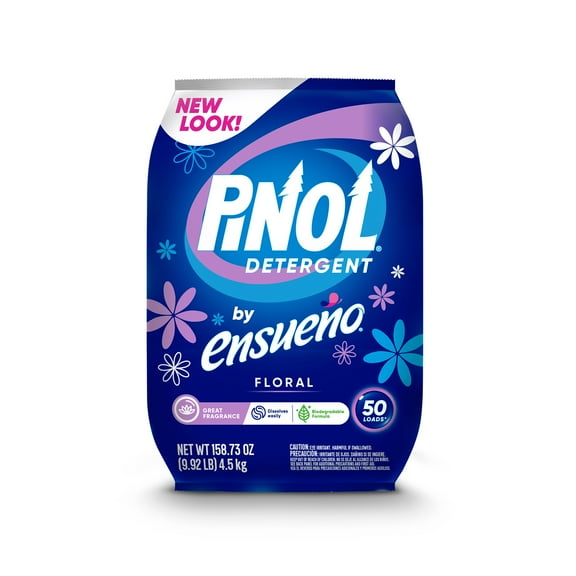
In laundry, you'll want to compare detergent, bleach, and fabric softener as separate steps. You can use detergent for washing, bleach for compatible whitening needs, and softener for fragrance and fabric feel.
If you're managing mixed household jobs, you'll benefit from grouping products by routine instead of shelf type. You can keep bleach near laundry supplies, multipurpose cleaner near high-use rooms, and softener with detergent for faster wash-day planning.
When you evaluate Alen cleaning products for a busy home, you'll get clear guidance by checking purpose, scent, active ingredient, and dilution directions together. You can choose with more confidence when each formula matches the room, surface, or laundry task you handle frequently.
That practical approach makes this page useful whether you're restocking bleach, testing a new pine cleaner, or comparing softener scents. You can finish with a selection that fits your routine, your preferred fragrance, and your cleaning setup.