










Tires & Car Tires at Walmart | Walmart Tires
Buy Tires & Book InstallTires Under $100Walmart Exclusive TiresCar TiresTruck TiresSUV TiresEV TiresShop Tires by BrandShop Tires by SizeAll Season TiresSummer TiresSnow Tires & Winter TiresMotorcycle TiresMotorhome & RV TiresCommercial Truck TiresTrailer TiresFarm and Tractor TiresLawn Mower TiresATV TiresGolf Cart TiresTire & Wheel AccessoriesJeep TiresMud TiresTires by Vehicle MakeSpare Tires
Find tires that fit
Let’s search for tires that fit your vehicle.*Required fields
Tires by vehicle
195/65R15 Tires205/55R16215/55R17 Tires215/60R16 Tires225/40R18 Tires225/50R17 Tires225/60R16 Tires225/65R17 Tires225/75R15 Tires235/45R18 Tires235/65R17 Tires235/75R15 Tires245/75R16 Tires265/65R18 Tires265/70R16 Tires265/70R17 Tires265/75R16 Tires275/55R20 Tires275/60R20 Tires275/65R18 Tires275/65R20 Tires275/70R18 Tires285/70R17 Tires285/75R16 Tires315/70R17 Tires
Walmart-exclusive Kumho tires
Tires by season

Tires by brand























FAQ
About Tires & Car Tires at Walmart | Walmart Tires - Walmart.com
Walmart tires help you match your vehicle, your driving conditions, and your installation needs in one place. You can compare car tires, truck tires, and trailer options while checking fitment details that matter.
If you’re replacing worn tread or planning for a season change, you can narrow choices faster with clear tire size guidance. You can also review installation options through Walmart Auto Care Centers or choose tires online for delivery.
How to choose Walmart tires for your vehicle
You should start with your vehicle type because passenger cars, trucks, SUVs, ATVs, UTVs, and trailers use different tire constructions. You can avoid guesswork when you match your vehicle category before comparing tread patterns.
For everyday commuting, you may focus on car tires built for steady road contact and smooth highway driving. For trucks and SUVs, you may compare sidewall strength, road comfort, and traction for changing road surfaces.
Trailer tires call for a different approach because you should check fitment and load support before anything else. ATV and UTV tires also deserve close attention when you ride on dirt, gravel, or mixed terrain.
- You can narrow choices by vehicle type before reviewing brands or tread designs.
- You can compare fitment details that align with your owner’s manual or current sidewall code.
- You can choose installation or delivery based on how you want to finish your tire purchase.
Choosing car tires by season and road conditions
You should compare seasonality next because all-season, winter, summer, and all-terrain options serve different driving patterns. You can make a smarter choice when you match tread design to your climate and road use.
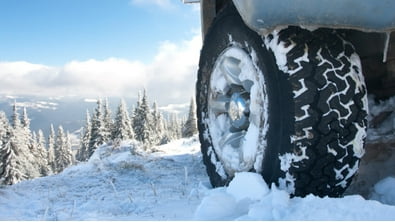
All-season tires work well when you want one set for daily driving through mild weather changes. Winter and snow tires give you tread features designed for cold weather roads and slushy conditions.
Summer tires suit warm-weather driving when you want responsive handling on dry and wet pavement. All-terrain tires fit drivers who split time between paved roads, gravel paths, and light off-road routes.
If you’re shopping for new tires, you should think about where and how often you drive each week. You can compare highway commuting, weekend trail use, and changing winter conditions before selecting a set.
What to look for in tire size, load index, and speed rating
You should check your current sidewall or owner’s manual before choosing a size. You may see a code like 205/55R16, and each part helps you confirm proper fit.
The section width is the first number, and you can think of it as the tire’s width across the tread. The aspect ratio is the second number, and you can use it to compare sidewall height.
The rim diameter follows the letter, and you should match that number exactly to your wheel size. You can use these details to filter tires online with less uncertainty.
You should also review the load index and speed rating because they help you match the tire to your vehicle’s demands. You can use those ratings to compare carrying capacity and intended driving range.
When you ask how much are tires, you should remember that size often changes the answer. You may notice tire prices rise with larger diameters, specialty fitments, or category-specific designs.
Understanding tire prices and long-term wear
You can compare tire prices more clearly when you look at both fitment and expected tread life. You should balance your upfront spend with how long you want your set to last.
If you drive many highway miles, you may prioritize treadwear coverage and a quieter ride. If you drive shorter city routes, you may care more about seasonal traction and daily handling.
You should also compare how your vehicle type affects cost because truck and SUV tires often differ from passenger car sizes. You can make a more informed choice when you compare category, size, and intended use together.
Brand is another decision point, and you may want to compare familiar names alongside Walmart-exclusive options. You can review available selections from brands such as Goodyear, Michelin, Cooper, and Douglas based on your fitment.
How tires online ordering and installation can fit your routine
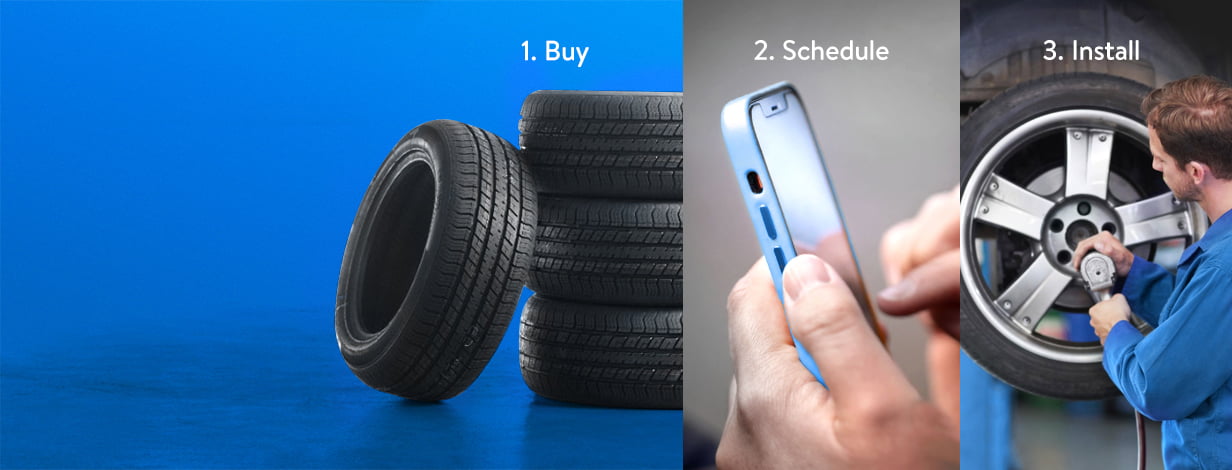
You can buy tires online when you want to compare fitment, seasonality, and brand options at your own pace. You can then choose delivery or look into installation scheduling that fits your week.
If you prefer a complete service path, you may select tires and arrange installation through a Walmart Auto Care Center. You can keep the process more organized when your tire purchase and service plan stay connected.
You may also choose home delivery when you already have a preferred installer or plan a future installation date. You can pick the approach that matches your timeline, vehicle access, and shopping preferences.
For multi-tire replacements, you should confirm that each tire shares the same size and rating requirements for your vehicle. You can reduce back-and-forth by checking your sidewall code before placing your order.
When each tire type makes sense for your driving
You might choose passenger car tires when your routine centers on commuting, errands, and highway travel. You can focus on road comfort, fitment accuracy, and season-ready tread options.
You might choose truck or SUV tires when your vehicle carries heavier loads or sees mixed road surfaces. You can compare all-season and all-terrain patterns based on pavement time and outdoor use.
You might choose trailer tires when towing stability and proper sizing lead your decision. You can choose ATV or UTV tires when your routes include dirt, mud, or uneven ground.
With Walmart tires, you can compare size codes, season choices, brand options, and installation paths in one shopping flow. You can move forward with fitment details that support a smoother replacement experience.
Related Links
- Accelera Tires
- Achilles Tires
- Advanta Tires
- Americus Tires
- Amp Tires
- Antares Tires
- Atturo Tires
- Avon Motorcycle Tires
- BF Goodrich Tires
- Blacklion Tires
- Bridgestone Tires
- Carlisle Tires
- Coker Tires
- Continental Tires
- Cooper Tires
- Cosmo Tires
- Crosswind Tires
- Dextero Tires
- Dick Cepek Tires
- Doral Tires
- Douglas Tires
- Dunlop Tires
- Duro Tires
- Sailun Tires
- Sceptor Tires
- Shinko Motorcycle Tires
- Solar Tires
- Starfire Tires
- SunF Tires
- Sumitomo Tires
- Super Swamper Tires
- Supermax Tires
- Sutong Tires
- Thunderer Tires
- Toyo Tires
- Trailer King Tires
- Travelstar Tires
- TreadWright Tires
- Uniroyal Tires
- Venom Tires
- Vercelli Tires
- Vogue Tires
- Wanda Tires
- Waterfall Tires
- Westlake Tires
- Yokohama Tires
- 195/65r15 Tires
- 205/55r16 Tires
- 215/55r17 Tires
- 215/60r16 Tires
- 225/40r18 Tires
- 225/50r17 Tires
- 225/55r17 Tires
- 225/60r16 Tires
- 225/65r17 Tires
- 235/45r18 Tires
- 235/60r18 Tires
- 235/65r17 Tires
- 235/75r15 Tires
- 245/75r16 Tires
- 265/65r18 Tires
- 265/70r16 Tires
- 265/70r17 Tires
- 265/75r16 Tires
- 275/55r20 Tires
- 275/60r20 Tires
- 275/65r18 Tires
- 275/70r18 Tires
- 285/70r17 Tires
- 285/75r16 Tires
- 315/70r17 Tires
- 205/65r15 Tires
- 205/75r15 Tires
- 215/45r17 Tires
- 225/45r17 Tires
- 225/45r18 Tires
- 225/60r17 Tires
- 225/75r15 Tires
- 235/40r19 Tires
- 235/55r17 Tires
- 235/55r18 Tires
- 235/70r16 Tires
- 235/85r16 Tires
- 245/45r18 Tires
- 245/45r20 Tires
- 245/60r18 Tires
- 245/65r17 Tires
- 245/70r17 Tires
- 265/50r20 Tires
- 265/60r18 Tires
- 265/65r17 Tires
- 275/65r20 Tires
- 285/45r22 Tires
- 295/70r18 Tires
- 305/55r20 Tires
- 315/75r16 Tires
- Adam's Tire Shine
- Armor All Tire Shine
- Armor All Extreme Tire Shine
- BlackMagic Tire Wet
- Ceramic Tire Coating
- Chemical Guys Tire Shine
- Cover All Tire Shine
- Jay Leno's Garage Tire Shine
- Meguiar's Tire Shine
- Mothers Tire Shine
- Stoner Tire Shine
- Suds Lab Tire Shine
- Tire Shine Gel
- Tire Shine Spray
- Tire Wax
- Turtle Wax Tire Shine
- Untouchable Wet Tire Finish
- Water Based Tire Shine
- Acid Wheel Cleaners
- Adam's Wheel Cleaners
- Alloy Wheel Cleaners
- Aluminum Polish for Rims
- Aluminum Wheel Cleaners
- Armor All Tire Foam
- Armor All Wheel Cleaners
- Black Wheel Cleaners
- Chemical Guys Wheel Cleaners
- Chrome Rim Polish
- Eagle One Wheel Cleaners
- Foaming Wheel Cleaners
- Iron Remover Wheel Cleaners
- Meguiar's Wheel Cleaners
- Rim Rust Removers
- Sonax Wheel Cleaners
- Suds Lab Wheel Cleaners
- Turtle Wax Wheel Cleaners
- Wheel Cleaner Spray
- Wheel Degreasers
- 12V Tire Inflators
- AstroAI Tire Inflators
- Battery Powered Tire Inflators
- Cordless Tire Inflators
- Dewalt Tire Inflators
- Digital Tire Inflators
- Electric Tire Inflators
- Makita Tire Inflators
- Michelin Tire Inflators
- Milwaukee Tire Inflators
- Portable Tire Inflators
- Rechargeable Tire Inflators
- Ryobi Tire Inflators
- Slime Tire Inflators
- Tire Inflators with Gauge
- Viair Tire Inflators