

Children's History Books for Kids




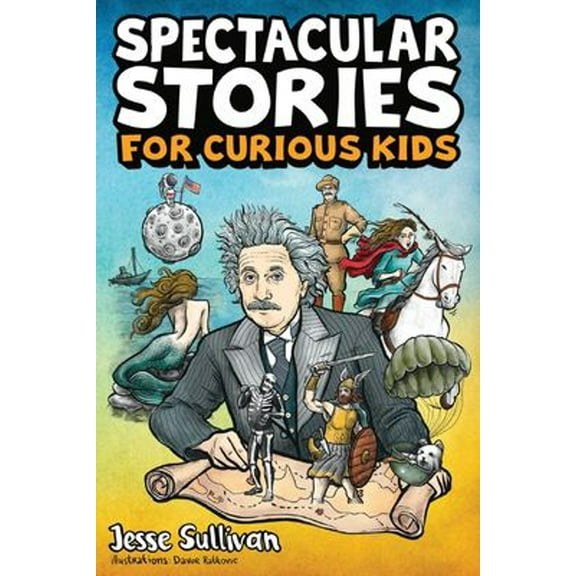
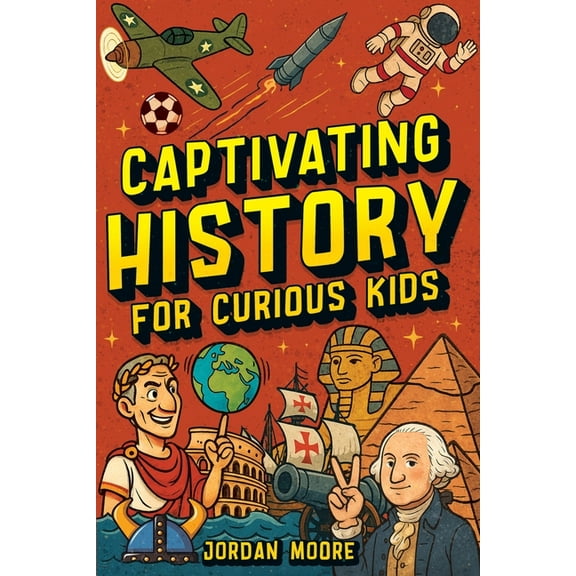
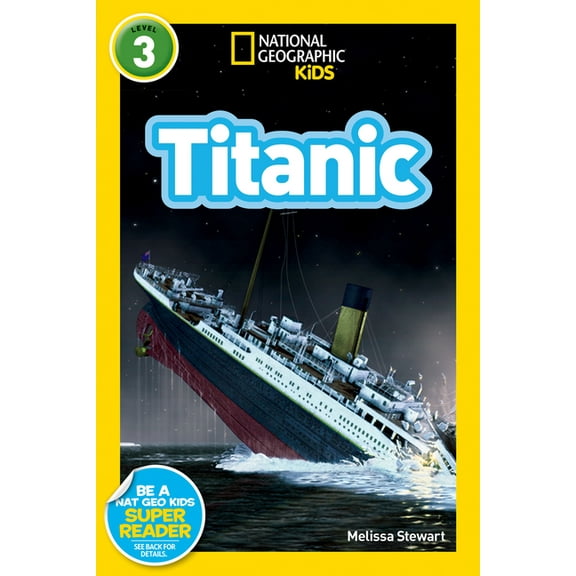

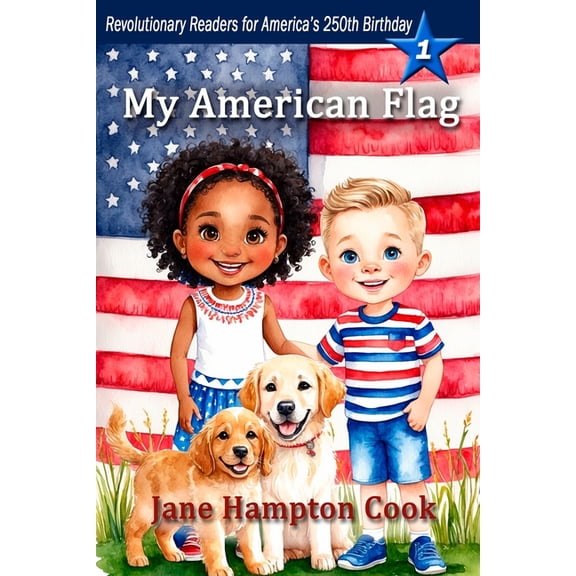

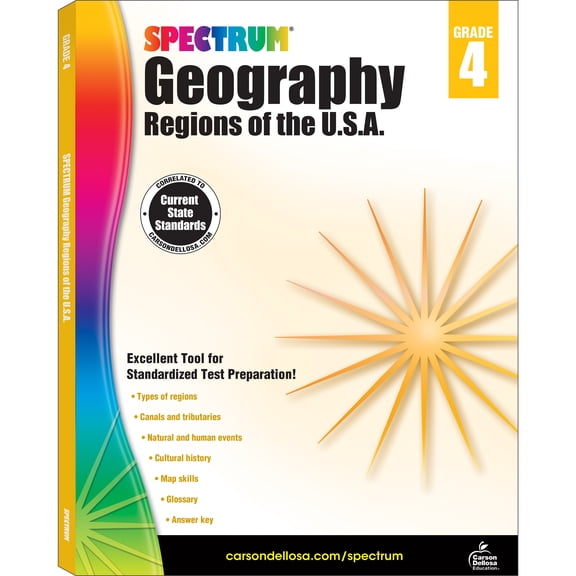
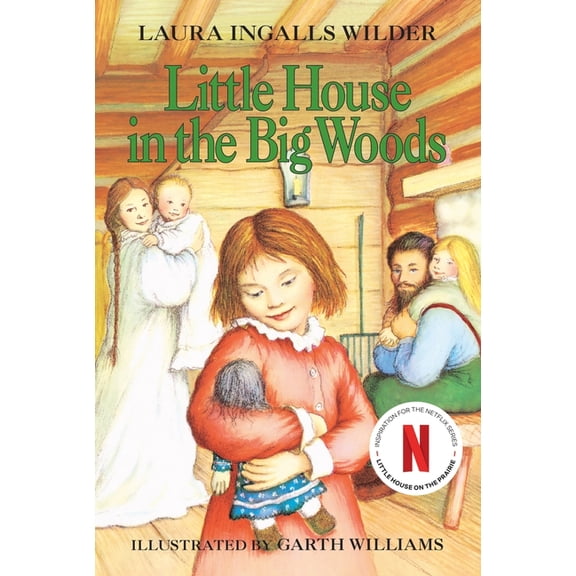
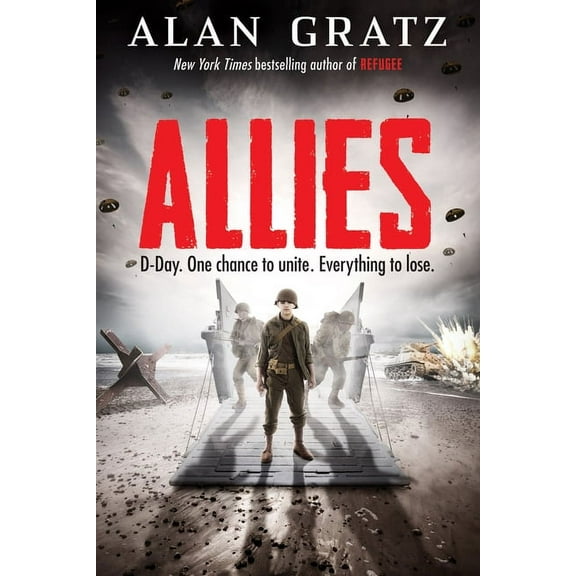






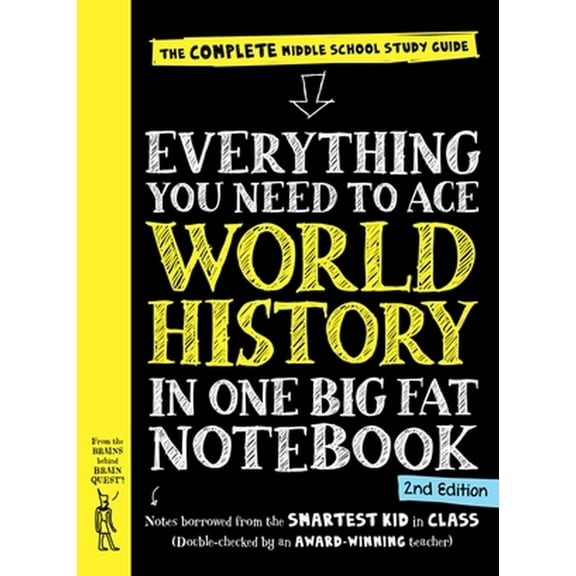
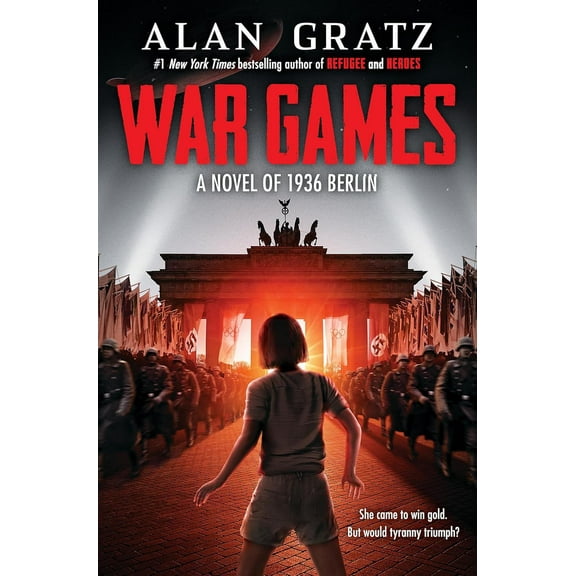


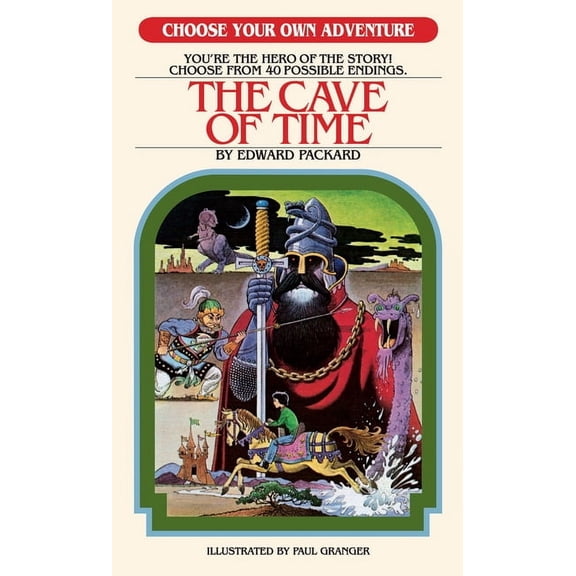
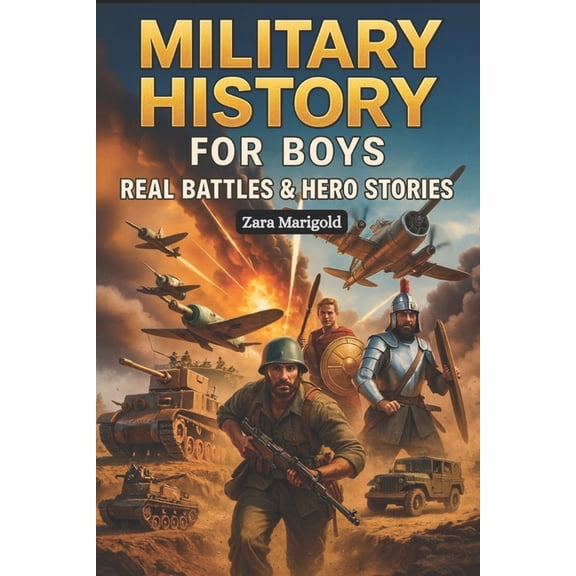
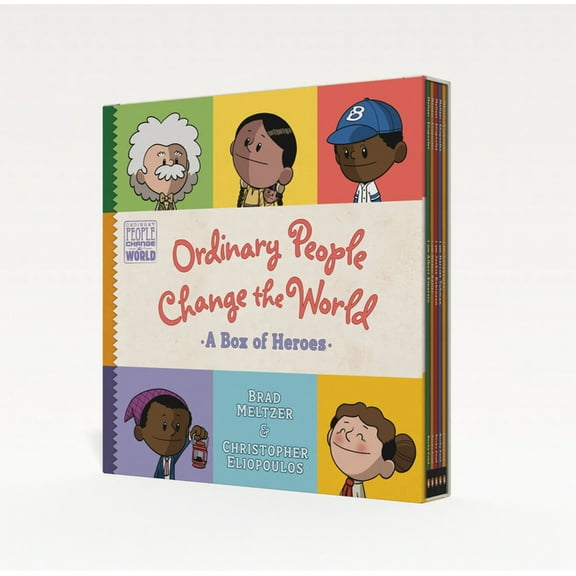
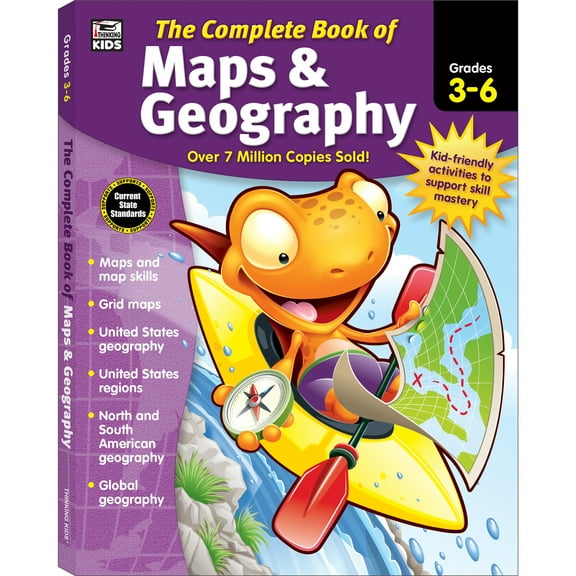
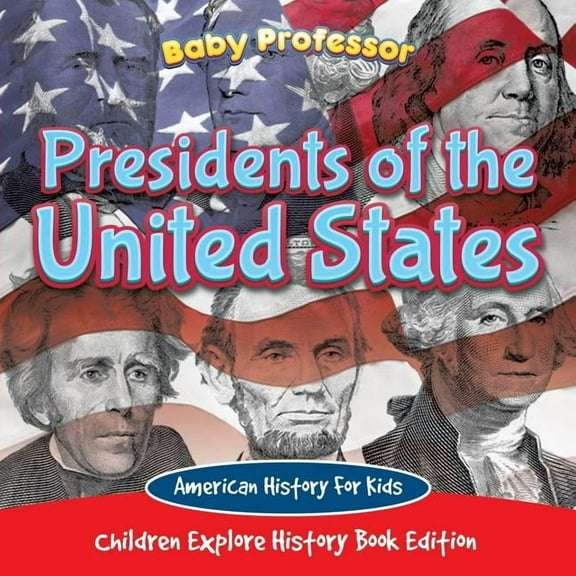
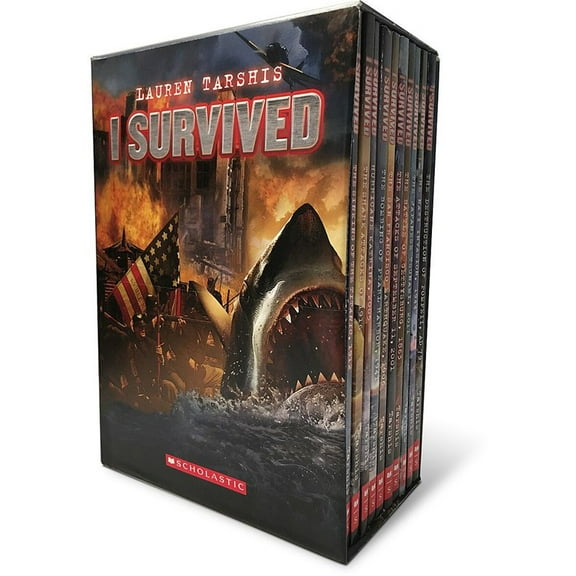
About Children's History Books for Kids - Walmart.com
History books for kids help you match reading level, subject, and format to your child’s stage. You can compare board books, chapter books, and grade-aligned titles in one focused category.
If you’re building a home library or supporting classwork, you’ll want options that fit real reading goals. You can look for world history, US history, biographies, and ancient civilizations without sorting through unrelated books.
How to choose history books for kids
You should start with your child’s reading level, not just age. You’ll often see picture-led books for younger readers and longer chapter books for independent readers.
When you compare history books, you should check whether the writing explains events clearly. You may also want stories that keep attention through timelines, maps, or real-life biographies.
- You can use board books and short picture books for toddlers and kindergarten readers.
- You can choose chapter books when your reader follows longer stories and remembers details across chapters.
- You can look for grade-level titles when you want support for classroom topics and homework.
- You can compare biographies, world history, and US history to match personal interests.
You’ll also want to consider how a book balances facts with storytelling. You can keep kids engaged with vivid narratives while still choosing books grounded in recognizable historical events.
Choosing by age group and grade level
You can narrow choices quickly when you compare age group with reading demands. You’ll usually want fewer words and more pictures for toddlers, kindergarten readers, and early elementary students.
For elementary school readers, you may look for short chapters, glossaries, and timelines. You can use those features to support school reports and independent reading practice.
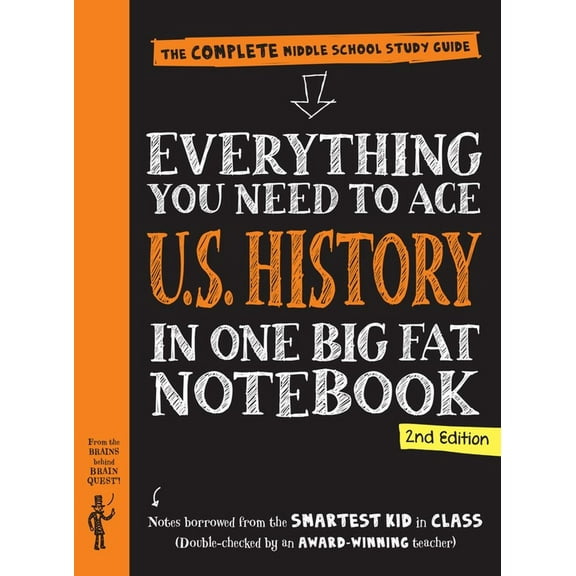
If you’re shopping for middle school, you should check how closely a title aligns with class topics. You may notice stronger focus on primary sources, state standards, and deeper historical context.
8th grade history books and 7th grade choices
You can use 8th grade history books when your student needs more detailed coverage of major events. You’ll often find stronger connections to state standards, document analysis, and structured review.
When you compare a 7th grade history book with an 8th grade title, you should check reading density. You may prefer shorter sections for seventh grade and more advanced analysis for eighth grade.
If your learner is preparing for advanced coursework, you can look for books that support AP prep habits. You’ll want clear summaries, historical documents, and questions that reinforce classroom expectations.
Choosing subjects like world history, US history, and biographies
You can guide interest by choosing a subject that feels familiar or exciting. You may start with biographies if your reader connects more easily with individual people and personal stories.
World history books for kids can help you introduce civilizations, trade, exploration, and global cultures. You can use them when your child wants a broader view beyond one country or era.
If schoolwork centers on national events, you may prefer US history titles with timelines and key figures. You can also choose ancient civilizations books when your reader enjoys pyramids, empires, and archaeology themes.
You should compare whether the book uses a straightforward textbook style or a story-led approach. You can match a fact-focused style to assignments and a narrative style to free reading.
Choosing the right format for your routine
You can make reading easier by choosing a format that fits daily habits. You may prefer board books for small hands, paperbacks for backpacks, and hardcovers for repeat reading at home.
If you need flexibility, you can consider audiobooks for car rides or quiet time. You’ll also find that a portable paperback works well for library bags, travel, and school schedules.
For shared reading, you may want larger pages and sturdy covers. You can use those features when siblings read together or when you revisit favorite topics often.
Using history books for kids at home and in class
You can use history books for kids to support class units, reading logs, and family learning time. You may pair a world history title with a map activity or a biography with a simple report.
At home, you can rotate subjects to keep interest strong across the year. You might choose biographies one month, ancient civilizations next, and then a history book for kids about US landmarks.
In classrooms or homeschool settings, you should look for books that match assignment depth. You can choose simpler overviews for younger readers and more detailed texts for middle school research.
If you’re shopping for mixed ages, you can combine history books for toddlers with chapter books for older siblings. You’ll create a shelf that supports shared themes while respecting different reading stages.
You can feel confident when you compare grade level, subject matter, and format before choosing. Your final pick can fit your reader’s attention span, school needs, and interest in the past.