

Diapering

Catch ’em while you can
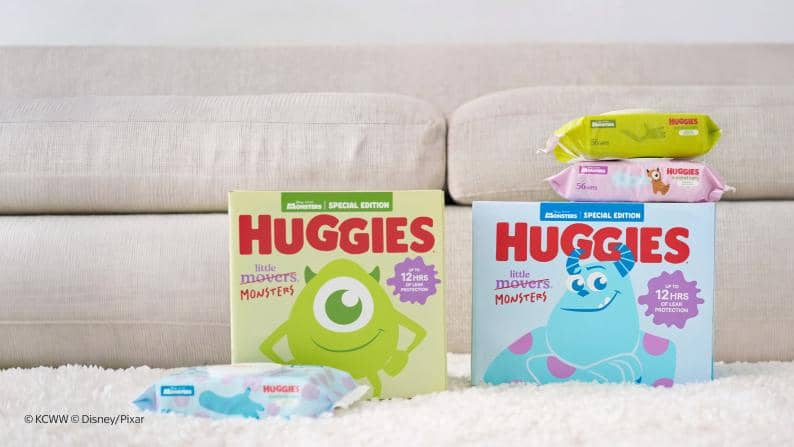
New limited-edition Disney diapers
Only at Walmart: Monsters, Inc. & Lilo & Stitch are here!
Shop now
Shop by category




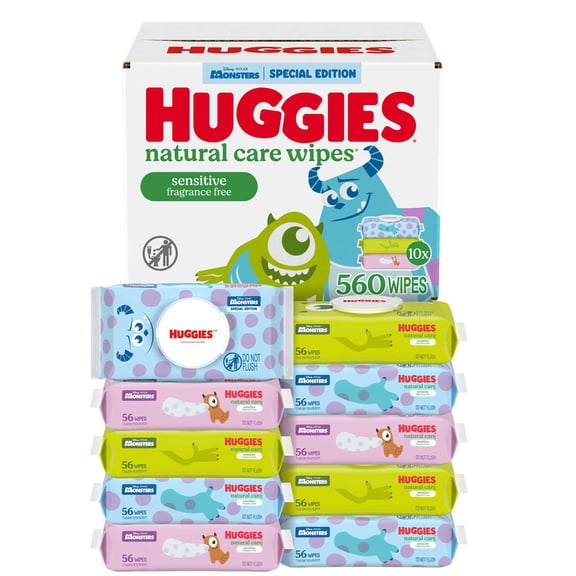

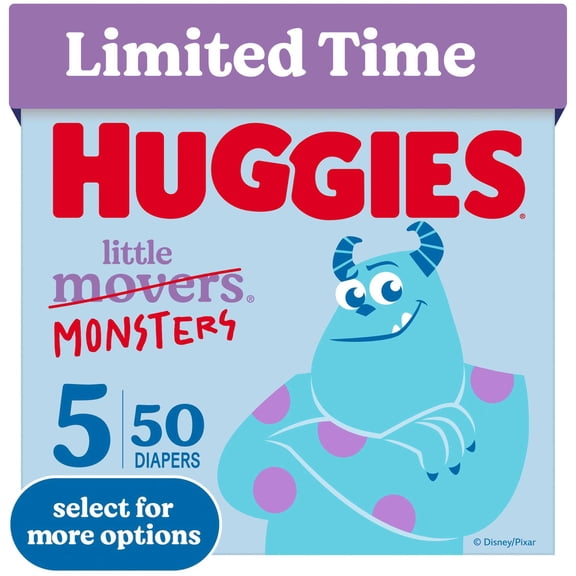
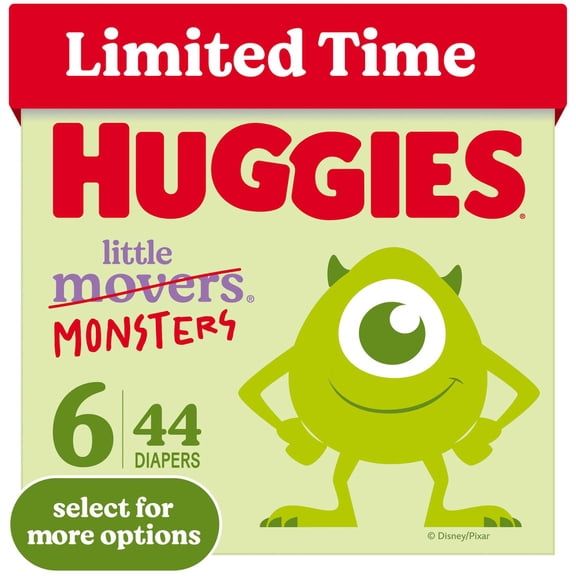

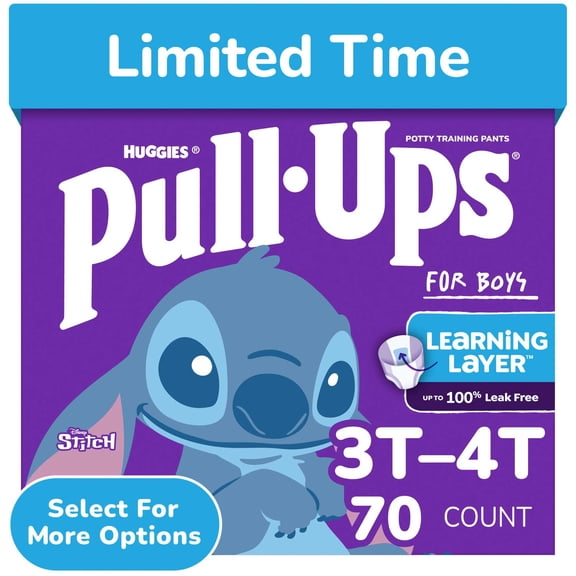
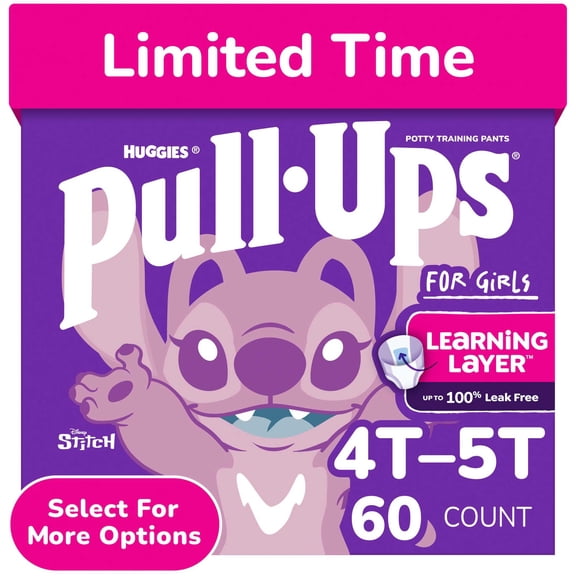
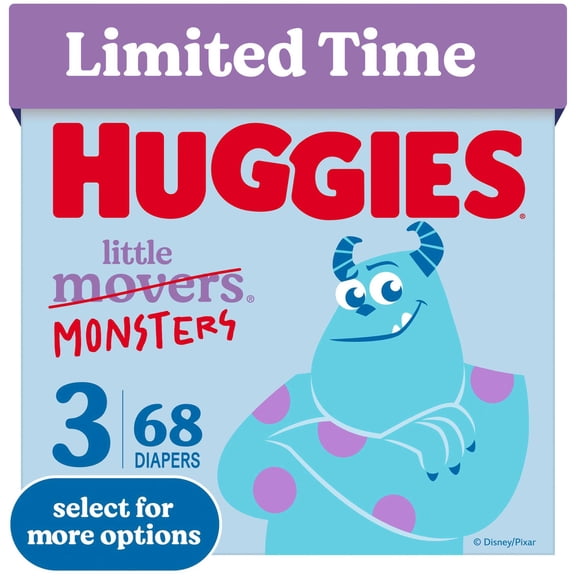
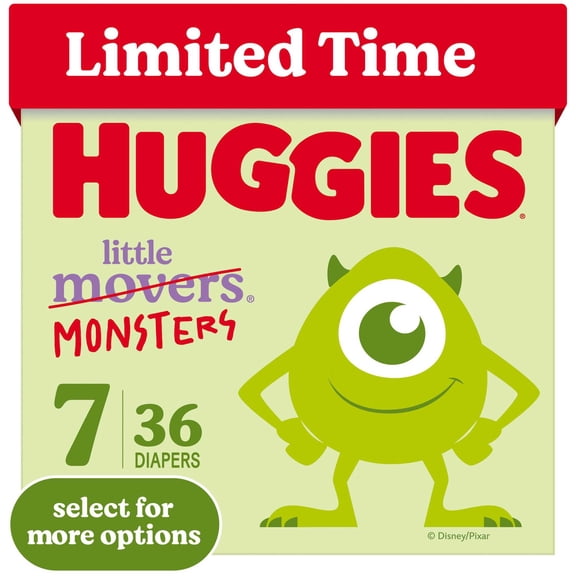

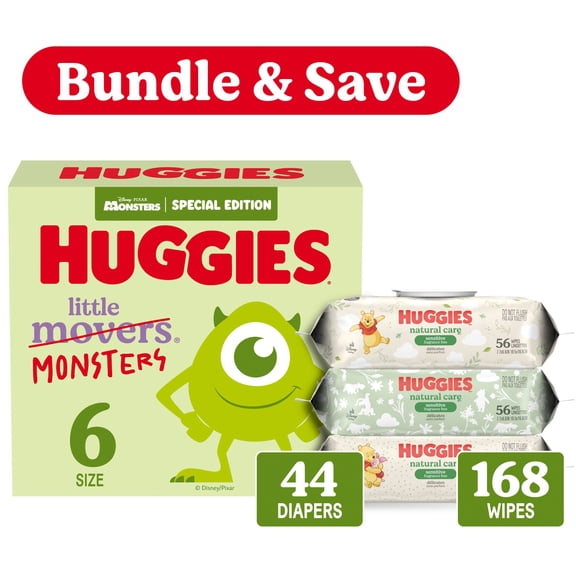
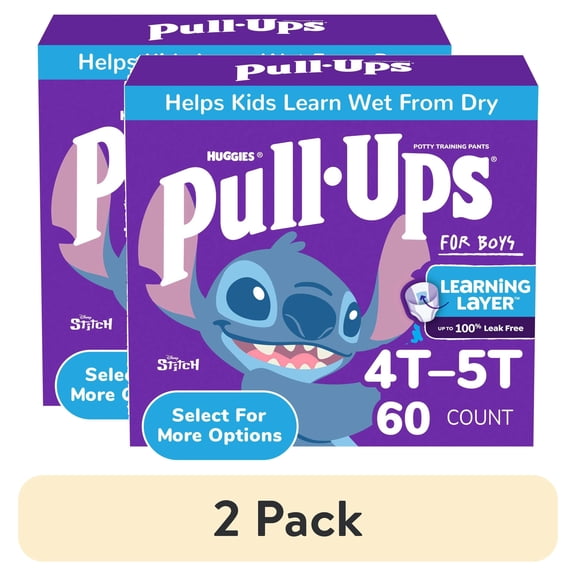
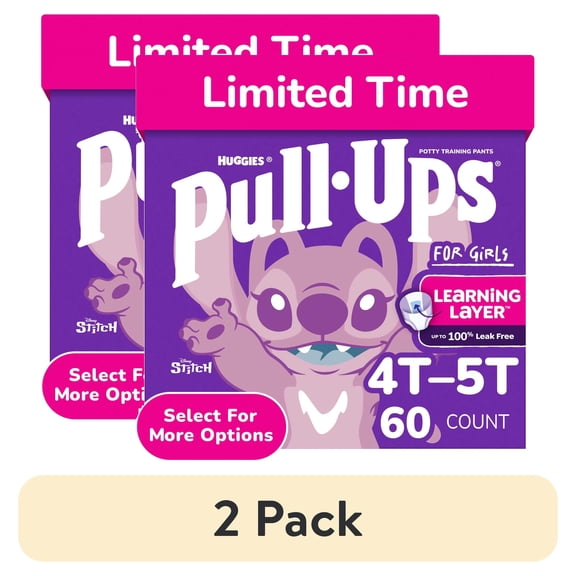
Characters they love



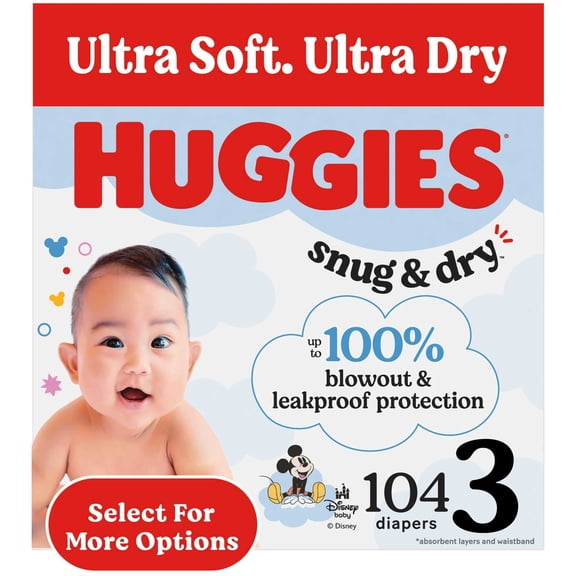


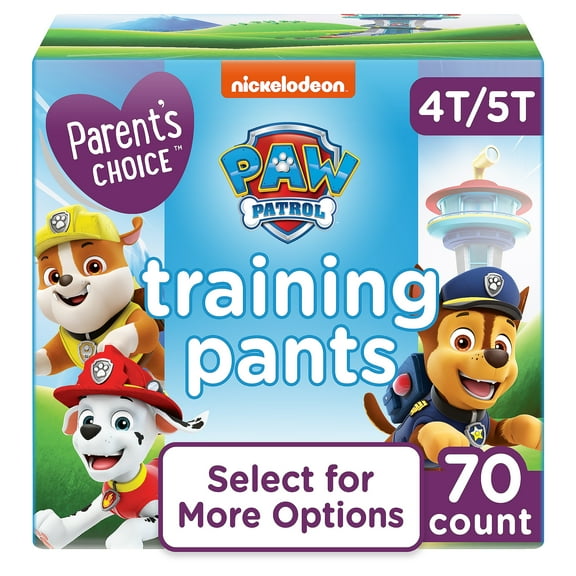
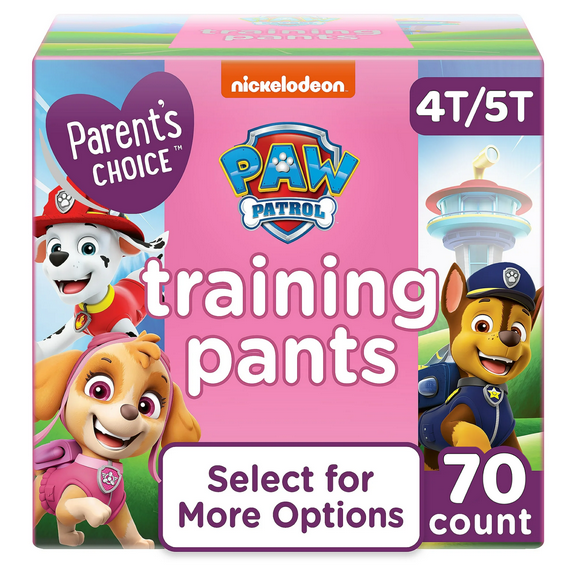
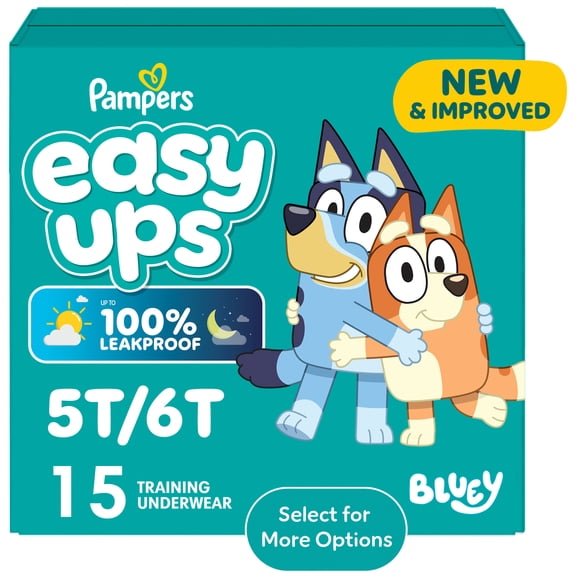


Brands we love



FAQ
About Diapering - Walmart.com
Diapering helps you handle daily changes with less guesswork and more comfort for your baby. You can compare baby diapers, diaper wipes, and diapering essentials by size, skin needs, absorbency, and pack count.
How to choose diapering essentials
When you shop diapering, you usually start with fit because the right size helps you keep changes smoother. You should check weight ranges first, since newborn, Size 1, and larger options are built for different stages.
As your baby grows, you may move from Size 1 to Size 2, then through Sizes 3, 4, 5, 6, and 7. You can use weight guidance in pounds or kilograms to compare options with more confidence.
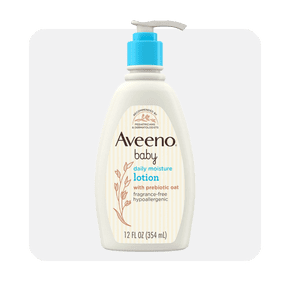
Skin needs matter just as much as fit when you pick baby wipes or diapers. You may want hypoallergenic, fragrance-free, chlorine-free, or unscented choices if your routine calls for simpler ingredient profiles.
- You can match diaper size to your baby's current weight range.
- You can compare sensitive wipes by fragrance-free or unscented formulas.
- You can choose overnight diapers when you want longer absorbency overnight.
- You can pick swim diapers for pool days and water play.
- You can compare jumbo packs, super packs, giant packs, and bulk boxes.
Pack count also shapes your routine because frequent changes can use more diapers than you expect. You may prefer a smaller pack for testing fit, then move to diapers in bulk once sizing feels consistent.
Choosing the right baby diapers
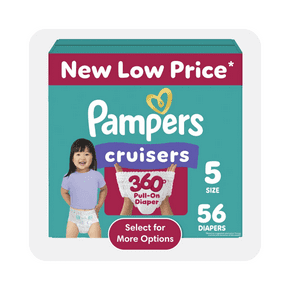
You should begin with diaper size because gaps at the legs or waist can affect comfort during active days. You can compare tape diapers and pull-ups based on your child's stage and movement.
Tape diapers often work well when you want quick changes on a table or changing pad. Pull-ups can help when your child stands more often and you want easier up-and-down changes.
If nights are part of your decision, you should compare overnight diapers separately from daytime options. You may look for absorbency designed for longer wear, which can mean fewer middle-of-the-night clothing changes.
For warm-weather outings, you can keep swim diapers in mind for splash pads, pools, and beach days. You won't use them the same way as regular diapers, because they're made for water activities.
Reusable cloth diapers may appeal to you if you want a wash-and-reuse routine at home. You should compare closure style, inserts, and fit range before you commit to that system.
Comparing diaper wipes and skin sensitivity
Diaper wipes do more than clean up quick messes during the day. You can compare baby wipes by texture, moisture level, and ingredient profile so your routine feels more predictable.
If your baby has more delicate skin preferences, you may look for sensitive wipes with simpler formulas. You can narrow choices with labels like hypoallergenic, fragrance-free, chlorine-free, or unscented.
Thicker wipes can help you manage bigger messes with fewer sheets per change. Softer wipes can feel gentler during frequent newborn changes, especially when your routine includes many wipes each day.
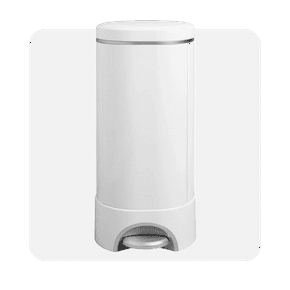
You may also want to keep diaper rash cream, changing pads, and diaper pail refills nearby. These diapering essentials help you build a smoother station for quick daytime changes and nighttime routines.
Understanding pack sizes and daily routines
Pack size affects convenience, storage, and repeat ordering across your week. You can compare jumbo packs, super packs, giant packs, and bulk boxes based on how often you change diapers.
A smaller pack can help you test a new size or brand without overcommitting. A bulk box can make sense when your baby stays in one size longer and you want fewer reorders.
You should also think about where you'll store extra diapers, wipes, and refills. If your nursery space is tighter, you may prefer pack sizes that fit shelves, drawers, or under-table bins.
For travel, you may keep a smaller diaper bundle in your bag and leave larger packs at home. That setup can help you restock quickly before errands, daycare drop-off, or weekend visits.
Matching diapering choices to real-life use
Newborn routines often call for smaller sizes, soft baby wipes, and easy-access supplies near your changing area. You can keep several diapering essentials together so frequent early changes feel less hectic.
If your baby moves a lot during the day, you may focus on flexible fit and fast changes. You can compare tape diapers with pull-ups depending on how often your child rolls, crawls, or stands.
Overnight routines usually push absorbency higher on your checklist. You may prefer overnight diapers when you want coverage designed for longer stretches of sleep and fewer linen changes.
For summer plans, you can add swim diapers to your regular diapering setup without replacing everyday pairs. You can switch between water-ready options and standard diapers as your day changes.
If your household goes through supplies quickly, you may compare diapers in bulk with smaller refill packs. You can balance per-diaper efficiency, storage space, and how fast your baby moves into the next size.
When you build your routine around fit, skin preferences, absorbency, and pack count, diapering feels easier to manage. You can choose the right mix of baby diapers, wipes, and accessories for smoother days and calmer nights.