






Dog Food











About Dog Food - Walmart.com
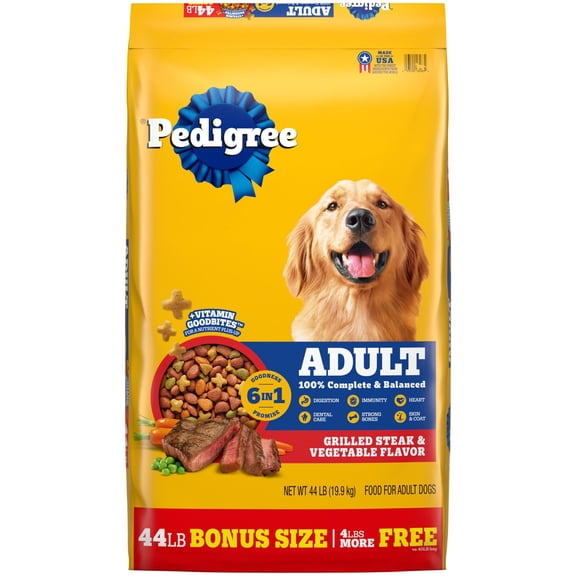
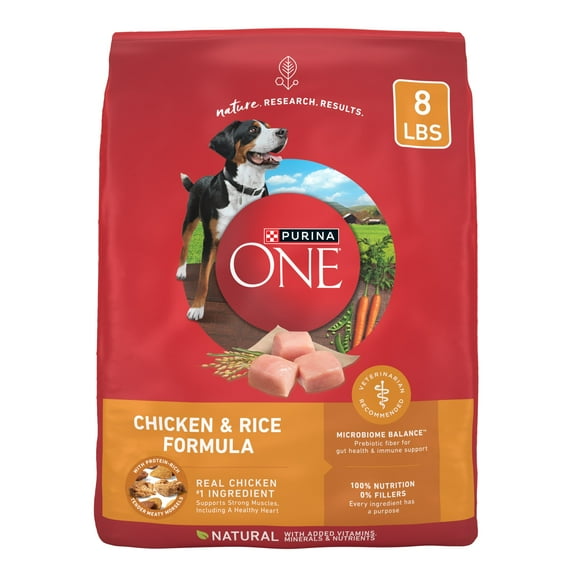
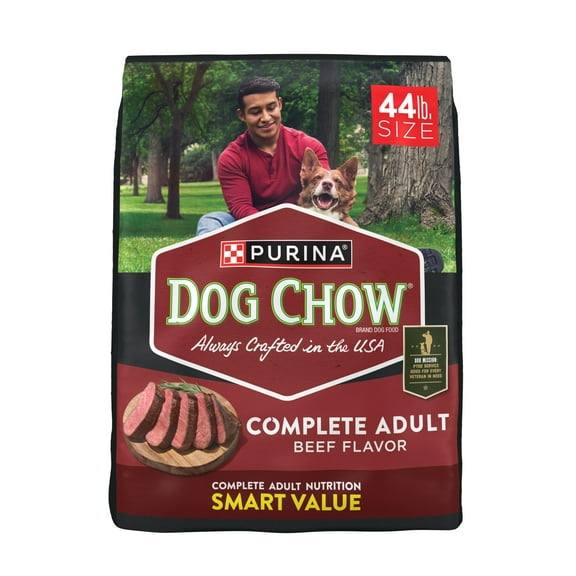
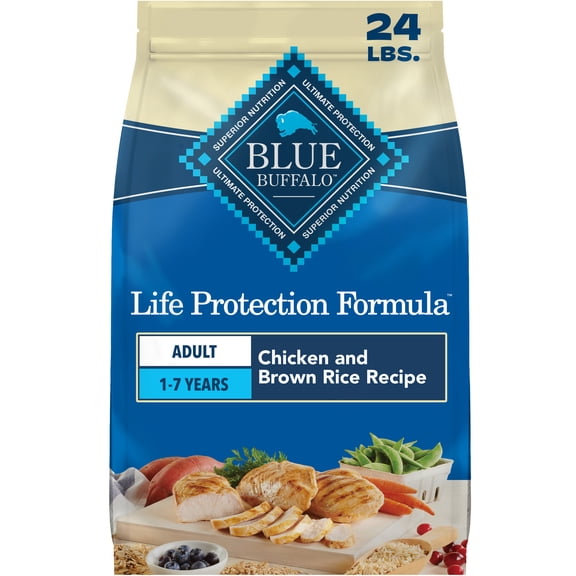
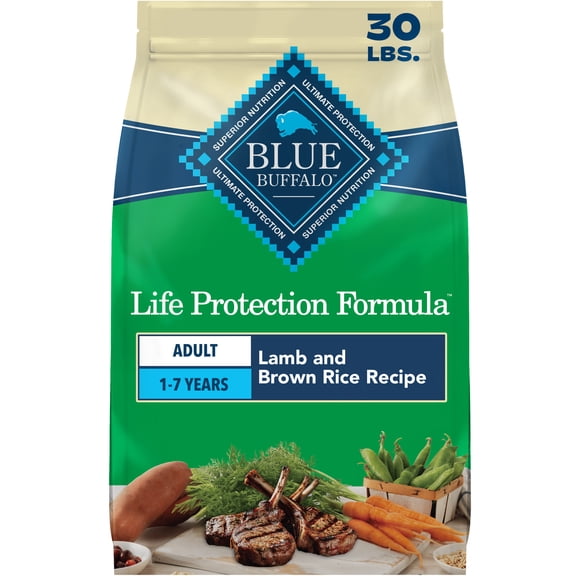
Dog food and treats help you match meals and rewards to your dog’s age, eating style, and daily routine. You can compare dry dog food, wet dog food, puppy food, and chew options in one place.
When you shop this category, you can sort choices by life stage, food form, dietary needs, and treat purpose. You get a direct path to meals that fit puppies, adults, seniors, and picky eaters.
How to choose dog food and treats by life stage
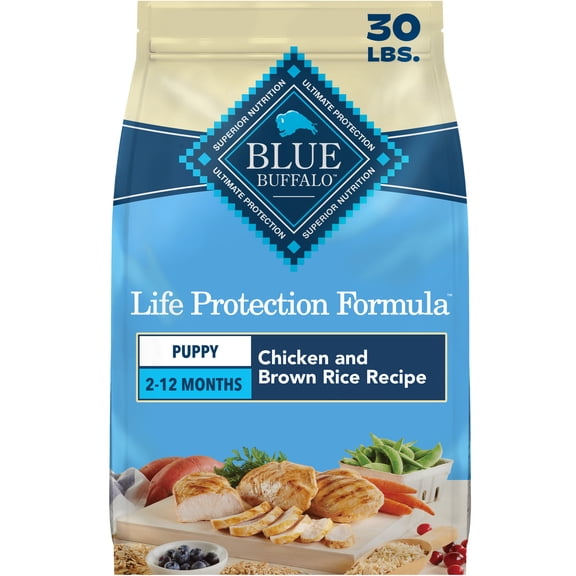
You should start with your dog’s life stage because feeding needs change over time. You can look for puppy food when your young dog needs smaller pieces and formulas for growth.
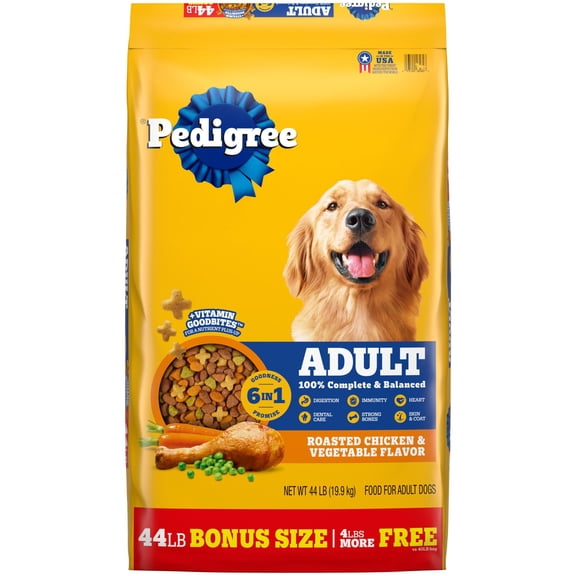
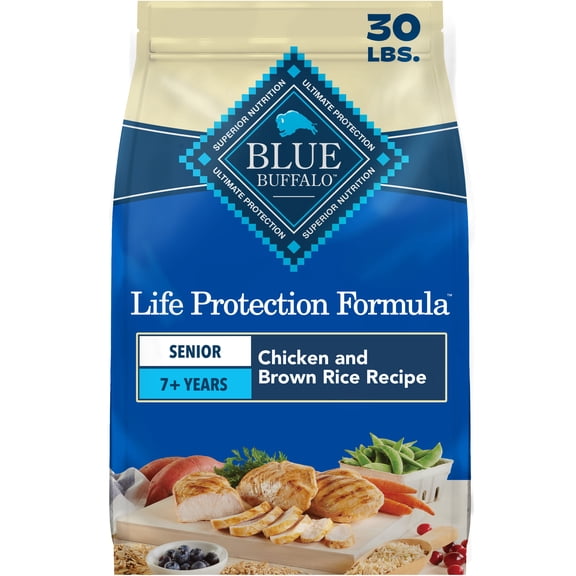
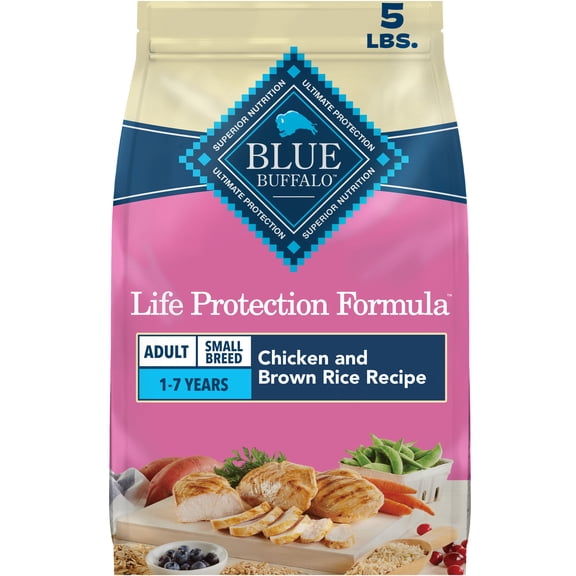
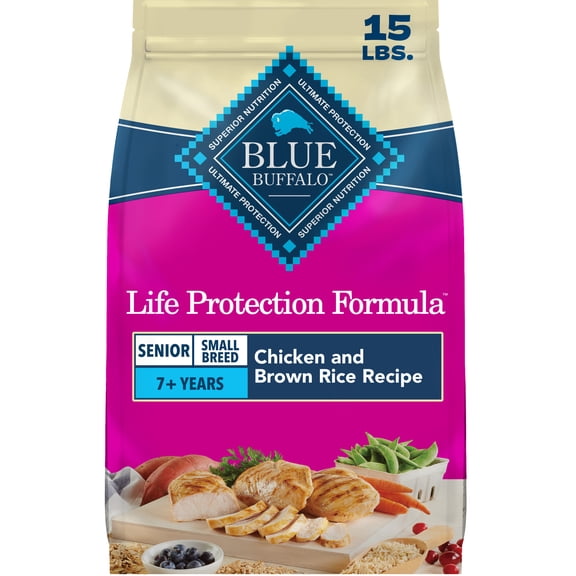
Adult formulas help you focus on everyday feeding for routine activity and steady portions. Senior options help you compare textures, kibble size, and recipes that suit older dogs’ changing preferences.
If you feed more than one dog, you may want separate formulas for each age group. You can keep mealtime straightforward when your food choice matches your dog’s stage instead of using one formula for all.
Choosing dry dog food, wet dog food, and fresh-style formats
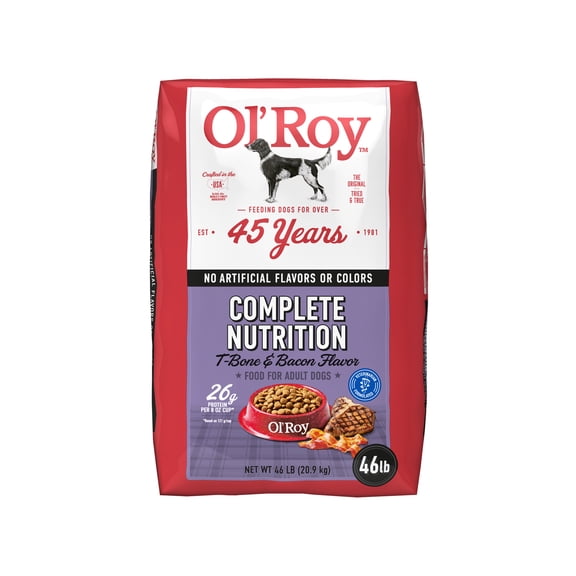
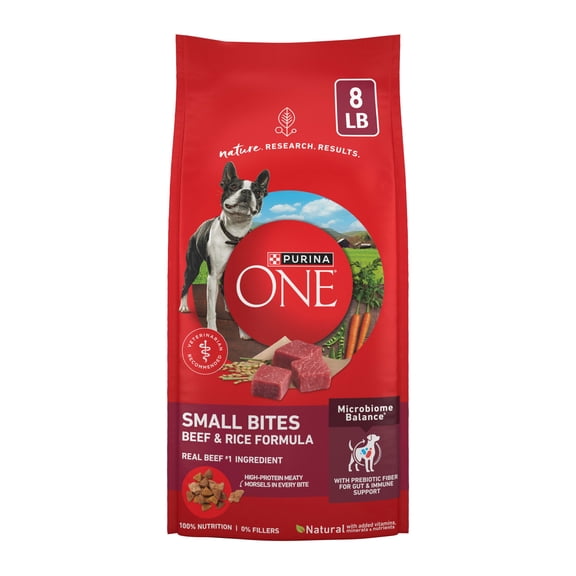
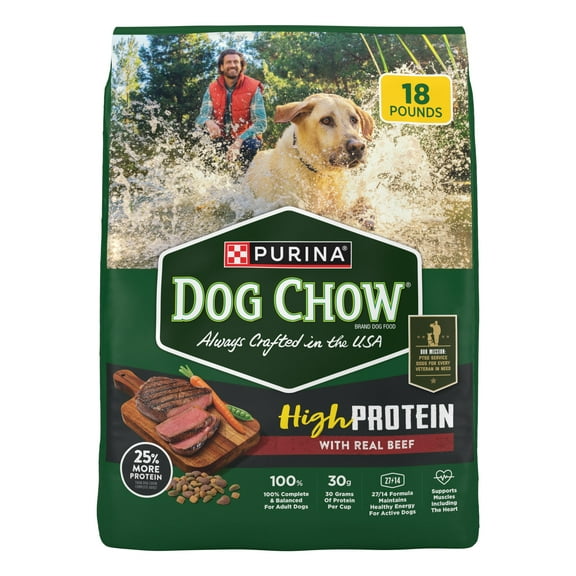
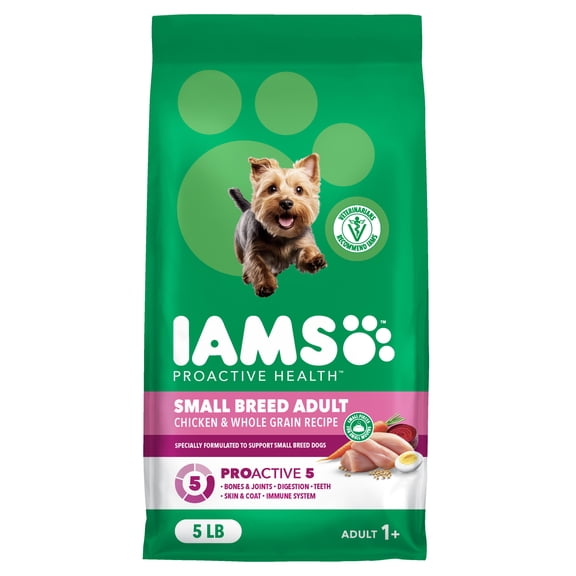
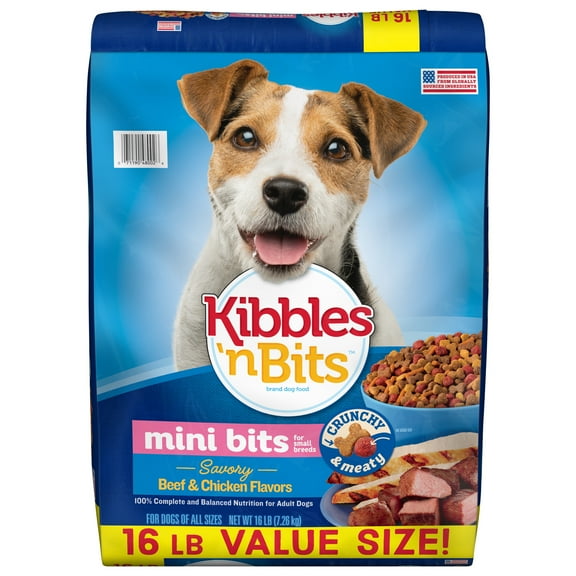
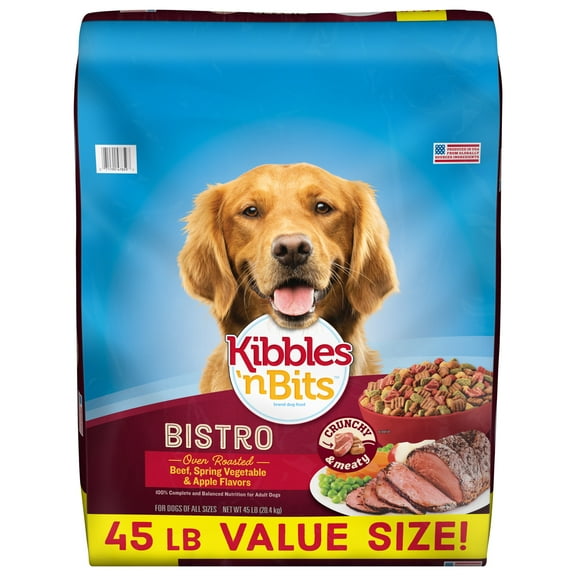
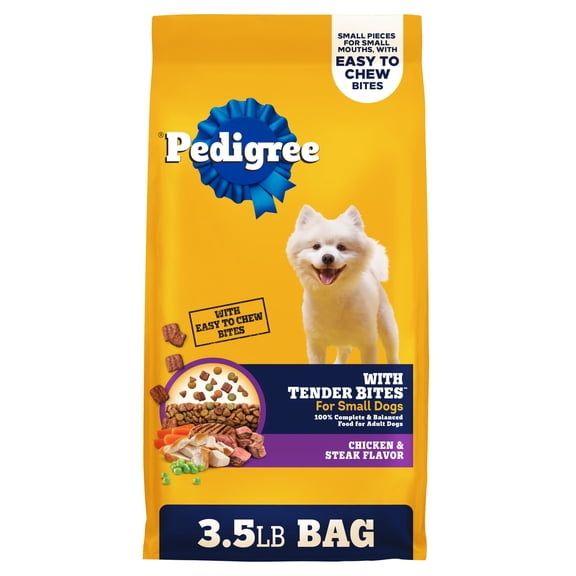
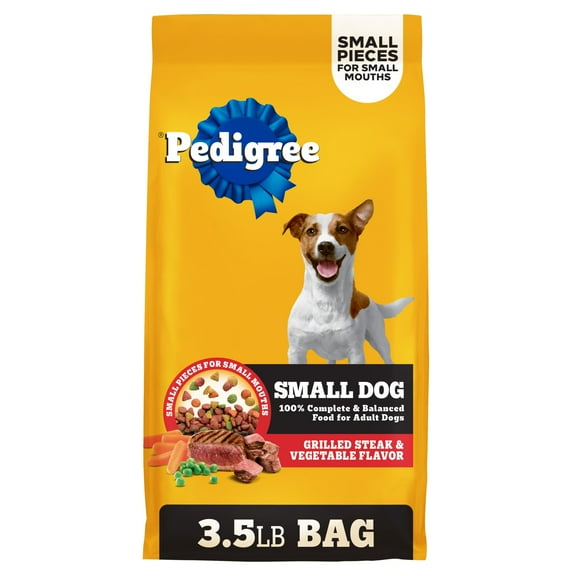
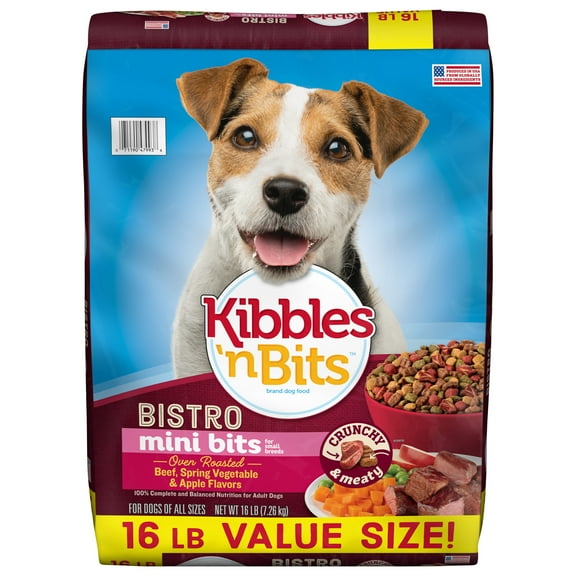
You can compare food form by thinking about texture, storage, and serving habits first. Dry dog food often gives you easy scooping, simple storage, and crunchy pieces many dogs enjoy each day.
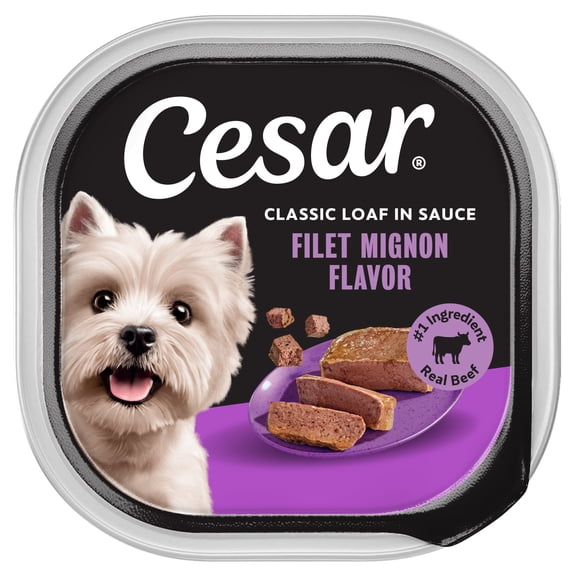
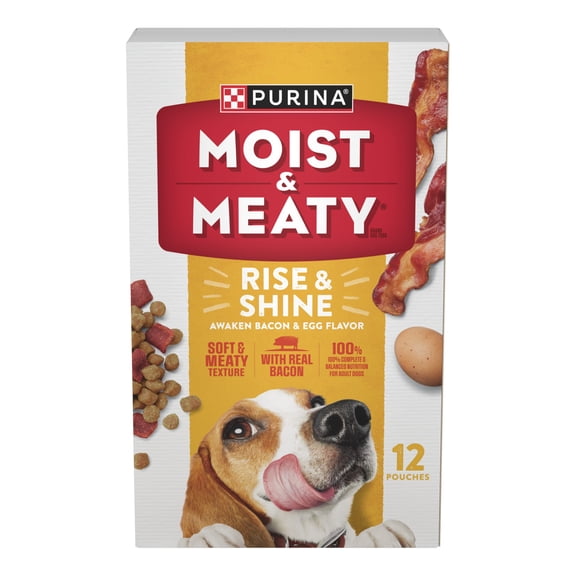
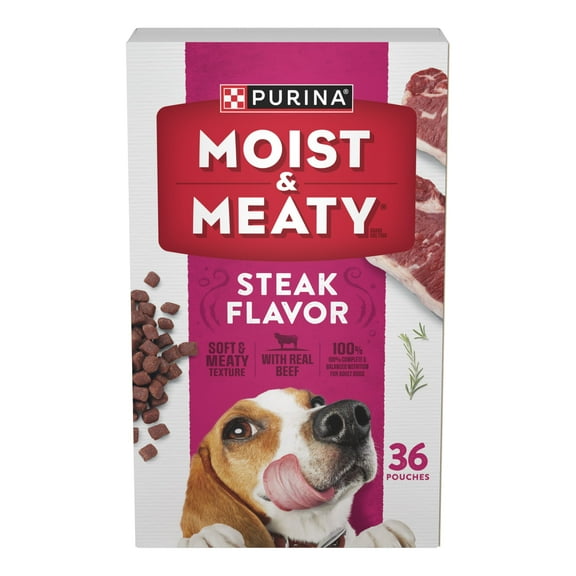
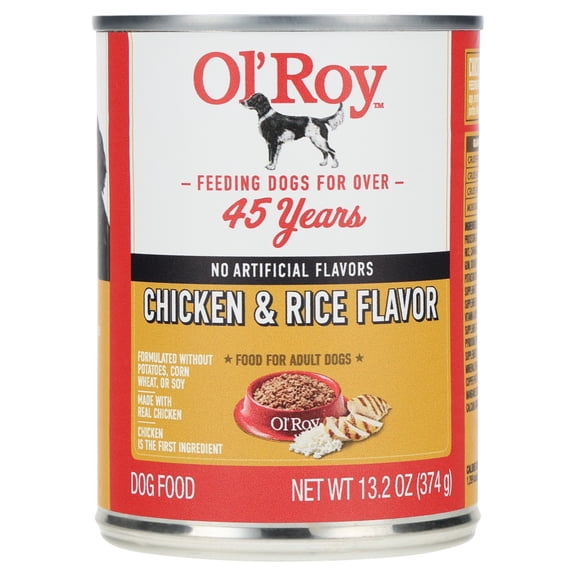
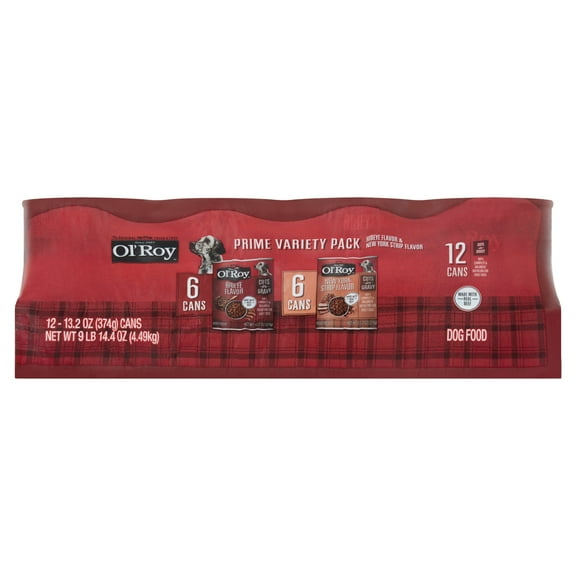
Wet dog food can work well when your dog prefers softer bites and more moisture in the bowl. Freeze-dried and fresh-style options can suit you when you want varied textures or meal toppers.
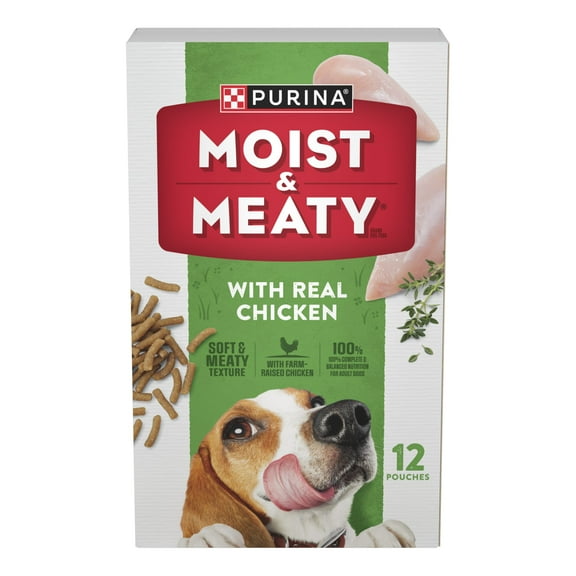
You may also mix formats to create a feeding routine that fits your dog’s appetite and your schedule. You can use kibble for everyday portions, then add canned food for extra flavor and softer texture.
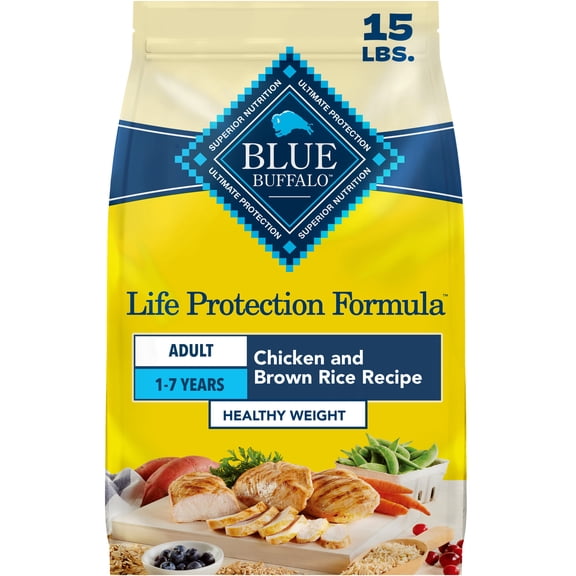
- You can use dry kibble when you want simple measuring and pantry-friendly storage.
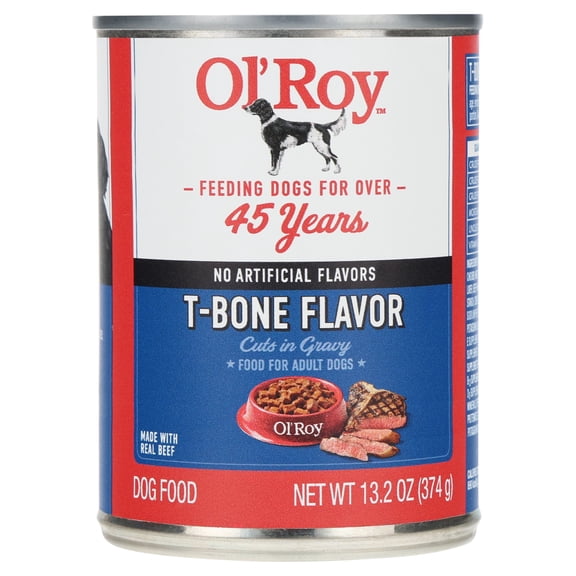
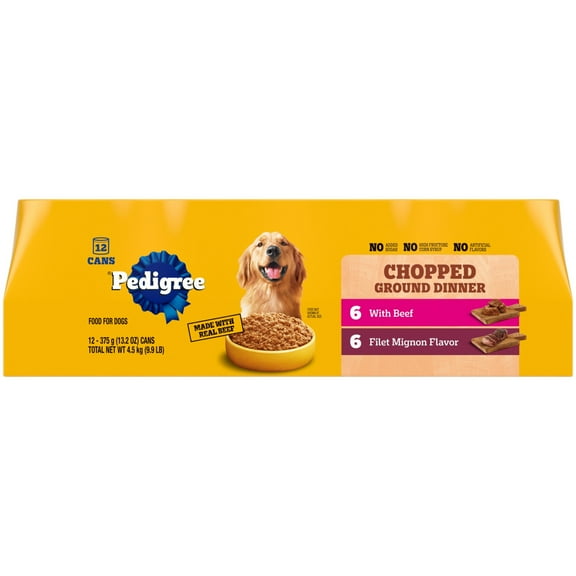
- You can choose wet canned recipes when your dog prefers softer, more moist bites.
- You can compare freeze-dried or fresh styles when you want variety in texture and serving.
- You can mix formats if your dog does well with both crunch and softer meals.
What to look for in grain free dog food and other dietary needs
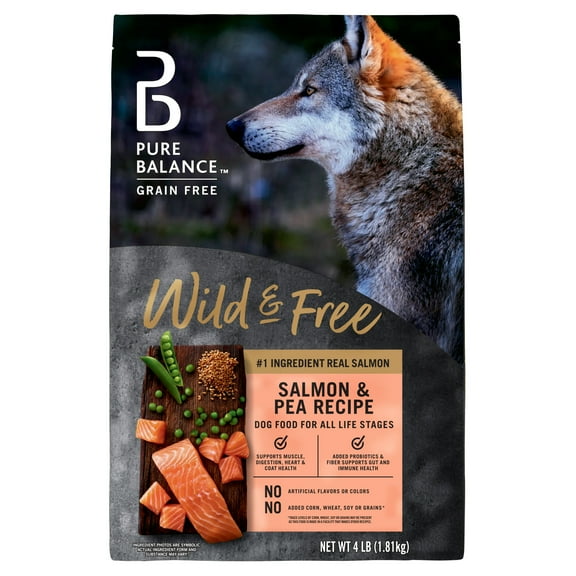
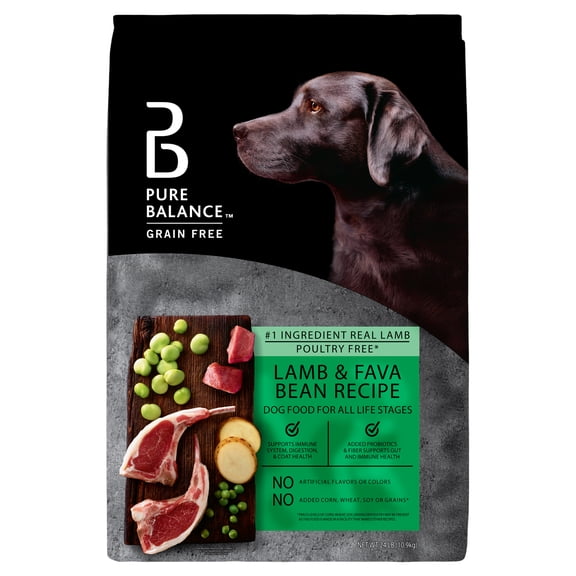
You should compare dietary needs by checking ingredient style, protein source, and recipe focus. Grain free dog food may fit your search when you want grain-free formulas among broader category options.
You can also look for sensitive stomach recipes, limited ingredient choices, high protein formulas, or weight management blends. These labels help you narrow options when your dog needs a more specific formula style.
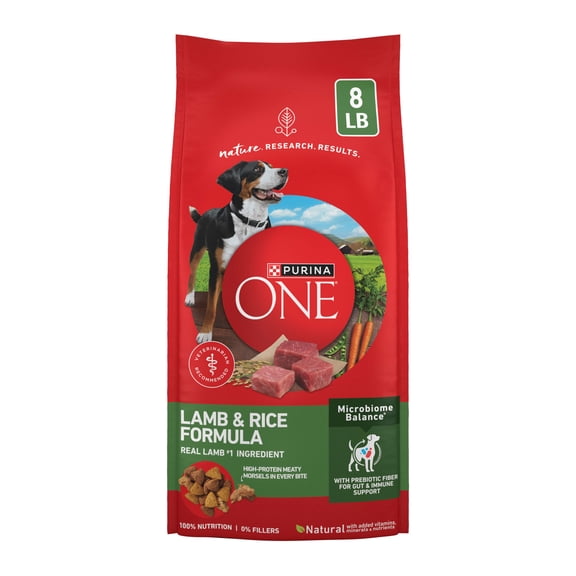
If protein variety matters to you, you can compare chicken, beef, salmon, or lamb recipes across forms. You can also check whether one recipe works as a full meal or as a topper.
Choosing dog treats for training, chewing, and daily rewards
You should choose dog treats by purpose before you compare flavor or package size. Training treats usually give you smaller bites for quick rewards, while dog chew treats keep your dog engaged longer.
Soft dog treats can make sense when your dog prefers tender textures or quick chewing. Dental bone styles and longer chews can fit your routine when you want a treat with more chew time.
You can keep rewards more consistent when the treat matches the moment. You might use small pieces during practice sessions, then offer a chew after walks, crate time, or quiet evenings.
Using dog food and treats for everyday feeding routines
You can build a straightforward routine when you match food and rewards to the times you feed most often. Puppy homes may want smaller kibble and training treats, while multi-dog homes may need separate formulas and textures.
If your dog gets bored with one texture, you can rotate between dry dog food and wet dog food at mealtime. If your dog needs a focused diet style, you can narrow options by ingredient approach before comparing flavors.
You may also plan treats around daily activities like obedience work, travel days, or crate breaks. You can choose dog chew treats for longer engagement and smaller rewards for repeated practice cues.
How to compare dog food and treats with confidence
You can make an informed choice when you compare life stage, food form, dietary needs, and treat type together. That approach helps you find meals and rewards that fit your dog’s routine with less guesswork.
With dog food and treats organized around real feeding decisions, you can move from browsing to a practical match for everyday meals and rewards. You get options that align with your dog’s age, texture preferences, and training habits.