


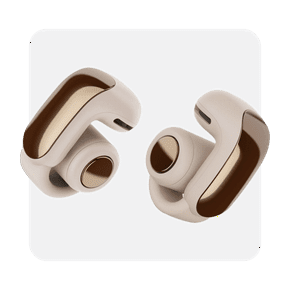
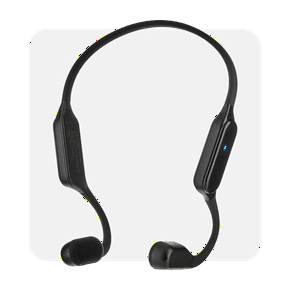
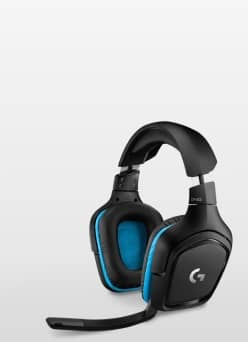
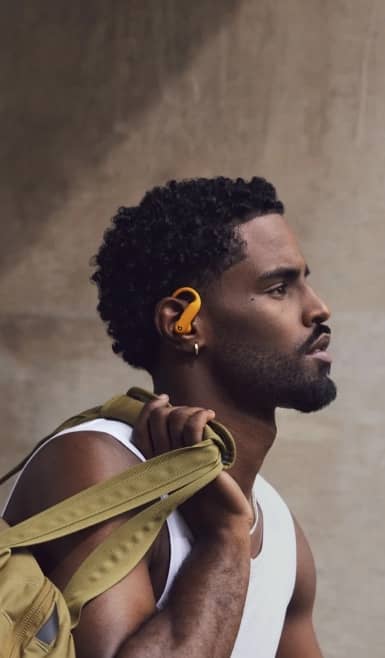
Headphones
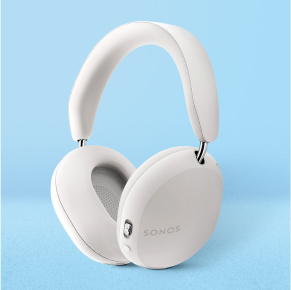
Sonos, Beats, JBL & more
Headphones from the brands you love.
Shop headphones by category
Don't Miss These
Find your kind of audio
New arrivals
FAQ
About Headphones - Walmart.com
Headphones help you tune into music, calls, and games with the fit and connection style your routine needs. You can compare wireless freedom, wired reliability, and comfort-focused designs in one place.
Choosing headphones for your routine
When you shop headphones, you’ll want to start with how and where you listen most often. Your commute, workout, desk setup, and gaming space each call for different features.
If you move all day, you may prefer lighter in-ear styles or sports earbuds that slip into a pocket fast. If you listen longer, you may lean toward over ear headphones with cushioned cups and a roomier fit.
You can use these decisions to narrow your options faster and avoid extras you won’t use. Your shortlist gets clearer when you compare connection type, form factor, noise control, and battery life.
How to compare connection types
You’ll usually choose between wireless headphones, bluetooth headphones, and wired headphones based on convenience and setup. Your choice affects charging habits, cable management, and how you switch between devices.
- You can pick wireless models when you want fewer cords at your desk, in your bag, or during travel.
- You may choose wired styles when your setup needs a simple plug-in connection and steady playback.
- You can look for bluetooth version details when you want smoother pairing and stronger device compatibility.
- You should check codec support like AAC or aptX when your listening setup depends on sound detail or lower latency.
If you game or stream video, you should compare latency details before you choose. Your audio can feel more in sync when you check compatibility with phones, tablets, laptops, and consoles.
You may also want quick charging if you rely on wireless listening throughout the day. Your playback time can stretch further when a short charge adds usable listening hours.
Choosing the right form factor
You’ll notice that form factor changes how your headphones feel after long listening sessions. Your comfort, portability, and sound isolation often start with this one choice.
Over ear headphones can give you a more enveloping feel with larger ear cups and added cushioning. Your ears may feel less crowded, and your listening space may feel more immersive.
On-ear styles can feel lighter and easier to carry while still giving you a familiar headband fit. Your bag may stay less bulky, and your setup may feel simpler for everyday use.
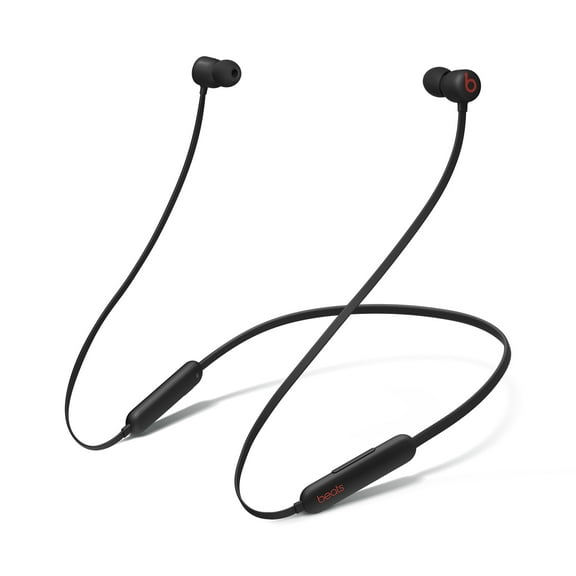
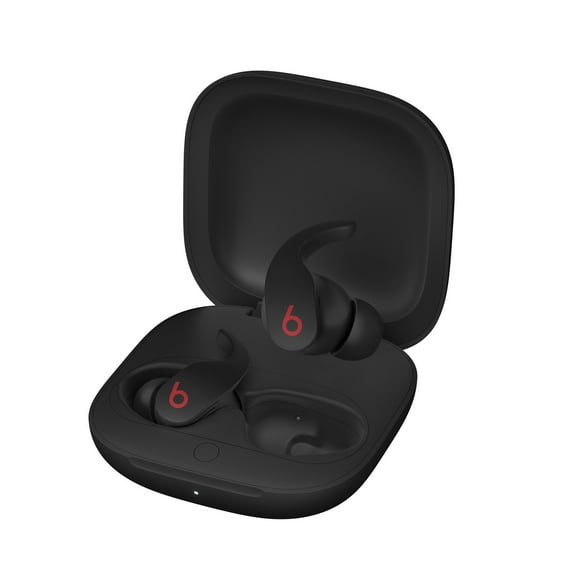
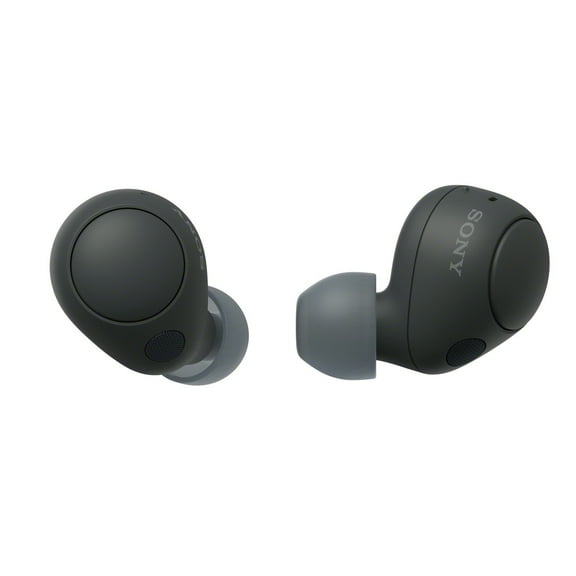
In-ear models and earbuds suit lighter carry and faster movement during errands or exercise. Your pockets stay free of bulk, and your fit can feel more secure during sports and running.
Understanding noise cancelling headphones
You should compare noise control carefully if you travel, work in shared spaces, or want fewer distractions. Your listening experience can change a lot between ANC, passive isolation, and open designs.
Noise cancelling headphones use microphones and processing to reduce outside sound before it reaches your ears. Your flights, train rides, and office sessions can feel calmer when steady background noise is reduced.
You may see active noise cancelling, or ANC, listed with decibel reduction or adjustable modes. Your comparison gets easier when you check whether ambient sound pass-through lets you hear announcements or quick conversations.
Passive noise isolation depends on ear tips or ear cups that physically block some sound. Your choice may work well for everyday listening if you want a simpler design without extra processing.
Features that matter before you choose
You should check battery life, charging method, and controls before you decide. Your daily routine feels smoother when your headphones match how long and how often you listen.
If you wear headphones during long work blocks, you may want extended battery life and easy on-device controls. Your calls and playlists stay easier to manage when buttons or touch controls feel intuitive.
You can also compare microphones, folding designs, and case styles for travel or commuting. Your bag stays more organized when your headphones pack down neatly between uses.
If you switch between devices often, you should check multipoint pairing and operating system support. Your phone, laptop, and tablet can work together more smoothly when compatibility is clearly listed.
Matching headphones to real use cases
You can narrow your options faster when you match features to your primary listening scenario. Your everyday use often points clearly toward one style or connection type.
If you travel often, you may want wireless headphones with ANC, long battery life, and pass-through listening. Your flights and hotel stays can feel easier when you reduce cabin noise and hear announcements when needed.
If your focus is gaming headphones, you should compare latency, microphone placement, and platform compatibility. Your gameplay can feel more responsive when audio timing stays closer to on-screen action.
If you listen during workouts, you may prefer sports earbuds or in-ear styles with a compact fit. Your movement feels less restricted when you choose a lighter design that stays in place.
If you work from home or in an office, you may want comfort for long wear and reliable call controls. Your meetings, playlists, and focused work blocks can fit into one setup more easily.
You’ll get more from your headphones when you choose the form factor, connection, and noise control that fit your day. Your listening stays comfortable, connected, and easier to enjoy across every routine.