

Rangefinders in Hunting
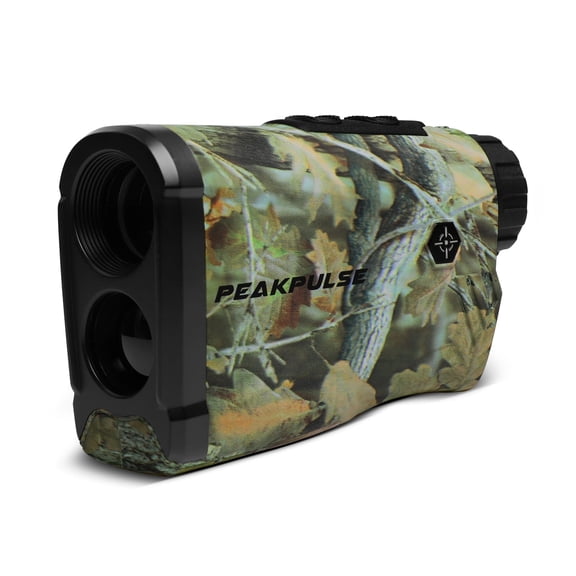

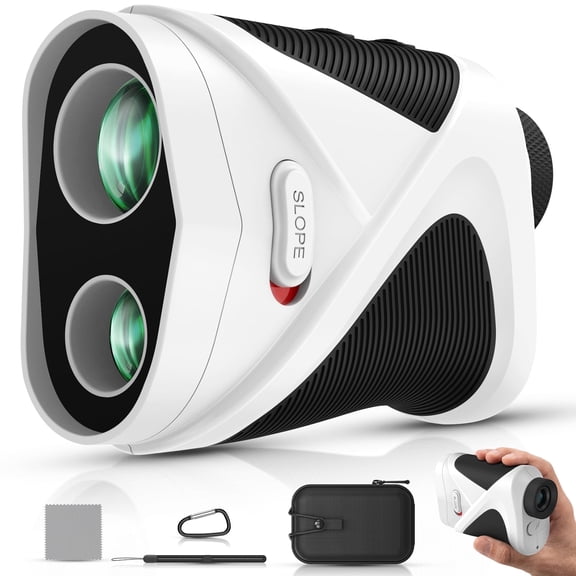


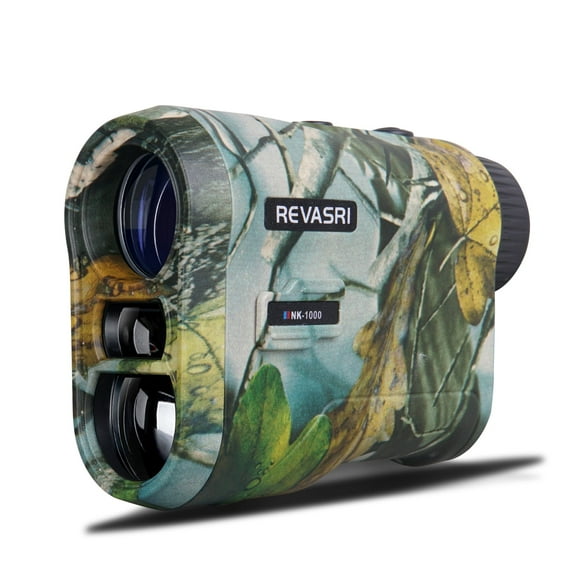
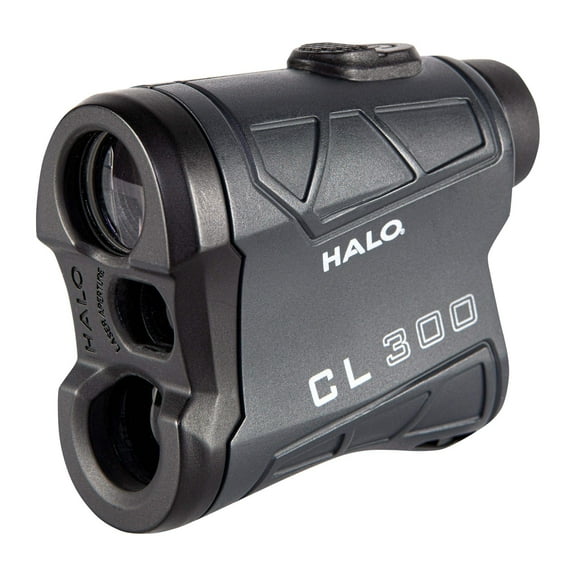

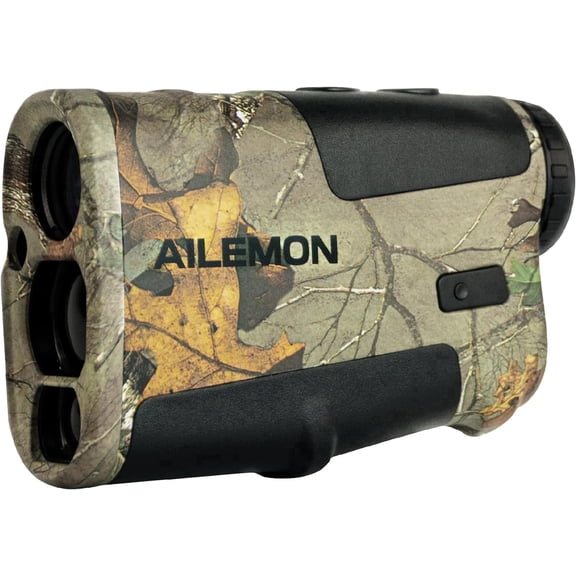
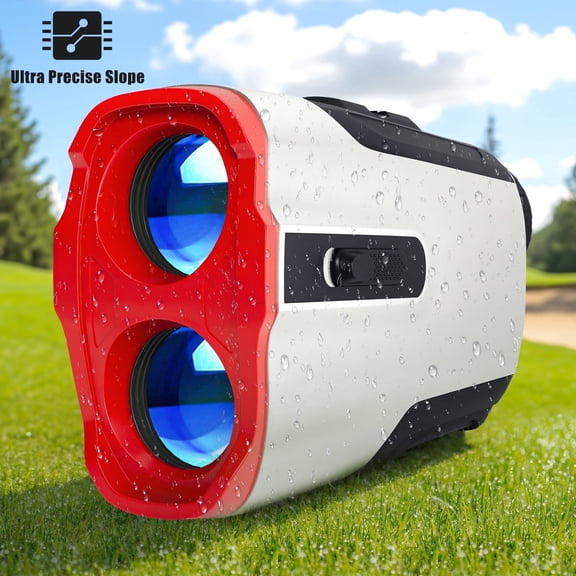
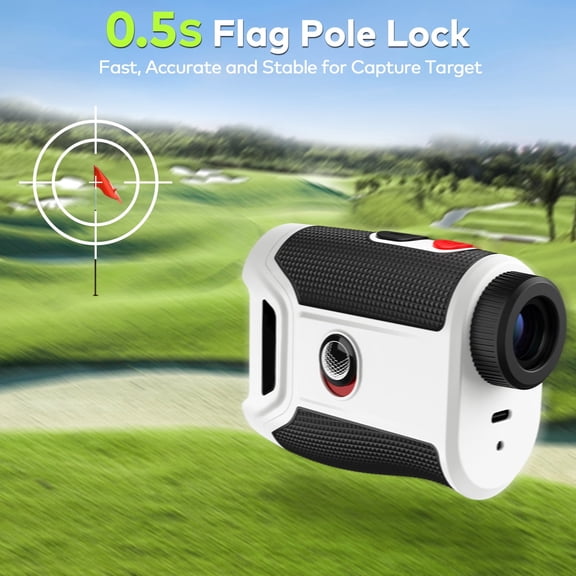





















About Rangefinders in Hunting
You can compare a range finder near me selection with more confidence when you know which models fit golf, hunting, archery, or tactical use. You’ll also find key details like slope settings, target lock, and display style simple to judge before you choose.
If you want quick reads on the course or precise distance checks in the field, you need category guidance that matches your sport. You can use this guide to compare yard reader options by use case, ranging method, targeting technology, and screen type.
How to choose a range finder near me by use case
You should start with your main activity, because golf and hunting rangefinders solve different distance problems. You’ll usually want flag locking for golf, while you may prefer brush filtering and angle support for hunting.
When you compare a hunting range finder near me selection, you should look for angle compensation that helps you judge uphill or downhill shots. You may also want low-light readability for dawn and dusk conditions.
For golf, you’ll want pinseeker-style targeting that helps you isolate a flagstick instead of background trees. You should also check whether you can turn off the slope feature for tournament play.
If you shoot archery, you may prefer compact designs that fit easily in a pack or chest pocket. You’ll often want quick readings at shorter distances and angle features for elevated stands.
For tactical use, you may look for longer ranging capability and quick scan modes for repeated readings. You should compare body size, grip texture, and display clarity before making your choice.
- You can choose golf-focused models for flag lock and tournament-ready slope control.
- You can choose hunting-focused models for brush filtering, angle reads, and low-light display visibility.
- You can compare archery and tactical options by compact size, scan speed, and distance priorities.
What to look for in yard reader measurements and targeting
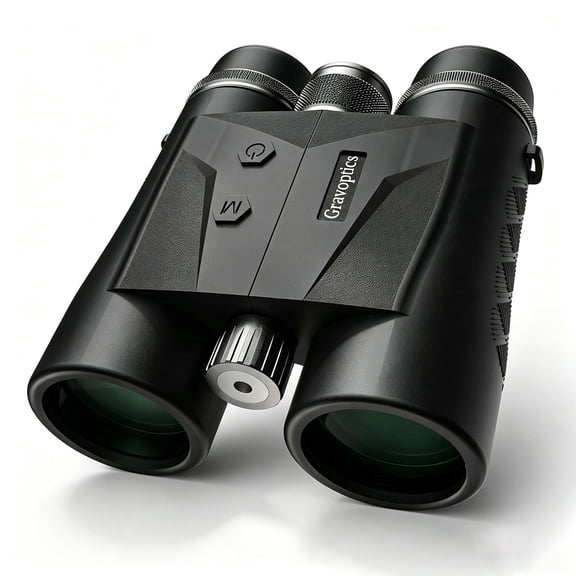
You’ll see yard reader, range finder, and distance meter used in similar ways, but your decision should focus on how the unit measures real targets. You should compare reflective range against deer or flagstick range, because those numbers can differ a lot.
Reflective range usually describes distance to bright, easy targets, so you shouldn’t treat it as your everyday field number. You’ll get a useful comparison when you check the listed range for animals, trees, or flagsticks.
If you want steady readings, you should look for scan mode that updates distance as you pan across terrain. You may also prefer target lock cues that confirm the unit found the intended object.
Angle compensation matters when your shot travels uphill or downhill, because line-of-sight distance isn’t always the full story. You’ll notice this feature matters for tree stands, uneven fairways, and elevated tee boxes.
Slope compensation helps you judge club selection on rolling courses, but you should verify whether you can disable the feature. If you play events, you’ll want a model that clearly switches into tournament-legal mode.
Comparing display types on a rangefinder nearby
You should compare display style carefully, because your screen affects speed and readability as much as raw range. You’ll commonly choose between LCD, OLED, and red backlit display options.
LCD screens can work well in bright daylight, and you may prefer them for simple, familiar viewing. You should still check contrast and reticle clarity if you often range at first light.
OLED displays use illuminated readouts, so you can often read numbers clearly in dim conditions. You may find this especially helpful when you hunt at dawn or track targets near sunset.
A red backlit display can help your measurements stand out against dark backgrounds, brush, or shaded tree lines. You should compare brightness settings if you move between open fields and wooded cover.
Screen readability also depends on magnification and reticle design, so you should weigh those details together. You’ll want a display that stays easy to read without slowing down your shot routine.
Using rangefinders near me for real sports and field scenarios
You can match feature combinations to specific situations instead of guessing from a long spec list. You’ll make a clear choice when you compare how each setup works in actual play or field use.
If you play golf on hilly courses, you may want slope compensation, pin locking, and a display that stays readable at midday. You should also confirm that tournament mode is easy to activate.
If you need a range finder for hunting, you may want angle compensation, brush filtering, and an OLED or red display. You’ll likely appreciate quick target updates when animals move across uneven terrain.
For bowhunting, you may prefer a compact hunting rangefinder with shorter practical target ranges and simple controls. You should look for one-handed operation if you carry other gear.
If you shoot longer distances or scan multiple targets, you may want a distance meter with extended reflective range and continuous scan mode. You’ll benefit from quick readouts when terrain changes from one point to the next.
You may also compare battery type, water resistance details, and body shape for the way you actually use your gear. You’ll often notice these daily-use traits matter just as much as headline range numbers.
You can choose more confidently when you compare rangefinders by sport, target type, display, and slope behavior instead of marketing terms alone. You’ll end up with a unit that reads the right target quickly and fits your real shooting conditions.