

Yoga Blocks

























About Yoga Blocks - Walmart.com
Yoga block nearby results matter when youu're ready to support poses, improve alignment, and add steady lift during practice at home or in class. This category focuses on foam and cork options, common block heights, and useful sets that fit yoga, stretching, and balance work.
Yoga blocks for everyday practice
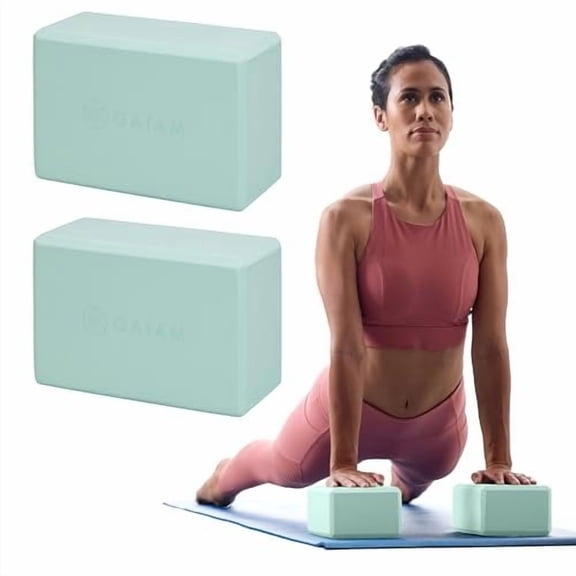
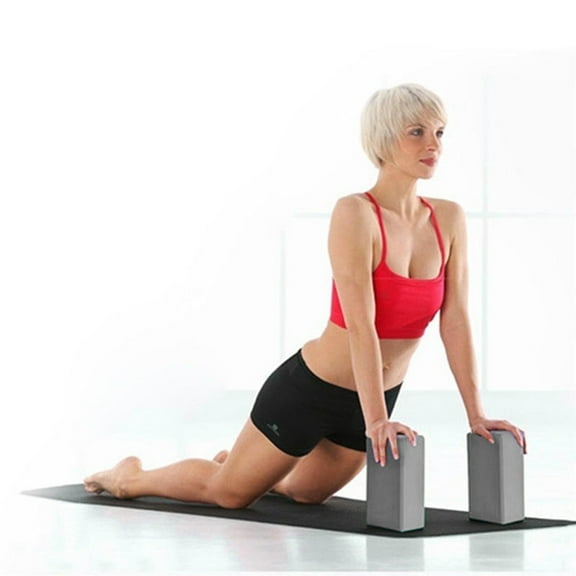
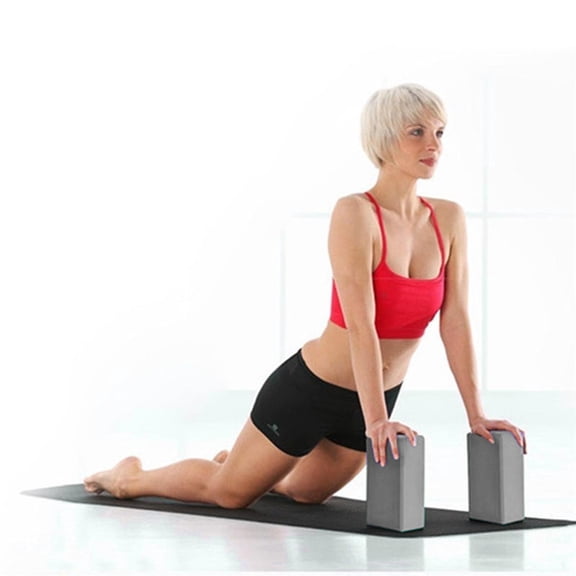
A yoga block can make challenging positions feel more approachable. It brings the floor closer during folds, lunges, and seated stretches. That added height helps you move with steadier form and cleaner setup.
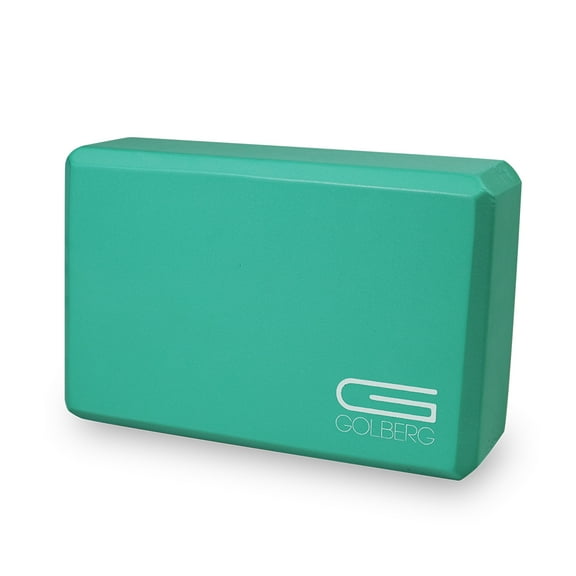
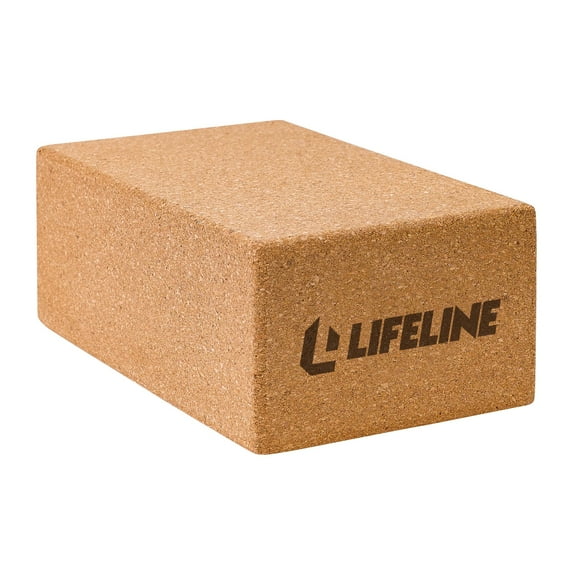
Beginners often start with foam because it feels light in hand and easy to reposition. Cork usually feels denser and more grounded on the mat. Both materials work well, but they create different hand feel during longer holds.
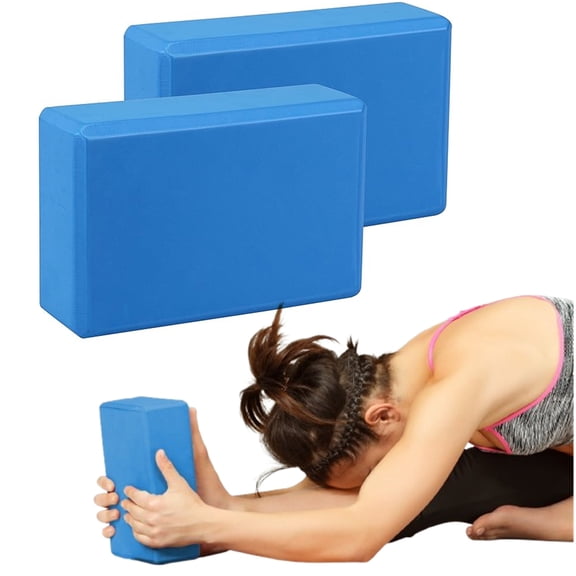
- Creates extra reach for hamstring stretches, triangle pose, and seated folds
- Adds stable height under hands, feet, or hips during balance work
- Supports home workouts, studio classes, Pilates sessions, and recovery stretching
- Makes paired setups easier when you want matching blocks for both sides
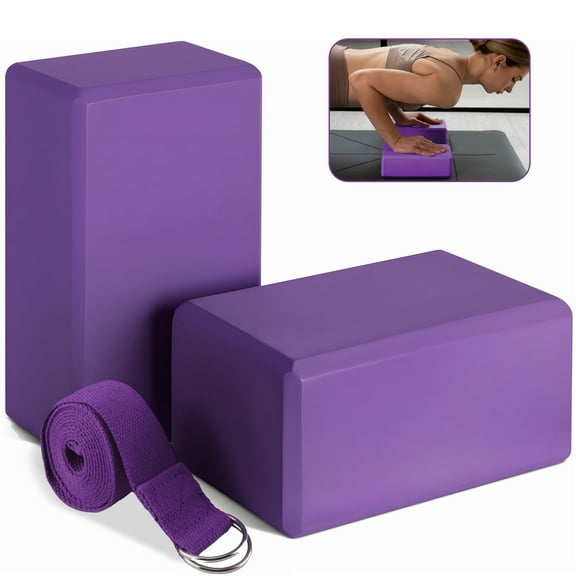
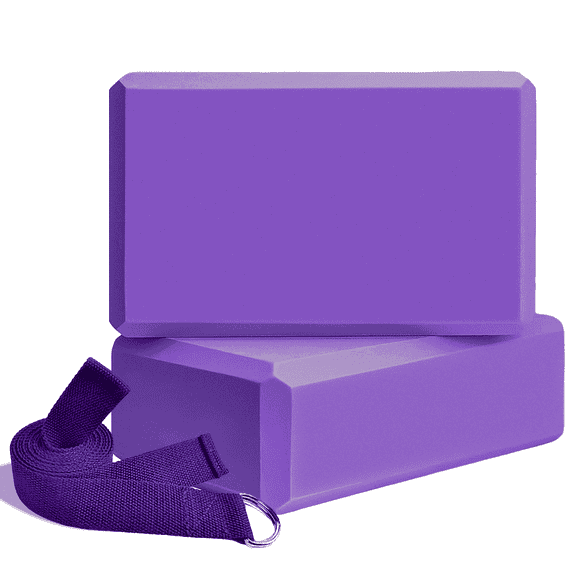
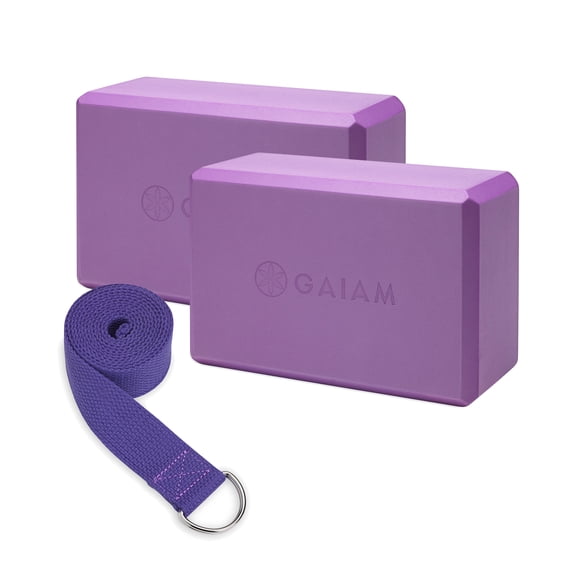
If you use yoga straps or a mat, blocks round out the setup. They help you build a more versatile routine without changing the flow. Many shoppers also pick multi-packs for mirrored poses and shared spaces.
How to choose a yoga block nearby
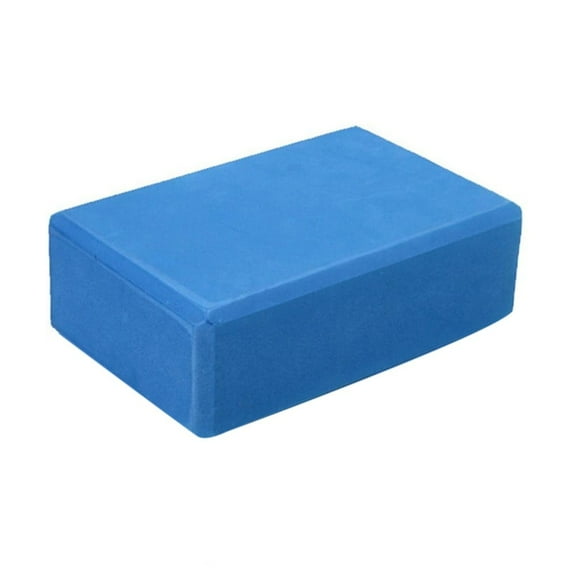
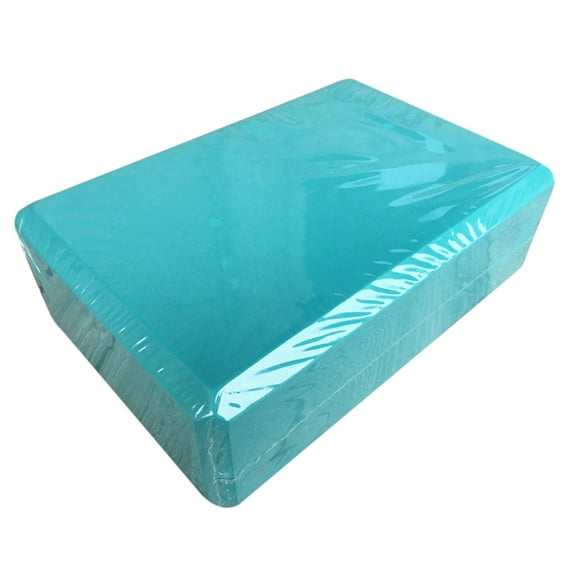
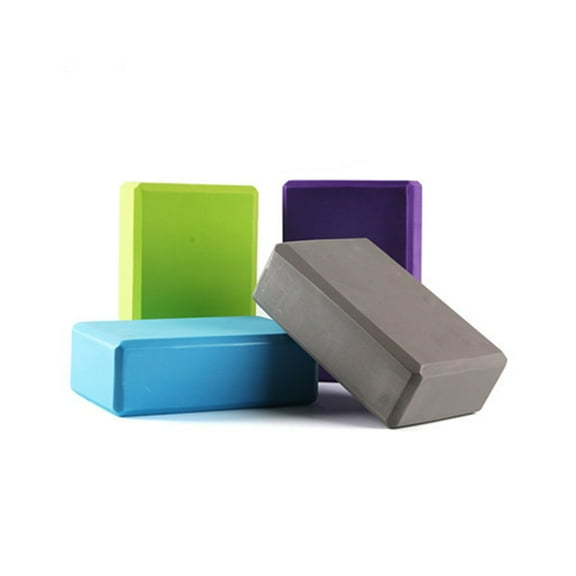
Material is one of the biggest differences. Foam yoga blocks usually feel lighter and softer at the edges. Cork yoga cubes feel firmer, with a denser touch that many shoppers like for standing poses.
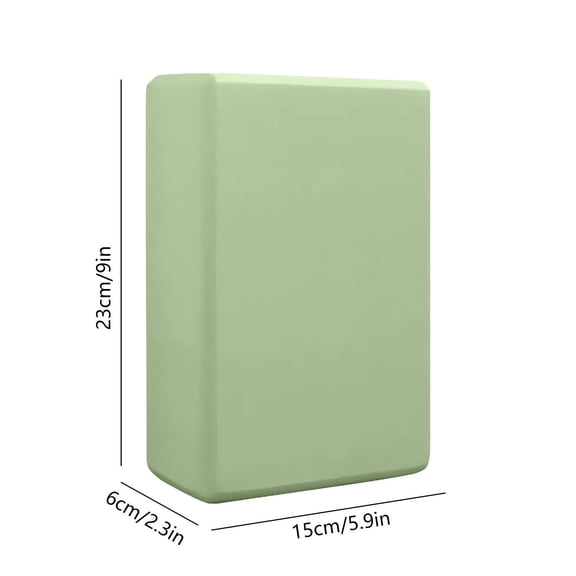
Size also matters. Common depths include three-inch and four-inch profiles. A three-inch block offers a lower lift, while four inches gives more height under your hand.
Shape affects versatility during class and stretching. Rectangular blocks can stand tall, medium, or low for three height options. That simple feature gives you quick adjustments between poses without interrupting your routine.
Surface texture is worth checking before you choose. Many blocks have beveled edges for a smoother grip. Others emphasize a flatter, more squared shape that feels secure under palms and feet.
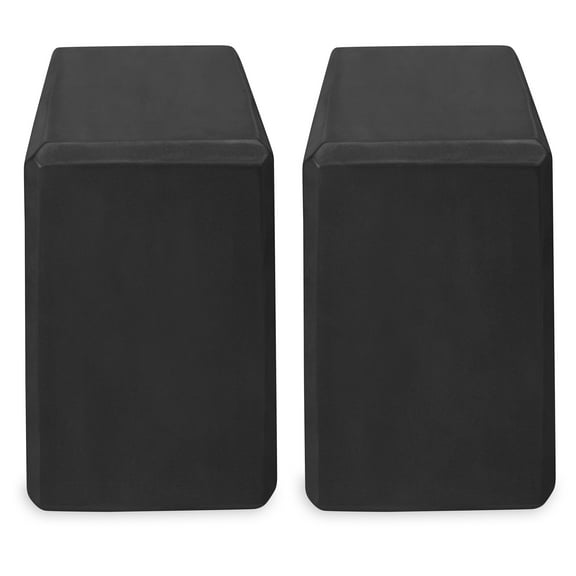
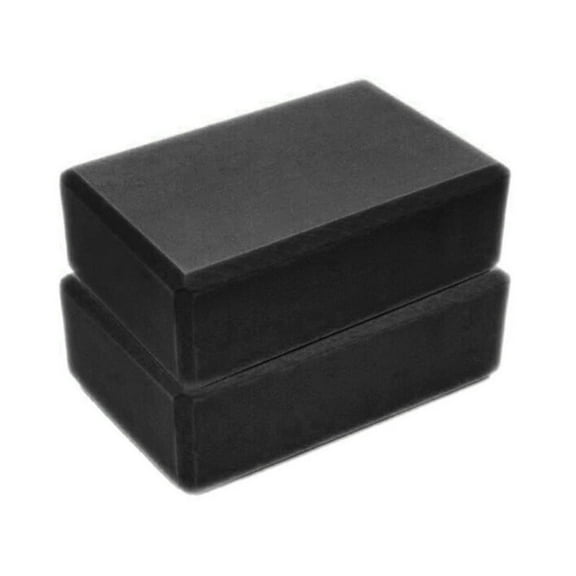
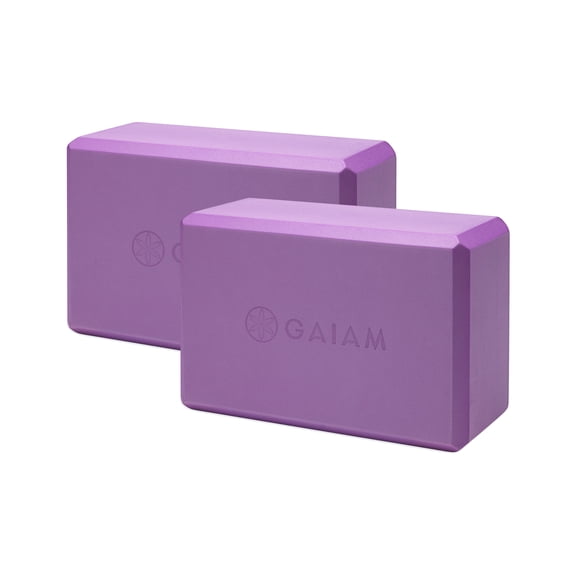
Single blocks work for targeted support, but sets can be practical for symmetry. Two blocks help with chest openers, bridge pose setups, and deeper stretching sessions. Some shoppers also keep one pair at home and another in a gym bag.
Blocks for stretching and balance
Blocks for stretching are useful far beyond traditional yoga flows. You can place one under your hands during calf stretches or under your hips in seated mobility work. That flexibility makes them a smart tool for mixed routines.
During balance practice, a yoga block creates a dependable touchpoint. Use it in half moon variations, standing splits, or supported lunges. The extra contact can make transitions feel more controlled and deliberate.
For restorative sessions, blocks can elevate the seat or support the back in gentle positions. In strength-focused classes, they help shorten the range in pushups and arm balances. Thatu's why many experienced shoppers keep blocks close even after skill levels change.
Yoga cubes also fit compact storage needs. Their shape stacks neatly on a shelf, beside mats, or inside a workout corner. Foam styles are especially easy to carry between rooms or bring to class.
What experienced shoppers look for
Shoppers comparing yoga blocks near me often focus on texture, firmness, and height first. Those details affect comfort in your hands and confidence under weight. Material and dimensions usually matter more than color alone.
Foam can suit lighter travel kits and beginner-friendly practice spaces. Cork can appeal to shoppers who want a weightier feel on hardwood or tile floors. Either way, checking dimensions helps you match the block to your mobility and preferred poses.
Another useful detail is edge finish. Rounded edges can feel more comfortable in supported positions. Crisp edges can feel more defined when you need a clean hand placement.
If your routine includes yoga mats, straps, and mobility tools, blocks often become the piece you reach for most. They adapt quickly across warmups, cooldowns, and focused stretching. That kind of range gives your setup more practical function from the first session.
Choosing the right yoga block nearby often comes down to material, height, and whether you want one block or a pair. With foam and cork options, plus versatile three-position use, the right block helps each pose feel more supported and more stable.