

Windmill Air Conditioners in Air Conditioners


About Windmill Air Conditioners in Air Conditioners - Walmart.com
You can compare a windmill air conditioner by BTU size, smart controls, and mounting style, so your room gets targeted cooling with a cleaner fit. You’ll also find design details that suit modern spaces, including slim window profiles and app-based control options.
When you’re narrowing choices, you’ll want guidance that matches room size, sleep routines, and installation needs. You can use this category guide to compare Windmill models with more confidence and less guesswork.
How to choose a windmill air conditioner
You’ll get a clear starting point by matching cooling capacity to your space. You can compare 5000 BTU, 6000 BTU, and 8000 BTU options based on square footage and daily use.
If you’re cooling a smaller bedroom, office, or nursery, you may prefer a lower BTU model with a compact footprint. If you’re covering a larger room, you’ll usually need added output for steadier temperature control.
You can also compare product line, smart features, and mounting type before you decide. You’ll notice these details affect how your unit looks, how you control it, and where it fits.
- You can match BTU capacity to room size for more consistent cooling.
- You can choose app controls if you want quick changes from your phone.
- You can compare standard models and windmill lite series options for different spaces.
- You can review window AC and wall AC formats before planning installation.
Choosing the right BTU for your room
You should start with room size because BTU capacity shapes everyday performance. You’ll usually see a windmill 5000 btu air conditioner considered for smaller spaces and lighter cooling needs.
If your room sits in the middle range, you may find 6000 BTU options easier to balance. You can get practical coverage without stepping too far beyond your space requirements.
For larger bedrooms, living spaces, or sun-filled rooms, an 8000 btu windmill air conditioner may make more sense. You’ll want that extra capacity when your room holds heat longer during the day.
You should also consider ceiling height, direct sunlight, and room layout before choosing. You may need a stronger unit when your windows face afternoon sun or your space stays open.
Comparing windmill lite series and standard models
You can use the product line as another helpful decision point. You’ll often compare standard units with windmill lite series models when you want a certain size, profile, or feature mix.
If you want a straightforward setup, you may lean toward a streamlined model with core controls. If you want broader connected features, you may prefer a model built around app access.
You should check how each line fits your room, your routine, and your style. You’ll notice that appearance matters more in visible spaces like bedrooms, living rooms, and home offices.
What to look for in windmill smart ac features
You can compare a windmill smart ac by how you control settings throughout the day. You may want Wi-Fi enabled functions, app controlled scheduling, and compatibility with Alexa or Google Assistant.
If you like adjusting temperatures before you get home, connected controls can simplify your routine. You can change modes, fan speeds, and timers without standing at the unit.
You should also think about overnight use and shared spaces. You’ll appreciate whisper-quiet performance when you’re sleeping, working, or watching TV in the same room.
When you compare smart features, look for controls that feel intuitive on busy days. You can keep your setup simple while still getting scheduling and remote access benefits.
Window ac windmill and wall AC installation choices
You’ll want to confirm mounting type before you choose a model. You can compare window ac windmill options with wall AC styles based on your room layout and existing opening.
If your space already has a compatible window, you may prefer a window unit for a familiar setup. If your room uses a wall opening, you should check fit requirements before moving forward.
You can also review frame compatibility, overall dimensions, and side clearance during planning. You’ll avoid surprises when you measure width, height, and nearby trim before installation.
For everyday use, you may also care about how the unit looks from inside your room. You can choose a format that blends into your space while still keeping controls easy to reach.
Using these models in real rooms
You can place a compact unit in a bedroom, office, or studio where a smaller footprint matters. You’ll often find lower BTU options work well when your square footage stays modest.
If you’re outfitting a guest room or apartment living area, you may want extra cooling capacity. You can compare mid-range and larger units when your room gets warm in the afternoon.
You may also want app control for a nursery, home office, or upstairs bedroom. You can adjust settings quietly and keep your environment consistent without constant manual changes.
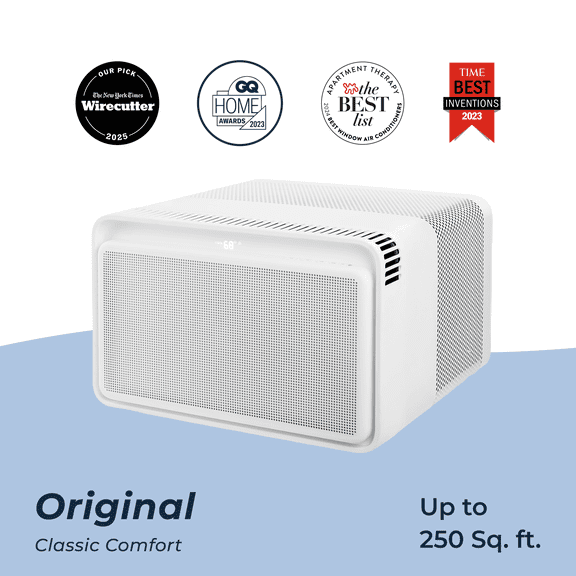
When your décor matters, you’ll likely notice the appeal of a cleaner front panel and softer visual footprint. You can choose a model that supports comfort without overwhelming your room’s style.
With Windmill models, you can compare room fit, BTU coverage, connected controls, and mounting style in one focused category. You’ll make a more informed choice when your cooling unit matches your space from the start.