


Find auto parts that fit
Let’s search for parts that fit your vehicle.Wheel Adapters, Spacer Adapters & Rim Adapters | Walmart

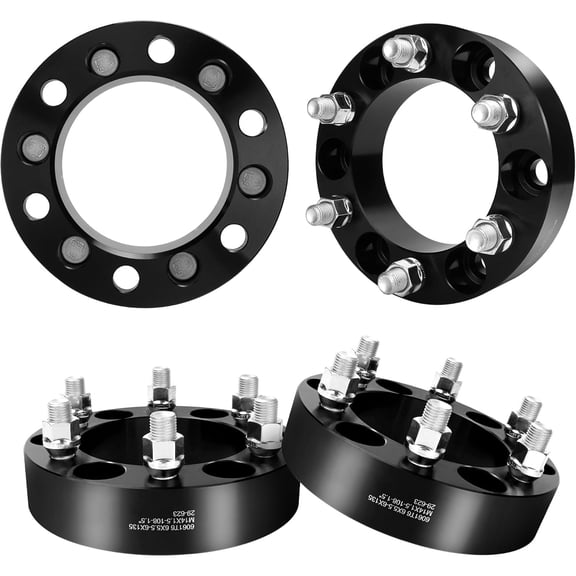


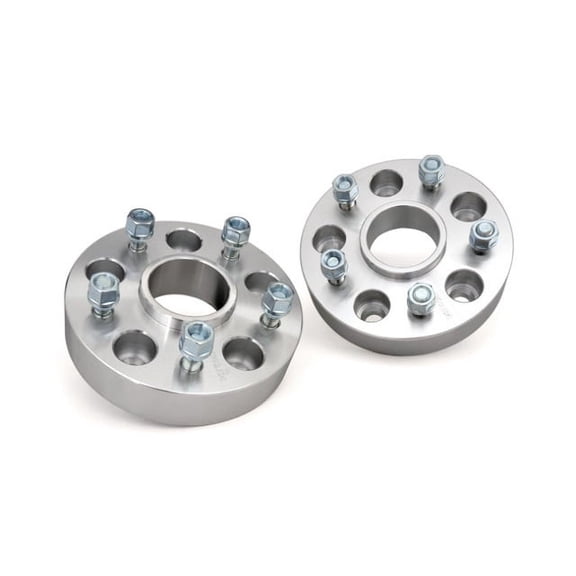


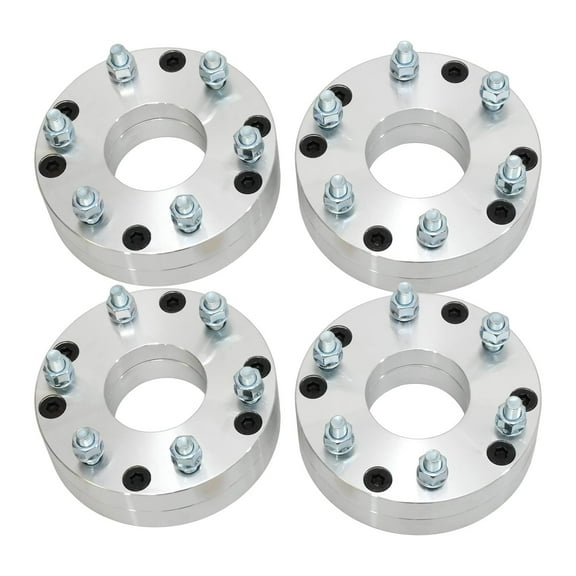



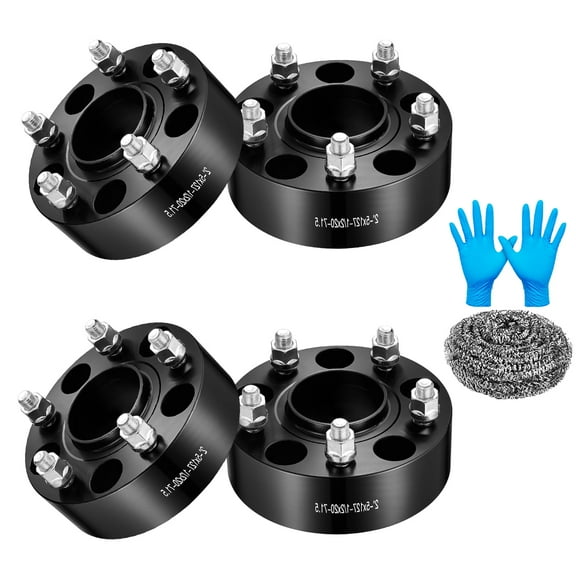


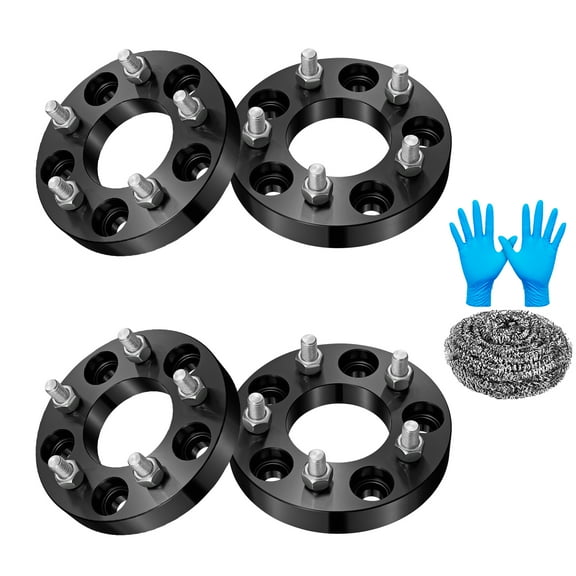
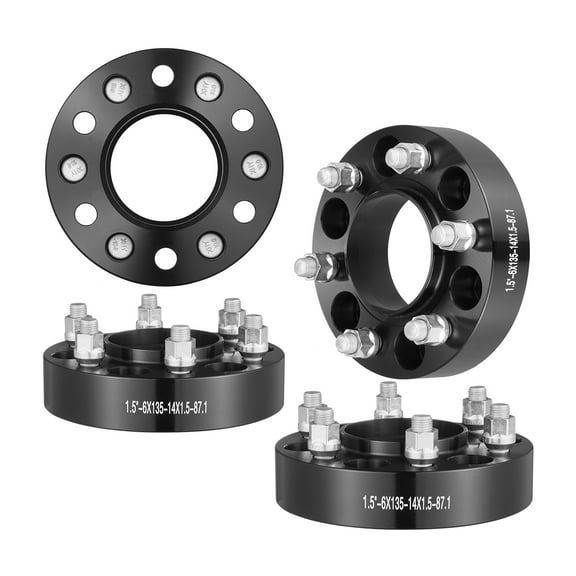


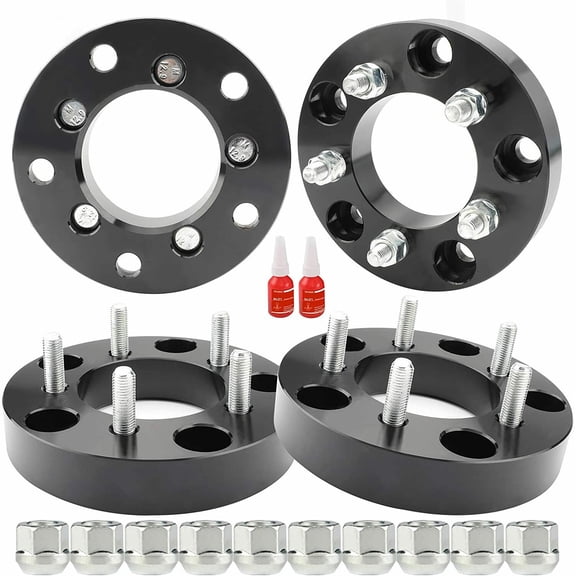
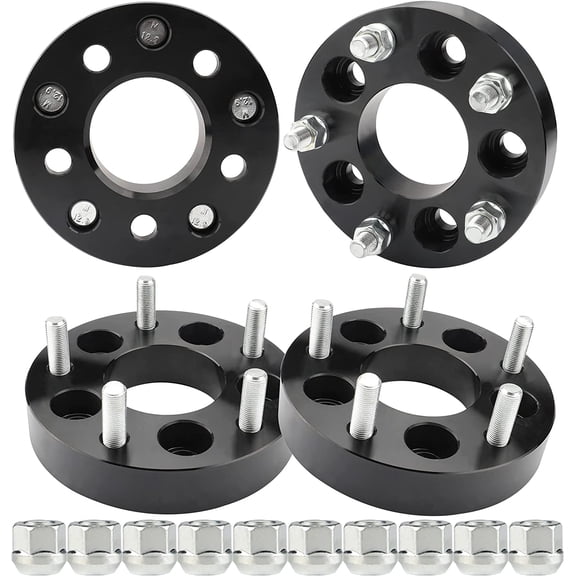
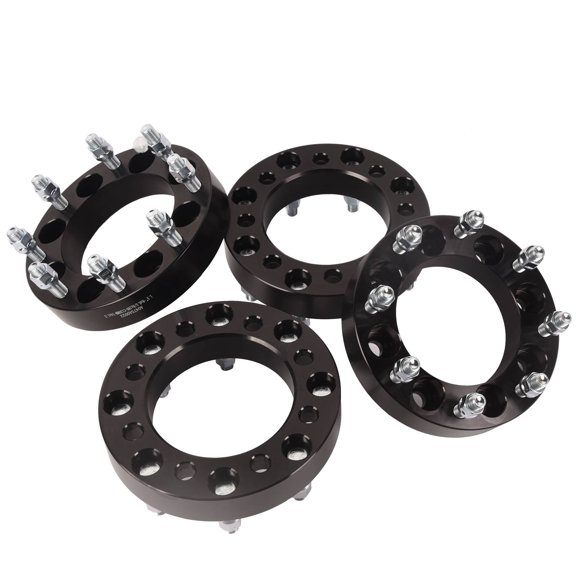

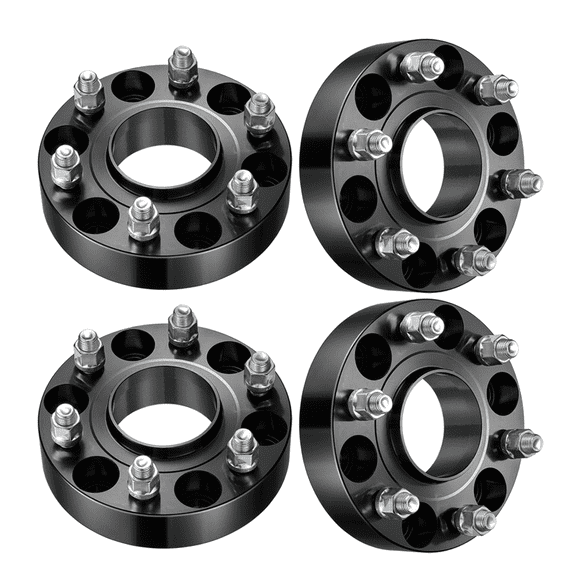
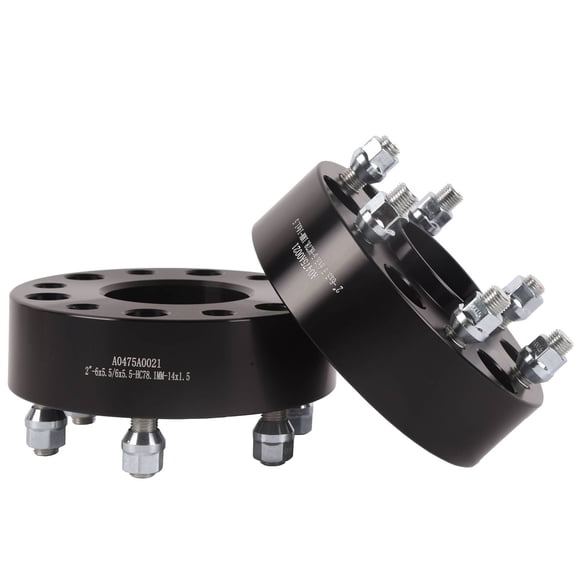


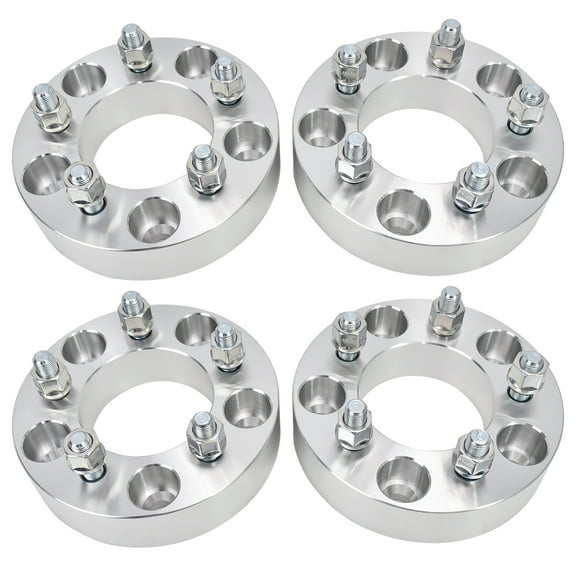
About Wheel Adapters, Spacer Adapters & Rim Adapters | Walmart - Walmart.com
Wheel adapters help you match wheel bolt patterns, hub fitment, and spacing needs for your vehicle. You can compare conversions, thickness options, and hub styles for a precise custom setup.
How to choose wheel adapters for your vehicle
You should start with your vehicle’s bolt pattern, thread pitch, and hub bore before you compare any adapter. You’ll get a precise fitment decision when those numbers match your wheel and vehicle specs.
You can use lug pattern adapters when you want a different wheel setup without changing the vehicle hub. You can find options like 5 lug to 5 lug, 5 lug to 6 lug, and 4 lug to 100mm conversions.
You should also measure how far your wheels need to sit from the hub face. You’ll want enough space for brake components while keeping your wheel position aligned with your fender clearance.
Why wheel adapters matter for fitment
The right adapter helps you mount compatible wheels with confidence during a custom fitment project. You can focus on the exact bolt pattern conversion instead of limiting your wheel choices.
Thickness matters because it changes how your wheels sit inside the wheel well. You can use wheel spacer thickness to create extra room or a broader stance.
Hub style affects how your setup centers on the vehicle hub. You may prefer hubcentric wheel adapters when you want the wheel centered by the hub lip.
- You can convert common bolt patterns, including 5 lug to 6 lug setups.
- You can compare 1 inch, 1.5 inch, 2 inch, and 20mm thickness options.
- You can choose hubcentric or lugcentric designs based on your fitment needs.
- You can look for T6 billet aluminum or hardened steel construction.
Material choice also supports how you build your wheel setup. You’ll often compare billet aluminum wheel adapters for low weight and hardened steel for a different material feel.
Comparing hubcentric wheel adapters and lugcentric designs
You should compare hubcentricity closely because it affects how the wheel centers during installation. You’ll notice hubcentric wheel adapters include a lip that matches your wheel’s center bore.
Lugcentric designs center through the lug hardware instead of a hub lip. You may consider that style when your wheel and vehicle specs call for that type of setup.
You should also check hub bore measurements before you order wheel spacers and adapters. This helps you avoid guesswork when you confirm the bore size against both the vehicle hub and wheel opening.
Thread pitch is another decision point that deserves attention during fitment. You’ll need hardware that matches your studs or supplied studs for a secure install.
Choosing thickness, material, and conversion type
You should choose thickness based on clearance goals and wheel position. A 1 inch adapter may suit mild stance changes, while 1.5 inch or 2 inch options create a broader stance.
You can also compare metric sizes like 20mm when your setup needs a minor change. You’ll want to measure brake clearance, suspension space, and outer fender room before you decide.
T6 billet aluminum wheel adapters are common when you want strong, machined construction with low weight. Hardened steel options may fit builds that call for a different material choice.
You should treat bolt pattern conversion as the main filter during your search. If your vehicle is 5 lug and your wheel is 6 lug, you’ll need that exact conversion listed.
Using wheel adapters in real fitment projects
You might use wheel adapters when you’re fitting custom wheels from another vehicle platform. You can narrow your options by matching bolt pattern, hub bore, and thread pitch first.
If you’re building a truck or SUV setup, you may search for 5 lug to 6 lug adapters. You’ll want to pair that conversion with the right thickness for tire clearance and wheel position.
For compact cars, you may compare 4 lug to 100mm options when you’re working with specific aftermarket wheels. You can keep your search focused by checking both center bore and stud details.
You may also use wheel adapter spacers when you need more room around brakes or suspension parts. You’ll get a clear understanding of fitment when you measure both inner and outer clearance points.
Installation planning matters just as much as sizing. You should confirm torque specifications from your vehicle and adapter instructions, then recheck hardware after your first miles.
You’ll get highly useful results when you compare vehicle specs, wheel specs, and adapter dimensions together. That approach helps you choose wheel adapters that support a precise, custom fit.
What to check before you choose wheel adapters
You should compare every listed dimension before you make a final fitment decision. You’ll want the adapter bore, stud details, and thickness to match your wheel project.
You can narrow choices quickly when you measure once and compare each spec side by side. You’ll feel more confident when your wheel adapters match your vehicle and wheel requirements.