

Portable Closets






























About Portable Closets - Walmart.com
A disposable closet gives you fast clothing storage when a built-in closet falls short. These portable designs assemble quickly, fit tight spaces, and keep hanging items organized during moves, dorm setups, or seasonal changes.
Disposable closet options for flexible storage
Portable storage works when your room needs hanging space without a permanent installation. A disposable closet can hold shirts, coats, dresses, and folded bins in one compact footprint.
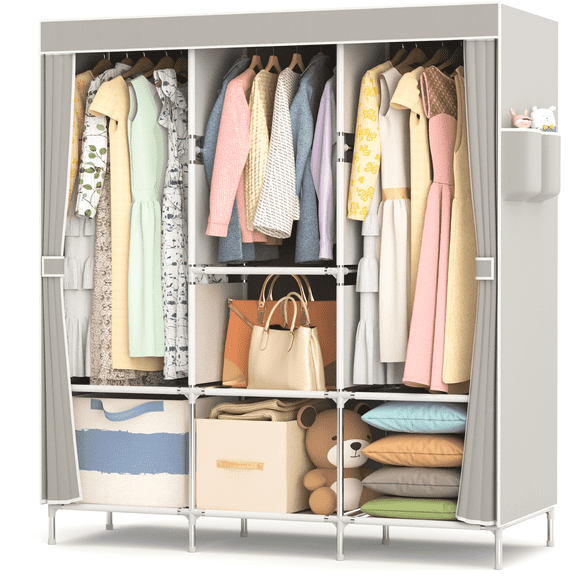
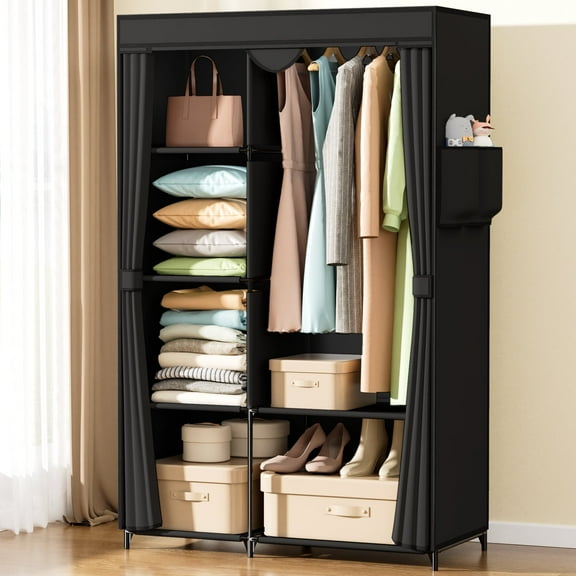
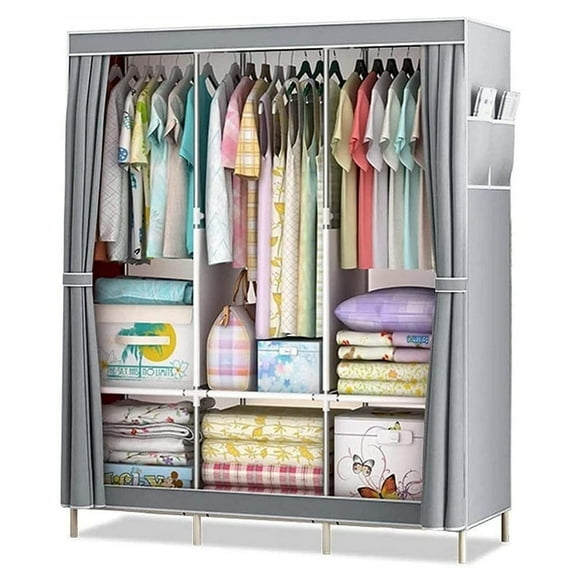
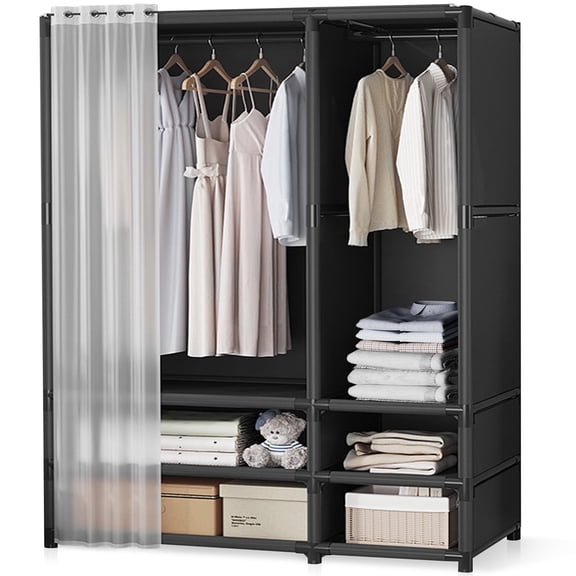
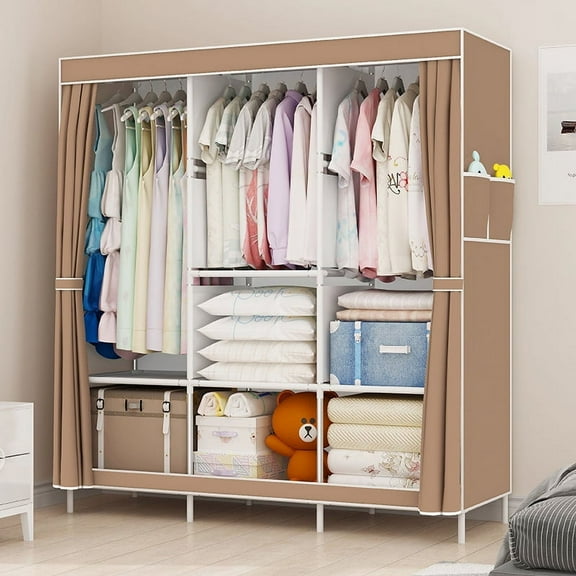
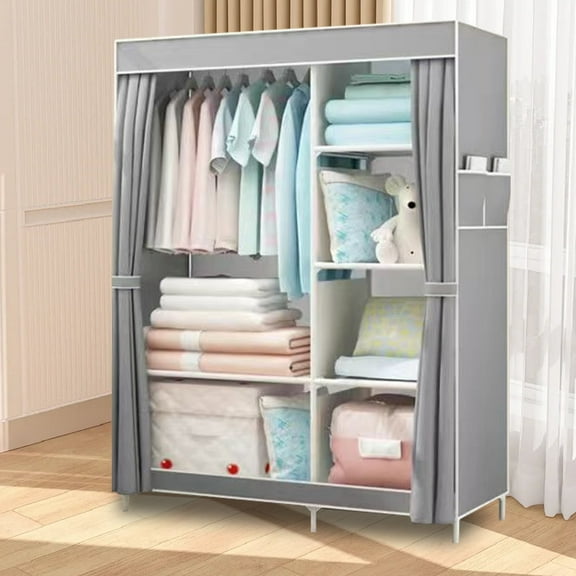
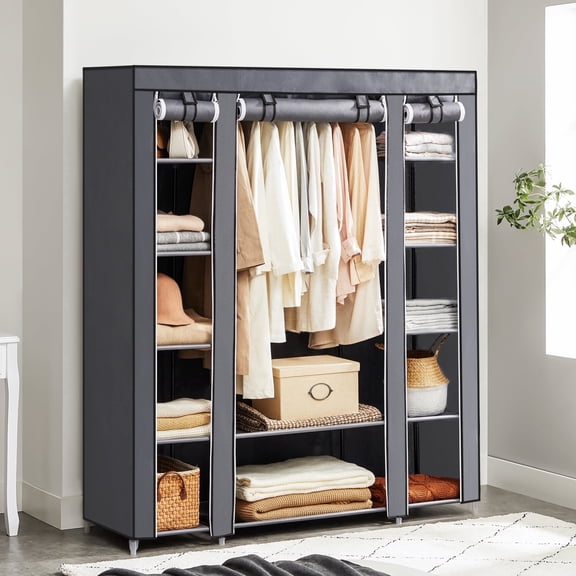
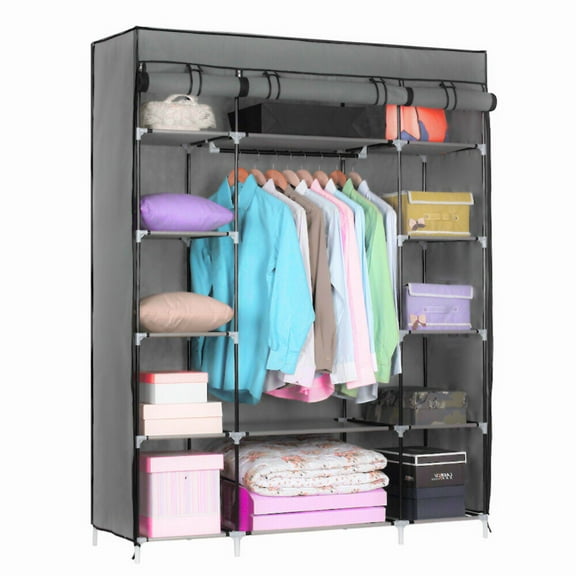
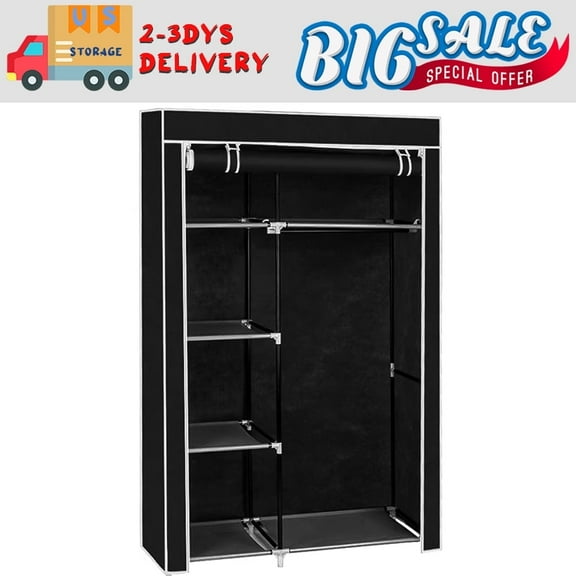
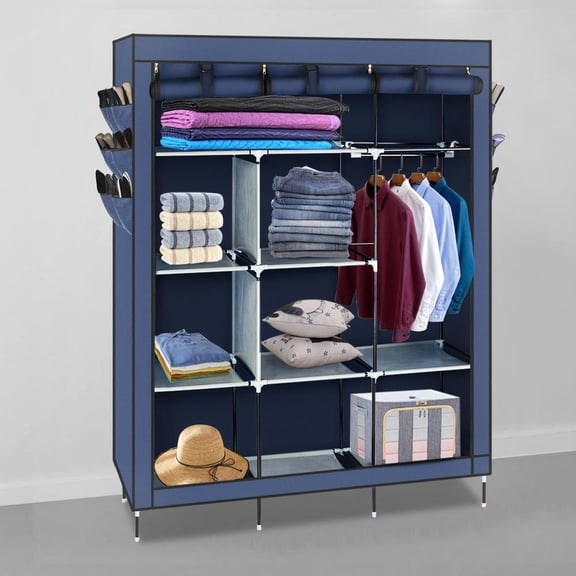
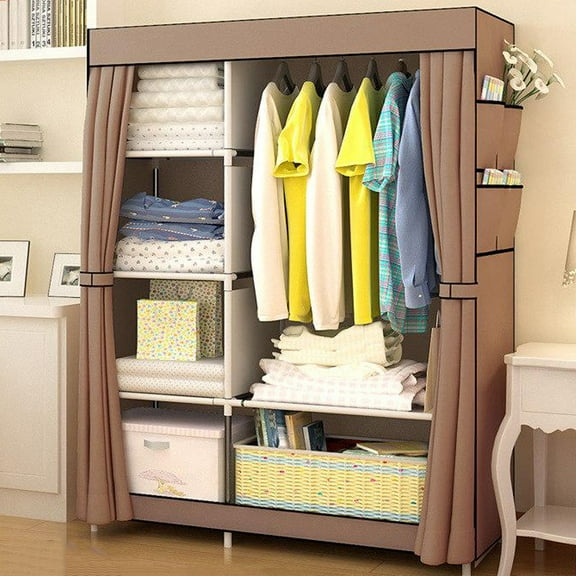
Many styles include a covered frame, open shelves, or a portable closet rack layout. That mix helps protect garments from dust while keeping daily essentials within easy reach.
- Creates a closet for clothes in bedrooms, dorms, and guest rooms.
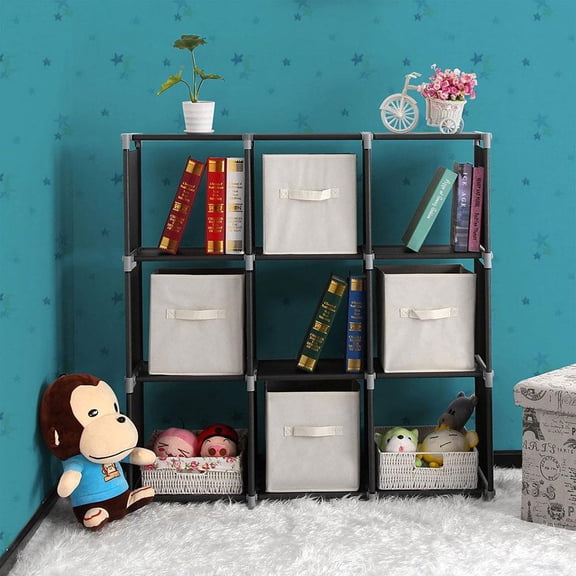
- Uses vertical space for hanging garments, shoes, and storage cubes.
- Moves more easily than fixed furniture during room changes or short-term living setups.
- Offers a temporary closet for overflow wardrobes, costumes, or off-season apparel.
Cloth covers can give stored pieces a cleaner look in shared spaces. Open-frame units make it simple to grab outfits, jackets, or uniforms before heading out.
Durable portable closet racks for every room
A strong frame matters when youu're hanging heavier pieces like coats or long dresses. Many portable closets use metal tubes, resin connectors, and fabric covers sized for everyday apparel storage.
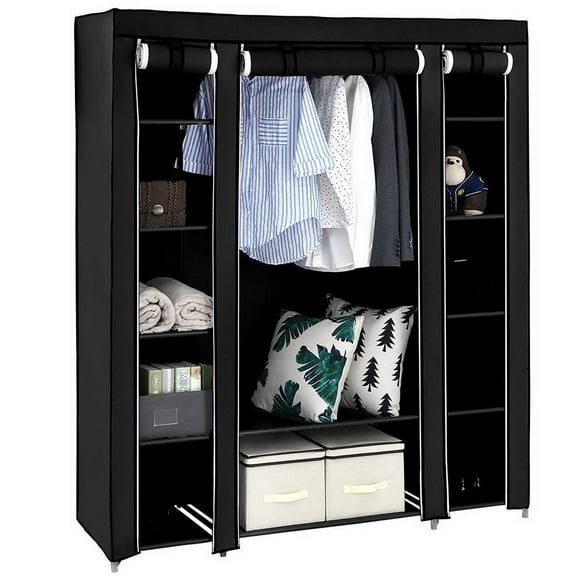
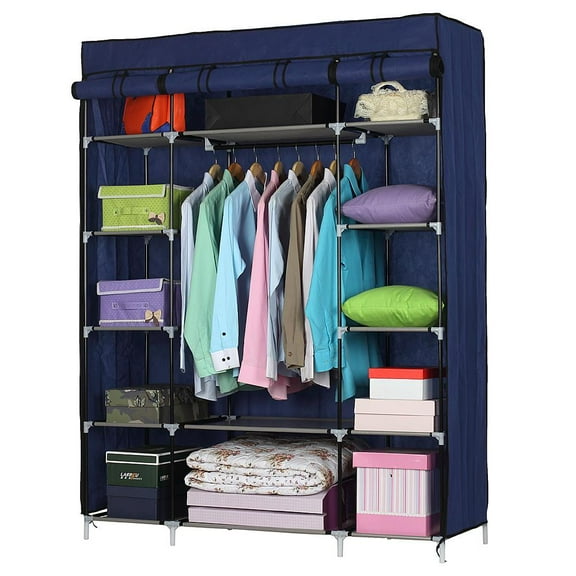
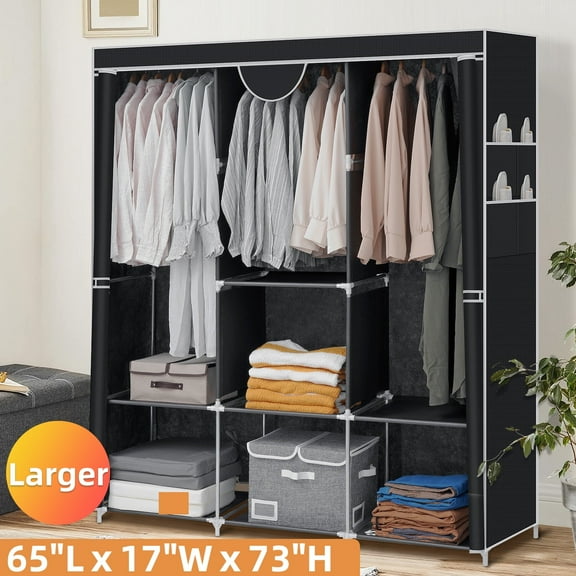
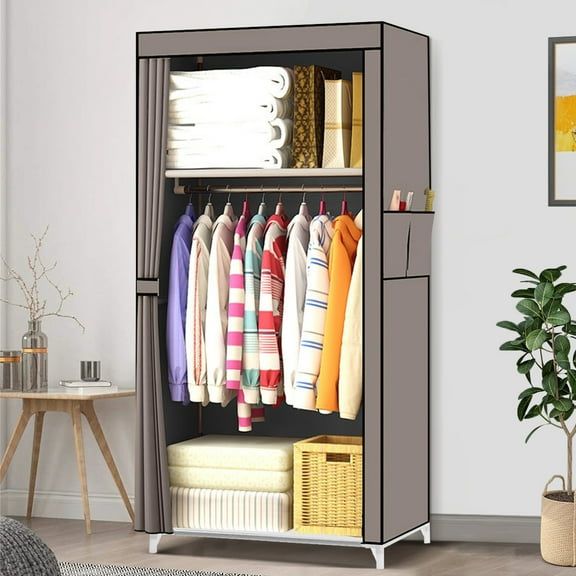
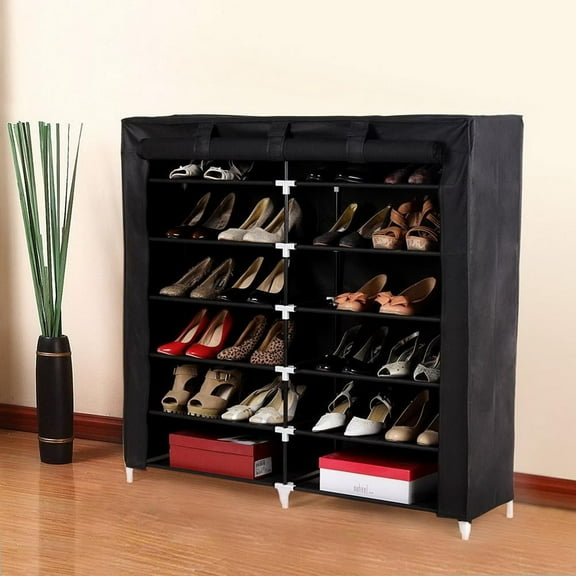
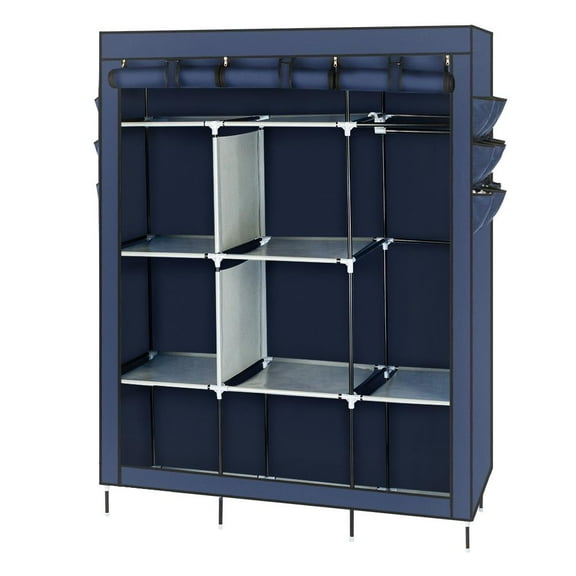
Some units focus on a single hanging rod for streamlined use. Others add lower shelves, side pockets, or tiered storage for shoes, handbags, and folded jeans.
Frame width, rod height, and shelf count shape how each portable closet performs. Taller options suit gowns and coats, while shorter units fit kidsu' rooms or under loft beds.
A portable closet rack with open access helps in laundry rooms or entryways. Covered models fit bedrooms better when you want a tidier look around stored clothing.
Material choice also changes the experience. A cloth closet can soften the look of a room, while plastic panel designs create a more structured enclosure.
Choosing the right portable wardrobe closet
Start with the clothing you need to store. Hanging-heavy wardrobes need taller rods, while mixed storage works well with shelves for sweaters, denim, and boxes.
Room size matters just as much as capacity. Narrow footprints can fit corners, apartments, and small bedrooms where a dresser or full armoire would feel bulky.
Assembly details are worth checking before you choose. Slip-fit tubes, labeled parts, and zippered covers can make setup smoother when you need storage ready quickly.
A portable wardrobe closet should match your routine, not just your space. Open shelving suits frequent outfit changes, while enclosed styles help keep special occasion wear tucked away.
If you rotate clothing by season, look for extra shelves and accessible rods. That layout makes it easier to separate boots, sweaters, rainwear, and warm-weather basics.
Temporary closet solutions for seasonal storage
Portable closets solve real storage gaps that appear throughout the year. They work well during renovations, back-to-school moves, holiday guest stays, and closet cleanouts.
A temporary closet can hold coats near a mudroom during colder months. It can also handle dance costumes, event outfits, or spare linens when house storage gets tight.
College students often use a portable wardrobe in dorms or shared apartments. Renters can place one in a bedroom corner when the existing closet lacks enough rod space.
These units also support overflow organization after a move. Keeping workwear, formal pieces, and everyday basics separated makes unpacking feel more manageable.
Some shoppers pair a closet portable unit with storage bins or garment racks for a fuller setup. That approach helps divide shoes, folded accessories, and hanging apparel by category.
For busy households, mobility adds convenience. Lighter frames can shift between rooms as needs change, making seasonal transitions less disruptive and clothing access more consistent.
Portable closet buying guide
Look closely at dimensions, rod placement, and shelf layout before picking a model. Those details determine whether the unit fits long garments, stacked bins, or everyday outfits.
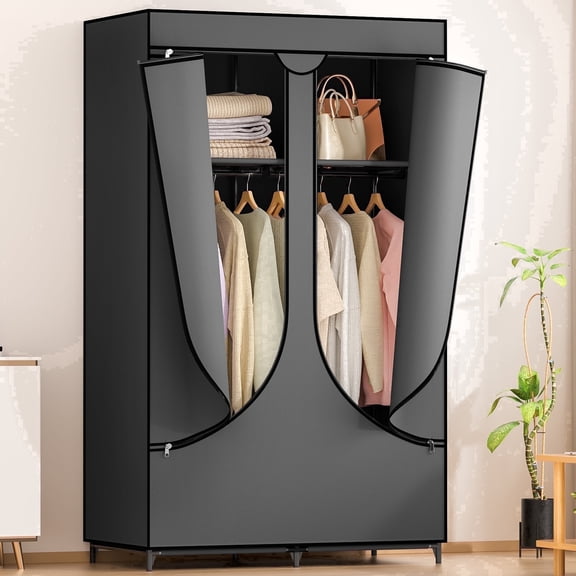
Cover style changes the look and function of the piece. Zippered panels conceal contents, while open fronts keep clothing visible for faster outfit planning.
Weight support is another useful checkpoint. A frame designed for regular apparel storage will handle shirts, jackets, and dresses differently than one meant for lighter garments.
Choose a portable closet that fits your room, wardrobe, and routine from day one. The right setup keeps clothes visible, contained, and easier to manage every day.