

Wagner Paint Sprayers in Paint Sprayers






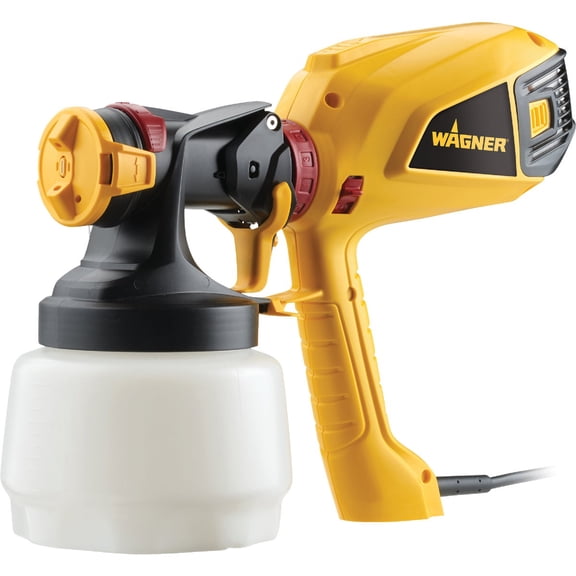


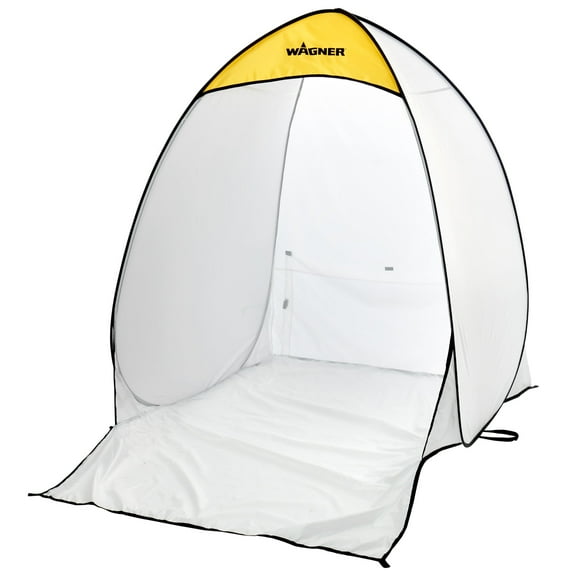
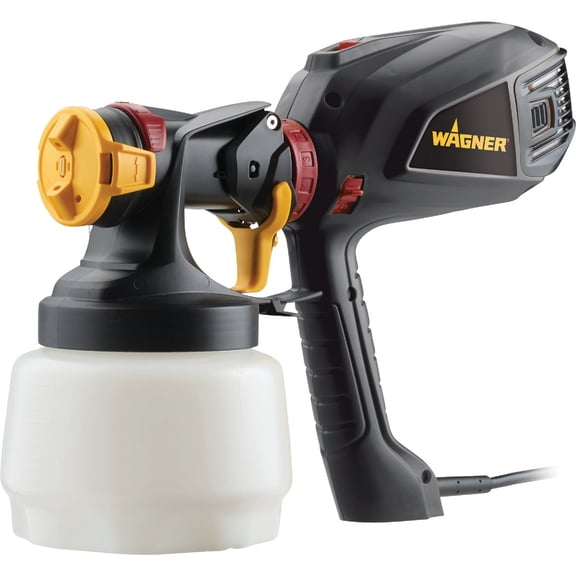
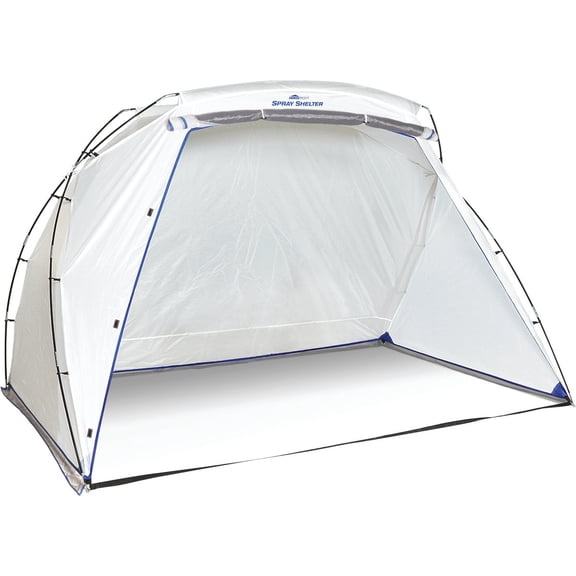



About Wagner Paint Sprayers in Paint Sprayers - Walmart.com
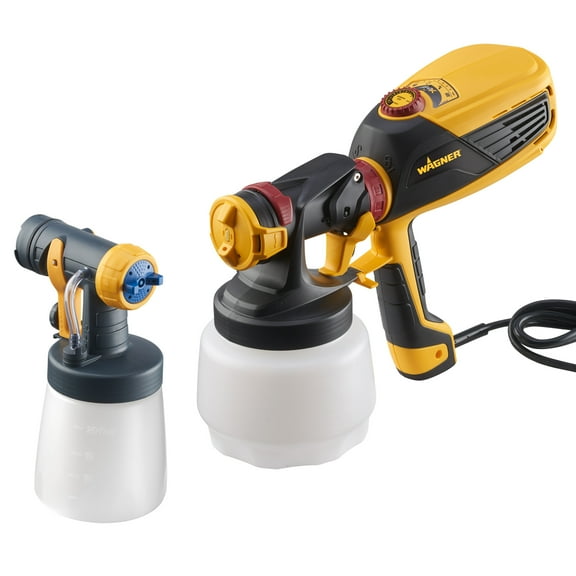
Wagner airless paint sprayers help you cover large surfaces fast and create even coats on walls, fences, siding, and trim. These sprayers stand out for project-ready designs, adjustable control, and options that fit room refreshes or whole-home painting plans.
If youu're choosing between handheld and stationary units, this page makes that comparison easier. You can focus on spray pattern, hose reach, container size, and cleanup steps before starting your next coating project.
Why choose Wagner airless paint sprayers
A Wagner paint sprayer can speed up prep-heavy jobs that take much longer with brushes or rollers. You get broad coverage on open surfaces and cleaner passes around detailed edges.
Cabinet doors, deck rails, and interior accent walls need different handling. Wagner sprayer options let you match the tool to the material, finish type, and project size.
- Cover wide exterior surfaces with fewer pauses between passes.
- Apply paint, stain, and some sealers with controlled, even distribution.
- Reach tight trim lines, shutters, and spindles with more flexibility.
- Choose handheld models for quick touchups and stationary systems for longer sessions.
That flexibility matters when one weekend includes furniture painting and the next includes fencing or garage walls. You can pick a setup that suits both fine detail and larger coverage areas.
Features that matter in a Wagner paint sprayer
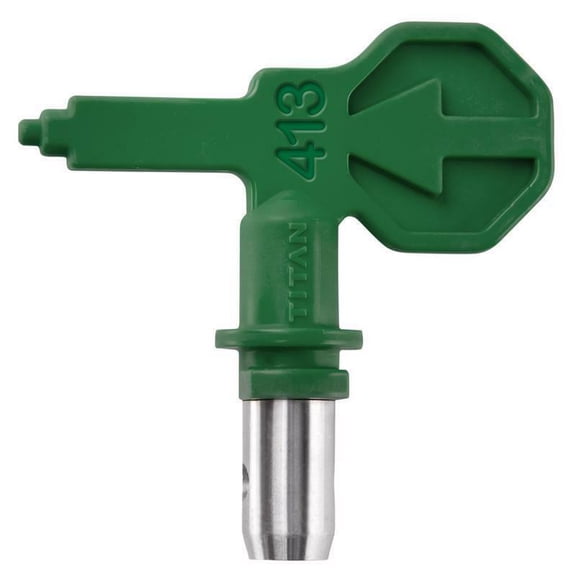
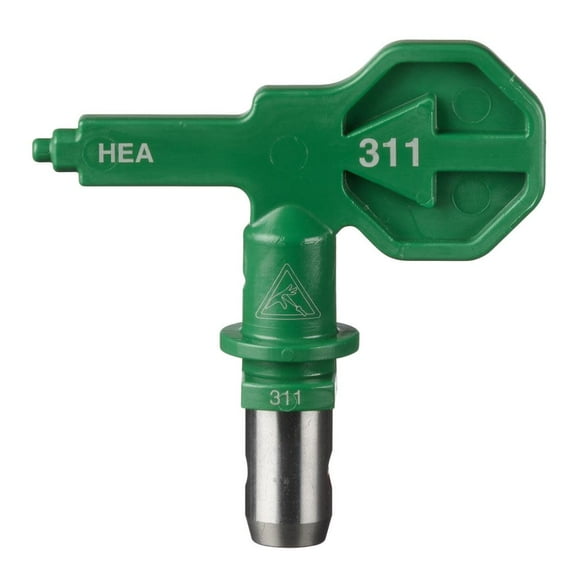
Model details shape how a sprayer performs on real projects. Look at spray tip compatibility, pressure control, hose length, and whether the unit supports unthinned coatings.
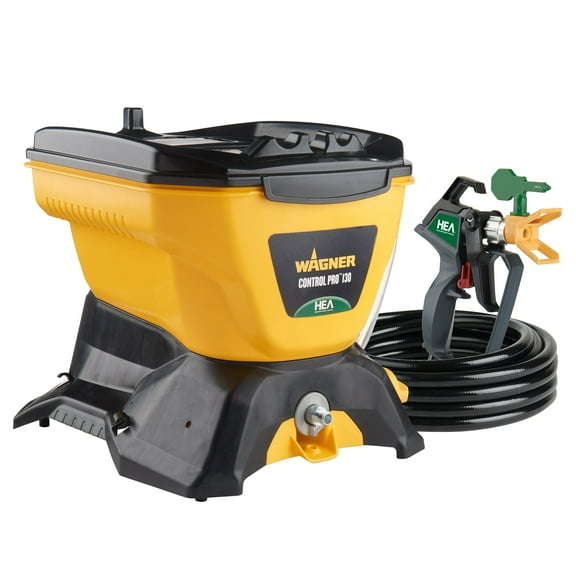
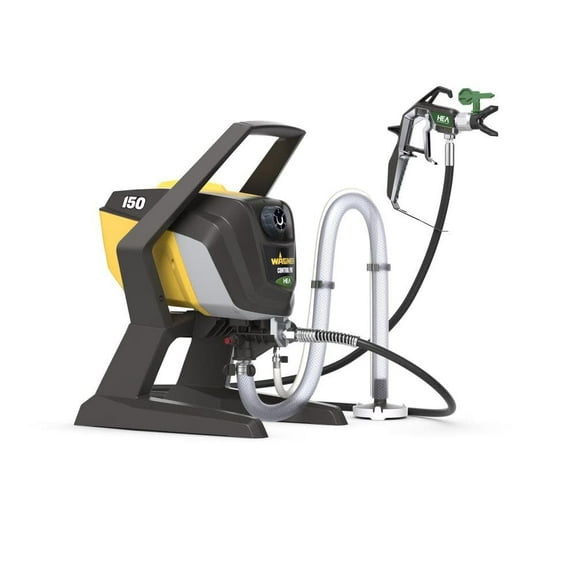
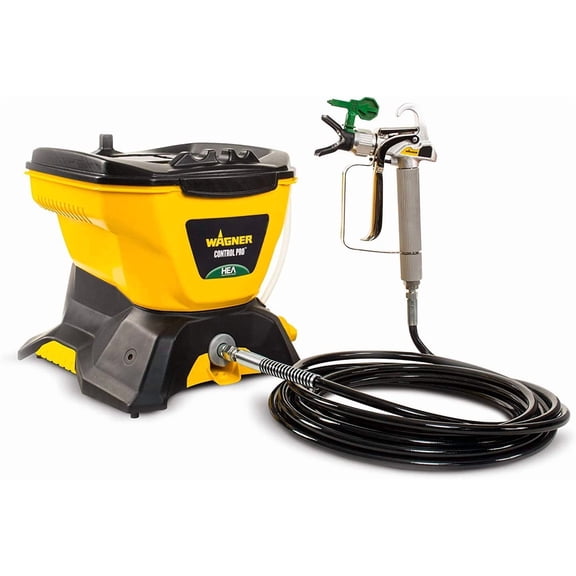
For larger jobs, Wagner builds airless systems for steady output across long runs. They work well for exterior siding, basement walls, ceilings, and broad interior repainting tasks.
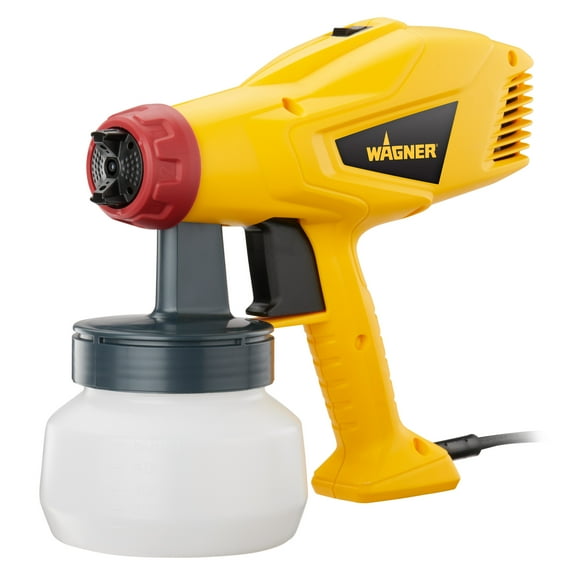
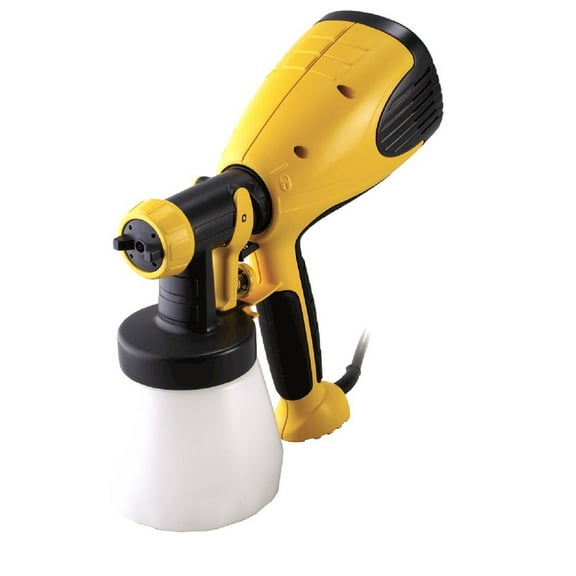
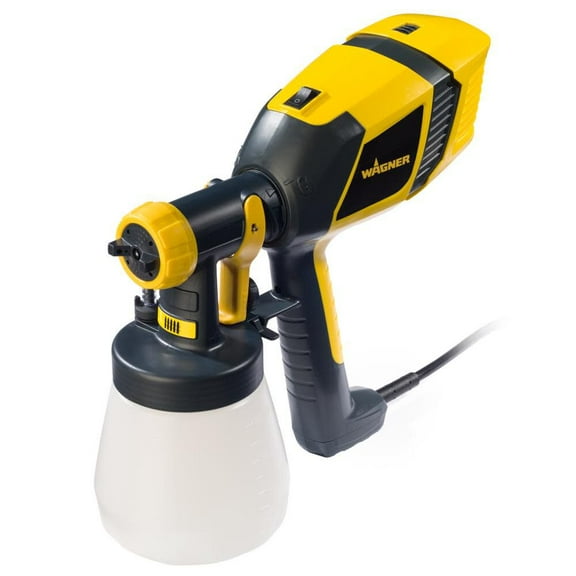
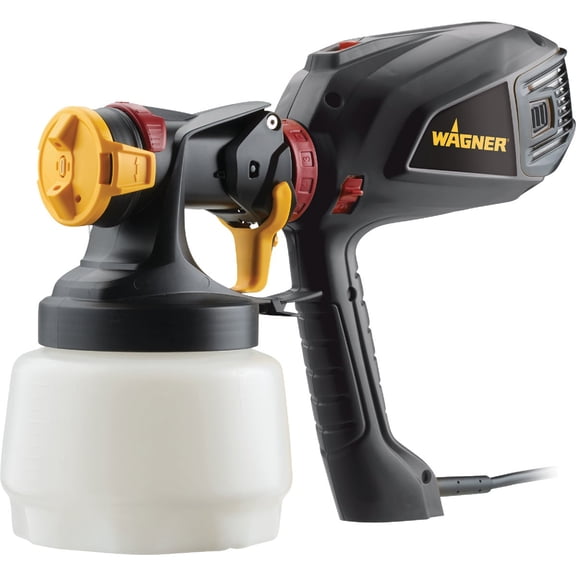
Handheld designs are useful when mobility matters most. Theyu're easier to carry around chairs, doors, built-ins, and smaller room projects where a compact frame helps.
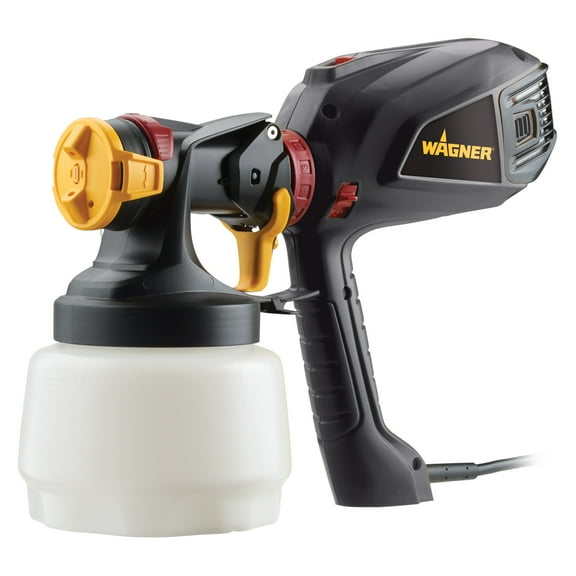
A Wagner spray painter may include adjustable settings for pattern width and material flow. Those controls help you dial in coverage for narrow trim, flat panels, or textured surfaces.
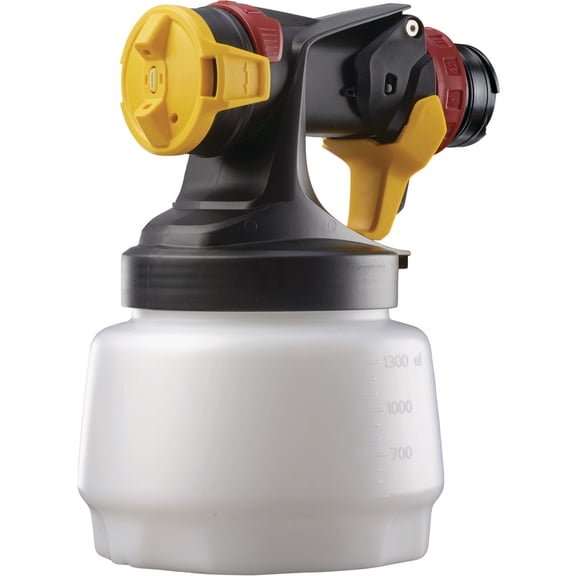
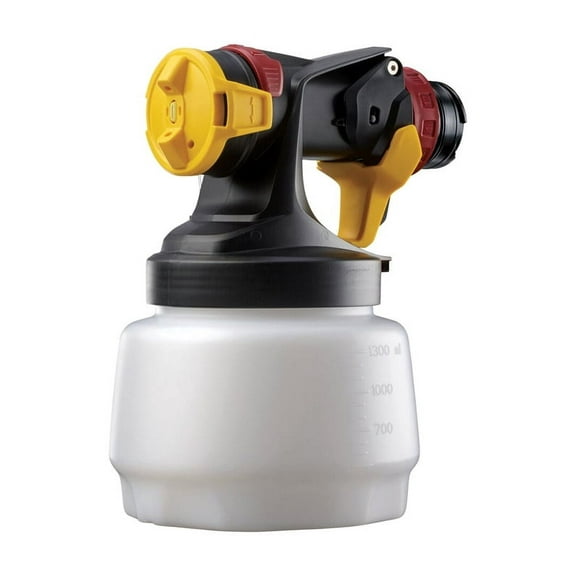
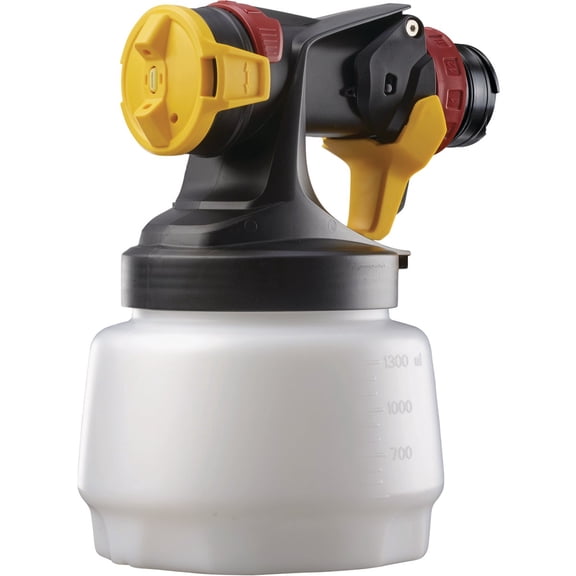
Container size also affects your workflow. Smaller cups suit touchups and craft-sized tasks, while larger capacity systems reduce refill interruptions on fences or sheds.
Cleanup design is another practical filter. Removable components, accessible nozzles, and clear flush steps can make post-project care feel more manageable.
Use Wagner airless paint sprayers for specific projects
Project type should guide your choice. A stationary Wagner airless paint sprayer makes sense when youu're painting long exterior stretches or multiple rooms in one session.
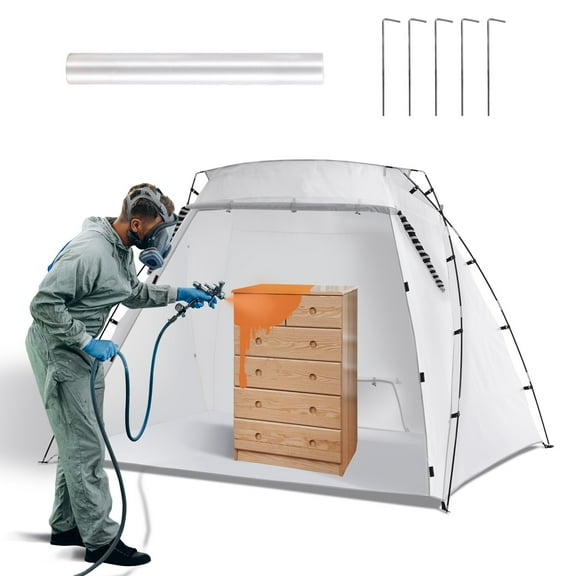
For cabinets, smooth doors and drawer fronts need controlled passes and consistent overlap. A compact Wagner paint gun can help with maneuvering around edges, frames, and narrow faces.
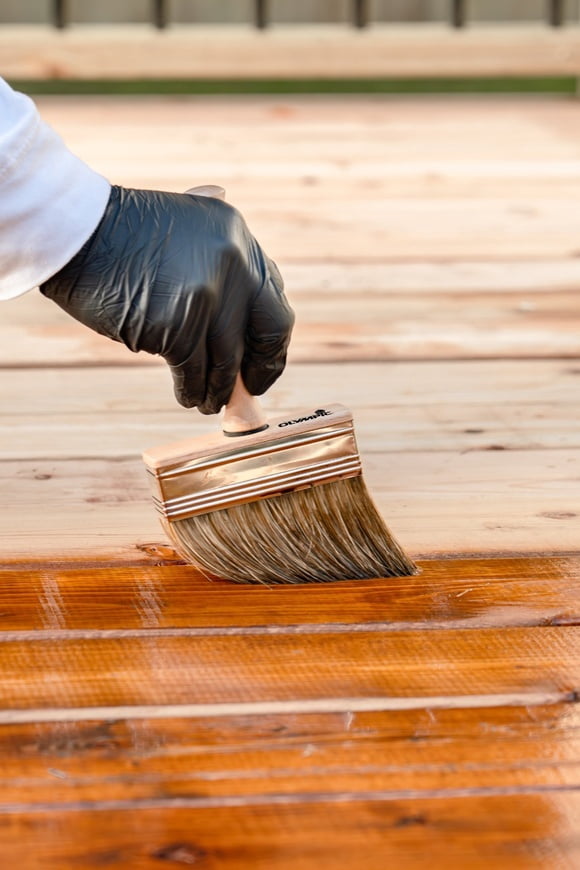
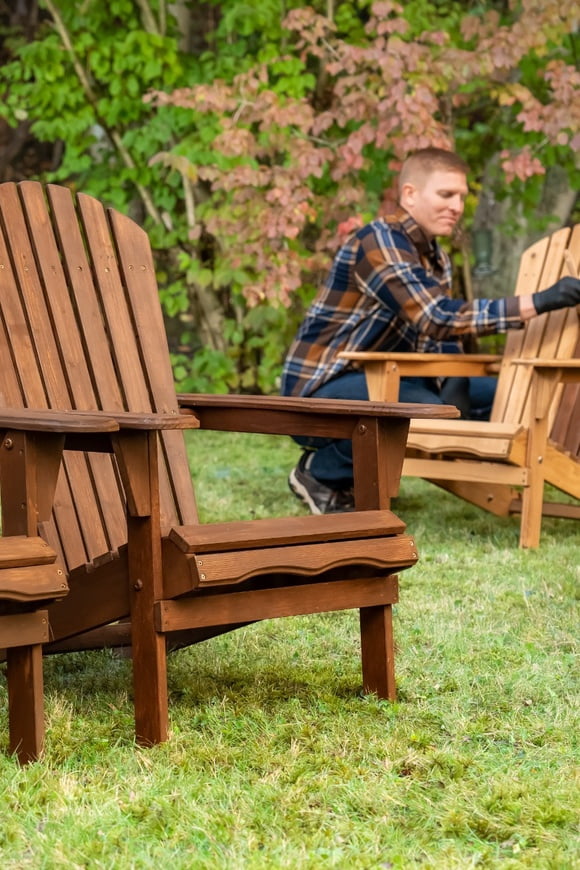
When youu're staining a fence or sealing a deck, speed becomes a major factor. Broader spray coverage helps move along boards, posts, and rails with fewer stop-and-start moments.
Wall refreshes call for different priorities than furniture updates. Interior walls often benefit from larger output, while stools, benches, and bookcases need a more nimble format.
Exterior projects also bring surface changes from one area to the next. Siding, shutters, garage doors, and foundation walls each benefit from adjustable output and pattern control.
If youu're comparing a Wagner spray painter against a traditional roller setup, think about texture and access. Sprayers can handle lattice, spindles, louvers, and recessed panels with efficient coverage.
How to choose the right Wagner sprayer
Start with the material youu'll spray most often. Paint, stain, and protective coatings can require different flow rates, tip setups, and container capacities.
Next, consider how often youu'll move around the project site. Handheld units support quick mobility, while wheeled or stationary systems favor longer sessions and wider reach.
Then check where the finish will go. Cabinets and furniture call for precision, while masonry walls, fences, and siding call for stronger output and broader coverage.
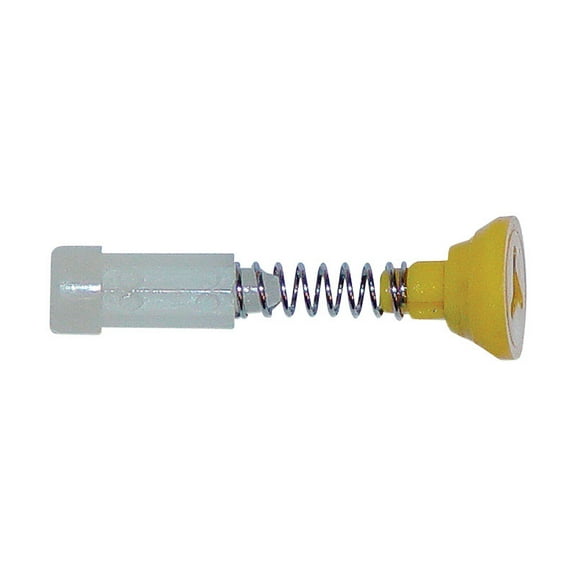
Accessories can also shape the experience. Extra tips, extension pieces, hoses, and replacement parts can help you keep the sprayer matched to new projects over time.
Choosing from Wagner paint sprayers gets easier when you compare project size, coating type, and control features together. The right setup helps you move from prep to final pass with a cleaner, more consistent finish.