

Vogue Sewing Patterns & Paper Patterns










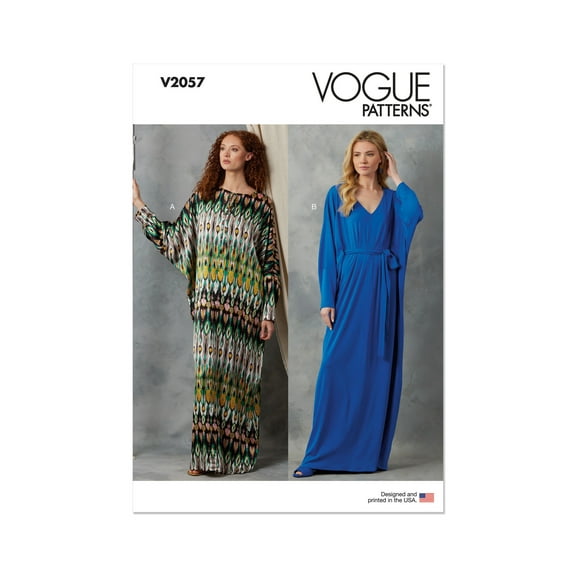
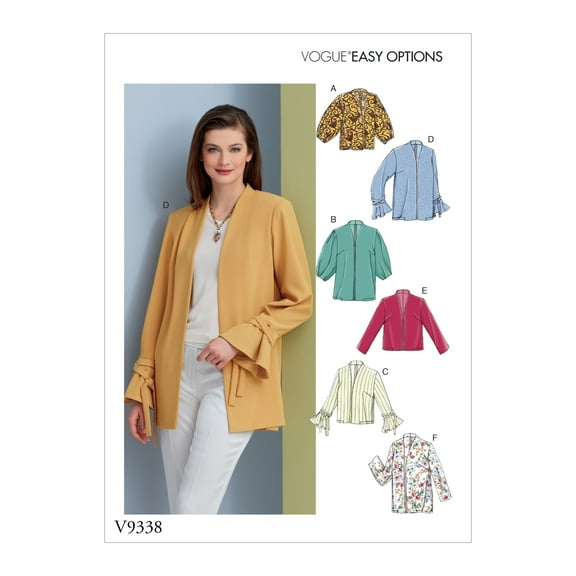
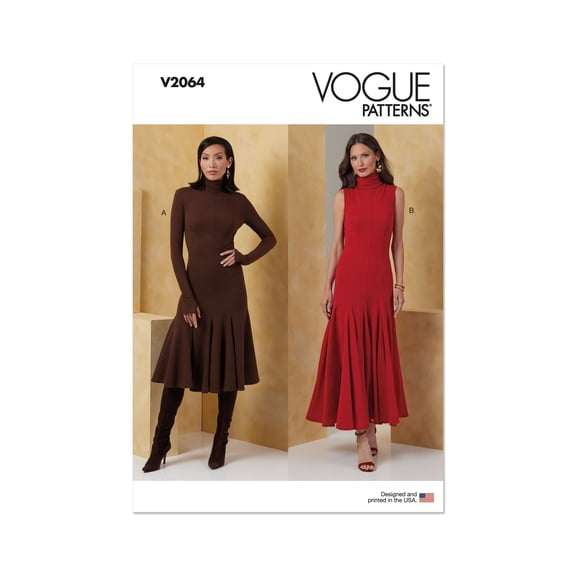

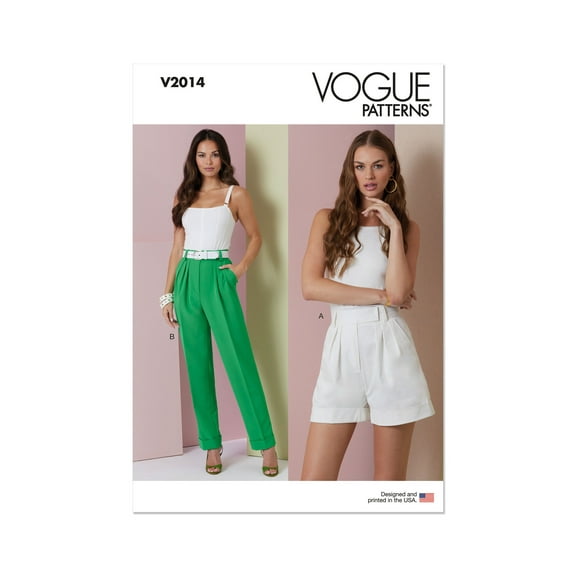



About Vogue Sewing Patterns & Paper Patterns - Walmart.com
Vogue patterns help you create polished garments with fashion-focused details and clear sewing guidance. You can compare silhouettes, skill levels, and size ranges so your next project fits your plans.
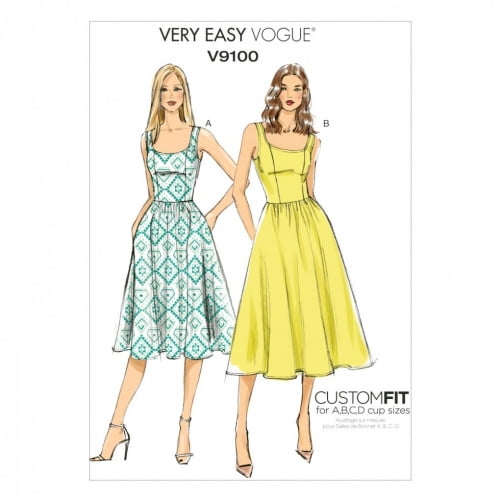
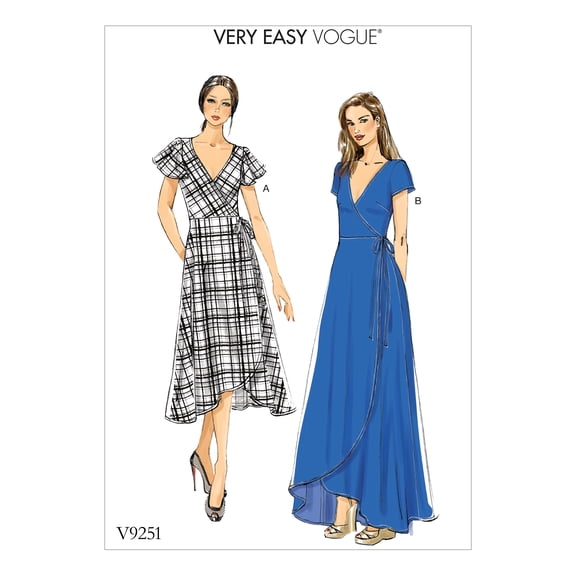
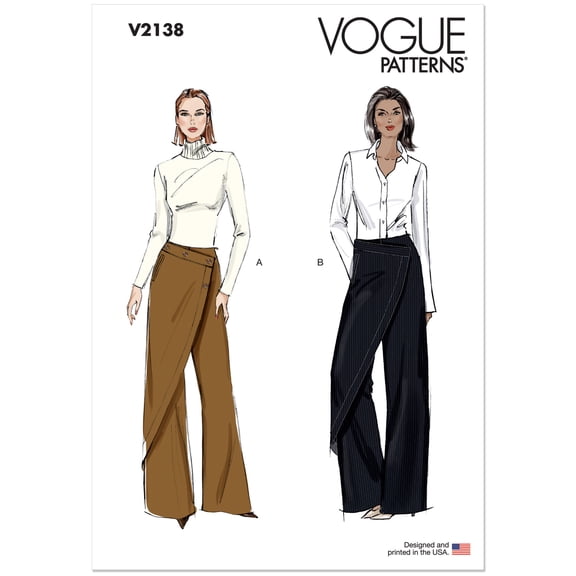
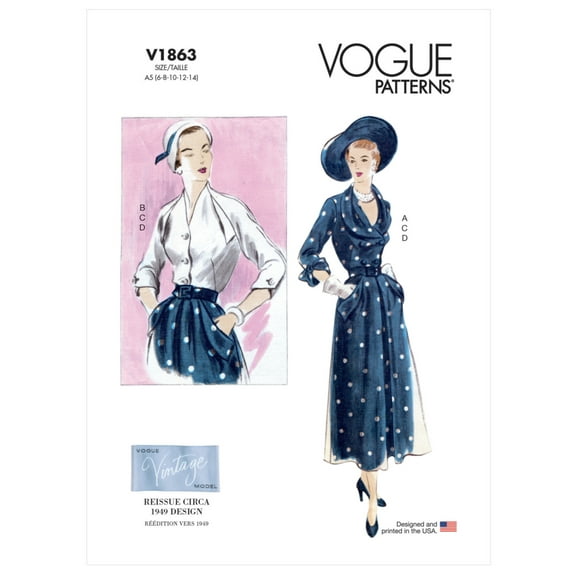
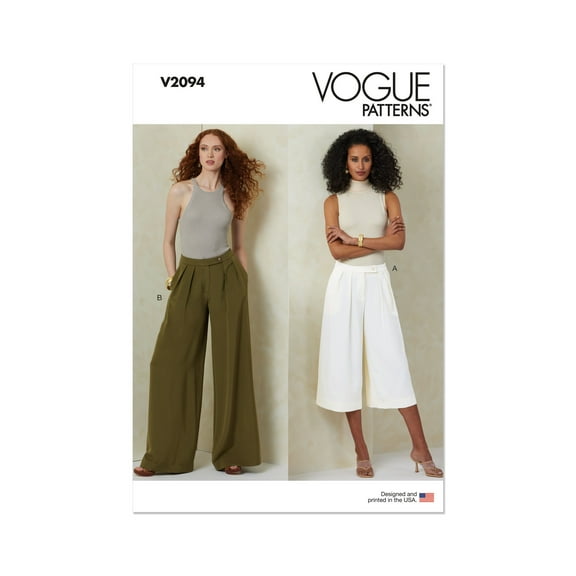
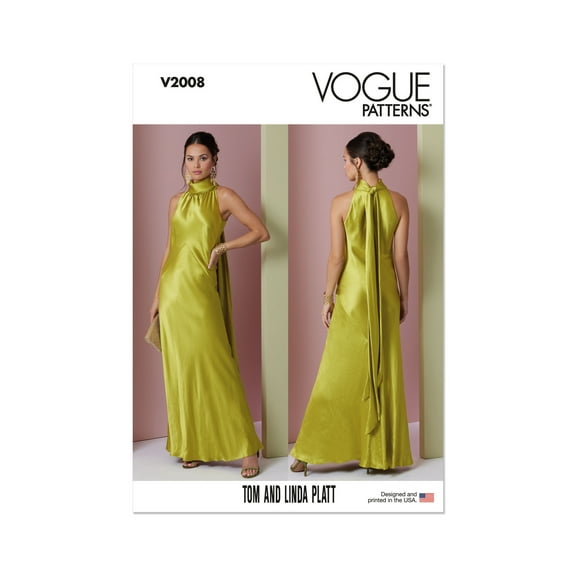
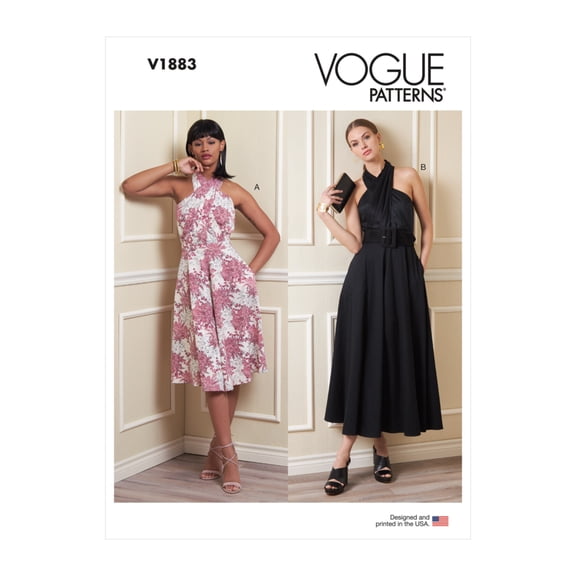
If you sew for custom style, you’ll notice these pattern choices cover dresses, tops, coats, pants, and accessories. You can also explore vintage-inspired looks, modern lines, and designer sewing patterns in one category.
How to choose vogue patterns by project type
You should start with the garment you want to make, because pattern type shapes fabric needs and sewing steps. You can narrow options quickly when you focus on dresses, tops, coats, pants, or accessories first.
For occasionwear, you may prefer vogue dress patterns with shaping details, darts, or fuller skirts. For everyday wear, you might compare tops and pants that fit easily into your regular sewing routine.
Outerwear patterns often ask you to consider closures, collars, and lining details before you begin. Accessory patterns can help you practice finishing techniques without committing to a full garment project.
Choosing vogue sewing patterns by skill level
You should check the stated difficulty level before you buy, because sewing time and construction steps can vary widely. You can often spot easy vogue patterns when you see simpler seams, fewer closures, and lighter fitting demands.
If you’re newer to sewing, very easy and easy options can help you build confidence with straightforward assembly. If you’re experienced, advanced patterns can give you more shaping, tailoring, and detail work.
- You can use very easy patterns when you want fewer pieces and simpler instructions.
- You can choose average patterns when you’re ready for set-in sleeves, facings, or basic zippers.
- You can select advanced options when you want linings, precise tailoring, or detailed finishing.
- You should compare required notions early, so your project list matches your tools and materials.
Notions matter because you may need zippers, buttons, hooks, elastics, or interfacing to complete the design. You’ll plan your project more smoothly when you review every required item before cutting fabric.
What to look for in vogue patterns for women
You should rely on body measurements instead of ready-to-wear sizing when you compare vogue patterns for women. You’ll usually get a more accurate starting point when you measure bust, waist, and hips first.
Pattern size and store size don’t always match, so you should check the size chart on every listing. You can also compare misses, womens, petite, and plus size options based on your measurement range.
If your measurements cross multiple sizes, you may want patterns with shaping flexibility or room for blending sizes. You’ll appreciate that step when you want a cleaner fit through the shoulders, waist, or hips.
Comparing style eras and fashion direction
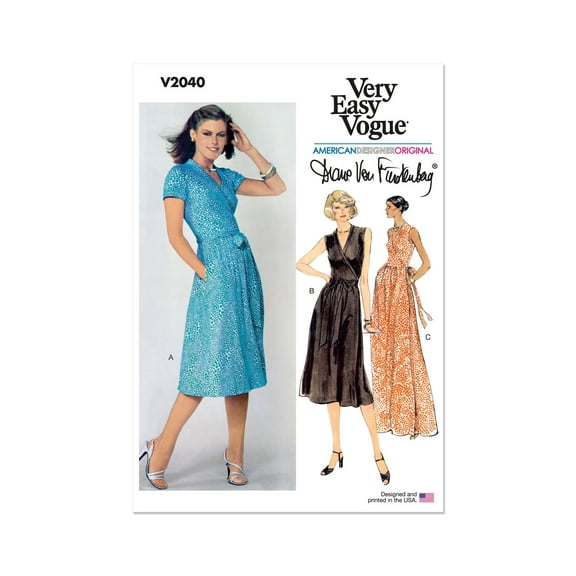
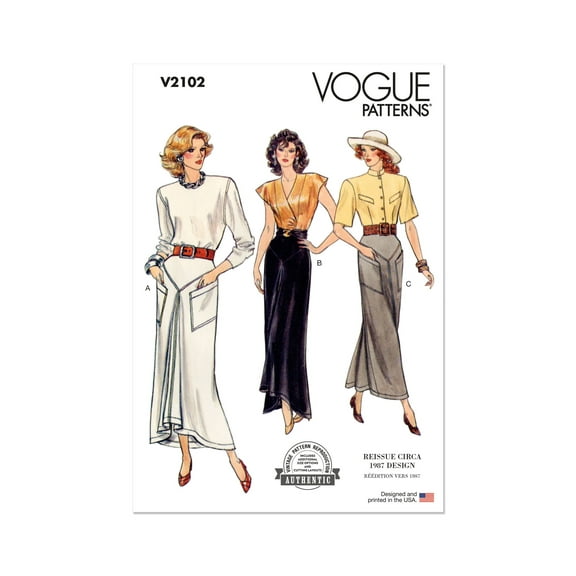
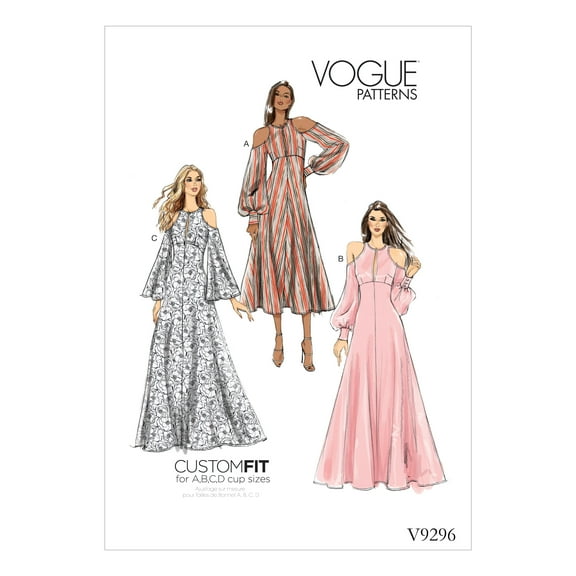
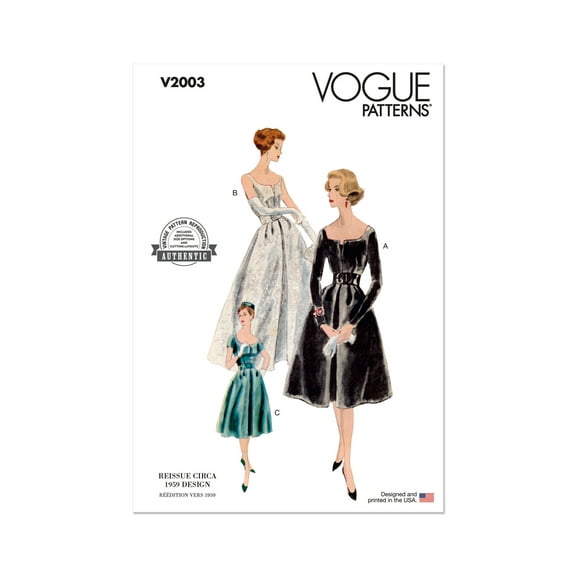
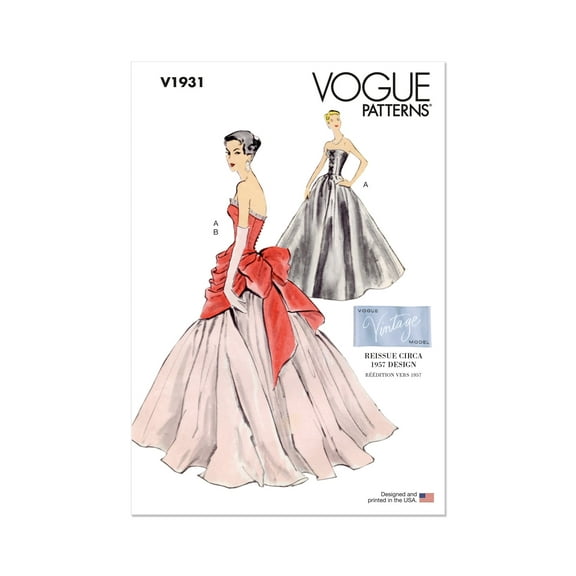
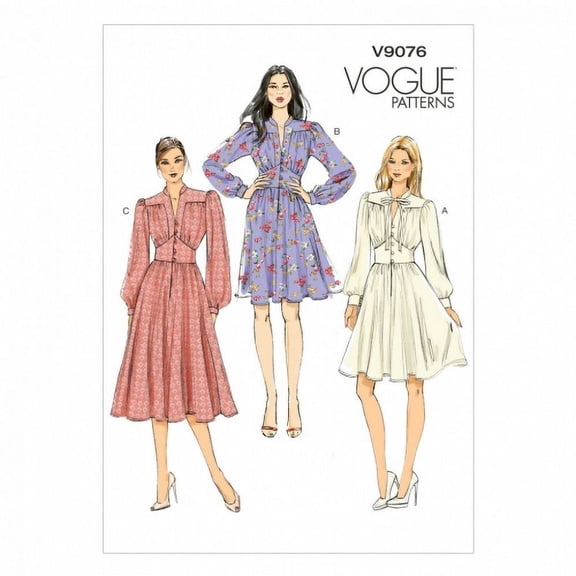
You can shape your sewing plan around the look you want, whether that means vintage vogue patterns or modern silhouettes. You should compare line drawings and finished views, because style details change the whole sewing experience.
Vintage and retro looks may include fuller skirts, strong shoulders, or classic design details. Modern styles may give you cleaner lines, updated proportions, and easier ways to build a current wardrobe.
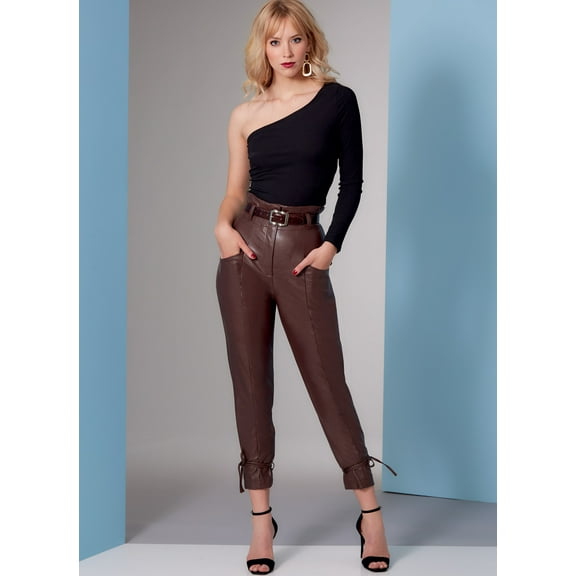
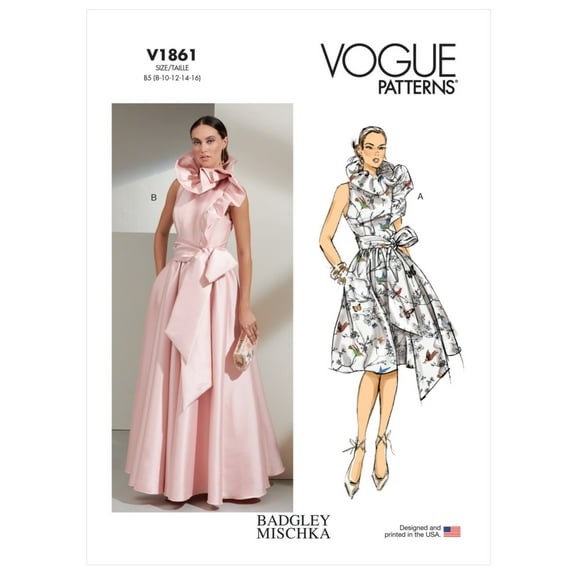
If you want runway-inspired details, designer sewing patterns can offer dramatic seams, sculpted shapes, or statement sleeves. You should choose those options when you want the sewing process to highlight construction detail.
Checking fabric compatibility before you start
You should match your pattern to the right fabric type, because woven and knit fabrics behave very differently. You’ll avoid frustration when you check whether the design calls for drape, structure, or stretch.
Woven fabrics usually hold shape and work well for tailored dresses, coats, and pants. Knit fabrics usually stretch, which can suit fitted tops, casual dresses, and soft separates.
If a pattern lists stretch percentages, you should compare that number with your fabric before you cut. You can get closer to the intended fit when your knit fabric matches the pattern’s stretch expectation.
Fabric weight also matters because heavy cloth can change drape and seam bulk. You should read the suggested fabrics carefully when you want details like pleats, collars, or gathers to look balanced.
Matching your pattern to real sewing plans
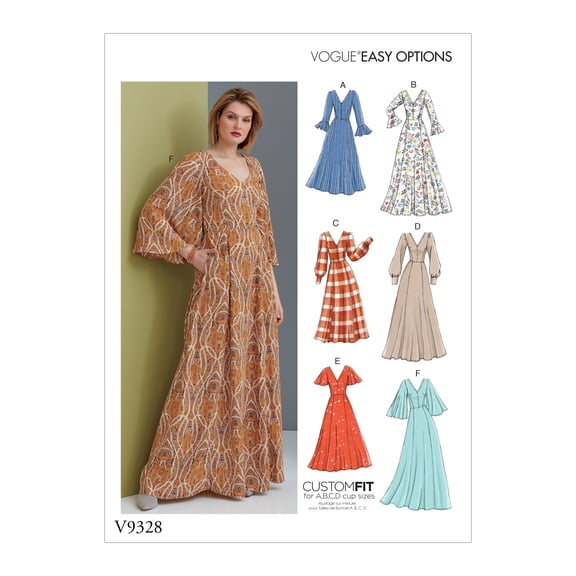
You can use vogue patterns for weekend dresses, workwear separates, statement coats, or special-event garments. You’ll get more from each project when you match style, skill level, and fabric to your actual schedule.
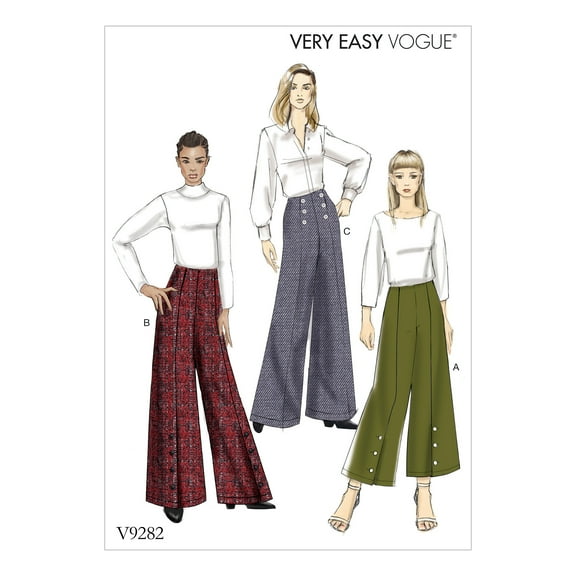
If you want a quick win, you might choose easy vogue patterns for a simple top or pull-on pant. If you want a showcase project, you may choose a lined coat or detailed dress with structured fabric.
You can also use vintage vogue patterns when you want a retro look for themed events or personal style. You might prefer modern designer sewing patterns when you’re building a wardrobe with sharper lines and fashion detail.
Before you decide, you should check sizing, fabric suggestions, and notions together instead of separately. You’ll make a more confident choice when every part of the project matches your sewing goals.
Vogue patterns give you a practical way to compare fashion-focused designs across sizes, styles, and skill levels. You can choose with more confidence when you understand fit, fabric, and construction before you begin.