

Underhood Work Lights in Work Lights

























About Underhood Work Lights in Work Lights - Walmart.com
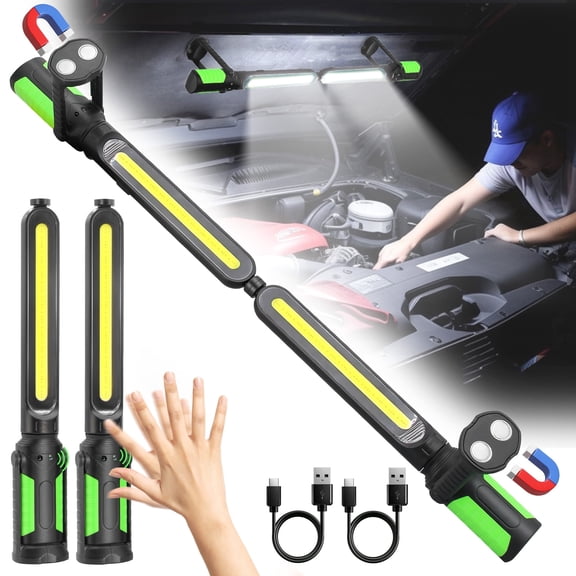
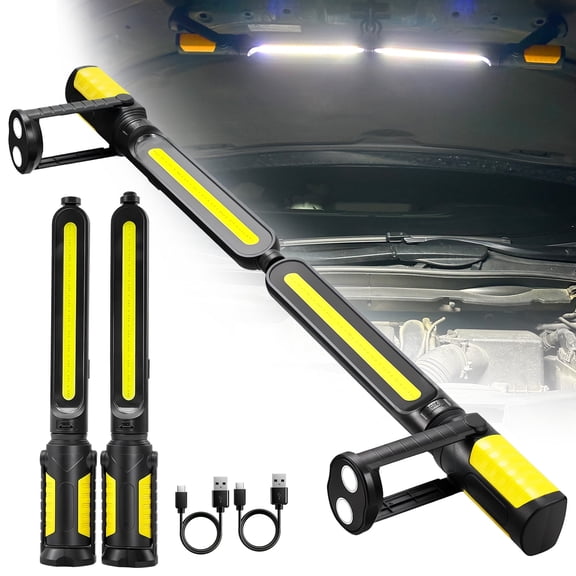
You can light engine bays clearly with an under the hood light bar that keeps both hands open for repairs and inspections. Before you choose, you can compare mounting fit, beam coverage, and power style for routine maintenance or garage projects.
How to choose an under the hood light bar
Fit and coverage should come first because your engine bay width, hood shape, and working clearance can vary by vehicle. A longer bar can spread light across belts, hoses, battery trays, and fuse areas without extra repositioning.
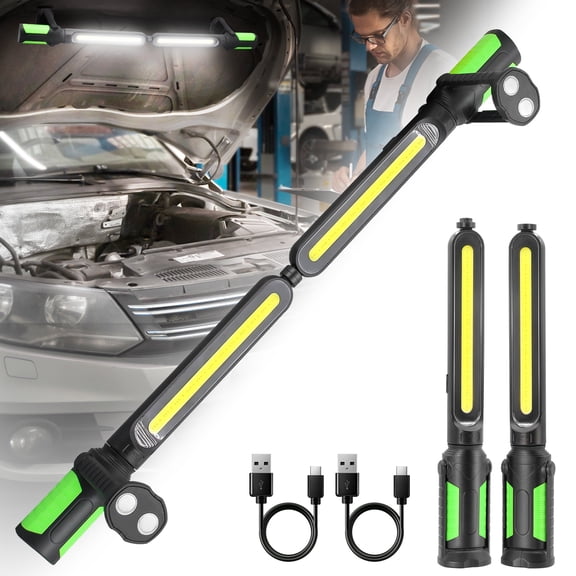
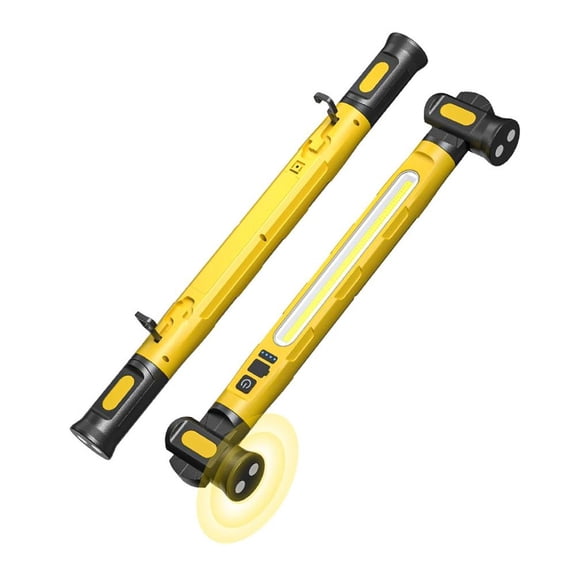
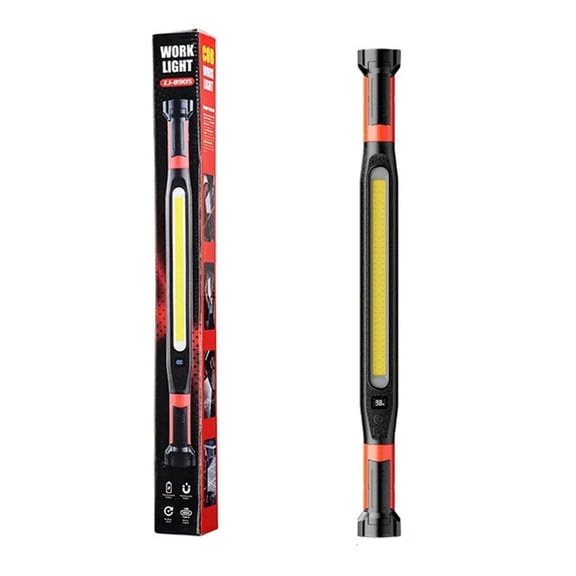
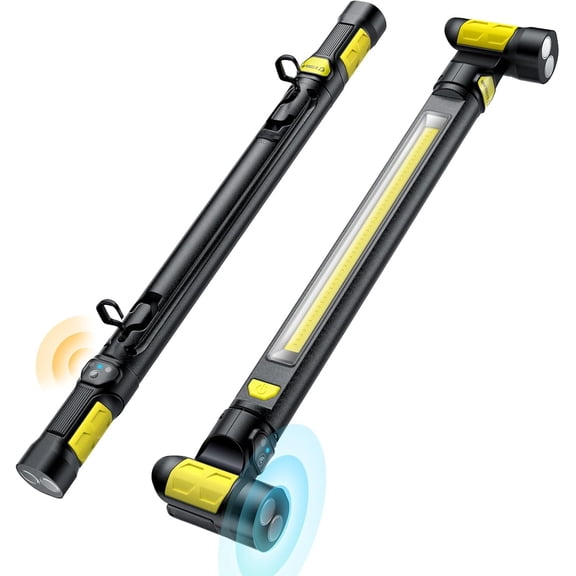
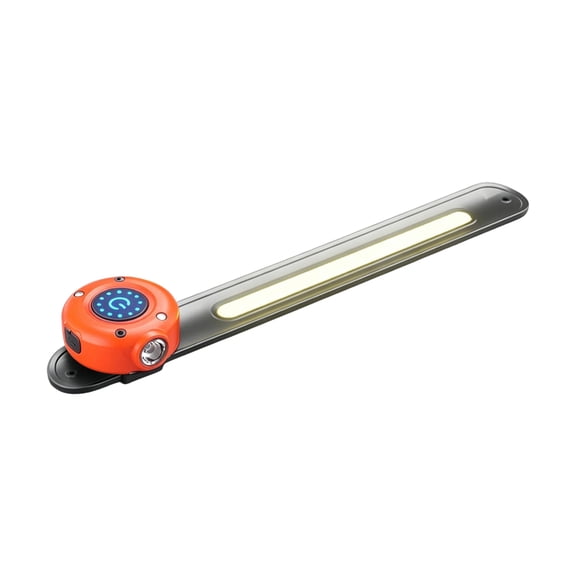
Another key choice is form factor because your workflow may change from quick checks to longer repair sessions. You can compare a light bar, folding design, handheld model, or spotlight based on space and task type.
As you narrow options, you should match the light to your hood size, repair habits, and preferred power setup. That comparison can help you choose a setup that feels practical in a driveway, garage, or shop bay.
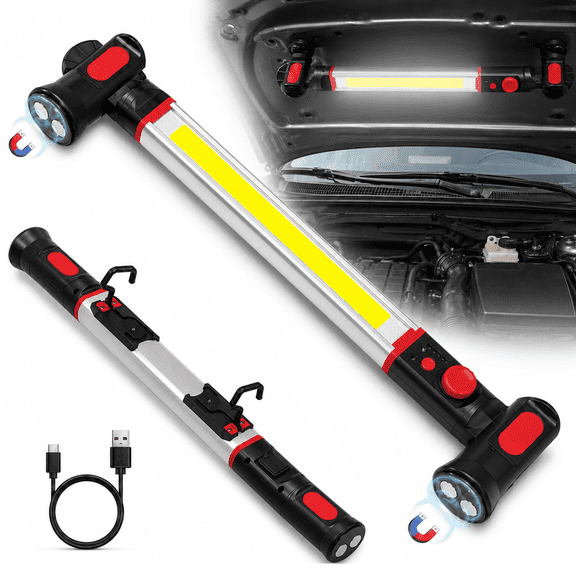
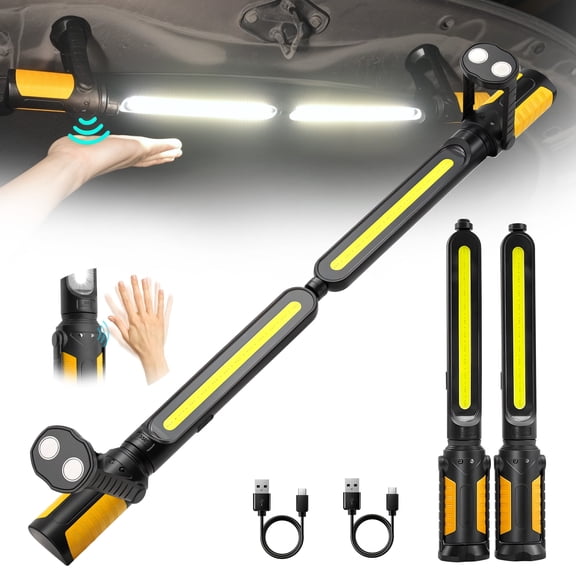
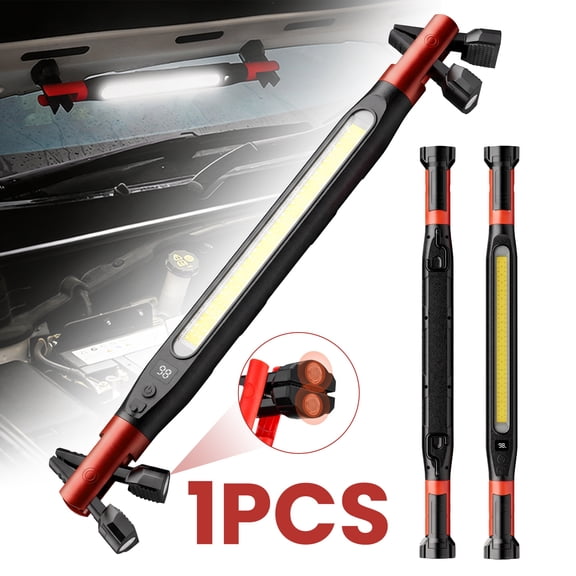
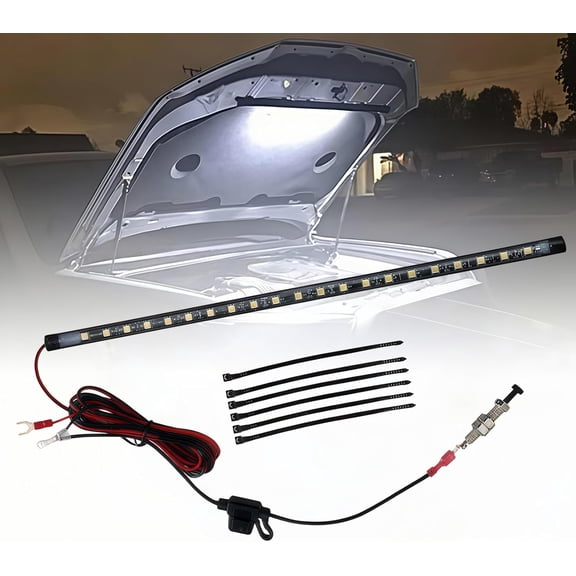
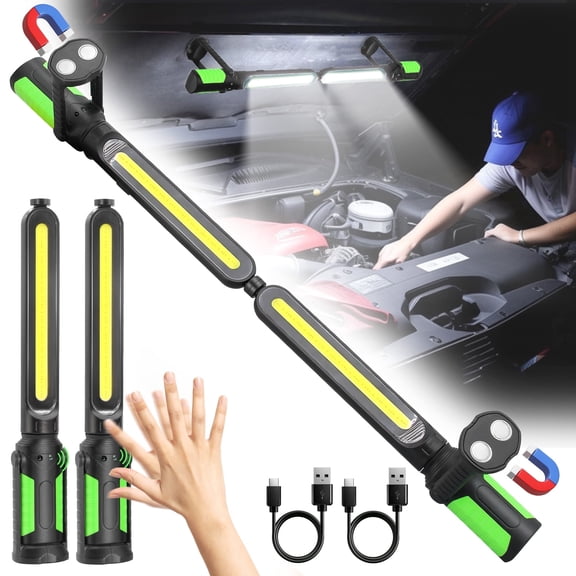
- You can keep both hands free with magnetic, hook, clamp, or tension-bar mounting options.
- You can compare brightness and run time when you choose rechargeable, corded, or battery-operated models.
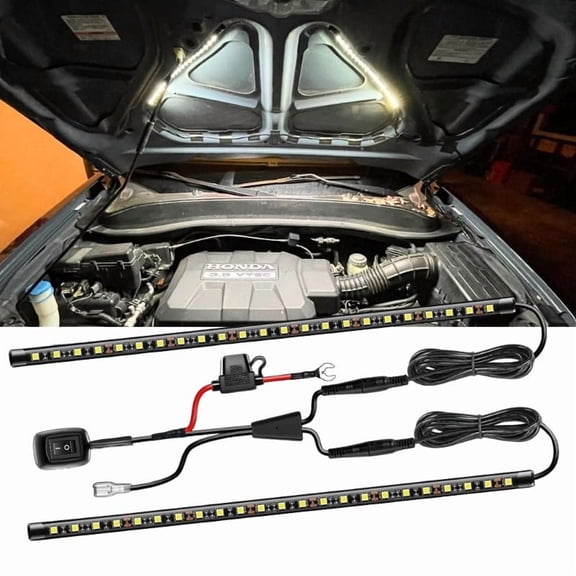
- You can improve engine-bay visibility with bar-style lighting that covers more area than a narrow beam.
- You can look for sturdy housings and easy-clean surfaces for regular automotive work.
Choosing mounting type for a magnetic under hood work light
Mounting type deserves close attention because fitment changes how securely your light stays in place. You can compare magnetic ends, hooks, clamps, and tension bars based on your hood design and available contact points.
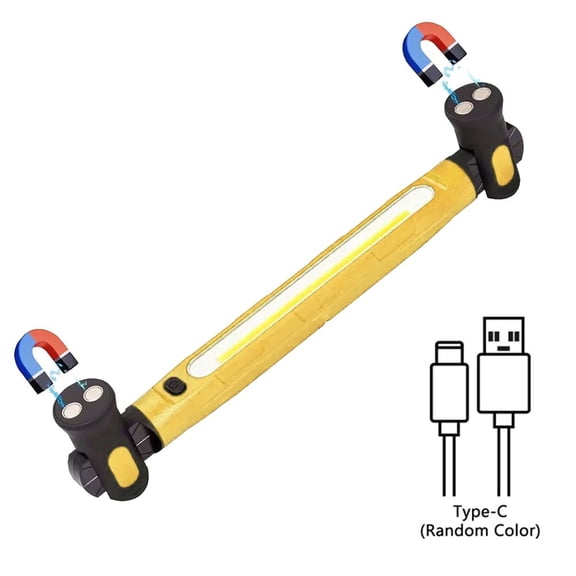
For quick setup, you may prefer a magnetic under hood work light when your vehicle gives you solid metal contact areas. You should check magnet strength carefully so your light stays positioned during underhood tasks.
Clamp designs can make sense when you need adjustability across different hood widths and vehicle sizes. You can review clamp extension range to see whether the light fits compact cars, trucks, or SUVs.
Hooks and tension bars can help when your mounting points vary from one vehicle to another. You can place the light high across the bay to reduce shadows over the radiator support, engine cover, and battery area.
Comparing form factor and underhood light bar coverage
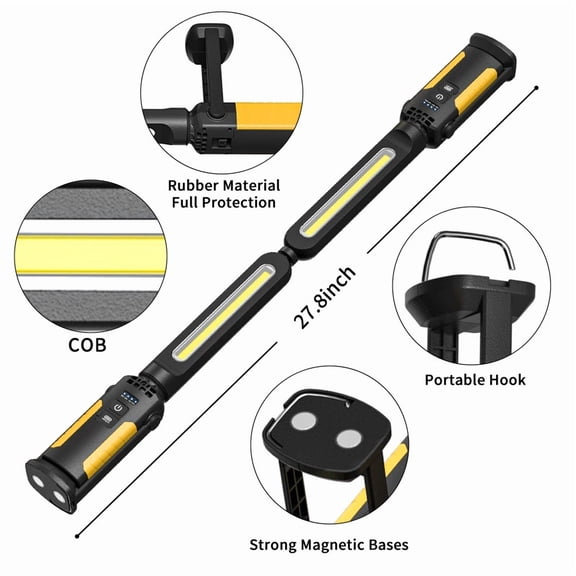
A full underhood light bar can work well when you want broad coverage from side to side. You can see wiring, fasteners, and fluid caps with less need to shift the light during a repair.
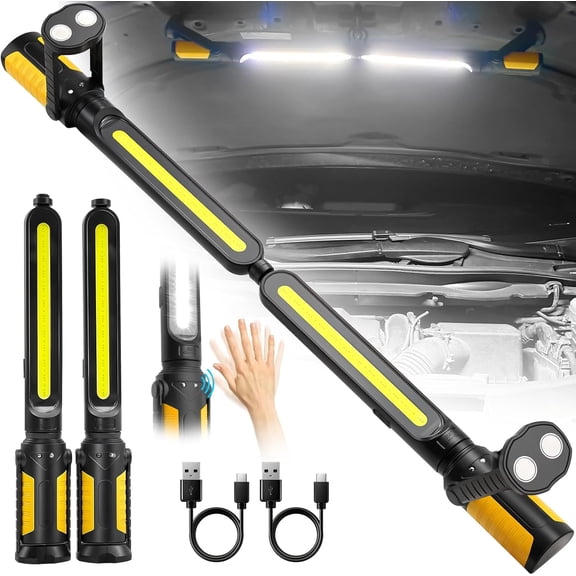
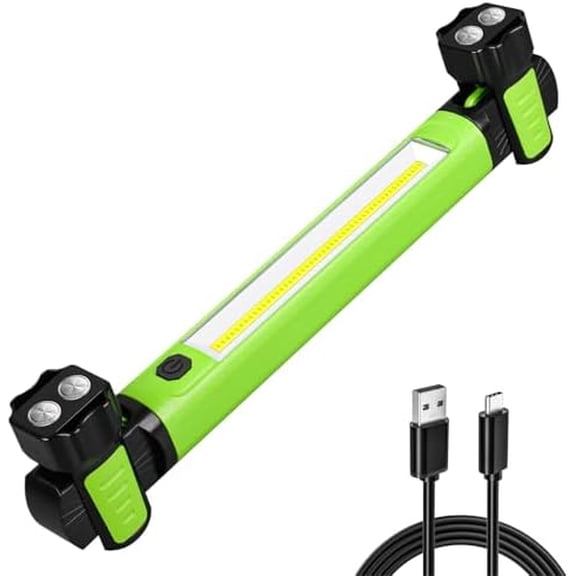
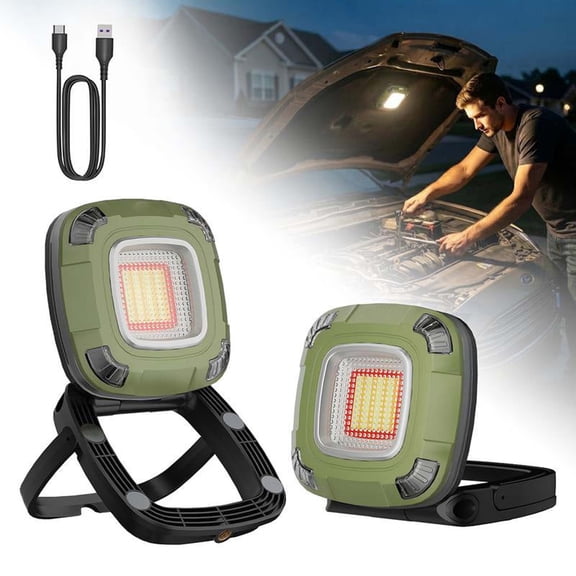
Folding designs can suit tighter garages and smaller storage spaces between jobs. You can angle the panels toward corners and lower sections that a straight bar may not reach as directly.
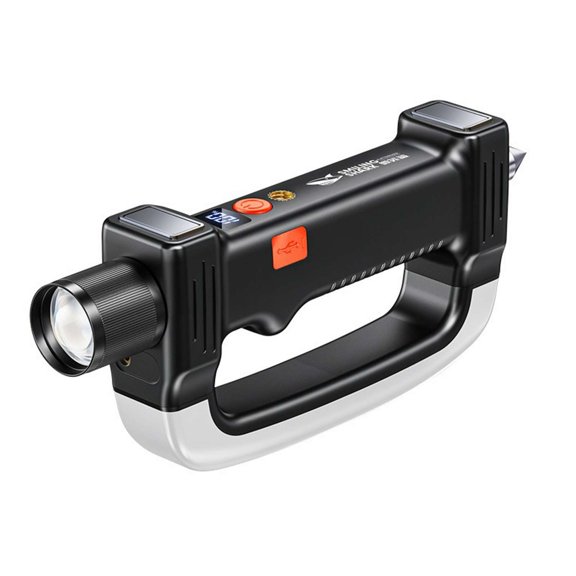
Handheld and spotlight styles can support quick checks around wheel wells, trunks, or lower components. You may still want a mechanics light bar for wide engine-bay visibility during longer service work.
Beam spread matters because your tasks can range from battery swaps to connector tracing. You can use wider light coverage when you need to see several components at once across the full hood opening.
Comparing power source, lumens, and run time
Power source should match the way you work and the length of your usual repair sessions. You can choose rechargeable models for cordless movement, while corded options fit fixed work areas with nearby outlets.
When you compare brightness, you should also review run time at high and low lumen settings. Higher lumens can help with detailed engine work, while lower settings can extend use during longer inspections.
A rechargeable underhood light bar can fit driveway repairs, garage maintenance, and mobile tool setups. You can recharge between tasks and keep your work area free from an extra cord.
Corded models can make sense when steady output matters during extended engine work or repeated inspections. Battery-operated options can also help when you keep a light in your vehicle and you have limited access to charging.
Checking durability for mechanic and DIY use
Durability matters when your under hood mechanic light moves between tools, parts, and busy benches. You can look for sturdy frames, covered switches, and surfaces that wipe clean with ease after routine use.
Some models list an IP rating, and you can use that spec as a simple guide for dust and water resistance. That detail can help you compare lights for garage work, shop tasks, and outdoor vehicle checks.
Oil-resistant finishes also deserve attention when your gloves, tools, and engine parts leave residue behind. You can clean those surfaces with ease after fluid checks, tune-ups, and engine-bay inspections.
Handle shape and grip zones can also influence daily use when you remove the light often. You can carry it from underhood work to cargo areas or roadside checks with steadier handling.
Matching under the hood light bar options to real tasks
Your application can shape which combination of features makes the most sense for you. You can choose magnetic or clamp mounting for mechanic work, folding styles for home garages, or battery-operated models for roadside use.
During DIY car repair, you may want under hood work lights that set up quickly in a driveway. You can keep service points, tools, and small hardware visible while your hands stay free.
For shop routines, you can use a car hood light bar when you move from battery service to hose checks and belt inspections. That wider coverage can help you track several engine components during the same task.
Emergency roadside use can call for compact storage and simple setup after dark. You can keep a magnetic hood light in your vehicle for checks around cables, fuses, and fluid access points.
With an informed comparison of mounting fit, beam spread, power style, and durability, you can choose with confidence. That approach can give you clear engine-bay visibility for efficient, controlled repair work.