

Walkie Talkies | 2-Way Radios



















About Walkie Talkies | 2-Way Radios - Walmart.com
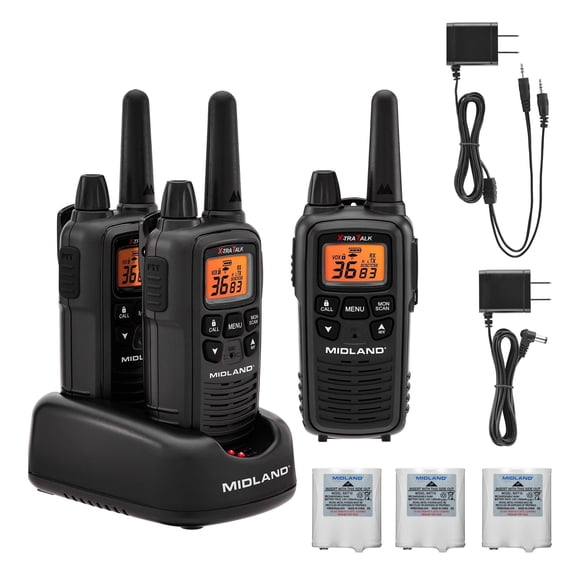
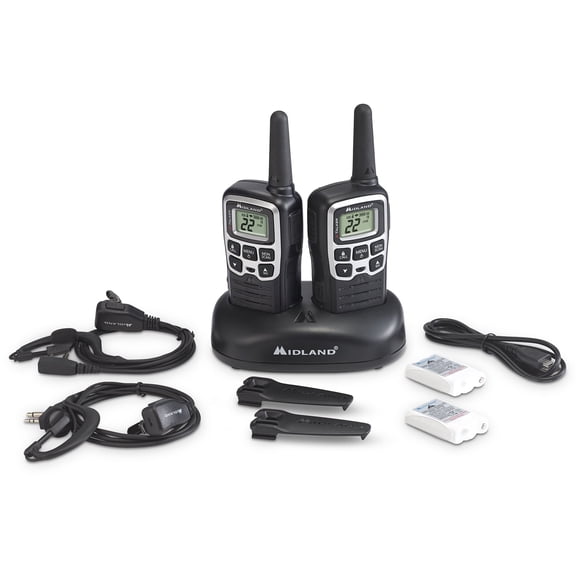
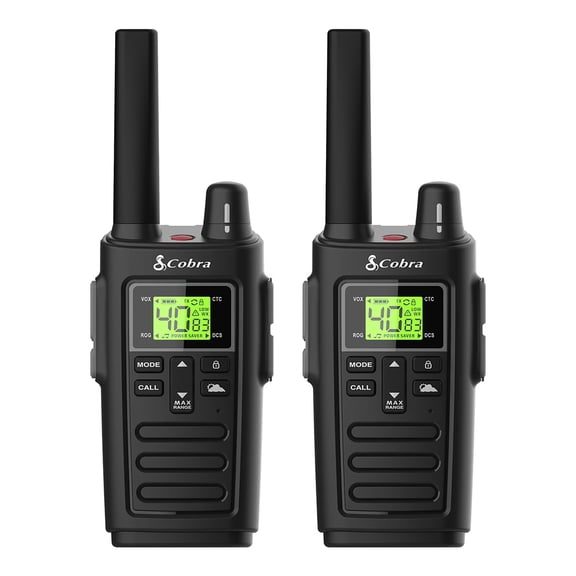
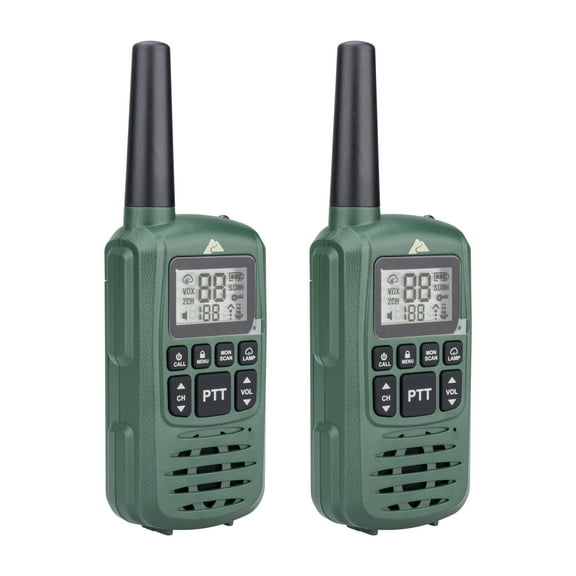
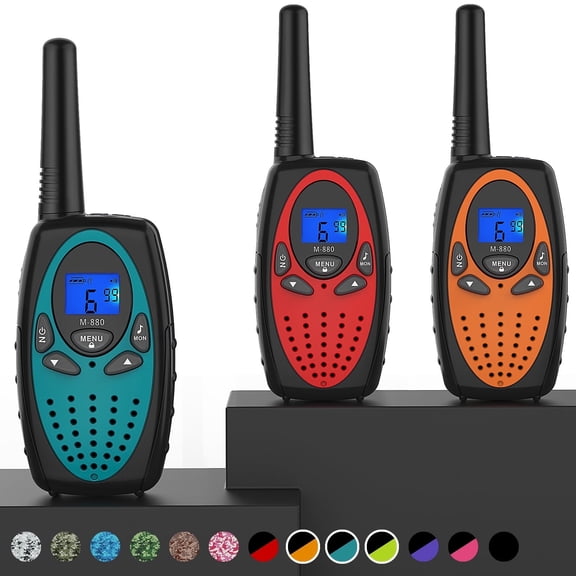
With walkie talkies 2 way radios, you can keep conversations clear when your phone signal drops or your group spreads out. You can compare range, power, durability, and design to match camping trips, job sites, road caravans, and family outings.
How to choose walkie talkies 2 way radios
When you compare this category, you should start with where you'll use your radios and how far your group will move. You should also check whether you need simple family communication or more advanced channel control.
Range claims can look big on the box, but you should expect hills, walls, trees, and buildings to shorten that distance. You’ll get more practical performance when you match range claims to your actual terrain.
Power source matters just as much because you may want quick charging at home or easy battery swaps outdoors. You should decide early whether rechargeable packs, AA batteries, or USB charging fit your routine.
- You can choose long range walkie talkies when your group spreads across trails, campsites, farms, or larger properties.
- You can pick rechargeable 2 way radios when you want repeat use without frequent battery replacement.
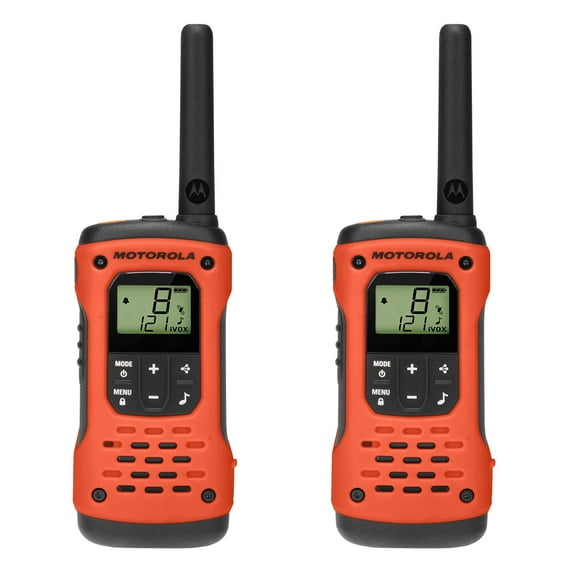
- You can consider waterproof walkie talkies when your plans include rain, boating, fishing, or wet weather.
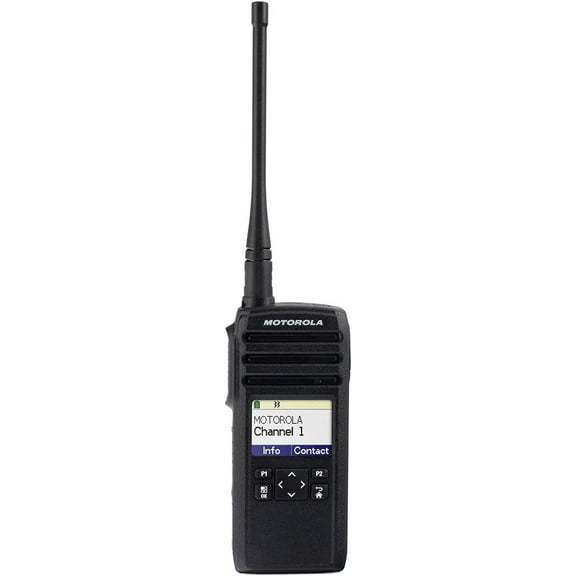
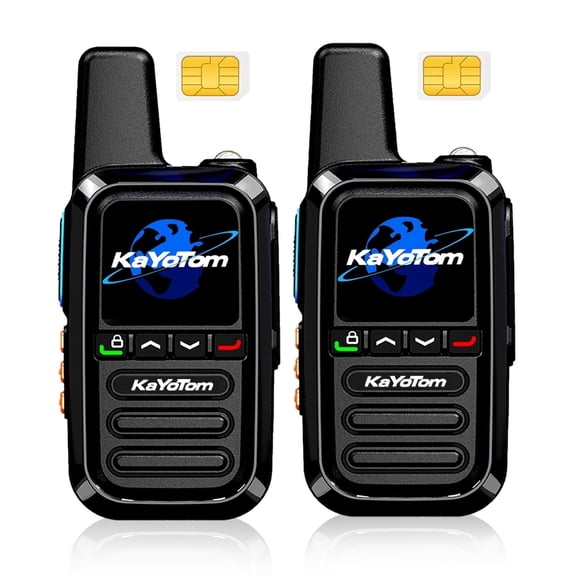
- You can compare handheld two way radios and compact designs when you need easy carrying during work or travel.
Choosing long range walkie talkies
You should treat range as a real-world estimate, not a promise for every setting. You’ll usually get stronger communication in open areas than in cities, forests, or hilly ground.
If you’re comparing FRS and GMRS options, you should know those frequency bands affect power and communication flexibility. You’ll often see GMRS on models meant for expanded range and more advanced use.
Wattage also matters because you may notice stronger output helps communication over wider spaces. You should pair that spec with terrain expectations, since concrete walls and ridgelines still reduce reach.
Channels and privacy codes help you organize conversations when many people use radios nearby. You can use more channels and code options to reduce random chatter you don’t want to hear.
Comparing rechargeable 2 way radios and battery options
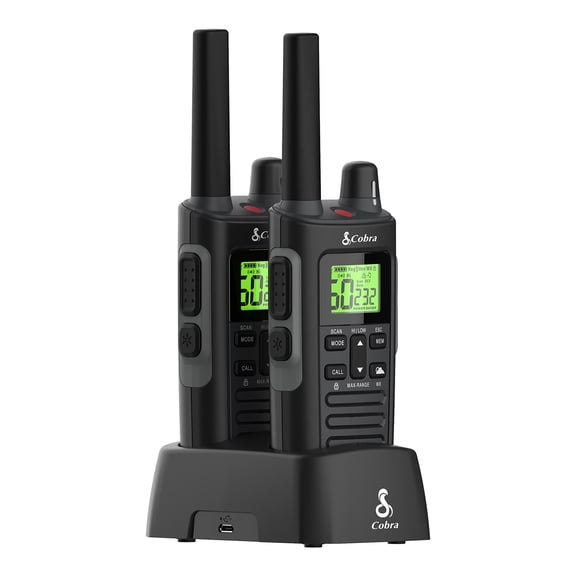
You should choose rechargeable 2 way radios when you use radios often at work, during events, or on repeated trips. You’ll appreciate docking stations or USB charging when you want a simple routine.
AA battery models can suit you when you travel far from outlets or keep backup supplies ready. You can swap fresh batteries quickly instead of waiting for a charge cycle.
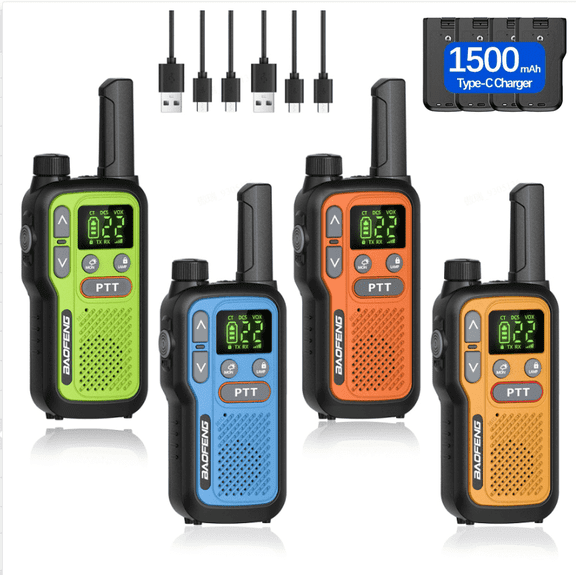
USB charging adds flexibility because you can plug into wall adapters, vehicles, or power banks. You should check whether charging cables, bases, or battery packs match how you plan to use them.
Battery life depends on power settings, screen brightness, and how often you transmit. You can extend runtime when you compare standby time, talk time, and power-saving modes.
Checking durability, waterproofing, and design
You should compare durability if your radios will ride in backpacks, tool belts, glove boxes, or tackle bags. You’ll want housings and clips that feel ready for active days.
When you review waterproof walkie talkies, you should look for simple weather details you can understand. You can think of splashproof as light rain protection, while stronger waterproof ratings suit wetter conditions.
Weather-resistant designs can help you during hikes, sporting events, and changing forecasts. You should check for sealed buttons, covered ports, and sturdy edges if your plans stay outdoors.
Design also shapes comfort because you may carry radios for hours at a time. You can compare handheld two way radios, compact bodies, and wearable clips for easier movement.
Matching features to how you’ll use them
You should think about who will use the radios before you choose controls and display style. You may prefer larger buttons and clear screens when gloves, quick setup, or shared use matter.
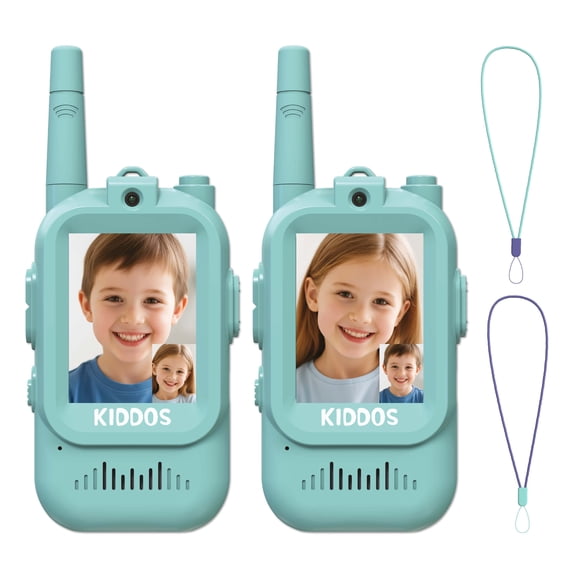
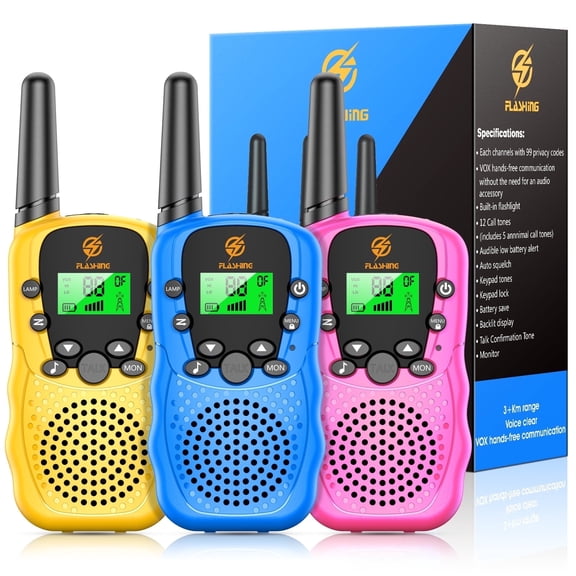
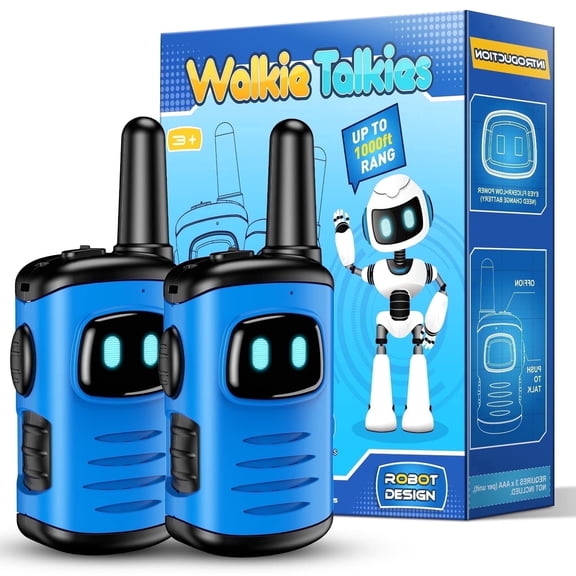
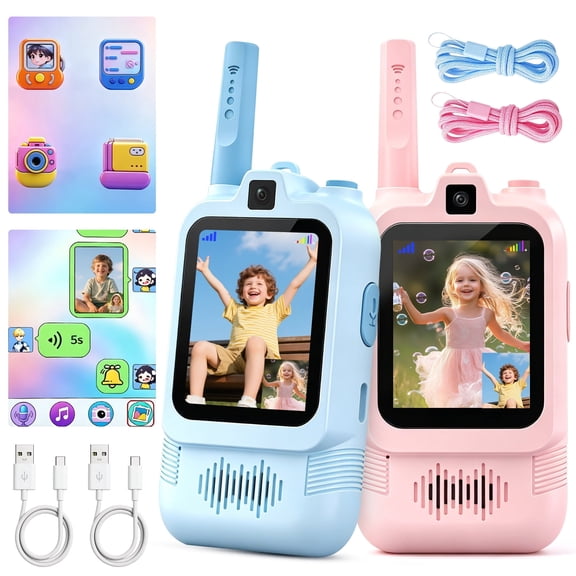
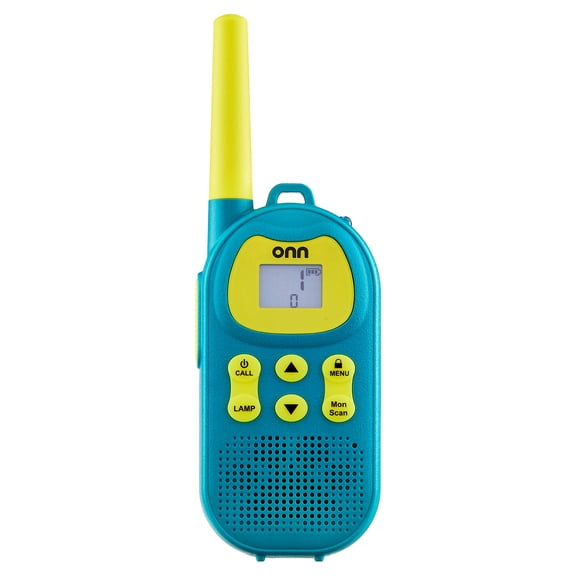
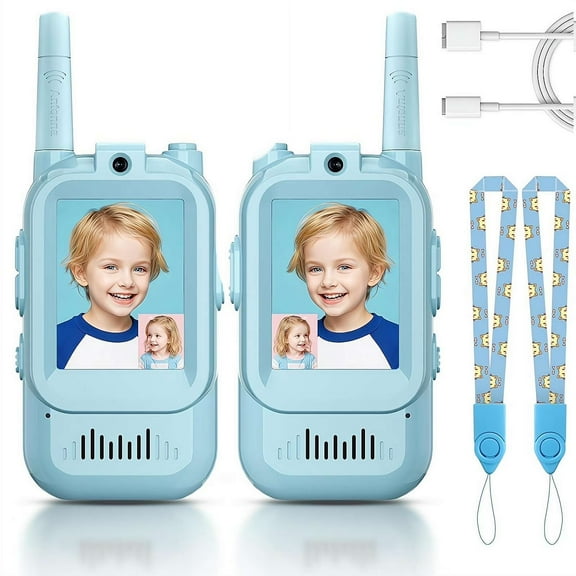
For family trips and vacation parks, you can choose simple presets and straightforward menus. If you’re shopping for kids walkie talkies, you should focus on easy handling and uncomplicated controls.
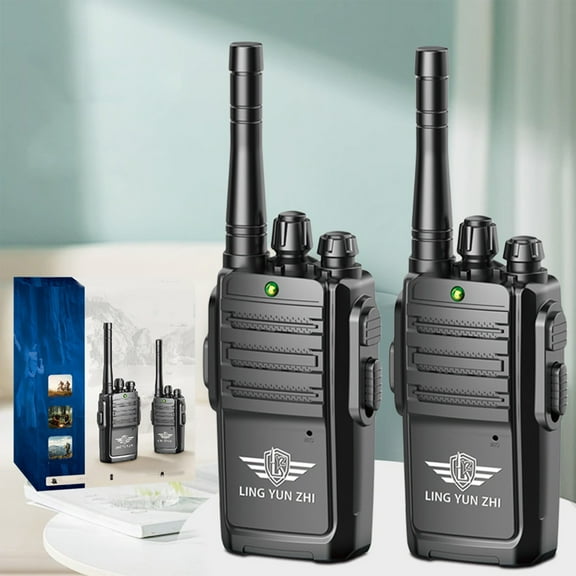
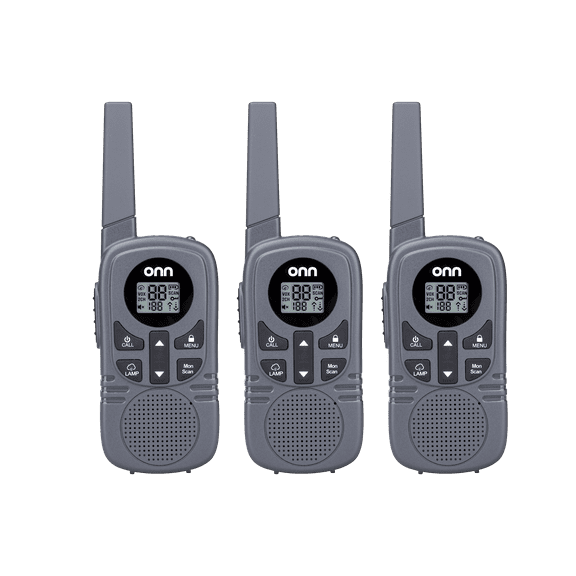
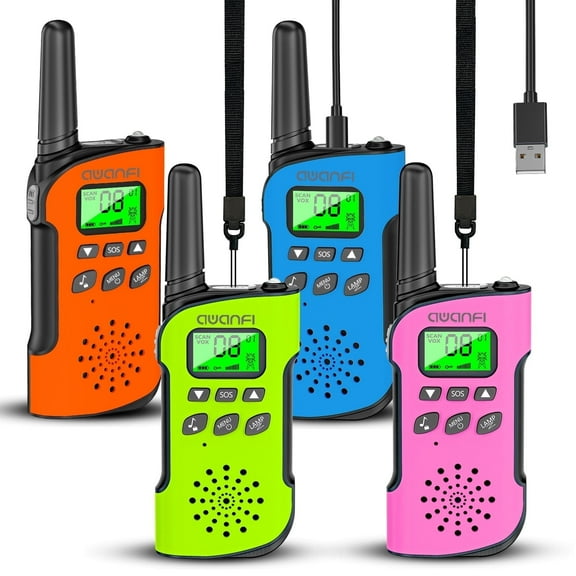
For job sites, events, warehouses, and property coordination, you may want earpiece support and dependable channel switching. You should also compare multi-pack options when several users need matched radios.
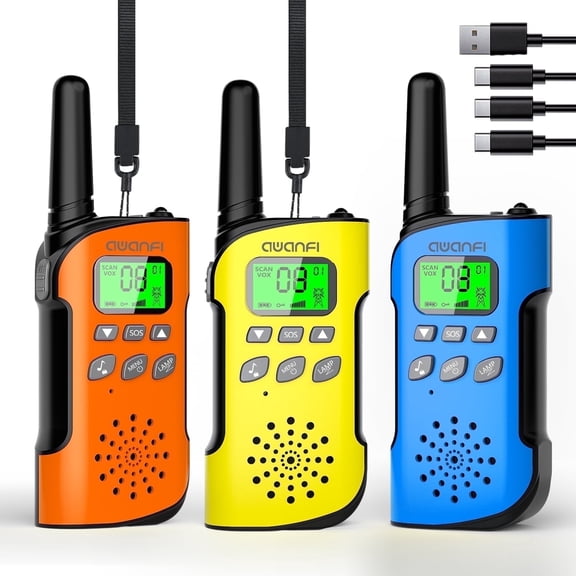
During camping, hunting camps, RV travel, or emergency kits, you can benefit from flashlight functions and battery flexibility. You’ll also want charging options that fit vehicles, cabins, or portable power banks.
If you boat, fish, or spend time in steady rain, you should prioritize waterproofing and grip texture. You can get more confident handling when buttons stay usable with wet hands.
When you compare walkie talkies 2 way radios carefully, you can find a setup that fits your terrain, power needs, and daily routine. You’ll communicate more smoothly with features that match how and where you actually use them.