Track Starting Block(1)
Athletic Connection Starting Block Cart 20010511 $501.23 Was $543.78
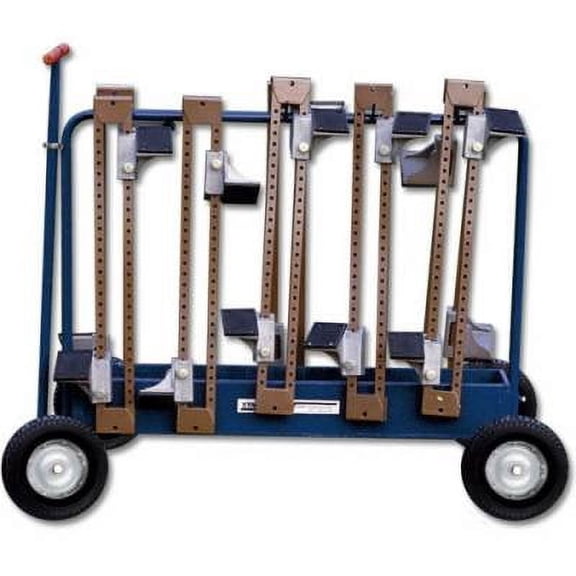
Athletic Connection Starting Block Cart 20010511
Other options to consider(2)
Deluxe Boxing MMA Groin Abdominal Protector - Comfortable Ultimate Protection for Contact Sports - Perfect for Gym & Workout Use (Large)

Deluxe Boxing MMA Groin Abdominal Protector - Comfortable Ultimate Protection for Contact Sports - Perfect for Gym & Workout Use (Large)
Tnarru 12Pcs Starting Block Spikes Track Spikes Steel M4.8 Running Block Studs Sprinter Pedals Cleats for Cinder Track Fitness Speed 11.2mm
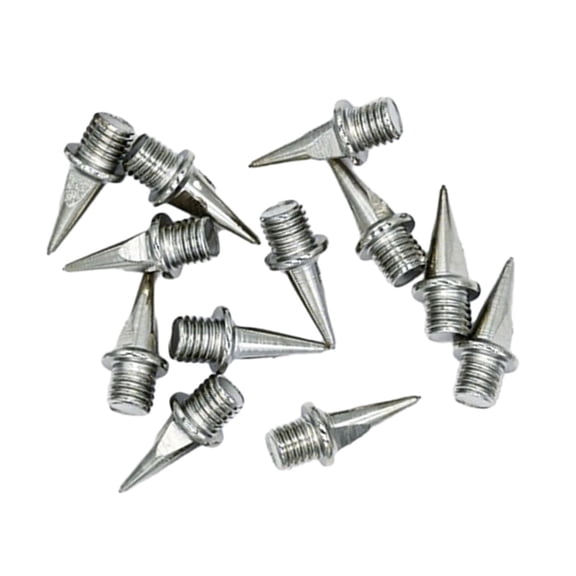
Tnarru 12Pcs Starting Block Spikes Track Spikes Steel M4.8 Running Block Studs Sprinter Pedals Cleats for Cinder Track Fitness Speed 11.2mm
FAQ
How do I set up a track starting block?
Setting up a track starting block is straightforward. Here’s how you can do it:
- Choose a flat surface: Place the block on a stable and even track area, whether that's a standard running track or workout surface.
- Adjust the foot pedals: Most blocks offer multiple positions and angle settings—usually up to 21 positions and several angles. Pick the settings that feel most comfortable for your start style.
- Secure the block: Make sure it’s firmly anchored into the track. For cinder or synthetic surfaces, press or dig in as needed.
- Test for stability: Step onto the pedals carefully to ensure the block doesn’t shift when you push off.
This setup helps you practice starts safely with your own preferred positioning.
What makes a starting block adjustable?
An adjustable starting block gives athletes flexibility to personalize their stance. Features can include:
- Multiple pedal positions: Many blocks have up to 21 levels for front and rear pedal adjustments, letting you set pedal spacing to match your stride.
- Angle customization: With up to 6 available pedal angles, you can change the incline for your feet, tailoring it to your starting preference.
- Easy locking mechanisms: These let you adjust quickly and keep pedals secure during practice or competition.
All of these features help athletes fine-tune their take-off for comfort and performance.
Are track starting blocks portable for practice?
Yes, many track starting blocks are designed for easy transport. Here are some portability features you might find:
- Lightweight materials: Aluminum alloy construction means the blocks are sturdy yet easier to carry to the field, gym, or different tracks.
- Compact design: Most starting blocks can be quickly disassembled or folded for convenient storage in a gear bag or car trunk.
- Durable build: Portable blocks are tough enough to withstand repeated setup and use outdoors or indoors.
These qualities make them ideal for athletes who train in various locations.
How do I maintain my starting block?
Keeping your starting block in good condition helps ensure safety and performance. Here are simple care tips:
- Wipe off dirt and debris: After use—especially on cinder or dirt tracks—clean pedals and frames with a damp cloth.
- Check moving parts: Inspect for loose bolts or parts, and tighten them as needed for stability.
- Store properly: Keep your block in a dry place to prevent moisture or rust, especially if it has metal parts.
- Avoid harsh chemicals: Stick to mild soap and water for cleaning to keep the surfaces and padding in good shape.
Can I use starting blocks on different types of tracks?
Most starting blocks are made to work on a variety of track surfaces. Here’s how they adapt:
- Plastic or synthetic tracks: Blocks usually feature spikes or ridges at the base to grip these surfaces well.
- Cinder or dirt tracks: The block base can be pressed or slightly dug in to prevent slipping. Adjustable mechanisms help stabilize them on uneven ground.
- Indoor tracks or gyms: If using blocks indoors, make sure they won’t damage the flooring and check for non-slip features.
This versatility lets you practice or compete on the surface available to you.
Popular in Track Starting Block for Track and Field Athletes
Related Products
XIHAMA-100 Piece Classic Big Building Blocks Toy Bricks Set Compatible with All Major Brands Bulk Bricks Set for All Ages | Large Waffle Blocks, Educational Toys, Construction Toys
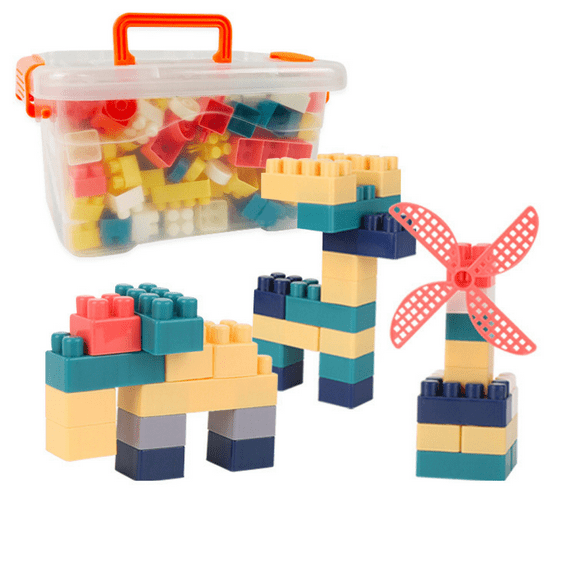 XIHAMA-100 Piece Classic Big Building Blocks Toy Bricks Set Compatible with All Major Brands Bulk Bricks Set for All Ages | Large Waffle Blocks, Educational Toys, Construction Toys$10.99current price $10.99
Platports Jumbo Plastic Building Blocks, Large Durable Child-Safe Motor-Skill Toy, 48 Pieces, Age 1-8
 Platports Jumbo Plastic Building Blocks, Large Durable Child-Safe Motor-Skill Toy, 48 Pieces, Age 1-8$101.64current price $101.64
Best Blocks 108 Piece Big Block Set Classic Colors
 Best Blocks 108 Piece Big Block Set Classic Colors$17.69current price $17.69
Dimple Building Block Set with Train Pieces & Carry Bag – 300-Piece Soft Plastic Kid Friendly Jumbo Blocks for Toddlers Ages 3–8
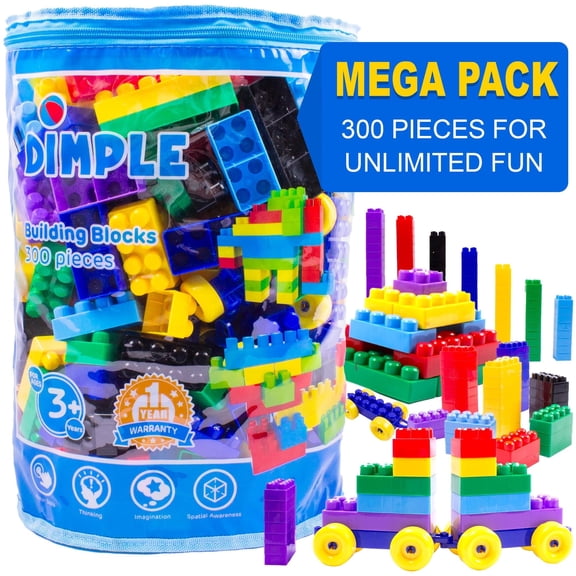 Dimple Building Block Set with Train Pieces & Carry Bag – 300-Piece Soft Plastic Kid Friendly Jumbo Blocks for Toddlers Ages 3–8$34.99current price $34.99
IMEX 2x4 Stud Interlocking Building Bricks Yellow 100 Pack Compatible With All Major Brands
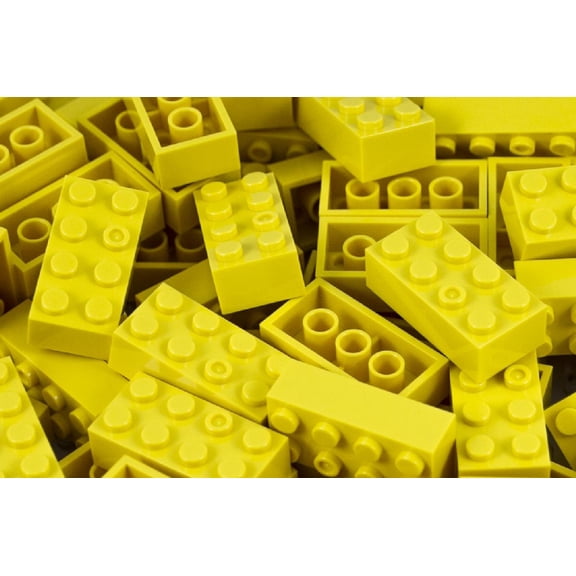 IMEX 2x4 Stud Interlocking Building Bricks Yellow 100 Pack Compatible With All Major Brands$17.99current price $17.99
Classic Building Blocks 1×1 Square Tiles: Dots 1500pcs Flat Bricks Parts and Pieces, Smooth Plate Pixel Art Mosaic Bulk Lot Black
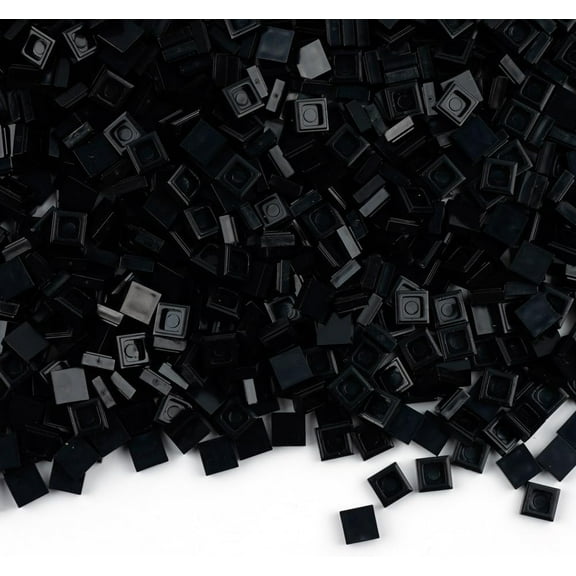 Classic Building Blocks 1×1 Square Tiles: Dots 1500pcs Flat Bricks Parts and Pieces, Smooth Plate Pixel Art Mosaic Bulk Lot Black$15.99current price $15.99
Excellerations Giant Shaped Building Bricks - Set of 48
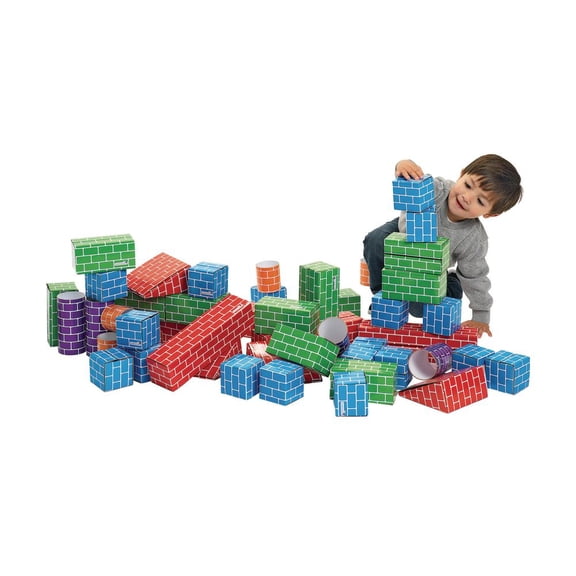 Excellerations Giant Shaped Building Bricks - Set of 48$71.99current price $71.99
Magblock 102-Piece Pastel Building Blocks Castle Set for Kids
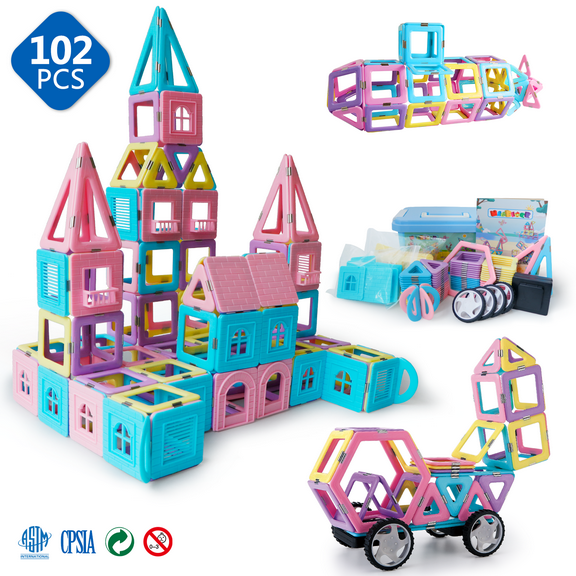 Magblock 102-Piece Pastel Building Blocks Castle Set for Kids$27.56current price $27.56
STRANDCHIC 20-Piece Orange Mini Building Bricks Set for Small Construction Blocks, Educational and Handcraft Toys
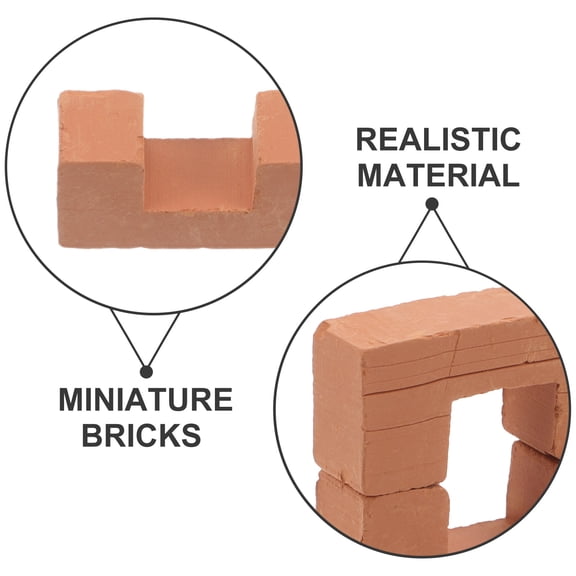 STRANDCHIC 20-Piece Orange Mini Building Bricks Set for Small Construction Blocks, Educational and Handcraft Toys$4.72current price $4.72
Tiles 1x2 Flat Bricks - 1000pcs Classic Building Blocks Parts and Pieces,Smooth Plate Water Accessories Bulk Lots Transparent Light Blue
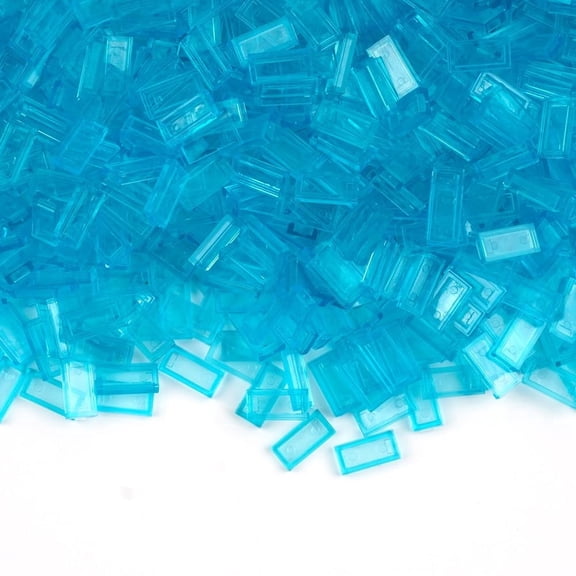 Tiles 1x2 Flat Bricks - 1000pcs Classic Building Blocks Parts and Pieces,Smooth Plate Water Accessories Bulk Lots Transparent Light Blue$15.99current price $15.99
2×2 Tile ×500 Parts and Pieces Flat MOC Bricks, Multicolored Bulk Building Blocks for Smooth Surface Wall Floor, Toy Accessories Compatible with Major Brands
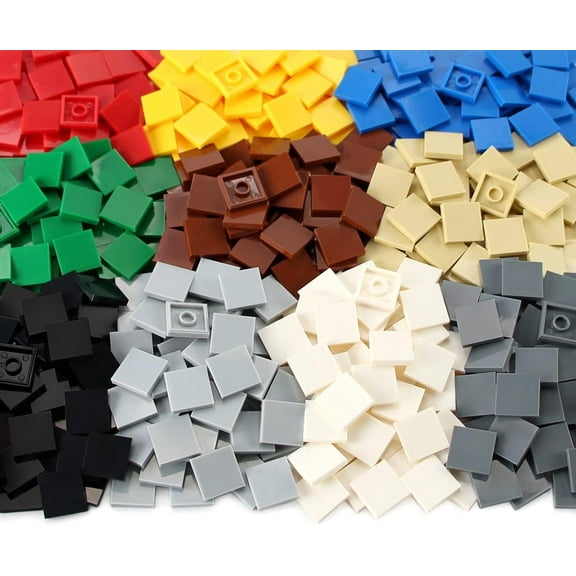 2×2 Tile ×500 Parts and Pieces Flat MOC Bricks, Multicolored Bulk Building Blocks for Smooth Surface Wall Floor, Toy Accessories Compatible with Major Brands$14.99current price $14.99
Clear Tiles 1x2 Flat Bricks - 1000pcs Classic Building Blocks Parts and Pieces,Smooth Plate Accessories Bulk Lots Transparent
 Clear Tiles 1x2 Flat Bricks - 1000pcs Classic Building Blocks Parts and Pieces,Smooth Plate Accessories Bulk Lots Transparent$15.99current price $15.99
Strictly Briks Alphabriks With 10 X 10 Stackable Gray Base Plate 100 Compatible With All Major Brands Baseplate And Tiles For Education And Fun 100 4X4 Alphabet Letter Tiles
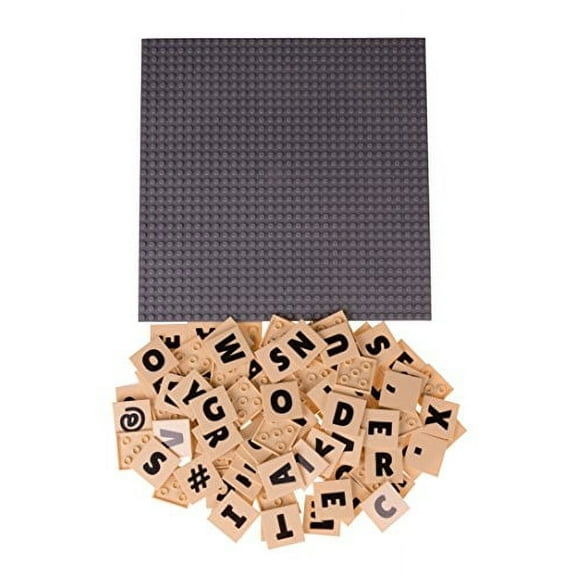 Strictly Briks Alphabriks With 10 X 10 Stackable Gray Base Plate 100 Compatible With All Major Brands Baseplate And Tiles For Education And Fun 100 4X4 Alphabet Letter Tiles$19.59current price $19.59
Interlocking Building Blocks Large-Particle Easy Grip Toddler 130 Pieces
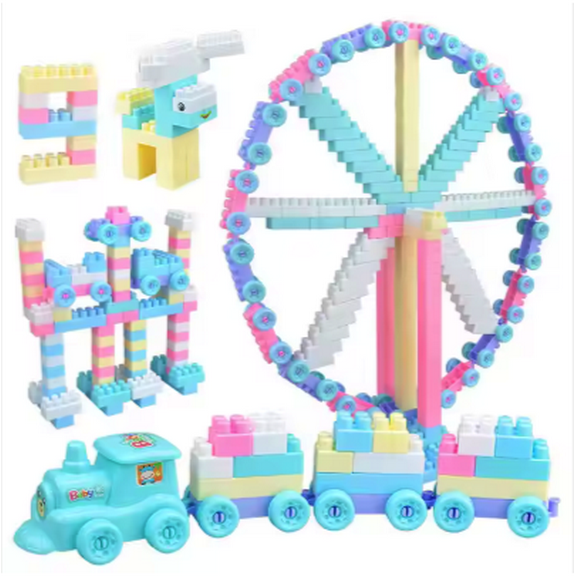 Interlocking Building Blocks Large-Particle Easy Grip Toddler 130 Pieces$11.99current price $11.99