


Find auto parts that fit
Let’s search for parts that fit your vehicle.
Tow Bars in Towing Accessories
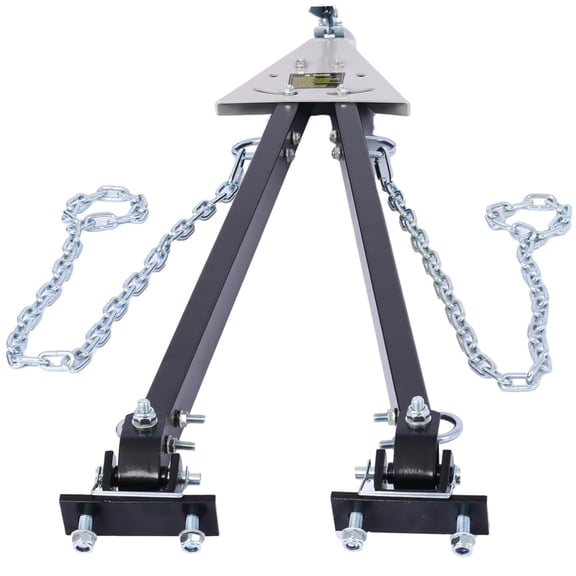


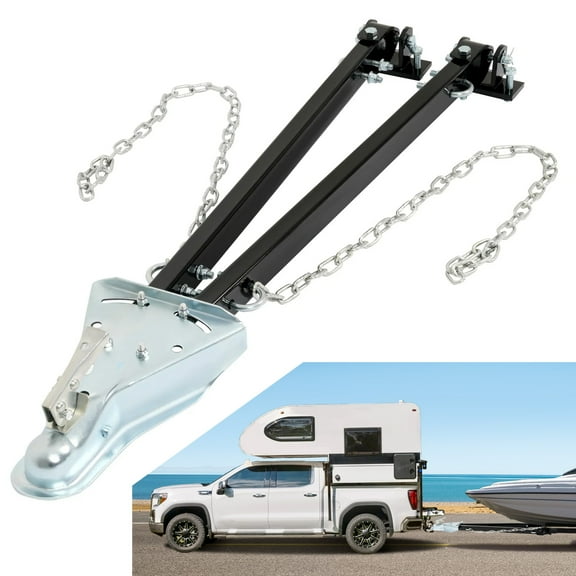


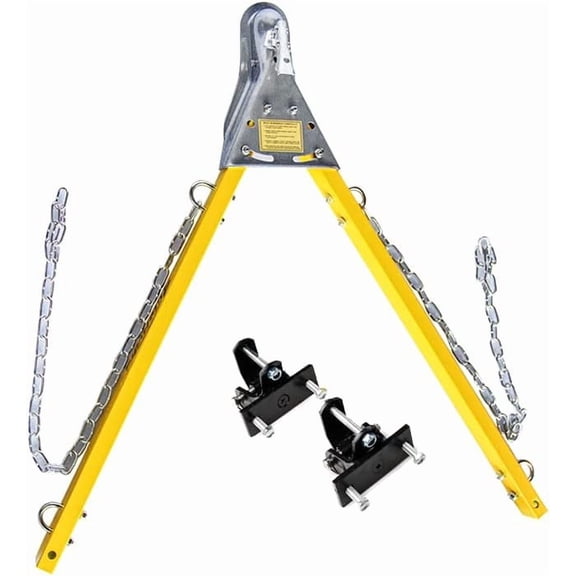

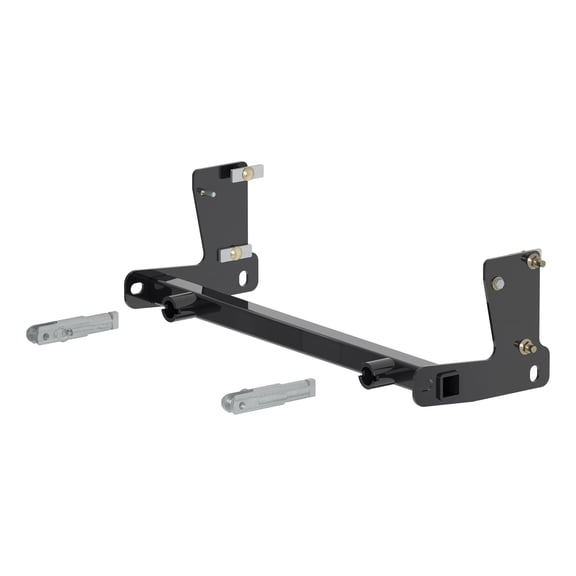


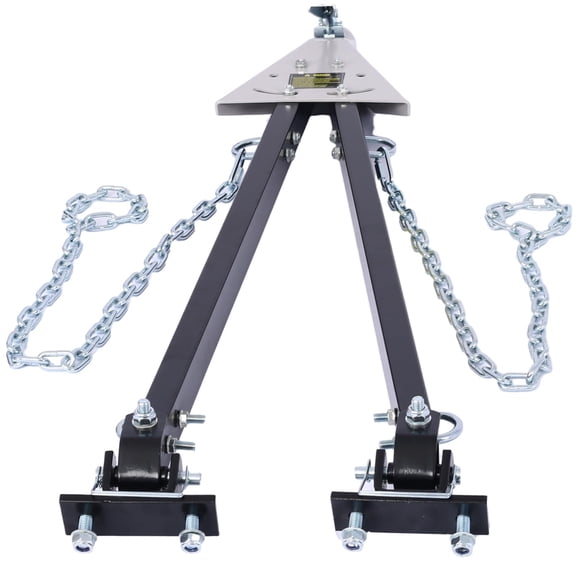


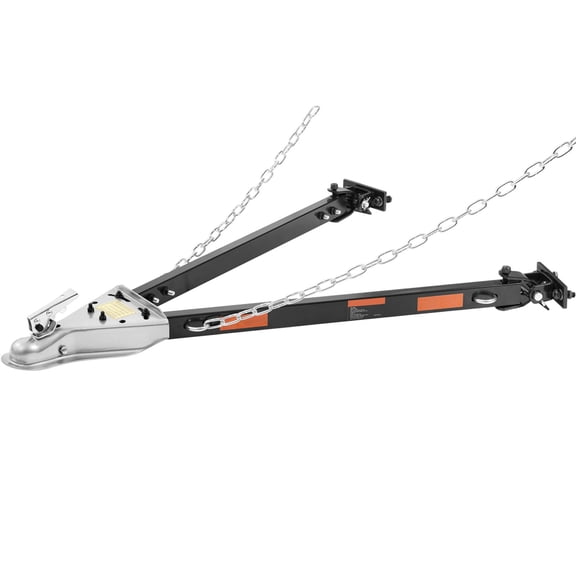


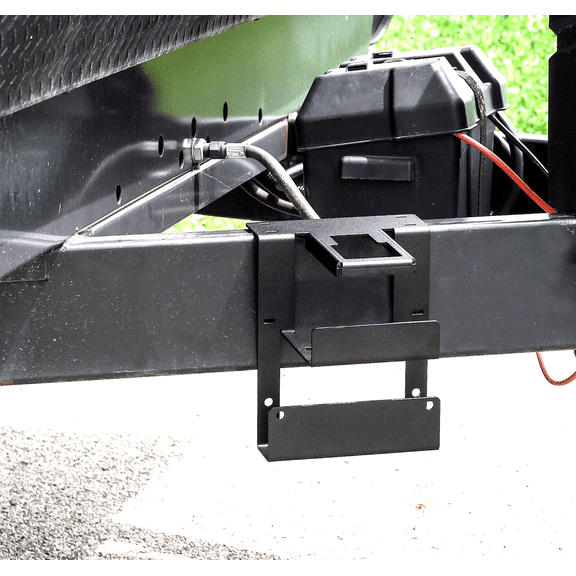

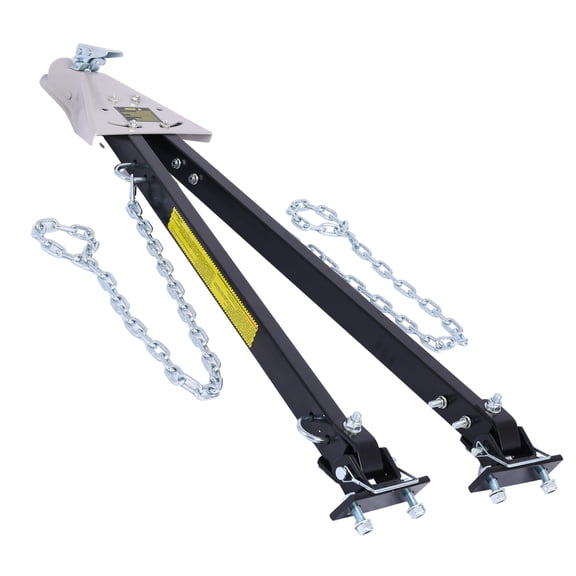


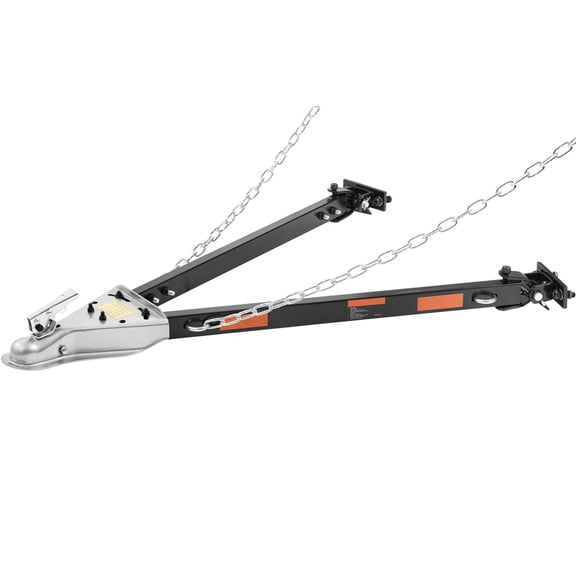


About Tow Bars in Towing Accessories - Walmart.com
Tow bars help you match your RV or vehicle setup to the right towing method and weight class. You can compare fitment, hookup style, and storage details before you choose.
If you're shopping this category, you likely need gear that fits your vehicle weight and towing plan. You can use this guide to compare rv tow bars, flat towing bars, and adjustable options with confidence.
Choosing the right tow bars for your setup
You should start with weight capacity because your setup needs the right match for your vehicle and hitch. You can compare Class III, Class IV, and Class V options based on your towing plan.
If you tow a lighter vehicle, you may consider Class III models rated up to 5,000 pounds. If you need a heavy duty tow bar, you may look at Class IV or Class V capacity.
You should also compare GVWR and your hitch class rating before you choose. You can avoid mismatched equipment when your tow bar rating matches your vehicle's actual towing demands.
How to choose flat towing bars or trailer towing styles
You need to decide how your vehicle will travel behind your RV or tow vehicle. You can compare flat towing, dinghy towing, and trailer towing based on your equipment and destination.
If you want rv tow bars for flat towing, you should check base plate fitment first. You should also confirm whether your setup uses supplemental braking and compatible wiring parts.
You may prefer flat towing bars when you want minimal trailer storage concerns at campsites. You may choose trailer towing when your vehicle or towing plan calls for a separate trailer platform.
- You can use flat towing for vehicles designed to roll behind an RV with the correct base plates.
- You can use dinghy towing when your motorhome setup supports direct vehicle connection and accessory add-ons.
- You can use trailer towing when your vehicle needs full support instead of rolling on its own wheels.
- You can compare each style by hookup steps, storage needs, and compatibility with your towing vehicle.
Comparing connection types and adjustable tow bars
You should compare receiver-mount and coupler-mount designs based on your hitch setup. You can narrow your options faster when the connection style matches your towing hardware.
If your RV uses a receiver setup, you may look for receiver-based vehicle tow bars. If your setup uses a coupler connection, you should confirm the coupler size before you buy.
You can also compare adjustable tow bars with rigid designs for hookup ease. You may like adjustable width bars when you need more flexibility across compatible towing points.
If you want straightforward alignment during hookup, you may look for self-aligning arms or folding designs. You can also choose rigid bars when your setup stays consistent and your storage space allows it.
Looking at material, construction, and included gear
You should compare steel and aluminum construction based on how you tow and store your gear. You may choose steel for a sturdy feel, while you may choose aluminum for easier handling.
If you move your towing gear often, you may notice lighter materials are easy to lift and position. If you tow heavier vehicles, you may focus on construction details and rated capacity.
You should also check whether a tow bar kit includes key accessories for your setup. You may want safety cables, wiring kits, pins, clips, or mounting hardware, depending on compatibility.
You can make your decision faster when you know which parts come in the box. You should still confirm base plates and related towing accessories separately when your vehicle needs model-specific fitment.
Matching tow bars to real towing situations
If you travel with a motorhome, you may want tow bars that support repeated hookups during road trips. You can focus on folding arms, adjustable width, and direct connection points.
If you tow a compact car behind your RV, you may look for rv tow bars built for flat towing compatibility. You should pair that choice with the right base plate and cable setup.
If you move a heavier vehicle, you may choose a heavy duty tow bar with higher class ratings. You can compare Class IV and Class V options when your vehicle weight calls for more capacity.
If your towing setup changes between vehicles, you may prefer adjustable tow bars with flexible width alignment. You can simplify hookups when your connection points vary across compatible vehicles.
You may also consider storage space before you choose your final setup. You can benefit from fold-away designs when your garage, RV compartment, or hitch area stays tight.
You should finish your comparison by checking fitment, towing style, and included accessories together. You can choose tow bars with fewer compatibility surprises and straightforward hookup steps for your next trip.