


FAQ
How do I pick the right paint color match?
Choosing the right touch-up paint color for your vehicle is all about matching your car's original paint code. You can usually find this code on a sticker inside the driver's door jamb or in your owner's manual. Once you have the code, compare it to the product details to ensure compatibility. If you're unsure, you can always ask a Walmart associate for help. Picking the correct code helps your touch-up blend in more naturally, making scratches or chips less noticeable.
What's the difference between aerosol and base color paint?
Aerosol paint comes in a spray can, making it convenient for small touch-ups and easy application without extra tools. Base color paint is typically sold in pints or quarts and is applied with a spray gun, which is better for larger areas or professional-looking results. Consider your project size and comfort with painting tools when deciding which type works best for you.
Do I need a clear coat after using touch-up paint?
Applying a clear coat after your base color can help protect the paint and give it a glossy finish. Many touch-up kits include both the color and a clear coat for best results. While it's not always required, using a clear coat can help your repair last longer and better match the surrounding paint. Be sure to follow the instructions provided with your kit for the best outcome.
How should I prep my car before applying touch-up paint?
- Wash the area thoroughly to remove dirt and debris.
- Dry the surface completely.
- Lightly sand any rough edges around the scratch or chip.
- Wipe with a lint-free cloth to remove dust.
Proper prep helps the paint adhere better and creates a smoother finish. Always work in a well-ventilated area and follow all safety instructions included with your touch-up kit.
Can I use touch-up paint for deeper scratches?
Touch-up paint is designed for minor chips and surface scratches. For deeper scratches that reach the metal or plastic, you may need to use a primer or filler before applying color. Deeper damage can be more challenging to repair, so take your time and follow all product directions. If you're unsure about the repair, consider consulting a professional for advice.
Popular in Touch Up Zone Auto Paints and Supplies
Related Products
Satin White Pearl (Tri-Coat) 37J OEM SUBARU Touch-Up Paint Pen & Brush – Exact Match Car Scratch Repair Kit (0.4 fl oz)
 Satin White Pearl (Tri-Coat) 37J OEM SUBARU Touch-Up Paint Pen & Brush – Exact Match Car Scratch Repair Kit (0.4 fl oz)$19.34current price $19.34
NISSAN White QAA OEM Touch-Up Paint Pen & Brush – Exact Match Car Scratch Repair Kit (0.4 fl oz)
 NISSAN White QAA OEM Touch-Up Paint Pen & Brush – Exact Match Car Scratch Repair Kit (0.4 fl oz)$14.99current price $14.99
Toyota Super White 040 163-517 OEM Touch-Up Paint Pen & Brush – Exact Match Car Scratch Repair Kit (0.4 fl oz)
 Toyota Super White 040 163-517 OEM Touch-Up Paint Pen & Brush – Exact Match Car Scratch Repair Kit (0.4 fl oz)$14.99current price $14.99
Nissan Pearl White QAC OEM Touch-Up Paint Pen & Brush – Exact Match Car Scratch Repair Kit (12 mL, 0.4 fl oz)
 Nissan Pearl White QAC OEM Touch-Up Paint Pen & Brush – Exact Match Car Scratch Repair Kit (12 mL, 0.4 fl oz)$19.83current price $19.83
SNOW WHITE SWP OEM Kia Touch-Up Paint Pen & Brush – Exact Match Car Scratch Repair Kit (12 mL, 0.4 fl oz)
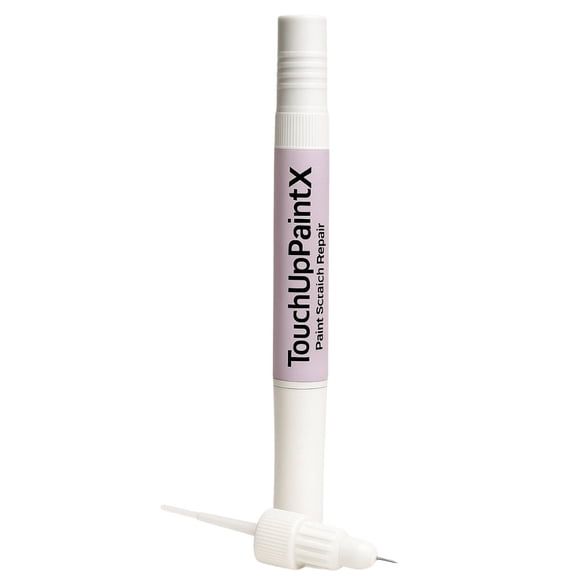 SNOW WHITE SWP OEM Kia Touch-Up Paint Pen & Brush – Exact Match Car Scratch Repair Kit (12 mL, 0.4 fl oz)$14.99current price $14.99
Dupli Color Volkswagen White Automotive Touch-Up Paint 8 oz
 Dupli Color Volkswagen White Automotive Touch-Up Paint 8 oz$18.37current price $18.37
Dupli-Color - BHA0994 Perfect Match, Gloss, White Diamond, 8 oz. Fits select: 2011-2016 HONDA CIVIC, 2011-2017 HONDA CR-V
 Dupli-Color - BHA0994 Perfect Match, Gloss, White Diamond, 8 oz. Fits select: 2011-2016 HONDA CIVIC, 2011-2017 HONDA CR-V$17.24current price $17.24
KIA Glacier White GWP OEM Touch-Up Paint Pen & Brush – Exact Match Car Scratch Repair Kit (0.4 fl oz)
 KIA Glacier White GWP OEM Touch-Up Paint Pen & Brush – Exact Match Car Scratch Repair Kit (0.4 fl oz)$14.99current price $14.99
Nissan Satin White QX3 OEM Touch-Up Paint Pen & Brush – Exact Match Car Scratch Repair Kit (12 mL, 0.4 fl oz)
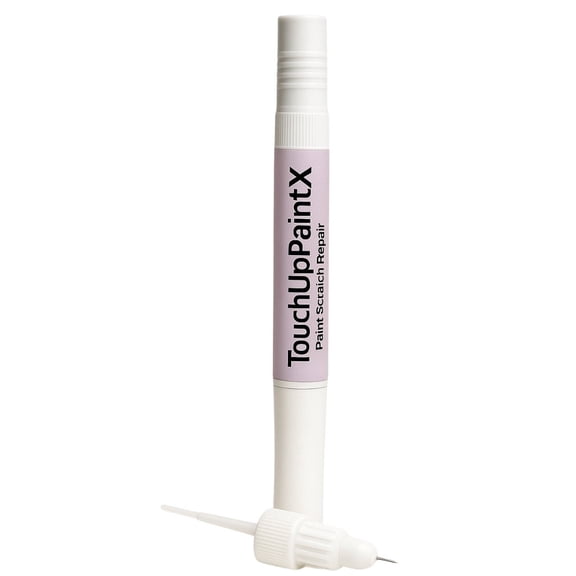 Nissan Satin White QX3 OEM Touch-Up Paint Pen & Brush – Exact Match Car Scratch Repair Kit (12 mL, 0.4 fl oz)$14.99current price $14.99
ERA Paints WA9567 - Arctic White for Chevrolet Exact Match Touch-Up Spray Paint - 2K Essential Kit
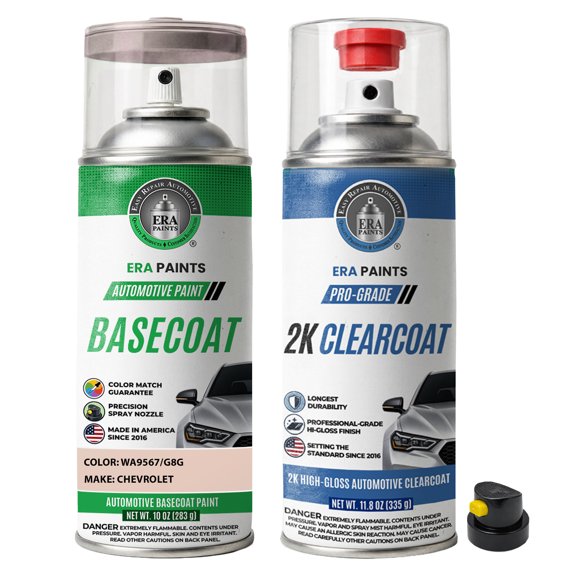 ERA Paints WA9567 - Arctic White for Chevrolet Exact Match Touch-Up Spray Paint - 2K Essential Kit$84.99current price $84.99
TouchUpDirect TR/TR2 Venetian Red Metallic Compatible With Hyundai Exact Match Touch Up Paint Aerosol - Essential Kit
 TouchUpDirect TR/TR2 Venetian Red Metallic Compatible With Hyundai Exact Match Touch Up Paint Aerosol - Essential Kit$65.00current price $65.00
Nissan Brilliant White Pearl (QAB) Touch Up Paint Kit - Scratch & Chip Repair, Oem Quality, Easy Diy Application
Nissan Brilliant White Pearl (QAB) Touch Up Paint Kit - Scratch & Chip Repair, Oem Quality, Easy Diy Application
Toyota Blackish Red Mica (3R0) Touch Up Paint Kit - Scratch & Chip Repair, Oem Quality, Easy Diy Application
Toyota Blackish Red Mica (3R0) Touch Up Paint Kit - Scratch & Chip Repair, Oem Quality, Easy Diy Application
Toyota Platinum White Pearl (089) Touch Up Paint Kit - Scratch & Chip Repair, Oem Quality, Easy Diy Application
Toyota Platinum White Pearl (089) Touch Up Paint Kit - Scratch & Chip Repair, Oem Quality, Easy Diy Application
Dupli-Color ACC0362 Bright White Chrysler Exact-Match Scratch Fix All-in-1 Touch-Up Paint
 Dupli-Color ACC0362 Bright White Chrysler Exact-Match Scratch Fix All-in-1 Touch-Up Paint$29.99current price $29.99
ERA Paints M6Y/W8 - Ceramic White for Subaru Exact Match Touch-Up Spray Paint - Basic Kit
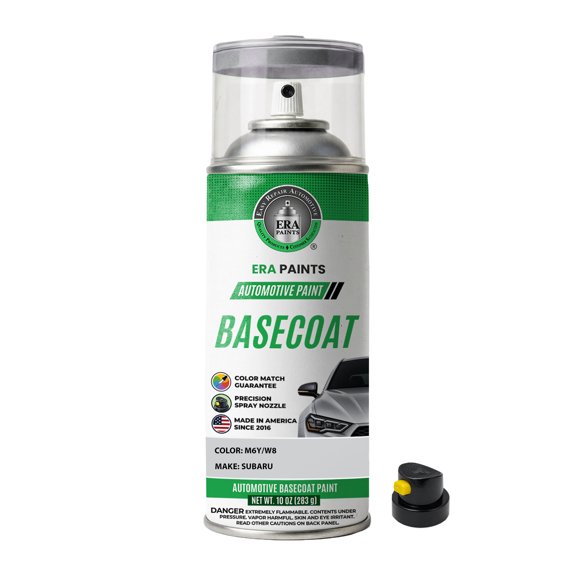 ERA Paints M6Y/W8 - Ceramic White for Subaru Exact Match Touch-Up Spray Paint - Basic Kit$54.99current price $54.99