

TENS Units in Pain management















About TENS Units in Pain management - Walmart.com
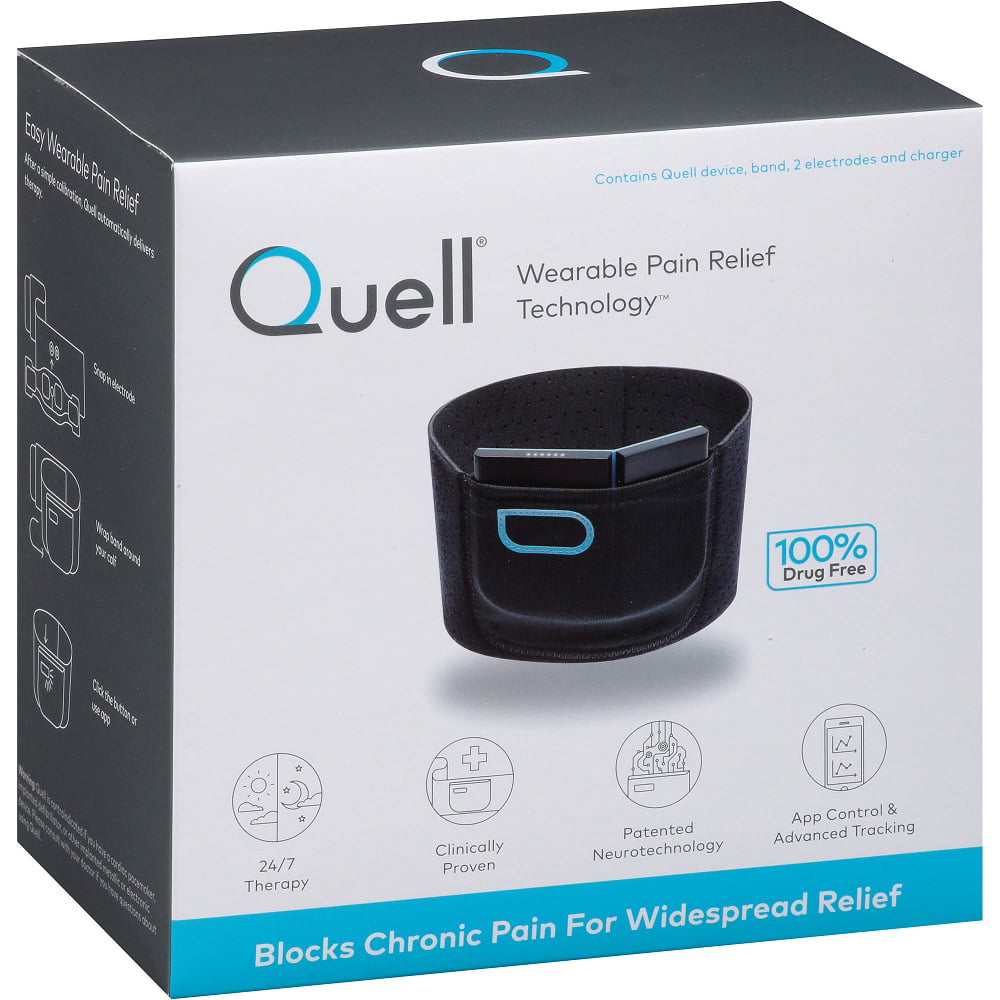
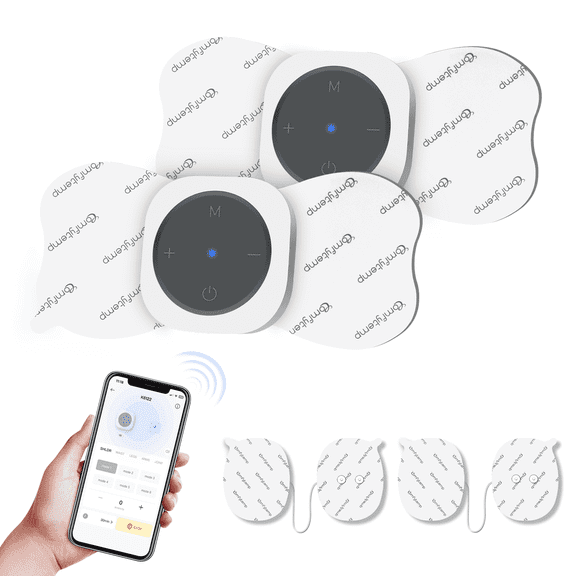
Tens units help you target everyday soreness with adjustable pulse settings and portable designs. You can compare channel options, pad compatibility, and power sources before you choose a device.
If you want focused stimulation at home or on the go, you’ll find practical formats for different routines. You can also compare TENS and EMS functions when your goals include comfort, recovery, or muscle engagement.
How to choose tens units for your routine
You should start by matching the device type to your main goal. You’ll usually choose TENS for comforting pulse patterns and EMS for muscle contraction settings.
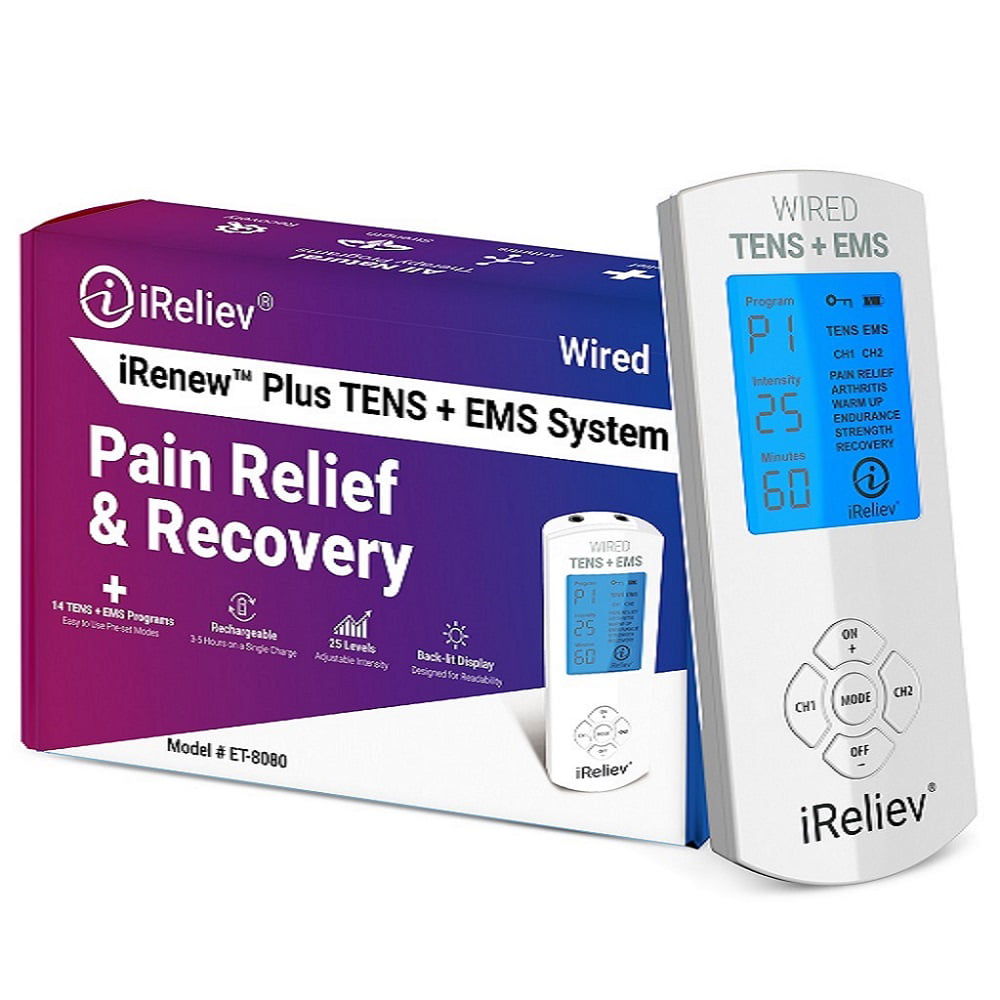
When you want both functions in one device, you can compare combination models. You’ll get a simpler path if your routine includes both targeted pulse use and muscle stimulation modes.
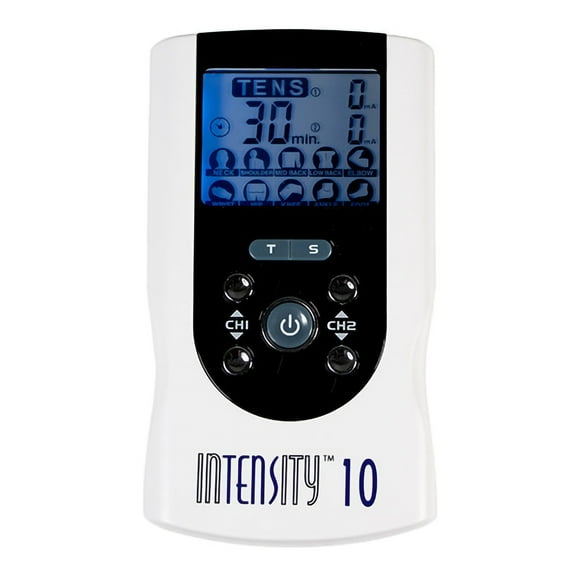
You may also want controls that feel easy to read and adjust. You’ll notice that larger screens, preset modes, and simple buttons can make setup feel quicker.
What to know about a tens machine and power options
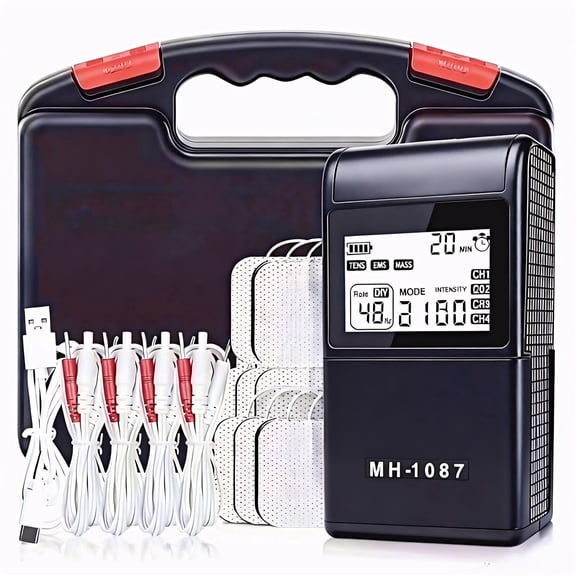
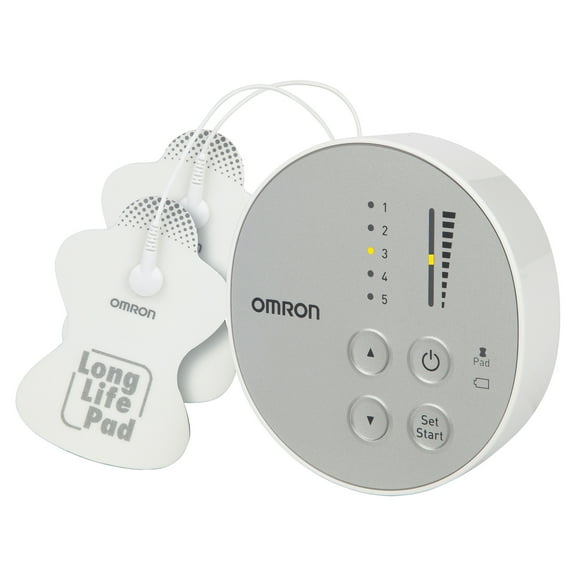
You can compare a rechargeable tens machine with models that use AAA batteries. You’ll often prefer rechargeable options when you want fewer battery swaps during regular use.
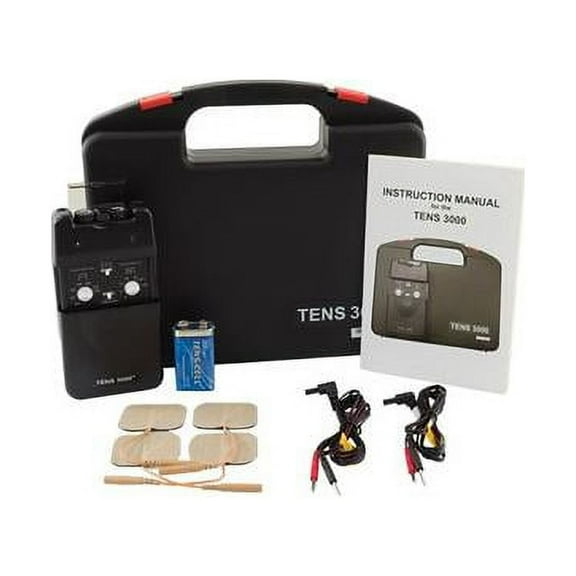
If you travel often, you may like battery-powered designs that let you replace power quickly. You can keep an extra set nearby and continue your routine without waiting.
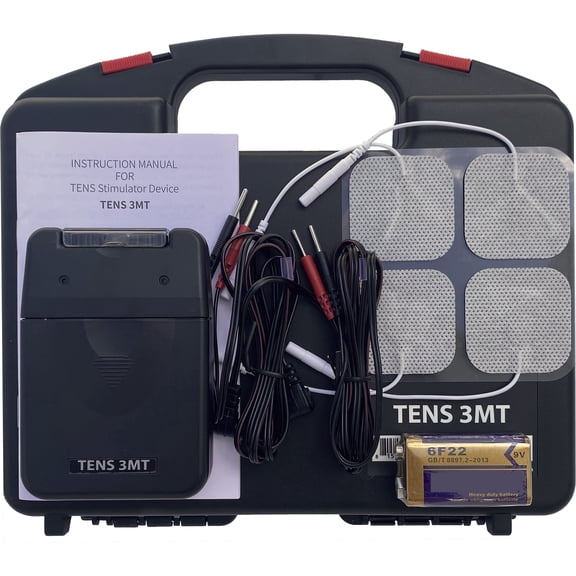
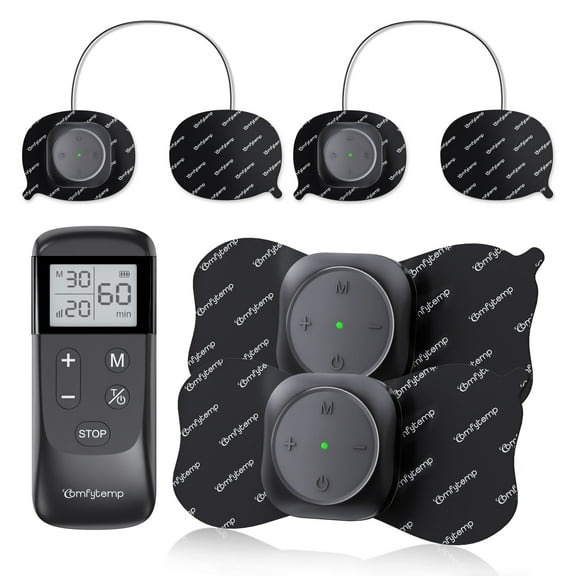
You should also check overall size, clip style, and carrying case details. You’ll get easier portability when your device fits a pocket, bag, or desk drawer.
Choosing channel configuration and independent controls
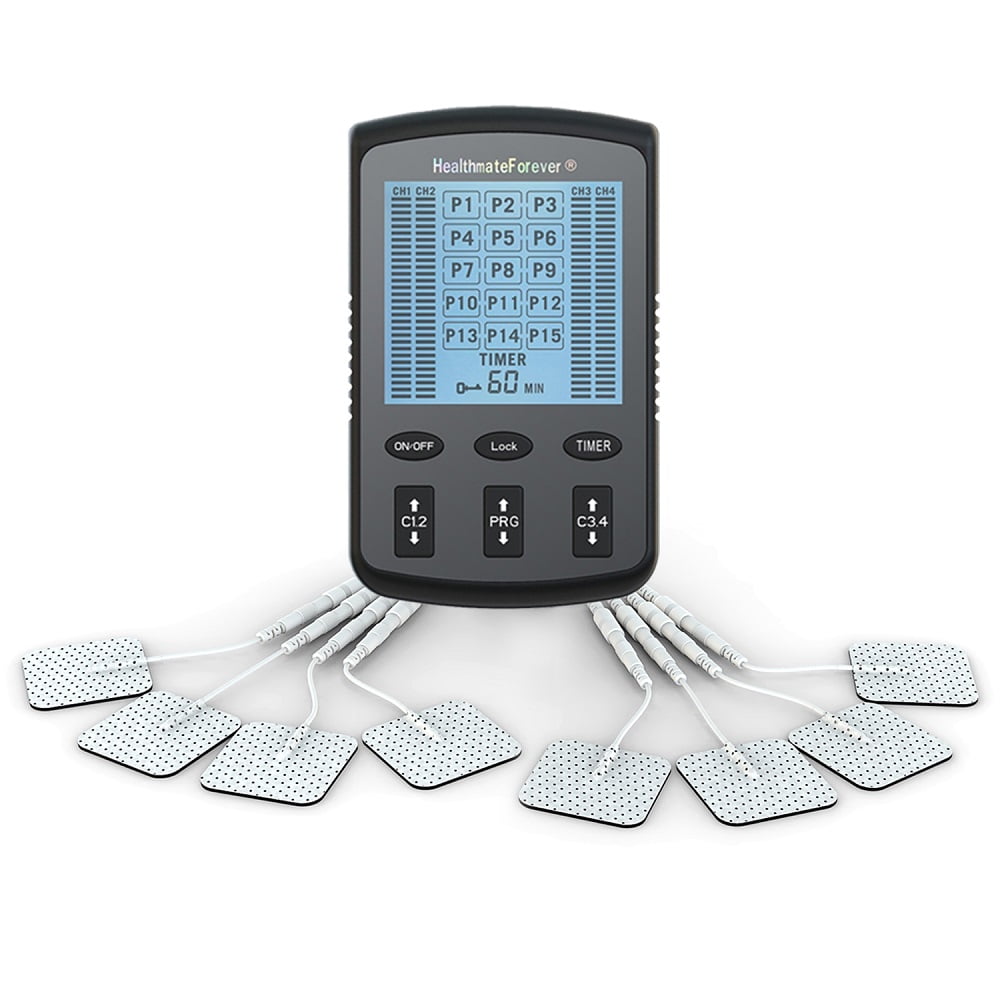
You should compare single channel, dual channel, and quad channel setups before you buy. You’ll usually get more flexibility as you move from one connection path to several.
A single channel model can suit you when you want a straightforward setup. You may prefer fewer controls if your routine focuses on one treatment area at a time.
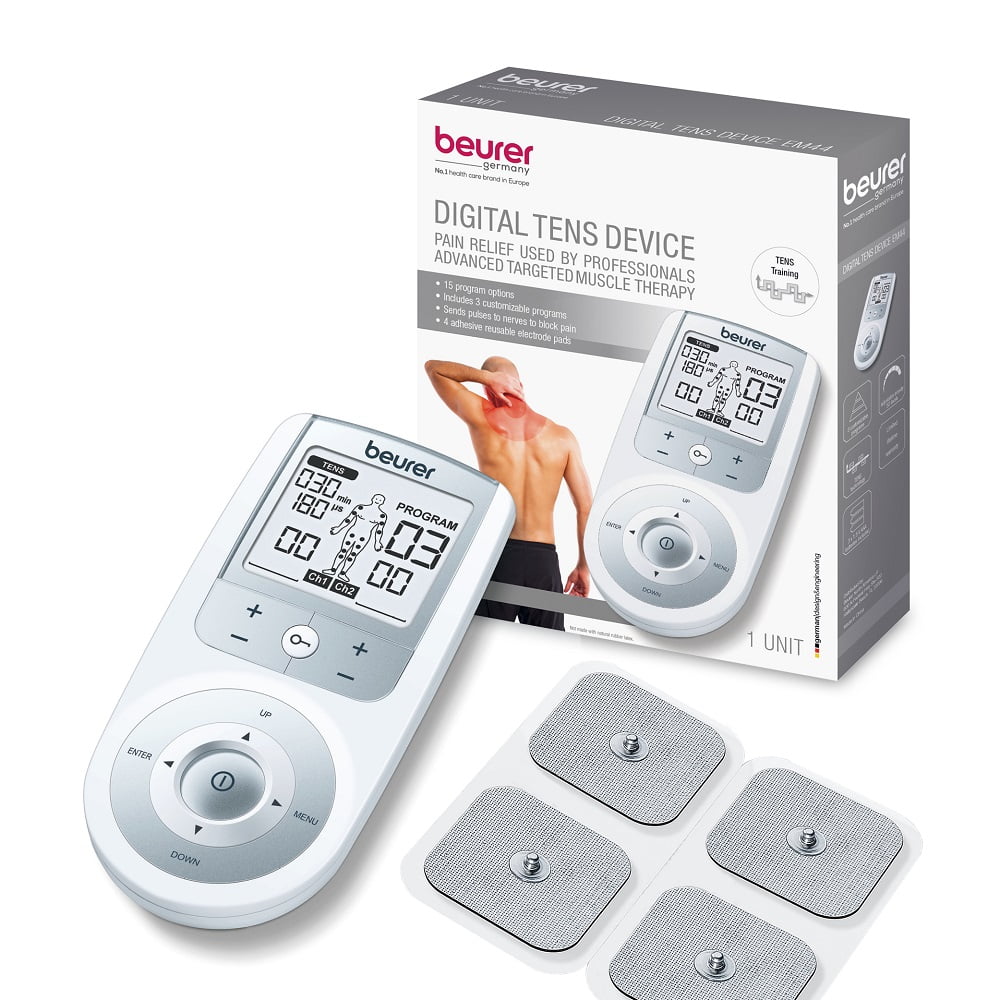
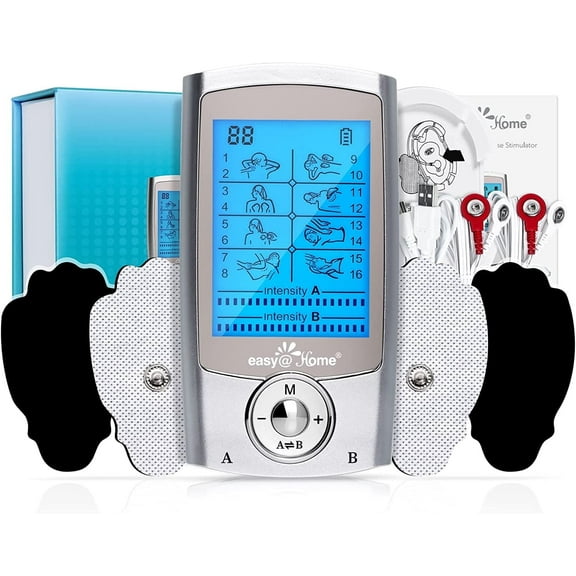
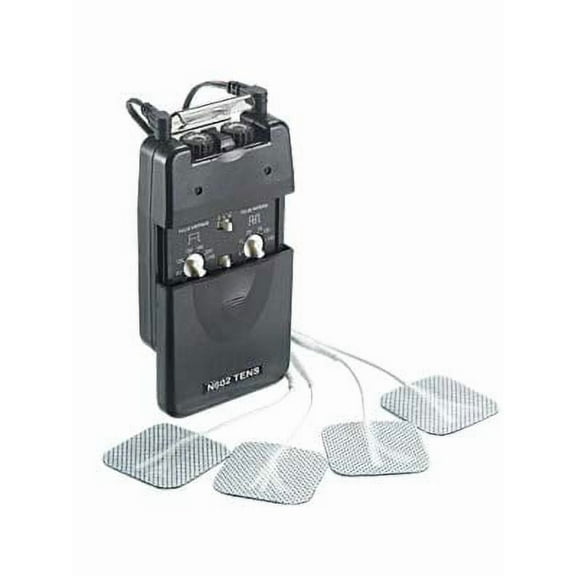
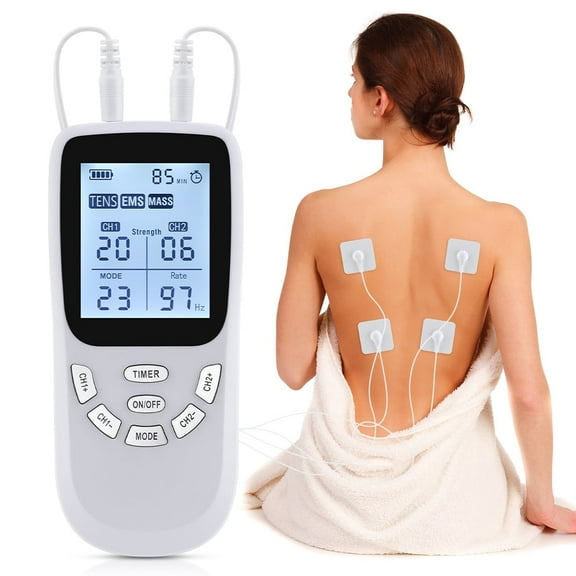
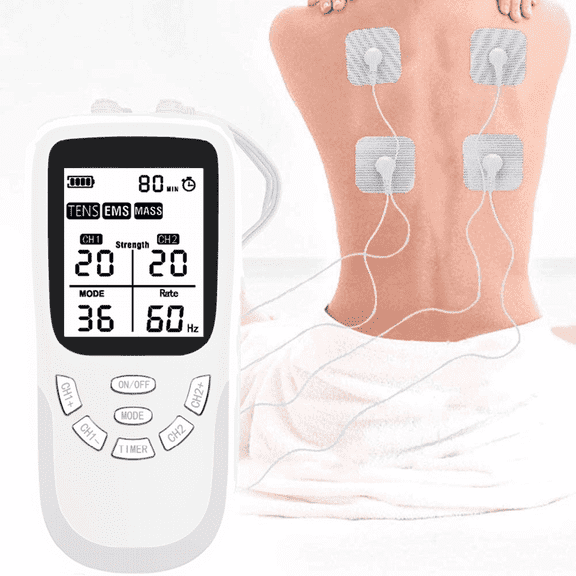
A dual channel tens unit can help you manage two pad pairs with separate intensity control. You can fine-tune each side when different areas need different stimulation levels.
Quad channel designs give you even more connection points for larger routines. You can place multiple pad sets and adjust coverage across several areas with fewer interruptions.
- You can choose single channel when you want simple controls and one focused setup.
- You can choose dual channel when you want independent intensity for two separate pad pairs.
- You can choose quad channel when you want broader placement options across multiple areas.
- You can compare rechargeable and battery-powered models based on how often you use your device.
- You can check pad connector style early so your replacement pads match your device.
TENS vs EMS muscle stimulator settings
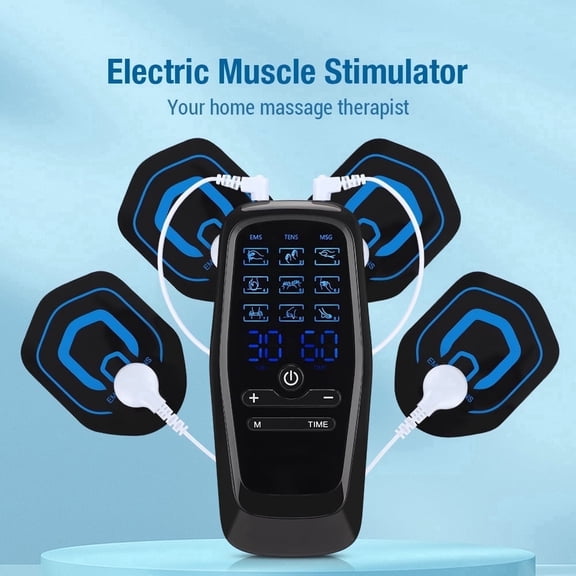
You should compare TENS and EMS muscle stimulator modes in plain terms before you decide. You’ll usually use TENS when you want pulse sensations, while EMS creates muscle contractions.
If your routine includes exercise recovery or training support, you may want EMS options. You can keep your shopping focused by checking whether a device offers TENS, EMS, or both.
You may also see an electronic pulse massager label on some listings. You should review the actual mode details so your device matches your intended use.
How to compare tens unit pads and compatibility
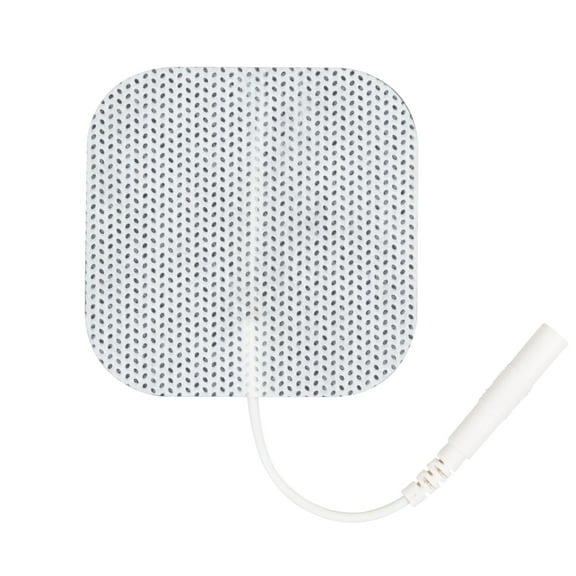
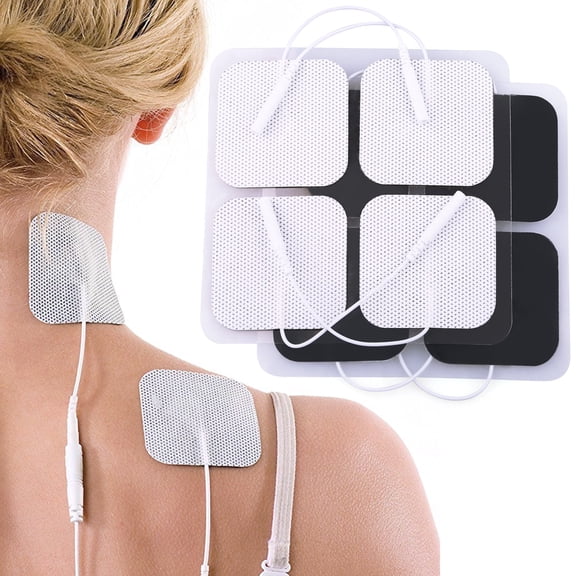
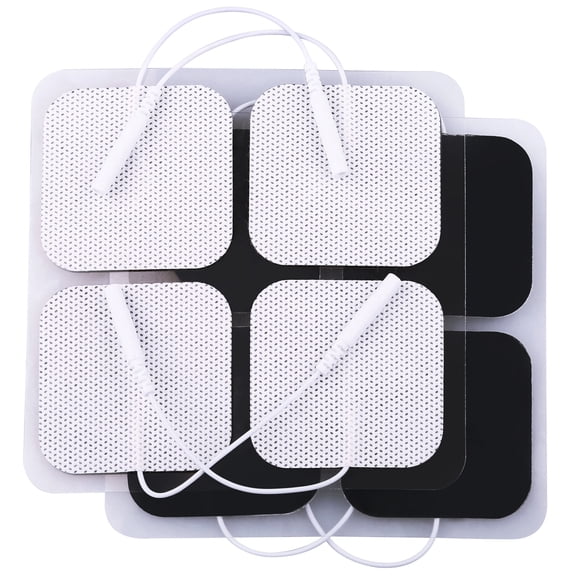
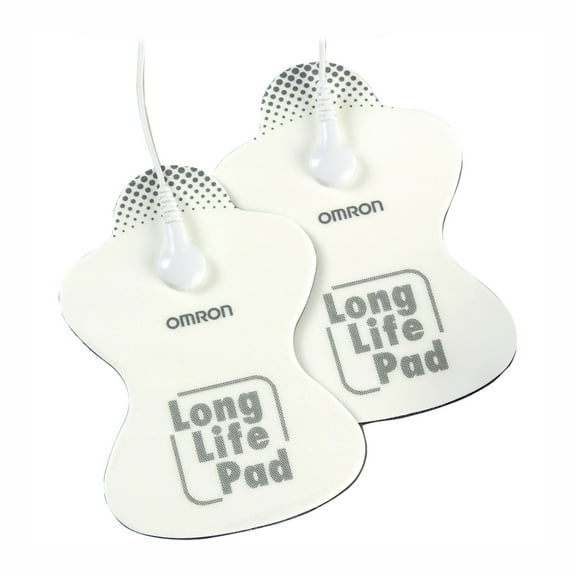
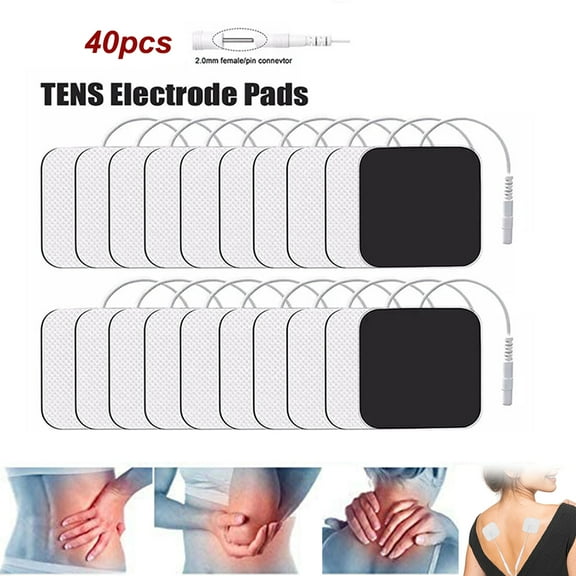
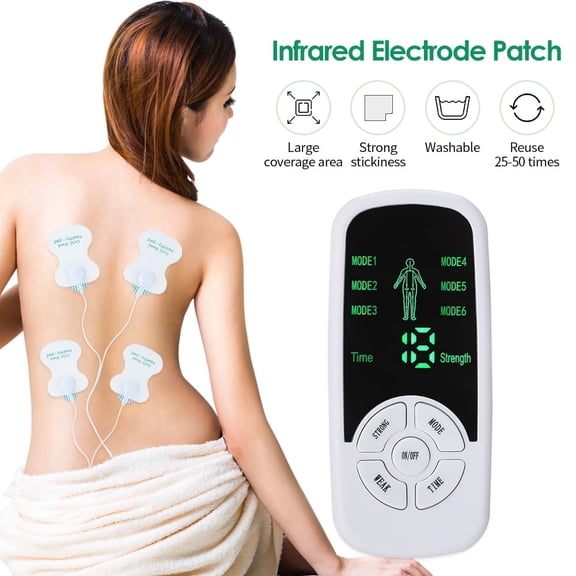
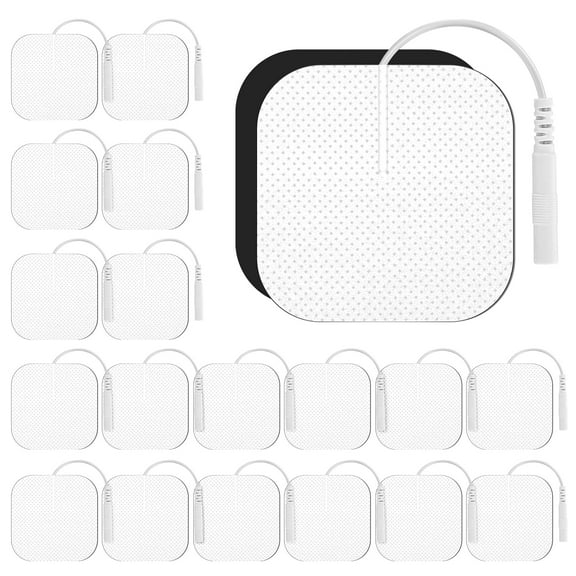
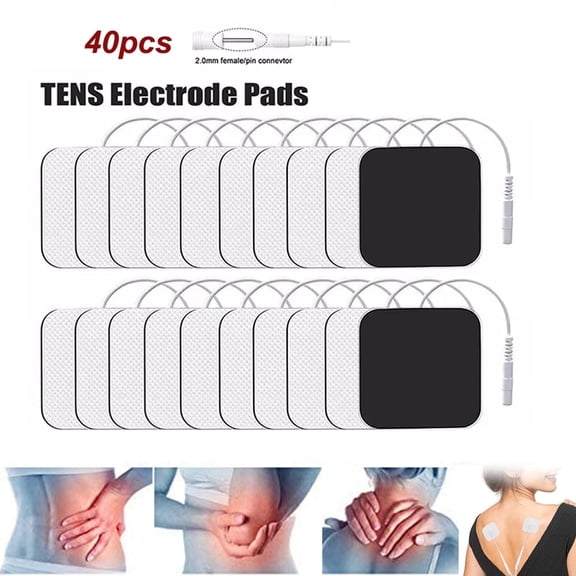
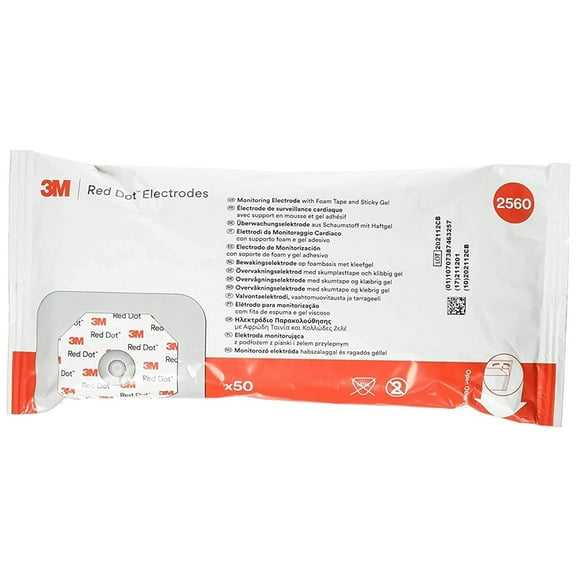
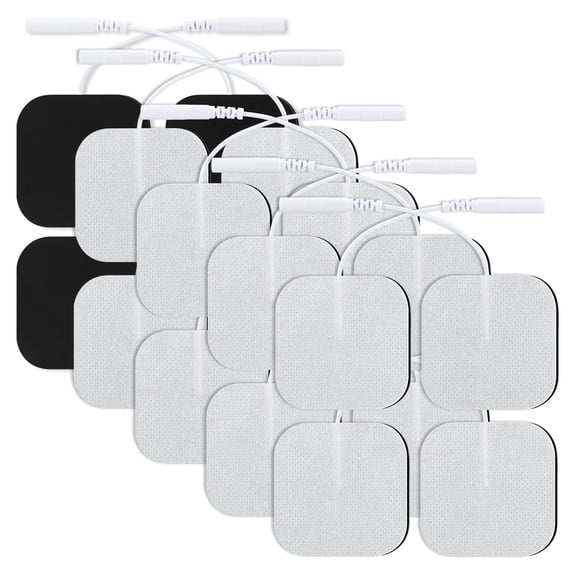
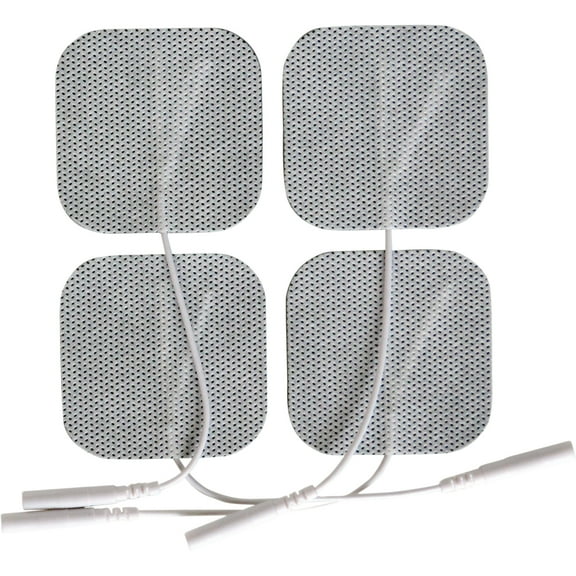
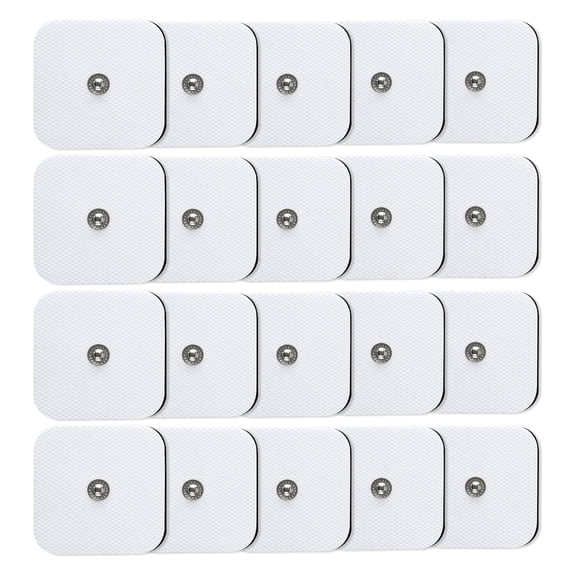
You should check tens unit pads early because replacement compatibility affects long-term convenience. You’ll want to know whether your device uses universal pin, snap-on, or proprietary connectors.
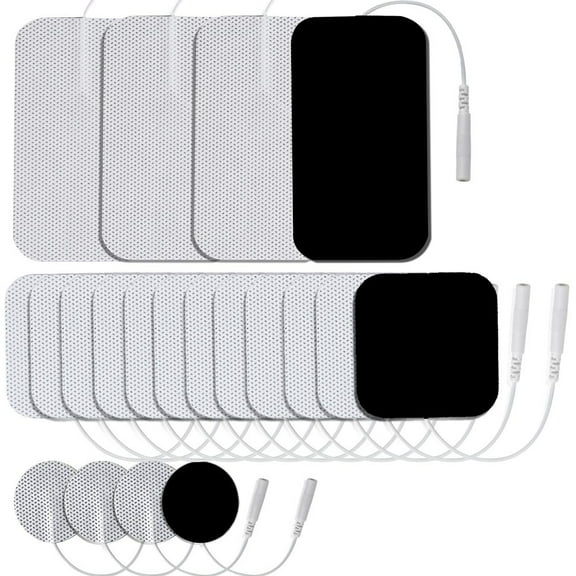
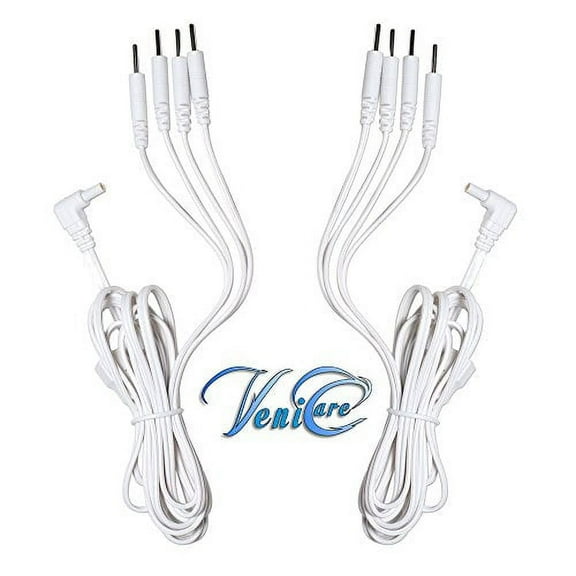
Universal pin connections can give you broader replacement choices across many accessories. You should still confirm pin diameter so your lead wires and pads connect securely.
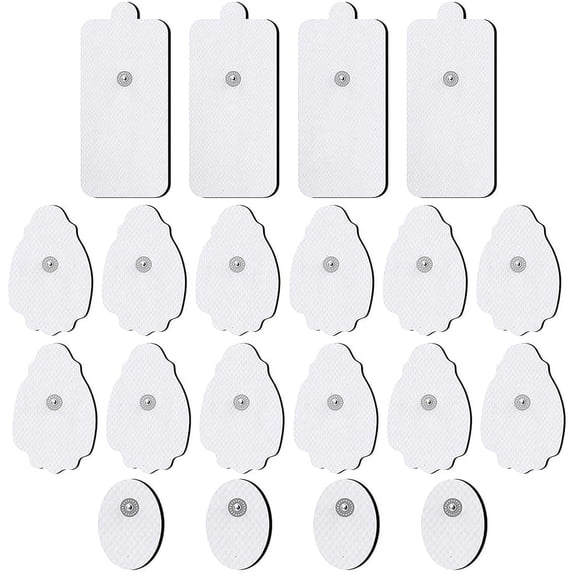
Snap-on styles can make pad changes feel simple and familiar. You’ll want to confirm snap size before ordering extras, because similar-looking options may not match.
Proprietary pad systems can streamline brand-specific matching for your device. You should confirm refill availability first if you expect frequent pad replacement during regular use.
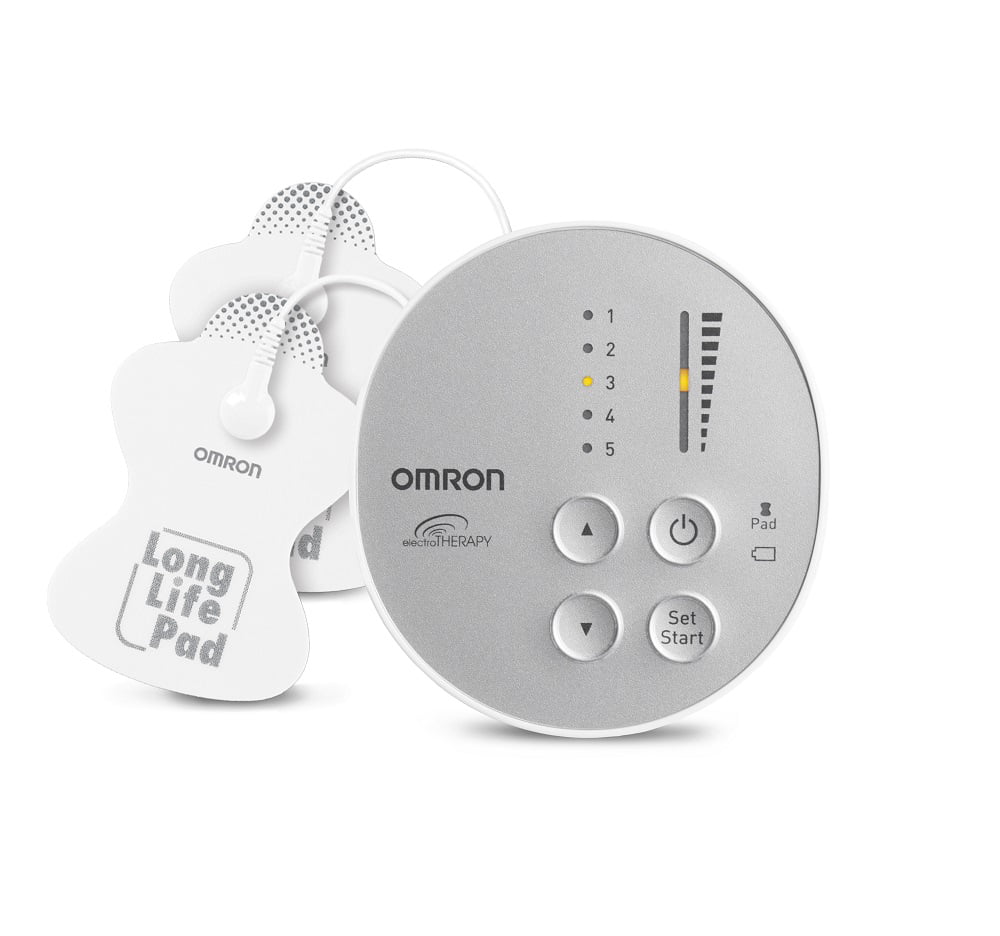
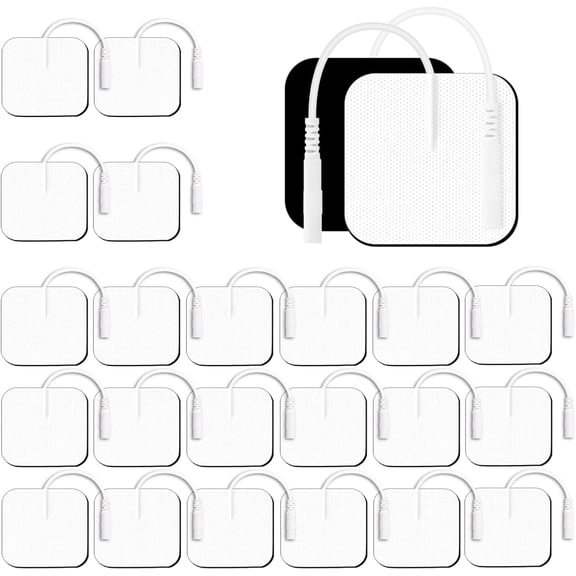
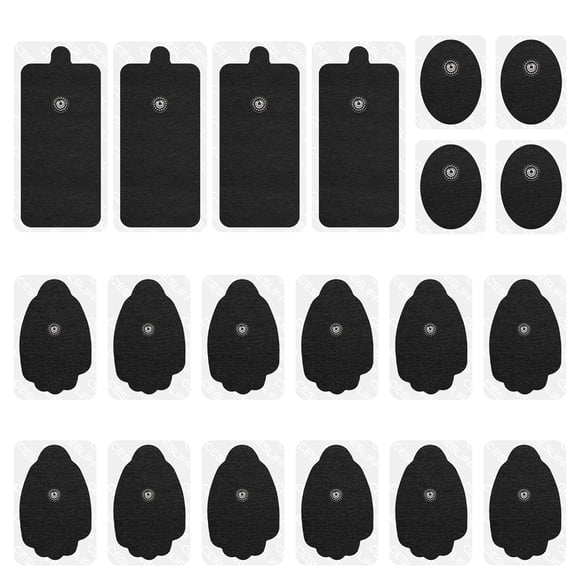
You can also compare pad shapes and counts for different placement needs. You’ll often see small pads for tighter areas and larger pads for broader coverage.
Use cases for home, travel, and recovery routines
You can use these devices in a home routine when you want convenient pulse sessions between daily tasks. You’ll appreciate compact controls and simple pad placement during shorter sessions.
If you commute or travel, you may prefer a lightweight unit with a case and rechargeable battery. You can pack cords, pads, and a charger without taking much room.
For post-workout routines, you may compare combination devices that include TENS and EMS settings. You can switch modes based on whether you want pulse patterns or muscle engagement.
If you’re replacing an older device, you should verify lead wires, connectors, and pad style first. You’ll avoid mismatched accessories when you compare compatibility details before checkout.
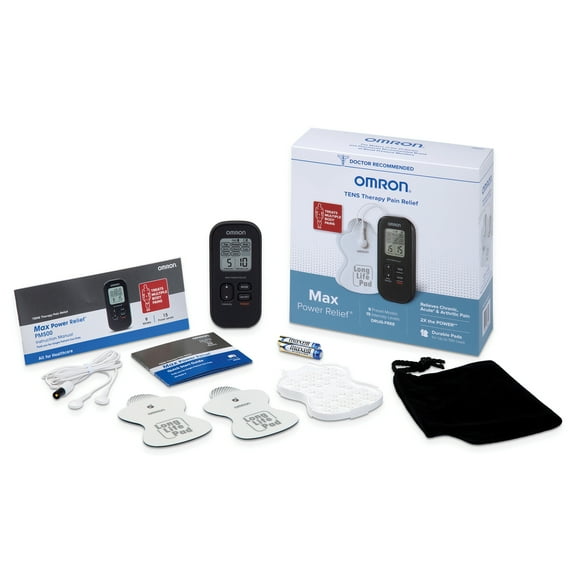
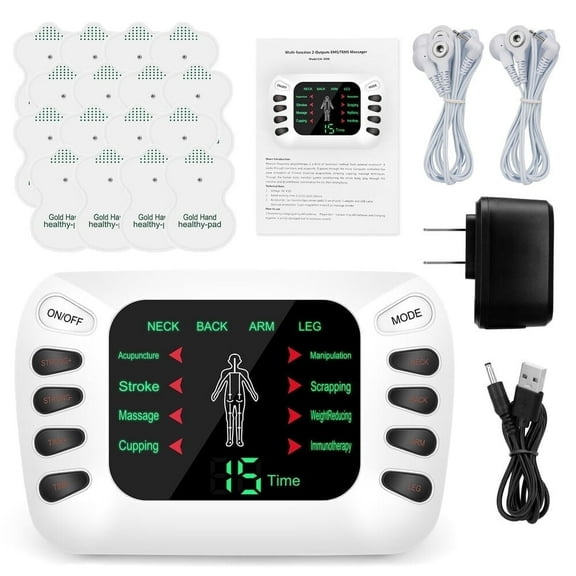
You may also want accessories that support your existing setup over time. You can look for replacement pads, extra lead wires, and storage options that fit your device.
With the right format, you can build a routine that feels organized and easy to maintain. You’ll get smoother daily use when your controls, power source, and pads all match your preferences.
Why the right match matters for tens units
You’ll feel more confident when your tens units match your goals, pad preferences, and power needs. You can get a smoother setup, easier replacement planning, and more consistent daily use.